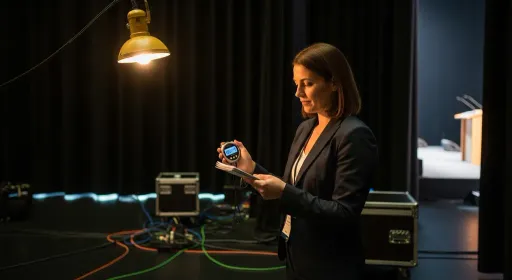
present participle of plan: actively deciding and arranging how something will happen
She is planning a surprise party for her sister.
We are planning to travel to Japan next spring.
an idea of what you will do and how you will do it in the future
Our weekend plan is to go hiking in the mountains.
Without a clear plan, the project quickly became chaotic.
✦ From French "plan" and Latin "planum" meaning a flat surface, later extended to "scheme" or "method".
to decide on and arrange something you will do in the future
They plan to travel around Europe next summer.
Please plan your speech so it lasts no more than five minutes.
✦ Verb sense comes from noun usage, first recorded in early 18th century.
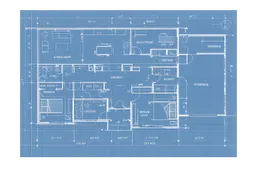
a detailed drawing or map that shows how something will be built or arranged
The architect unrolled the floor plan on the table.
According to the city plan, this area will become a park.
✦ Meaning of "drawing or outline" appeared in the 18th century from earlier sense of flat surface.
to design the detailed layout or structure of something
She planned the new kitchen to maximize space.
Engineers are planning the bridge to withstand earthquakes.
✦ Specialized design sense emerged in 19th-century engineering jargon.
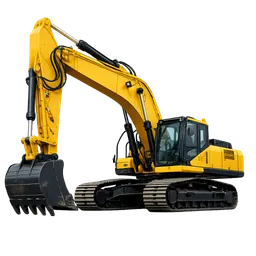
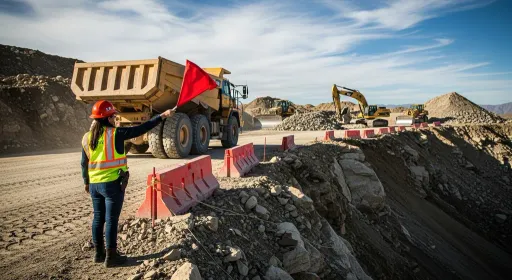
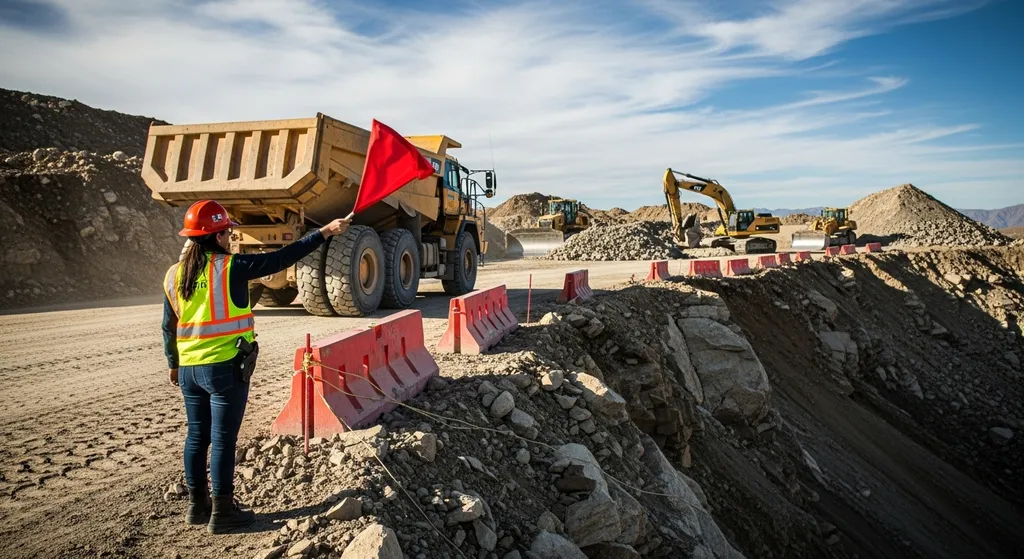
the heavy machines and equipment used in building or industrial work
The construction site rented extra plant to finish the job.
Keep the heavy plant away from the edge of the slope.
an object secretly placed to deceive or incriminate someone
The detectives discovered the gun was a plant meant to frame the suspect.
She swore the drugs were a plant and didn't belong to her.
the process of thinking about and organizing the details of something you want to achieve in the future
Good planning helped the team finish the project early.
The city’s planning for new parks will make the neighborhood greener.
a powered flying vehicle with fixed wings that carries passengers or goods through the air
The children waved as the aeroplane soared overhead.
Our aeroplane landed in London earlier than expected.
✦ late 19th-century British English, from French aéroplane: aéro- (“air”) + plane (“flat surface”), originally describing the wing surfaces.