toqus
Picture Dictionary
English
한국어
Register
Login
🔍
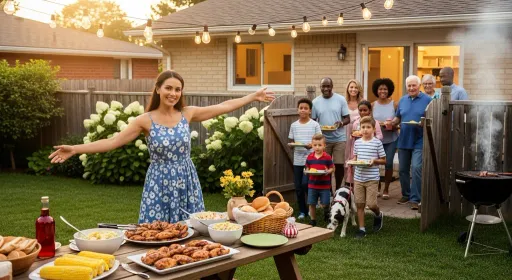
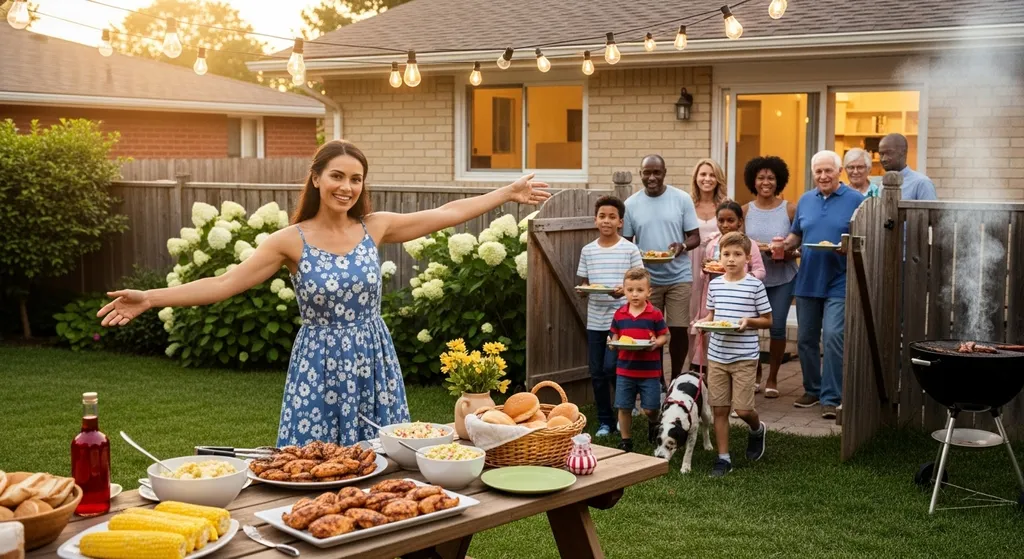
we
pronoun
used
by
a
speaker
or
writer
to
refer
to
themselves
together
with
one
or
more
other
people
as
the
subject
of
a
sentence
•
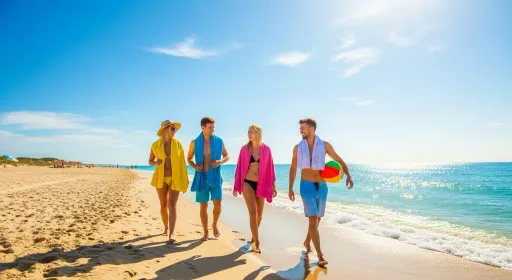
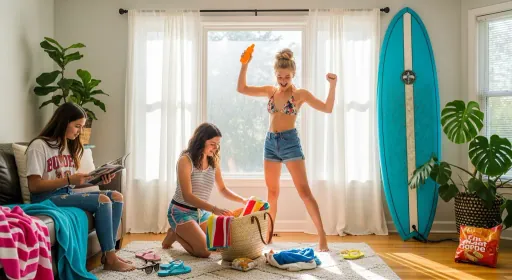
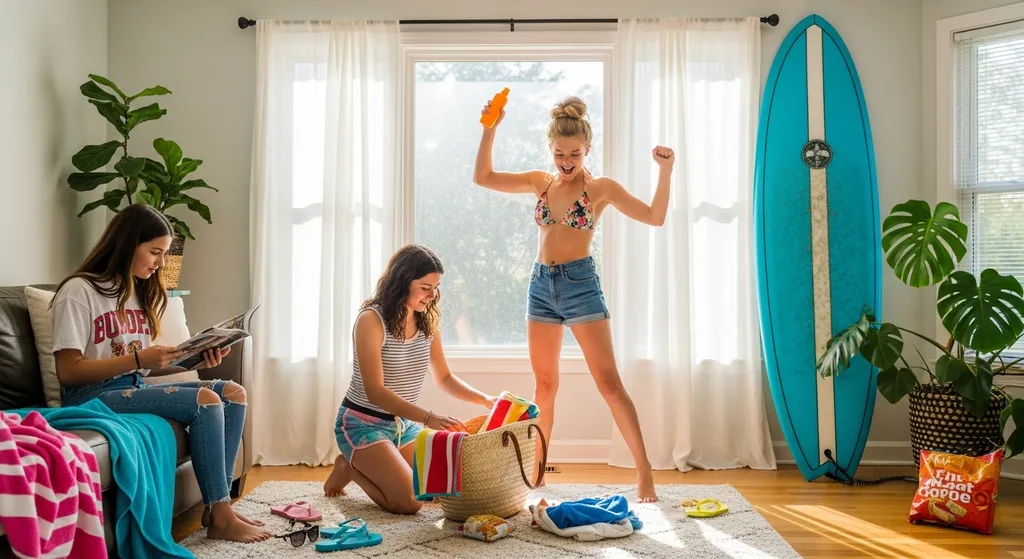
We
are
going
to
the
beach
this
afternoon
.
We
are
going
to
the
beach
this
afternoon
.
•
If
we
work
together
,
we
can
finish
early
.
If
we
work
together
,
we
can
finish
early
.
pronoun
used
to
mean
people
in
general
,
including
the
speaker
,
when
stating
a
general
truth
or
rule
•
We
use
the
internet
to
find
information
quickly
nowadays
.
We
use
the
internet
to
find
information
quickly
nowadays
.
•
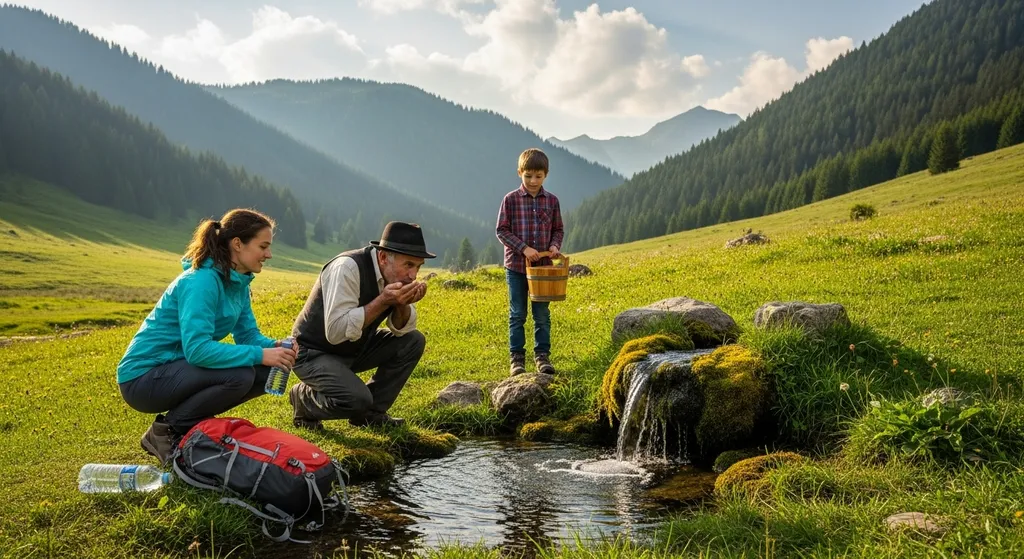
We
need
food
and
water
to
survive
.
We
need
food
and
water
to
survive
.
pronoun
used
by
a
single
speaker
or
writer
,
such
as
a
monarch
,
editor
,
or
teacher
,
to
refer
to
themselves
in
a
formal
or
authoritative
way
•
“
We
find
that
the
study
offers
valuable
insights
,”
stated
the
newspaper
’
s
editor
.
“
We
find
that
the
study
offers
valuable
insights
,”
stated
the
newspaper
’
s
editor
.
•
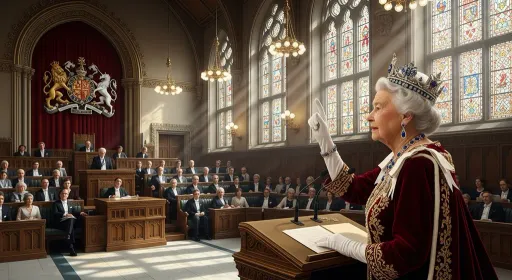
At
the
ceremony
,
the
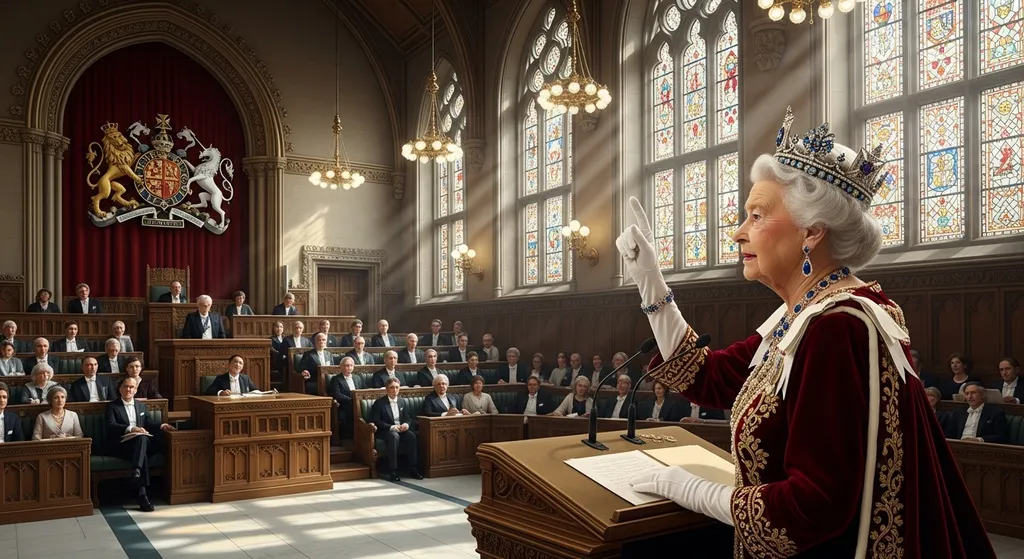
queen
declared
, “
We
hereby
open
this
session
of
parliament
.”
At
the
ceremony
,
the
queen
declared
, “
We
hereby
open
this
session
of
parliament
.”
week
noun
a
period
of
seven
days
in
a
row
,
usually
thought
of
as
starting
on
Sunday
or
Monday
and
ending
the
day
before
it
starts
again
•
A
week
has
seven
days
.
A
week
has
seven
days
.
•
Our
vacation
lasts
one
week
,
from
Saturday
to
Saturday
.
Our
vacation
lasts
one
week
,
from
Saturday
to
Saturday
.
Old
English
wice
,
from
a
Germanic
root
meaning
"
turn
"
or
"
change
",
referring
to
the
turning
of
days
.
noun
the
five
or
so
days
,
usually
Monday
to
Friday
,
when
people
normally
work
or
go
to
school
•
I
work
forty
hours
a
week
at
the
office
.
I
work
forty
hours
a
week
at
the
office
.
•
The
school
week
ends
on
Friday
afternoon
.
The
school
week
ends
on
Friday
afternoon
.
Derived
from
the
primary
sense
of
"
week
"
as
seven
days
;
by
extension
,
it
came
to
mean
the
regular
sequence
of
workdays
within
that
period
.
wear
verb
-
wear
,
wearing
,
wears
,
wore
,
worn
to
have
clothes
,
jewellery
,
or
other
items
on
your
body
•
He
wears
a
blue
uniform
to
work
every
day
.
He
wears
a
blue
uniform
to
work
every
day
.
•
Please
wear
your
seat
belt
while
the
car
is
moving
.
Please
wear
your
seat
belt
while
the
car
is
moving
.
Old
English
werian
“
to
clothe
,
put
on
,
carry
”,
related
to
German
tragen
“
to
carry
”.
noun
-
wear
clothing
for
a
particular
purpose
or
occasion
•
She
packed
formal
wear
for
the
wedding
.
She
packed
formal
wear
for
the
wedding
.
•
The
store
sells
children's
swimwear
near
the
entrance
.
The
store
sells
children's
swimwear
near
the
entrance
.
verb
-
wear
,
wearing
,
wears
,
wore
,
worn
to
gradually
become
thin
or
damaged
through
long
use
•
The
gold
letters
on
the
sign
have
begun
to
wear
after
years
of
rain
.
The
gold
letters
on
the
sign
have
begun
to
wear
after
years
of
rain
.
•
These
tires
will
wear
quickly
on
rough
roads
.
These
tires
will
wear
quickly
on
rough
roads
.
noun
-
wear
damage
or
change
caused
by
long
or
hard
use
•
The
book
showed
little
wear
despite
its
age
.
The
book
showed
little
wear
despite
its
age
.
•
Check
the
machine
parts
for
signs
of
wear
.
Check
the
machine
parts
for
signs
of
wear
.
west
noun
-
west
the
direction
to
the
left
of
a
person
facing
north
,
opposite
to
east
•
The
sun
sets
in
the
west
every
evening
.
The
sun
sets
in
the
west
every
evening
.
•
Our
campsite
is
two
miles
to
the
west
of
the
lake
.
Our
campsite
is
two
miles
to
the
west
of
the
lake
.
adverb
toward
or
in
the
direction
of
the
west
•
The
birds
were
flying
west
at
sunset
.
The
birds
were
flying
west
at
sunset
.
•
Keep
walking
west
until
you
reach
the
river
.
Keep
walking
west
until
you
reach
the
river
.
adjective
located
in
or
coming
from
the
west
side
or
direction
•
We
drove
along
the
west
coast
of
Ireland
.
We
drove
along
the
west
coast
of
Ireland
.
•
A
strong
west
wind
made
the
waves
higher
.
A
strong
west
wind
made
the
waves
higher
.
weapon
noun
an
object
such
as
a
gun
,
knife
,
or
bomb
that
is
made
or
used
to
hurt
,
kill
,
or
damage
•
The
guard
dropped
his
weapon
when
he
saw
the
children
.
The
guard
dropped
his
weapon
when
he
saw
the
children
.
•
Every
soldier
must
keep
their
weapon
clean
to
make
sure
it
works
.
Every
soldier
must
keep
their
weapon
clean
to
make
sure
it
works
.
From
Old
English
wǣpen
,
related
to
Old
Norse
vápn
and
German
Waffe
,
all
meaning
“
arm
”
or
“
weapon
.”
noun
something
such
as
a
skill
,
idea
,
or
piece
of
information
that
helps
you
gain
an
advantage
or
defeat
an
opponent
•
Her
calm
voice
became
a
powerful
weapon
in
the
heated
debate
.
Her
calm
voice
became
a
powerful
weapon
in
the
heated
debate
.
•
Knowledge
is
the
best
weapon
against
fear
.
Knowledge
is
the
best
weapon
against
fear
.
noun
(
slang
)
a
person
or
thing
considered
extremely
impressive
,
exciting
,
or
excellent
•
That
new
electric
guitar
is
an
absolute
weapon
!
That
new
electric
guitar
is
an
absolute
weapon
!
•
Did
you
see
her
goal
?
She
’
s
a
real
weapon
on
the
field
.
Did
you
see
her
goal
?
She
’
s
a
real
weapon
on
the
field
.
web
noun
a
net
of
thin
,
sticky
threads
that
a
spider
spins
to
catch
insects
•
A
garden
spider
waited
in
the
center
of
its
delicate
web
,
hoping
a
fly
would
get
trapped
.
A
garden
spider
waited
in
the
center
of
its
delicate
web
,
hoping
a
fly
would
get
trapped
.
•
The
morning
mist
made
the
whole
web
sparkle
like
a
necklace
of
diamonds
.
The
morning
mist
made
the
whole
web
sparkle
like
a
necklace
of
diamonds
.
Old
English
"
webb
"
meaning
“
woven
fabric
,
something
woven
,”
from
Proto-Germanic
*webjaz
.
noun
a
complicated
network
of
connections
or
relationships
,
especially
one
that
is
difficult
to
escape
•
The
journalist
uncovered
a
web
of
corruption
involving
several
officials
.
The
journalist
uncovered
a
web
of
corruption
involving
several
officials
.
•
She
found
herself
caught
in
a
web
of
lies
after
telling
just
one
small
untruth
.
She
found
herself
caught
in
a
web
of
lies
after
telling
just
one
small
untruth
.
Extended
figurative
use
of
“
web
”
dating
from
the
1400s
meaning
any
intricate
pattern
or
structure
.
weekend
noun
The
part
of
the
week
that
includes
Saturday
and
Sunday
,
or
the
time
from
Friday
evening
until
Sunday
night
,
when
most
people
are
off
work
or
school
.
•
We're
going
camping
this
weekend
.
We're
going
camping
this
weekend
.
•
On
weekends
,
the
park
is
full
of
families
having
picnics
.
On
weekends
,
the
park
is
full
of
families
having
picnics
.
From
week
+
end
;
first
recorded
in
the
17th
century
to
mean
the
end
of
the
week
,
modern
sense
of
leisure
period
established
in
the
late
19th
century
.
verb
(
intransitive
,
informal
)
To
spend
one
’
s
weekend
,
especially
away
from
home
.
•
They
weekended
at
a
quiet
cabin
by
the
lake
.
They
weekended
at
a
quiet
cabin
by
the
lake
.
•
We
usually
weekend
in
the
city
when
there
is
a
festival
.
We
usually
weekend
in
the
city
when
there
is
a
festival
.
Back-formation
from
the
noun
weekend
,
first
used
as
a
verb
in
the
early
20th
century
.
weight
noun
how
heavy
something
is
,
shown
as
a
number
or
felt
as
heaviness
•
The
elephant's
weight
is
more
than
five
thousand
kilograms
.
The
elephant's
weight
is
more
than
five
thousand
kilograms
.
•
She
lost
a
lot
of
weight
after
changing
her
diet
.
She
lost
a
lot
of
weight
after
changing
her
diet
.
From
Old
English
‘
wiht
’
meaning
‘
heaviness
or
burden
’,
influenced
by
the
verb
‘
weigh
’.
noun
a
heavy
object
made
to
be
lifted
,
held
down
,
or
provide
balance
•
He
lifts
heavy
weights
at
the
gym
every
morning
.
He
lifts
heavy
weights
at
the
gym
every
morning
.
•
The
paper
was
held
down
by
a
small
metal
weight
on
the
desk
.
The
paper
was
held
down
by
a
small
metal
weight
on
the
desk
.
Same
origin
as
Sense
1
,
later
extended
to
refer
to
physical
objects
used
for
balancing
or
exercising
.
noun
importance
or
influence
that
something
or
someone
has
•
Her
opinion
carries
a
lot
of
weight
in
the
company
.
Her
opinion
carries
a
lot
of
weight
in
the
company
.
•
The
judge
gave
great
weight
to
the
eyewitness
testimony
.
The
judge
gave
great
weight
to
the
eyewitness
testimony
.
Figurative
use
dating
back
to
the
14th
century
,
extending
the
idea
of
physical
heaviness
to
abstract
importance
.
verb
to
make
something
heavier
or
to
give
one
part
more
importance
than
another
•
They
weighted
the
survey
results
to
reflect
the
age
distribution
of
the
country
.
They
weighted
the
survey
results
to
reflect
the
age
distribution
of
the
country
.
•
Please
weight
the
curtains
so
they
don't
fly
around
in
the
breeze
.
Please
weight
the
curtains
so
they
don't
fly
around
in
the
breeze
.
Derived
from
the
noun
,
first
used
as
a
verb
in
the
15th
century
meaning
‘
to
add
weight
’.
welcome
interjection
-
welcome
,
welcoming
,
welcomes
,
welcomed
used
to
greet
someone
arriving
or
entering
•
“
Welcome
!
Come
in
and
make
yourself
comfortable
,”
the
host
said
.
“
Welcome
!
Come
in
and
make
yourself
comfortable
,”
the
host
said
.
•
The
tour
guide
greeted
the
group
with
a
cheerful
"
Welcome
to
the
museum
!"
The
tour
guide
greeted
the
group
with
a
cheerful
"
Welcome
to
the
museum
!"
verb
-
welcome
,
welcoming
,
welcomes
,
welcomed
to
greet
someone
with
friendliness
and
show
that
you
are
pleased
they
have
arrived
•
The
hotel
staff
welcomed
the
tired
travelers
with
warm
smiles
.
The
hotel
staff
welcomed
the
tired
travelers
with
warm
smiles
.
•
Neighbors
gathered
at
the
door
to
welcome
the
new
couple
to
the
building
.
Neighbors
gathered
at
the
door
to
welcome
the
new
couple
to
the
building
.
Old
English
"
wilcuma
"
meaning
"
a
wished-for
guest
",
from
"
wil
" (
desire
)
+
"
cuma
" (
guest
).
Over
time
the
noun
sense
led
to
the
verb
and
adjective
uses
.
noun
-
welcome
,
welcoming
,
welcomes
,
welcomed
an
act
or
feeling
of
greeting
someone
warmly
•
The
singer
received
a
huge
welcome
from
the
crowd
.
The
singer
received
a
huge
welcome
from
the
crowd
.
•
Her
warm
welcome
made
the
guests
feel
at
home
.
Her
warm
welcome
made
the
guests
feel
at
home
.
verb
-
welcome
,
welcoming
,
welcomes
,
welcomed
to
accept
or
encourage
something
with
pleasure
•
The
committee
welcomes
suggestions
for
improving
the
project
.
The
committee
welcomes
suggestions
for
improving
the
project
.
•
Our
town
welcomed
the
new
environmental
regulations
.
Our
town
welcomed
the
new
environmental
regulations
.
adjective
-
welcome
,
welcoming
,
welcomes
,
welcomed
pleased
about
or
gladly
allowed
to
be
here
or
to
happen
•
You
are
always
welcome
to
join
our
study
group
.
You
are
always
welcome
to
join
our
study
group
.
•
After
weeks
of
rain
,
the
sunshine
was
a
welcome
change
.
After
weeks
of
rain
,
the
sunshine
was
a
welcome
change
.
western
adjective
situated
in
,
coming
from
,
or
facing
the
direction
where
the
sun
sets
•
They
built
their
house
on
the
western
edge
of
the
village
.
They
built
their
house
on
the
western
edge
of
the
village
.
•
A
cool
breeze
blew
in
from
the
western
sea
.
A
cool
breeze
blew
in
from
the
western
sea
.
From
Old
English
westerne
,
derived
from
west
+
-ern
,
meaning
“
of
the
west
.”
noun
a
film
,
book
,
or
story
set
in
the
American
Wild
West
,
often
featuring
cowboys
,
outlaws
,
and
frontier
life
•
My
dad
loves
watching
a
good
western
on
Sunday
afternoons
.
My
dad
loves
watching
a
good
western
on
Sunday
afternoons
.
•
The
director's
latest
film
is
a
spaghetti
western
set
in
dusty
Mexico
.
The
director's
latest
film
is
a
spaghetti
western
set
in
dusty
Mexico
.
First
applied
to
films
about
the
American
frontier
in
the
early
20th
century
,
deriving
from
“
the
Western
states
.”
website
noun
a
collection
of
related
pages
and
digital
information
on
the
Internet
,
found
at
one
address
and
viewed
through
a
web
browser
•
I
built
my
own
website
to
showcase
my
photography
.
I
built
my
own
website
to
showcase
my
photography
.
•
The
school
posts
homework
assignments
on
its
website
every
Friday
.
The
school
posts
homework
assignments
on
its
website
every
Friday
.
1990s
:
from
web
(
short
for
World
Wide
Web
)
+
site
,
meaning
a
location
or
place
.
weather
noun
-
weather
the
condition
of
the
air
outside
at
a
particular
time
,
including
temperature
,
sunshine
,
rain
,
wind
,
and
other
factors
•
The
weather
was
sunny
and
warm
,
so
the
family
had
a
picnic
in
the
park
.
The
weather
was
sunny
and
warm
,
so
the
family
had
a
picnic
in
the
park
.
•
According
to
the
forecast
,
cold
weather
will
arrive
tonight
.
According
to
the
forecast
,
cold
weather
will
arrive
tonight
.
Old
English
‘
weder
’
meaning
‘
air
,
sky
,
storm
,
wind
’,
of
Germanic
origin
.
verb
to
gradually
change
in
color
,
shape
,
or
surface
because
of
exposure
to
sun
,
wind
,
rain
,
or
other
outdoor
conditions
•
The
wooden
fence
has
weathered
to
a
soft
gray
over
the
years
.
The
wooden
fence
has
weathered
to
a
soft
gray
over
the
years
.
•
Stone
statues
weather
slowly
when
they
stand
in
salty
sea
air
.
Stone
statues
weather
slowly
when
they
stand
in
salty
sea
air
.
Extension
of
the
noun
sense
:
surfaces
change
because
of
the
action
of
weather
.
verb
to
survive
or
successfully
deal
with
a
difficult
or
dangerous
situation
•
The
small
company
weathered
the
economic
crisis
by
cutting
costs
and
innovating
.
The
small
company
weathered
the
economic
crisis
by
cutting
costs
and
innovating
.
•
The
sailors
weathered
the
fierce
storm
and
reached
the
port
safely
.
The
sailors
weathered
the
fierce
storm
and
reached
the
port
safely
.
Figurative
use
from
earlier
nautical
sense
of
‘
come
safely
through
bad
weather
’.
adjective
located
on
or
toward
the
side
from
which
the
wind
is
blowing
,
especially
on
a
ship
•
The
captain
ordered
everyone
to
move
to
the
weather
side
of
the
deck
.
The
captain
ordered
everyone
to
move
to
the
weather
side
of
the
deck
.
•
Cargo
was
secured
on
the
weather
rail
to
balance
the
vessel
.
Cargo
was
secured
on
the
weather
rail
to
balance
the
vessel
.
From
nautical
use
of
noun
‘
weather
’
meaning
‘
windward
direction
’ (
17th
century
).
wedding
noun
a
ceremony
and
celebration
in
which
two
people
get
married
•
Hundreds
of
guests
gathered
to
watch
the
happy
couple's
wedding
in
the
old
stone
church
.
Hundreds
of
guests
gathered
to
watch
the
happy
couple's
wedding
in
the
old
stone
church
.
•
She
spent
months
choosing
the
perfect
dress
for
her
sister's
wedding
.
She
spent
months
choosing
the
perfect
dress
for
her
sister's
wedding
.
From
Middle
English
weddinge
,
from
Old
English
weddung
(“
state
of
being
pledged
,
betrothal
”),
from
weddian
(“
to
pledge
,
marry
”).
verb
-
wed
,
wedding
,
weds
,
wedded
present
participle
of
wed
:
joining
two
people
or
things
closely
,
especially
in
marriage
or
by
combining
elements
•
The
architect
is
wedding
glass
and
steel
to
create
a
modern
museum
.
The
architect
is
wedding
glass
and
steel
to
create
a
modern
museum
.
•
The
poem
succeeds
by
wedding
simple
language
with
deep
emotion
.
The
poem
succeeds
by
wedding
simple
language
with
deep
emotion
.
Derived
from
Old
English
weddian
(“
to
pledge
,
marry
”).
The
–ing
form
has
been
used
figuratively
for
combining
things
since
the
1600s
.
weak
adjective
-
weak
,
weaker
,
weakest
having
little
physical
strength
or
power
•
After
climbing
the
mountain
,
Mia
felt
weak
and
shaky
.
After
climbing
the
mountain
,
Mia
felt
weak
and
shaky
.
•
The
weak
puppy
could
barely
lift
its
head
to
drink
milk
.
The
weak
puppy
could
barely
lift
its
head
to
drink
milk
.
adjective
-
weak
,
weaker
,
weakest
not
strong
in
force
,
intensity
,
or
flavor
•
The
desk
lamp
gave
off
a
weak
light
,
barely
bright
enough
to
read
.
The
desk
lamp
gave
off
a
weak
light
,
barely
bright
enough
to
read
.
•
This
soup
tastes
weak
—
let's
add
more
spices
.
This
soup
tastes
weak
—
let's
add
more
spices
.
adjective
-
weak
,
weaker
,
weakest
not
effective
,
persuasive
,
or
skilled
•
His
excuse
for
being
late
was
weak
and
nobody
believed
it
.
His
excuse
for
being
late
was
weak
and
nobody
believed
it
.
•
Math
is
my
weak
subject
,
so
I
study
extra
hard
.
Math
is
my
weak
subject
,
so
I
study
extra
hard
.
weird
adjective
-
weird
,
weirder
,
weirdest
Strange
in
a
way
that
is
unusual
and
often
surprising
or
hard
to
explain
.
•
The
old
house
made
a
weird
creaking
sound
every
night
.
The
old
house
made
a
weird
creaking
sound
every
night
.
•
My
brother
has
a
weird
habit
of
putting
ketchup
on
ice
cream
.
My
brother
has
a
weird
habit
of
putting
ketchup
on
ice
cream
.
From
Scots
and
Northern
English
‘
weird
’,
originally
meaning
‘
fate
’
or
‘
destiny
’,
later
developing
the
sense
‘
strange
’
after
Shakespeare
’
s
“
weird
sisters
”
in
Macbeth
.
noun
(
Literary
,
archaic
)
Fate
or
the
mysterious
power
believed
to
control
what
happens
in
life
.
•
The
ancient
hero
accepted
his
weird
with
quiet
courage
.
The
ancient
hero
accepted
his
weird
with
quiet
courage
.
•
In
old
tales
,
travellers
tried
to
change
their
weird
,
but
none
succeeded
.
In
old
tales
,
travellers
tried
to
change
their
weird
,
but
none
succeeded
.
Old
English
‘
wyrd
’
meaning
‘
destiny
,
fate
’,
later
spelled
‘
weird
’;
popularized
by
Shakespeare
’
s
“
weird
sisters
”.
wealth
noun
-
wealth
a
large
amount
of
money
,
property
,
or
other
valuable
things
that
someone
owns
•
After
years
of
hard
work
,
Maria
finally
accumulated
great
wealth
and
bought
a
seaside
villa
overlooking
the
ocean
.
After
years
of
hard
work
,
Maria
finally
accumulated
great
wealth
and
bought
a
seaside
villa
overlooking
the
ocean
.
•
The
prince
’
s
dazzling
jewels
and
golden
carriage
were
symbols
of
his
immense
wealth
.
The
prince
’
s
dazzling
jewels
and
golden
carriage
were
symbols
of
his
immense
wealth
.
From
Old
English
‘
wealþ
’
meaning
‘
well-being
,
prosperity
’;
related
to
‘
well
’.
noun
-
wealth
a
very
large
supply
or
quantity
of
something
good
or
useful
•
The
internet
offers
a
wealth
of
free
educational
videos
for
curious
learners
.
The
internet
offers
a
wealth
of
free
educational
videos
for
curious
learners
.
•
The
city
park
provides
a
wealth
of
beautiful
flowers
during
spring
.
The
city
park
provides
a
wealth
of
beautiful
flowers
during
spring
.
Same
origin
as
the
primary
sense
,
widened
from
financial
riches
to
any
abundant
supply
by
the
16th
century
.
welfare
noun
-
welfare
the
general
health
,
happiness
,
and
safety
of
a
person
or
group
•
The
company
introduced
flexible
hours
to
improve
employee
welfare
.
The
company
introduced
flexible
hours
to
improve
employee
welfare
.
•
Wildlife
reserves
are
essential
for
the
welfare
of
endangered
species
.
Wildlife
reserves
are
essential
for
the
welfare
of
endangered
species
.
From
Middle
English
welfare
(“
well-being
”),
from
well
+
fare
(“
to
go
,
travel
,
fare
”),
literally
“
to
fare
well
”.
noun
-
welfare
financial
help
and
other
services
that
a
government
gives
to
people
who
are
poor
,
unemployed
,
or
in
need
•
After
he
lost
his
job
,
he
applied
for
welfare
to
pay
his
rent
.
After
he
lost
his
job
,
he
applied
for
welfare
to
pay
his
rent
.
•
The
debate
about
reducing
welfare
spending
lasted
for
hours
in
parliament
.
The
debate
about
reducing
welfare
spending
lasted
for
hours
in
parliament
.
Sense
of
government
support
developed
in
early
20th-century
U
.
S
.
political
discourse
,
extending
the
older
meaning
of
general
well-being
to
institutional
aid
.
well
adverb
-
well
,
better
,
best
in
a
good
,
successful
,
or
satisfactory
way
•
Ella
plays
the
piano
very
well
for
her
age
.
Ella
plays
the
piano
very
well
for
her
age
.
•
If
you
plan
the
trip
well
,
everything
should
go
smoothly
.
If
you
plan
the
trip
well
,
everything
should
go
smoothly
.
Old
English
‘
wel
’,
from
Proto-Germanic
*wel-
‘
according
to
one
’
s
wish
’.
adjective
-
well
,
better
,
best
in
good
health
or
free
from
illness
•
After
a
week
of
rest
,
Grandma
felt
well
enough
to
go
for
a
walk
.
After
a
week
of
rest
,
Grandma
felt
well
enough
to
go
for
a
walk
.
•
Are
you
well
?
You
look
a
bit
pale
.
Are
you
well
?
You
look
a
bit
pale
.
Extension
of
the
adverb
sense
to
describe
a
person
’
s
state
of
health
,
first
recorded
in
Middle
English
.
interjection
used
to
introduce
a
remark
,
express
hesitation
,
or
show
surprise
•
Well
,
I
didn
’
t
expect
to
see
you
here
!
Well
,
I
didn
’
t
expect
to
see
you
here
!
•
Well
,
let
’
s
get
started
on
the
project
.
Well
,
let
’
s
get
started
on
the
project
.
Interjection
use
recorded
since
the
13th
century
,
likely
from
the
adverb
as
a
filler
in
conversation
.
noun
a
deep
hole
in
the
ground
from
which
water
,
oil
,
or
other
liquid
can
be
taken
•
Villagers
drew
fresh
water
from
the
stone
well
every
morning
.
Villagers
drew
fresh
water
from
the
stone
well
every
morning
.
•
The
oil
company
drilled
a
new
well
in
the
desert
.
The
oil
company
drilled
a
new
well
in
the
desert
.
Old
English
‘
wella
’
meaning
‘
spring
of
water
’,
related
to
the
verb
‘
well
’.
adverb
-
well
,
better
,
best
to
a
large
degree
or
distance
;
far
;
considerably
•
The
mountain
peak
is
well
over
4
,
000
meters
high
.
The
mountain
peak
is
well
over
4
,
000
meters
high
.
•
We
arrived
well
before
the
movie
started
.
We
arrived
well
before
the
movie
started
.
Developed
as
an
emphatic
use
of
the
basic
adverb
meaning
in
Early
Modern
English
.
verb
-
well
,
welling
,
wells
,
welled
(
of
liquid
)
to
rise
,
flow
,
or
gush
up
•
Tears
began
to
well
in
her
eyes
when
she
heard
the
news
.
Tears
began
to
well
in
her
eyes
when
she
heard
the
news
.
•
Blood
welled
from
the
small
cut
on
his
finger
.
Blood
welled
from
the
small
cut
on
his
finger
.
Old
English
‘
wellan
’
meaning
‘
to
spring
,
bubble
up
’,
from
Proto-Germanic
*wall-
‘
to
boil
,
surge
’.
wet
adjective
-
wet
,
wetter
,
wettest
covered
in
or
saturated
with
water
or
another
liquid
•
After
playing
in
the
rain
,
Mia
’
s
shoes
were
completely
wet
.
After
playing
in
the
rain
,
Mia
’
s
shoes
were
completely
wet
.
•
Please
put
the
wet
umbrella
in
the
stand
by
the
door
.
Please
put
the
wet
umbrella
in
the
stand
by
the
door
.
Old
English
“
wǣt
”
meaning
‘
moist
,
liquid
’,
related
to
German
“
nass
”
and
Dutch
“
nat
”.
adjective
-
wet
,
wetter
,
wettest
(
of
weather
or
a
period
of
time
)
having
a
lot
of
rain
•
It
has
been
a
very
wet
spring
this
year
.
It
has
been
a
very
wet
spring
this
year
.
•
Pack
a
raincoat
—
autumn
here
is
usually
wet
.
Pack
a
raincoat
—
autumn
here
is
usually
wet
.
verb
-
wet
,
wetting
,
wets
,
wetted
to
make
something
become
covered
in
water
or
another
liquid
•
She
accidentally
wet
the
letter
while
watering
the
flowers
.
She
accidentally
wet
the
letter
while
watering
the
flowers
.
•
The
nurse
wet
a
cloth
before
placing
it
on
the
child
’
s
forehead
.
The
nurse
wet
a
cloth
before
placing
it
on
the
child
’
s
forehead
.
weigh
verb
-
weigh
,
weighing
,
weighs
,
weighed
to
find
out
how
heavy
someone
or
something
is
by
using
scales
or
another
measuring
device
•
At
the
doctor's
office
,
the
nurse
weighed
the
child
before
the
check-up
.
At
the
doctor's
office
,
the
nurse
weighed
the
child
before
the
check-up
.
•
Before
baking
,
Adam
weighs
the
flour
to
make
sure
the
cake
turns
out
right
.
Before
baking
,
Adam
weighs
the
flour
to
make
sure
the
cake
turns
out
right
.
Old
English
‘
weeg
’ (
weight
)
and
‘
wegan
’ (
to
lift
,
carry
),
related
to
German
‘
wiegen
’.
verb
-
weigh
,
weighing
,
weighs
,
weighed
to
have
a
particular
weight
•
That
huge
pumpkin
weighs
more
than
30
kilograms
.
That
huge
pumpkin
weighs
more
than
30
kilograms
.
•
The
backpack
weighed
almost
nothing
when
it
was
empty
.
The
backpack
weighed
almost
nothing
when
it
was
empty
.
Same
Germanic
roots
as
the
measuring
sense
,
but
used
intransitively
since
Middle
English
.
verb
-
weigh
,
weighing
,
weighs
,
weighed
to
think
carefully
about
something
,
especially
its
advantages
and
disadvantages
,
before
making
a
decision
•
You
should
weigh
the
pros
and
cons
before
accepting
the
job
offer
.
You
should
weigh
the
pros
and
cons
before
accepting
the
job
offer
.
•
The
judge
weighed
all
the
evidence
carefully
.
The
judge
weighed
all
the
evidence
carefully
.
Figurative
use
recorded
since
the
14th
century
,
extending
the
idea
of
balancing
weight
to
balancing
ideas
.
wealthy
adjective
-
wealthy
,
wealthier
,
wealthiest
having
a
large
amount
of
money
,
property
,
or
other
valuable
possessions
•
The
wealthy
couple
donated
a
million
dollars
to
build
a
new
library
.
The
wealthy
couple
donated
a
million
dollars
to
build
a
new
library
.
•
Growing
up
in
poverty
inspired
Luis
to
work
hard
so
he
could
become
wealthy
one
day
.
Growing
up
in
poverty
inspired
Luis
to
work
hard
so
he
could
become
wealthy
one
day
.
Formed
from
“
wealth
”
+
“
-y
”
in
Middle
English
,
originally
meaning
“
prosperous
;
well-being
.”
noun
people
who
have
a
lot
of
money
and
possessions
,
viewed
as
a
group
•
The
government
introduced
a
new
tax
aimed
at
the
wealthy
.
The
government
introduced
a
new
tax
aimed
at
the
wealthy
.
•
During
economic
downturns
,
the
wealthy
often
have
more
ways
to
protect
their
assets
.
During
economic
downturns
,
the
wealthy
often
have
more
ways
to
protect
their
assets
.
Nominal
use
of
the
adjective
,
recorded
from
the
17th
century
,
especially
with
the
definite
article
“
the
.”
weekly
adjective
-
weekly
,
weeklies
happening
or
appearing
once
every
week
•
Our
team
holds
a
weekly
meeting
every
Monday
morning
.
Our
team
holds
a
weekly
meeting
every
Monday
morning
.
•
The
town
hosts
a
weekly
farmers'
market
in
the
square
.
The
town
hosts
a
weekly
farmers'
market
in
the
square
.
From
Old
English
wīclīċe
(“
weekly
,
once
a
week
”),
from
wīc
(“
week
”)
+
-ly
.
adverb
-
weekly
,
weeklies
once
each
week
;
every
week
•
We
meet
weekly
to
discuss
our
progress
.
We
meet
weekly
to
discuss
our
progress
.
•
I
water
the
plants
weekly
so
they
stay
healthy
.
I
water
the
plants
weekly
so
they
stay
healthy
.
noun
-
weekly
,
weeklies
a
magazine
or
newspaper
that
is
published
once
every
week
•
He
always
picks
up
a
weekly
on
his
way
to
work
.
He
always
picks
up
a
weekly
on
his
way
to
work
.
•
Several
popular
weeklies
feature
celebrity
news
.
Several
popular
weeklies
feature
celebrity
news
.
weakness
noun
-
weakness
,
weaknesses
,
weaken
,
weakening
,
weakens
,
weakened
,
weak
,
weaker
,
weakest
the
condition
of
being
physically
weak
or
lacking
strength
•
After
climbing
the
mountain
,
Maya
felt
a
sudden
weakness
in
her
legs
and
had
to
sit
.
After
climbing
the
mountain
,
Maya
felt
a
sudden
weakness
in
her
legs
and
had
to
sit
.
•
The
illness
left
the
old
man
with
a
lingering
weakness
that
made
walking
difficult
.
The
illness
left
the
old
man
with
a
lingering
weakness
that
made
walking
difficult
.
From
Middle
English
weyknesse
,
formed
by
adding
-ness
to
weak
.
noun
-
weakness
,
weaknesses
,
weaken
,
weakening
,
weakens
,
weakened
,
weak
,
weaker
,
weakest
a
fault
,
disadvantage
,
or
weak
point
in
a
person
,
plan
,
or
thing
•
The
team
’
s
defense
had
a
clear
weakness
that
the
opponents
exploited
.
The
team
’
s
defense
had
a
clear
weakness
that
the
opponents
exploited
.
•
My
biggest
weakness
is
that
I
find
it
hard
to
say
no
to
extra
work
.
My
biggest
weakness
is
that
I
find
it
hard
to
say
no
to
extra
work
.
Derived
from
weak
+
-ness
,
meaning
a
point
where
strength
is
lacking
.
noun
-
weakness
,
weaknesses
,
weaken
,
weakening
,
weakens
,
weakened
,
weak
,
weaker
,
weakest
a
strong
liking
or
soft
spot
for
something
that
is
hard
to
resist
•
Grandpa
has
a
weakness
for
chocolate
chip
cookies
and
eats
them
every
evening
.
Grandpa
has
a
weakness
for
chocolate
chip
cookies
and
eats
them
every
evening
.
•
Jasmine
’
s
weakness
is
stray
animals
;
she
stops
to
help
every
kitten
she
sees
.
Jasmine
’
s
weakness
is
stray
animals
;
she
stops
to
help
every
kitten
she
sees
.
Metaphorical
extension
of
weakness
from
lacking
resistance
to
being
unable
to
resist
a
desire
.
noun
-
weakness
,
weaknesses
,
weaken
,
weakening
,
weakens
,
weakened
,
weak
,
weaker
,
weakest
a
period
or
condition
in
which
prices
,
demand
,
or
performance
are
low
or
falling
,
especially
in
financial
markets
•
There
was
noticeable
weakness
in
the
stock
market
after
the
disappointing
earnings
report
.
There
was
noticeable
weakness
in
the
stock
market
after
the
disappointing
earnings
report
.
•
Analysts
predict
further
weakness
in
oil
prices
over
the
winter
.
Analysts
predict
further
weakness
in
oil
prices
over
the
winter
.
Extension
of
weakness
to
describe
lack
of
strength
in
economic
activity
,
first
recorded
in
the
late
19th
century
.
weed
noun
-
weedy
,
weedier
,
weediest
a
wild
plant
that
grows
where
it
is
not
wanted
and
often
harms
or
competes
with
cultivated
plants
•
Dandelions
can
quickly
cover
a
lawn
with
fast-growing
weeds
.
Dandelions
can
quickly
cover
a
lawn
with
fast-growing
weeds
.
•
He
spent
Saturday
morning
pulling
weeds
from
the
vegetable
patch
.
He
spent
Saturday
morning
pulling
weeds
from
the
vegetable
patch
.
Old
English
“
weod
”
meaning
herb
or
grass
,
later
narrowing
to
mean
unwanted
plants
.
verb
-
weed
,
weeding
,
weeds
,
weeded
to
remove
unwanted
plants
from
soil
,
a
garden
,
or
a
farm
•
She
weeded
the
rose
bed
before
planting
new
bulbs
.
She
weeded
the
rose
bed
before
planting
new
bulbs
.
•
Farm
workers
spend
hours
weeding
the
cornfields
each
summer
.
Farm
workers
spend
hours
weeding
the
cornfields
each
summer
.
Derived
from
the
noun
form
;
recorded
as
a
verb
from
the
15th
century
.
noun
informal
,
slightly
derogatory
term
for
a
thin
,
weak
,
or
timid
person
,
especially
a
boy
or
young
man
•
When
the
teams
were
picked
,
the
older
boys
called
Simon
a
weed
and
left
him
till
last
.
When
the
teams
were
picked
,
the
older
boys
called
Simon
a
weed
and
left
him
till
last
.
•
Don
’
t
be
such
a
weed
—
stand
up
for
yourself
!
Don
’
t
be
such
a
weed
—
stand
up
for
yourself
!
19th-century
British
slang
,
comparing
a
frail
person
to
a
delicate
plant
.
noun
-
weed
slang
for
marijuana
,
a
drug
made
from
the
cannabis
plant
that
people
smoke
or
ingest
to
feel
relaxed
or
euphoric
•
He
said
he
only
smokes
weed
on
weekends
.
He
said
he
only
smokes
weed
on
weekends
.
•
They
were
arrested
for
carrying
a
bag
of
weed
.
They
were
arrested
for
carrying
a
bag
of
weed
.
Slang
use
recorded
in
the
early
20th
century
,
probably
from
the
idea
of
marijuana
as
a
common
plant
.
well-being
noun
-
well-being
a
state
in
which
someone
is
healthy
,
happy
,
and
comfortable
•
Regular
exercise
and
a
balanced
diet
are
important
for
your
well-being
.
Regular
exercise
and
a
balanced
diet
are
important
for
your
well-being
.
•
The
company
introduced
flexible
working
hours
to
improve
employees'
well-being
.
The
company
introduced
flexible
working
hours
to
improve
employees'
well-being
.
From
well
+
being
,
first
recorded
in
the
16th
century
.
be
verb
-
be
,
being
,
am
,
are
,
is
,
was
,
were
,
been
to
link
the
subject
of
a
sentence
with
a
description
,
identity
,
or
state
•
The
sky
is
bright
blue
after
the
storm
.
The
sky
is
bright
blue
after
the
storm
.
•
My
brother
is
a
talented
painter
.
My
brother
is
a
talented
painter
.
Old
English
“
beon
”
and
“
wesan
”,
from
Proto-Germanic
roots
meaning
“
to
exist
”
and
“
to
dwell
”.
These
merged
over
time
into
the
single
modern
verb
“
be
”.
verb
-
be
,
being
,
am
,
are
,
is
,
was
,
were
,
been
used
with
another
verb
’
s
present
participle
to
form
the
continuous
(
progressive
)
tenses
•
She
is
studying
for
her
exams
right
now
.
She
is
studying
for
her
exams
right
now
.
•
We
are
waiting
for
the
bus
.
We
are
waiting
for
the
bus
.
verb
-
be
,
being
,
am
,
are
,
is
,
was
,
were
,
been
to
exist
,
live
,
or
remain
alive
•
Dinosaurs
were
on
Earth
millions
of
years
ago
.
Dinosaurs
were
on
Earth
millions
of
years
ago
.
•
I
just
want
to
be
happy
.
I
just
want
to
be
happy
.
verb
-
be
,
being
,
am
,
are
,
is
,
was
,
were
,
been
to
happen
or
take
place
,
often
indicating
time
or
location
of
an
event
•
The
concert
will
be
in
the
park
on
Saturday
.
The
concert
will
be
in
the
park
on
Saturday
.
•
When
will
the
birthday
party
be
?
When
will
the
birthday
party
be
?
verb
-
be
,
being
,
am
,
are
,
is
,
was
,
were
,
been
used
with
a
past
participle
to
form
the
passive
voice
•
The
homework
was
finished
before
dinner
.
The
homework
was
finished
before
dinner
.
•
The
new
bridge
is
being
built
near
the
village
.
The
new
bridge
is
being
built
near
the
village
.
go
verb
-
go
,
going
,
goes
,
went
,
gone
to
move
or
travel
from
one
place
to
another
•
Every
morning
,
I
go
to
work
on
my
bike
.
Every
morning
,
I
go
to
work
on
my
bike
.
•
The
children
shouted
with
joy
and
went
running
toward
the
ice-cream
truck
.
The
children
shouted
with
joy
and
went
running
toward
the
ice-cream
truck
.
Old
English
“
gān
,”
of
Germanic
origin
,
related
to
Dutch
“
gaan
”
and
German
“
gehen
,”
meaning
“
to
walk
or
move
.”
verb
-
go
,
going
,
goes
,
went
,
gone
to
change
into
a
different
state
or
condition
•
The
traffic
light
went
green
,
so
the
cars
started
moving
.
The
traffic
light
went
green
,
so
the
cars
started
moving
.
•
My
phone
suddenly
went
silent
during
the
call
.
My
phone
suddenly
went
silent
during
the
call
.
us
pronoun
used
to
refer
to
the
speaker
and
one
or
more
other
people
as
the
object
of
a
verb
or
preposition
•
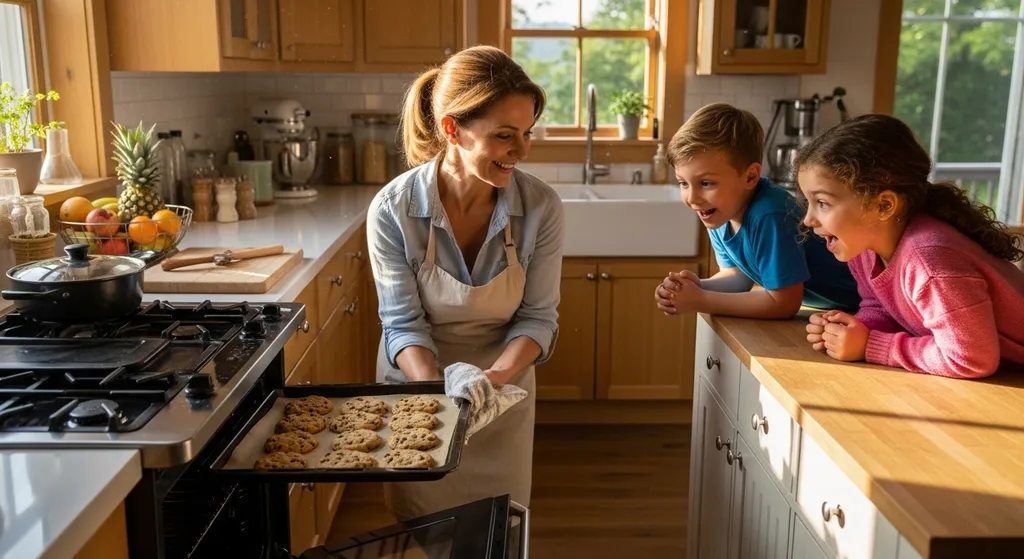
Mom
baked
cookies
for
us
to
share
after
school
.
Mom
baked
cookies
for
us
to
share
after
school
.
•
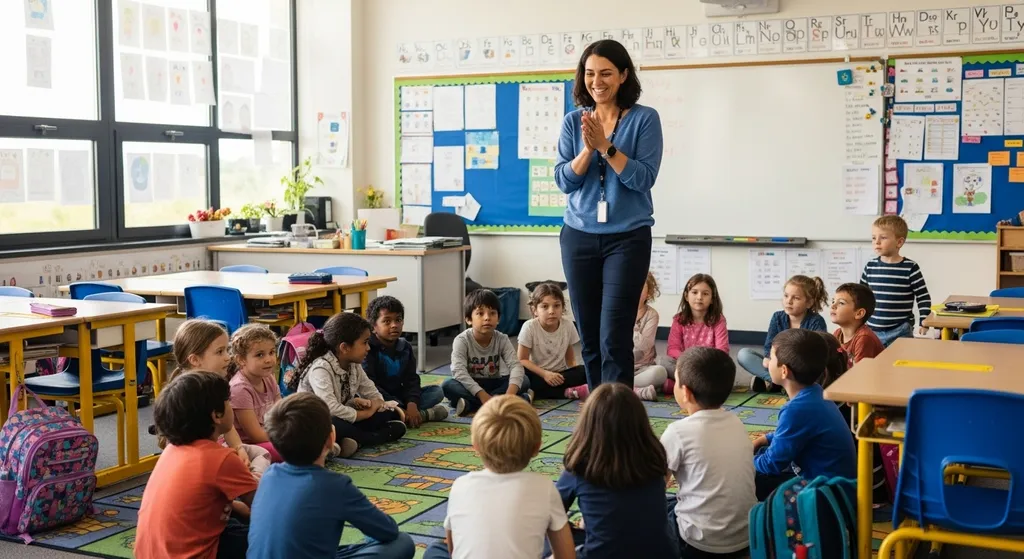
The
teacher
asked
us
to
form
a
circle
.
The
teacher
asked
us
to
form
a
circle
.
Old
English
‘
ūs
’,
accusative
and
dative
plural
of
“
we
”.
pronoun
the
object
form
of
“
we
”,
used
when
the
speaker
and
at
least
one
other
person
receive
the
action
of
a
verb
or
follow
a
preposition
•
Our
neighbors
invited
us
to
their
barbecue
on
Saturday
.
Our
neighbors
invited
us
to
their
barbecue
on
Saturday
.
•
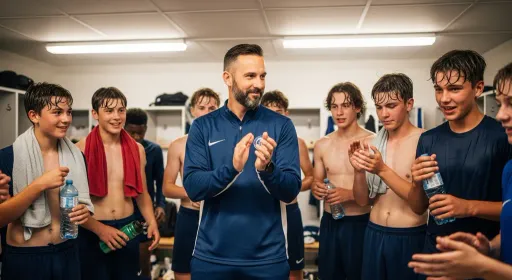
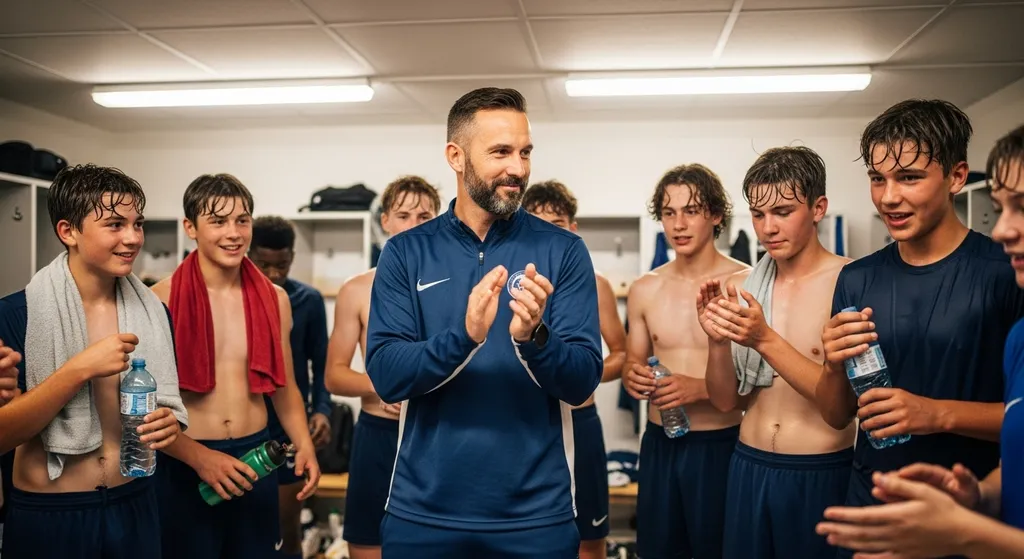
The
coach
praised
us
for
our
hard
work
after
the
game
.
The
coach
praised
us
for
our
hard
work
after
the
game
.
Old
English
“
ūs
”,
accusative
and
dative
plural
of
“
wē
” (
we
).
new
adjective
-
new
,
newer
,
newest
made
,
built
,
invented
,
or
discovered
only
a
short
time
ago
;
not
old
•
A
new
bridge
now
connects
the
two
islands
.
A
new
bridge
now
connects
the
two
islands
.
•
She
bought
a
new
phone
yesterday
.
She
bought
a
new
phone
yesterday
.
Old
English
nīwe
,
nēowe
,
of
Germanic
origin
,
related
to
Dutch
nieuw
and
German
neu
.
adjective
-
new
,
newer
,
newest
made
,
built
,
grown
,
or
bought
only
a
short
time
ago
;
not
old
or
used
before
•
The
store
is
selling
new
laptops
at
a
discount
this
week
.
The
store
is
selling
new
laptops
at
a
discount
this
week
.
•
After
repainting
,
the
house
looked
brand new
.
After
repainting
,
the
house
looked
brand new
.
adjective
-
new
,
newer
,
newest
recently
obtained
,
started
,
or
arrived
and
therefore
unfamiliar
to
the
person
or
place
involved
•
I'm
really
enjoying
my
new
job
.
I'm
really
enjoying
my
new
job
.
•
Have
you
met
the
new
neighbor
yet
?
Have
you
met
the
new
neighbor
yet
?
adjective
-
new
,
newer
,
newest
different
from
what
was
before
;
replacing
an
earlier
or
old
version
•
The
company
launched
a
new
logo
last
week
.
The
company
launched
a
new
logo
last
week
.
•
We
need
a
new
plan
before
the
deadline
.
We
need
a
new
plan
before
the
deadline
.
adjective
-
new
,
newer
,
newest
different
from
what
existed
earlier
and
replacing
it
•
The
company
announced
a
new
policy
on
remote
work
.
The
company
announced
a
new
policy
on
remote
work
.
•
She
moved
to
a
new
city
for
university
.
She
moved
to
a
new
city
for
university
.
adjective
-
new
,
newer
,
newest
inexperienced
or
not
familiar
with
something
;
just
beginning
to
learn
•
I'm
still
new
to
skiing
and
fall
a
lot
.
I'm
still
new
to
skiing
and
fall
a
lot
.
•
The
intern
is
new
at
using
the
software
.
The
intern
is
new
at
using
the
software
.
adjective
-
new
,
newer
,
newest
having
little
or
no
previous
experience
with
something
;
unfamiliar
•
I'm
new
to
chess
,
so
I
still
make
simple
mistakes
.
I'm
new
to
chess
,
so
I
still
make
simple
mistakes
.
•
The
teacher
welcomed
the
new
student
to
the
class
.
The
teacher
welcomed
the
new
student
to
the
class
.
show
verb
-
show
,
showing
,
shows
,
showed
,
shown
to
let
someone
see
something
so
they
can
notice
or
understand
it
•
Could
you
show
me
how
this
camera
works
?
Could
you
show
me
how
this
camera
works
?
•
The
museum
guide
showed
the
visitors
a
hidden
doorway
behind
the
painting
.
The
museum
guide
showed
the
visitors
a
hidden
doorway
behind
the
painting
.
Old
English
‘
sceawian
’
meant
‘
look
at
’
or
‘
inspect
’;
over
time
it
shifted
to
mean
‘
cause
to
look
at
’.
verb
-
show
,
showing
,
shows
,
showed
,
shown
to
guide
someone
to
a
place
•
A
porter
showed
us
to
our
seats
in
the
theatre
.
A
porter
showed
us
to
our
seats
in
the
theatre
.
•
Let
me
show
you
to
your
room
,
sir
.
Let
me
show
you
to
your
room
,
sir
.
verb
-
show
,
showing
,
shows
,
showed
,
shown
to
prove
or
make
something
clear
using
facts
or
evidence
•
The
study
shows
that
regular
exercise
lowers
stress
.
The
study
shows
that
regular
exercise
lowers
stress
.
•
Results
showed
the
new
drug
was
effective
.
Results
showed
the
new
drug
was
effective
.
verb
-
show
,
showing
,
shows
,
showed
,
shown
to
become
visible
or
be
seen
•
The
stain
still
shows
on
the
shirt
after
washing
.
The
stain
still
shows
on
the
shirt
after
washing
.
•
Your
excitement
really
shows
.
Your
excitement
really
shows
.
between
preposition
in
the
space
that
separates
two
people
,
places
,
or
things
•
The
cafe
is
between
the
bank
and
the
post
office
on
Main
Street
.
The
cafe
is
between
the
bank
and
the
post
office
on
Main
Street
.
•
She
placed
the
photo
between
two
heavy
books
to
keep
it
flat
.
She
placed
the
photo
between
two
heavy
books
to
keep
it
flat
.
Old
English
"
betwēonum
"
meaning
"
in
the
space
separating
two
";
from
"
be
" (
by
)
+
"
twēonum
" (
two
).
preposition
from
one
point
in
time
,
number
,
or
amount
up
to
another
point
•
The
museum
is
open
between
9
a
.
m
.
and
5
p
.
m
.
The
museum
is
open
between
9
a
.
m
.
and
5
p
.
m
.
•
Children
aged
between
six
and
twelve
can
join
the
club
.
Children
aged
between
six
and
twelve
can
join
the
club
.
preposition
shared
by
,
involving
,
or
concerning
two
or
more
people
or
things
,
or
showing
comparison
•
Keep
this
secret
between
you
and
me
.
Keep
this
secret
between
you
and
me
.
•
The
prize
money
will
be
divided
between
the
winners
.
The
prize
money
will
be
divided
between
the
winners
.
adverb
in
the
intervening
space
,
time
,
or
position
•
The
buses
arrive
at
eight
and
ten
,
so
there
is
a
long
wait
between
.
The
buses
arrive
at
eight
and
ten
,
so
there
is
a
long
wait
between
.
•
Lunch
is
at
noon
;
if
you
get
hungry
between
,
have
some
fruit
.
Lunch
is
at
noon
;
if
you
get
hungry
between
,
have
some
fruit
.
law
noun
-
law
,
lawing
,
laws
,
lawed
the
whole
system
of
rules
that
a
society
or
government
creates
and
enforces
to
keep
order
and
protect
people
•
Everyone
must
follow
the
law
to
keep
society
safe
and
fair
.
Everyone
must
follow
the
law
to
keep
society
safe
and
fair
.
•
The
judge
reminded
the
courtroom
that
nobody
is
above
the
law
.
The
judge
reminded
the
courtroom
that
nobody
is
above
the
law
.
Old
English
lagu
“
ordinance
,
rule
”
from
Old
Norse
*lagu*
“
something
laid
down
.”
noun
-
law
,
lawing
,
laws
,
lawed
a
specific
rule
or
piece
of
legislation
passed
by
a
government
or
authority
•
A
new
law
requires
restaurants
to
list
calorie
counts
on
their
menus
.
A
new
law
requires
restaurants
to
list
calorie
counts
on
their
menus
.
•
Parliament
voted
to
repeal
an
old
tax
law
.
Parliament
voted
to
repeal
an
old
tax
law
.
noun
-
law
,
lawing
,
laws
,
lawed
the
field
of
study
and
profession
that
deals
with
understanding
,
interpreting
,
and
applying
legal
rules
•
She
decided
to
study
law
at
university
.
She
decided
to
study
law
at
university
.
•
After
graduating
from
law
,
he
joined
a
large
international
firm
.
After
graduating
from
law
,
he
joined
a
large
international
firm
.
noun
-
law
,
lawing
,
laws
,
lawed
a
statement
that
describes
a
regular
and
universal
truth
of
nature
or
science
,
such
as
the
law
of
gravity
•
Newton
’
s
first
law
says
that
an
object
at
rest
stays
at
rest
unless
acted
upon
by
a
force
.
Newton
’
s
first
law
says
that
an
object
at
rest
stays
at
rest
unless
acted
upon
by
a
force
.
•
The
ideal
gas
law
links
pressure
,
volume
,
and
temperature
of
a
gas
.
The
ideal
gas
law
links
pressure
,
volume
,
and
temperature
of
a
gas
.
power
noun
the
ability
or
right
to
control
people
or
things
•
The
new
mayor
used
her
power
to
improve
the
city's
schools
.
The
new
mayor
used
her
power
to
improve
the
city's
schools
.
•
Some
people
worry
that
big
companies
have
too
much
power
.
Some
people
worry
that
big
companies
have
too
much
power
.
noun
great
physical
force
or
strength
•
The
weightlifter
showed
incredible
power
as
he
lifted
the
barbell
.
The
weightlifter
showed
incredible
power
as
he
lifted
the
barbell
.
•
The
waterfall
crashed
down
with
enormous
power
.
The
waterfall
crashed
down
with
enormous
power
.
noun
energy
,
especially
electricity
,
that
makes
machines
work
•
The
storm
knocked
out
the
power
in
the
entire
neighborhood
.
The
storm
knocked
out
the
power
in
the
entire
neighborhood
.
•
Solar
panels
can
provide
power
for
remote
villages
.
Solar
panels
can
provide
power
for
remote
villages
.
verb
-
power
,
powering
,
powers
,
powered
to
supply
energy
that
makes
a
machine
or
system
work
•
Large
turbines
power
the
factory
.
Large
turbines
power
the
factory
.
•
The
smartwatch
is
powered
by
a
tiny
battery
.
The
smartwatch
is
powered
by
a
tiny
battery
.
noun
a
country
or
organization
that
is
strong
and
influential
•
After
the
war
,
the
country
emerged
as
a
global
power
.
After
the
war
,
the
country
emerged
as
a
global
power
.
•
Major
powers
met
to
discuss
climate
change
.
Major
powers
met
to
discuss
climate
change
.
best
adverb
-
well
,
better
,
best
in
the
most
effective
,
skillful
,
or
suitable
way
•
Jorge
plays
the
guitar
best
when
he
is
relaxed
.
Jorge
plays
the
guitar
best
when
he
is
relaxed
.
•
Of
all
the
candidates
,
Maria
spoke
best
during
the
interview
.
Of
all
the
candidates
,
Maria
spoke
best
during
the
interview
.
few
adjective
-
few
,
fewer
,
fewest
not
many
in
number
•
The
museum
displays
few
ancient
artifacts
from
that
era
.
The
museum
displays
few
ancient
artifacts
from
that
era
.
•
Her
garden
produced
few
tomatoes
this
summer
.
Her
garden
produced
few
tomatoes
this
summer
.
however
adverb
Used
to
introduce
a
statement
that
contrasts
with
or
seems
to
contradict
something
that
has
just
been
said
;
nevertheless
.
•
It
was
raining
heavily
;
however
,
the
children
still
wanted
to
play
outside
.
It
was
raining
heavily
;
however
,
the
children
still
wanted
to
play
outside
.
•
The
train
was
delayed
for
an
hour
;
however
,
no
one
in
the
waiting
room
looked
upset
.
The
train
was
delayed
for
an
hour
;
however
,
no
one
in
the
waiting
room
looked
upset
.
conjunction
But
;
used
to
connect
two
contrasting
clauses
within
the
same
sentence
.
•
I
wanted
to
go
to
the
concert
,
however
I
couldn't
afford
a
ticket
.
I
wanted
to
go
to
the
concert
,
however
I
couldn't
afford
a
ticket
.
•
He
claimed
the
job
was
simple
,
however
nobody
understood
the
instructions
.
He
claimed
the
job
was
simple
,
however
nobody
understood
the
instructions
.
adverb
To
whatever
degree
or
extent
;
no
matter
how
.
•
However
hard
he
tried
,
he
couldn
’
t
solve
the
puzzle
.
However
hard
he
tried
,
he
couldn
’
t
solve
the
puzzle
.
•
However
quickly
she
ran
,
the
bus
pulled
away
before
she
arrived
.
However
quickly
she
ran
,
the
bus
pulled
away
before
she
arrived
.
adverb
Used
at
the
beginning
of
a
question
to
express
surprise
,
confusion
,
or
emphasis
,
meaning
“
in
what
way
”
or
“
by
what
means
”.
•
However
did
you
lift
that
heavy
box
alone
?
However
did
you
lift
that
heavy
box
alone
?
•
However
will
they
finish
the
project
on
time
?
However
will
they
finish
the
project
on
time
?
follow
verb
to
walk
or
move
behind
someone
or
something
,
going
in
the
same
direction
•
The
small
boy
followed
his
older
sister
into
the
classroom
.
The
small
boy
followed
his
older
sister
into
the
classroom
.
•
Please
follow
me
;
the
office
is
this
way
.
Please
follow
me
;
the
office
is
this
way
.
Old
English
folgian
,
fylgian
“
to
accompany
,
move
in
the
same
direction
,”
of
Germanic
origin
.
verb
to
do
what
someone
tells
you
or
to
act
according
to
rules
,
advice
,
or
instructions
•
Always
follow
the
safety
rules
in
the
lab
.
Always
follow
the
safety
rules
in
the
lab
.
•
She
followed
the
doctor's
advice
and
rested
for
a
week
.
She
followed
the
doctor's
advice
and
rested
for
a
week
.
verb
to
come
or
happen
after
something
in
time
or
order
•
Night
follows
day
.
Night
follows
day
.
•
Winter
follows
autumn
in
the
northern
hemisphere
.
Winter
follows
autumn
in
the
northern
hemisphere
.
verb
to
understand
what
someone
is
saying
,
explaining
,
or
doing
•
Sorry
,
I
don't
follow
—
could
you
explain
that
again
?
Sorry
,
I
don't
follow
—
could
you
explain
that
again
?
•
Do
you
follow
what
the
teacher
just
said
?
Do
you
follow
what
the
teacher
just
said
?
verb
to
go
after
someone
or
something
in
order
to
watch
,
catch
,
or
monitor
them
•
The
hunter
followed
the
deer
tracks
through
the
snow
.
The
hunter
followed
the
deer
tracks
through
the
snow
.
•
The
police
car
followed
the
suspect
down
the
highway
.
The
police
car
followed
the
suspect
down
the
highway
.
verb
on
social
media
,
to
subscribe
to
someone
’
s
account
so
you
see
their
posts
•
If
you
follow
the
singer
on
Instagram
,
you'll
see
her
tour
photos
.
If
you
follow
the
singer
on
Instagram
,
you'll
see
her
tour
photos
.
•
Millions
of
fans
follow
him
on
social
media
.
Millions
of
fans
follow
him
on
social
media
.
low
adjective
-
low
,
lower
,
lowest
near
the
ground
or
bottom
;
not
high
•
The
coffee
table
is
low
enough
for
the
kids
to
reach
.
The
coffee
table
is
low
enough
for
the
kids
to
reach
.
•
A
flock
of
geese
skimmed
low
over
the
misty
lake
at
dawn
.
A
flock
of
geese
skimmed
low
over
the
misty
lake
at
dawn
.
Old
English
hlāh
,
hlēow
meaning
‘
not
high
’,
related
to
German
‘
lau
’.
adjective
-
low
,
lower
,
lowest
small
in
amount
,
degree
,
or
value
•
The
supermarket
keeps
bread
prices
low
to
attract
customers
.
The
supermarket
keeps
bread
prices
low
to
attract
customers
.
•
Her
phone
battery
was
running
low
,
so
she
turned
off
Bluetooth
.
Her
phone
battery
was
running
low
,
so
she
turned
off
Bluetooth
.
adjective
-
low
,
lower
,
lowest
quiet
,
deep
,
or
soft
in
sound
•
Please
keep
your
voice
low
in
the
library
.
Please
keep
your
voice
low
in
the
library
.
•
The
singer
’
s
low
notes
filled
the
concert
hall
.
The
singer
’
s
low
notes
filled
the
concert
hall
.
adjective
-
low
,
lower
,
lowest
feeling
sad
,
unhappy
,
or
lacking
energy
•
I
’
ve
been
feeling
low
since
I
lost
my
job
.
I
’
ve
been
feeling
low
since
I
lost
my
job
.
•
She
sounded
low
on
the
phone
and
asked
if
we
could
talk
.
She
sounded
low
on
the
phone
and
asked
if
we
could
talk
.
verb
-
low
,
lowing
,
lows
,
lowed
(
of
a
cow
)
to
make
its
deep
,
mooing
sound
•
At
dawn
,
the
cows
low
loudly
across
the
field
.
At
dawn
,
the
cows
low
loudly
across
the
field
.
•
A
lone
calf
lowed
for
its
mother
near
the
barn
.
A
lone
calf
lowed
for
its
mother
near
the
barn
.
Old
English
hlōwan
;
related
to
Dutch
loeien
and
German
lowen
,
meaning
‘
to
bellow
’.
allow
verb
to
give
permission
for
someone
to
do
something
or
for
something
to
happen
•
His
parents
finally
allow
him
to
stay
up
until
midnight
on
weekends
.
His
parents
finally
allow
him
to
stay
up
until
midnight
on
weekends
.
•
The
security
guard
wouldn't
allow
me
to
enter
without
an
ID
card
.
The
security
guard
wouldn't
allow
me
to
enter
without
an
ID
card
.
Middle
English
"
alouen
",
from
Old
French
"
alouer
" (
to
praise
,
approve
),
later
influenced
by
Latin
"
ad
"
+
"
laudare
" (
to
praise
).
verb
to
make
something
possible
by
creating
the
right
conditions
•
Wide
windows
allow
sunlight
to
fill
the
living
room
.
Wide
windows
allow
sunlight
to
fill
the
living
room
.
•
The
new
app
will
allow
you
to
organize
your
photos
easily
.
The
new
app
will
allow
you
to
organize
your
photos
easily
.
verb
to
set
aside
or
give
a
particular
amount
of
time
,
money
,
or
space
for
something
•
The
tour
schedule
allows
two
hours
for
lunch
.
The
tour
schedule
allows
two
hours
for
lunch
.
•
We
must
allow
extra
funds
for
unexpected
repairs
.
We
must
allow
extra
funds
for
unexpected
repairs
.
verb
to
admit
or
accept
that
something
is
true
,
often
reluctantly
•
She
allowed
that
the
plan
might
need
revisions
.
She
allowed
that
the
plan
might
need
revisions
.
•
I
allow
that
his
idea
has
some
merit
.
I
allow
that
his
idea
has
some
merit
.
view
verb
to
look
at
something
carefully
or
for
a
period
of
time
•
We
climbed
the
tower
to
view
the
city
lights
.
We
climbed
the
tower
to
view
the
city
lights
.
•
Millions
will
view
the
match
on
television
tonight
.
Millions
will
view
the
match
on
television
tonight
.
From
Middle
English
“
viuen
”
meaning
‘
to
look
at
’,
derived
from
the
noun
.
verb
to
think
about
or
consider
something
in
a
particular
way
•
I
view
him
as
a
close
friend
.
I
view
him
as
a
close
friend
.
•
They
view
the
plan
with
some
skepticism
.
They
view
the
plan
with
some
skepticism
.
Semantic
extension
of
the
physical
sense
"
look
at
"
dating
from
the
15th
century
.
answer
noun
A
spoken
or
written
reply
that
solves
a
question
or
responds
to
a
request
.
•
Julia
raised
her
hand
and
gave
the
correct
answer
to
the
math
problem
.
Julia
raised
her
hand
and
gave
the
correct
answer
to
the
math
problem
.
•
I
’
m
still
waiting
for
an
answer
to
the
email
I
sent
yesterday
.
I
’
m
still
waiting
for
an
answer
to
the
email
I
sent
yesterday
.
Old
English
“
andswaru
”
meaning
a
reply
or
retaliation
,
formed
from
“
andswarian
” (“
to
answer
”)
combining
“
and-
” (
against
)
+
“
swarian
” (
to
swear
).
verb
To
say
or
write
something
in
reply
to
a
question
,
letter
,
or
comment
.
•
Please
answer
the
teacher
when
she
calls
your
name
.
Please
answer
the
teacher
when
she
calls
your
name
.
•
He
couldn't
answer
because
his
mouth
was
full
of
cake
.
He
couldn't
answer
because
his
mouth
was
full
of
cake
.
From
Old
English
“
andswarian
”
meaning
to
make
a
reply
.
verb
To
pick
up
and
respond
to
a
ringing
telephone
or
a
knock
on
the
door
.
•
Could
you
answer
the
phone
while
I
stir
the
soup
?
Could
you
answer
the
phone
while
I
stir
the
soup
?
•
She
rushed
downstairs
to
answer
the
doorbell
.
She
rushed
downstairs
to
answer
the
doorbell
.
Extension
of
the
basic
sense
of
replying
,
applied
to
devices
like
telephones
and
doorbells
.
verb
To
match
,
satisfy
,
or
be
suitable
for
a
requirement
or
description
.
•
The
suspect
did
not
answer
the
description
given
by
witnesses
.
The
suspect
did
not
answer
the
description
given
by
witnesses
.
•
This
key
doesn't
answer
the
lock
anymore
.
This
key
doesn't
answer
the
lock
anymore
.
Developed
from
the
idea
of
a
reply
that
meets
or
satisfies
something
,
extended
to
suitability
.
interview
noun
a
formal
meeting
in
which
an
employer
,
school
,
or
organization
asks
someone
questions
to
decide
if
they
are
suitable
for
a
job
,
place
,
or
opportunity
•
Maria
wore
her
smartest
suit
to
her
first
job
interview
at
a
busy
city
bank
.
Maria
wore
her
smartest
suit
to
her
first
job
interview
at
a
busy
city
bank
.
•
The
company
scheduled
ten
interviews
in
one
afternoon
to
find
the
perfect
graphic
designer
.
The
company
scheduled
ten
interviews
in
one
afternoon
to
find
the
perfect
graphic
designer
.
From
French
‘
entrevue
’ (
meeting
),
from
‘
s
’
entrevoir
’ (“
see
each
other
briefly
”),
first
used
in
English
in
the
mid-18th
century
.
noun
a
recorded
or
published
conversation
in
which
a
journalist
asks
someone
questions
for
television
,
radio
,
a
podcast
,
or
a
newspaper
•
The
singer
’
s
emotional
interview
on
live
TV
drew
millions
of
viewers
.
The
singer
’
s
emotional
interview
on
live
TV
drew
millions
of
viewers
.
•
Readers
loved
the
magazine
’
s
in-depth
interview
with
the
newly
elected
mayor
.
Readers
loved
the
magazine
’
s
in-depth
interview
with
the
newly
elected
mayor
.
See
earlier
sense
.
Media
use
spread
widely
with
the
growth
of
newspapers
in
the
19th
century
and
broadcasting
in
the
20th
century
.
verb
to
ask
someone
questions
in
order
to
gather
information
,
especially
for
a
job
selection
process
or
for
a
media
report
•
Tomorrow
the
hiring
manager
will
interview
six
candidates
for
the
marketing
position
.
Tomorrow
the
hiring
manager
will
interview
six
candidates
for
the
marketing
position
.
•
The
reporter
interviewed
local
residents
about
the
sudden
power
outage
.
The
reporter
interviewed
local
residents
about
the
sudden
power
outage
.
Same
origin
as
noun
:
adapted
from
French
in
the
18th
century
;
verb
use
developed
soon
after
the
noun
.
Web
noun
-
Web
the
system
of
linked
pages
and
websites
that
you
can
visit
through
the
internet
•
She
found
an
old
photo
of
her
hometown
on
the
Web
in
just
a
few
seconds
.
She
found
an
old
photo
of
her
hometown
on
the
Web
in
just
a
few
seconds
.
•
Teachers
use
the
Web
to
share
homework
assignments
with
students
.
Teachers
use
the
Web
to
share
homework
assignments
with
students
.
Shortened
from
“
World
Wide
Web
,”
coined
in
1989
by
British
computer
scientist
Tim
Berners-Lee
.
following
verb
present
participle
and
gerund
of
follow
•
The
children
kept
following
the
butterfly
across
the
garden
.
The
children
kept
following
the
butterfly
across
the
garden
.
•
She
glanced
at
the
map
before
following
the
trail
.
She
glanced
at
the
map
before
following
the
trail
.
powerful
adjective
having
great
physical
strength
or
force
•
The
powerful
waves
smashed
against
the
rocks
.
The
powerful
waves
smashed
against
the
rocks
.
•
The
wrestler
’
s
arms
looked
powerful
as
he
lifted
the
heavy
barbell
.
The
wrestler
’
s
arms
looked
powerful
as
he
lifted
the
heavy
barbell
.
adjective
having
a
strong
influence
or
effect
on
people
or
events
•
She
made
a
powerful
speech
that
moved
the
whole
audience
to
tears
.
She
made
a
powerful
speech
that
moved
the
whole
audience
to
tears
.
•
Social
media
can
be
a
powerful
tool
for
spreading
information
.
Social
media
can
be
a
powerful
tool
for
spreading
information
.
adverb
very
;
extremely
(
used
to
add
force
to
an
adjective
or
another
adverb
)
•
It
’
s
powerful
cold
out
here
tonight
.
It
’
s
powerful
cold
out
here
tonight
.
•
This
chili
is
powerful
spicy
!
This
chili
is
powerful
spicy
!
Western
adjective
connected
with
the
countries
of
Europe
and
North
America
or
their
culture
and
ideas
•
He
studied
how
Western
art
changed
during
the
20th
century
.
He
studied
how
Western
art
changed
during
the
20th
century
.
•
Many
people
around
the
world
watch
Western
television
shows
.
Many
people
around
the
world
watch
Western
television
shows
.
Capitalized
sense
arose
in
the
15th
century
to
contrast
Europe
with
the
Eastern
world
.
sweet
adjective
-
sweet
,
sweeter
,
sweetest
Having
a
sugary
taste
like
that
of
sugar
or
honey
.
•
The
lemonade
tasted
sweet
because
Maria
added
extra
sugar
.
The
lemonade
tasted
sweet
because
Maria
added
extra
sugar
.
•
Children
usually
prefer
sweet
snacks
like
chocolate
.
Children
usually
prefer
sweet
snacks
like
chocolate
.
adjective
-
sweet
,
sweeter
,
sweetest
Showing
kindness
,
affection
,
or
thoughtfulness
.
•
That
was
very
sweet
of
you
to
help
me
carry
my
bags
.
That
was
very
sweet
of
you
to
help
me
carry
my
bags
.
•
She
gave
her
grandmother
a
sweet
smile
.
She
gave
her
grandmother
a
sweet
smile
.
noun
A
small
piece
of
candy
or
other
sugary
food
,
often
eaten
as
a
snack
or
after
a
meal
.
•
After
school
,
the
kids
shared
a
packet
of
sweets
.
After
school
,
the
kids
shared
a
packet
of
sweets
.
•
Would
you
like
a
sweet
to
go
with
your
tea
?
Would
you
like
a
sweet
to
go
with
your
tea
?
interjection
Used
to
express
pleasure
,
approval
,
or
excitement
.
•
You
got
tickets
to
the
concert
?
Sweet
!
You
got
tickets
to
the
concert
?
Sweet
!
•
They
finished
the
project
two
days
early
—
Sweet
!
They
finished
the
project
two
days
early
—
Sweet
!
am
verb
-
be
,
being
,
am
,
are
,
is
,
was
,
were
,
been
the
form
of
the
verb
“
be
”
that
is
used
with
“
I
”
in
the
present
tense
•
I
am
excited
about
the
school
trip
tomorrow
.
I
am
excited
about
the
school
trip
tomorrow
.
•
I
am
not
hungry
because
I
just
ate
lunch
.
I
am
not
hungry
because
I
just
ate
lunch
.
From
Old
English
“
eom
”,
first-person
singular
of
“
beon/bēo
”,
related
to
German
“
bin
”
and
Latin
“
sum
”.
wow
interjection
used
to
show
surprise
,
admiration
,
or
excitement
•
Wow
!
That
magician
just
made
the
coin
disappear
.
Wow
!
That
magician
just
made
the
coin
disappear
.
•
When
he
reached
the
mountain
summit
and
saw
the
sunset
,
he
whispered
, "
Wow
,
it
’
s
beautiful
."
When
he
reached
the
mountain
summit
and
saw
the
sunset
,
he
whispered
, "
Wow
,
it
’
s
beautiful
."
Imitative
interjection
first
recorded
in
the
early
1900s
,
echoing
the
sound
of
sudden
amazement
.
verb
to
make
someone
feel
great
surprise
or
admiration
•
The
singer
’
s
powerful
voice
wowed
the
audience
.
The
singer
’
s
powerful
voice
wowed
the
audience
.
•
Cutting-edge
graphics
in
the
new
video
game
will
wow
players
.
Cutting-edge
graphics
in
the
new
video
game
will
wow
players
.
From
the
interjection
,
later
used
as
a
verb
meaning
“
to
cause
someone
to
say
wow
.”
First
attested
1920s
America
.
being
verb
-
be
,
being
,
am
,
are
,
is
,
was
,
were
,
been
present
participle
of
“
be
”;
used
to
show
continuous
action
or
describe
someone
’
s
behaviour
•
The
children
are
being
noisy
today
.
The
children
are
being
noisy
today
.
•
He
is
being
very
kind
to
the
new
student
.
He
is
being
very
kind
to
the
new
student
.
“
Being
”
as
a
present
participle
of
“
be
”
dates
back
to
Old
English
,
where
present
participles
were
formed
with
“
-ende
”,
later
becoming
“
-ing
”.
ourselves
pronoun
the
reflexive
form
of
we
or
us
,
used
when
the
speakers
are
also
the
object
of
the
verb
or
preposition
•
After
the
long
hike
,
we
treated
ourselves
to
huge
chocolate
milkshakes
at
the
café
.
After
the
long
hike
,
we
treated
ourselves
to
huge
chocolate
milkshakes
at
the
café
.
•
We
reminded
ourselves
to
bring
sunscreen
before
leaving
for
the
beach
.
We
reminded
ourselves
to
bring
sunscreen
before
leaving
for
the
beach
.
constructed
in
Middle
English
by
combining
our
+
selves
,
patterned
after
himself
and
themselves
pronoun
used
for
emphasis
to
show
that
the
speakers
do
something
alone
,
without
help
,
or
to
contrast
with
others
•
We
painted
the
entire
living
room
ourselves
,
saving
a
lot
of
money
.
We
painted
the
entire
living
room
ourselves
,
saving
a
lot
of
money
.
•
The
teacher
offered
help
,
but
we
finished
the
science
project
ourselves
.
The
teacher
offered
help
,
but
we
finished
the
science
project
ourselves
.
Wednesday
noun
the
day
of
the
week
between
Tuesday
and
Thursday
•
We
have
our
weekly
team
meeting
every
Wednesday
.
We
have
our
weekly
team
meeting
every
Wednesday
.
•
On
Wednesday
,
the
local
farmers'
market
fills
the
town
square
with
fresh
produce
.
On
Wednesday
,
the
local
farmers'
market
fills
the
town
square
with
fresh
produce
.
Old
English
Wōdnesdæg
,
meaning
“
day
of
Woden
,”
the
Germanic
god
equivalent
to
Norse
Odin
.
slow
adjective
-
slow
,
slower
,
slowest
moving
,
happening
,
or
taking
place
at
a
low
speed
;
not
quick
•
The
slow
train
took
nearly
two
hours
to
reach
the
city
.
The
slow
train
took
nearly
two
hours
to
reach
the
city
.
•
Snails
are
famous
for
being
very
slow
.
Snails
are
famous
for
being
very
slow
.
adjective
-
slow
,
slower
,
slowest
needing
more
time
than
usual
to
think
,
learn
,
or
react
•
I
can
be
slow
at
remembering
names
,
so
please
be
patient
.
I
can
be
slow
at
remembering
names
,
so
please
be
patient
.
•
Mark
is
smart
,
but
he
is
a
little
slow
to
catch
jokes
.
Mark
is
smart
,
but
he
is
a
little
slow
to
catch
jokes
.
adjective
-
slow
,
slower
,
slowest
with
little
activity
or
few
customers
;
not
busy
•
Mondays
are
usually
slow
in
the
cafe
,
so
the
staff
do
extra
cleaning
.
Mondays
are
usually
slow
in
the
cafe
,
so
the
staff
do
extra
cleaning
.
•
Sales
were
slow
during
the
winter
months
.
Sales
were
slow
during
the
winter
months
.
adverb
-
slow
,
slower
,
slowest
at
a
low
speed
;
slowly
(
informal
)
•
Drive
slow
when
you
go
through
the
school
zone
.
Drive
slow
when
you
go
through
the
school
zone
.
•
He
walked
slow
to
enjoy
the
sunset
.
He
walked
slow
to
enjoy
the
sunset
.
verb
-
slow
,
slowing
,
slows
,
slowed
to
become
or
make
something
become
slower
•
The
car
began
to
slow
as
it
climbed
the
steep
hill
.
The
car
began
to
slow
as
it
climbed
the
steep
hill
.
•
She
raised
her
hand
to
slow
the
runners
near
the
finish
line
.
She
raised
her
hand
to
slow
the
runners
near
the
finish
line
.
flower
noun
The
colored
part
of
a
plant
that
makes
seeds
,
often
with
a
pleasant
smell
.
•
A
bright
red
flower
stood
out
against
the
green
leaves
.
A
bright
red
flower
stood
out
against
the
green
leaves
.
•
She
picked
a
fresh
flower
and
tucked
it
behind
her
ear
.
She
picked
a
fresh
flower
and
tucked
it
behind
her
ear
.
From
Old
French
flor
,
flour
,
from
Latin
flōs
“
flower
”.
verb
To
produce
flowers
;
to
bloom
.
•
The
cherry
trees
flower
every
spring
.
The
cherry
trees
flower
every
spring
.
•
When
the
cactus
flowers
,
its
petals
last
only
one
night
.
When
the
cactus
flowers
,
its
petals
last
only
one
night
.
From
noun
‘
flower
’,
used
as
a
verb
since
14th
century
.
noun
(
figurative
)
The
best
,
finest
,
or
most
active
part
of
a
group
,
period
,
or
thing
.
•
These
students
are
the
flower
of
the
university
.
These
students
are
the
flower
of
the
university
.
•
In
the
flower
of
her
youth
,
she
traveled
the
world
.
In
the
flower
of
her
youth
,
she
traveled
the
world
.
Extension
of
literal
sense
‘
most
beautiful
part
’
to
‘
best
part
’.
verb
(
figurative
)
To
develop
fully
or
become
successful
and
beautiful
.
•
Her
talent
really
began
to
flower
after
art
school
.
Her
talent
really
began
to
flower
after
art
school
.
•
The
small
town
flowered
into
a
bustling
city
after
the
railway
arrived
.
The
small
town
flowered
into
a
bustling
city
after
the
railway
arrived
.
Metaphorical
extension
from
sense
‘
to
bloom
’.
crew
verb
-
crew
,
crewing
,
crews
,
crewed
to
work
as
the
crew
on
,
or
supply
people
to
operate
,
a
vessel
or
vehicle
•
Volunteers
agreed
to
crew
the
historic
tall
ship
during
its
summer
tour
.
Volunteers
agreed
to
crew
the
historic
tall
ship
during
its
summer
tour
.
•
The
company
crews
private
yachts
for
wealthy
clients
.
The
company
crews
private
yachts
for
wealthy
clients
.
review
verb
-
review
,
reviewing
,
reviews
,
reviewed
to
look
at
or
examine
something
again
to
understand
it
better
or
find
mistakes
•
Please
review
your
notes
before
the
quiz
.
Please
review
your
notes
before
the
quiz
.
•
The
lawyer
asked
to
review
the
contract
carefully
.
The
lawyer
asked
to
review
the
contract
carefully
.
verb
-
review
,
reviewing
,
reviews
,
reviewed
to
write
or
give
your
opinion
about
something
such
as
a
book
,
film
,
or
product
•
Maria
loves
to
review
new
video
games
on
her
channel
.
Maria
loves
to
review
new
video
games
on
her
channel
.
•
The
newspaper
hired
him
to
review
films
.
The
newspaper
hired
him
to
review
films
.
shadow
verb
to
follow
someone
secretly
in
order
to
watch
what
they
do
•
A
private
detective
shadowed
the
suspect
through
the
busy
market
.
A
private
detective
shadowed
the
suspect
through
the
busy
market
.
•
Spies
shadow
foreign
diplomats
during
high-level
meetings
.
Spies
shadow
foreign
diplomats
during
high-level
meetings
.
verb
to
stay
close
to
someone
at
work
to
learn
how
they
do
their
job
•
New
employees
first
shadow
an
experienced
worker
.
New
employees
first
shadow
an
experienced
worker
.
•
The
medical
student
shadowed
the
surgeon
during
a
heart
operation
.
The
medical
student
shadowed
the
surgeon
during
a
heart
operation
.
verb
to
make
an
area
or
object
slightly
dark
by
blocking
light
•
Thick
clouds
shadowed
the
valley
all
morning
.
Thick
clouds
shadowed
the
valley
all
morning
.
•
The
tall
skyscraper
shadows
the
small
park
every
afternoon
.
The
tall
skyscraper
shadows
the
small
park
every
afternoon
.
snow
verb
(
of
the
weather
)
to
send
down
snowflakes
from
the
sky
•
It
rarely
snows
in
this
desert
city
.
It
rarely
snows
in
this
desert
city
.
•
If
it
snows
tonight
,
school
will
be
closed
tomorrow
.
If
it
snows
tonight
,
school
will
be
closed
tomorrow
.
Verb
use
is
from
Old
English
“
snīwan
”,
derived
from
the
noun
“
snāw
”.
flow
verb
to
move
steadily
and
continuously
like
a
liquid
,
without
sudden
stops
•
After
the
heavy
rain
,
muddy
water
began
to
flow
down
the
hill
toward
the
village
.
After
the
heavy
rain
,
muddy
water
began
to
flow
down
the
hill
toward
the
village
.
•
Early
on
Sunday
morning
,
cars
flowed
smoothly
along
the
quiet
highway
.
Early
on
Sunday
morning
,
cars
flowed
smoothly
along
the
quiet
highway
.
yellow
adjective
-
yellow
,
yellower
,
yellowest
having
the
bright
color
that
is
between
green
and
orange
in
the
rainbow
•
The
bright
sunflower
has
big
yellow
petals
.
The
bright
sunflower
has
big
yellow
petals
.
•
He
painted
his
bedroom
walls
light
yellow
to
make
the
room
look
bigger
.
He
painted
his
bedroom
walls
light
yellow
to
make
the
room
look
bigger
.
verb
to
become
yellow
or
to
make
something
yellow
•
The
pages
of
the
old
book
had
yellowed
with
age
.
The
pages
of
the
old
book
had
yellowed
with
age
.
•
If
you
leave
the
newspaper
in
the
sun
,
it
quickly
yellows
.
If
you
leave
the
newspaper
in
the
sun
,
it
quickly
yellows
.
adjective
-
yellow
,
yellower
,
yellowest
(
informal
)
afraid
to
take
a
risk
or
act
bravely
•
Don't
be
yellow
—
go
and
apologize
to
her
.
Don't
be
yellow
—
go
and
apologize
to
her
.
•
The
boxer
was
called
yellow
for
refusing
to
fight
.
The
boxer
was
called
yellow
for
refusing
to
fight
.
row
noun
a
series
of
people
or
things
placed
in
a
straight
line
,
side
by
side
•
The
children
stood
in
a
neat
row
for
the
class
photo
.
The
children
stood
in
a
neat
row
for
the
class
photo
.
•
A
long
row
of
bright
red
tulips
edged
the
garden
path
.
A
long
row
of
bright
red
tulips
edged
the
garden
path
.
lower
adjective
situated
below
something
else
or
closer
to
the
bottom
•
Our
room
is
on
the
lower
floor
near
the
lobby
.
Our
room
is
on
the
lower
floor
near
the
lobby
.
•
The
treasure
was
hidden
in
the
lower
drawer
of
the
desk
.
The
treasure
was
hidden
in
the
lower
drawer
of
the
desk
.
Adjectival
sense
derived
from
the
idea
of
physical
height
,
first
recorded
in
Middle
English
.
verb
to
move
something
down
or
make
its
level
,
amount
,
or
value
smaller
•
The
worker
slowly
lowered
the
heavy
box
onto
the
floor
.
The
worker
slowly
lowered
the
heavy
box
onto
the
floor
.
•
Please
lower
the
volume
;
the
baby
is
sleeping
.
Please
lower
the
volume
;
the
baby
is
sleeping
.
From
Middle
English
loueren
,
from
Old
Norse
lægri
meaning
“
less
,
not
as
high
.”
adjective
less
in
rank
,
amount
,
or
importance
•
Students
from
the
lower
grades
will
visit
the
museum
first
.
Students
from
the
lower
grades
will
visit
the
museum
first
.
•
He
grew
up
in
a
family
with
a
lower
income
.
He
grew
up
in
a
family
with
a
lower
income
.
Extended
figurative
use
of
physical
‘
low
’
to
social
or
numerical
hierarchy
,
first
attested
in
the
17th
century
.
verb
to
move
downward
or
sink
to
a
lower
level
•
The
drawbridge
slowly
lowered
over
the
river
.
The
drawbridge
slowly
lowered
over
the
river
.
•
As
evening
approached
,
the
sun
lowered
behind
the
mountains
.
As
evening
approached
,
the
sun
lowered
behind
the
mountains
.
Same
origin
as
the
transitive
verb
sense
,
with
intransitive
use
appearing
in
the
16th
century
.
twenty
adjective
-
twenty
,
twenties
the
cardinal
number
that
comes
after
nineteen
and
before
twenty-one
•
The
classroom
has
twenty
desks
arranged
in
neat
rows
.
The
classroom
has
twenty
desks
arranged
in
neat
rows
.
•
We
planted
twenty
trees
along
the
village
road
.
We
planted
twenty
trees
along
the
village
road
.
Old
English
‘
twēntig
’,
from
‘
twēgen
’ (
two
)
+
‘
-tig
’ (
group
of
ten
).
noun
-
twenty
,
twenties
the
number
20
itself
•
Twenty
is
an
even
number
that
can
be
divided
by
four
.
Twenty
is
an
even
number
that
can
be
divided
by
four
.
•
The
dart
landed
on
the
double
twenty
,
scoring
forty
points
.
The
dart
landed
on
the
double
twenty
,
scoring
forty
points
.
noun
-
twenty
,
twenties
(
informal
)
a
banknote
worth
twenty
units
of
currency
,
especially
dollars
or
pounds
•
Do
you
have
change
for
a
twenty
?
Do
you
have
change
for
a
twenty
?
•
He
slipped
a
crisp
twenty
into
the
tip
jar
.
He
slipped
a
crisp
twenty
into
the
tip
jar
.
twenties
noun
the
period
from
20
to
29
,
especially
years
of
age
or
the
years
of
a
century
•
Jazz
music
flourished
in
the
roaring
twenties
.
Jazz
music
flourished
in
the
roaring
twenties
.
•
He
hopes
to
travel
the
world
in
his
twenties
.
He
hopes
to
travel
the
world
in
his
twenties
.
swear
verb
-
swear
,
swearing
,
swears
,
swore
,
sworn
to
use
rude
or
offensive
words
,
especially
when
you
are
angry
or
in
pain
•
When
he
hit
his
thumb
with
the
hammer
,
Jake
couldn
’
t
help
but
swear
.
When
he
hit
his
thumb
with
the
hammer
,
Jake
couldn
’
t
help
but
swear
.
•
My
mom
says
she
will
wash
my
mouth
out
with
soap
if
I
swear
again
.
My
mom
says
she
will
wash
my
mouth
out
with
soap
if
I
swear
again
.
Old
English
swerian
“
to
take
an
oath
”
→
Middle
English
“
swere
”
→
Modern
English
“
swear
”.
Offensive-language
sense
developed
later
when
oaths
were
considered
irreverent
.
verb
-
swear
,
swearing
,
swears
,
swore
,
sworn
to
promise
seriously
that
you
will
do
something
or
that
something
is
true
•
I
swear
I
will
finish
the
project
by
Friday
.
I
swear
I
will
finish
the
project
by
Friday
.
•
She
swore
never
to
lie
to
her
best
friend
again
.
She
swore
never
to
lie
to
her
best
friend
again
.
Originally
meant
“
to
take
an
oath
.”
The
promise
meaning
remains
close
to
the
early
sense
.
verb
-
swear
,
swearing
,
swears
,
swore
,
sworn
to
make
a
formal
oath
in
a
law
court
or
when
starting
an
official
job
•
The
witness
stood
and
swore
to
tell
the
whole
truth
.
The
witness
stood
and
swore
to
tell
the
whole
truth
.
•
Every
new
citizen
must
swear
allegiance
during
the
ceremony
.
Every
new
citizen
must
swear
allegiance
during
the
ceremony
.
Legal
oath-taking
sense
is
a
direct
continuation
of
the
Old
English
meaning
,
reinforced
by
medieval
court
practice
.
owe
verb
-
owe
,
owing
,
owes
,
owed
to
have
to
pay
or
repay
money
to
someone
•
I
still
owe
my
sister
twenty
dollars
for
the
movie
tickets
.
I
still
owe
my
sister
twenty
dollars
for
the
movie
tickets
.
•
You
don
’
t
owe
me
anything
;
the
lunch
was
my
treat
.
You
don
’
t
owe
me
anything
;
the
lunch
was
my
treat
.
Old
English
āgan
meant
“
to
possess
”
or
“
to
have
to
pay
.”
Over
time
it
narrowed
to
the
modern
sense
of
being
in
debt
.
verb
-
owe
,
owing
,
owes
,
owed
to
have
a
duty
to
give
something
such
as
thanks
,
help
,
or
an
explanation
to
someone
•
You
owe
your
parents
a
phone
call
after
all
they
’
ve
done
for
you
.
You
owe
your
parents
a
phone
call
after
all
they
’
ve
done
for
you
.
•
I
owe
Emma
an
apology
for
arriving
so
late
.
I
owe
Emma
an
apology
for
arriving
so
late
.
verb
-
owe
,
owing
,
owes
,
owed
to
have
something
because
of
someone
or
something
;
to
be
the
result
of
•
I
owe
my
love
of
music
to
my
grandfather
,
who
was
a
pianist
.
I
owe
my
love
of
music
to
my
grandfather
,
who
was
a
pianist
.
•
The
team
owes
its
victory
to
excellent
teamwork
.
The
team
owes
its
victory
to
excellent
teamwork
.
fewer
determiner
-
few
,
fewer
,
fewest
used
before
plural
countable
nouns
to
show
a
smaller
number
than
another
amount
or
than
before
•
Fewer
cars
are
on
the
road
during
the
holiday
.
Fewer
cars
are
on
the
road
during
the
holiday
.
•
Eating
fewer
sweets
can
help
keep
your
teeth
healthy
.
Eating
fewer
sweets
can
help
keep
your
teeth
healthy
.
pronoun
-
few
,
fewer
,
fewest
a
smaller
number
of
people
or
things
,
used
without
a
following
noun
•
Fewer
came
to
the
meeting
than
we
expected
.
Fewer
came
to
the
meeting
than
we
expected
.
•
After
lunch
,
fewer
remained
on
the
plate
.
After
lunch
,
fewer
remained
on
the
plate
.
awesome
adjective
very
good
,
enjoyable
,
or
exciting
•
That
was
an
awesome
movie
—
let's
watch
it
again
!
That
was
an
awesome
movie
—
let's
watch
it
again
!
•
You
baked
me
cookies
?
Awesome
!
You
baked
me
cookies
?
Awesome
!
interjection
used
to
express
enthusiastic
approval
,
agreement
,
or
pleasure
•
"
We
all
finished
early
."
–
"
Awesome
!
Let's
go
grab
lunch
."
"
We
all
finished
early
."
–
"
Awesome
!
Let's
go
grab
lunch
."
•
You
can
pick
me
up
at
7
?
Awesome
!
You
can
pick
me
up
at
7
?
Awesome
!
adjective
causing
a
strong
feeling
of
admiration
,
respect
,
or
fear
because
something
is
extremely
impressive
or
powerful
•
The
astronauts
gazed
at
the
awesome
view
of
Earth
from
space
.
The
astronauts
gazed
at
the
awesome
view
of
Earth
from
space
.
•
The
power
of
the
waterfall
was
awesome
,
shaking
the
ground
beneath
our
feet
.
The
power
of
the
waterfall
was
awesome
,
shaking
the
ground
beneath
our
feet
.
narrow
adjective
-
narrow
,
narrower
,
narrowest
having
a
small
distance
from
one
side
to
the
other
•
The
car
could
hardly
fit
through
the
narrow
alley
.
The
car
could
hardly
fit
through
the
narrow
alley
.
•
She
walked
across
a
narrow
wooden
bridge
over
the
river
.
She
walked
across
a
narrow
wooden
bridge
over
the
river
.
From
Old
English
nearu
,
meaning
‘
small
in
width
’
or
‘
constricted
’.
adjective
-
narrow
,
narrower
,
narrowest
limited
in
variety
,
scope
,
or
amount
•
He
has
a
narrow
view
of
the
world
and
never
travels
.
He
has
a
narrow
view
of
the
world
and
never
travels
.
•
The
study
focused
on
a
narrow
group
of
participants
.
The
study
focused
on
a
narrow
group
of
participants
.
verb
to
become
or
make
something
less
wide
,
or
to
reduce
the
number
or
range
of
things
•
The
river
narrowed
as
it
approached
the
canyon
.
The
river
narrowed
as
it
approached
the
canyon
.
•
We
need
to
narrow
the
list
of
candidates
to
three
.
We
need
to
narrow
the
list
of
candidates
to
three
.
adjective
-
narrow
,
narrower
,
narrowest
achieved
or
avoided
by
only
a
small
amount
;
barely
•
We
had
a
narrow
escape
when
the
tree
fell
behind
us
.
We
had
a
narrow
escape
when
the
tree
fell
behind
us
.
•
The
team
claimed
a
narrow
victory
,
winning
2–1
.
The
team
claimed
a
narrow
victory
,
winning
2–1
.
tower
noun
a
tall
,
narrow
building
or
structure
that
rises
high
above
the
ground
•
The
old
stone
church
had
a
tall
bell
tower
that
could
be
seen
for
miles
.
The
old
stone
church
had
a
tall
bell
tower
that
could
be
seen
for
miles
.
•
Lightning
struck
the
radio
tower
during
the
thunderstorm
,
lighting
up
the
dark
sky
.
Lightning
struck
the
radio
tower
during
the
thunderstorm
,
lighting
up
the
dark
sky
.
From
Old
English
“
tor
”
and
Old
French
“
tur
”
meaning
a
high
building
;
influenced
by
Latin
“
turris
” (
tower
).
verb
to
rise
very
high
above
the
things
around
it
•
Snow-capped
mountains
tower
over
the
quiet
lakeside
village
.
Snow-capped
mountains
tower
over
the
quiet
lakeside
village
.
•
Glass
skyscrapers
tower
above
the
busy
downtown
streets
.
Glass
skyscrapers
tower
above
the
busy
downtown
streets
.
Verb
use
from
the
noun
sense
:
something
that
acts
like
a
tower
by
standing
high
.
noun
a
tall
upright
case
that
holds
the
main
parts
of
a
desktop
computer
•
He
bought
a
large
PC
tower
to
fit
a
high-end
graphics
card
.
He
bought
a
large
PC
tower
to
fit
a
high-end
graphics
card
.
•
The
dusty
old
computer
tower
on
the
floor
needed
cleaning
.
The
dusty
old
computer
tower
on
the
floor
needed
cleaning
.
Metaphorical
extension
from
the
main
noun
sense
,
comparing
the
upright
computer
case
to
a
small
tower
.
viewer
noun
a
person
who
watches
a
television
programme
,
video
,
or
live
broadcast
•
Millions
of
viewers
tuned
in
to
watch
the
championship
game
on
television
.
Millions
of
viewers
tuned
in
to
watch
the
championship
game
on
television
.
•
The
show
encourages
its
viewers
to
vote
for
their
favorite
singer
online
.
The
show
encourages
its
viewers
to
vote
for
their
favorite
singer
online
.
noun
a
person
who
looks
at
something
such
as
artwork
,
scenery
,
or
an
exhibit
•
The
painting
was
so
detailed
that
each
viewer
discovered
something
new
.
The
painting
was
so
detailed
that
each
viewer
discovered
something
new
.
•
A
guided
tour
helps
the
viewer
understand
the
history
behind
the
sculpture
.
A
guided
tour
helps
the
viewer
understand
the
history
behind
the
sculpture
.
noun
a
small
device
or
piece
of
equipment
used
to
look
at
slides
,
film
,
or
other
images
•
The
photographer
placed
the
slide
in
the
lighted
viewer
to
check
the
colors
.
The
photographer
placed
the
slide
in
the
lighted
viewer
to
check
the
colors
.
•
He
borrowed
a
microfilm
viewer
at
the
library
to
read
old
newspapers
.
He
borrowed
a
microfilm
viewer
at
the
library
to
read
old
newspapers
.
noun
a
computer
program
that
lets
you
open
and
look
at
files
,
images
,
or
videos
without
editing
them
•
Download
a
free
PDF
viewer
to
read
the
document
.
Download
a
free
PDF
viewer
to
read
the
document
.
•
The
3D
model
viewer
lets
architects
spin
their
designs
around
.
The
3D
model
viewer
lets
architects
spin
their
designs
around
.
raw
adjective
-
raw
,
rawer
,
rawest
not
cooked
or
processed
•
The
chef
served
raw
fish
in
the
sushi
platter
.
The
chef
served
raw
fish
in
the
sushi
platter
.
•
It
is
unsafe
to
eat
raw
chicken
because
it
can
contain
harmful
bacteria
.
It
is
unsafe
to
eat
raw
chicken
because
it
can
contain
harmful
bacteria
.
Old
English
hrēaw
,
meaning
‘
uncooked
’.
adjective
-
raw
,
rawer
,
rawest
having
little
experience
or
training
•
The
new
recruit
is
still
raw
,
so
he
needs
extra
guidance
.
The
new
recruit
is
still
raw
,
so
he
needs
extra
guidance
.
•
Coaches
expect
some
mistakes
from
raw
players
in
their
first
season
.
Coaches
expect
some
mistakes
from
raw
players
in
their
first
season
.
Extended
figurative
use
from
the
idea
of
something
not
yet
processed
or
finished
.
adjective
-
raw
,
rawer
,
rawest
painful
,
red
,
or
sore
because
the
skin
is
damaged
or
rubbed
•
His
throat
felt
raw
after
cheering
loudly
at
the
game
.
His
throat
felt
raw
after
cheering
loudly
at
the
game
.
•
The
new
shoes
rubbed
her
heels
raw
,
causing
painful
blisters
.
The
new
shoes
rubbed
her
heels
raw
,
causing
painful
blisters
.
Sense
recorded
since
the
14th
century
,
from
the
feeling
of
flesh
that
is
‘
uncooked
’.
adjective
-
raw
,
rawer
,
rawest
showing
strong
,
honest
emotion
or
graphic
detail
without
filtering
•
The
documentary
gives
a
raw
look
at
life
in
the
refugee
camp
.
The
documentary
gives
a
raw
look
at
life
in
the
refugee
camp
.
•
She
wrote
a
raw
letter
describing
her
grief
after
the
accident
.
She
wrote
a
raw
letter
describing
her
grief
after
the
accident
.
Modern
figurative
sense
developed
in
the
20th
century
from
the
idea
of
something
not
refined
.
screw
verb
to
fasten
or
tighten
something
by
turning
a
screw
into
it
•
He
carefully
screwed
the
lid
onto
the
jar
to
keep
it
airtight
.
He
carefully
screwed
the
lid
onto
the
jar
to
keep
it
airtight
.
•
Please
screw
the
legs
back
onto
the
table
before
we
move
it
.
Please
screw
the
legs
back
onto
the
table
before
we
move
it
.
verb
(
informal
)
to
treat
someone
unfairly
or
spoil
something
for
them
•
The
airline
really
screwed
us
by
cancelling
the
flight
at
the
last
minute
.
The
airline
really
screwed
us
by
cancelling
the
flight
at
the
last
minute
.
•
If
we
cut
corners
now
,
it
could
screw
up
the
entire
project
.
If
we
cut
corners
now
,
it
could
screw
up
the
entire
project
.
shower
noun
a
place
or
device
that
sprays
water
so
you
can
wash
while
standing
up
•
After
the
long
hike
,
Jake
stepped
into
the
shower
to
wash
off
the
dirt
.
After
the
long
hike
,
Jake
stepped
into
the
shower
to
wash
off
the
dirt
.
•
The
campsite
only
had
one
outdoor
shower
,
so
everyone
had
to
take
turns
.
The
campsite
only
had
one
outdoor
shower
,
so
everyone
had
to
take
turns
.
verb
to
wash
yourself
under
a
spray
of
water
•
I
need
to
shower
before
the
guests
arrive
.
I
need
to
shower
before
the
guests
arrive
.
•
She
showers
every
morning
to
wake
up
.
She
showers
every
morning
to
wake
up
.
noun
a
short
period
of
light
rain
,
snow
,
or
hail
•
We
got
caught
in
a
sudden
shower
on
our
way
to
school
.
We
got
caught
in
a
sudden
shower
on
our
way
to
school
.
•
The
weather
forecast
says
scattered
showers
this
afternoon
.
The
weather
forecast
says
scattered
showers
this
afternoon
.
noun
a
small
party
where
people
give
presents
to
someone
who
is
about
to
marry
or
have
a
baby
•
Her
friends
organized
a
surprise
baby
shower
for
her
.
Her
friends
organized
a
surprise
baby
shower
for
her
.
•
We
played
games
at
the
bridal
shower
and
ate
cake
.
We
played
games
at
the
bridal
shower
and
ate
cake
.
verb
to
give
someone
a
lot
of
things
or
praise
all
at
once
and
in
large
amount
•
The
fans
showered
the
team
with
cheers
and
confetti
.
The
fans
showered
the
team
with
cheers
and
confetti
.
•
Grandparents
love
to
shower
their
grandchildren
with
gifts
.
Grandparents
love
to
shower
their
grandchildren
with
gifts
.
noun
a
display
of
many
meteors
flashing
across
the
sky
in
a
short
time
•
We
lay
on
the
hill
at
midnight
to
watch
the
Perseid
meteor
shower
.
We
lay
on
the
hill
at
midnight
to
watch
the
Perseid
meteor
shower
.
•
The
shower
lit
up
the
night
sky
with
streaks
of
light
.
The
shower
lit
up
the
night
sky
with
streaks
of
light
.
borrow
verb
to
take
something
that
belongs
to
someone
else
and
use
it
for
a
time
,
planning
to
give
it
back
•
"
Can
I
borrow
your
phone
charger
during
class
?"
"
Can
I
borrow
your
phone
charger
during
class
?"
•
Eva
borrowed
a
history
book
from
the
library
for
her
project
.
Eva
borrowed
a
history
book
from
the
library
for
her
project
.
Old
English
‘
borgian
’
meaning
‘
to
lend
or
borrow
’,
related
to
‘
burg
’
meaning
‘
pledge
’.
verb
to
receive
money
from
a
person
or
organization
and
agree
to
pay
it
back
,
usually
with
interest
•
The
startup
had
to
borrow
money
from
the
bank
to
buy
new
equipment
.
The
startup
had
to
borrow
money
from
the
bank
to
buy
new
equipment
.
•
Before
buying
the
house
,
they
borrowed
a
large
sum
on
a
thirty-year
mortgage
.
Before
buying
the
house
,
they
borrowed
a
large
sum
on
a
thirty-year
mortgage
.
verb
to
take
a
word
,
idea
,
or
style
from
another
language
,
culture
,
or
person
and
begin
using
it
•
English
has
borrowed
many
words
from
French
,
like
"
restaurant
"
and
"
café
".
English
has
borrowed
many
words
from
French
,
like
"
restaurant
"
and
"
café
".
•
Modern
designers
often
borrow
elements
of
ancient
art
to
create
new
styles
.
Modern
designers
often
borrow
elements
of
ancient
art
to
create
new
styles
.
verb
in
subtraction
,
to
take
one
unit
from
the
next
higher
place
value
to
make
a
smaller
digit
large
enough
to
subtract
•
When
subtracting
52
−
19
,
you
must
borrow
1
from
the
tens
column
.
When
subtracting
52
−
19
,
you
must
borrow
1
from
the
tens
column
.
•
Teachers
often
explain
how
to
borrow
by
using
stacks
of
blocks
to
show
place
value
.
Teachers
often
explain
how
to
borrow
by
using
stacks
of
blocks
to
show
place
value
.
sweep
verb
-
sweep
,
sweeping
,
sweeps
,
swept
to
clean
a
floor
or
ground
by
moving
a
broom
or
brush
back
and
forth
to
collect
dust
and
dirt
•
Every
evening
,
Maria
sweeps
the
kitchen
floor
before
cooking
dinner
.
Every
evening
,
Maria
sweeps
the
kitchen
floor
before
cooking
dinner
.
•
After
the
parade
,
city
workers
swept
the
street
to
remove
colorful
confetti
.
After
the
parade
,
city
workers
swept
the
street
to
remove
colorful
confetti
.
verb
-
sweep
,
sweeping
,
sweeps
,
swept
to
move
quickly
,
smoothly
,
and
often
widely
across
,
over
,
or
through
a
place
•
A
sudden
wind
swept
across
the
desert
,
lifting
clouds
of
sand
.
A
sudden
wind
swept
across
the
desert
,
lifting
clouds
of
sand
.
•
Her
long
dress
swept
along
the
marble
floor
as
she
walked
down
the
staircase
.
Her
long
dress
swept
along
the
marble
floor
as
she
walked
down
the
staircase
.
noun
a
single
act
of
sweeping
or
a
broad
,
smooth
movement
that
covers
a
wide
area
•
With
one
quick
sweep
,
he
pushed
the
papers
off
the
desk
.
With
one
quick
sweep
,
he
pushed
the
papers
off
the
desk
.
•
From
the
hilltop
we
admired
the
broad
sweep
of
the
valley
below
.
From
the
hilltop
we
admired
the
broad
sweep
of
the
valley
below
.
verb
-
sweep
,
sweeping
,
sweeps
,
swept
to
search
a
place
carefully
and
systematically
,
often
using
special
equipment
,
to
find
someone
or
something
•
The
police
swept
the
building
for
clues
after
the
robbery
.
The
police
swept
the
building
for
clues
after
the
robbery
.
•
Soldiers
sweep
the
area
with
metal
detectors
before
the
ceremony
begins
.
Soldiers
sweep
the
area
with
metal
detectors
before
the
ceremony
begins
.
verb
-
sweep
,
sweeping
,
sweeps
,
swept
to
win
every
game
,
match
,
or
prize
in
a
series
,
leaving
no
victories
for
opponents
•
Our
basketball
team
swept
the
championship
series
four
games
to
none
.
Our
basketball
team
swept
the
championship
series
four
games
to
none
.
•
The
movie
swept
the
awards
ceremony
,
winning
every
major
category
.
The
movie
swept
the
awards
ceremony
,
winning
every
major
category
.
cow
verb
to
frighten
or
intimidate
someone
so
that
they
lose
confidence
•
The
bully
tried
to
cow
the
younger
students
into
giving
him
their
lunch
money
.
The
bully
tried
to
cow
the
younger
students
into
giving
him
their
lunch
money
.
•
She
refused
to
be
cowed
by
threats
and
spoke
up
at
the
meeting
.
She
refused
to
be
cowed
by
threats
and
spoke
up
at
the
meeting
.
Probably
from
Old
Norse
kúga
“
oppress
,
force
”,
related
to
kuga
“
to
cow
”.
twelve
determiner
the
number
that
is
equal
to
ten
plus
two
•
I
bought
twelve
apples
at
the
market
.
I
bought
twelve
apples
at
the
market
.
•
The
class
has
twelve
students
today
.
The
class
has
twelve
students
today
.
noun
the
numeral
12
itself
or
the
quantity
it
represents
•
Twelve
is
my
lucky
number
.
Twelve
is
my
lucky
number
.
•
The
clock
struck
twelve
at
midnight
.
The
clock
struck
twelve
at
midnight
.
undergo
verb
-
undergo
,
undergoing
,
undergoes
,
underwent
,
undergone
to
experience
or
be
subjected
to
a
process
,
test
,
change
,
or
something
often
difficult
or
unpleasant
•
The
old
mansion
will
undergo
major
renovations
next
year
.
The
old
mansion
will
undergo
major
renovations
next
year
.
•
After
the
accident
,
she
had
to
undergo
several
surgeries
to
recover
.
After
the
accident
,
she
had
to
undergo
several
surgeries
to
recover
.
Middle
English
undergoon
,
from
under
+
go
,
originally
meaning
“
undertake
”
or
“
go
among
difficulties
.”
ours
pronoun
belonging
to
us
;
used
instead
of
“
our
”
+
noun
to
show
that
something
is
owned
or
connected
with
the
speaker
and
at
least
one
other
person
•
The
red
bicycle
leaning
against
the
fence
is
ours
,
not
the
neighbor
’
s
.
The
red
bicycle
leaning
against
the
fence
is
ours
,
not
the
neighbor
’
s
.
•
During
the
science
fair
,
a
male
student
smiled
and
whispered
, "
This
award-winning
model
is
ours
!"
During
the
science
fair
,
a
male
student
smiled
and
whispered
, "
This
award-winning
model
is
ours
!"
from
Middle
English
"
oures
",
coming
from
Old
English
"
ūre
" (
our
)
+
genitive
plural
ending
–s
,
following
the
pattern
of
“
yours
,” “
hers
,”
etc
.
swallow
verb
to
make
food
,
drink
,
or
another
substance
move
from
the
mouth
down
the
throat
into
the
stomach
•
Chew
your
food
well
before
you
swallow
it
.
Chew
your
food
well
before
you
swallow
it
.
•
The
pill
was
so
big
that
he
could
hardly
swallow
it
.
The
pill
was
so
big
that
he
could
hardly
swallow
it
.
Old
English
swelgan
,
of
Germanic
origin
;
related
to
German
schwelgen
‘
swill
’.
verb
to
accept
or
believe
something
difficult
,
unpleasant
,
or
surprising
without
openly
protesting
•
I
still
can't
swallow
the
fact
that
we
lost
the
championship
.
I
still
can't
swallow
the
fact
that
we
lost
the
championship
.
•
She
had
to
swallow
his
rude
remarks
and
keep
smiling
.
She
had
to
swallow
his
rude
remarks
and
keep
smiling
.
verb
to
keep
strong
feelings
such
as
anger
,
tears
,
or
pride
inside
instead
of
showing
them
•
He
swallowed
his
anger
and
spoke
calmly
.
He
swallowed
his
anger
and
spoke
calmly
.
•
Maria
swallowed
her
tears
when
she
heard
the
bad
news
.
Maria
swallowed
her
tears
when
she
heard
the
bad
news
.
towel
noun
a
piece
of
thick
,
absorbent
cloth
or
paper
that
you
use
to
dry
your
body
or
other
things
by
soaking
up
water
•
After
swimming
,
Maria
wrapped
a
soft
blue
towel
around
her
shoulders
.
After
swimming
,
Maria
wrapped
a
soft
blue
towel
around
her
shoulders
.
•
Please
hang
the
kitchen
towel
on
the
hook
so
it
can
dry
.
Please
hang
the
kitchen
towel
on
the
hook
so
it
can
dry
.
Middle
English
towaille
,
from
Old
French
toalel
,
from
Latin
tōga
‘
cloak
,
garment
’,
later
used
for
cloths
.
verb
-
towel
,
toweling
,
towels
,
toweled
,
towelled
to
dry
or
wipe
someone
or
something
using
a
towel
•
The
mother
gently
toweled
her
baby
after
the
bath
.
The
mother
gently
toweled
her
baby
after
the
bath
.
•
After
practice
,
the
players
towel
their
equipment
to
prevent
rust
.
After
practice
,
the
players
towel
their
equipment
to
prevent
rust
.
Derived
from
the
noun
‘
towel
’,
first
recorded
as
a
verb
in
the
late
19th
century
.
follower
noun
a
person
who
supports
,
admires
,
or
believes
in
someone
or
something
and
often
tries
to
copy
them
•
Maria
is
a
devoted
follower
of
the
local
football
team
and
never
misses
a
match
.
Maria
is
a
devoted
follower
of
the
local
football
team
and
never
misses
a
match
.
•
The
young
artist
gained
many
followers
who
loved
his
colorful
paintings
.
The
young
artist
gained
many
followers
who
loved
his
colorful
paintings
.
From
Middle
English
folwer
,
from
Old
English
folgowere
,
literally
“
one
who
follows
”.
noun
a
person
who
chooses
to
receive
and
see
another
user
’
s
posts
on
social
media
•
The
singer
thanked
her
million
followers
in
a
live
video
.
The
singer
thanked
her
million
followers
in
a
live
video
.
•
If
you
like
travel
photos
,
hit
the
button
and
become
my
follower
.
If
you
like
travel
photos
,
hit
the
button
and
become
my
follower
.
Sense
arose
in
the
early
2000s
with
the
growth
of
social
networking
sites
.
noun
someone
who
walks
,
moves
,
or
comes
after
another
person
or
thing
in
a
line
or
sequence
•
The
guide
led
the
hike
,
and
the
followers
stayed
close
behind
.
The
guide
led
the
hike
,
and
the
followers
stayed
close
behind
.
•
In
the
parade
,
each
follower
carried
a
colorful
flag
.
In
the
parade
,
each
follower
carried
a
colorful
flag
.
Derived
from
the
verb
“
follow
”
+
-er
,
indicating
a
person
who
follows
.
elbow
verb
-
elbow
,
elbowing
,
elbows
,
elbowed
to
push
someone
or
move
forward
by
using
your
elbow
or
elbows
•
Commuters
elbowed
their
way
onto
the
crowded
train
.
Commuters
elbowed
their
way
onto
the
crowded
train
.
•
She
lightly
elbowed
her
friend
to
get
his
attention
.
She
lightly
elbowed
her
friend
to
get
his
attention
.
Verb
use
first
recorded
in
the
15th
century
,
from
the
noun
,
meaning
‘
to
strike
with
the
elbow
’.
northwest
noun
-
northwest
the
direction
exactly
halfway
between
north
and
west
,
at
an
angle
of
315°
on
a
compass
•
The
sun
set
in
the
northwest
on
the
longest
day
of
the
year
.
The
sun
set
in
the
northwest
on
the
longest
day
of
the
year
.
•
She
checked
her
compass
and
turned
toward
the
northwest
.
She
checked
her
compass
and
turned
toward
the
northwest
.
Old
English
north
+
west
;
modelled
after
the
older
compound
southwest
.
adjective
situated
in
,
coming
from
,
or
facing
the
northwest
direction
•
We
set
up
camp
in
the
northwest
corner
of
the
meadow
.
We
set
up
camp
in
the
northwest
corner
of
the
meadow
.
•
A
strong
northwest
wind
rattled
the
windows
all
night
.
A
strong
northwest
wind
rattled
the
windows
all
night
.
adverb
toward
or
in
the
direction
of
the
northwest
•
The
geese
flew
northwest
in
a
perfect
V-formation
.
The
geese
flew
northwest
in
a
perfect
V-formation
.
•
We
drove
northwest
until
we
reached
the
national
park
.
We
drove
northwest
until
we
reached
the
national
park
.
Northwest
noun
-
Northwest
the
northwestern
part
of
a
country
or
larger
area
,
especially
the
northwestern
United
States
•
She
moved
to
the
Northwest
because
she
loves
tall
pine
forests
and
rainy
weather
.
She
moved
to
the
Northwest
because
she
loves
tall
pine
forests
and
rainy
weather
.
•
The
Northwest
is
famous
for
fresh
salmon
and
craft
coffee
.
The
Northwest
is
famous
for
fresh
salmon
and
craft
coffee
.
sweat
noun
-
sweat
the
salty
liquid
that
comes
out
of
your
skin
when
you
are
hot
,
nervous
,
or
exercising
•
After
running
the
race
,
Liam
’
s
shirt
was
soaked
with
sweat
.
After
running
the
race
,
Liam
’
s
shirt
was
soaked
with
sweat
.
•
Beads
of
sweat
rolled
down
her
forehead
as
she
waited
for
the
results
.
Beads
of
sweat
rolled
down
her
forehead
as
she
waited
for
the
results
.
verb
-
sweat
,
sweating
,
sweats
,
sweated
to
produce
sweat
through
the
skin
•
I
always
sweat
a
lot
when
the
weather
is
humid
.
I
always
sweat
a
lot
when
the
weather
is
humid
.
•
They
sweated
through
their
uniforms
during
the
long
march
.
They
sweated
through
their
uniforms
during
the
long
march
.
verb
-
sweat
,
sweating
,
sweats
,
sweated
informal
:
to
worry
about
something
or
someone
,
often
more
than
necessary
•
Don
’
t
sweat
it
—
we
can
fix
the
flat
tire
in
minutes
.
Don
’
t
sweat
it
—
we
can
fix
the
flat
tire
in
minutes
.
•
She
tends
to
sweat
the
small
stuff
and
loses
sleep
over
tiny
mistakes
.
She
tends
to
sweat
the
small
stuff
and
loses
sleep
over
tiny
mistakes
.
verb
-
sweat
,
sweating
,
sweats
,
sweated
culinary
:
to
cook
food
gently
in
a
little
oil
or
butter
so
that
it
releases
moisture
without
browning
•
First
,
sweat
the
onions
in
a
little
olive
oil
until
they
turn
translucent
.
First
,
sweat
the
onions
in
a
little
olive
oil
until
they
turn
translucent
.
•
The
recipe
says
to
sweat
the
vegetables
instead
of
frying
them
.
The
recipe
says
to
sweat
the
vegetables
instead
of
frying
them
.
southwest
noun
The
direction
exactly
halfway
between
south
and
west
,
at
an
angle
of
225°
on
a
compass
.
•
The
sun
set
in
the
southwest
behind
the
mountains
.
The
sun
set
in
the
southwest
behind
the
mountains
.
•
Sail
ten
miles
to
the
southwest
to
reach
the
island
.
Sail
ten
miles
to
the
southwest
to
reach
the
island
.
Old
English
‘
sūð-west
’,
from
‘
sūð
’ (
south
)
+
‘
west
’.
adjective
Located
in
,
coming
from
,
or
facing
the
direction
between
south
and
west
.
•
They
moved
to
a
southwest
suburb
of
the
city
.
They
moved
to
a
southwest
suburb
of
the
city
.
•
The
southwest
corner
of
the
garden
gets
the
most
sun
.
The
southwest
corner
of
the
garden
gets
the
most
sun
.
Formed
by
combining
south
+
west
as
an
adjective
phrase
,
later
solidified
into
one
word
.
adverb
In
or
toward
the
direction
between
south
and
west
.
•
The
flock
of
birds
flew
southwest
for
the
winter
.
The
flock
of
birds
flew
southwest
for
the
winter
.
•
We
continued
southwest
across
the
desert
.
We
continued
southwest
across
the
desert
.
Adverbial
use
of
the
compass
point
name
‘
southwest
’.
Southwest
noun
-
Southwest
The
southwestern
part
of
a
country
,
region
,
or
area
,
often
written
with
a
capital
letter
and
used
with
‘
the
’.
•
Many
retirees
like
the
warm
climate
of
the
Southwest
.
Many
retirees
like
the
warm
climate
of
the
Southwest
.
•
Drought
has
affected
farms
across
the
Southwest
.
Drought
has
affected
farms
across
the
Southwest
.
Extension
of
the
compass
term
to
label
the
area
lying
in
that
quarter
.
jaw
verb
-
jaw
,
jawing
,
jaws
,
jawed
to
talk
at
length
in
a
casual
or
complaining
way
•
The
farmers
sat
on
the
porch
jawing
about
the
weather
.
The
farmers
sat
on
the
porch
jawing
about
the
weather
.
•
Stop
jawing
and
get
to
work
,
please
!
Stop
jawing
and
get
to
work
,
please
!
pillow
noun
-
pillow
,
pillowing
,
pillows
,
pillowed
,
pillow-soft
,
pillow-softer
,
pillow-softest
a
soft
,
padded
cloth
bag
filled
with
feathers
,
foam
,
or
other
material
,
used
to
support
the
head
or
body
while
resting
or
sleeping
•
She
fluffed
her
pillow
before
going
to
sleep
.
She
fluffed
her
pillow
before
going
to
sleep
.
•
He
tucked
an
extra
pillow
under
his
knees
to
ease
his
back
pain
.
He
tucked
an
extra
pillow
under
his
knees
to
ease
his
back
pain
.
Old
English
"
pyle
"
and
Old
Norse
"
púðr
"
blended
over
time
,
eventually
forming
Middle
English
"
pilwe
,"
leading
to
modern
"
pillow
."
verb
-
pillow
,
pillowing
,
pillows
,
pillowed
to
rest
or
support
something
,
especially
one
’
s
head
,
on
a
soft
surface
so
that
it
is
cushioned
•
She
pillowed
her
head
on
his
shoulder
during
the
movie
.
She
pillowed
her
head
on
his
shoulder
during
the
movie
.
•
He
folded
his
coat
to
pillow
his
head
on
the
park
bench
.
He
folded
his
coat
to
pillow
his
head
on
the
park
bench
.
Derived
from
the
noun
,
first
recorded
as
a
verb
in
the
late
14th
century
meaning
“
to
place
or
support
on
a
pillow
.”
arrow
verb
to
move
very
quickly
and
straight
in
one
direction
,
like
an
arrow
shot
from
a
bow
•
The
express
train
arrowed
past
the
small
station
without
stopping
.
The
express
train
arrowed
past
the
small
station
without
stopping
.
•
A
dolphin
arrowed
through
the
sparkling
waves
toward
the
fishing
boat
.
A
dolphin
arrowed
through
the
sparkling
waves
toward
the
fishing
boat
.
Verbal
use
from
the
noun
,
first
recorded
in
the
1800s
,
drawing
on
the
image
of
an
arrow
’
s
swift
,
straight
flight
bow
verb
-
bow
,
bowing
,
bows
,
bowed
to
bend
the
head
or
upper
body
forward
,
often
as
a
sign
of
respect
,
thanks
,
or
greeting
•
The
actor
stepped
forward
and
bowed
to
the
cheering
audience
.
The
actor
stepped
forward
and
bowed
to
the
cheering
audience
.
•
In
Japan
,
friends
often
bow
lightly
when
they
meet
on
the
street
.
In
Japan
,
friends
often
bow
lightly
when
they
meet
on
the
street
.
Old
English
"
bugan
" (
to
bend
),
later
influenced
by
Old
Norse
"
būga
",
giving
modern
sense
of
bending
the
body
.
shallow
adjective
-
shallow
,
shallower
,
shallowest
not
deep
;
measuring
only
a
short
distance
from
the
top
surface
downward
•
The
kids
splashed
safely
in
the
shallow
end
of
the
pool
.
The
kids
splashed
safely
in
the
shallow
end
of
the
pool
.
•
He
could
see
the
smooth
stones
on
the
riverbed
through
the
shallow
water
.
He
could
see
the
smooth
stones
on
the
riverbed
through
the
shallow
water
.
From
Old
English
sceald
,
meaning
‘
not
deep
’,
related
to
Dutch
schel
‘
thin
’.
adjective
-
shallow
,
shallower
,
shallowest
showing
little
thought
,
feeling
,
or
knowledge
;
superficial
•
The
movie
was
criticized
for
its
shallow
characters
and
predictable
plot
.
The
movie
was
criticized
for
its
shallow
characters
and
predictable
plot
.
•
She
realized
her
friendship
with
him
had
been
shallow
and
based
only
on
social
media
likes
.
She
realized
her
friendship
with
him
had
been
shallow
and
based
only
on
social
media
likes
.
Figurative
sense
recorded
from
the
16th
century
,
extending
physical
‘
not
deep
’
to
ideas
and
emotions
.
noun
-
shallow
,
shallower
,
shallowest
a
place
in
a
body
of
water
where
the
depth
is
small
•
Fish
often
gather
in
the
shallow
near
the
riverbank
.
Fish
often
gather
in
the
shallow
near
the
riverbank
.
•
The
boat
ran
aground
on
a
hidden
shallow
.
The
boat
ran
aground
on
a
hidden
shallow
.
Noun
use
developed
from
the
adjective
in
Middle
English
,
referring
to
the
shallow
parts
of
seas
and
rivers
.
verb
-
shallow
,
shallowing
,
shallows
,
shallowed
,
shallower
,
shallowest
to
become
less
deep
,
or
to
make
something
less
deep
•
The
river
shallowed
as
it
approached
the
delta
.
The
river
shallowed
as
it
approached
the
delta
.
•
Engineers
plan
to
shallow
the
canal
so
small
boats
can
pass
safely
.
Engineers
plan
to
shallow
the
canal
so
small
boats
can
pass
safely
.
Verb
use
arose
in
the
17th
century
from
the
adjective
,
patterned
after
pairs
like
‘
short/shorten
’.
jewelry
noun
-
jewelry
decorative
objects
such
as
rings
,
necklaces
,
and
bracelets
that
people
wear
to
look
attractive
•
She
wore
sparkling
jewelry
to
the
wedding
.
She
wore
sparkling
jewelry
to
the
wedding
.
•
The
thief
stole
all
the
family's
jewelry
from
the
safe
.
The
thief
stole
all
the
family's
jewelry
from
the
safe
.
jewellery
noun
-
jewellery
decorative
objects
such
as
rings
,
necklaces
,
and
bracelets
that
people
wear
to
look
attractive
•
She
wore
sparkling
jewellery
to
the
wedding
.
She
wore
sparkling
jewellery
to
the
wedding
.
•
The
thief
stole
all
the
family's
jewellery
from
the
safe
.
The
thief
stole
all
the
family's
jewellery
from
the
safe
.
Halloween
noun
-
Halloween
the
evening
of
October
31
when
people
,
especially
children
,
celebrate
by
wearing
costumes
,
carving
pumpkins
,
playing
tricks
,
and
asking
for
sweets
from
houses
•
On
Halloween
,
children
in
the
neighborhood
dressed
up
as
superheroes
and
went
door
to
door
collecting
candy
.
On
Halloween
,
children
in
the
neighborhood
dressed
up
as
superheroes
and
went
door
to
door
collecting
candy
.
•
We
carved
a
spooky
pumpkin
together
the
night
before
Halloween
.
We
carved
a
spooky
pumpkin
together
the
night
before
Halloween
.
From
Scots
"
Hallowe'en
",
a
contraction
of
"
All
Hallows'
even
",
meaning
the
evening
before
All
Hallows'
Day
(
All
Saints'
Day
).
sweetheart
noun
a
person
you
love
in
a
romantic
way
,
such
as
a
boyfriend
,
girlfriend
,
husband
,
or
wife
•
Emma
invited
her
sweetheart
to
meet
her
family
for
dinner
.
Emma
invited
her
sweetheart
to
meet
her
family
for
dinner
.
•
After
years
apart
,
Jack
ran
across
the
airport
lobby
and
hugged
his
sweetheart
tightly
.
After
years
apart
,
Jack
ran
across
the
airport
lobby
and
hugged
his
sweetheart
tightly
.
From
Middle
English
swete
hert
,
literally
“
sweet
heart
,”
first
used
in
the
1300s
to
address
a
loved
person
.
noun
a
kind
,
gentle
,
or
helpful
person
who
is
easy
to
like
;
also
a
friendly
form
of
address
•
Thanks
for
bringing
me
soup
while
I
was
sick
—
you
’
re
a
real
sweetheart
.
Thanks
for
bringing
me
soup
while
I
was
sick
—
you
’
re
a
real
sweetheart
.
•
The
new
teacher
is
such
a
sweetheart
that
all
the
children
adore
her
.
The
new
teacher
is
such
a
sweetheart
that
all
the
children
adore
her
.
Extension
of
the
romantic
sense
to
general
kindness
appeared
in
the
late
1800s
.
adjective
describing
an
agreement
or
deal
that
is
unusually
generous
or
advantageous
,
often
arranged
privately
•
The
company
won
a
sweetheart
contract
that
saved
them
millions
in
taxes
.
The
company
won
a
sweetheart
contract
that
saved
them
millions
in
taxes
.
•
Critics
called
the
new
highway
plan
a
sweetheart
deal
for
construction
firms
.
Critics
called
the
new
highway
plan
a
sweetheart
deal
for
construction
firms
.
Figurative
use
of
the
noun
in
business
slang
from
the
1930s
,
likening
a
generous
contract
to
the
affection
shown
to
a
sweetheart
.
drawer
noun
a
box-shaped
compartment
in
a
piece
of
furniture
that
slides
in
and
out
and
is
used
for
storing
things
•
Maya
opened
the
top
drawer
to
look
for
her
keys
.
Maya
opened
the
top
drawer
to
look
for
her
keys
.
•
The
socks
are
in
the
bottom
drawer
of
the
dresser
.
The
socks
are
in
the
bottom
drawer
of
the
dresser
.
From
Middle
English
drere
,
related
to
the
verb
draw
,
because
the
box
is
drawn
out
.
noun
a
person
who
makes
drawings
;
someone
skilled
at
sketching
or
illustrating
•
The
comic
book
was
created
by
a
talented
young
drawer
from
Brazil
.
The
comic
book
was
created
by
a
talented
young
drawer
from
Brazil
.
•
Even
as
a
child
,
Sarah
was
an
excellent
drawer
of
animals
.
Even
as
a
child
,
Sarah
was
an
excellent
drawer
of
animals
.
Derived
from
draw
+
-er
,
meaning
a
person
who
draws
images
.
noun
the
person
who
writes
and
signs
a
cheque
or
bill
of
exchange
ordering
a
bank
to
pay
money
•
The
bank
returned
the
cheque
because
the
drawer
had
insufficient
funds
.
The
bank
returned
the
cheque
because
the
drawer
had
insufficient
funds
.
•
As
the
drawer
,
you
must
sign
the
bottom
right
corner
of
the
cheque
.
As
the
drawer
,
you
must
sign
the
bottom
right
corner
of
the
cheque
.
From
legal
and
financial
use
of
draw
meaning
to
write
out
or
draft
a
document
ordering
payment
.
flaw
verb
to
spoil
the
perfection
or
effectiveness
of
something
by
introducing
a
fault
or
weakness
•
Coffee
stains
flawed
the
white
tablecloth
after
the
party
.
Coffee
stains
flawed
the
white
tablecloth
after
the
party
.
•
A
single
typo
can
flaw
an
otherwise
professional
résumé
.
A
single
typo
can
flaw
an
otherwise
professional
résumé
.
chew
verb
to
bite
food
repeatedly
with
your
teeth
to
break
it
into
smaller
pieces
before
swallowing
•
Please
chew
your
food
slowly
so
you
don't
choke
.
Please
chew
your
food
slowly
so
you
don't
choke
.
•
The
puppy
loves
to
chew
on
old
slippers
.
The
puppy
loves
to
chew
on
old
slippers
.
Old
English
cēowan
,
of
Germanic
origin
;
related
to
Dutch
kauwen
and
German
kauen
,
meaning
‘
chew
’.