




toqus
Picture Dictionary
English
한국어
Login
Register
🔍
left
adjective
on
the
side
of
your
body
or
of
a
space
that
is
to
the
west
when
you
face
north
;
opposite
of
right
•
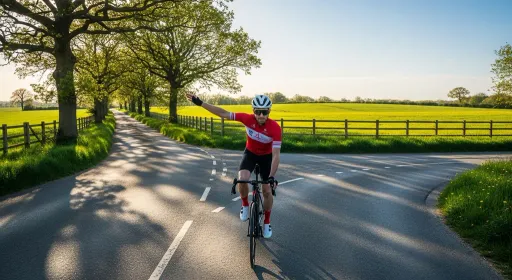
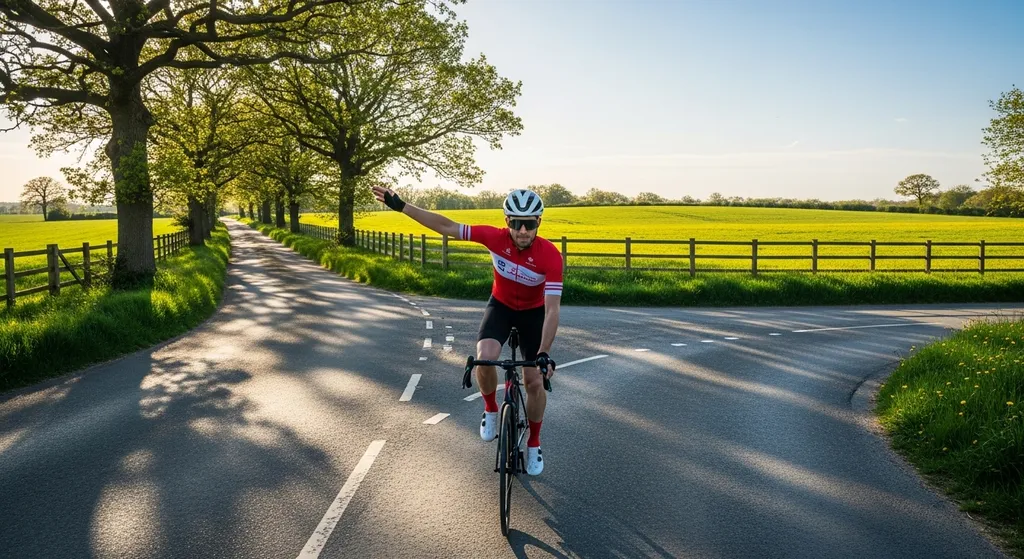
Ella
raised
her
left
hand
to
ask
a
question
.
Ella
raised
her
left
hand
to
ask
a
question
.
•
The
bookstore
is
on
the
left
side
of
the
main
square
.
The
bookstore
is
on
the
left
side
of
the
main
square
.
noun
the
side
or
direction
that
is
opposite
to
right
•
Take
a
left
at
the
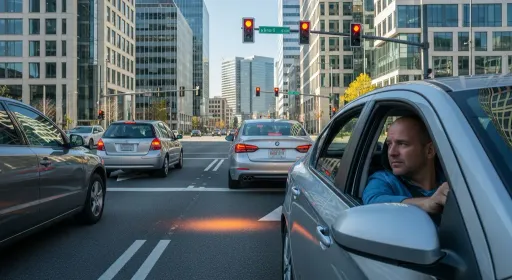
traffic
lights
.
Take
a
left
at
the
traffic
lights
.
•
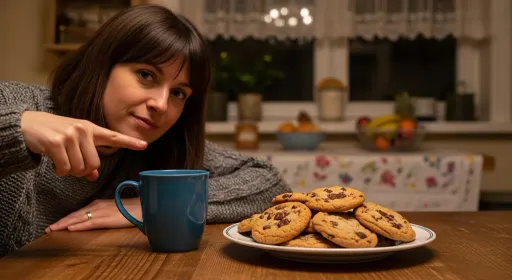
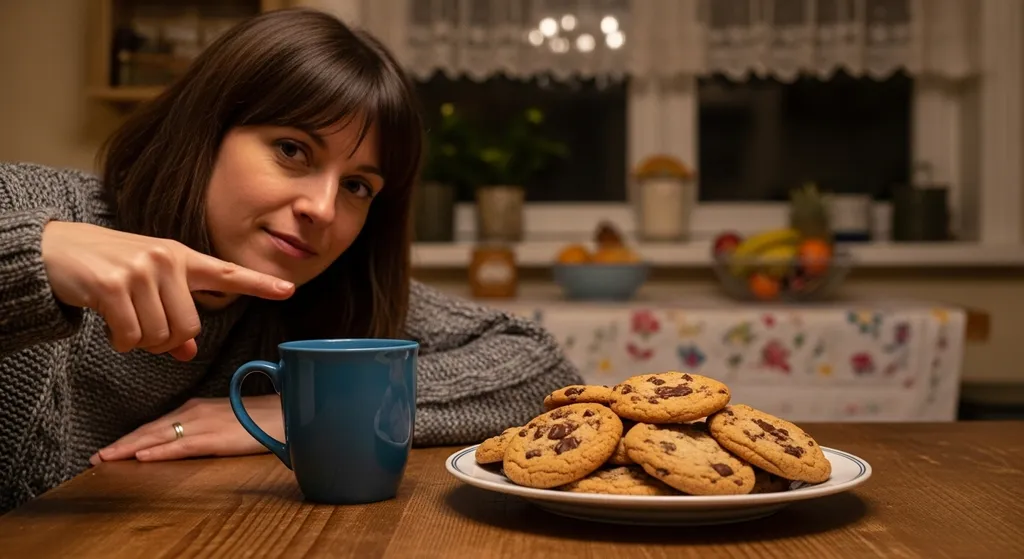
The
cup
is
on
your
left
.
The
cup
is
on
your
left
.
adverb
towards
or
on
the
left
side
•
At
the
crossroads
,
turn
left
.
At
the
crossroads
,
turn
left
.
•
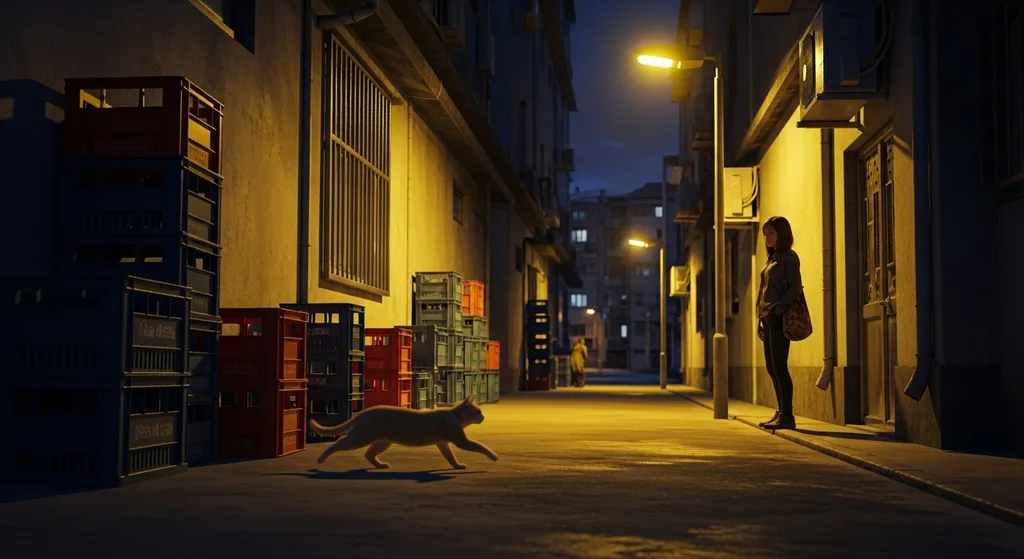
The
cat
darted
left
into
the
alley
.
The
cat
darted
left
into
the
alley
.
adjective
still
present
,
available
,
or
remaining
after
other
things
or
people
have
gone
,
used
,
or
taken
their
share
•
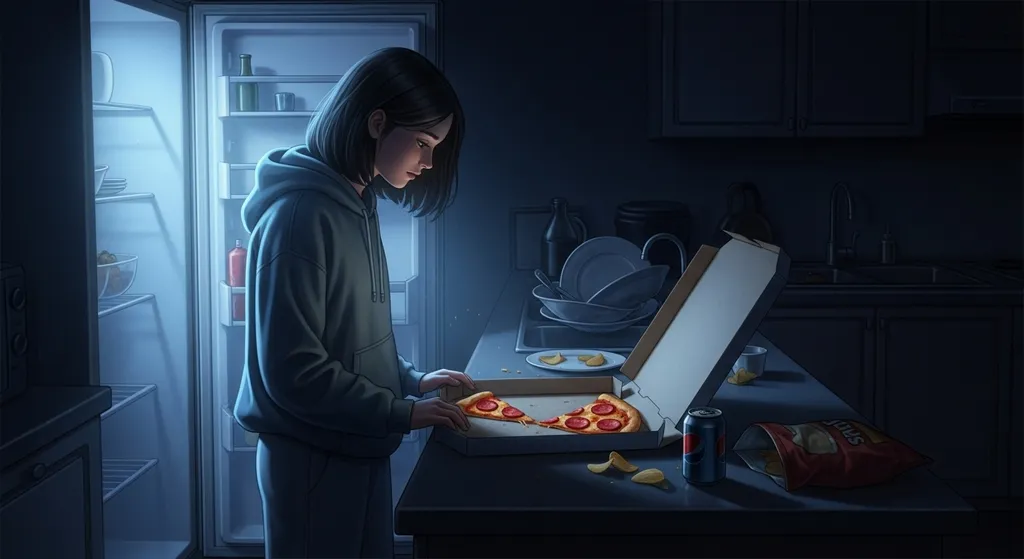
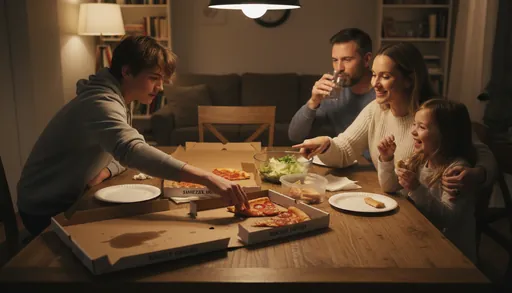
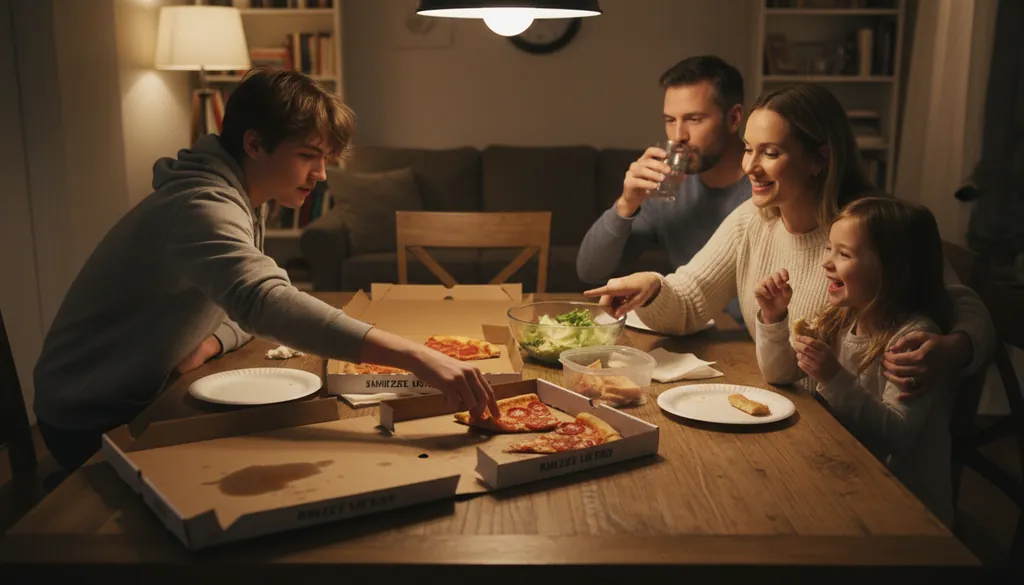
There
is
only
one
slice
of
pizza
left
.
There
is
only
one
slice
of
pizza
left
.
•
We
have
five
minutes
left
before
the
movie
starts
.
We
have
five
minutes
left
before
the
movie
starts
.
verb
-
leave
,
leaving
,
leaves
,
left
past
tense
and
past
participle
of
leave
•
They
left
the
concert
early
to
catch
the
last
train
.
They
left
the
concert
early
to
catch
the
last
train
.
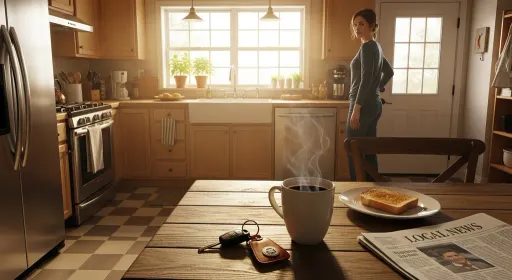
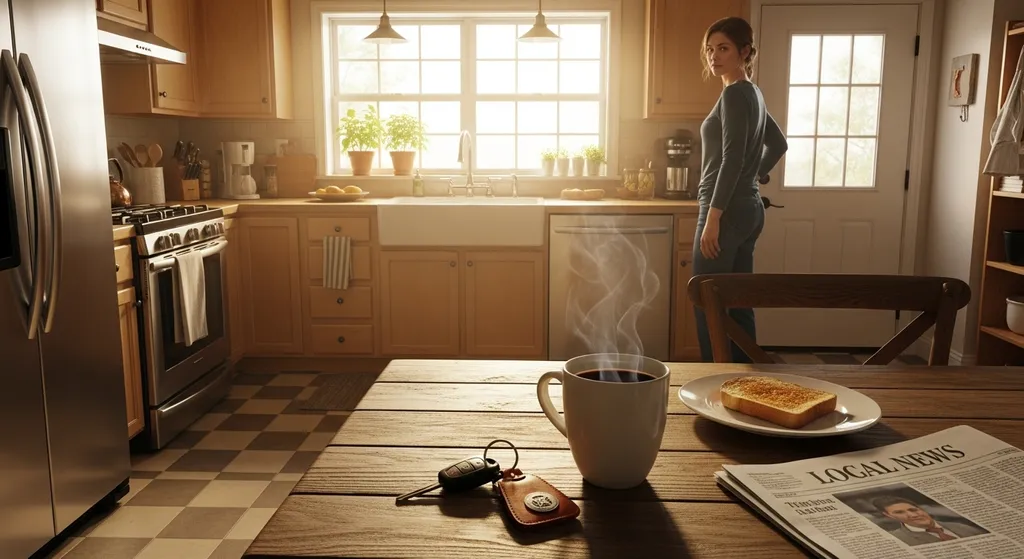
•
I
have
left
my
keys
on
the
kitchen
table
.
I
have
left
my
keys
on
the
kitchen
table
.
noun
-
left
persons
or
political
groups
that
support
social
equality
and
government
action
to
help
people
,
considered
the
opposite
of
the
right
•
The
left
criticized
the
proposed
tax
cuts
.
The
left
criticized
the
proposed
tax
cuts
.
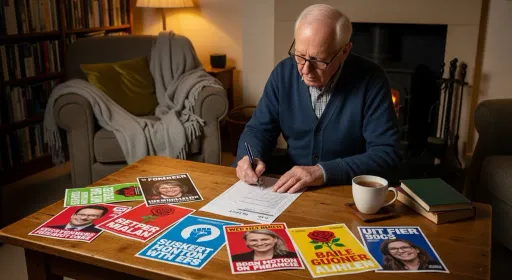
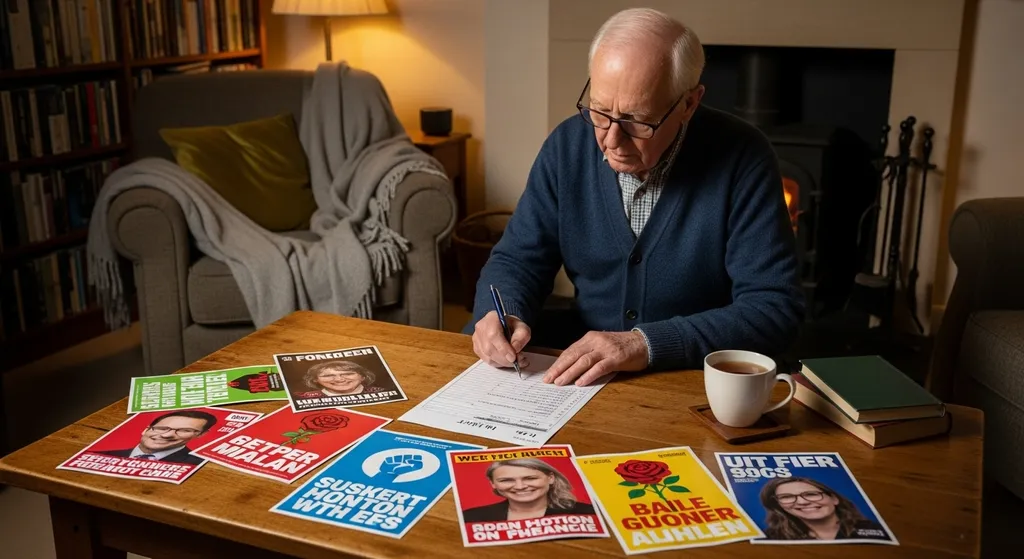
•
She
has
always
voted
for
parties
on
the
left
.
She
has
always
voted
for
parties
on
the
left
.
leftover
noun
-
leftover
,
leftovering
,
leftovers
,
leftovered
an
amount
of
food
that
remains
after
a
meal
.
•
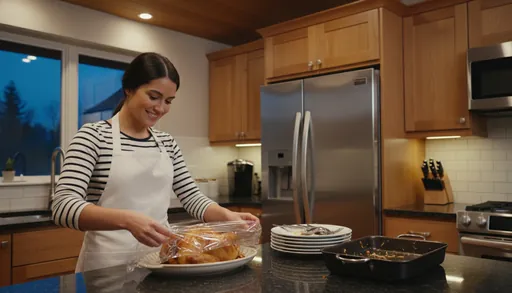
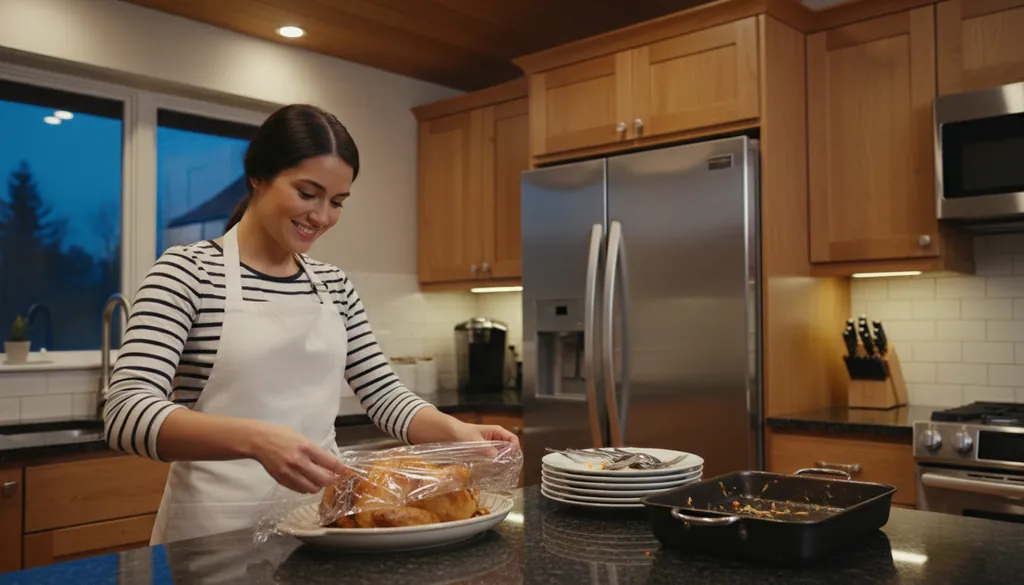
I'll
put
the
leftover
chicken
in
the
fridge
.
I'll
put
the
leftover
chicken
in
the
fridge
.
•
We
ate
all
the
pizza
except
some
leftovers
.
We
ate
all
the
pizza
except
some
leftovers
.
From
leave
+
over
,
originally
referring
to
food
not
consumed
after
a
meal
.
adjective
-
leftover
,
leftovering
,
leftovers
,
leftovered
remaining
after
most
has
been
used
or
taken
.
•
She
used
the
leftover
paint
to
touch
up
the
walls
.
She
used
the
leftover
paint
to
touch
up
the
walls
.
•
Donate
your
leftover
clothes
to
charity
.
Donate
your
leftover
clothes
to
charity
.
Extended
from
the
noun
sense
,
indicating
what
is
left
after
the
primary
portion
.
leave
verb
-
leave
,
leaving
,
leaves
,
left
to
go
away
from
someone
or
someplace
,
especially
in
order
to
start
a
journey
or
finish
a
visit
•
After
saying
goodbye
,
Sarah
left
the
party
early
.
After
saying
goodbye
,
Sarah
left
the
party
early
.
•
We
must
leave
now
if
we
want
to
catch
the
bus
.
We
must
leave
now
if
we
want
to
catch
the
bus
.
Old
English
lǣfan
“
to
allow
to
remain
,
bequeath
;
depart
,”
from
Proto-Germanic
*laibijaną
.
verb
-
leave
,
leaving
,
leaves
,
left
to
forget
or
intentionally
allow
something
or
someone
to
remain
in
a
place
when
you
go
away
•
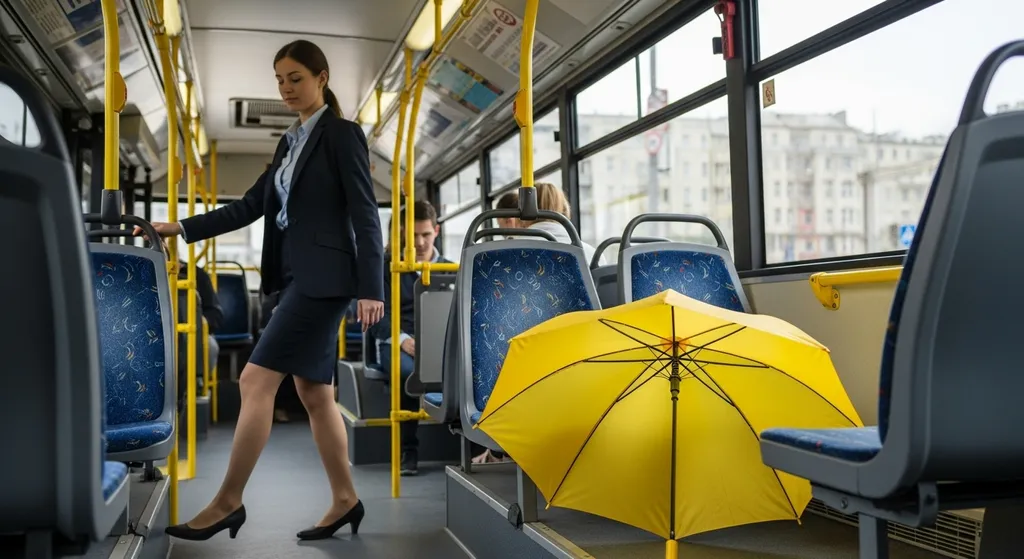
She
left
her
umbrella
on
the
bus
.
She
left
her
umbrella
on
the
bus
.
•
Don
’
t
leave
your
phone
on
the
table
;
someone
might
take
it
.
Don
’
t
leave
your
phone
on
the
table
;
someone
might
take
it
.
Extension
of
the
sense
“
allow
to
remain
”
from
Old
English
lǣfan
.
verb
-
leave
,
leaving
,
leaves
,
left
to
cause
someone
or
something
to
stay
in
a
particular
state
or
condition
•
Please
leave
the
window
open
for
some
fresh
air
.
Please
leave
the
window
open
for
some
fresh
air
.
•
The
news
left
him
speechless
.
The
news
left
him
speechless
.
Semantic
development
from
Old
English
lǣfan
,
shifting
from
“
allow
to
remain
”
to
“
cause
to
remain
in
a
state
.”
clove
verb
-
cleave
,
cleaving
,
cleaves
,
clove
,
cleft
,
cloven
past
tense
of
cleave
:
to
split
something
apart
with
force
•
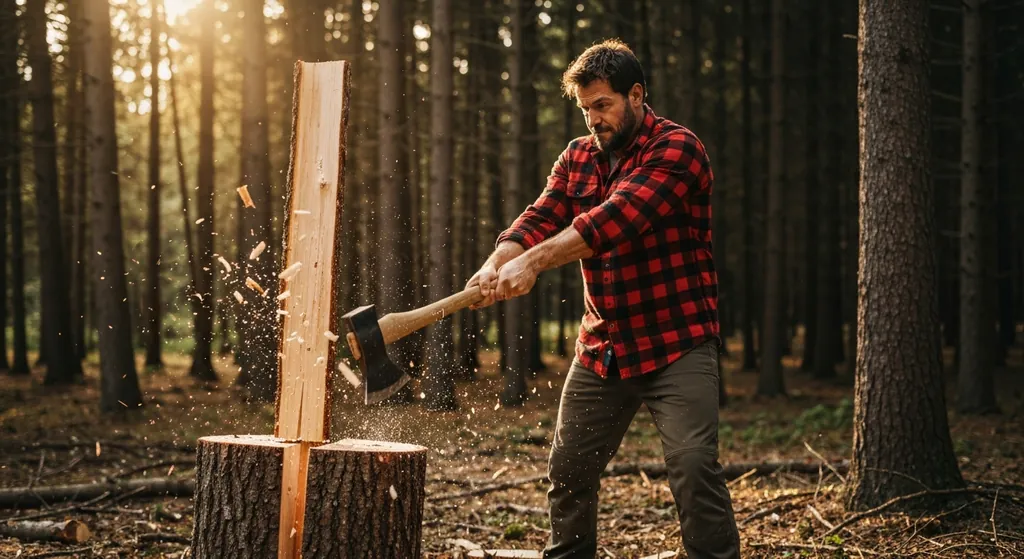
With
a
single
strike
,
the
axe
clove
the
log
in
half
.
With
a
single
strike
,
the
axe
clove
the
log
in
half
.
•
Lightning
clove
the
dark
sky
,
illuminating
the
mountains
.
Lightning
clove
the
dark
sky
,
illuminating
the
mountains
.
Old
English
clēofan
‘
split
apart
’. ‘
Clove
’
became
a
common
strong-verb
past
in
the
1500s
,
alongside
the
weak
form
‘
cleft
’.