
toqus
Picture Dictionary
English
한국어
Login
Register
🔍
obligation
noun
something
you
must
do
because
a
law
,
promise
,
or
your
own
sense
of
duty
requires
it
•
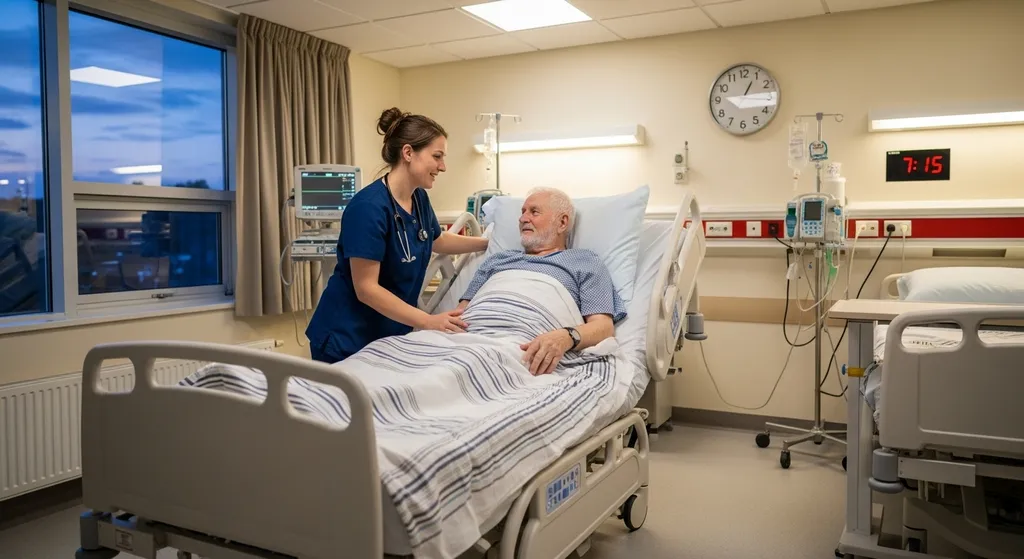
As
a
nurse
,
Sarah
felt
an
obligation
to
stay
late
and
care
for
her
patients
.
As
a
nurse
,
Sarah
felt
an
obligation
to
stay
late
and
care
for
her
patients
.
•
Parents
have
an
obligation
to
provide
a
safe
home
for
their
children
.
Parents
have
an
obligation
to
provide
a
safe
home
for
their
children
.
Middle
English
,
from
Latin
obligatio
,
from
obligare
‘
to
bind
’ (
ob-
‘
towards
’
+
ligare
‘
to
tie
’).
noun
a
feeling
that
you
must
do
something
to
thank
or
repay
someone
who
has
helped
you
•
After
saving
his
life
,
she
felt
an
obligation
to
visit
the
firefighter
and
thank
him
.
After
saving
his
life
,
she
felt
an
obligation
to
visit
the
firefighter
and
thank
him
.
•
I
invited
her
to
dinner
because
I
was
under
an
obligation
after
she
helped
me
move
.
I
invited
her
to
dinner
because
I
was
under
an
obligation
after
she
helped
me
move
.
noun
a
formal
legal
or
financial
agreement
that
binds
someone
to
pay
money
or
perform
a
specific
action
•
The
company
issued
bonds
as
a
financial
obligation
to
raise
capital
.
The
company
issued
bonds
as
a
financial
obligation
to
raise
capital
.
•
By
taking
the
loan
,
Amir
accepted
the
obligation
to
make
monthly
payments
.
By
taking
the
loan
,
Amir
accepted
the
obligation
to
make
monthly
payments
.
amplification
noun
-
-
the
process
of
making
sound
louder
or
a
signal
stronger
,
usually
with
electronic
equipment
•
The
guitarist
stepped
on
his
pedal
for
extra
amplification
during
the
solo
.
The
guitarist
stepped
on
his
pedal
for
extra
amplification
during
the
solo
.
•
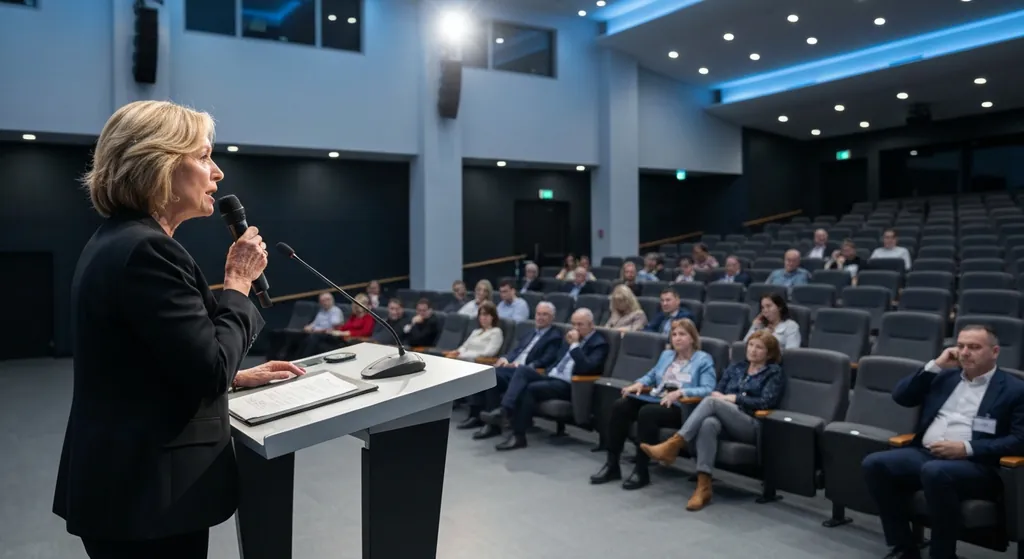
Without
proper
amplification
,
the
female
speaker
’
s
voice
could
not
reach
the
back
of
the
packed
auditorium
.
Without
proper
amplification
,
the
female
speaker
’
s
voice
could
not
reach
the
back
of
the
packed
auditorium
.
From
Latin
amplificātiō
,
meaning
the
act
of
enlarging
or
extending
.
noun
-
-
the
act
of
making
something
stronger
,
larger
,
or
more
intense
•
Social
media
can
cause
the
rapid
amplification
of
rumors
.
Social
media
can
cause
the
rapid
amplification
of
rumors
.
•
The
charity
’
s
message
gained
amplification
through
a
nationwide
television
campaign
.
The
charity
’
s
message
gained
amplification
through
a
nationwide
television
campaign
.
Extended
figurative
sense
developed
in
English
in
the
17th
century
from
the
literal
idea
of
enlarging
.
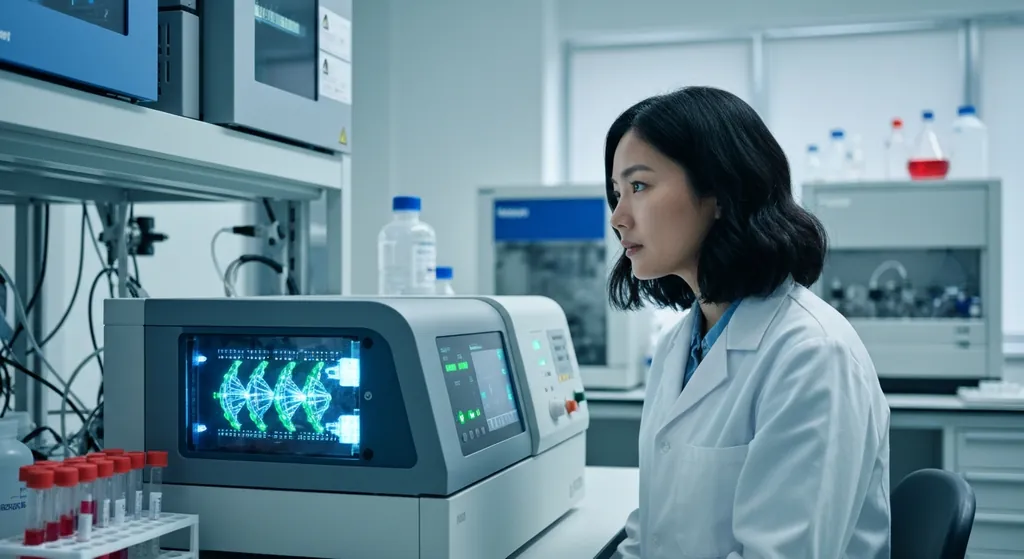
noun
-
-
in
genetics
,
the
process
by
which
a
DNA
segment
is
copied
many
times
,
producing
numerous
identical
sequences
•
Polymerase
chain
reaction
relies
on
rapid
amplification
of
DNA
fragments
.
Polymerase
chain
reaction
relies
on
rapid
amplification
of
DNA
fragments
.
•
Gene
amplification
can
cause
certain
cancers
to
grow
more
aggressively
.
Gene
amplification
can
cause
certain
cancers
to
grow
more
aggressively
.
Technical
use
in
molecular
biology
emerged
in
the
late
20th
century
,
especially
after
the
invention
of
PCR
in
1983
.
daylight
noun
-
-
the
light
provided
by
the
sun
during
the
day
•
Open
the
curtains
to
let
some
daylight
into
the
room
.
Open
the
curtains
to
let
some
daylight
into
the
room
.
•
Plants
grow
better
in
natural
daylight
than
under
artificial
lights
.
Plants
grow
better
in
natural
daylight
than
under
artificial
lights
.
From
Middle English
*daylyght*
(
also
*dayliht*
,
*day-lighte*
),
equivalent
to
*day*
+
*light*
.
noun
a
person's
vital
force
or
insides
(
used
only
in
the
plural
in
phrases
like
'beat'
,
'knock'
,
or
'scare
the
daylights
out
of
someone'
)
•
The
scary
story
frightened
the
daylights
out
of
her
.
The
scary
story
frightened
the
daylights
out
of
her
.
•
He
threatened
to
beat
the
daylights
out
of
the
thief
.
He
threatened
to
beat
the
daylights
out
of
the
thief
.
eighty
noun
-
eighty
,
eighties
,
-
The
cardinal
number
80
.
•
My
grandma
just
turned
eighty
!
My
grandma
just
turned
eighty
!
•
The
bus
can
hold
eighty
passengers
.
The
bus
can
hold
eighty
passengers
.
From
Middle
English
eighteti
,
from
Old
English
eahtatig
,
from
Proto-West
Germanic
*aihtatīg
,
from
Proto-Germanic
*ahtōtehund
(“
eight-ten
”).
eighteen
noun
-
-
,
eighteen
the
cardinal
number
equal
to
17
+
1
,
coming
between
seventeen
and
nineteen
.
•
I
am
eighteen
years
old
.
I
am
eighteen
years
old
.
•
The
class
has
eighteen
students
.
The
class
has
eighteen
students
.
From
Middle English
eighteen
,
fifteene
,
from
Old English
eahtatiene
(“
eighteen
”),
from
Proto-West
Germanic
*ahtoþīn
(“
eighteen
”),
equivalent
to
eight
+
-teen
.
Cognate
with
Dutch
achttien
(“
eighteen
”),
German
achtzehn
(“
eighteen
”).
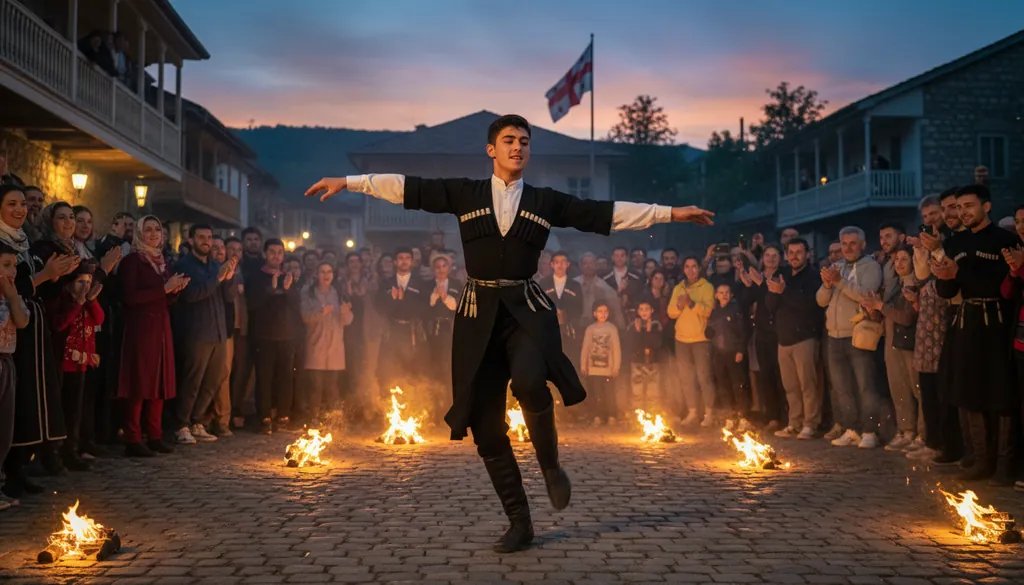
Georgian
noun
-
-
a
native
or
inhabitant
of
the
country
of
Georgia
in
the
Caucasus
.
•
My
best
friend
is
a
Georgian
who
loves
dancing
.
My
best
friend
is
a
Georgian
who
loves
dancing
.
•
The
Georgian
businessman
attended
the
international
conference
.
The
Georgian
businessman
attended
the
international
conference
.
Named
after
the
country
Georgia
,
ultimately
from
the
name
of
Saint
George
(
Greek
Georgios
'farmer'
or
'earthworker'
)
+
the
suffix
-ian
.
adjective
-
-
belonging
or
relating
to
the
country
of
Georgia
,
its
people
,
culture
,
or
language
.
•
They
enjoyed
authentic
Georgian
wine
at
dinner
.
They
enjoyed
authentic
Georgian
wine
at
dinner
.
•
The
Georgian
alphabet
looks
beautiful
.
The
Georgian
alphabet
looks
beautiful
.
noun
-
-
the
language
spoken
in
Georgia
,
which
belongs
to
the
Kartvelian
family
and
uses
a
unique
script
.
•
Georgian
is
written
in
its
own
alphabet
.
Georgian
is
written
in
its
own
alphabet
.
•
Learning
Georgian
takes
dedication
.
Learning
Georgian
takes
dedication
.
adjective
-
-
relating
to
the
period
of
the
reign
of
the
first
four
British
kings
named
George
(
1714–1830
),
or
the
architecture
and
arts
of
that
time
.
•
The
city
has
many
Georgian
buildings
.
The
city
has
many
Georgian
buildings
.
•
Georgian
architecture
is
symmetrical
.
Georgian
architecture
is
symmetrical
.
inflammation
noun
-
inflame
,
inflaming
,
inflames
,
inflamed
,
-
A
localized
reaction
in
body
tissue
to
injury
,
infection
,
or
irritation
,
characterized
by
redness
,
swelling
,
heat
,
and
pain
.
•
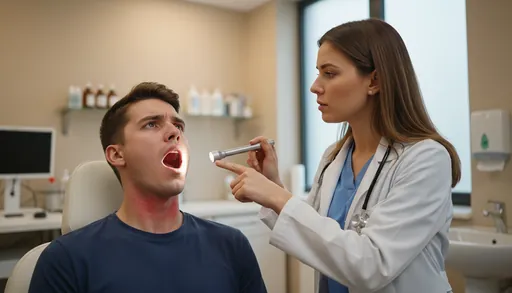
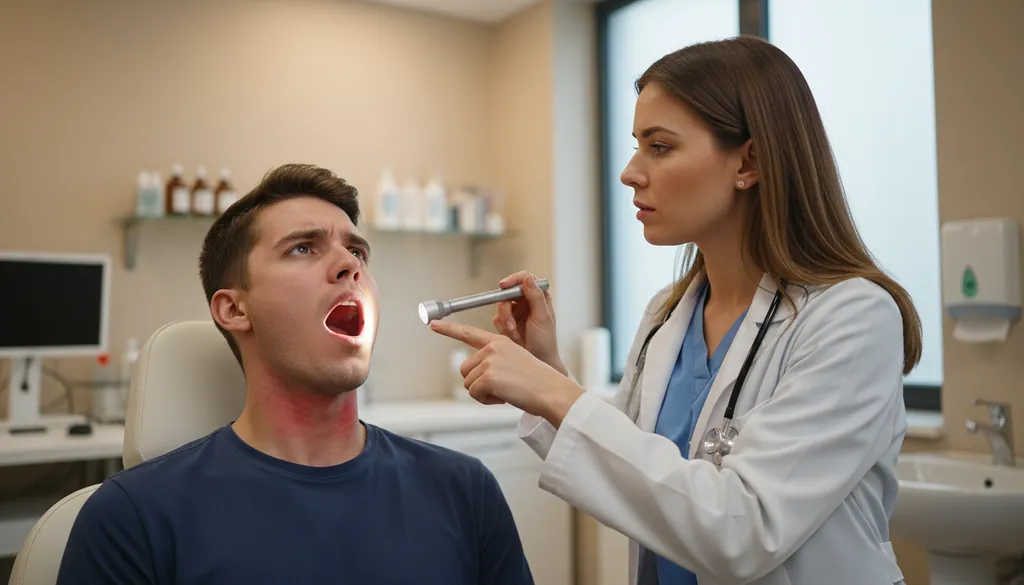
The
doctor
diagnosed
inflammation
in
my
throat
after
examining
it
.
The
doctor
diagnosed
inflammation
in
my
throat
after
examining
it
.
•
Applying
ice
can
help
reduce
inflammation
after
a
muscle
strain
.
Applying
ice
can
help
reduce
inflammation
after
a
muscle
strain
.
Late
Middle
English
:
via
Old
French
from
Latin
inflammatio
(
n-
),
based
on
inflammare
'set
on
fire'
,
from
in-
'into'
+
flammare
'to
flame'
.
noun
-
inflame
,
inflaming
,
inflames
,
inflamed
,
-
A
condition
of
being
inflamed
,
especially
with
strong
emotion
or
excitement
,
such
as
anger
.
•
The
controversial
decision
sparked
inflammation
among
the
fans
.
The
controversial
decision
sparked
inflammation
among
the
fans
.
•
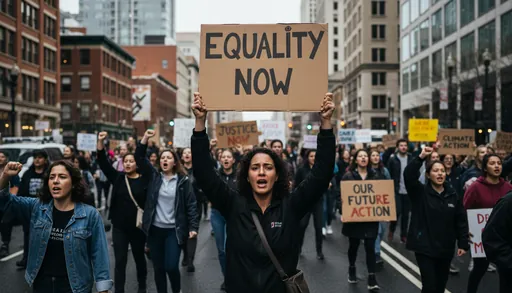
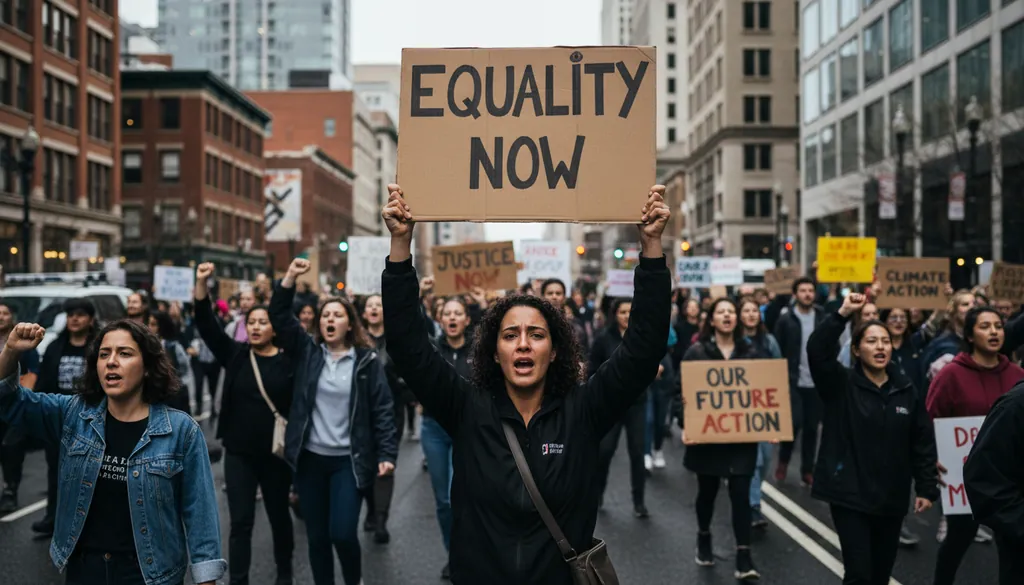
Public
inflammation
over
the
policy
led
to
protests
.
Public
inflammation
over
the
policy
led
to
protests
.
Same
as
the
physiological
sense
,
extended
metaphorically
from
the
idea
of
'setting
on
fire'
with
passion
.
lithium
noun
-
-
a
soft
,
silver-white
metallic
chemical
element
(
symbol
Li
),
the
lightest
solid
element
,
used
in
batteries
,
alloys
,
and
nuclear
reactors
.
•
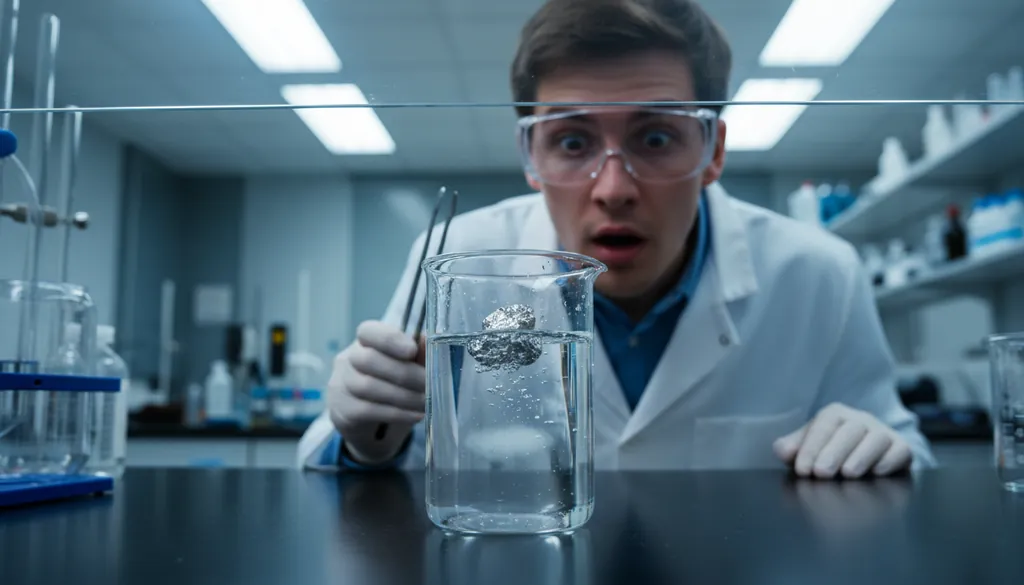
Lithium
is
the
lightest
metal
and
floats
on
water
.
Lithium
is
the
lightest
metal
and
floats
on
water
.
•
Modern
smartphones
use
lithium-ion
batteries
.
Modern
smartphones
use
lithium-ion
batteries
.
Coined
in
1818
by
Johan
August
Arfwedson
from
New
Latin
lithium
,
from
Ancient
Greek
λίθος
(
líthos
, “
stone
”),
because
it
was
discovered
in
the
mineral
petalite
.
noun
-
-
a
medication
containing
lithium
salts
used
to
treat
bipolar
disorder
and
other
mood
disorders
.
•
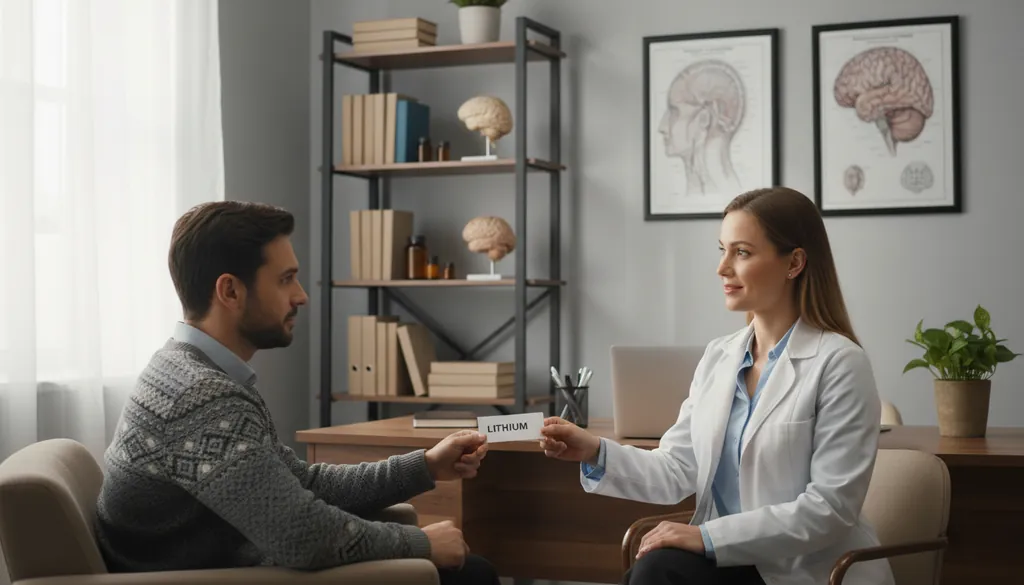
The
doctor
prescribed
lithium
for
my
bipolar
disorder
.
The
doctor
prescribed
lithium
for
my
bipolar
disorder
.
•
Lithium
helps
stabilize
mood
swings
in
manic
depression
.
Lithium
helps
stabilize
mood
swings
in
manic
depression
.
Medical
use
derives
from
the
same
chemical
element
discovered
in
1818
;
lithium
salts
were
used
in
psychiatric
treatment
from
the
1940s
.