toqus
Picture Dictionary
English
한국어
Login
Register
🔍
consequence
noun
a
penalty
or
unpleasant
result
that
follows
wrongdoing
or
a
mistake
•
If
you
disobey
the
rules
,
there
will
be
a
consequence
.
If
you
disobey
the
rules
,
there
will
be
a
consequence
.
•
Parking
in
a
fire
lane
can
lead
to
serious
consequences
.
Parking
in
a
fire
lane
can
lead
to
serious
consequences
.
Developed
from
the
general
“
result
”
sense
,
but
in
late
19th-century
disciplinary
language
it
narrowed
to
negative
outcomes
.
consist
verb
to
be
made
up
of
particular
parts
or
things
,
usually
used
with
the
preposition
“
of
”
•
The
gift
basket
consists of
fresh
fruit
,
cheese
,
and
a
small
bottle
of
wine
.
The
gift
basket
consists of
fresh
fruit
,
cheese
,
and
a
small
bottle
of
wine
.
•
A
year
consists of
twelve
months
.
A
year
consists of
twelve
months
.
From
Latin
"
consistere
"
meaning
"
to
stand
firm
,
be
composed
of
"
verb
to
have
something
as
the
most
important
or
essential
part
,
quality
,
or
element
,
usually
used
with
the
preposition
“
in
”
•
True
happiness
consists in
helping
others
.
True
happiness
consists in
helping
others
.
•
The
beauty
of
the
painting
consists in
its
vibrant
colors
.
The
beauty
of
the
painting
consists in
its
vibrant
colors
.
Same
Latin
root
as
the
primary
sense
,
later
specialized
in
philosophical
and
formal
writing
.
considerable
adjective
important
enough
to
deserve
attention
or
respect
•
The
professor
is
a
scholar
of
considerable
reputation
in
the
field
of
linguistics
.
The
professor
is
a
scholar
of
considerable
reputation
in
the
field
of
linguistics
.
•
Winning
the
prize
was
a
considerable
honor
for
the
young
scientist
.
Winning
the
prize
was
a
considerable
honor
for
the
young
scientist
.
Same
origin
as
the
primary
sense
;
earlier
meaning
of
“
worthy
of
consideration
”
later
broadened
to
denote
size
or
amount
.
considering
conjunction
taking
into
account
the
fact
that
;
because
•
Considering
it
was
his
first
speech
,
he
did
very
well
.
Considering
it
was
his
first
speech
,
he
did
very
well
.
•
She
finished
the
marathon
in
under
four
hours
,
considering
she
had
sprained
her
ankle
last
month
.
She
finished
the
marathon
in
under
four
hours
,
considering
she
had
sprained
her
ankle
last
month
.
Developed
from
prepositional
use
;
attested
as
a
conjunction
since
the
17th
century
.
con
noun
a
disadvantage
or
reason
against
an
idea
,
plan
,
or
choice
.
•
Before
buying
the
house
,
they
listed
every
con
they
could
think
of
.
Before
buying
the
house
,
they
listed
every
con
they
could
think
of
.
•
High
cost
is
the
biggest
con
of
this
plan
.
High
cost
is
the
biggest
con
of
this
plan
.
Short
for
Latin
contra
“
against
,”
used
in
English
since
the
16th
century
in
the
phrase
“
pro
and
con
” (
for
and
against
).
noun
a
dishonest
trick
or
plan
to
cheat
people
out
of
money
or
information
.
•
The
online
giveaway
was
actually
a
clever
con
.
The
online
giveaway
was
actually
a
clever
con
.
•
She
nearly
fell
victim
to
the
phone
con
but
hung
up
in
time
.
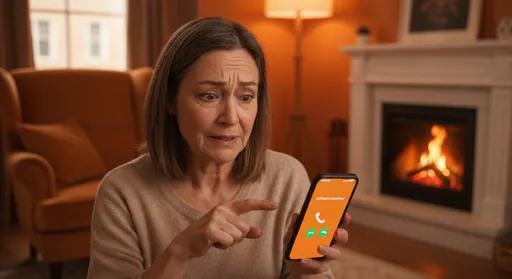
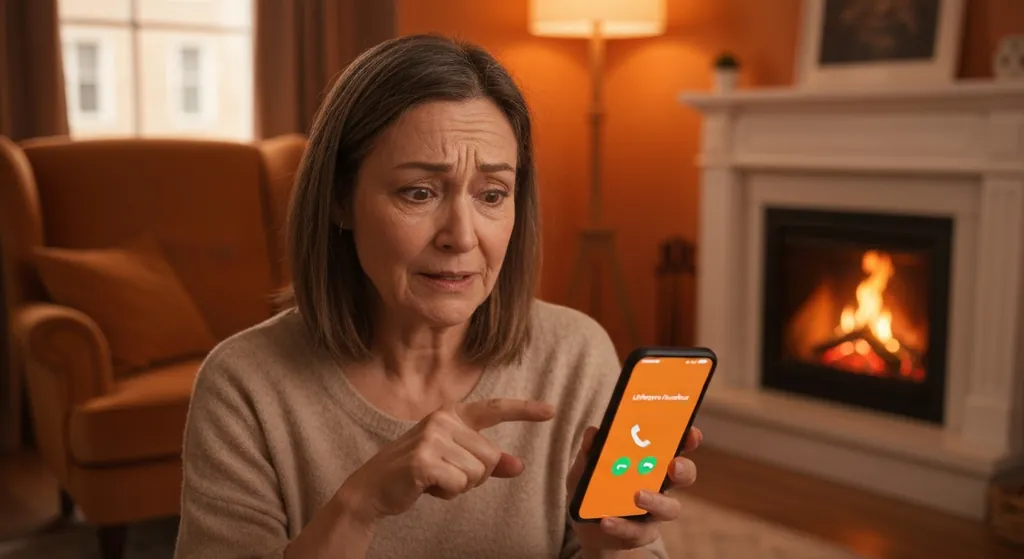
She
nearly
fell
victim
to
the
phone
con
but
hung
up
in
time
.
Short
for
“
confidence
trick
,”
first
recorded
in
American
English
in
the
1890s
.
verb
-
con
,
conning
,
cons
,
conned
to
trick
someone
so
they
give
you
money
,
information
,
or
help
.
•
The
fake
charity
tried
to
con
people
into
donating
money
.
The
fake
charity
tried
to
con
people
into
donating
money
.
•
He
conned
the
tourists
by
selling
them
fake
tickets
.
He
conned
the
tourists
by
selling
them
fake
tickets
.
Verb
sense
developed
from
the
noun
“
con
”
meaning
a
trick
,
early
20th
century
.
noun
an
informal
word
for
a
prisoner
,
especially
one
who
has
been
jailed
for
a
long
time
.
•
The
guards
escorted
the
con
back
to
his
cell
.
The
guards
escorted
the
con
back
to
his
cell
.
•
After
ten
years
behind
bars
,
the
con
was
released
.
After
ten
years
behind
bars
,
the
con
was
released
.
Short
for
“
convict
,”
first
recorded
in
1860s
American
slang
.
verb
-
con
,
conning
,
cons
,
conned
to
direct
the
steering
of
a
ship
or
boat
by
giving
spoken
orders
.
•
The
captain
asked
the
officer
to
con
the
ship
through
the
narrow
channel
.
The
captain
asked
the
officer
to
con
the
ship
through
the
narrow
channel
.
•
He
had
learned
to
con
a
submarine
during
his
naval
training
.
He
had
learned
to
con
a
submarine
during
his
naval
training
.
From
Middle
English
‘
connen
’
meaning
‘
to
study
,
learn
,’
later
specialized
to
mean
‘
direct
a
ship
,’
17th
century
.
noun
the
responsibility
or
control
of
steering
a
ship
or
submarine
.
•
Lieutenant
Smith
had
the
con
during
the
night
shift
.
Lieutenant
Smith
had
the
con
during
the
night
shift
.
•
Who
has
the
con
while
the
captain
is
away
?
Who
has
the
con
while
the
captain
is
away
?
Evolved
from
the
verb
“
con
” (
to
steer
)
in
naval
usage
,
18th
century
.