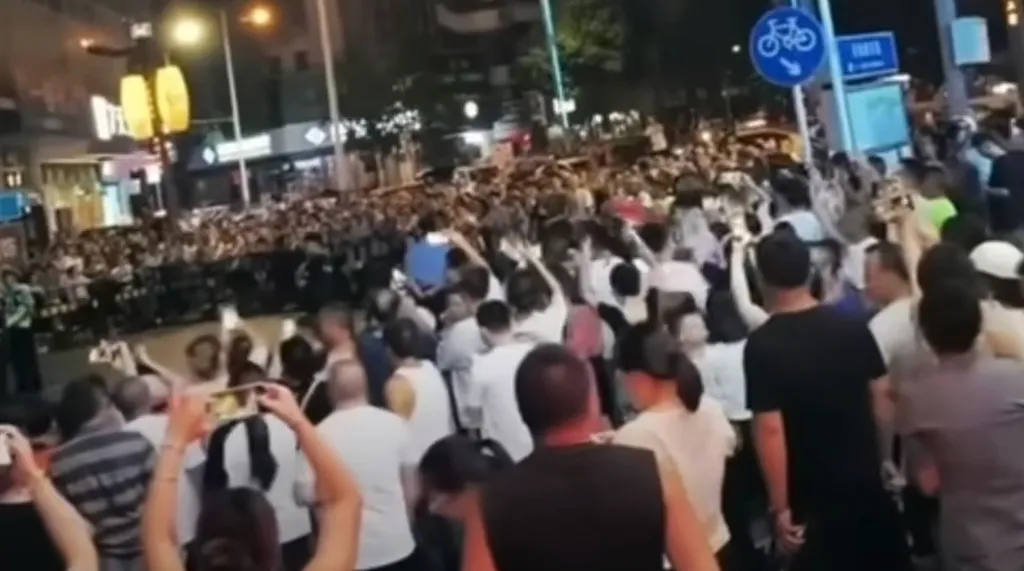
Protests have broken out in Guizhou province in southern China. This is a poor, rural area far from big cities like Shenzhen and Shanghai. The protests began in Shidong town over the weekend. People are upset about a new rule from local leaders. The rule says dead people must be cremated, not buried.
Many villagers belong to the Miao ethnic group. For them, burying the dead is a key part of their traditions and culture.
Videos from the protests show crowds of villagers. One man shouts: 'If the Communist party digs up ancestors' graves, go dig up Xi Jinping’s ancestral tombs first.' Another video shows dozens of people surrounding a police car.
Online, many people support the protesters. One comment says: 'Yes everyone, let’s stand up and support traditional burial practices!'
The local government says the rule follows a 2003 law. Cremation helps save land and encourages simple funerals. China has crowded cemeteries. The government pushes other options like sea burials.
But for many rural people, traditional burials are important to their culture. One villager said his family cremated his grandfather because of pressure from officials. They were warned of problems for three generations.
This year, there are 70% more rural protests in China than last year. Many are about money problems. But protests about traditions, like this one, often last longer because they feel very personal.
In August, protests in Sichuan province over school bullying grew into big clashes that lasted days.
Experts say protests last longer when they touch deep personal issues like family heritage or ancestors. People feel strongly and take risks to fight back.