to begin doing something, or for something to begin
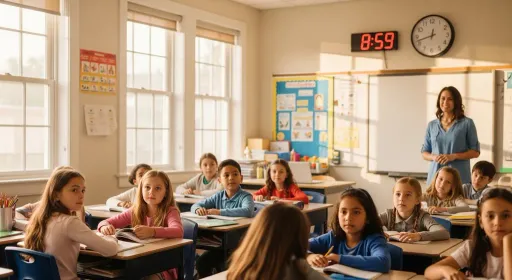
Classes start at nine o’clock every morning.
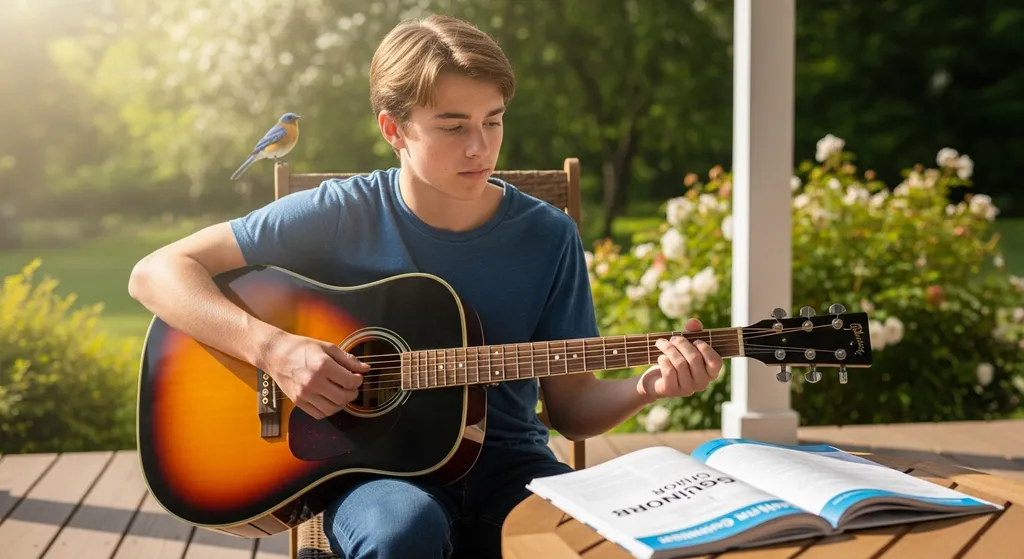
He wants to start learning the guitar this summer.
✦ Old English ‘steartian’ meaning ‘to leap up, begin to move’.
the beginning of an activity, event, or period of time
From the start, everyone knew the project would be difficult.
They got off to a slow start but soon gained speed.
to make a machine, vehicle, or device begin working
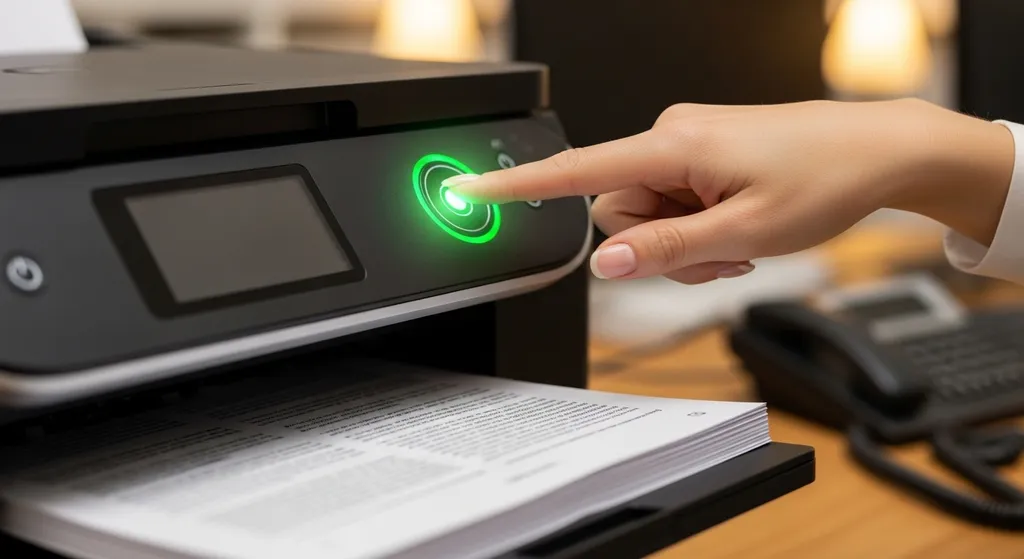
Press the green button to start the printer.
It took several tries to start the old truck on the cold morning.
present participle of start – to begin doing something or to begin to happen
We are starting our journey at dawn.
The movie is starting in five minutes, so hurry!
✦ From Old English "styrtan" (to leap up, start). The sense of "to begin" developed in Middle English and the –ing form has been used since the late 14th century.
to move suddenly because of surprise or fear
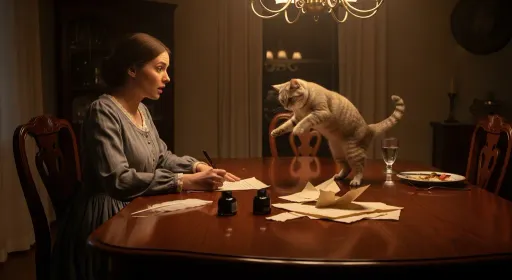
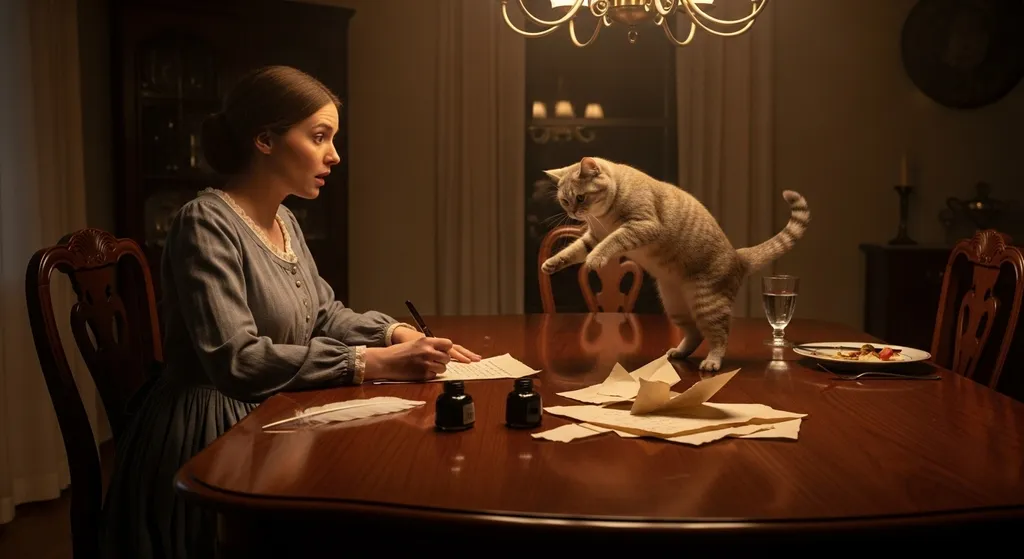
She started when the cat jumped onto the table.
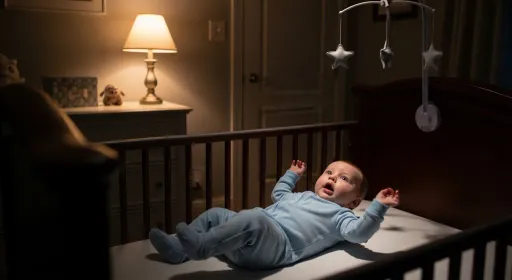
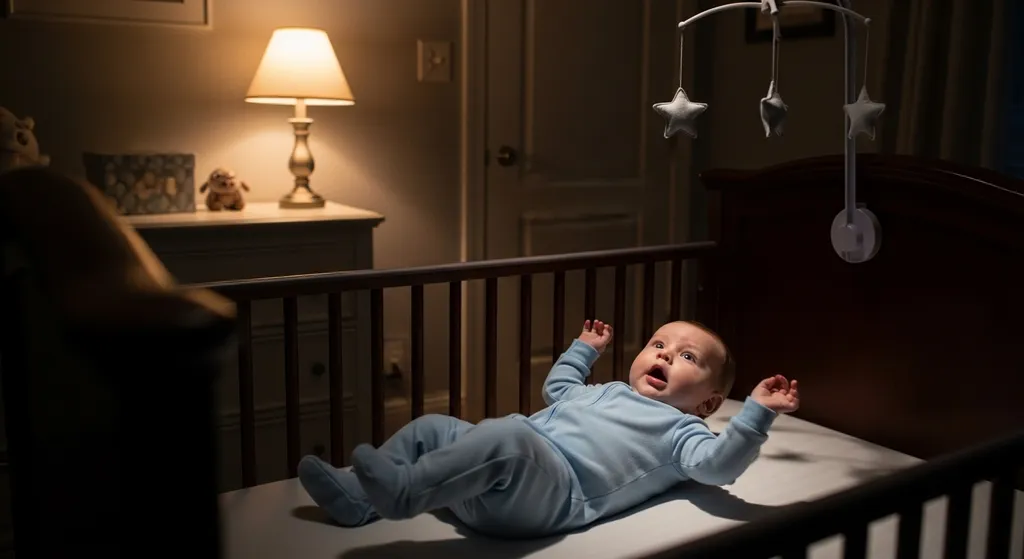
The sudden bang made the baby start in his sleep.
a sudden jump or movement caused by surprise or fear
With a start, he realized he had missed the last train.
The loud thunder gave her a start.
the official who signals the beginning of a race
The starter raised his pistol, and the sprinters tensed in their blocks.
After the loud bang from the starter, the swimmers dived into the pool.
✦ From the verb “start,” with the agent suffix “-er,” meaning ‘one who starts’, documented in sporting contexts since the mid-19th century.