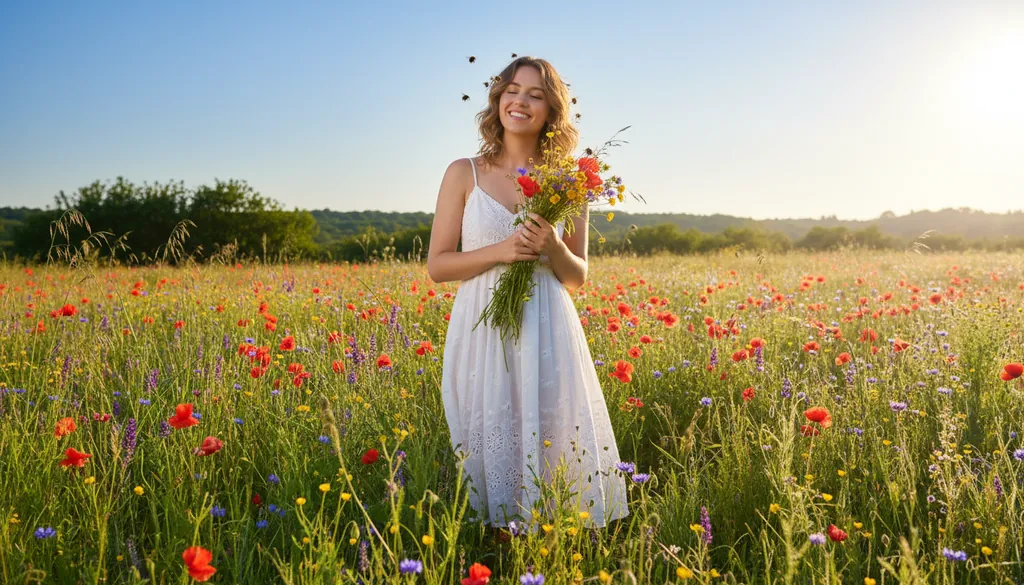
the warmest season of the year, occurring between spring and autumn
The children can’t wait for summer vacation to begin.
In summer, the sun stays up much later in northern countries.
✦ Old English sumor, from Proto-Germanic *sumaraz, related to German Sommer and Dutch zomer.
a single year of a person’s age, expressed poetically or in literature
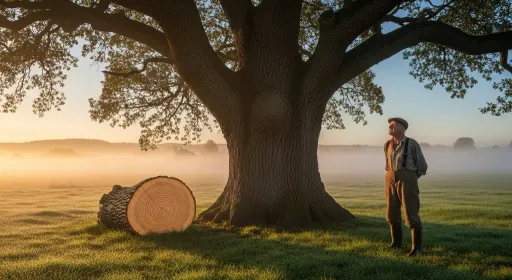
The oak has stood for three hundred summers and still grows strong.
At only fifteen summers, she already dreamed of seeing the world.
✦ Same origin as the season sense; using “summer” to mean “year” dates back to Middle English, reflecting the passage of time from one warm season to the next.
to spend the summer, especially in a particular place
They summer in a small coastal town every year to escape the city heat.
The wealthy family summered on their private island in the lake.
✦ Verb use developed in the 16th century from the noun, meaning “to pass the summer (somewhere)”.
the middle part of summer, especially the time around the summer solstice on June 21st.
The weather is usually hot and sunny in midsummer.
We have barbecues every year in midsummer.
✦ From Middle English midsumer, from Old English midsumor, equivalent to mid + summer.
happening, existing, or relating to the middle of summer.
The midsummer heat made everyone tired.
She wore a midsummer dress to the party.