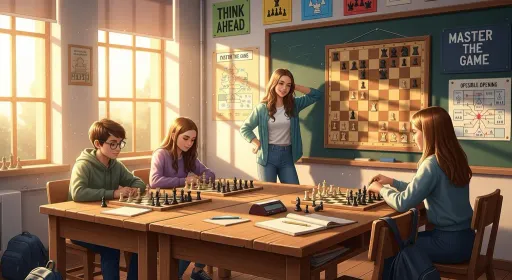
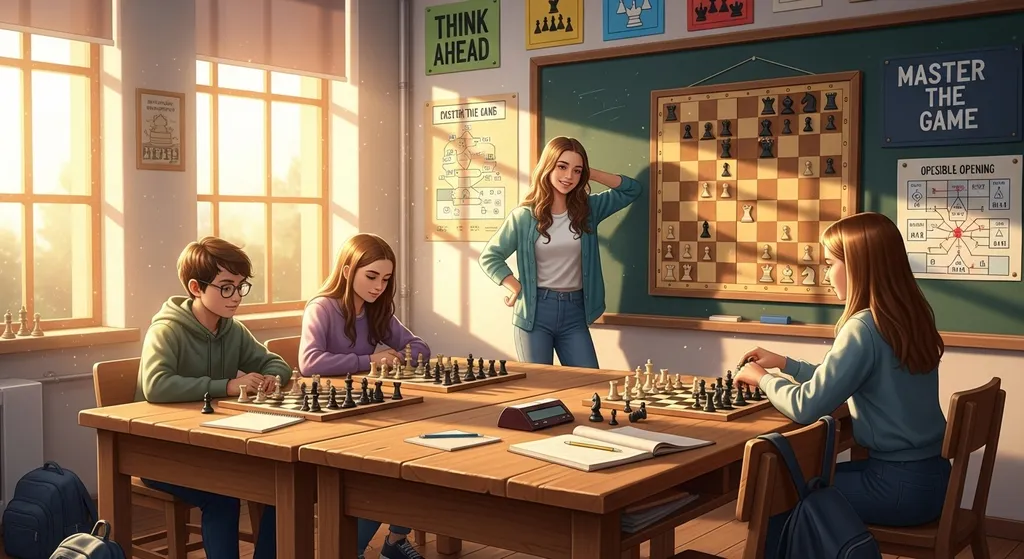
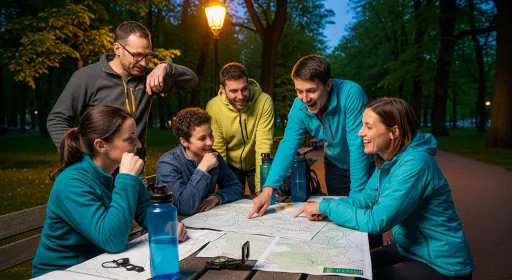
a group of people who meet regularly because they share the same interest or activity
Mona joined the school club for chess to sharpen her strategy skills.
Every Friday evening, the hiking club meets in the park to plan weekend trips.
✦ From Old Norse “klubba,” meaning a thick stick, later extended in English to groups of people meeting together.
a place, usually open at night, where people go to dance, listen to music, and drink
We waited in line for an hour to get into the new dance club downtown.
The club was packed, and the DJ played everyone’s favorite songs.
✦ Sense evolved in the 19th century from private gentlemen’s clubs that offered entertainment and refreshments.
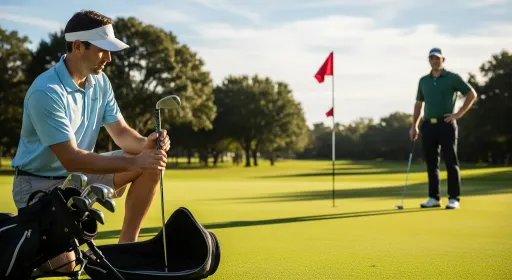
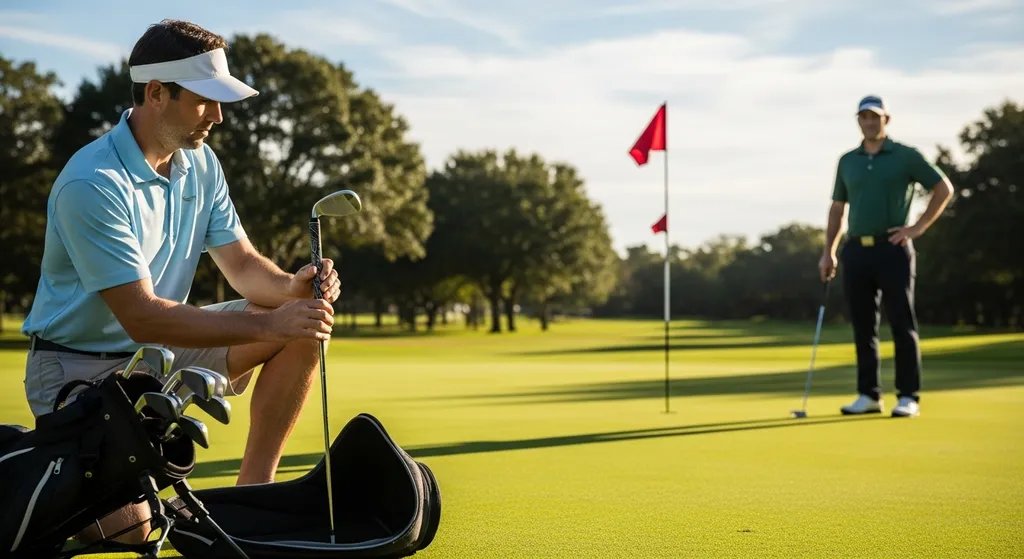
a long stick with a special head used to hit a ball in sports like golf
He chose a nine-iron club for the short approach shot.
Keep your club steady and swing smoothly through the ball.
✦ Specialized sporting sense developed in the 18th century when golf equipment became distinct.
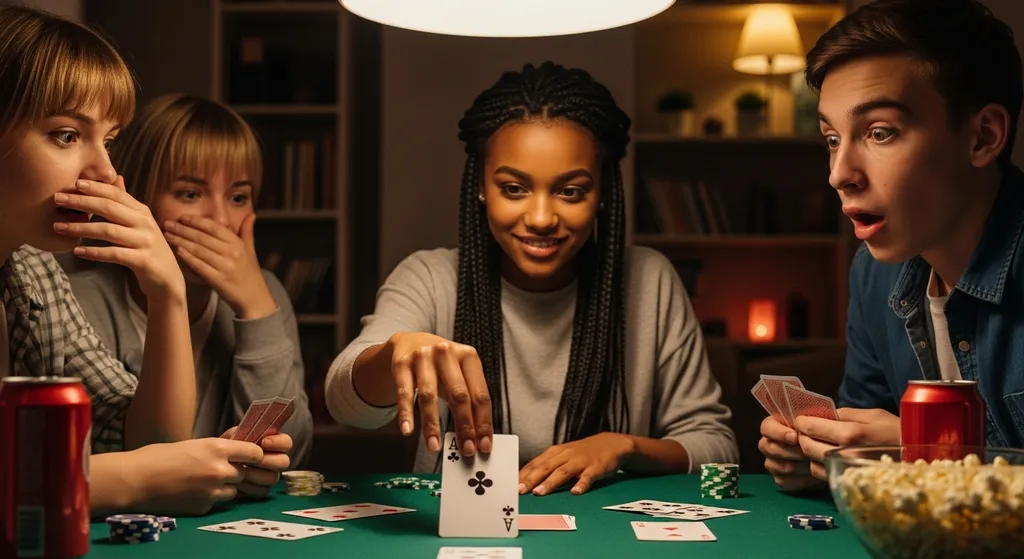
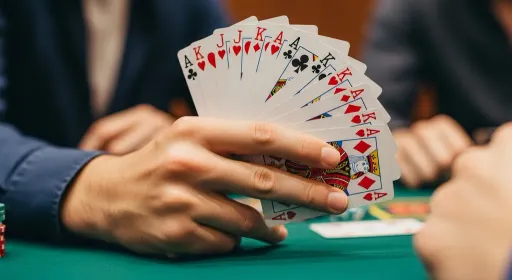
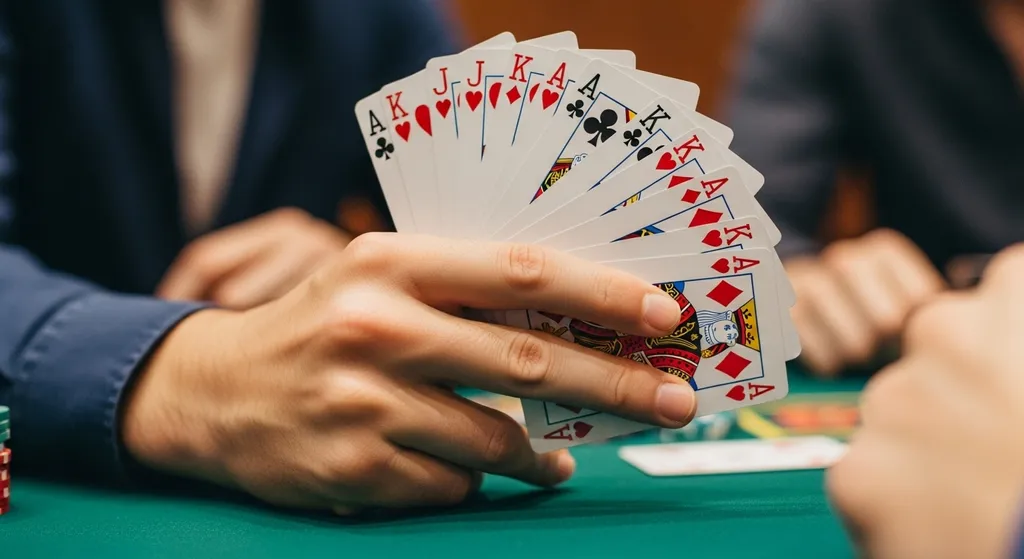
one of the four suits in a deck of playing cards, shown as a black three-leaf symbol
She played the ace of clubs to win the trick.
If you don’t have a club, you must discard another suit.
✦ Borrowed from French playing-card terminology in the 15th century.
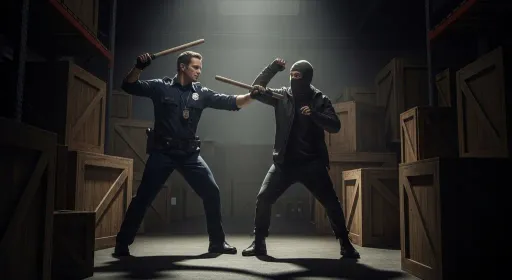
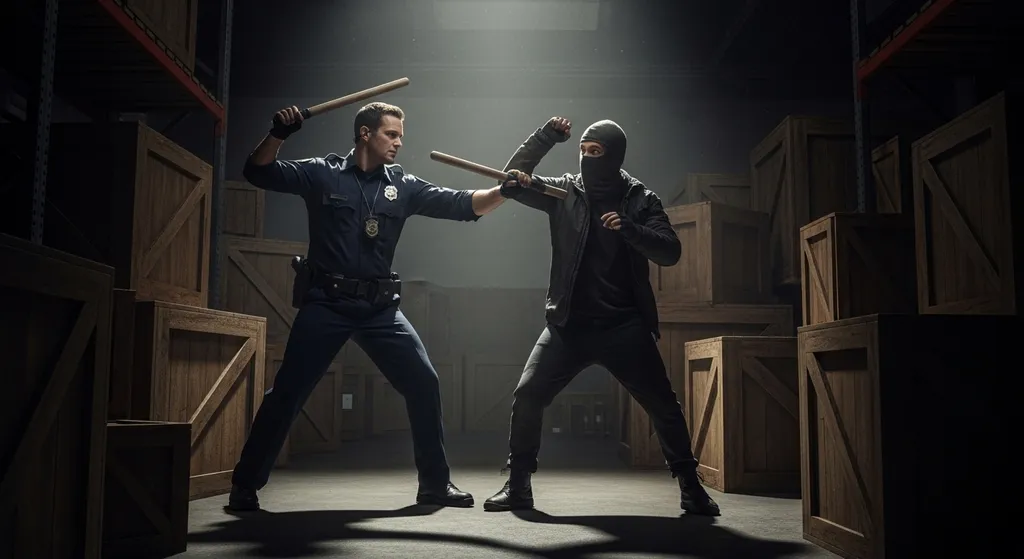
a thick, heavy stick used as a weapon
The caveman carried a wooden club for protection.
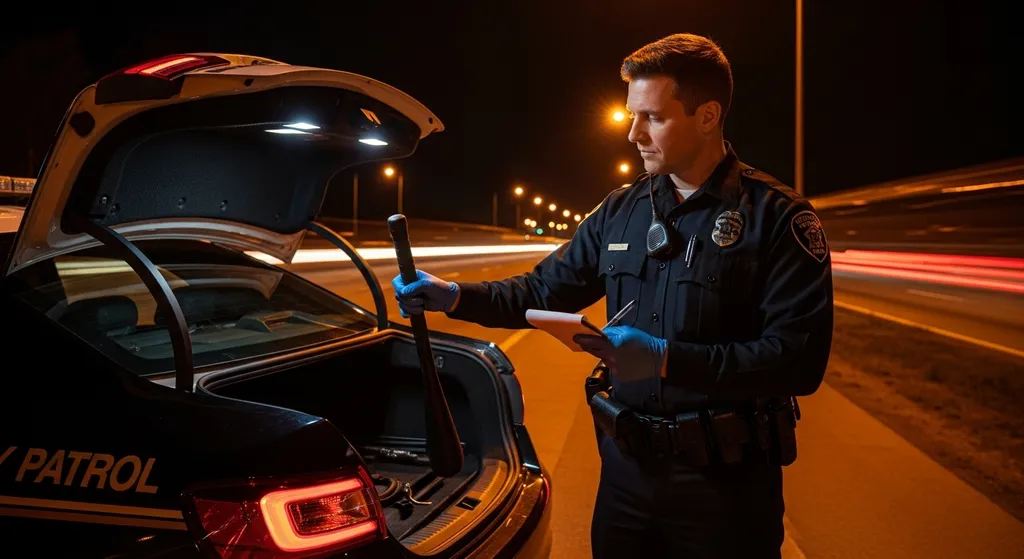
A police officer found an illegal metal club hidden in the suspect’s car.
✦ Original and earliest meaning of the word, dating back to Old Norse.
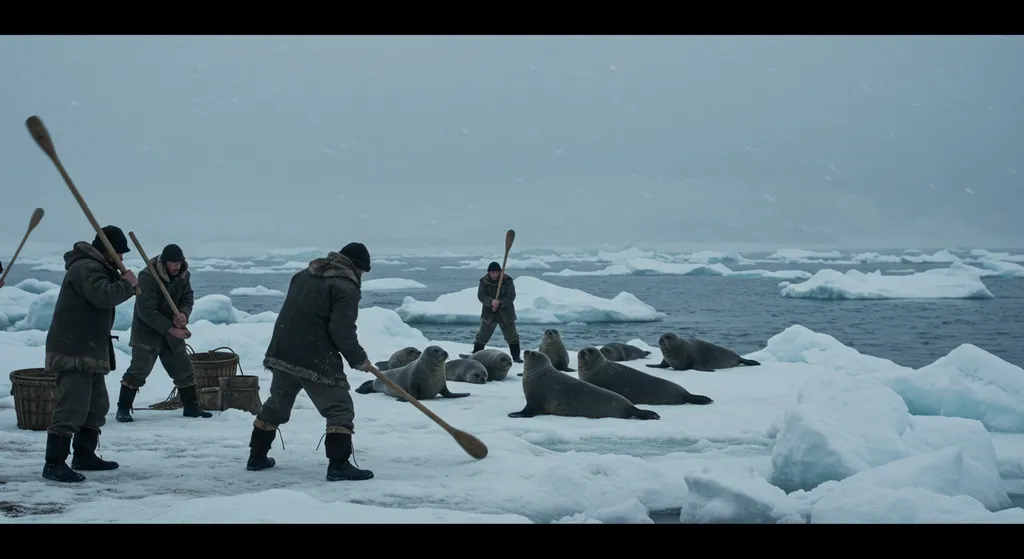
to hit someone or something with a heavy stick
The guard clubbed the intruder on the arm to stop him.
Fishermen once clubbed seals, a practice now banned in many countries.
✦ Verb use comes from the noun meaning “heavy stick,” recorded from the 14th century.