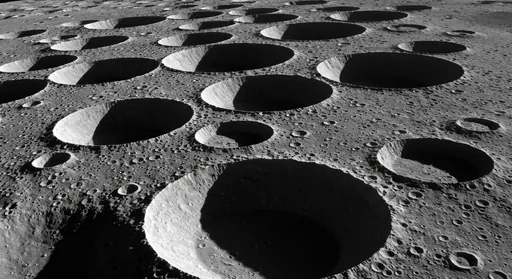
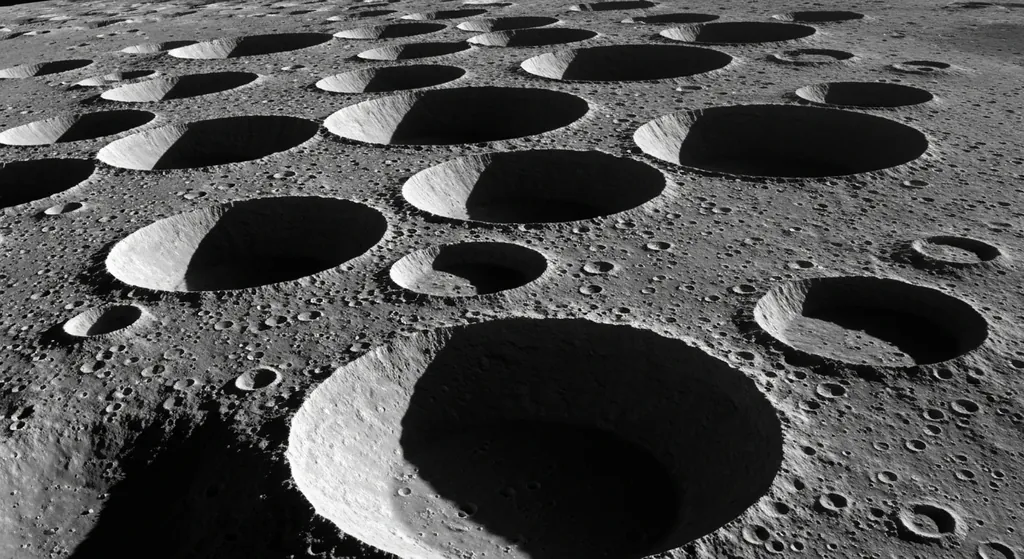
A round, bowl-shaped hole in the ground or on the surface of a planet or moon, usually formed by a volcano, a meteorite impact, or a powerful explosion.
Astronomers studied the huge crater on the surface of Mars through their telescope.
The moon's grey landscape is covered with circular craters made by ancient impacts.
✦ Early 17th century from Latin cratēr ‘mixing bowl’, from Greek kratēr ‘bowl for mixing wine’—so called because a volcanic crater resembled a huge bowl.
to fall or fail very suddenly and by a large amount, especially in price, value, or success.
After the scandal broke, the company's stock price cratered overnight.
Sales will crater if we ignore customer feedback.
✦ Figurative extension (late 20th century) from the noun sense ‘hole left by an explosion’; the sudden drop in value is likened to an explosive impact.
to create a deep round hole in something by a violent impact or explosion.
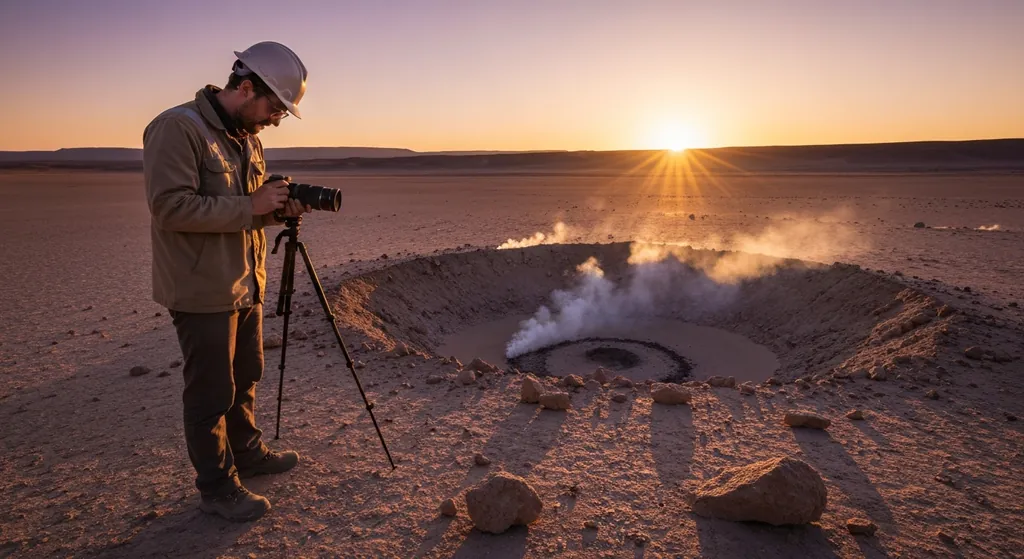
The meteor strike cratered the desert floor, leaving a rim of shattered rocks.
Artillery shells cratered the battlefield during the night.
✦ Derived from the noun ‘crater’; first recorded in the 1920s to describe the effects of shellfire in World War I.