to receive or obtain something
Did you get my email yesterday?
Children usually get a lot of presents at Christmas.
✦ From Old English ‘gietan’ meaning ‘to obtain, to seize’.
to become or come into a new state or condition
It’s getting cold outside.
Don’t get angry; we can fix the problem.
✦ Sense shift from ‘obtain’ to ‘acquire a state’ recorded since the 14th century.
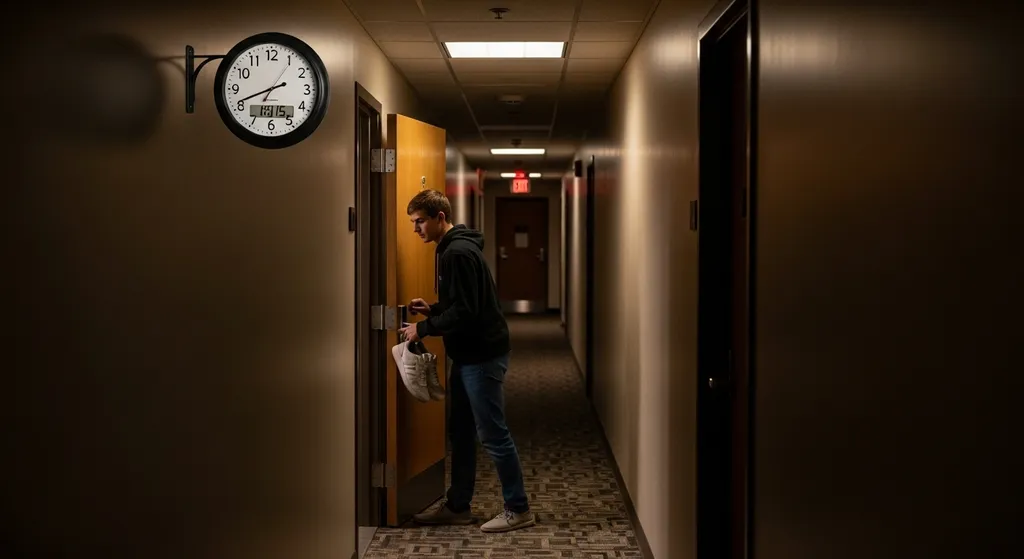
to arrive at a place
What time did you get home last night?
We need to get to the station by noon.
✦ Arrival sense developed from the idea of ‘obtaining a destination’.
to understand or comprehend something
I didn’t get the joke at first.
Do you get what the teacher means?
✦ Comprehension meaning appears in 1890s American English.
(informal) to buy or obtain by paying for something
Can you get some milk on your way home?
I got a new phone last week.
✦ Buying sense evolved from ‘obtain’ in early 20th-century colloquial speech.
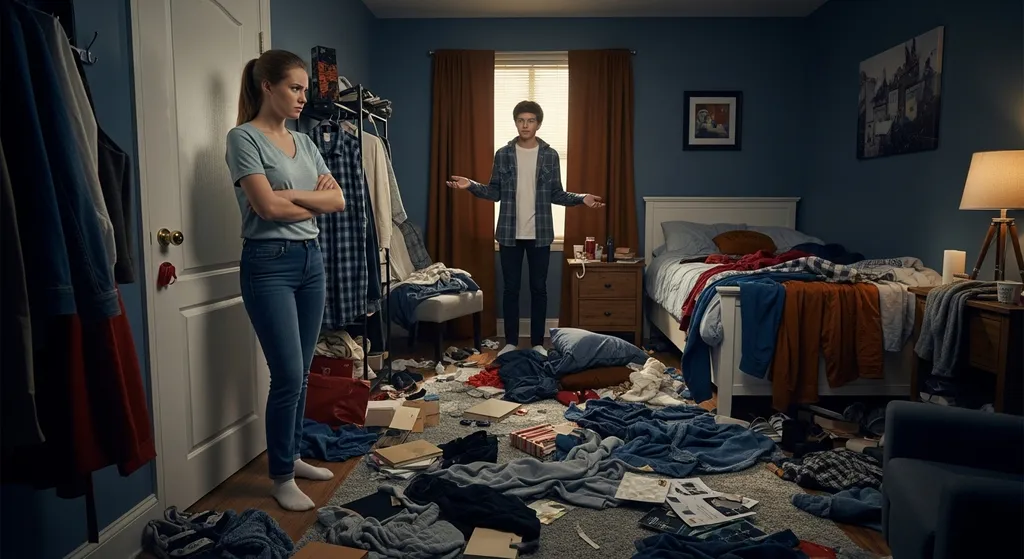
to persuade or cause someone to do something (usually with an object + infinitive)
I can never get my brother to clean his room.
They finally got the project team to agree on a plan.
✦ ‘Cause to’ sense attested since the 16th century.
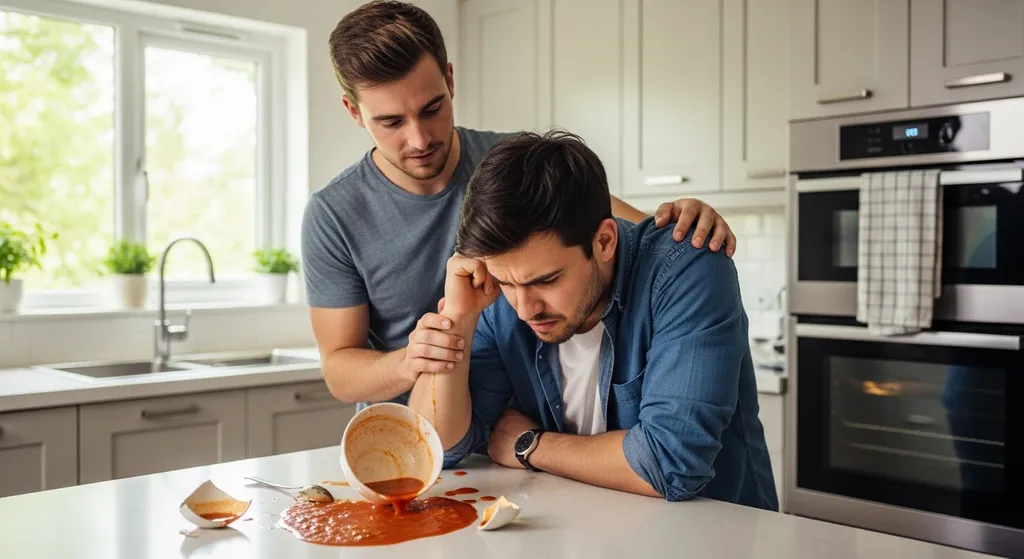
to fail to remember something or someone
I often forget my neighbor's name even though we talk every day.
Rita forgot what time the meeting started and arrived late.
✦ Old English forgietan, from for– (completely) + gietan (to get, grasp mentally), meaning originally ‘lose grasp of’.
to cause or bring about something, especially a reaction or a new situation
Persistent fear often begets anger in a community.
One small act of kindness frequently begets another.
✦ From Old English beġietan, meaning “to get, obtain, produce,” influenced by Old Norse geta. The sense of “cause to exist” developed in Middle English.
to father or produce offspring; to procreate
Legend says the mighty king begets a child destined for greatness.
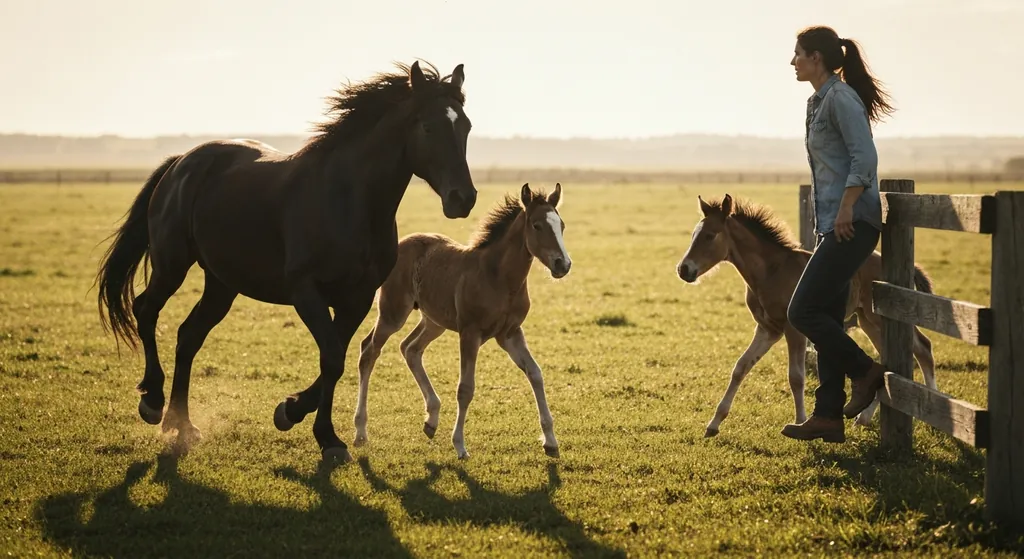
The stallion begets strong foals every spring.
✦ Old English beġietan, later narrowed in meaning to “procreate” in biblical and genealogical contexts.