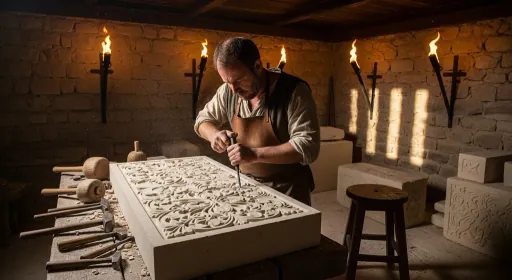
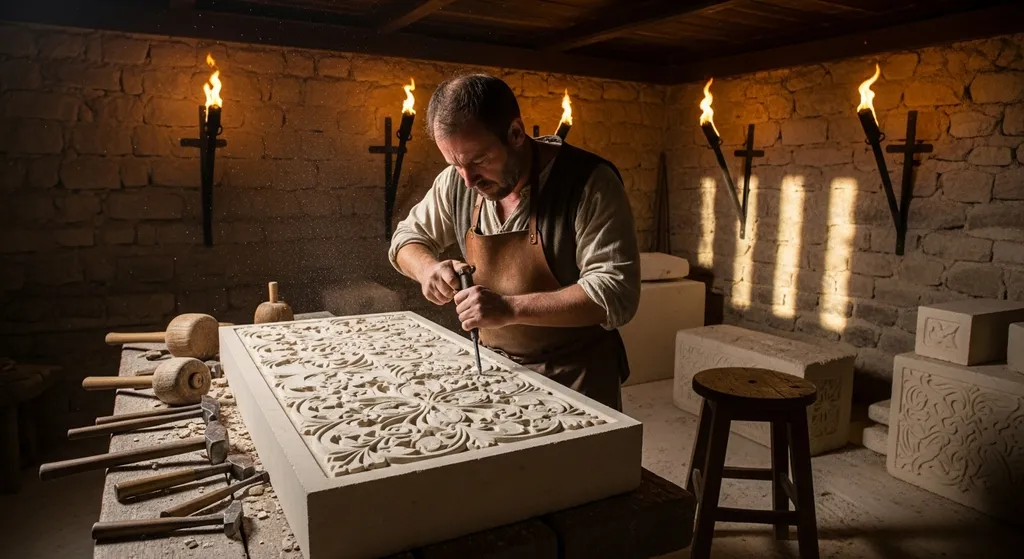
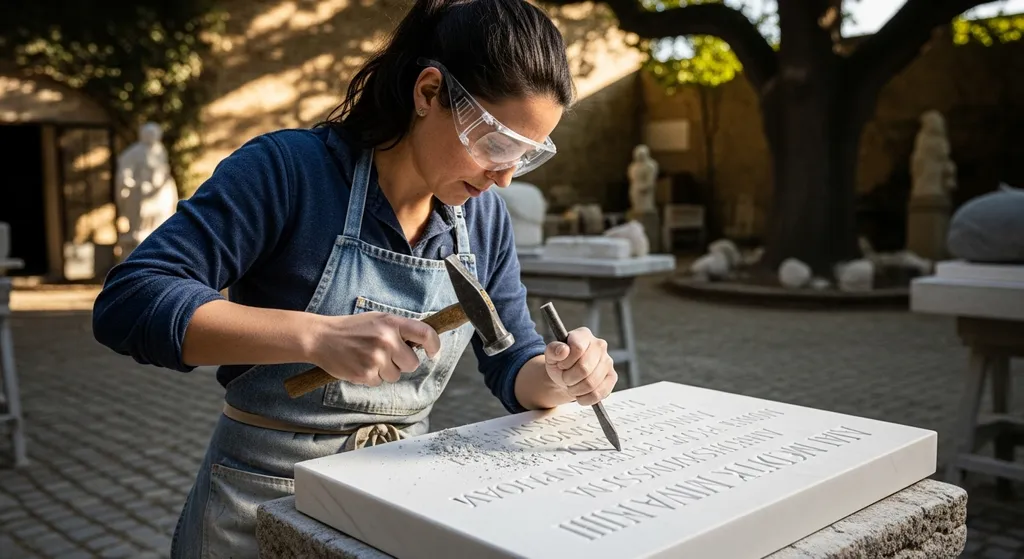
to cut or carve words, designs, or patterns into a hard surface
The artisan carefully graved a floral pattern onto the stone.
Words of remembrance were graved into the marble plaque.
✦ Old English grafan “to dig, carve,” from Proto-Germanic *grabaną, related to “grave” (noun).
to face or deal with something dangerous, difficult, or unpleasant without showing fear
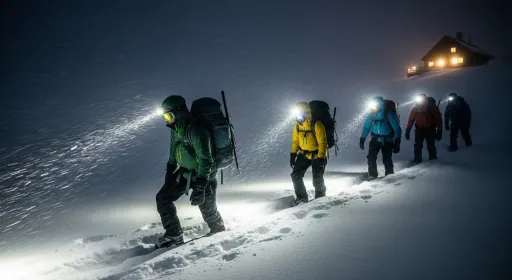
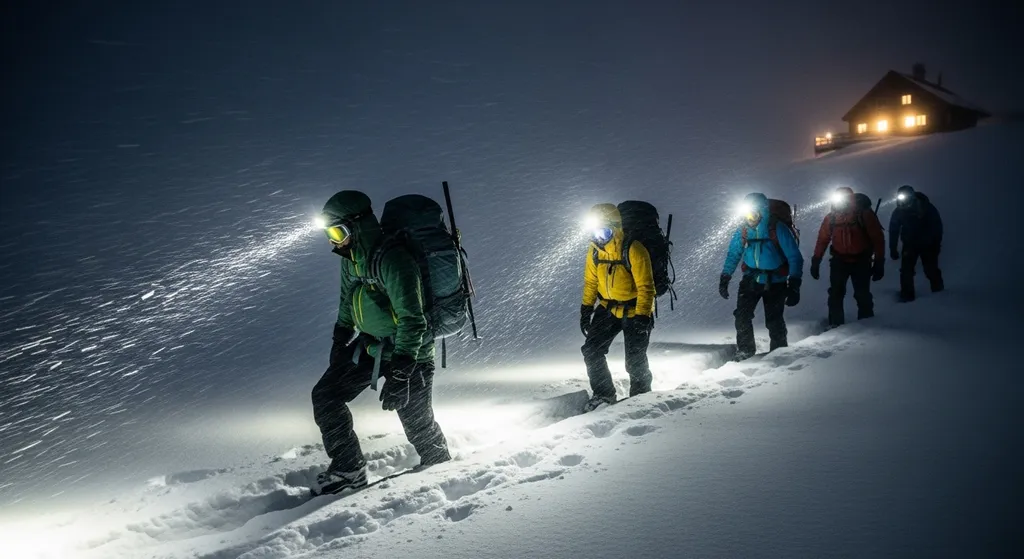
The hikers braved the snowstorm to reach the mountain cabin before nightfall.
She braves the crowded subway every morning to get to work.
✦ From the adjective “brave,” first used as a verb in the 15th century meaning “make brave,” later developing into “face with courage.”
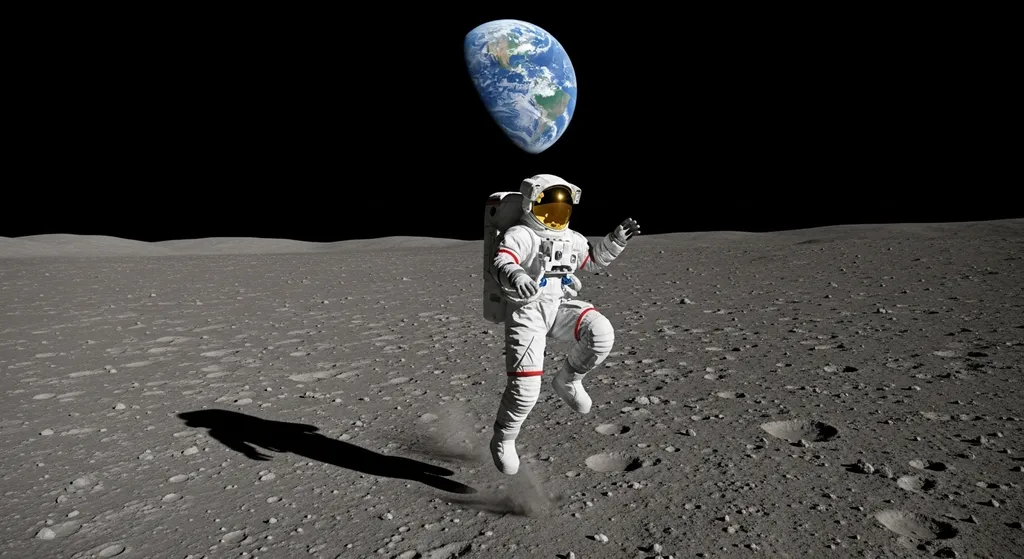
the natural force that pulls objects toward the centre of the Earth or any other large body in space
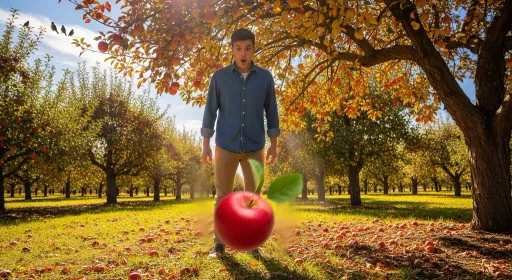
The apple slipped from the tree and fell to the ground because of gravity.
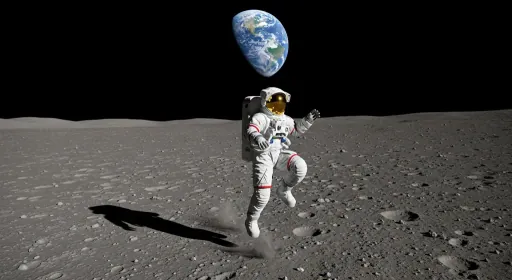
Astronauts on the Moon experience weaker gravity than on Earth.
✦ From Old French gravité, from Latin gravitās “heaviness, weight, seriousness”, from gravis “heavy”.
the seriousness or importance of a situation, decision, or manner
Everyone understood the gravity of the situation when the power plant shut down.
Her voice carried a sense of gravity that made the room fall silent.
✦ Sense of “seriousness” developed in the 16th century from the earlier Latin meaning of weight and heaviness.
to want something very much, often because your body or mind strongly desires it
After the long hike, Maya craves a cold glass of water.
The toddler often craves his mother's attention when she is busy cooking.
✦ From Old English "crafian" meaning to demand or ask for, later shifting to the sense of strong desire.