to feel that something is important or to have a strong interest or affection
I don't care what people think about my clothes.
Do you care about environmental issues?
✦ Verb sense of holding something dear emerged in Middle English, influenced by Old French ‘carer’.
to look after someone or something and keep them healthy, safe, or in good condition
Nurses care for patients day and night.
Could you care for my plants while I'm away?
✦ Transitive sense of providing physical help became common in the 19th century with professional nursing.
(formal) to be willing or have the desire to do something, used in polite offers or invitations
"Would you care to join us for dinner?" asked the host.
If you care to look, the answer is on page ten.
✦ Polite modal-like use arose in the 18th century as a gentler alternative to “want”.
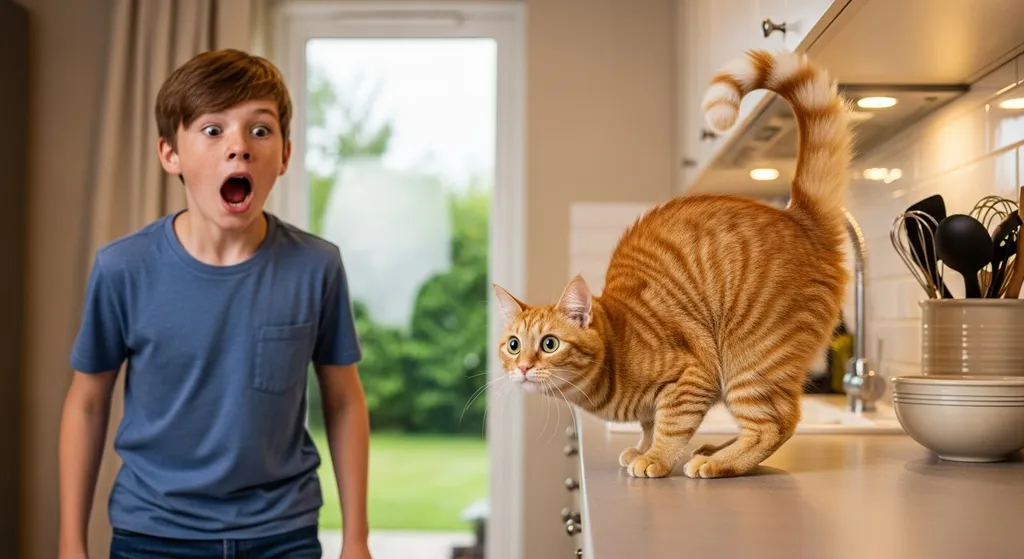
simple past tense and past participle of scare
The sudden crash scared everyone in the room.
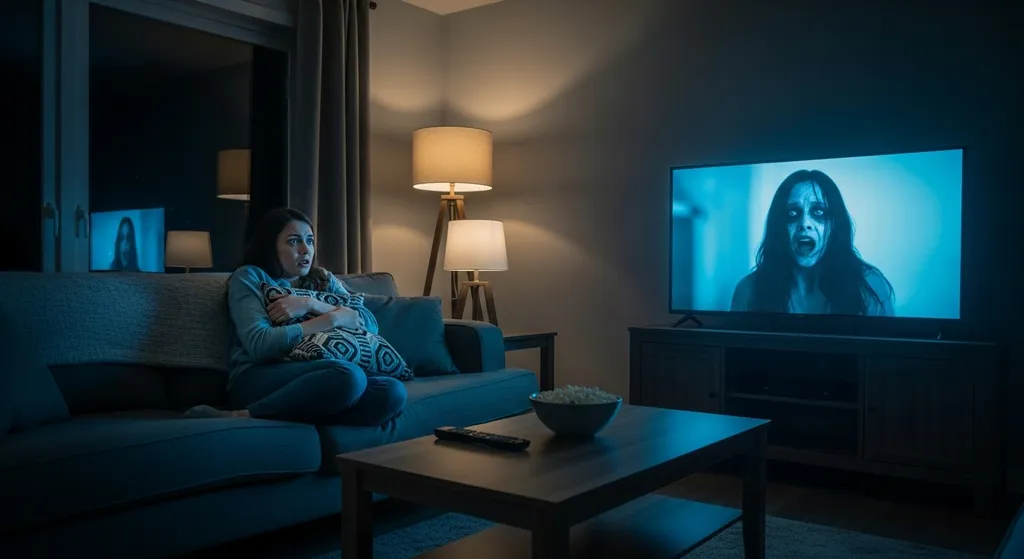
The horror movie scared her so much she kept the lights on all night.
to make someone feel suddenly afraid, or to become suddenly afraid yourself
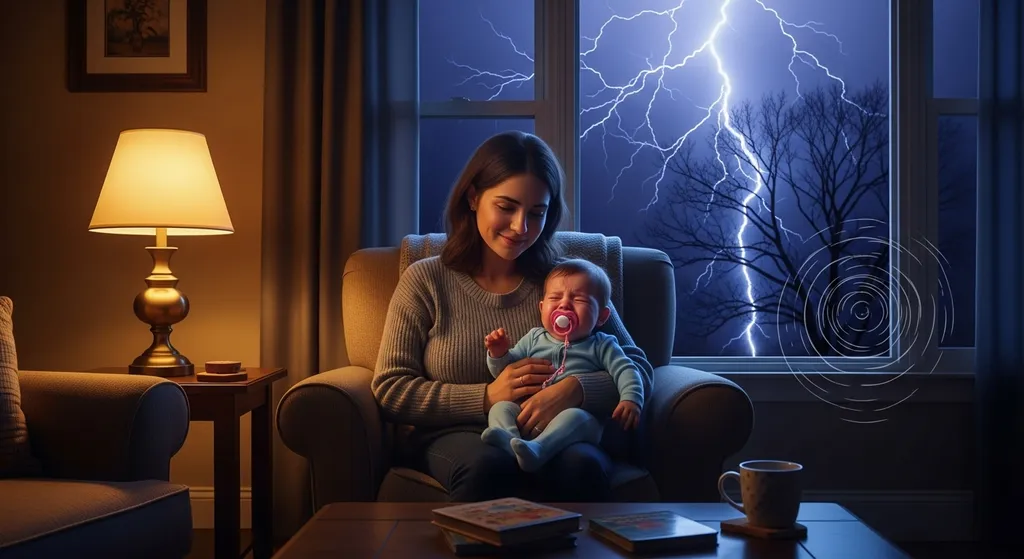
The loud thunder scared the baby, and she started to cry.
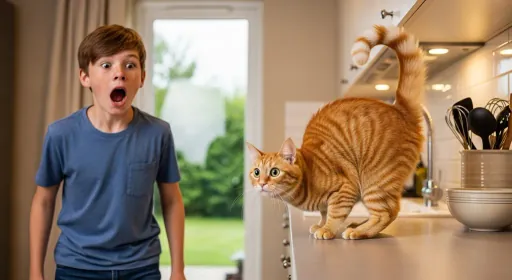
Don't scare the cat by shouting; it might scratch you.
✦ From Middle English "skerren" or "skierren", of Scandinavian origin related to Old Norse "skirra" meaning "to frighten away".