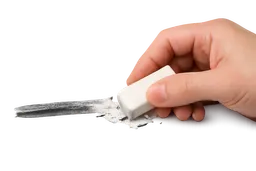
to remove writing, printed words, or marks from a surface by rubbing or scraping.
The teacher erased all the notes from the blackboard.
He used a pencil eraser to erase his mistake.
✦ From Middle English erasen, from Latin ērāsus, past participle of ērādere (“to scrape out”), from ē- (“out of, from”) + rādere (“to scrape, shave, scratch”).
removes writing, printed text, recorded material, or data from a surface or storage medium.
The teacher erases the whiteboard after every class.
Dad erases all the files from the old computer before donating it.
✦ Early 17th century: from Latin erasus, past participle of eradere ‘scrape away’, the past participle stem of which (eras-) appears as a noun in French effacer and Italian cancellare.
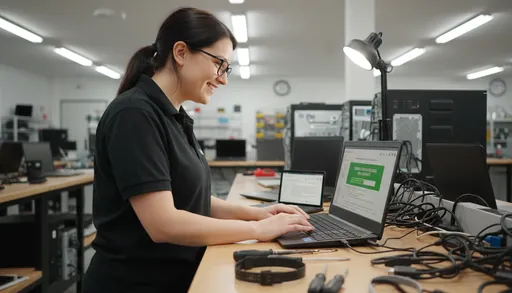
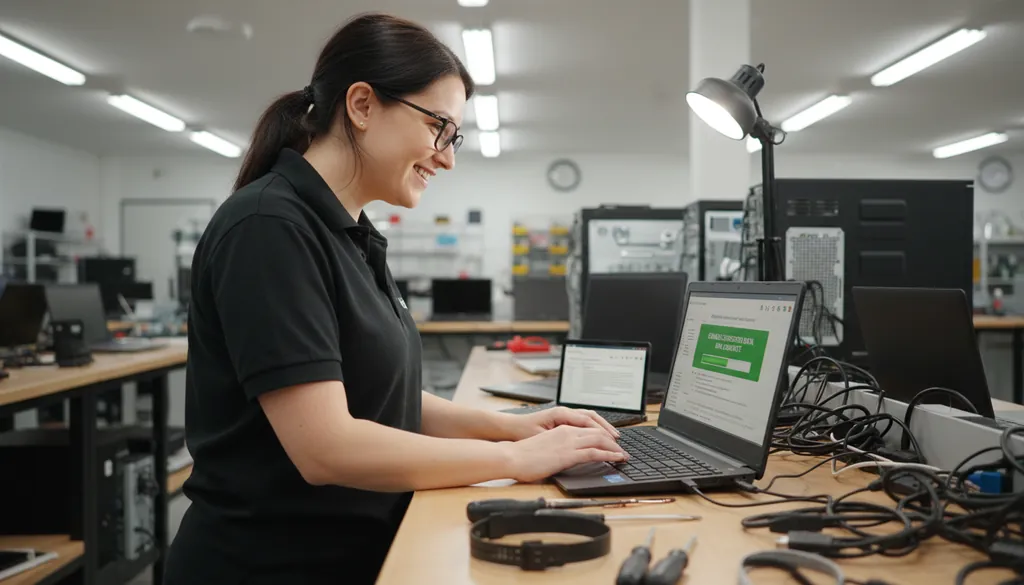
to remove data or recorded information from a computer disk, tape, or other storage device.
You should erase the old files from your hard drive.
The technician erased the virus from the laptop.
✦ The computing sense derives from the physical act of magnetically 'scraping' data, analogous to erasing pencil marks.
to remove all memory or signs of something, as if it never existed.
Time will erase the pain of this loss.
They tried to erase all evidence of the crime.
✦ Figurative use from the early 1600s, extending the physical 'scraping away' to abstract elimination.