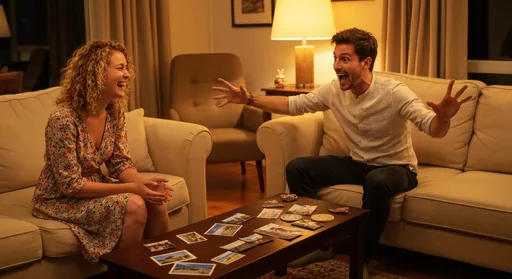
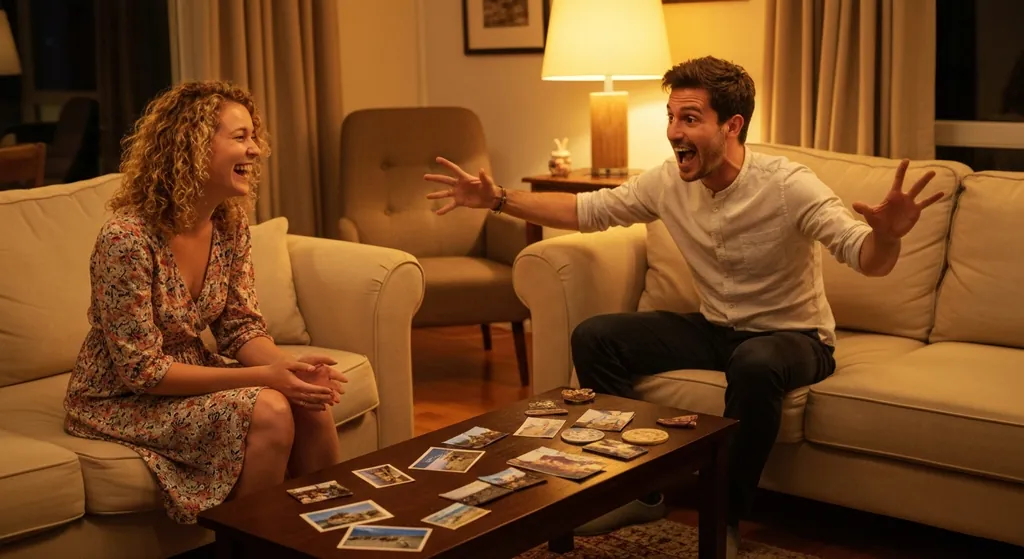
to make someone laugh, smile, or feel pleasantly entertained
The clown's silly antics amused the children at the party.
Stories about his adventures always amuse me.
✦ Borrowed from Old French amuser “to divert, cause to muse.” Originally meant “to bewilder, deceive,” later shifted to “to entertain.”
to keep yourself busy and entertained, especially to pass the time when you might be bored
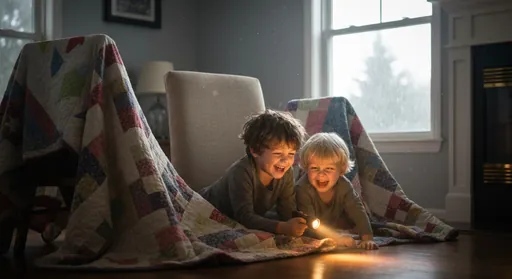
On rainy days, the kids amuse themselves by building blanket forts.
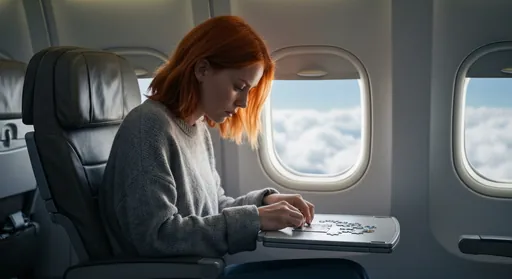
She brought a puzzle to amuse herself during the long flight.
✦ Same origin as main sense; reflexive use developed in the 18th century to describe self-entertainment.
the feeling of being entertained and finding something funny or enjoyable
The children watched the puppy chase its tail in amusement.
He raised an eyebrow in amusement when his friend appeared wearing a giant foam cowboy hat.
✦ From French amusement, from amuser “to divert, entertain,” originally “to cause to muse” (i.e., to divert someone’s attention).
an activity, game, or show that entertains people and helps them enjoy their free time
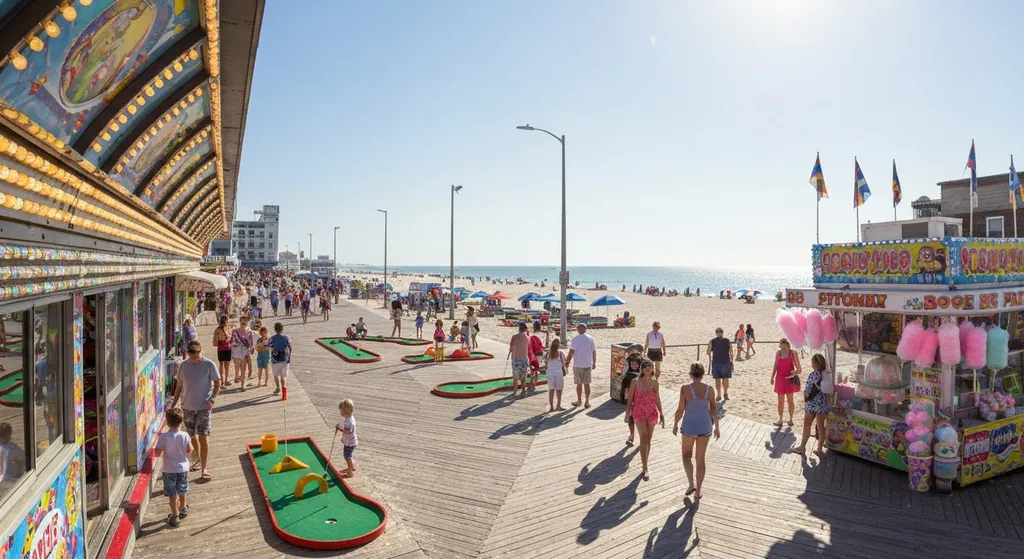
The beach town offers many amusements, from arcades to mini-golf.
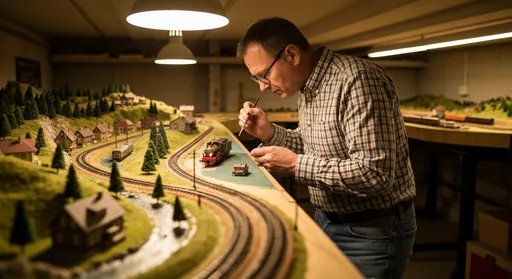
His favorite amusement after work is building model trains.
✦ Same origin as sense 1, but began referring to the concrete things that create fun in the early 19th century.