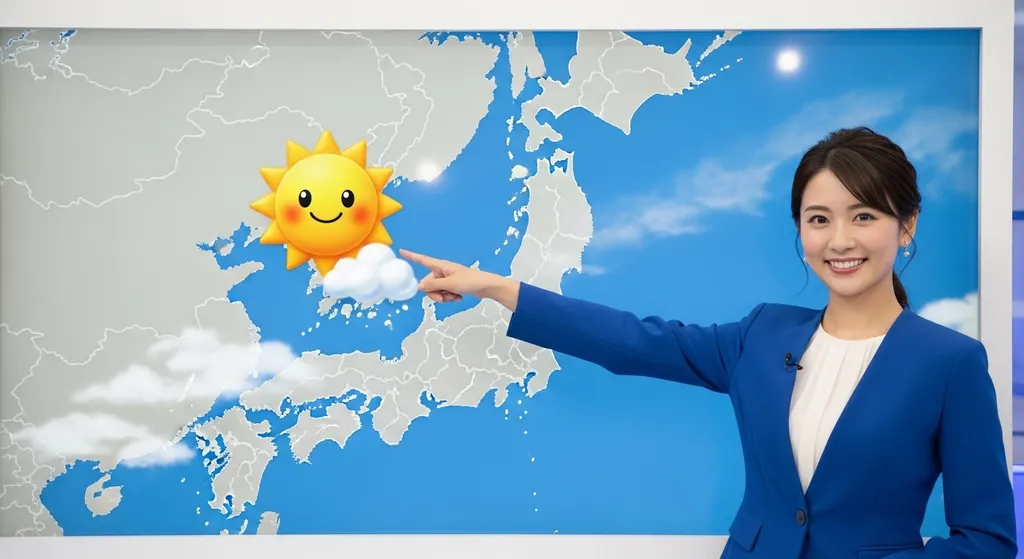
bright and dry, without rain or storms
The forecast says we will have fair weather all weekend.
Sailors prefer to leave port when the sea is calm and the sky is fair.
✦ Weather sense recorded since the 14th century, linked to the idea of pleasantness and brightness.
treating everyone equally and honestly, without favoritism or cheating
The referee tried to be fair to both teams during the match.
She divided the candy in a fair way so each child got the same number of pieces.
✦ Old English fæger “beautiful, pleasant, pleasing,” later “just, equitable.”
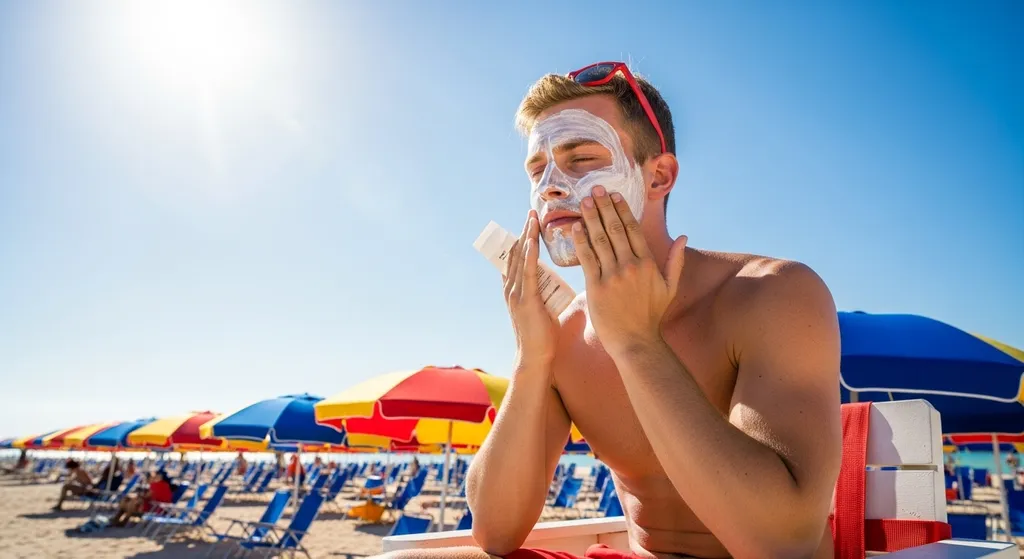
having light skin or light-colored hair
His twin sister has fair hair and freckles.
People with fair skin should use strong sunscreen in summer.
✦ Sense of “light-colored” developed in Middle English from the idea of brightness and beauty.
quite good or acceptable but not excellent
The hotel offers fair service for a low price.
She has a fair chance of winning the scholarship.
✦ Meaning “moderately good” appears in the 16th century, extending from earlier senses of balance and adequacy.
not right, reasonable, or just, because it treats people differently or breaks accepted rules
It felt unfair when her little brother got a bigger slice of cake.
Many students thought the surprise test was unfair because they had no time to prepare.
✦ from un- (not) + fair (just, proper); in use since the late Middle English period