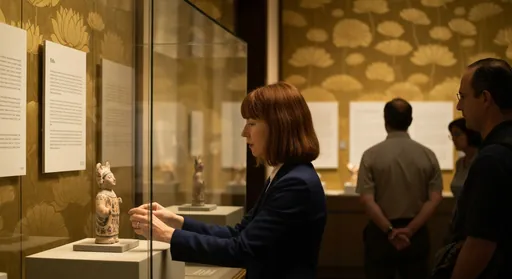
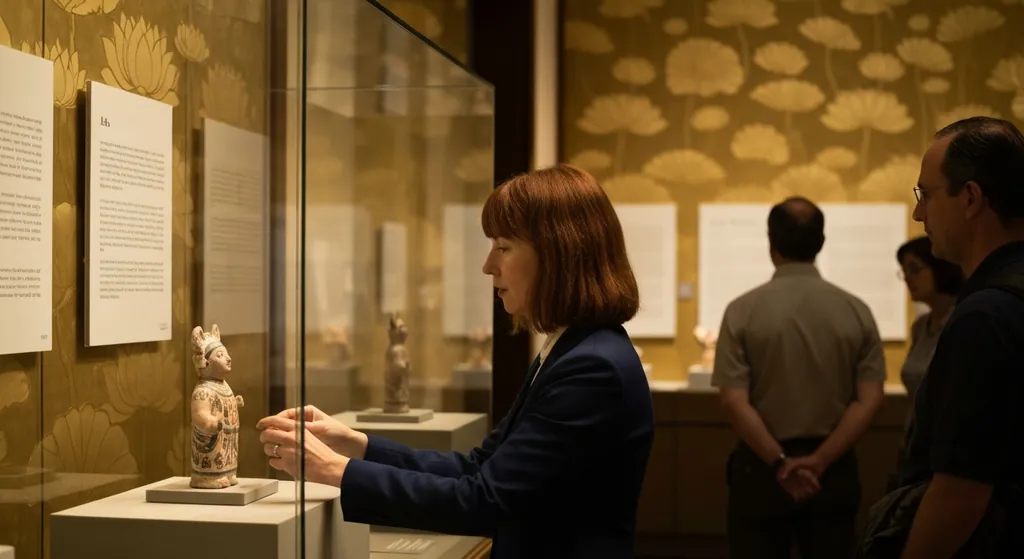
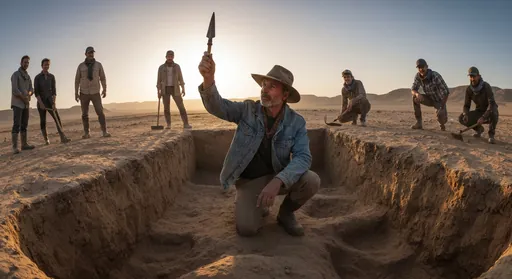
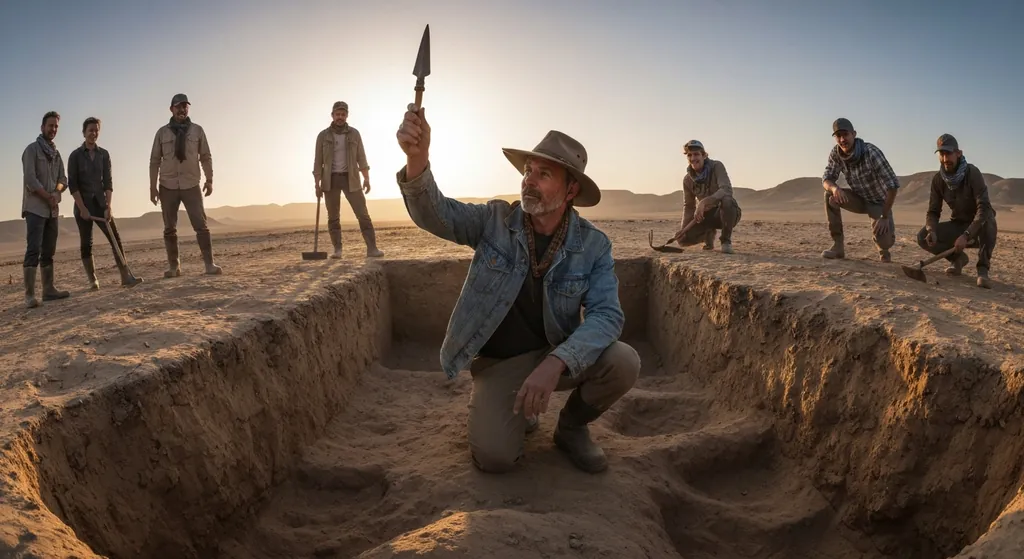
An object that was made or shaped by human hands, especially one from the past that helps us understand history or culture.
The museum displayed a rare artifact from ancient Egypt.
Archaeologists cheered when they uncovered an intact bronze artifact buried beneath the ruins.
✦ Mid-19th century, back-formation from ‘artifactual’, based on Latin ‘arte’ (by skill) + ‘factum’ (something made).
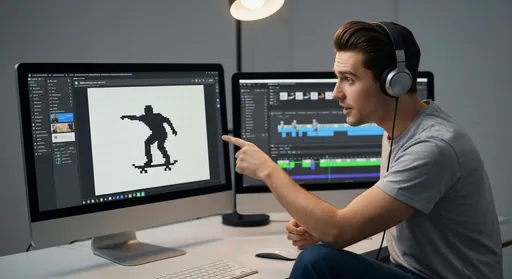
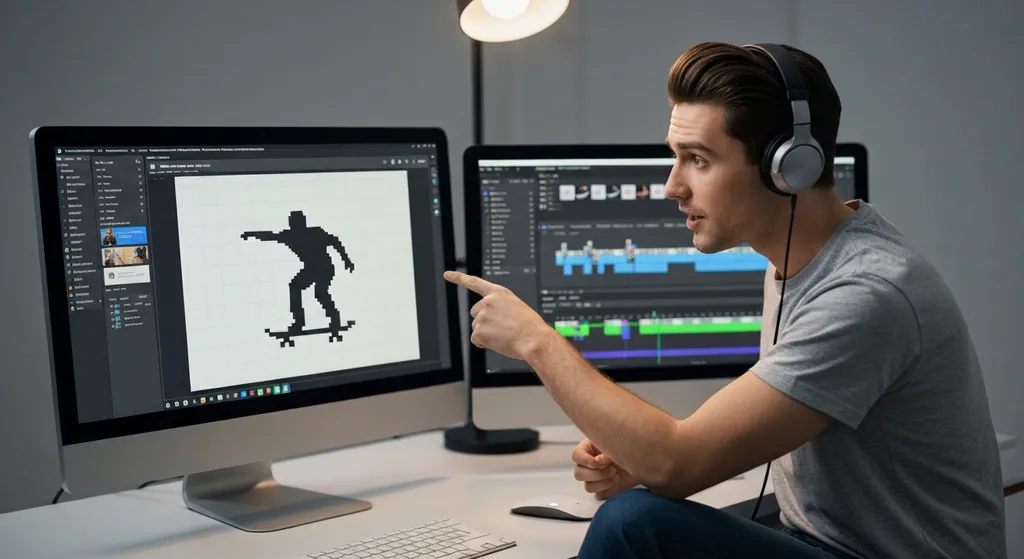
A flaw, distortion, or feature seen in an image, recording, or set of data that is caused by the equipment or method used, not by the actual subject being observed.
Low-resolution videos often show blocky compression artifacts around moving objects.
The bright spot on the MRI scan turned out to be an imaging artifact, not a tumor.
✦ Sense developed in the 20th century with the rise of photography and electronic measurement, extending the idea of a ‘man-made thing’ to ‘man-made error’ in data.
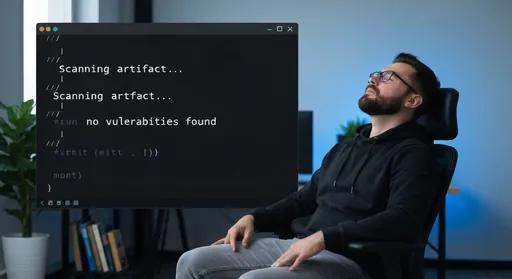
In software development, a file or other concrete item that is produced during the build or release process, such as an executable, library, or log file.
The continuous-integration server stores every build artifact so developers can download them later.
Before deployment, each artifact is scanned for security vulnerabilities.
✦ Borrowed into computing jargon in the 1980s, extending the general sense of a ‘made thing’ to digital products of a build process.