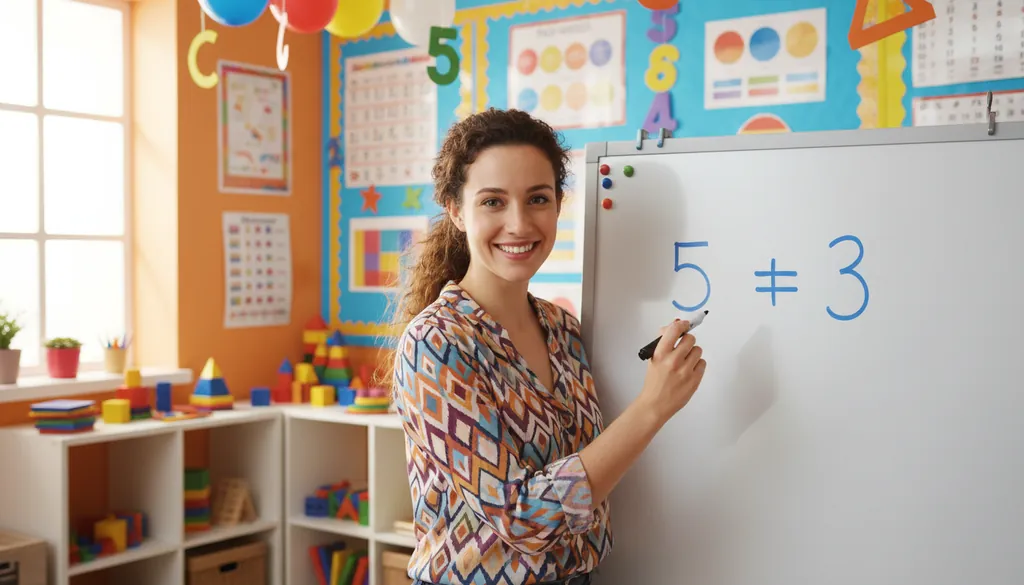
the condition in which people or things are treated or valued the same, without unfair differences
The new law aims to promote equality between men and women in the workplace.
Teachers try to treat every student with the same respect and equality.
✦ Late Middle English, from Old French egalite, based on Latin aequalitas, from aequalis ‘equal’.
a mathematical statement that two expressions have the same value, usually shown with the sign =
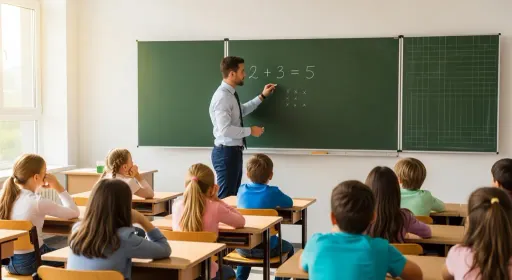
In algebra class, we learned that the equality 2 + 3 = 5 is always true.
The scientist wrote an equality to describe the relationship between energy and mass.
✦ Adopted into mathematical language in the 16th century when the equal sign was introduced by Welsh mathematician Robert Recorde.
a lack of equality between people or groups in society, especially relating to opportunities, wealth, or rights.
Income inequality is increasing in many large cities.
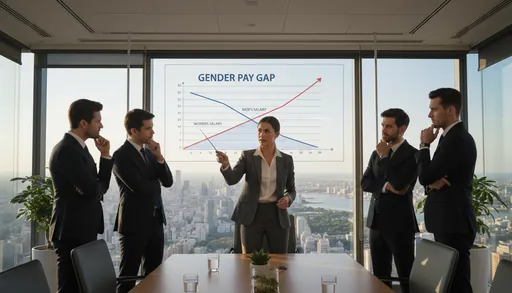
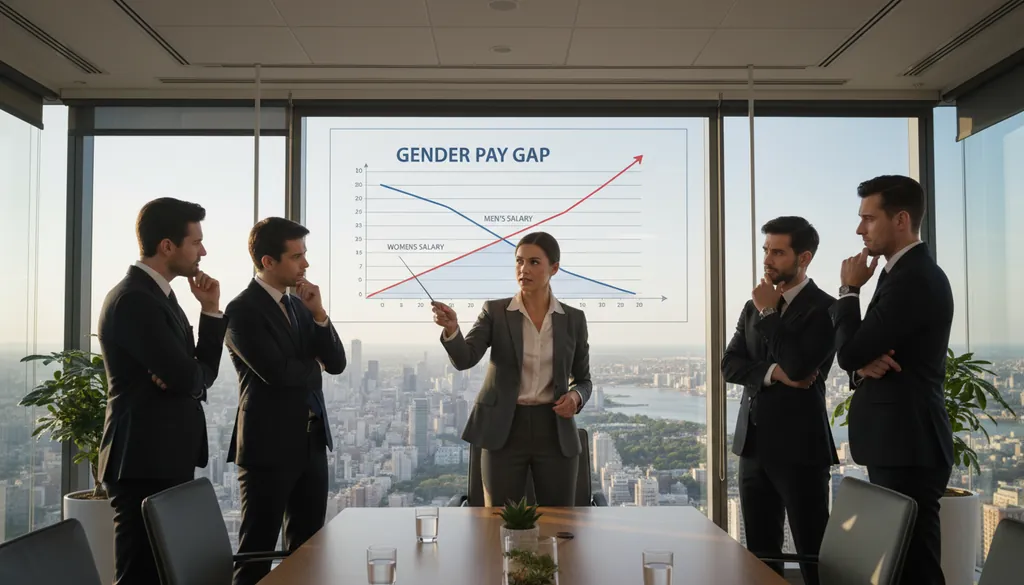
Gender inequality affects women's career opportunities worldwide.
✦ From late Middle English inegalite, via Old French from Latin inaequālitās, from inaequālis ‘unequal’ (from in- ‘not’ + aequālis ‘equal’; see equal).
a mathematical statement that one quantity is greater than, less than, or not equal to another, using symbols such as >, <, or ≠.
Solve this simple inequality: x + 3 < 7.
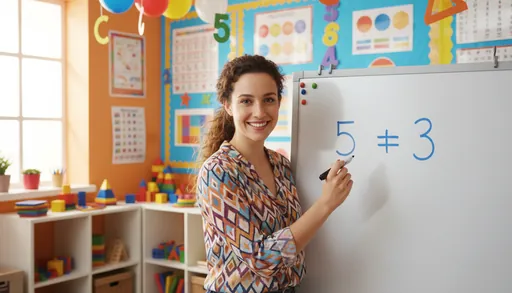
The symbol ≠ represents inequality in math.