





toqus
Picture Dictionary
English
한국어
Register
Login
🔍
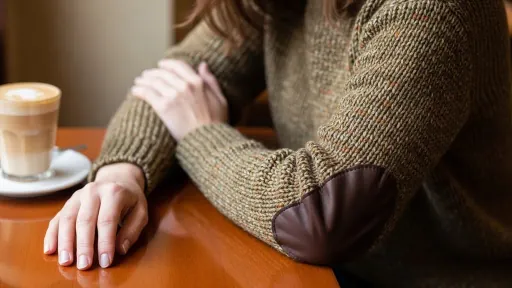
elbow
noun
the
joint
between
your
upper
arm
and
lower
arm
that
lets
you
bend
your
arm
•
Sam
rested
his
elbow
on
the
desk
while
writing
a
letter
.
Sam
rested
his
elbow
on
the
desk
while
writing
a
letter
.
•
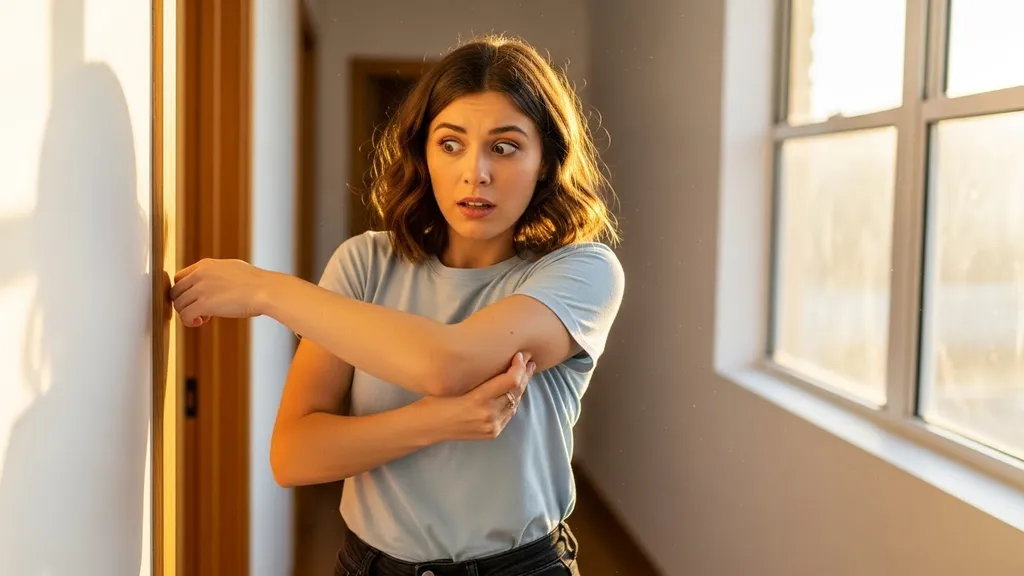
She
bumped
her
elbow
on
the
doorframe
and
winced
.
She
bumped
her
elbow
on
the
doorframe
and
winced
.
Old
English
‘
elnboga
’,
literally
‘
arm-bend
’,
from
Proto-Germanic
roots
meaning
‘
arm
’
and
‘
bend
’.
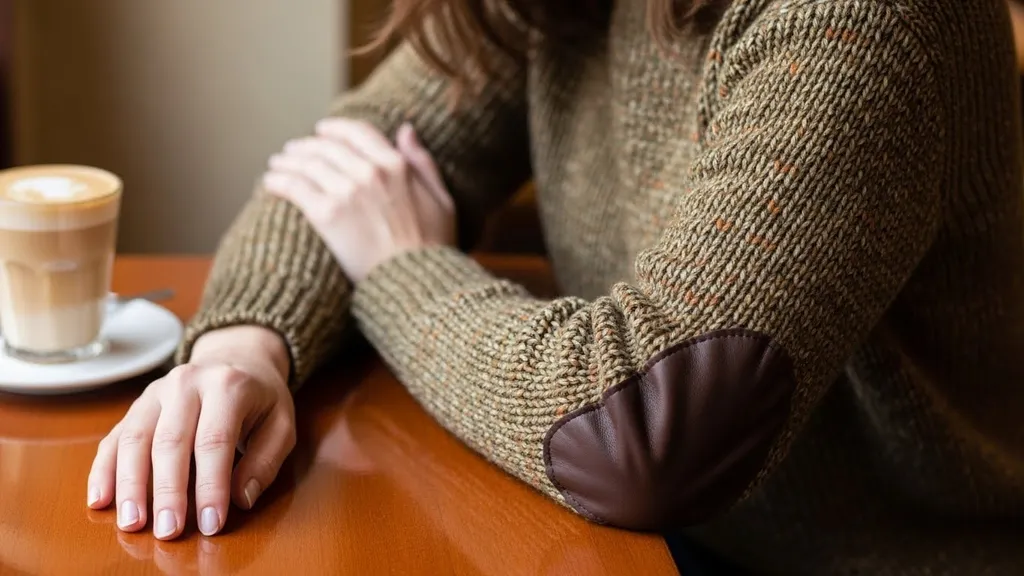
noun
the
part
of
a
sleeve
that
covers
the
elbow
,
often
reinforced
with
a
patch
•
Her
sweater
had
leather
patches
on
each
elbow
to
prevent
wear
.
Her
sweater
had
leather
patches
on
each
elbow
to
prevent
wear
.
•
The
tailor
measured
the
jacket
from
shoulder
to
elbow
.
The
tailor
measured
the
jacket
from
shoulder
to
elbow
.
Transferred
sense
from
the
body
part
to
the
corresponding
spot
on
clothing
in
the
17th
century
.
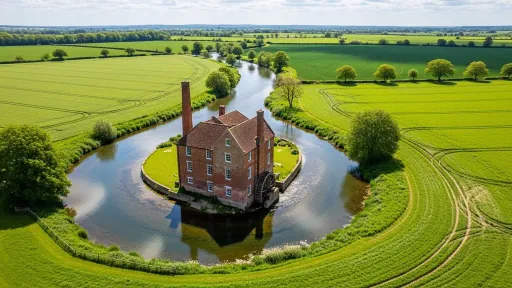
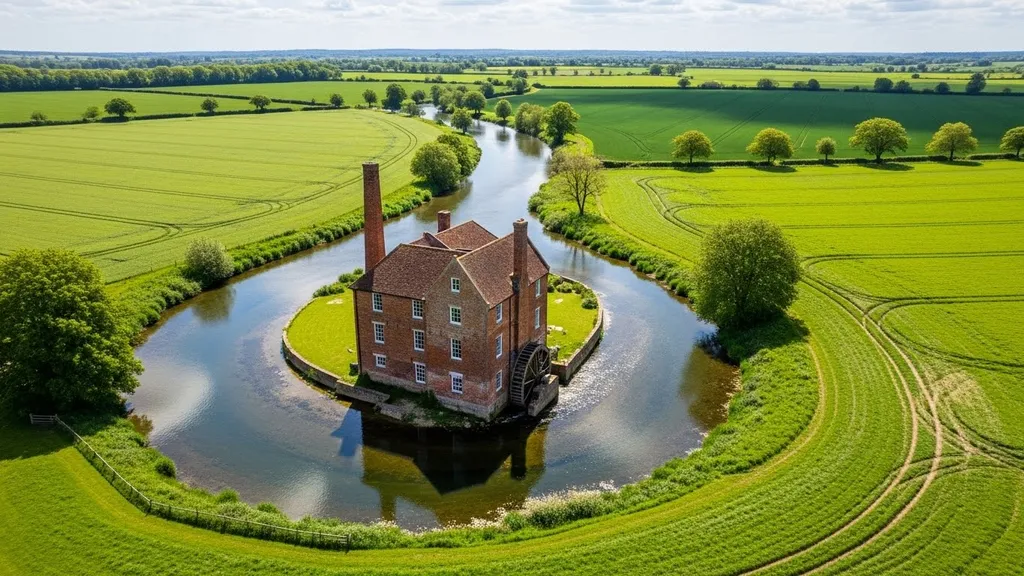
noun
a
bend
or
angle
shaped
like
a
human
elbow
,
especially
in
a
pipe
,
river
,
or
road
•
The
plumber
replaced
the
rusty
elbow
in
the
kitchen
drainpipe
.
The
plumber
replaced
the
rusty
elbow
in
the
kitchen
drainpipe
.
•
The
river
makes
a
sharp
elbow
near
the
old
mill
.
The
river
makes
a
sharp
elbow
near
the
old
mill
.
Named
metaphorically
because
the
curved
part
resembles
the
bend
of
the
human
arm
.
verb
-
elbow
,
elbowing
,
elbows
,
elbowed
to
push
someone
or
move
forward
by
using
your
elbow
or
elbows
•
Commuters
elbowed
their
way
onto
the
crowded
train
.
Commuters
elbowed
their
way
onto
the
crowded
train
.
•
She
lightly
elbowed
her
friend
to
get
his
attention
.
She
lightly
elbowed
her
friend
to
get
his
attention
.
Verb
use
first
recorded
in
the
15th
century
,
from
the
noun
,
meaning
‘
to
strike
with
the
elbow
’.
bow
verb
-
bow
,
bowing
,
bows
,
bowed
to
bend
the
head
or
upper
body
forward
,
often
as
a
sign
of
respect
,
thanks
,
or
greeting
•
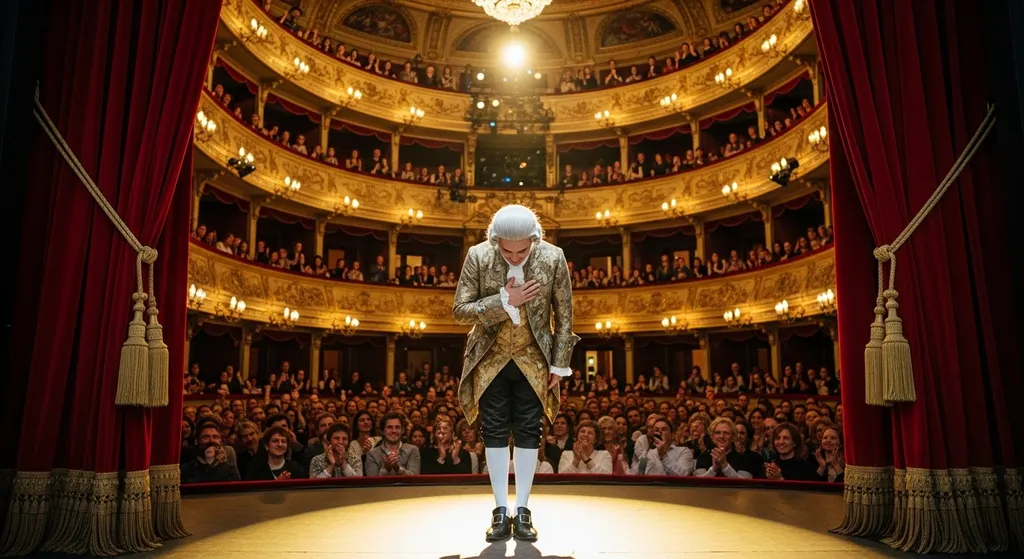
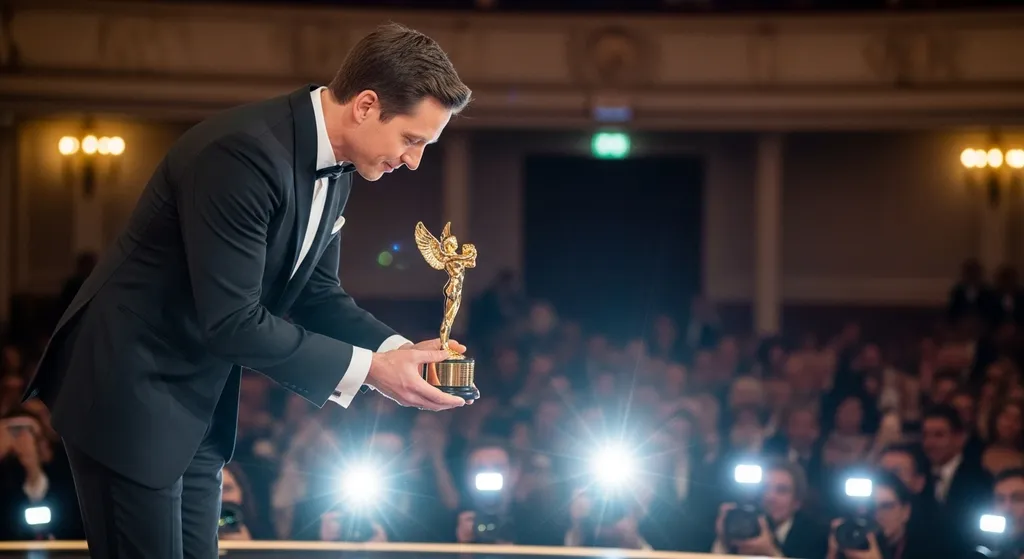
The
actor
stepped
forward
and
bowed
to
the
cheering
audience
.
The
actor
stepped
forward
and
bowed
to
the
cheering
audience
.
•
In
Japan
,
friends
often
bow
lightly
when
they
meet
on
the
street
.
In
Japan
,
friends
often
bow
lightly
when
they
meet
on
the
street
.
Old
English
"
bugan
" (
to
bend
),
later
influenced
by
Old
Norse
"
būga
",
giving
modern
sense
of
bending
the
body
.
noun
a
movement
where
you
bend
the
upper
body
forward
to
show
respect
or
thanks
•
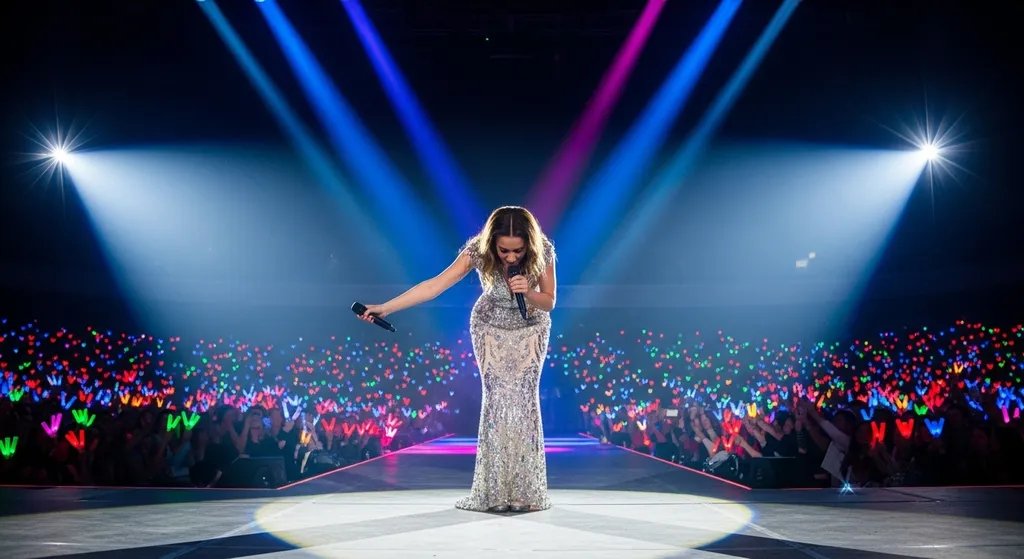
The
singer
finished
the
song
with
a
graceful
bow
.
The
singer
finished
the
song
with
a
graceful
bow
.
•
After
handing
over
the
award
,
he
gave
a
short
bow
and
stepped
back
.
After
handing
over
the
award
,
he
gave
a
short
bow
and
stepped
back
.
Derived
from
the
verb
form
;
earliest
noun
use
recorded
in
Middle
English
.
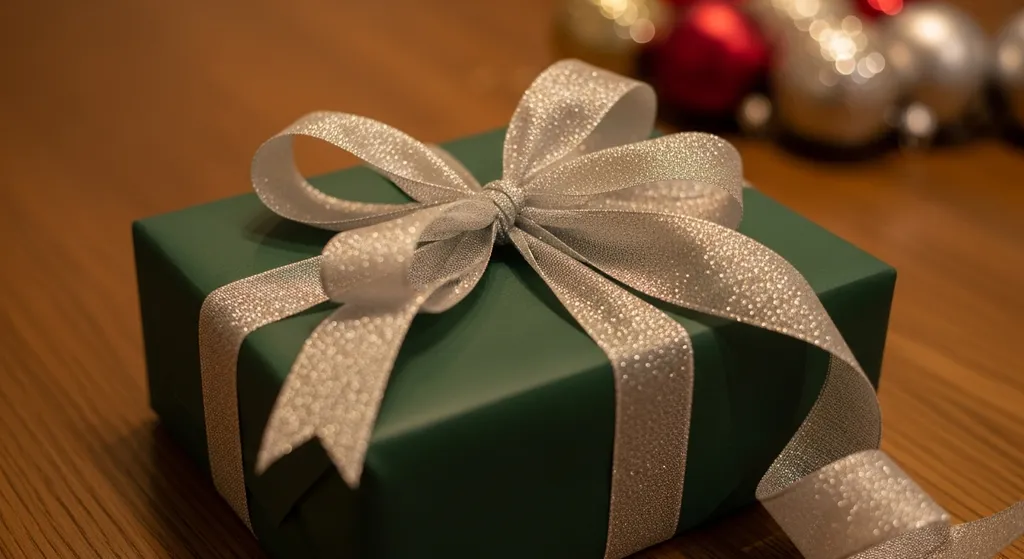
noun
a
decorative
knot
made
by
tying
ribbon
,
cloth
,
or
string
with
two
loops
and
two
loose
ends
•
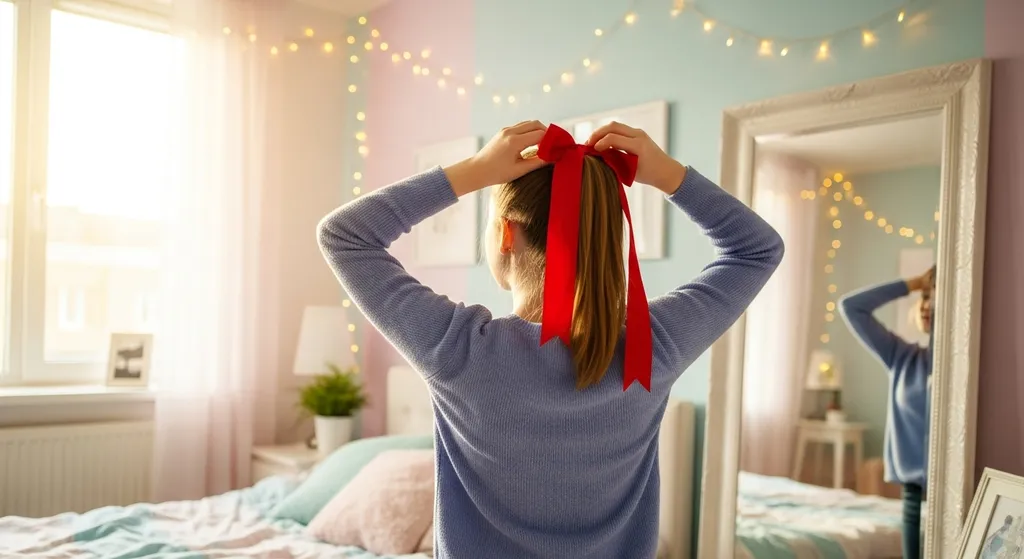
She
tied
her
hair
with
a
bright
red
bow
.
She
tied
her
hair
with
a
bright
red
bow
.
•
The
gift
box
was
topped
with
a
large
silver
bow
.
The
gift
box
was
topped
with
a
large
silver
bow
.
From
Old
English
"
boga
"
meaning
"
something
bent
",
later
applied
to
looped
ribbon
shape
.
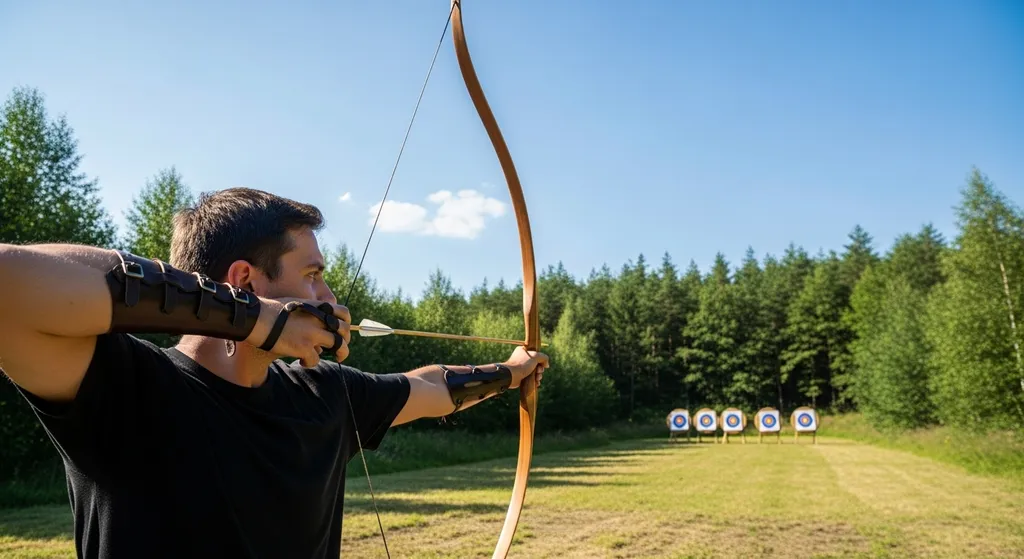
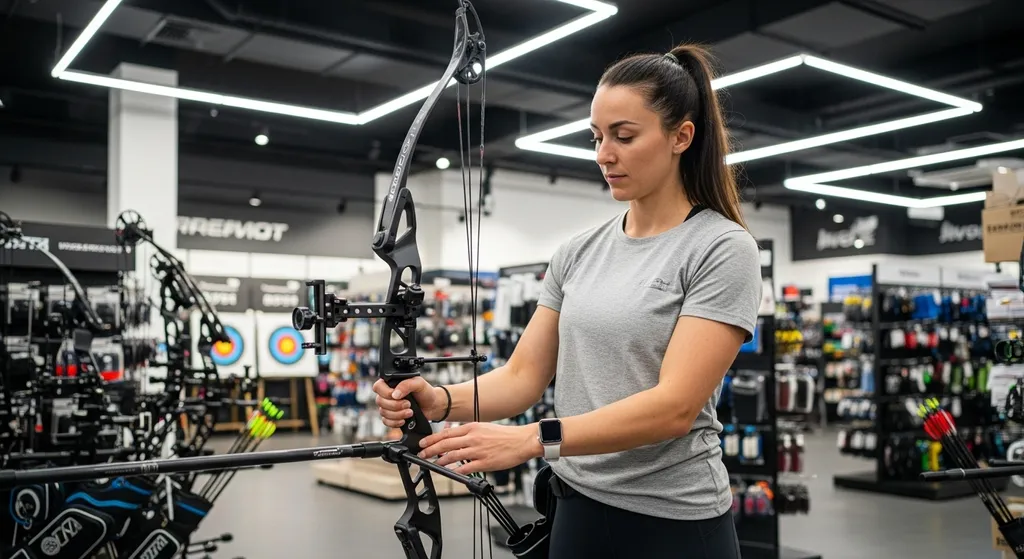
noun
a
curved
weapon
used
with
a
string
to
shoot
arrows
•
The
archer
pulled
back
his
bow
and
released
the
arrow
.
The
archer
pulled
back
his
bow
and
released
the
arrow
.
•
She
bought
a
lightweight
carbon-fiber
bow
for
the
competition
.
She
bought
a
lightweight
carbon-fiber
bow
for
the
competition
.
Old
English
"
boga
"
meaning
"
arch
"
or
"
bend
",
referring
to
the
curved
shape
.
noun
the
front
end
of
a
ship
or
boat
•
The
sailors
gathered
at
the
bow
as
the
island
came
into
view
.
The
sailors
gathered
at
the
bow
as
the
island
came
into
view
.
•
Waves
crashed
over
the
bow
during
the
storm
.
Waves
crashed
over
the
bow
during
the
storm
.
From
Middle
Dutch
"
boech
"
meaning
"
shoulder
"
or
"
ship
’
s
front
";
related
to
sense
of
projecting
forward
.
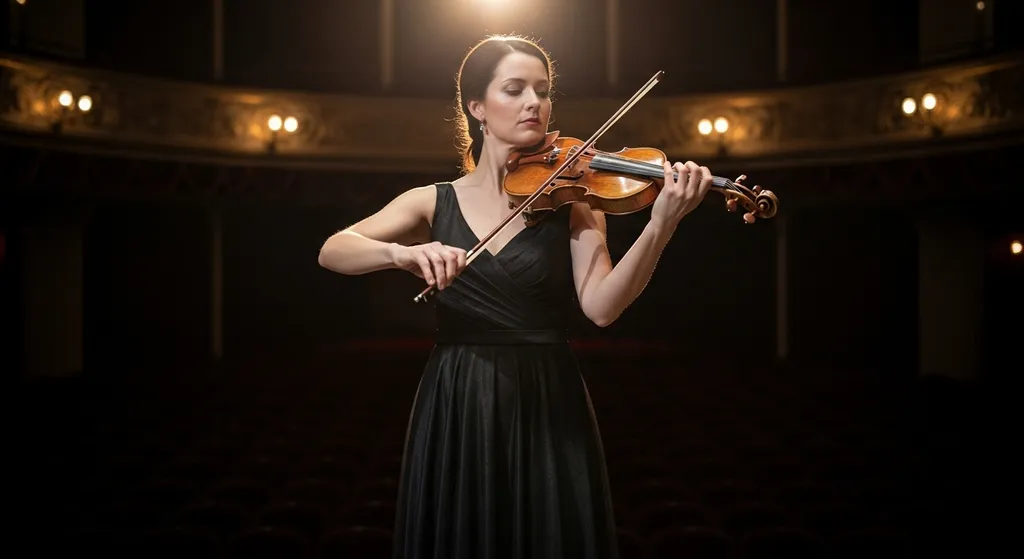
noun
a
slender
stick
with
stretched
horsehair
used
to
play
string
instruments
like
the
violin
or
cello
•
The
violinist
raised
her
bow
and
began
to
play
.
The
violinist
raised
her
bow
and
began
to
play
.
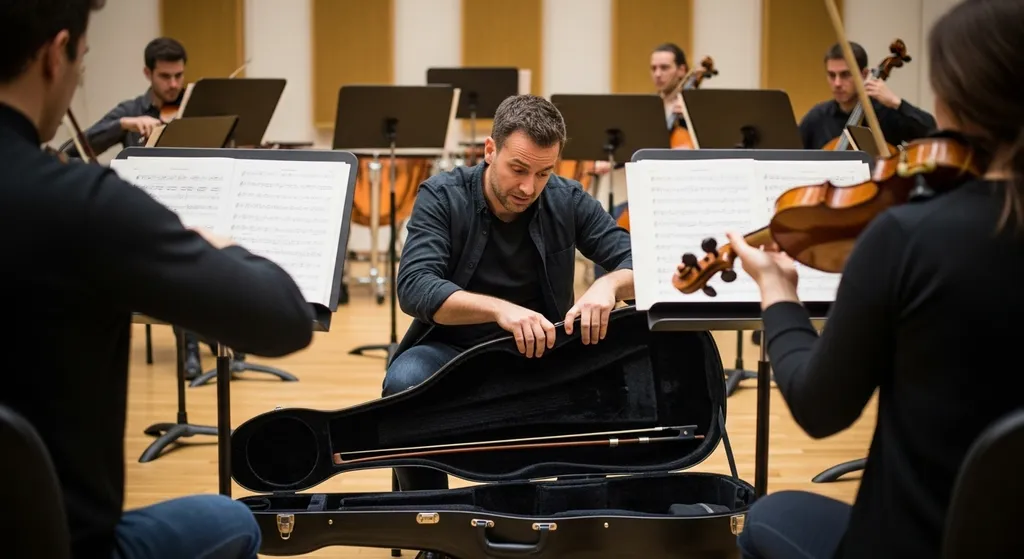
•
He
forgot
his
cello
bow
at
home
and
had
to
borrow
one
for
rehearsal
.
He
forgot
his
cello
bow
at
home
and
had
to
borrow
one
for
rehearsal
.
Sense
arose
in
the
16th
century
from
resemblance
to
an
archer
’
s
bow
in
shape
and
tension
.