to gain knowledge or a new skill by studying, practicing, or being taught
I want to learn how to play the guitar.
Children learn new words quickly when they hear bedtime stories.
✦ Old English ‘leornian’ meaning ‘to acquire knowledge’, of Germanic origin; related to Dutch ‘leren’ and German ‘lernen’.
to find out or become aware of something
I just learned that the train is delayed by an hour.
Did you learn about the change in schedule?
present participle of learn: the act of gaining knowledge or skill while an action is in progress or described as a general activity
The children are learning to swim this summer.
He spent the afternoon learning new guitar chords.
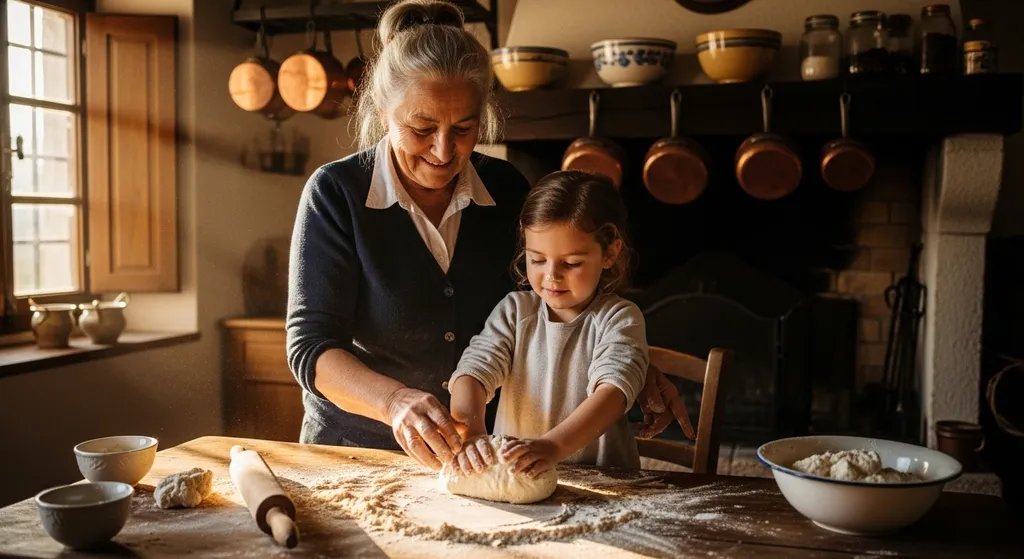
(archaic, dialect) to teach someone
My grandmother used to learn me how to bake bread.
He promised to learn the apprentice a new fishing knot.
to receive money for work that you do
She worked overtime to earn extra money for her vacation.
Teenagers often get a part-time job to earn their own spending money.
✦ Old English ‘earnian’, meaning ‘to deserve or gain’, related to Old High German ‘arniōn’.
to obtain something such as respect, praise, or the right to do something because of your actions
It takes years of honest service to earn the trust of the community.
The athlete's hard training helped her earn a place on the national team.
✦ Same Old English roots as the monetary sense, originally meaning ‘to deserve’.
to produce a profit, income, or interest
His savings account earns interest every month.
Investing in government bonds can earn you a steady return.
✦ Extension of the basic meaning ‘receive as a result of effort’, applied to money produced by capital.