a person, group, or country that supports and works with another toward a shared goal, especially in times of difficulty or conflict
During World War II, the United States was an important ally of the United Kingdom.
When the shy student spoke, her best friend acted as an ally and encouraged the class to listen.
✦ From Old French "alié" (related, connected) and Latin "alligare" meaning “to bind to.”
a person who actively supports and stands up for a marginalized group they are not a member of
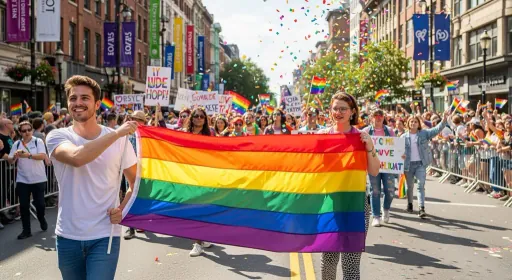
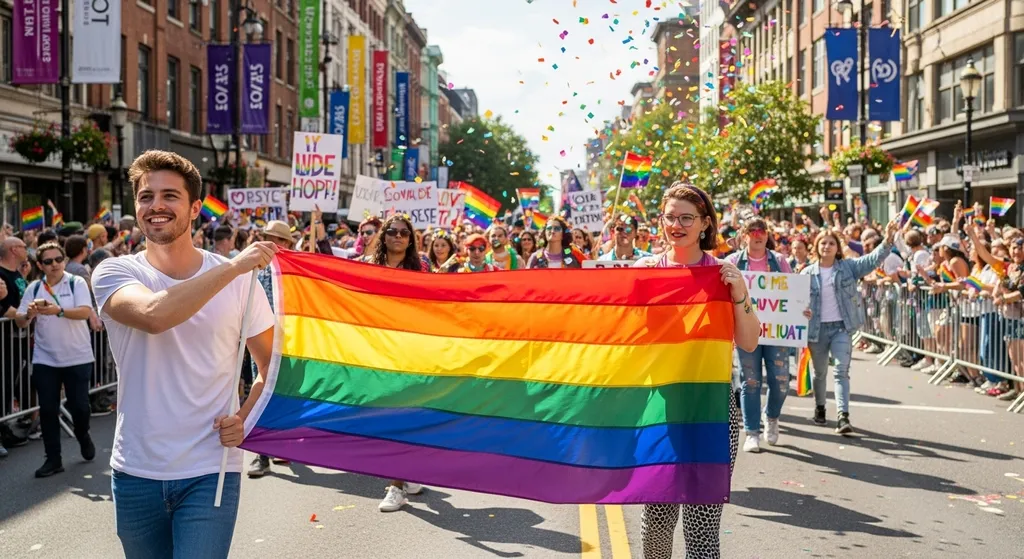
Although he is not LGBTQ+, Jake proudly calls himself an ally and marches in pride parades.
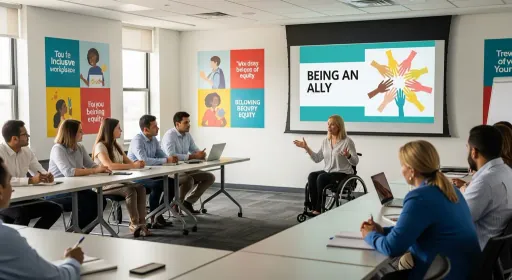
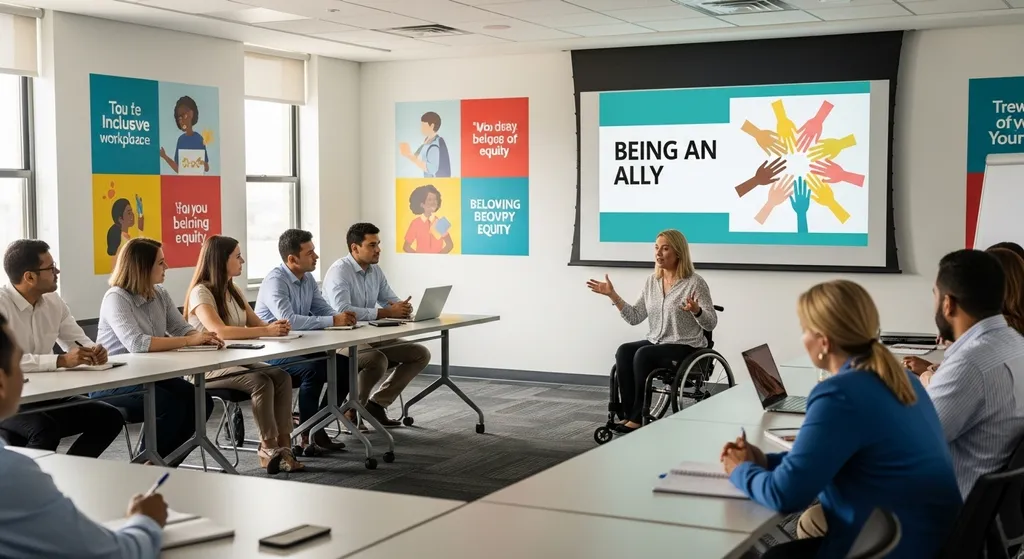
The organization offered workshops to teach employees how to be an ally to people with disabilities.
✦ Extended social-justice sense developed in the late 20th century from the older political meaning of ally.
to join or connect yourself or someone else with another person, group, or country for support
Several small nations decided to ally with a larger power for protection.
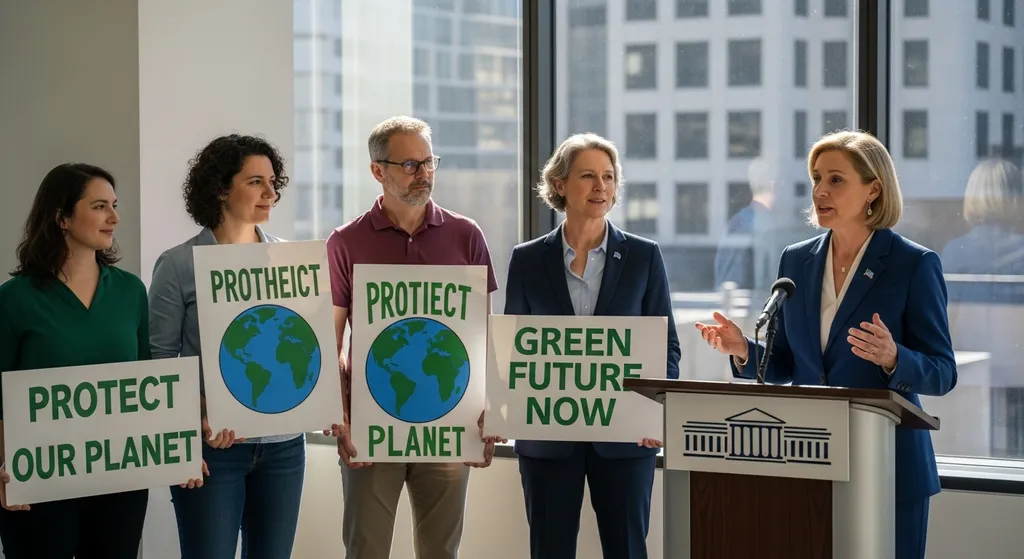
To pass the new law, the senator allied herself with environmental groups.
✦ Verb sense from Old French "alier" and Latin "alligare" meaning “to bind to or tie.”
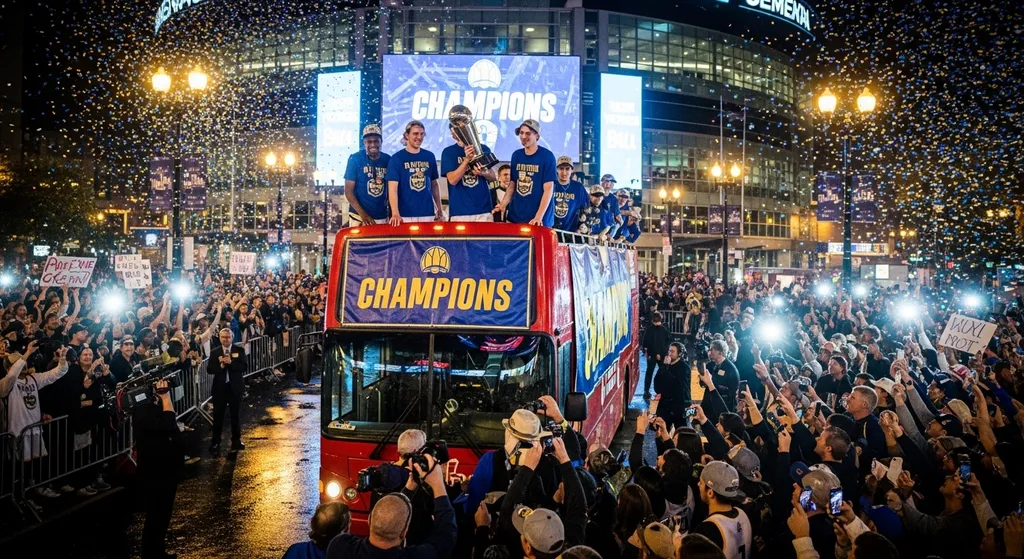
a large public meeting where people come together to show support for a cause, political candidate, or sports team
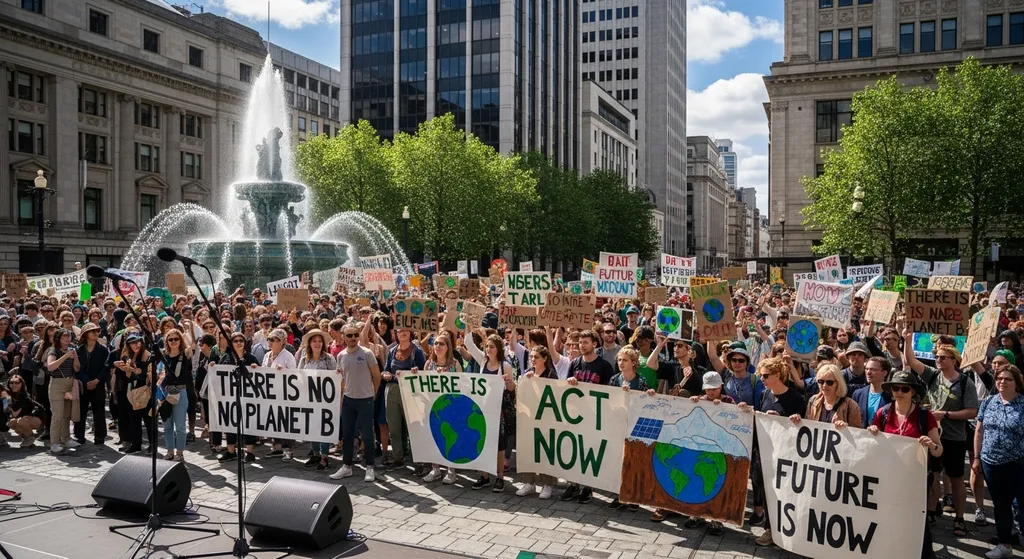
Thousands of activists filled the square for a climate rally.
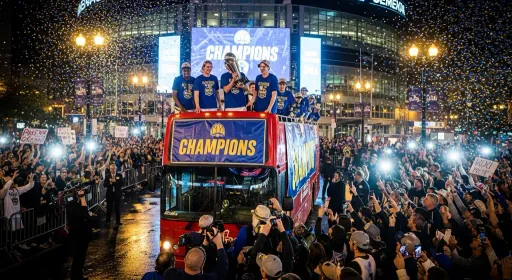
At the victory rally, the basketball team showed off the championship trophy to cheering fans.
✦ Early 17th century: from French ‘rallier’ (see rally (verb)).
in a way that is against the law or not permitted by rules.
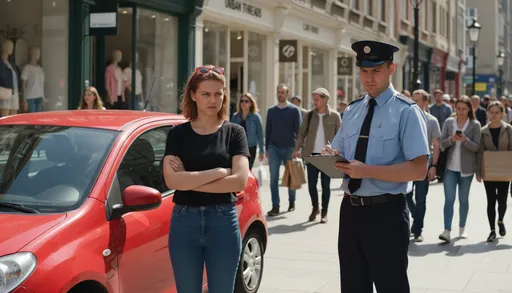
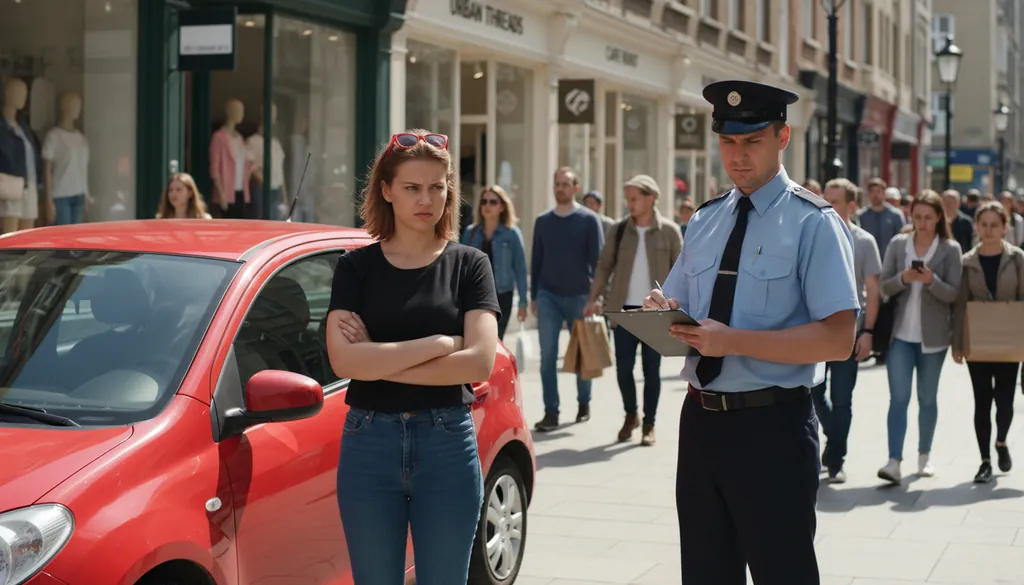
She was fined for parking her car illegally on the busy street.
The poachers were arrested for hunting illegally in the national park.
✦ Formed in the early 1600s by adding the adverb-forming suffix -ly to the adjective 'illegal', which derives from Latin 'illegalis' meaning 'not legal'.