toqus
Picture Dictionary
English
한국어
Register
Login
🔍
act
verb
-
act
,
acting
,
acts
,
acted
to
do
something
in
order
to
achieve
a
result
or
solve
a
problem
•
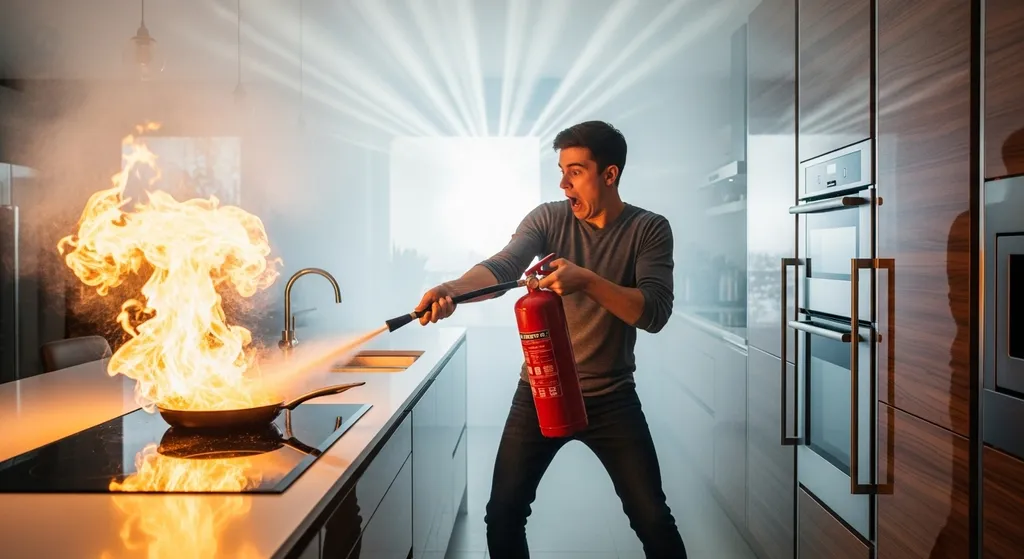
When
the
kitchen
caught
fire
,
Jason
decided
to
act
at
once
and
grabbed
the
extinguisher
.
When
the
kitchen
caught
fire
,
Jason
decided
to
act
at
once
and
grabbed
the
extinguisher
.
•
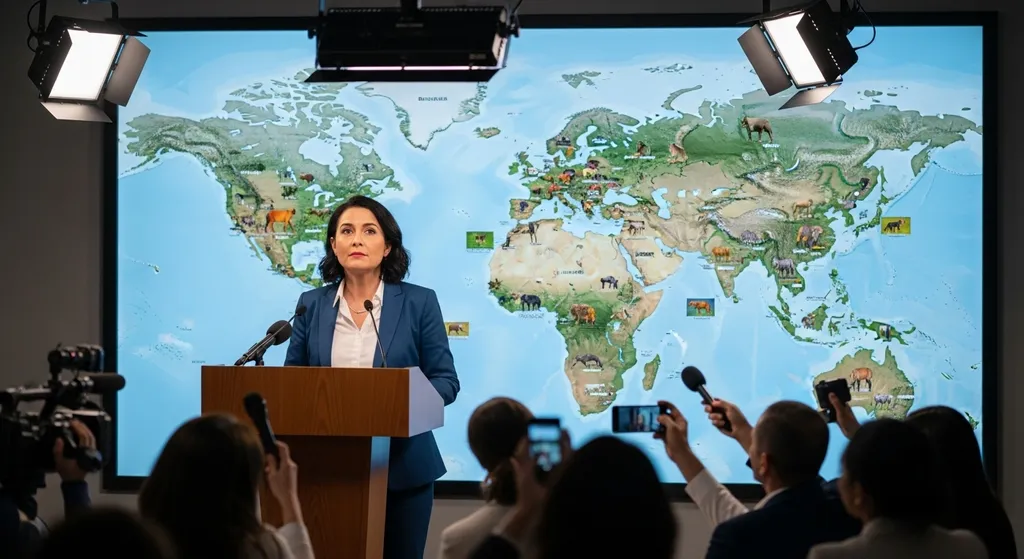
Governments
must
act
quickly
to
protect
endangered
animals
.
Governments
must
act
quickly
to
protect
endangered
animals
.
verb
-
act
,
acting
,
acts
,
acted
to
perform
a
role
in
a
play
,
film
,
or
television
show
•
Emma
loves
to
act
in
school
plays
and
wear
different
costumes
.
Emma
loves
to
act
in
school
plays
and
wear
different
costumes
.
•
He
dreams
of
moving
to
Hollywood
to
act
in
big
movies
.
He
dreams
of
moving
to
Hollywood
to
act
in
big
movies
.
verb
-
act
,
acting
,
acts
,
acted
to
behave
or
conduct
yourself
in
a
particular
way
•
Please
act
politely
when
our
guests
arrive
.
Please
act
politely
when
our
guests
arrive
.
•
He
acted
like
he
didn
’
t
hear
the
question
.
He
acted
like
he
didn
’
t
hear
the
question
.
impact
verb
to
have
a
strong
effect
on
someone
or
something
•
Rising
prices
impact
families
on
a
tight
budget
.
Rising
prices
impact
families
on
a
tight
budget
.
•
The
decision
will
impact
the
future
of
the
company
.
The
decision
will
impact
the
future
of
the
company
.
verb
to
hit
something
with
force
•
A
falling
branch
impacted
the
roof
during
the
storm
.
A
falling
branch
impacted
the
roof
during
the
storm
.
•
The
asteroid
will
impact
Earth
in
a
distant
future
scenario
.
The
asteroid
will
impact
Earth
in
a
distant
future
scenario
.
contract
verb
-
contract
,
contracting
,
contracts
,
contracted
to
become
smaller
or
shorter
,
or
to
make
something
smaller
,
often
because
of
cold
or
tightening
•
When
the
weather
turned
cold
,
the
metal
pipes
began
to
contract
.
When
the
weather
turned
cold
,
the
metal
pipes
began
to
contract
.
•
She
watched
the
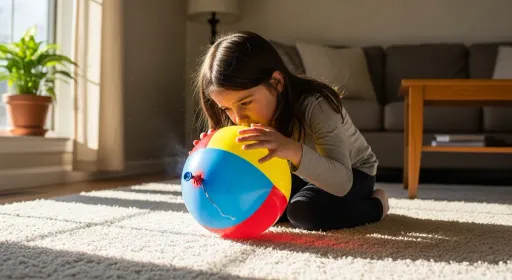
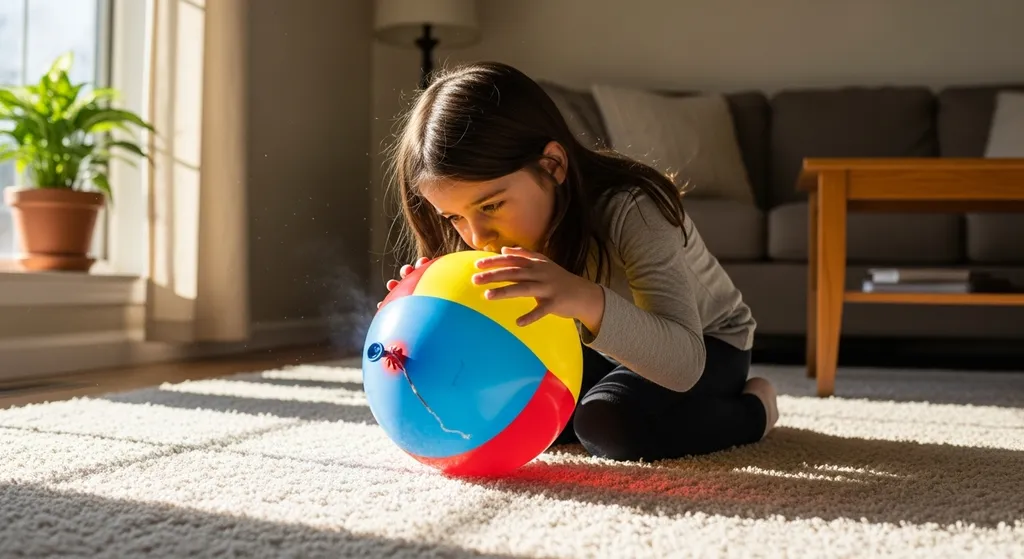
balloon
contract
as
the
air
slowly
leaked
out
.
She
watched
the
balloon
contract
as
the
air
slowly
leaked
out
.
verb
-
contract
,
contracting
,
contracts
,
contracted
to
arrange
and
agree
to
do
work
or
provide
something
by
signing
a
formal
agreement
•
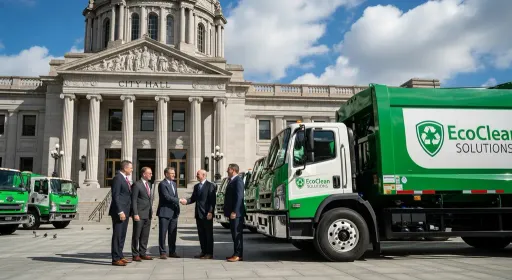
The
city
decided
to
contract
a
new
company
to
collect
its
trash
.
The
city
decided
to
contract
a
new
company
to
collect
its
trash
.
•
Our
firm
has
contracted
with
a
software
developer
to
build
the
app
.
Our
firm
has
contracted
with
a
software
developer
to
build
the
app
.
verb
-
contract
,
contracting
,
contracts
,
contracted
to
catch
or
develop
an
illness
or
disease
•
He
contracted
the
flu
after
traveling
overseas
.
He
contracted
the
flu
after
traveling
overseas
.
•
Many
sailors
contracted
scurvy
during
long
voyages
.
Many
sailors
contracted
scurvy
during
long
voyages
.
contact
verb
to
communicate
with
someone
,
especially
by
phone
,
email
,
or
letter
•
You
can
contact
me
at
this
number
if
you
have
any
questions
.
You
can
contact
me
at
this
number
if
you
have
any
questions
.
•
The
travel
agent
contacted
the
hotel
to
confirm
our
reservation
.
The
travel
agent
contacted
the
hotel
to
confirm
our
reservation
.
Verb
sense
developed
from
the
noun
in
early
20th-century
English
,
when
new
communication
tools
like
telephone
appeared
.
verb
to
touch
or
meet
something
physically
•
If
the
wires
contact
,
they
could
cause
a
short
circuit
.
If
the
wires
contact
,
they
could
cause
a
short
circuit
.
•
The
rocket
must
avoid
contacting
space
debris
during
launch
.
The
rocket
must
avoid
contacting
space
debris
during
launch
.
Technical
in-transitive
verb
use
recorded
since
the
late
19th
century
in
engineering
manuals
.
attract
verb
to
make
a
person
or
an
animal
interested
in
something
and
want
to
come
closer
,
join
,
or
take
part
•
Colorful
balloons
outside
the
store
attract
many
children
inside
.
Colorful
balloons
outside
the
store
attract
many
children
inside
.
•
The
museum
’
s
new
dinosaur
exhibit
attracted
hundreds
of
visitors
on
opening
day
.
The
museum
’
s
new
dinosaur
exhibit
attracted
hundreds
of
visitors
on
opening
day
.
Late
Middle
English
,
from
Latin
‘
attrahere
’
meaning
‘
to
draw
toward
’ (
ad-
‘
to
’
+
trahere
‘
draw
,
pull
’).
verb
to
pull
something
toward
another
thing
by
a
natural
force
such
as
magnetism
or
gravity
•
A
strong
magnet
can
attract
iron
nails
from
several
centimeters
away
.
A
strong
magnet
can
attract
iron
nails
from
several
centimeters
away
.
•
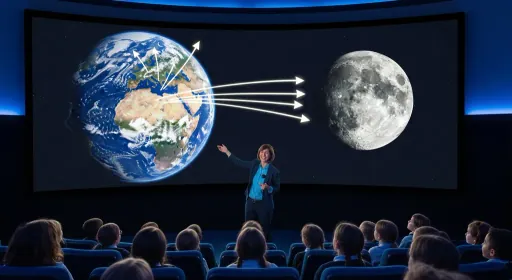
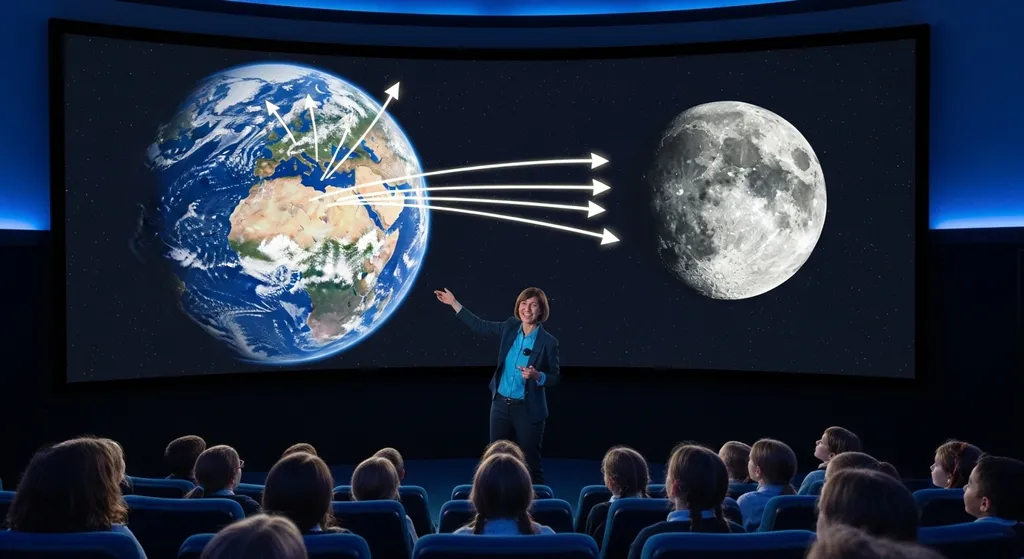
The
Moon
’
s
gravity
attracts
ocean
water
,
causing
tides
on
Earth
.
The
Moon
’
s
gravity
attracts
ocean
water
,
causing
tides
on
Earth
.
Same
origin
as
other
senses
:
from
Latin
‘
attrahere
’,
meaning
‘
to
draw
toward
’.
exact
verb
to
demand
and
obtain
something
,
especially
by
authority
or
force
.
•
The
conquerors
exacted
a
heavy
tax
from
the
defeated
city
.
The
conquerors
exacted
a
heavy
tax
from
the
defeated
city
.
•
Rebels
vowed
to
exact
revenge
for
the
villagers
’
suffering
.
Rebels
vowed
to
exact
revenge
for
the
villagers
’
suffering
.
From
Latin
exactus
,
past
participle
of
exigere
meaning
“
to
demand
or
drive
out
,”
taken
into
English
as
a
verb
in
the
late
15th
century
.
react
verb
to
do
or
say
something
because
of
what
has
happened
or
what
someone
else
has
done
or
said
•
When
the
fire
alarm
rang
,
all
the
students
reacted
quickly
and
left
the
building
.
When
the
fire
alarm
rang
,
all
the
students
reacted
quickly
and
left
the
building
.
•
He
didn't
know
how
to
react
when
he
got
the
surprising
news
.
He
didn't
know
how
to
react
when
he
got
the
surprising
news
.
From
Latin
re-
"
again
"
+
agere
"
to
do
,
drive
",
via
French
réagir
.
verb
(
chemistry
)
to
change
and
form
something
new
when
mixed
with
another
substance
•
Vinegar
and
baking
soda
react
to
make
bubbles
of
gas
.
Vinegar
and
baking
soda
react
to
make
bubbles
of
gas
.
•
Iron
reacts
with
oxygen
and
forms
rust
over
time
.
Iron
reacts
with
oxygen
and
forms
rust
over
time
.
Same
origin
as
sense
1
;
the
scientific
use
developed
in
the
19th
century
as
chemistry
advanced
.
interact
verb
to
communicate
or
do
things
together
so
that
you
influence
each
other
•
During
the
open
house
,
students
eagerly
interacted
with
the
visiting
scientists
.
During
the
open
house
,
students
eagerly
interacted
with
the
visiting
scientists
.
•
The
new
app
helps
shy
kids
interact
more
confidently
with
their
classmates
.
The
new
app
helps
shy
kids
interact
more
confidently
with
their
classmates
.
mid-19th
century
:
back-formation
from
interaction
,
on
the
pattern
of
words
like
interfere/interference
verb
to
affect
or
influence
one
another
in
a
chemical
,
physical
,
or
other
scientific
process
•
Certain
medicines
can
cause
dangerous
effects
when
they
interact
with
alcohol
.
Certain
medicines
can
cause
dangerous
effects
when
they
interact
with
alcohol
.
•
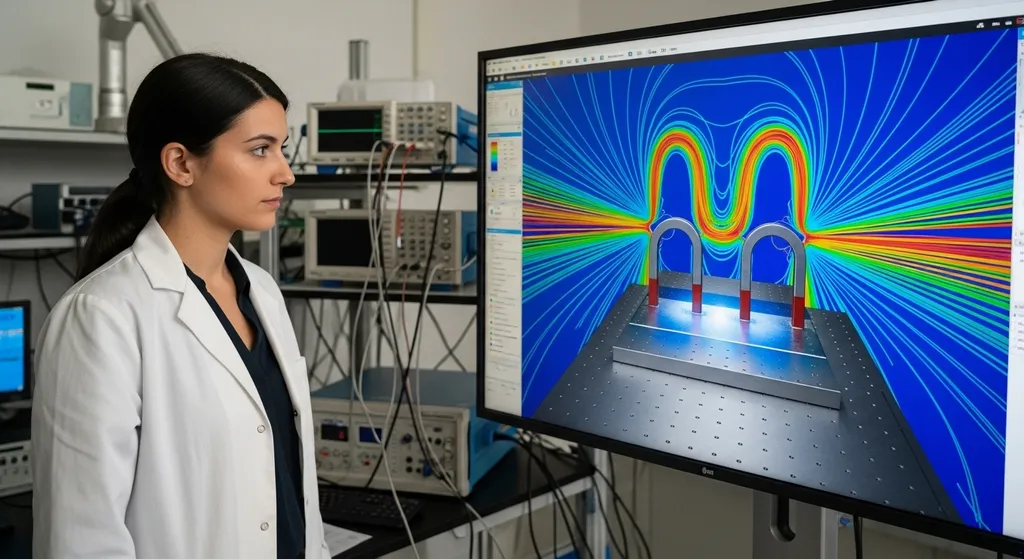
Scientists
observed
how
two
magnetic
fields
interacted
during
the
experiment
.
Scientists
observed
how
two
magnetic
fields
interacted
during
the
experiment
.
same
origin
as
the
general
sense
;
applied
to
scientific
contexts
from
the
late
19th
century
onward

distract
verb
to
take
someone
’
s
attention
away
from
what
they
are
doing
,
seeing
,
or
thinking
about
•
The
loud
music
distracted
Maria
while
she
was
trying
to
study
.
The
loud
music
distracted
Maria
while
she
was
trying
to
study
.
•
Please
don't
distract
the
driver
while
the
bus
is
moving
.
Please
don't
distract
the
driver
while
the
bus
is
moving
.
From
Latin
distrahere
,
meaning
“
to
draw
apart
”.
abstract
verb
to
remove
or
take
something
away
from
something
else
,
often
carefully
or
to
focus
on
what
is
important
•
The
chemist
abstracted
essential
oils
from
the
plant
leaves
.
The
chemist
abstracted
essential
oils
from
the
plant
leaves
.
•
We
must
abstract
the
main
ideas
from
the
data
before
presenting
.
We
must
abstract
the
main
ideas
from
the
data
before
presenting
.
enact
verb
-
enact
,
enacting
,
enacts
,
enacted
to
perform
or
act
out
a
story
,
role
,
or
event
•
In
the
school
play
,
the
students
enacted
scenes
from
ancient
Greek
myths
.
In
the
school
play
,
the
students
enacted
scenes
from
ancient
Greek
myths
.
•
During
training
,
officers
enact
possible
emergency
scenarios
to
prepare
for
real
situations
.
During
training
,
officers
enact
possible
emergency
scenarios
to
prepare
for
real
situations
.
same
origin
as
legal
sense
:
late
Middle
English
,
influenced
by
theatrical
usage
in
the
17th
century
.
verb
-
enact
,
enacting
,
enacts
,
enacted
to
make
a
law
or
officially
decide
that
something
will
happen
•
After
months
of
debate
,
parliament
finally
enacted
the
new
environmental
protection
law
.
After
months
of
debate
,
parliament
finally
enacted
the
new
environmental
protection
law
.
•
Many
countries
enact
strict
traffic
regulations
to
improve
road
safety
.
Many
countries
enact
strict
traffic
regulations
to
improve
road
safety
.
late
Middle
English
,
from
French
‘
enacter
’,
based
on
Latin
‘
actum
’
meaning
‘
something
done
’.
extract
verb
-
extract
,
extracting
,
extracts
,
extracted
to
carefully
remove
something
from
the
place
where
it
is
fixed
or
mixed
•
The
dentist
extracted
Maria
’
s
wisdom
tooth
quickly
and
painlessly
.
The
dentist
extracted
Maria
’
s
wisdom
tooth
quickly
and
painlessly
.
•
He
used
tweezers
to
extract
a
splinter
from
his
finger
at
the
kitchen
table
.
He
used
tweezers
to
extract
a
splinter
from
his
finger
at
the
kitchen
table
.
Late
Middle
English
,
from
Latin
extrahere
‘
draw
out
’.
verb
-
extract
,
extracting
,
extracts
,
extracted
to
obtain
information
,
money
,
or
agreement
from
someone
,
often
with
effort
or
pressure
•
Detectives
finally
extracted
a
confession
from
the
suspect
.
Detectives
finally
extracted
a
confession
from
the
suspect
.
•
The
journalist
managed
to
extract
valuable
details
from
the
reluctant
witness
.
The
journalist
managed
to
extract
valuable
details
from
the
reluctant
witness
.
Figurative
sense
recorded
from
the
17th
century
.
verb
-
extract
,
extracting
,
extracts
,
extracted
to
calculate
a
particular
value
,
such
as
a
root
,
substring
,
or
record
,
from
a
larger
set
of
data
•
You
can
extract
the
square
root
of
64
in
your
head
.
You
can
extract
the
square
root
of
64
in
your
head
.
•
The
script
will
extract
every
email
address
from
the
file
.
The
script
will
extract
every
email
address
from
the
file
.
Technical
use
grew
with
advances
in
mathematics
(
18th
c
.)
and
computing
(
20th
c
.).