to have clothes, jewellery, or other items on your body
He wears a blue uniform to work every day.
Please wear your seat belt while the car is moving.
✦ Old English werian “to clothe, put on, carry”, related to German tragen “to carry”.
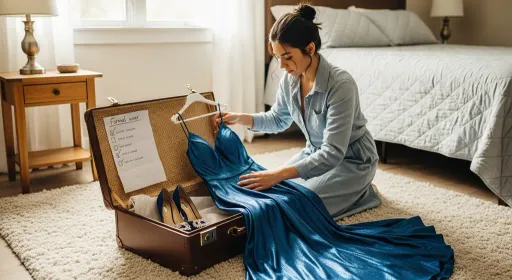
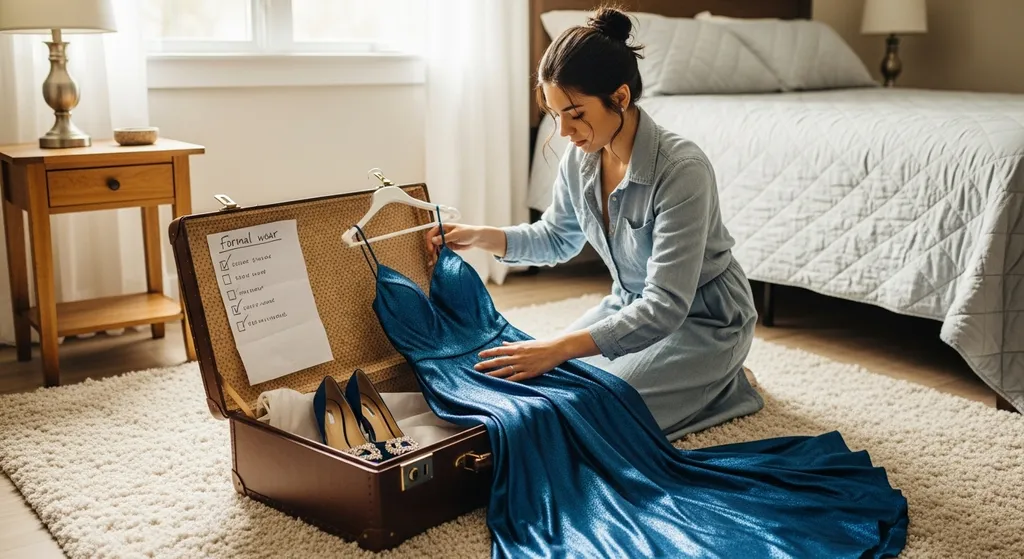
clothing for a particular purpose or occasion
She packed formal wear for the wedding.
The store sells children's swimwear near the entrance.
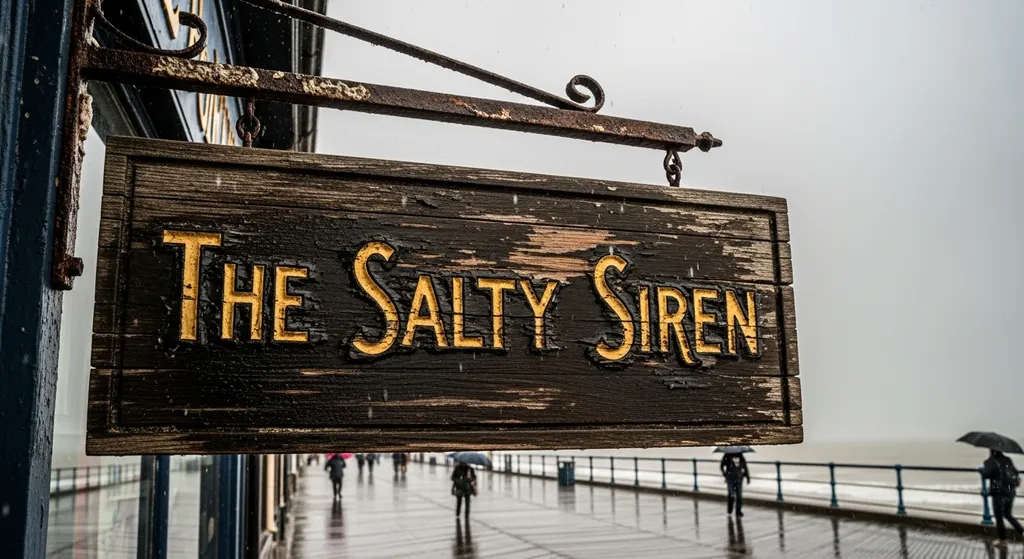
to gradually become thin or damaged through long use
The gold letters on the sign have begun to wear after years of rain.
These tires will wear quickly on rough roads.
damage or change caused by long or hard use
The book showed little wear despite its age.
Check the machine parts for signs of wear.
to use rude or offensive words, especially when you are angry or in pain
When he hit his thumb with the hammer, Jake couldn’t help but swear.
My mom says she will wash my mouth out with soap if I swear again.
✦ Old English swerian “to take an oath” → Middle English “swere” → Modern English “swear”. Offensive-language sense developed later when oaths were considered irreverent.
to promise seriously that you will do something or that something is true
I swear I will finish the project by Friday.
She swore never to lie to her best friend again.
✦ Originally meant “to take an oath.” The promise meaning remains close to the early sense.
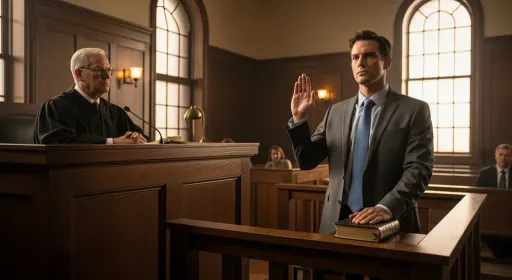
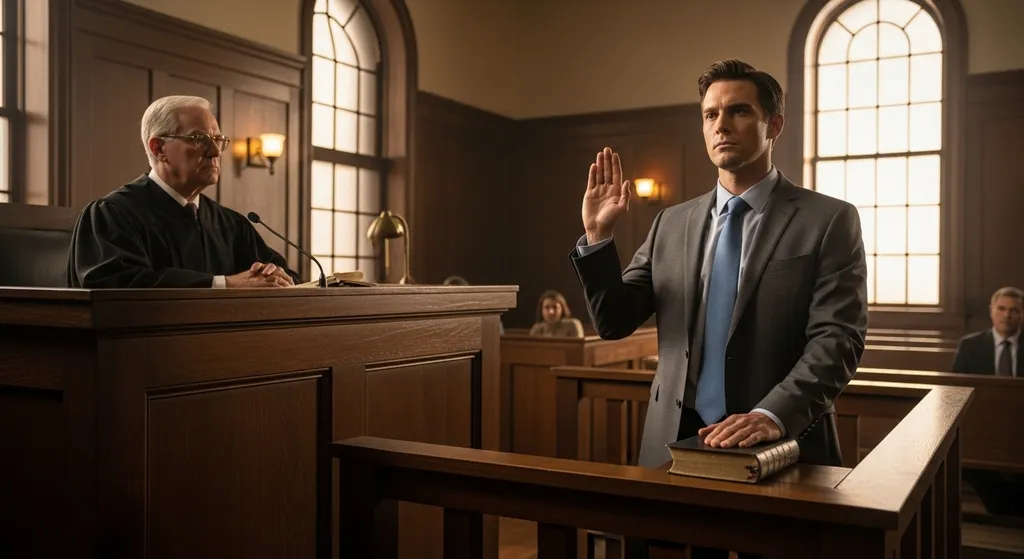
to make a formal oath in a law court or when starting an official job
The witness stood and swore to tell the whole truth.
Every new citizen must swear allegiance during the ceremony.
✦ Legal oath-taking sense is a direct continuation of the Old English meaning, reinforced by medieval court practice.