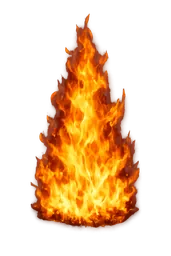
to burn with a very bright, hot, and strong flame
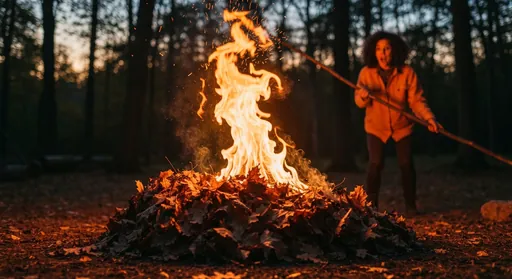
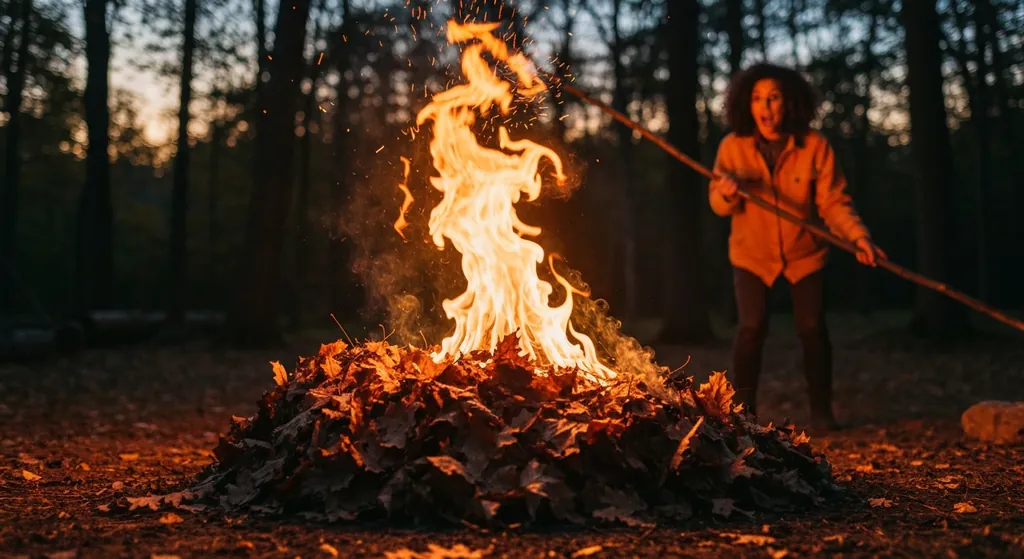
Dry leaves on the bonfire began to blaze within seconds.
The oil lamp blazed brightly during the power cut.
✦ From Middle English blasen, probably from Old English blæse (“torch, flame”).
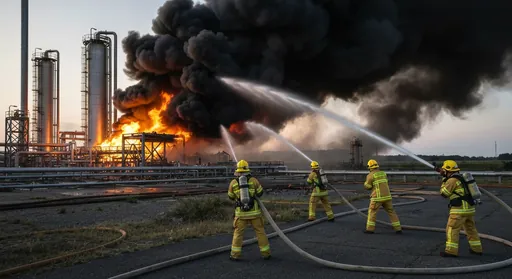
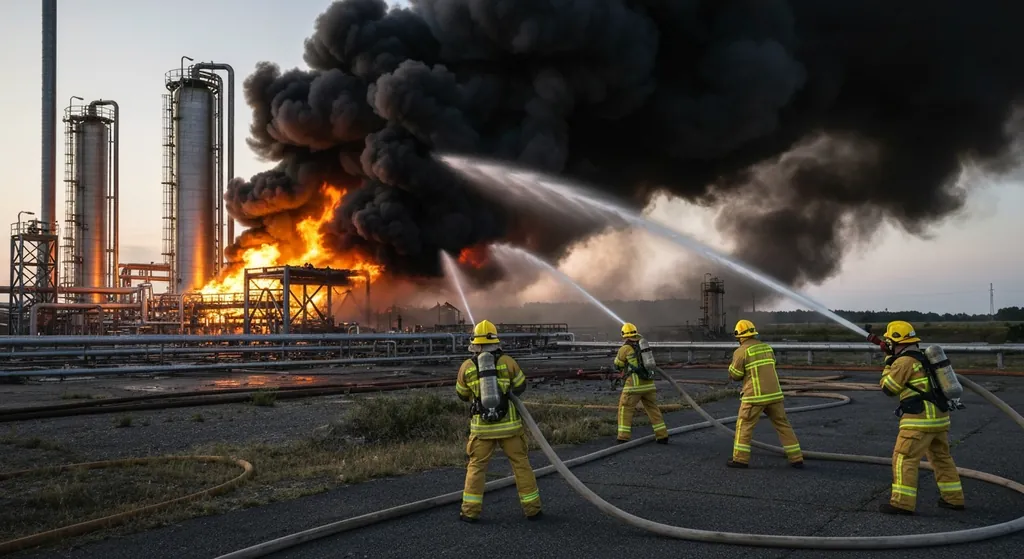
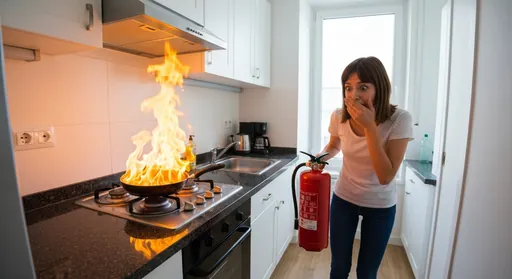
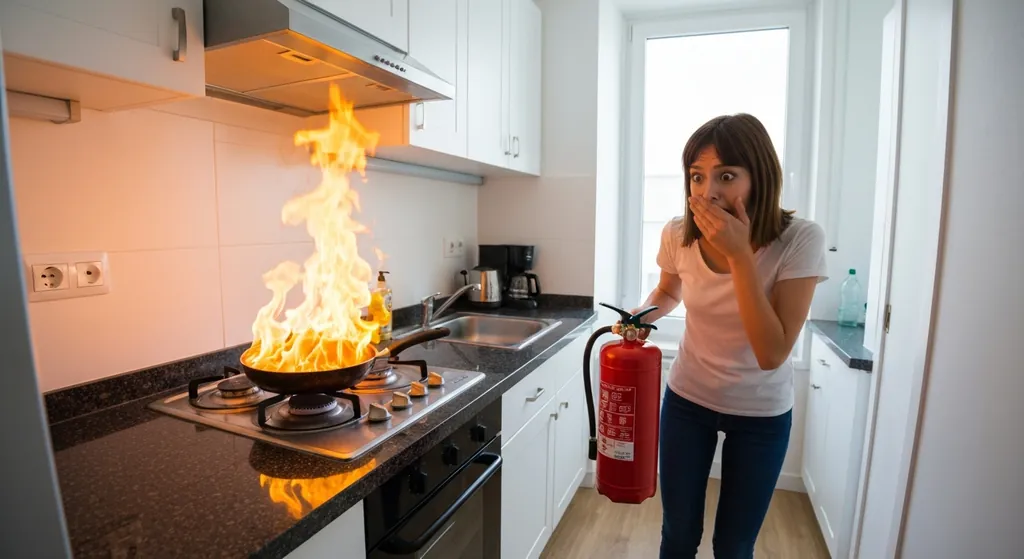
a very large, bright, and fiercely burning fire
Firefighters struggled to control the blaze at the chemical plant.
A sudden kitchen blaze filled the apartment with smoke.
✦ Same origin as the verb; recorded as a noun since the 17th century.
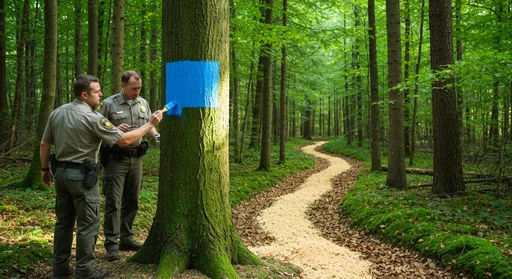
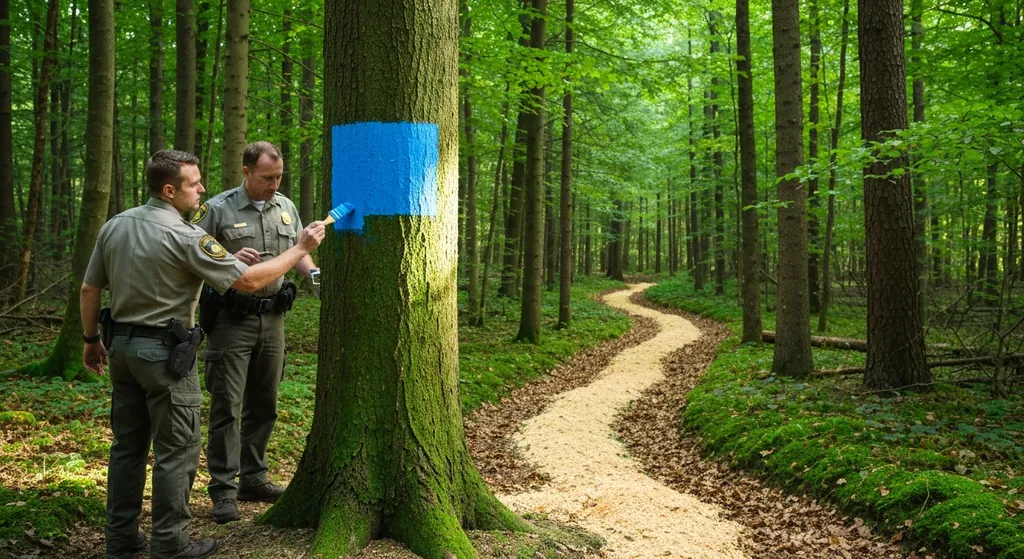
to cut or paint marks on trees, rocks, or the ground to show a path or boundary
Rangers blazed the new hiking trail with bright blue rectangles.
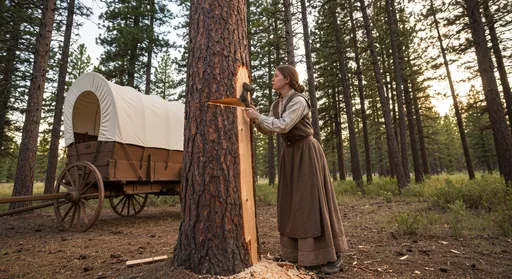
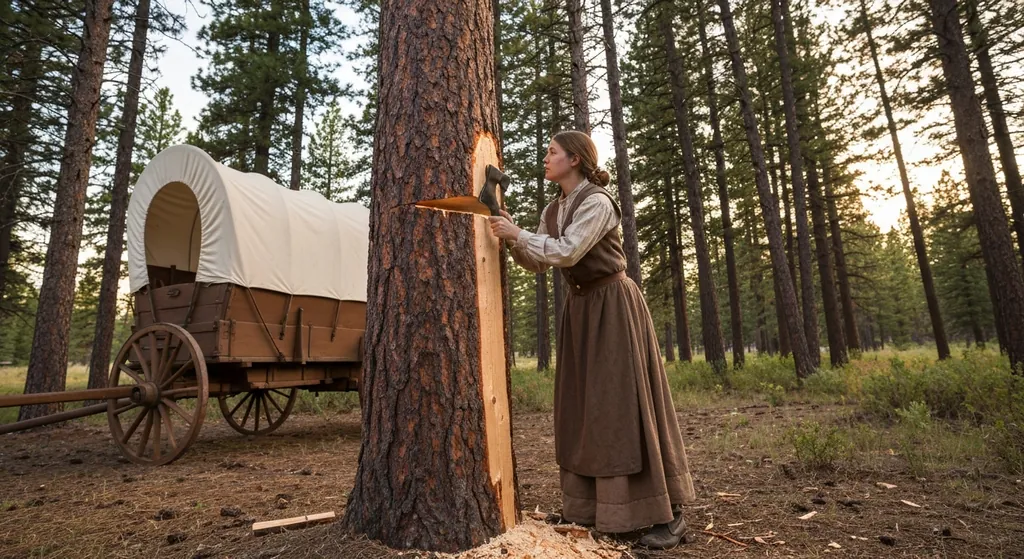
Early settlers blazed a path through the wilderness to reach the river.
✦ Extension of the burning sense: early woodsmen scarred bark so the pale inner wood ‘shone’ like a flame.
a wide white stripe or marking on the face of an animal, especially a horse
The chestnut mare had a white blaze running down her nose.
Judges easily recognized the dog by the thin blaze between its eyes.
✦ Probably from the idea of a bright, eye-catching streak like a small flame.
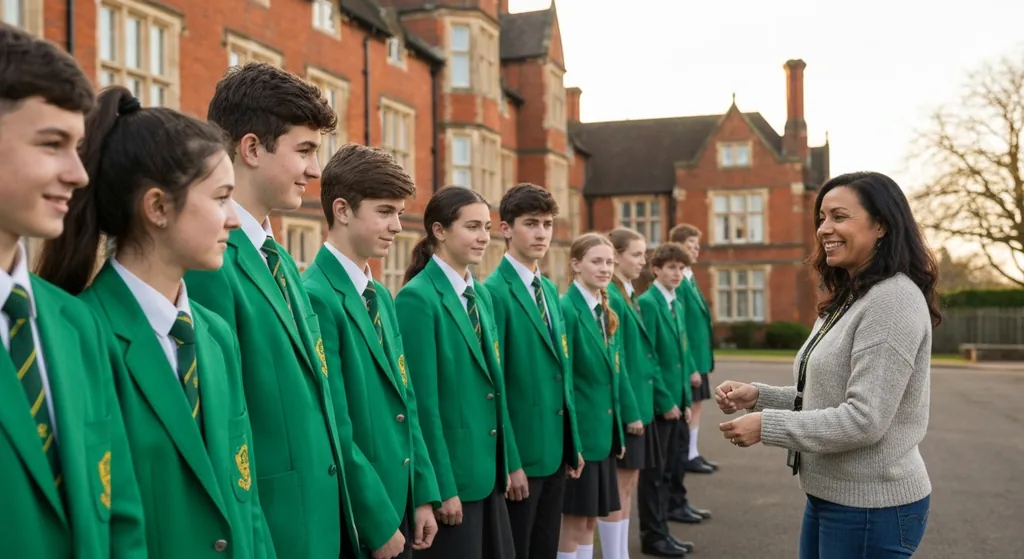
a lightweight jacket that looks like part of a suit but is less formal, often worn as part of a school or club uniform or paired with casual trousers
He slipped on a navy blazer before heading out to dinner.
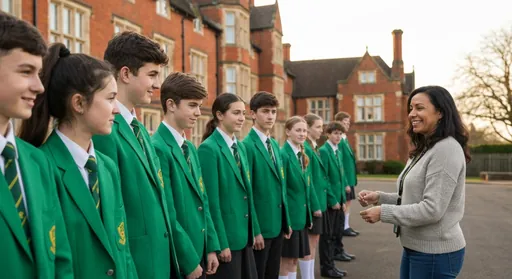
The students’ green blazers all had the school crest sewn onto the breast pocket.
✦ Early 19th-century: originally referring to the red jackets worn by members of the Lady Margaret Boat Club at Cambridge University, from blaze (bright flame or color) + ‑er.