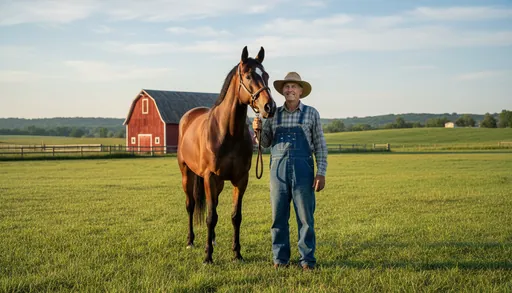
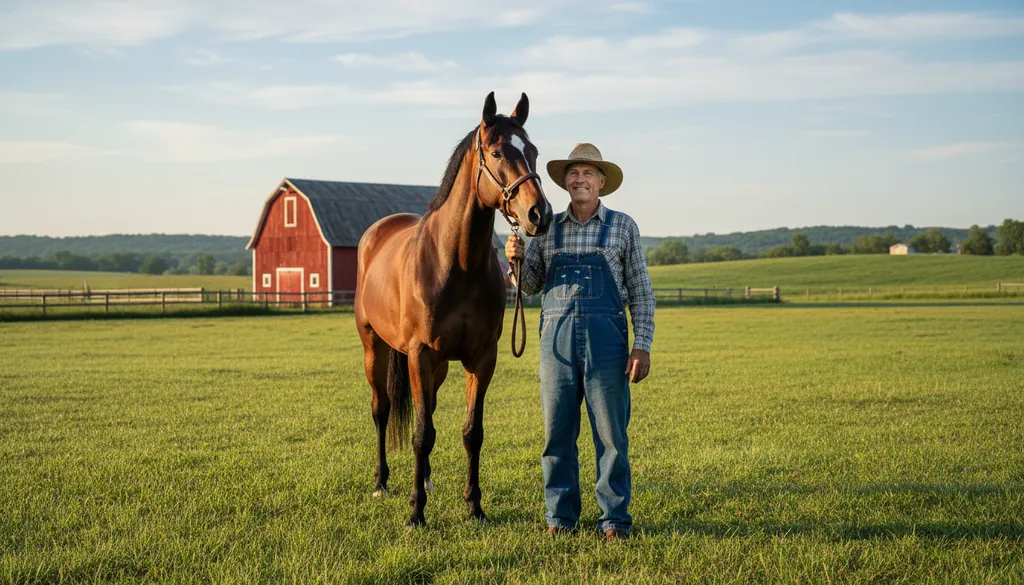
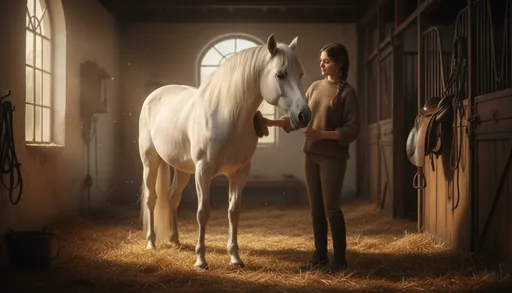
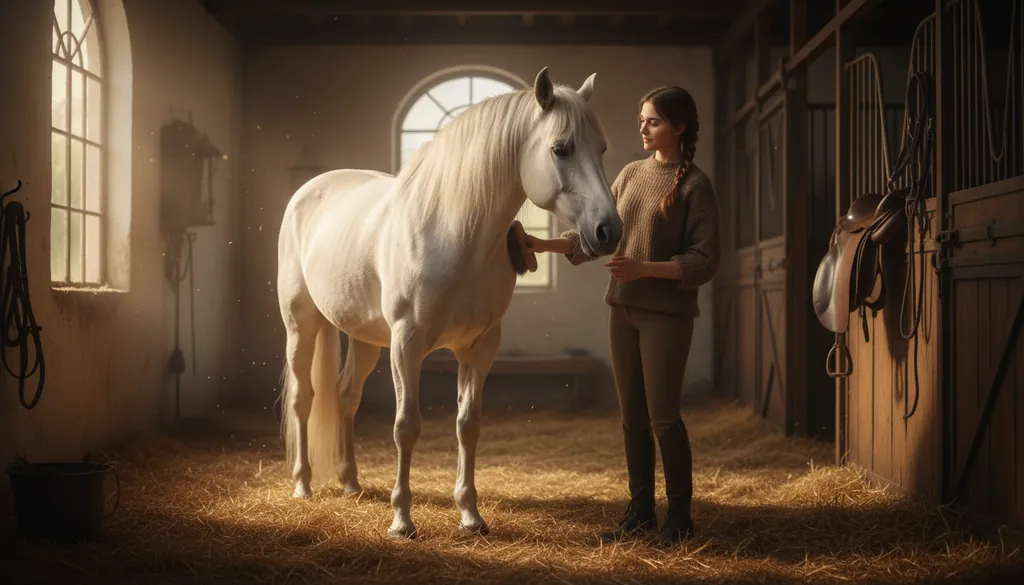
an adult female horse.
The farmer owns a beautiful mare.
She grooms her mare every evening.
✦ From Middle English mare, from Old English mēare (“mare”), from Proto-West Germanic *marhijō, from Proto-Germanic *marhijō (“mare”).
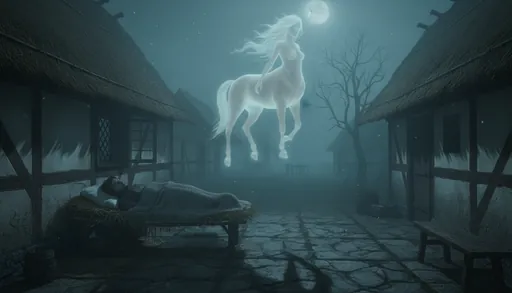
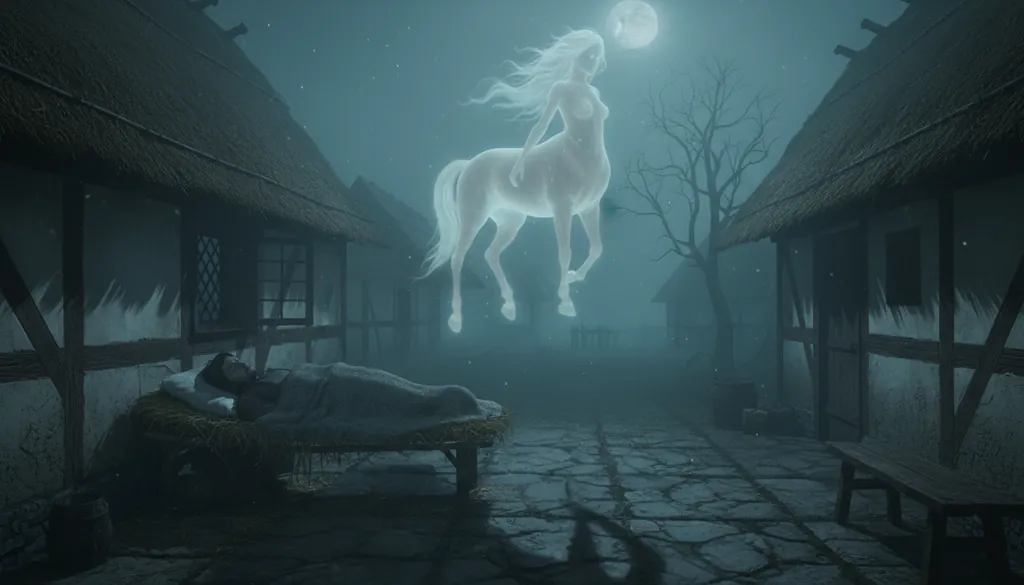
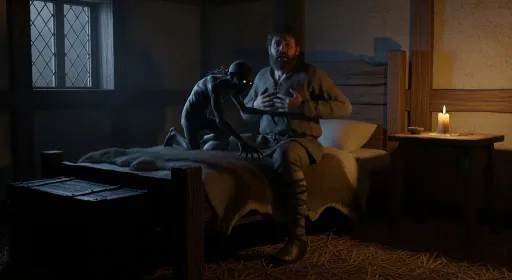
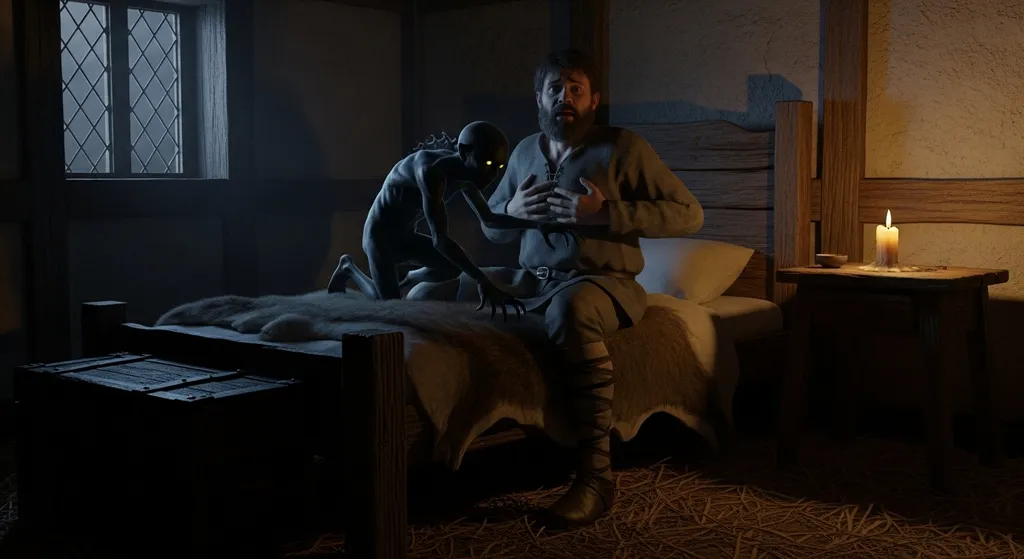
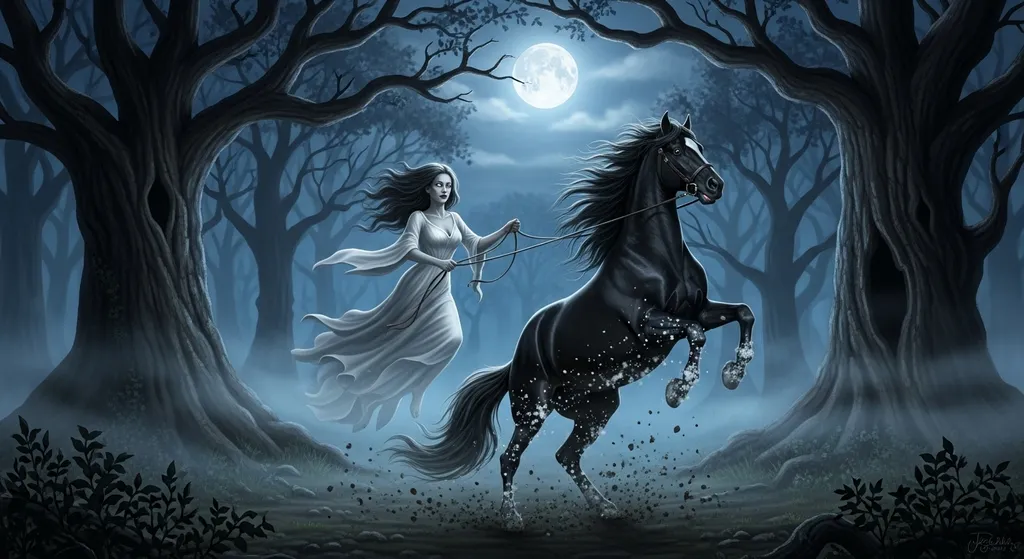
(folklore) an evil spirit or goblin that sits on the chest of a sleeping person, bringing bad dreams or nightmares.
Legends tell of a mare haunting the village.
The mare caused terrifying nightmares.
✦ From Old English mære (“incubus, nightmare”), from Proto-West Germanic *marī, from Proto-Germanic *marī (“incubus, mare, goblin”).
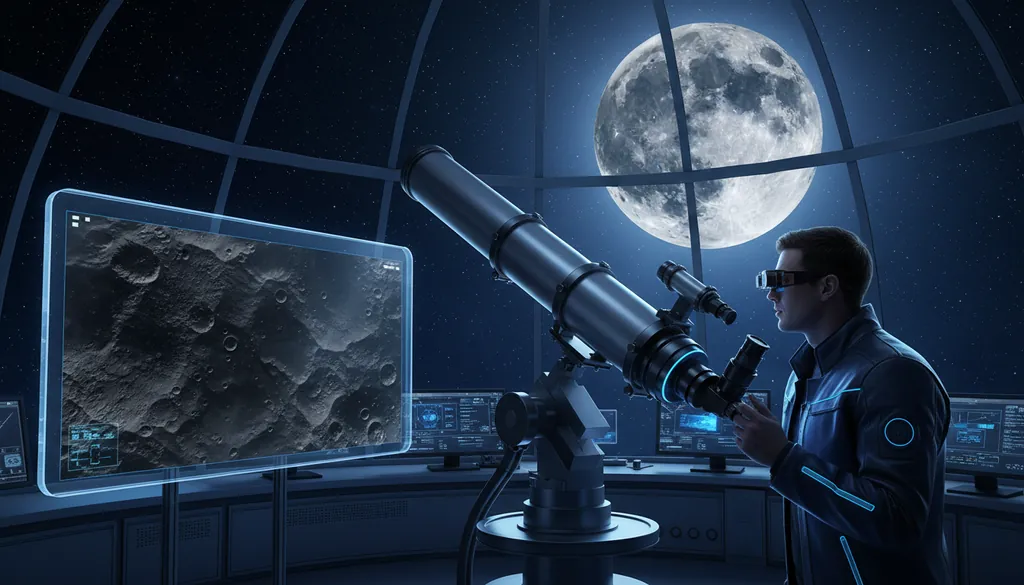
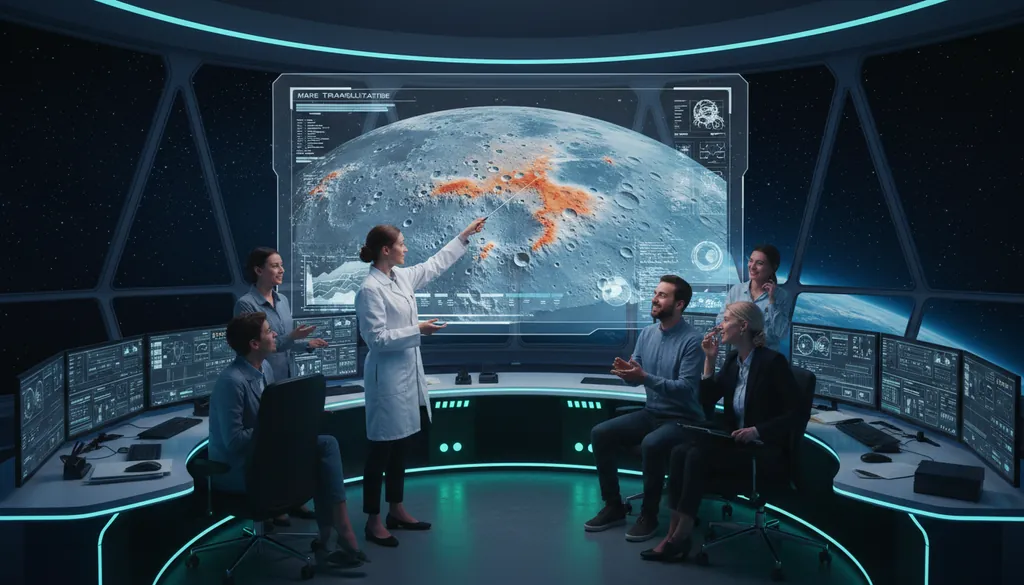
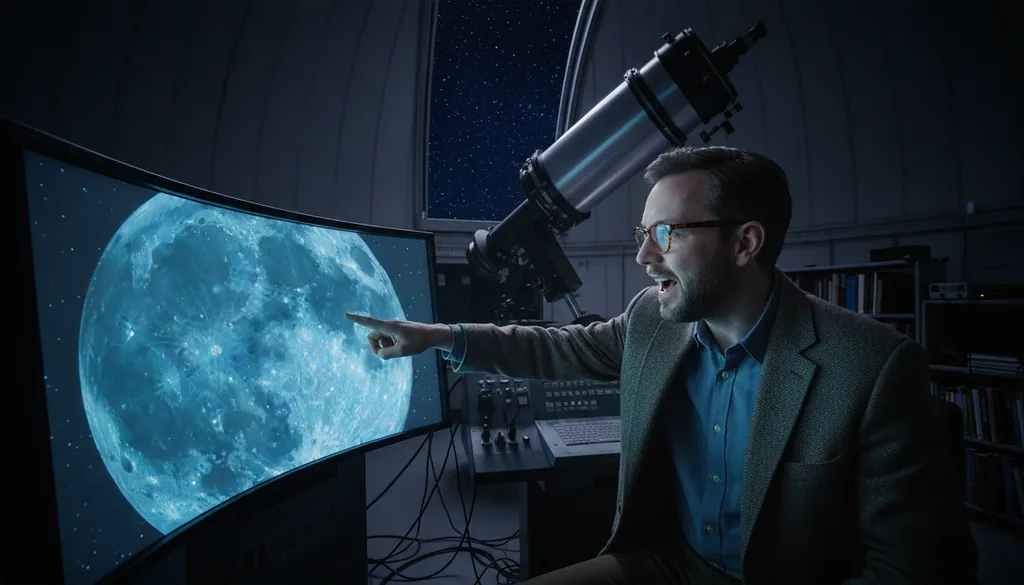
a large dark flat area on the moon's surface.
The moon's mare looks like an ocean.
Astronomers study each mare.
✦ Borrowed from Latin mare (“sea”).
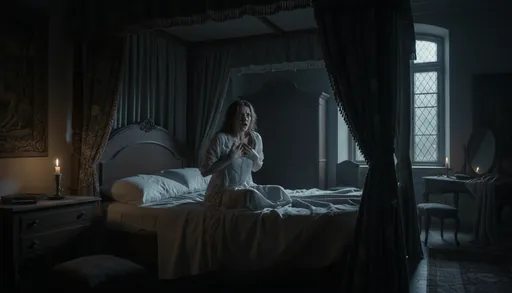
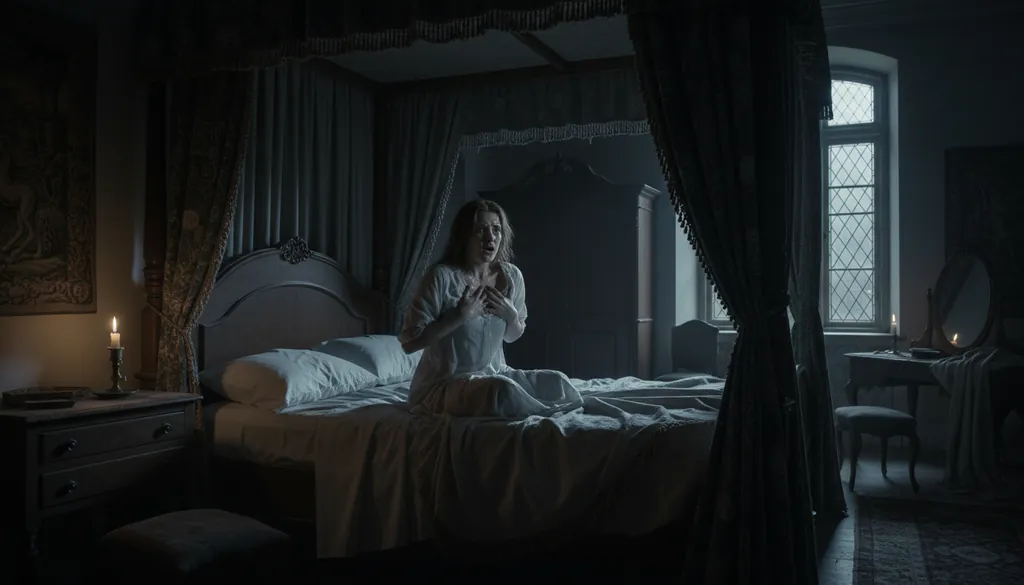
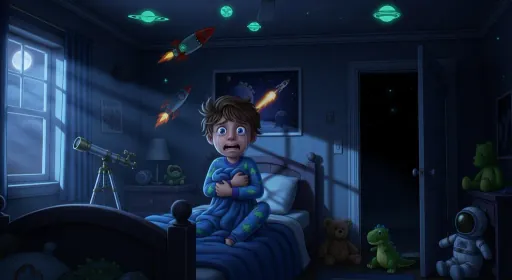
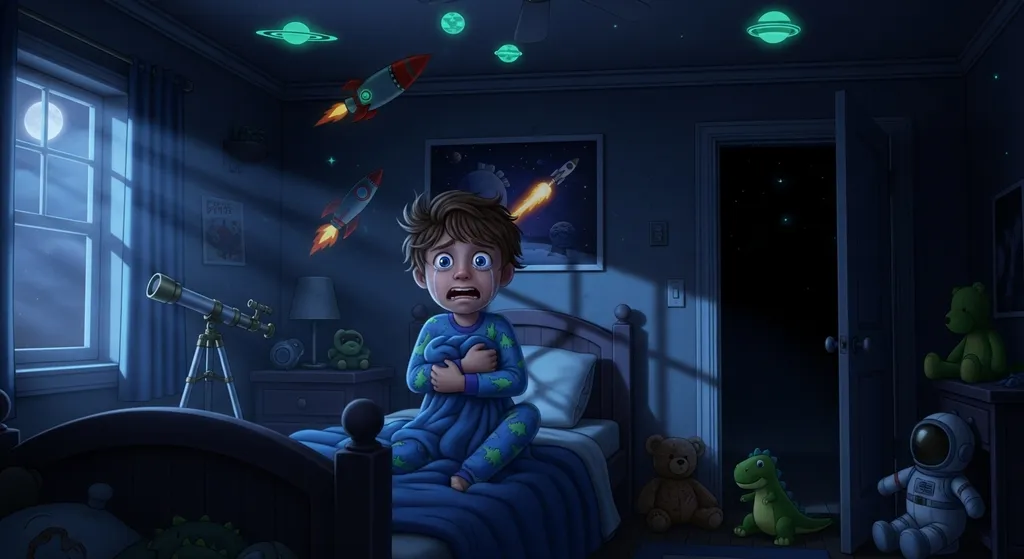
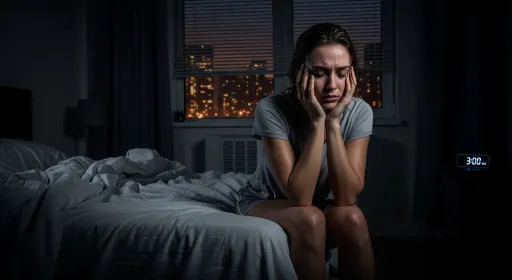
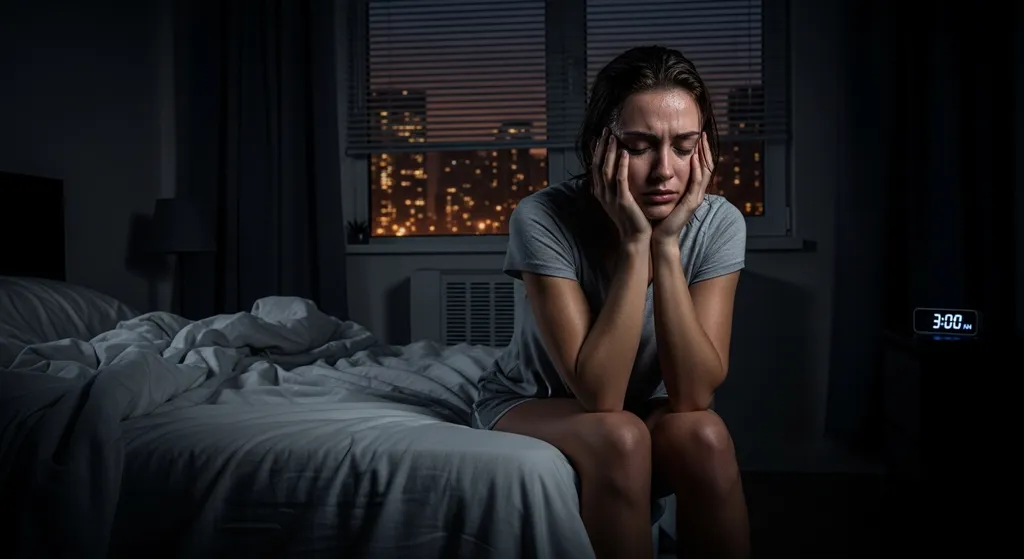
a very frightening or upsetting dream that often wakes you up
The little boy woke up crying after a terrifying nightmare.
I had a nightmare about being trapped in a burning building.
✦ Old English ‘niðmære’, from ‘night’ + ‘mare’ (an evil spirit); originally an evil being thought to suffocate sleepers.
an extremely difficult, unpleasant, or annoying situation or experience
Losing my passport abroad was a complete nightmare.
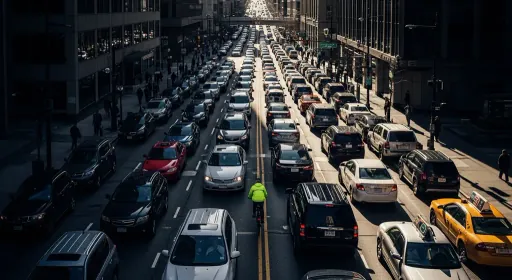
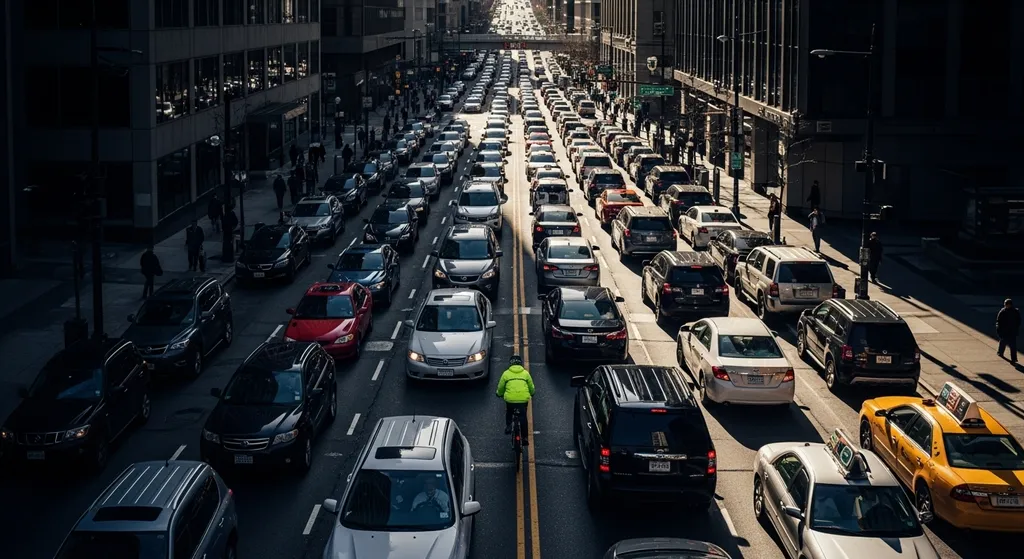
The morning traffic in the city is an absolute nightmare.
in old folk tales, an evil spirit believed to sit on a sleeper’s chest and cause bad dreams or suffocation
Medieval villagers blamed the nightmare when someone awoke gasping for air.
Stories warned that a nightmare would ride a horse until it sweated foam.
✦ The original meaning of ‘nightmare’ was the evil spirit itself; only later did it shift to mean the frightening dream it was said to cause.
A vast dark plain of igneous rock on the surface of the Moon, Mercury, or a planet.
Through the telescope, we saw the moon's maria.
The maria on Mars look mysterious.
✦ Borrowed from Latin maria, plural of mare (“sea”). Early telescopic observers thought the dark areas were seas.