a particular line of reasoning explaining why someone thinks or acts in a certain way
I can't follow the logic of their decision to close the store early.
His logic was simple: spend less and save more.
the academic study of the principles of valid reasoning and sound argument
At university, Maria decided to major in logic because she loved puzzles and clear thinking.
The professor filled the blackboard with symbols while explaining formal logic.
✦ from Old French logique, from Latin logica, from Ancient Greek logikē (art of reasoning)
the set of rules or operations that control how a computer program or electronic circuit behaves
The engineer tested the circuit's logic with an oscilloscope.
Good programmers write clear logic to avoid bugs.
using clear, careful reasoning or making sense in an ordinary, practical way
It was logical to lock the doors before leaving the house.
After hearing all the evidence, the most logical conclusion was that the cat had knocked over the vase.
✦ From the noun logic + -al, first recorded in English in the late 16th century.
planned to influence a person’s thoughts or feelings, especially to gain an advantage
The army used loud music as a psychological tactic to keep the enemy awake at night.
Mark played a clever psychological trick by staring silently at his chess rival to make him nervous.
✦ Extension of the basic sense, first recorded in military writings during World War II when strategies to affect enemy morale became formalized.
a person’s biological parent
At the reunion, he was nervous about meeting his biological for the first time.
The adoptee wrote a letter to her biological asking for a meeting.
✦ Noun use developed from the adjective in late 20th-century North American adoption communities.
a system of ideas and beliefs that guides the aims and actions of a person, group, or movement
The revolutionary group adopted a new ideology centered on equality and freedom.
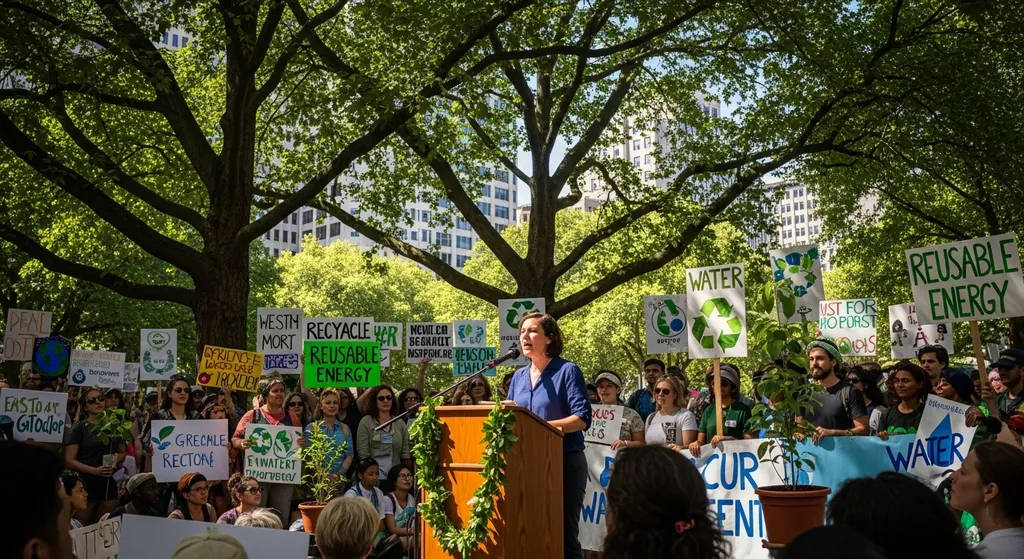
Environmental protection is at the heart of the party’s ideology.
✦ early 19th-century coinage from French idéologie, originally meaning the ‘science of ideas’, from Greek idea ‘form, pattern’ + –logy ‘study’.
relating to, involving, or resulting from modern technology, machines, or scientific methods
The company invested heavily in technological innovation to stay ahead of its competitors.
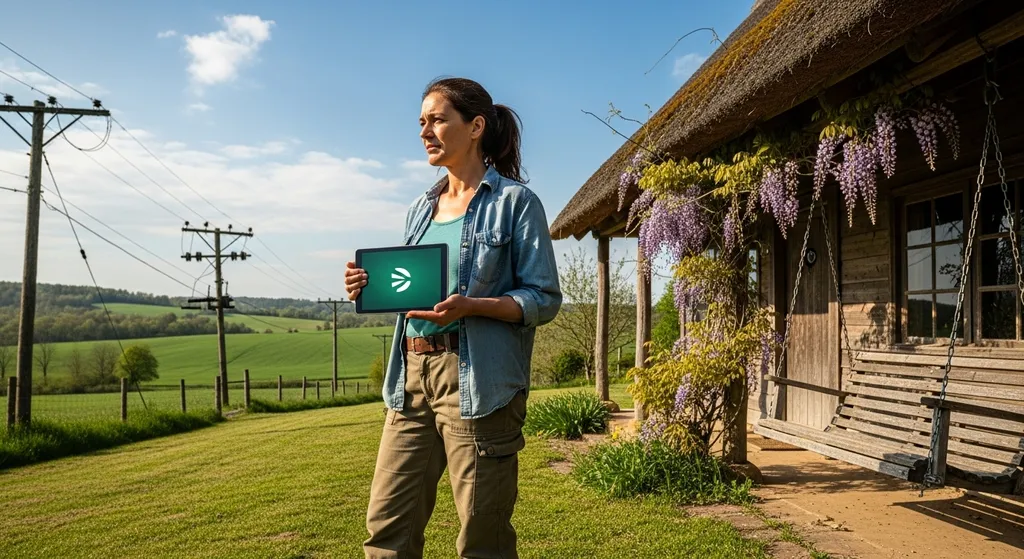
Some rural areas still lack the technological infrastructure needed for high-speed internet.
✦ From technology + -ical, first recorded in the early 19th century as industrial inventions accelerated during the Industrial Revolution.