something you do, say, or think that is not correct and often causes a problem or an unwanted result
I made a silly mistake on my math test and lost two points.
Forgetting your keys is a common mistake.
✦ From Old Norse ‘mistaka’ meaning “to take in error” (mis- ‘wrongly’ + taka ‘take’). The noun sense arose in late Middle English.
to think wrongly that someone or something is another person or thing
Many people mistake me for my older brother.
He mistook the salt for sugar and ruined the soup.
✦ From Old Norse ‘mistaka’ meaning “take wrongly”. The verb entered Middle English in the 14th century.
to understand something wrongly or give it the wrong meaning
Please don’t mistake my silence as disapproval.
She mistook the directions and ended up at the wrong address.
✦ Same Old Norse root as other senses, with meaning extended to wrong understanding by the 17th century.
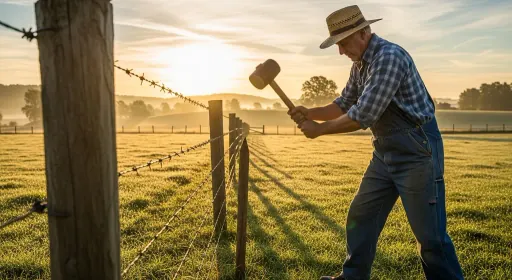
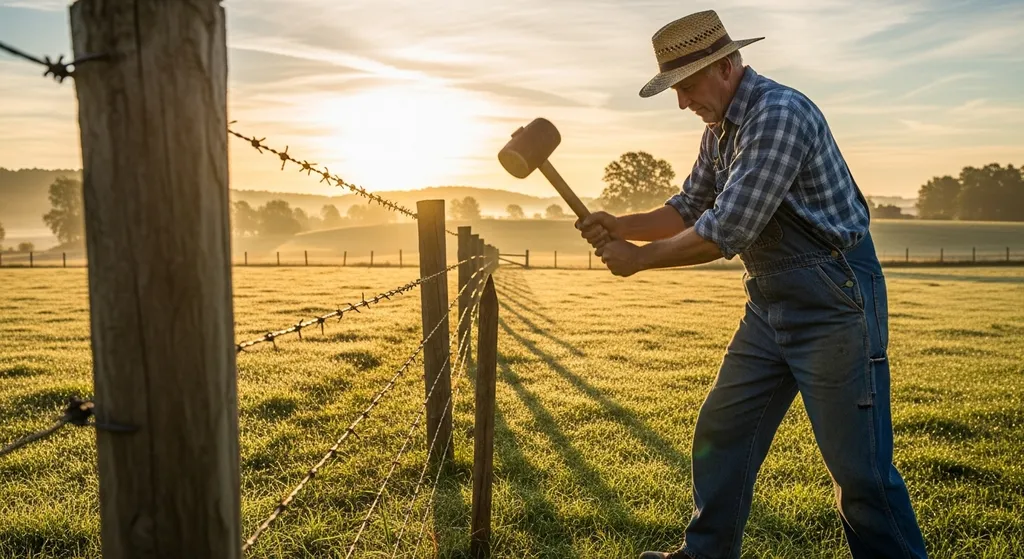
a strong wooden or metal post driven into the ground, often to support or mark something
The farmer hammered a stake into the soil to keep the fence upright.
We tied the young tree to a sturdy stake so it would grow straight.
✦ Old English staca “post, pillar,” from Proto-Germanic *stakon, related to stick; sense of 'supporting post' has remained since before the 12th century.
an amount of money or something valuable that is risked on the outcome of a game, bet, or venture
He placed a $50 stake on the winning horse.
The higher the poker stakes, the more intense the game becomes.
✦ Financial sense developed in 18th-century gambling houses, extending the older idea of a post marking the prize to represent the money risked.
the level of risk, reward, or importance involved in a situation
With the championship on the line, the stakes were incredibly high.
It’s a low-stakes quiz, so don’t worry if you get a few questions wrong.
✦ Figurative sense grew out of gambling language in the late 19th century, treating risk itself as a prize to be won or lost.
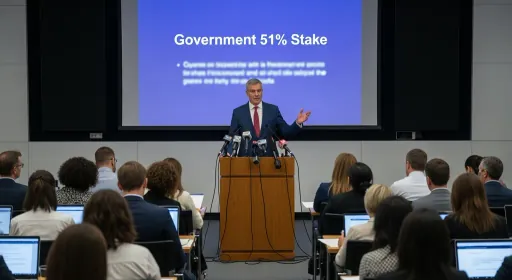
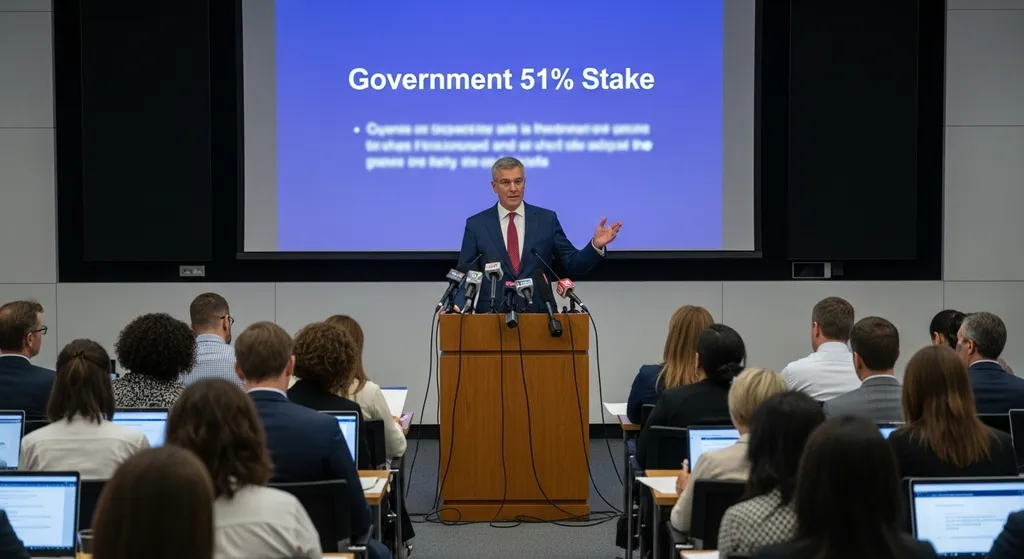
a share or legal interest in a business, project, or property
She purchased a 10 percent stake in the tech startup.
The government kept a controlling stake after the company was privatized.
✦ Commercial sense emerged in the 19th century from the idea of having money ‘at stake’ in an enterprise.
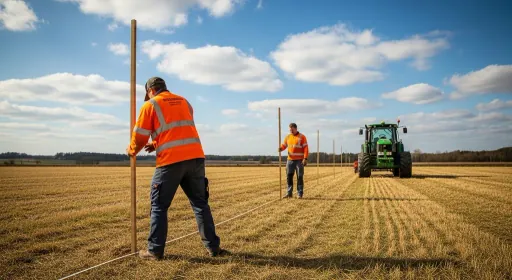
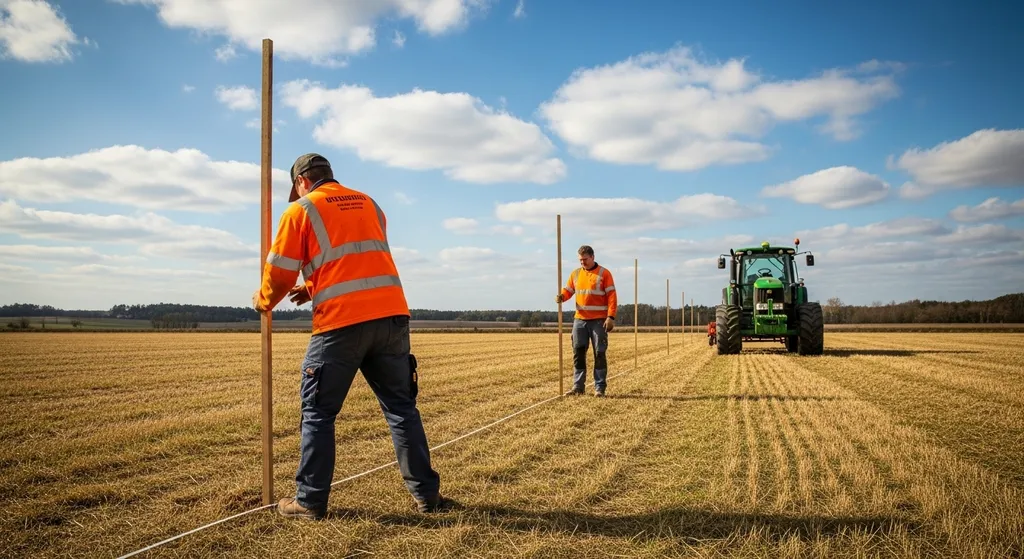
to fasten, support, or mark something by driving stakes into the ground
They staked the fence posts along the new property line.
Remember to stake the tomatoes before they grow too heavy.
✦ Verb use dates to Middle English, directly from the noun, meaning ‘to provide with stakes’.
to risk money or something valuable on the result of something
He staked his entire bonus on a single roll of the dice.
I wouldn’t stake my reputation on that prediction.
✦ Extended verb sense from gambling houses in the 18th century, where money was metaphorically ‘tied to a stake’.
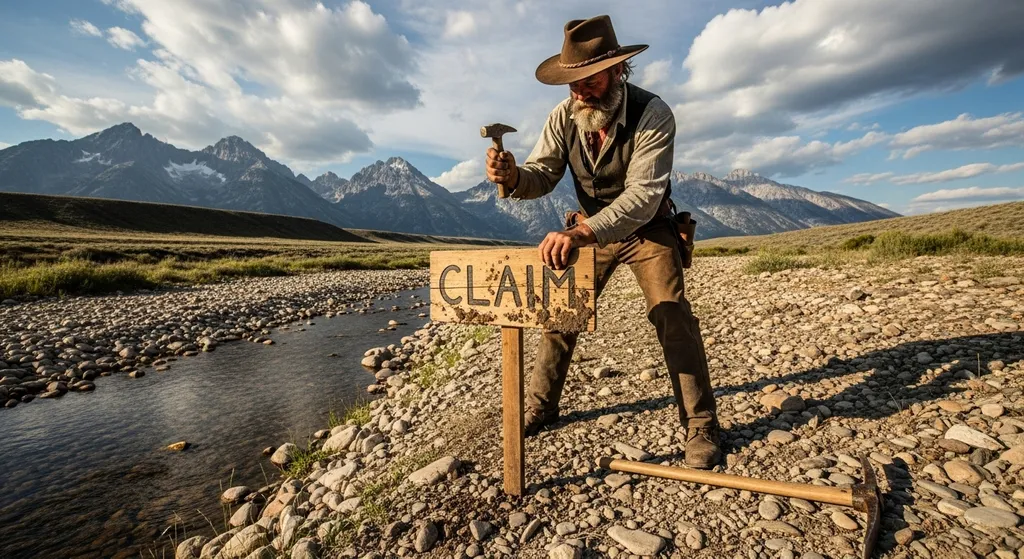
to claim or mark ownership of something clearly, often by physical or verbal declaration
The prospector staked a claim to the gold-rich land.
Teenagers rushed to the concert gate to stake their places at the front.
✦ Sense borrowed from miners in 19th-century North America who literally drove stakes to mark property claims.