











toqus
Picture Dictionary
English
한국어
Register
Login
🔍
please
verb
-
please
,
pleasing
,
pleases
,
pleased
to
make
someone
happy
or
satisfied
•
The
surprise
birthday
party
really
pleased
Maria
.
The
surprise
birthday
party
really
pleased
Maria
.
•
It
pleases
the
chef
when
diners
enjoy
his
new
dish
.
It
pleases
the
chef
when
diners
enjoy
his
new
dish
.
From
Middle
English
‘
plese
’,
from
Old
French
‘
plaisir
’
meaning
‘
to
satisfy
’.
verb
-
please
,
pleasing
,
pleases
,
pleased
to
wish
or
choose
to
do
something
•
On
weekends
,
he
sleeps
as
late
as
he
pleases
.
On
weekends
,
he
sleeps
as
late
as
he
pleases
.
•
Guests
may
wander
the
gardens
wherever
they
please
.
Guests
may
wander
the
gardens
wherever
they
please
.
increase
verb
-
increase
,
increasing
,
increases
,
increased
to
become
larger
in
number
,
size
,
amount
,
or
level
,
or
to
make
something
become
larger
•
Prices
usually
increase
before
the
holidays
.
Prices
usually
increase
before
the
holidays
.
•
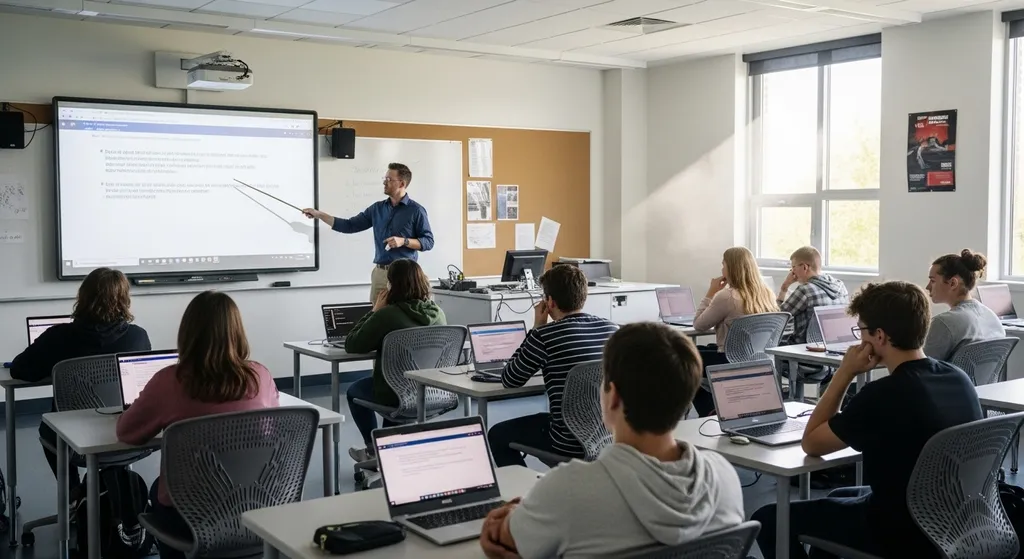
The
teacher
asked
the
students
to
increase
the
font
size
so
everyone
could
read
.
The
teacher
asked
the
students
to
increase
the
font
size
so
everyone
could
read
.
From
Latin
'increscere'
meaning
'to
grow
into'
,
via
Old
French
'encroistre'
.
release
verb
-
release
,
releasing
,
releases
,
released
to
set
a
person
,
animal
,
or
thing
free
after
keeping
them
trapped
,
locked
up
,
or
held
•
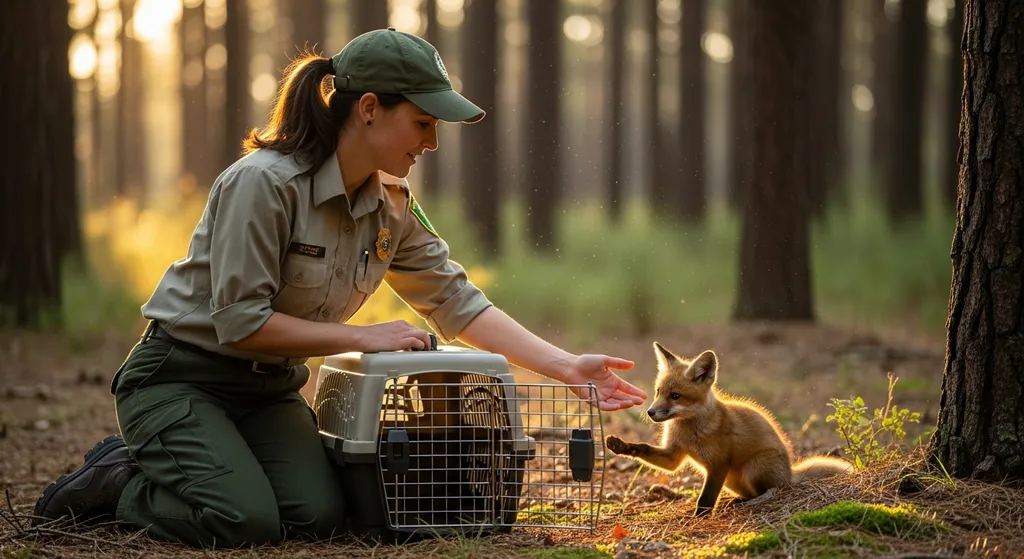
The
wildlife
ranger
gently
released
the
rescued
fox
into
the
forest
clearing
.
The
wildlife
ranger
gently
released
the
rescued
fox
into
the
forest
clearing
.
•
After
years
of
negotiation
,
the
government
decided
to
release
the
political
prisoners
.
After
years
of
negotiation
,
the
government
decided
to
release
the
political
prisoners
.
Middle
English
relecen
,
from
Old
French
relacier
“
to
let
go
”,
from
Latin
relaxāre
“
to
loosen
”.
verb
-
release
,
releasing
,
releases
,
released
to
make
information
,
a
product
,
film
,
or
piece
of
music
available
to
the
public
•
The
director
plans
to
release
the
movie
worldwide
next
summer
.
The
director
plans
to
release
the
movie
worldwide
next
summer
.
•
The
software
company
will
release
an
update
to
fix
the
security
bug
.
The
software
company
will
release
an
update
to
fix
the
security
bug
.
verb
-
release
,
releasing
,
releases
,
released
to
stop
holding
or
pressing
something
so
that
it
can
move
,
fall
,
or
operate
•
She
released
the
brake
and
rolled
the
bike
down
the
hill
.
She
released
the
brake
and
rolled
the
bike
down
the
hill
.
•
The
archer
steadied
his
aim
and
released
the
arrow
.
The
archer
steadied
his
aim
and
released
the
arrow
.
increasingly
adverb
more
and
more
;
to
a
greater
and
greater
degree
over
time
•
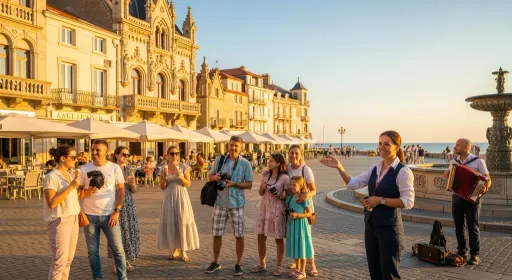
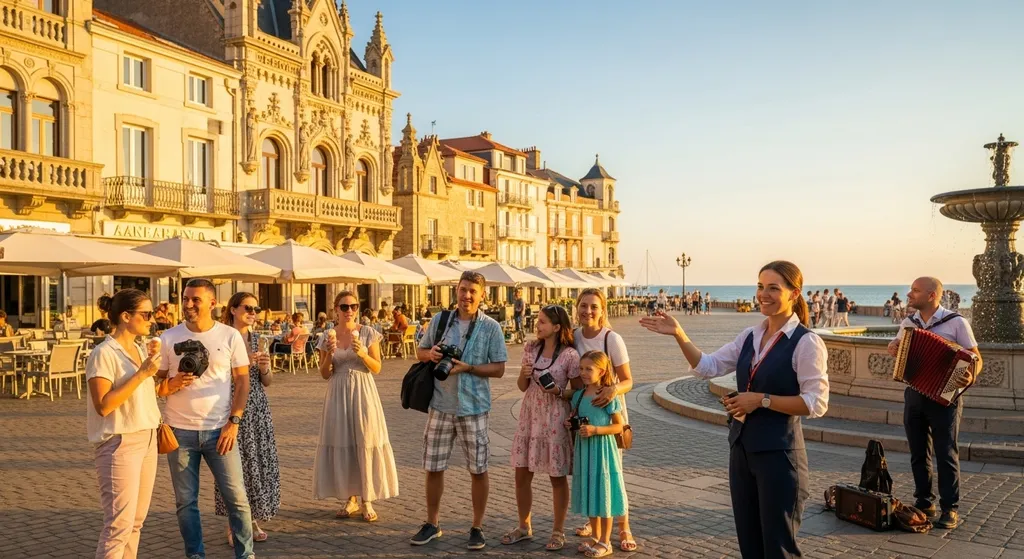
The
coastal
town
has
become
increasingly
popular
with
tourists
each
summer
.
The
coastal
town
has
become
increasingly
popular
with
tourists
each
summer
.
•
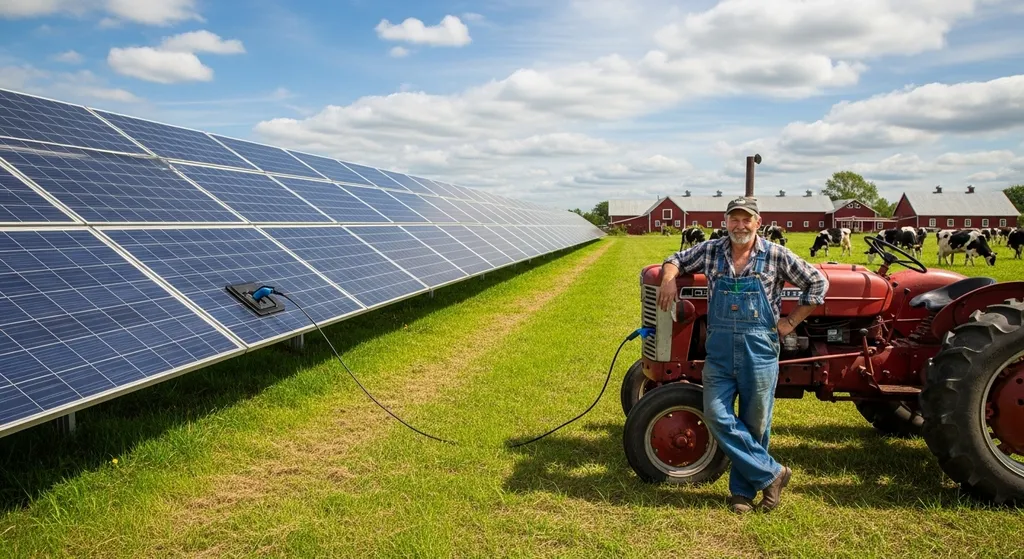
Farmers
are
increasingly
turning
to
solar
power
to
run
their
equipment
.
Farmers
are
increasingly
turning
to
solar
power
to
run
their
equipment
.
formed
from
the
adjective
“
increasing
” (
growing
larger
or
greater
)
with
the
adverbial
suffix
“
-ly
”,
first
recorded
in
the
17th
century
.
increased
verb
-
increase
,
increasing
,
increases
,
increased
past
tense
and
past
participle
form
of
the
verb
“
increase
,”
meaning
that
something
became
greater
in
number
,
size
,
amount
,
or
degree
•
Sales
increased
after
the
new
commercial
aired
.
Sales
increased
after
the
new
commercial
aired
.
•
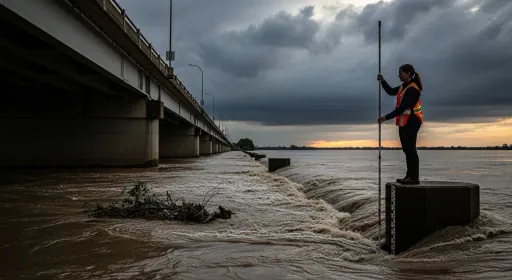
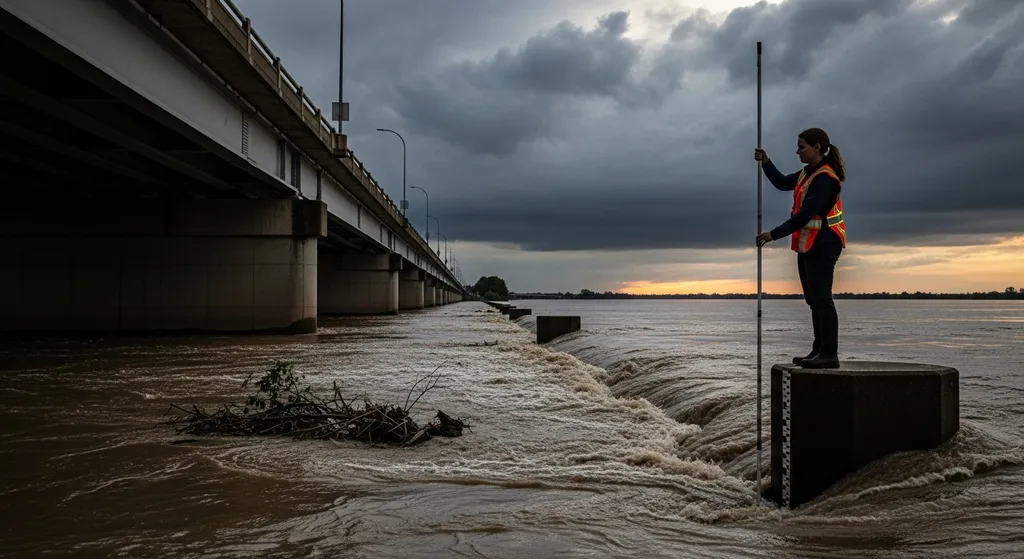
The
river
’
s
water
level
increased
overnight
because
of
heavy
rain
.
The
river
’
s
water
level
increased
overnight
because
of
heavy
rain
.
increasing
verb
-
increase
,
increasing
,
increases
,
increased
becoming
greater
or
making
something
become
greater
in
number
,
size
,
or
amount
•
The
population
of
the
city
is
increasing
every
year
.
The
population
of
the
city
is
increasing
every
year
.
•
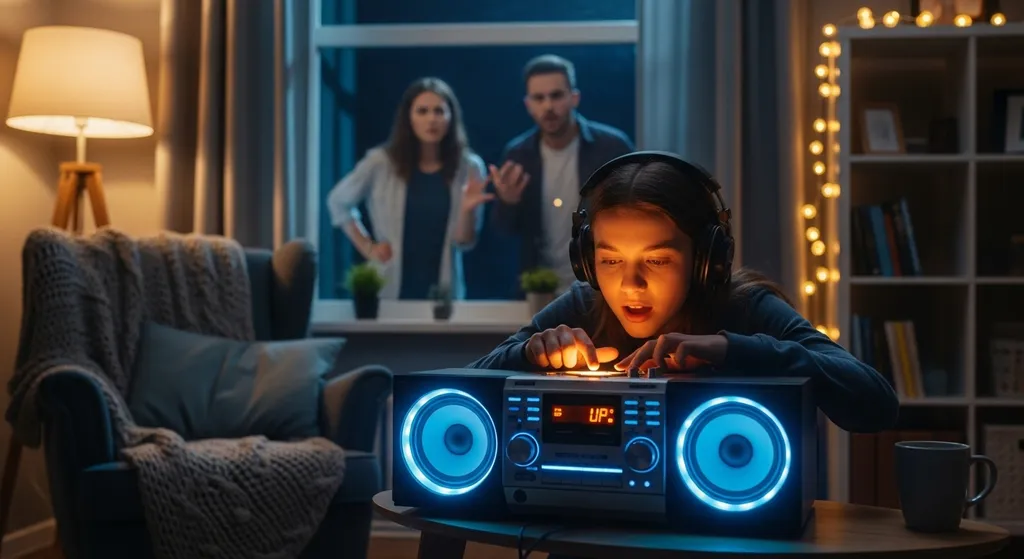
She
kept
increasing
the
volume
until
the
music
filled
the
room
.
She
kept
increasing
the
volume
until
the
music
filled
the
room
.
Formed
from
the
base
verb
“
increase
”
+
the
present-participle
suffix
“
-ing
”.
adjective
growing
larger
in
number
,
amount
,
or
level
•
There
is
an
increasing
demand
for
electric
cars
.
There
is
an
increasing
demand
for
electric
cars
.
•
Scientists
are
worried
about
increasing
levels
of
carbon
dioxide
.
Scientists
are
worried
about
increasing
levels
of
carbon
dioxide
.
Derived
from
the
present
participle
of
the
verb
“
increase
”,
used
adjectivally
since
the
17th
century
.
noun
-
increasing
the
act
of
making
something
larger
or
of
becoming
larger
•
The
increasing
of
the
budget
allowed
the
school
to
buy
new
computers
.
The
increasing
of
the
budget
allowed
the
school
to
buy
new
computers
.
•
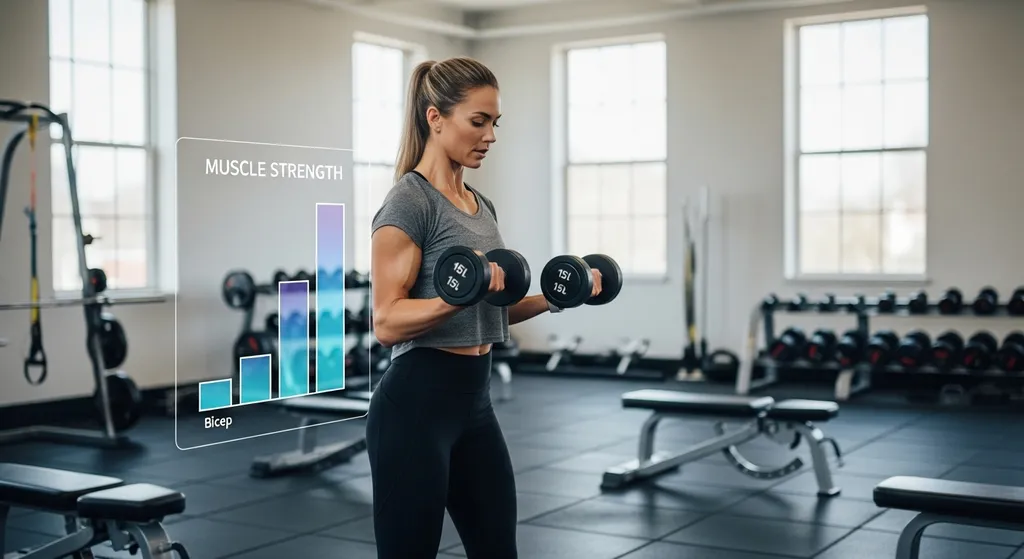
Regular
exercise
leads
to
the
increasing
of
muscle
strength
.
Regular
exercise
leads
to
the
increasing
of
muscle
strength
.
Gerund
form
of
the
verb
“
increase
”,
functioning
as
a
noun
since
Middle
English
period
.
decrease
verb
-
decrease
,
decreasing
,
decreases
,
decreased
to
become
smaller
or
less
,
or
to
make
something
smaller
or
less
•
The
doctor
advised
me
to
decrease
the
amount
of
sugar
I
eat
each
day
.
The
doctor
advised
me
to
decrease
the
amount
of
sugar
I
eat
each
day
.
•
Traffic
decreased
noticeably
after
the
new
bridge
opened
.
Traffic
decreased
noticeably
after
the
new
bridge
opened
.
Late
Middle
English
,
from
Latin
decrescere
“
grow
less
”,
from
de-
“
down
”
+
crescere
“
grow
”.
pleased
verb
-
please
,
pleasing
,
pleases
,
pleased
past
tense
and
past
participle
of
please
:
made
someone
happy
or
satisfied
•
Her
kind
words
pleased
the
nervous
student
.
Her
kind
words
pleased
the
nervous
student
.
•
The
party
decorations
pleased
everyone
who
attended
.
The
party
decorations
pleased
everyone
who
attended
.
ease
verb
-
ease
,
easing
,
eases
,
eased
to
make
pain
,
worry
,
or
difficulty
less
severe
•
A
cold
drink
can
ease
a
sore
throat
.
A
cold
drink
can
ease
a
sore
throat
.
•
They
planted
more
trees
to
ease
the
summer
heat
.
They
planted
more
trees
to
ease
the
summer
heat
.
verb
-
ease
,
easing
,
eases
,
eased
to
move
slowly
,
carefully
,
or
gradually
into
a
new
position
or
state
•
The
boat
eased
away
from
the
dock
.
The
boat
eased
away
from
the
dock
.
•
She
eased
into
the
conversation
after
listening
for
a
while
.
She
eased
into
the
conversation
after
listening
for
a
while
.
cease
verb
-
cease
,
ceasing
,
ceases
,
ceased
to
stop
happening
or
to
come
to
an
end
•
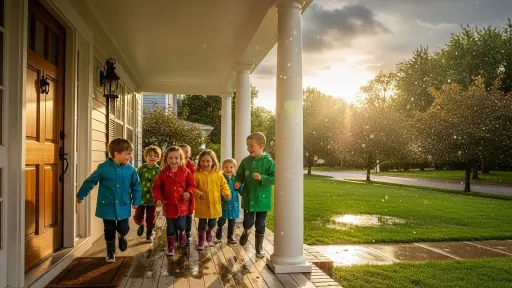
When
the
rain
finally
ceased
,
the
children
ran
outside
to
play
.
When
the
rain
finally
ceased
,
the
children
ran
outside
to
play
.
•
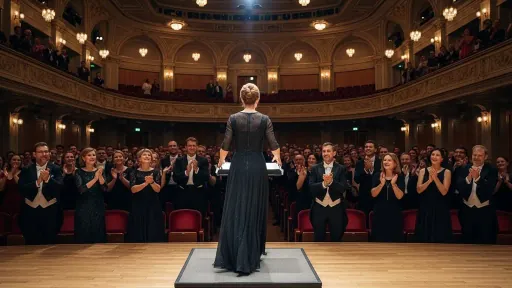
The
applause
did
not
cease
until
the
conductor
returned
to
the
stage
.
The
applause
did
not
cease
until
the
conductor
returned
to
the
stage
.
From
Middle
English
cessen
,
from
Old
French
cesser
,
from
Latin
cessāre
"
to
stop
".
verb
-
cease
,
ceasing
,
ceases
,
ceased
to
stop
doing
something
or
to
bring
something
to
an
end
•
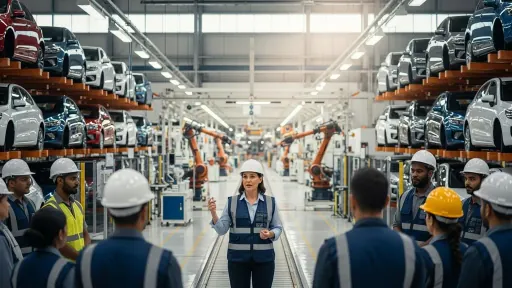
The
company
decided
to
cease
production
of
the
old
model
.
The
company
decided
to
cease
production
of
the
old
model
.
•
Please
cease
all
phone
calls
during
the
performance
.
Please
cease
all
phone
calls
during
the
performance
.
Same
origin
as
the
intransitive
sense
:
Latin
cessāre
"
to
delay
,
stop
".