toqus
Picture Dictionary
English
한국어
Register
Login
🔍
cite
verb
-
cite
,
citing
,
cites
,
cited
to
mention
the
words
,
ideas
,
or
facts
from
another
source
as
evidence
or
an
example
•
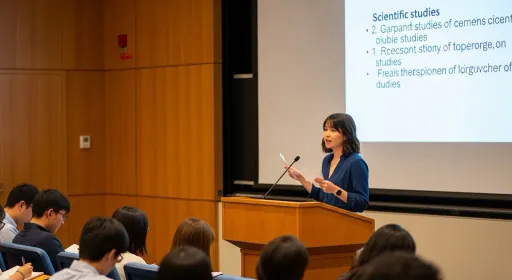
During
the
debate
,
she
cited
several
scientific
studies
to
back
up
her
point
.
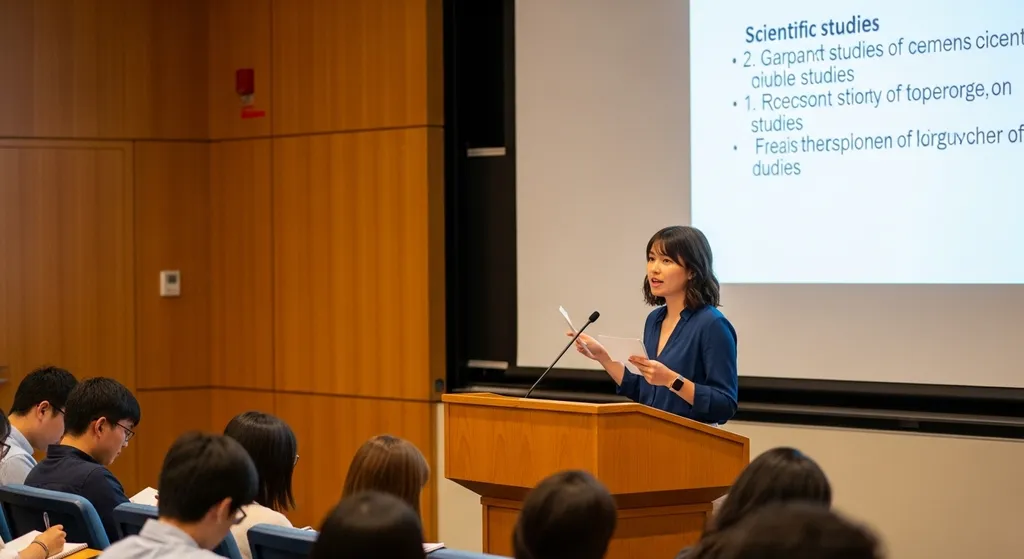
During
the
debate
,
she
cited
several
scientific
studies
to
back
up
her
point
.
•
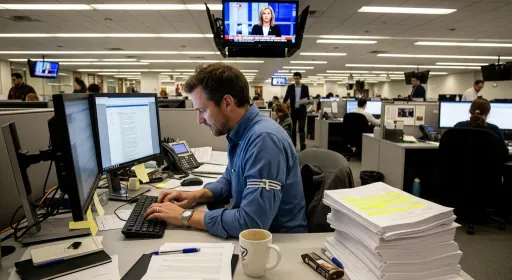
Reporters
often
cite
earlier
interviews
when
writing
follow-up
stories
.
Reporters
often
cite
earlier
interviews
when
writing
follow-up
stories
.
From
Latin
“
citare
”
meaning
“
to
summon
,
urge
,
put
in
motion
”,
later
developing
the
sense
of
‘
quote
’.
verb
-
cite
,
citing
,
cites
,
cited
to
list
a
book
,
article
,
or
other
source
in
a
piece
of
writing
to
show
where
information
came
from
•
In
your
essay
,
remember
to
cite
every
source
you
use
.
In
your
essay
,
remember
to
cite
every
source
you
use
.
•
Students
who
fail
to
cite
correctly
may
be
accused
of
plagiarism
.
Students
who
fail
to
cite
correctly
may
be
accused
of
plagiarism
.
verb
-
cite
,
citing
,
cites
,
cited
to
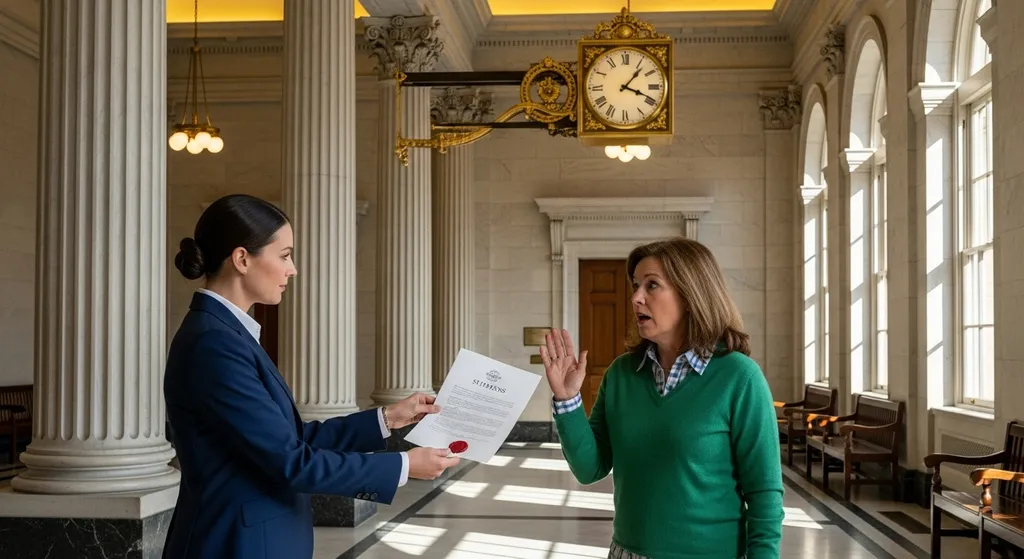
officially
order
someone
to
appear
in
a
court
or
pay
a
fine
for
breaking
a
rule
•
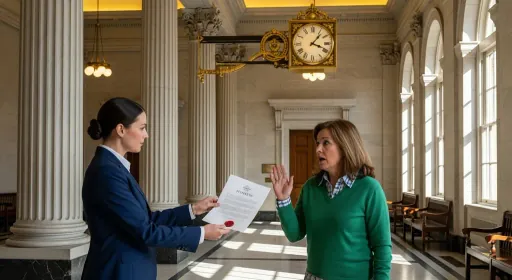
The
officer
cited
the
driver
for
speeding
in
a
school
zone
.
The
officer
cited
the
driver
for
speeding
in
a
school
zone
.
•
If
you
miss
jury
duty
,
the
court
may
cite
you
to
appear
next
month
.
If
you
miss
jury
duty
,
the
court
may
cite
you
to
appear
next
month
.
verb
-
cite
,
citing
,
cites
,
cited
to
formally
praise
someone
,
especially
in
an
official
report
,
for
a
brave
or
helpful
action
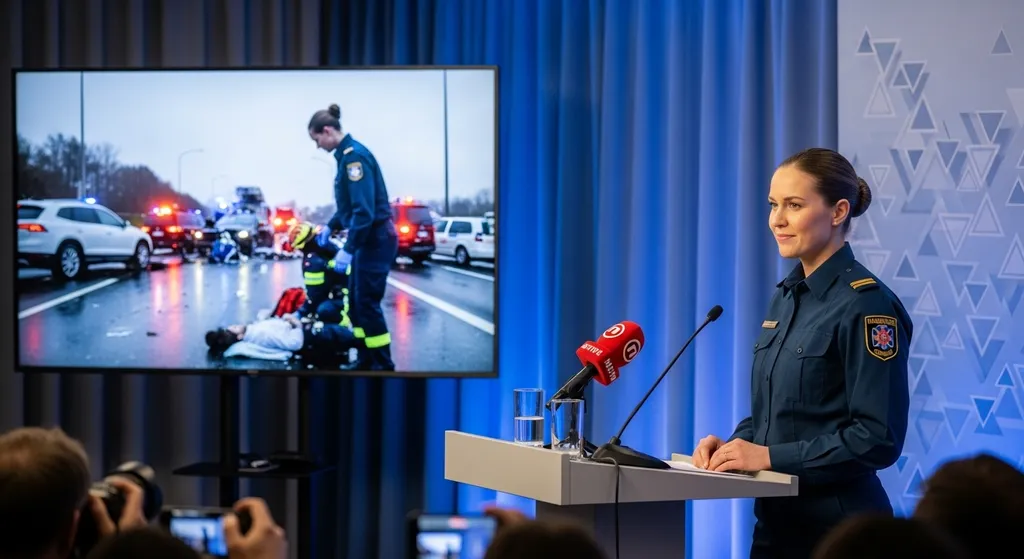
•
The
firefighter
was
cited
for
bravery
after
rescuing
the
children
.
The
firefighter
was
cited
for
bravery
after
rescuing
the
children
.
•
The
report
cited
her
quick
thinking
as
the
reason
no
one
was
hurt
.
The
report
cited
her
quick
thinking
as
the
reason
no
one
was
hurt
.
exciting
verb
-
excite
,
exciting
,
excites
,
excited
causing
someone
or
something
to
feel
more
active
,
interested
,
or
enthusiastic
(
present
participle
form
of
the
verb
‘
excite
’)
•
The
teacher
is
exciting
her
students
with
a
hands-on
science
experiment
.
The
teacher
is
exciting
her
students
with
a
hands-on
science
experiment
.
•
The
coach
kept
exciting
the
crowd
by
waving
his
arms
.
The
coach
kept
exciting
the
crowd
by
waving
his
arms
.
From
Latin
excitāre
“
to
stir
up
,
arouse
”,
passing
through
Middle
English
as
‘
exciten
’.
excited
adjective
feeling
very
happy
,
interested
,
or
eager
about
something
that
is
happening
or
will
happen
•
The
children
were
excited
about
their
first
trip
to
the
zoo
.
The
children
were
excited
about
their
first
trip
to
the
zoo
.
•
I
get
excited
whenever
I
hear
my
favorite
band
play
live
.
I
get
excited
whenever
I
hear
my
favorite
band
play
live
.
Formed
from
the
past
participle
of
the
verb
“
excite
,”
which
comes
from
Latin
‘
excitāre
’
meaning
“
to
rouse
”
or
“
to
set
in
motion
.”
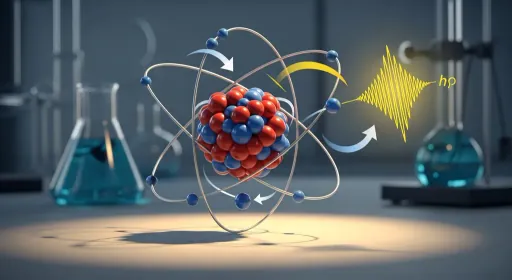
adjective
(
physics
)
having
more
energy
than
the
normal
or
ground
state
•
When
an
electron
absorbs
energy
,
it
moves
to
an
excited
state
.
When
an
electron
absorbs
energy
,
it
moves
to
an
excited
state
.
•
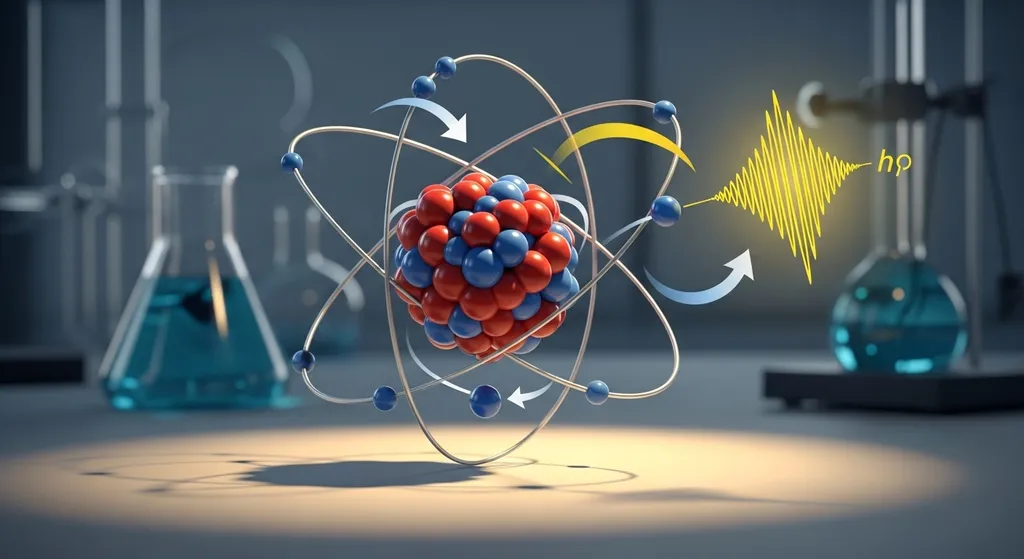
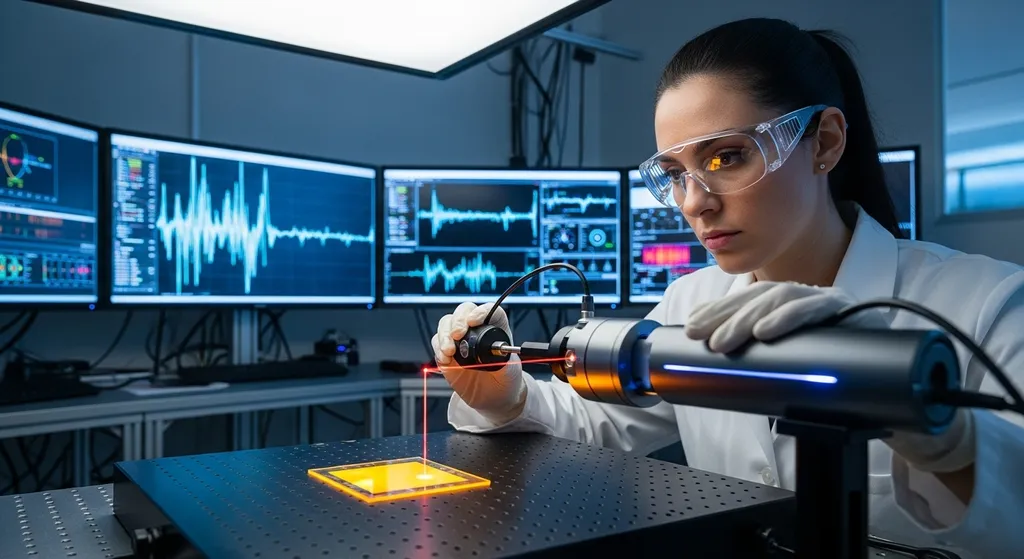
Lasers
work
by
forcing
atoms
into
an
excited
energy
level
before
they
release
photons
.
Lasers
work
by
forcing
atoms
into
an
excited
energy
level
before
they
release
photons
.
Adopted
into
physics
in
the
early
20th
century
to
describe
particles
that
have
absorbed
energy
and
moved
beyond
their
ground
state
.
excite
verb
-
excite
,
exciting
,
excites
,
excited
to
make
someone
feel
very
happy
,
interested
,
or
eager
•
The
news
of
a
beach
trip
excites
the
children
so
much
that
they
dance
around
the
living
room
.
The
news
of
a
beach
trip
excites
the
children
so
much
that
they
dance
around
the
living
room
.
•
Bright
fireworks
always
excite
the
crowd
at
the
summer
festival
.
Bright
fireworks
always
excite
the
crowd
at
the
summer
festival
.
From
Latin
‘
excitare
’
meaning
‘
to
call
out
’
or
‘
to
rouse
’.
verb
-
excite
,
exciting
,
excites
,
excited
(
physics
,
chemistry
)
to
add
energy
to
an
atom
,
molecule
,
or
particle
so
that
it
moves
to
a
higher
energy
state
•
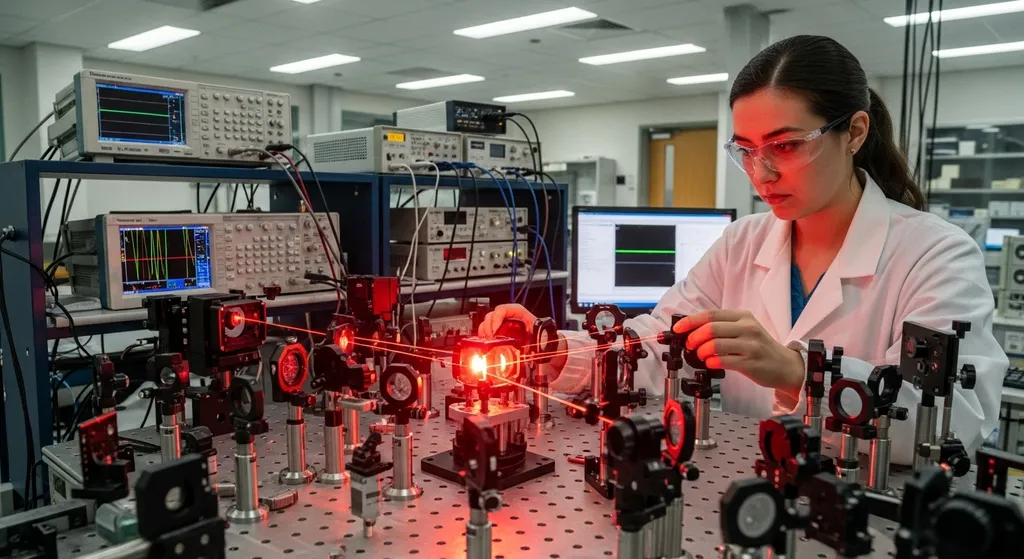
A
short
laser
pulse
excited
the
electrons
in
the
silicon
wafer
during
the
test
.
A
short
laser
pulse
excited
the
electrons
in
the
silicon
wafer
during
the
test
.
•
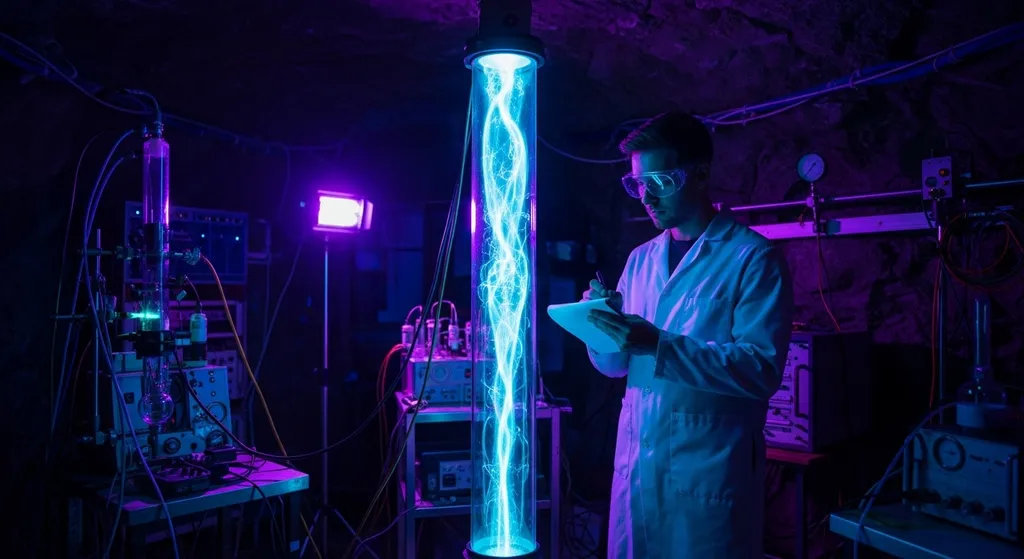
Ultraviolet
light
can
excite
certain
gases
,
causing
them
to
glow
neon
blue
.
Ultraviolet
light
can
excite
certain
gases
,
causing
them
to
glow
neon
blue
.
Adopted
in
scientific
language
in
the
19th
century
to
describe
raising
a
system
’
s
energy
.
verb
-
excite
,
exciting
,
excites
,
excited
to
cause
someone
to
feel
sexual
desire
or
arousal
•
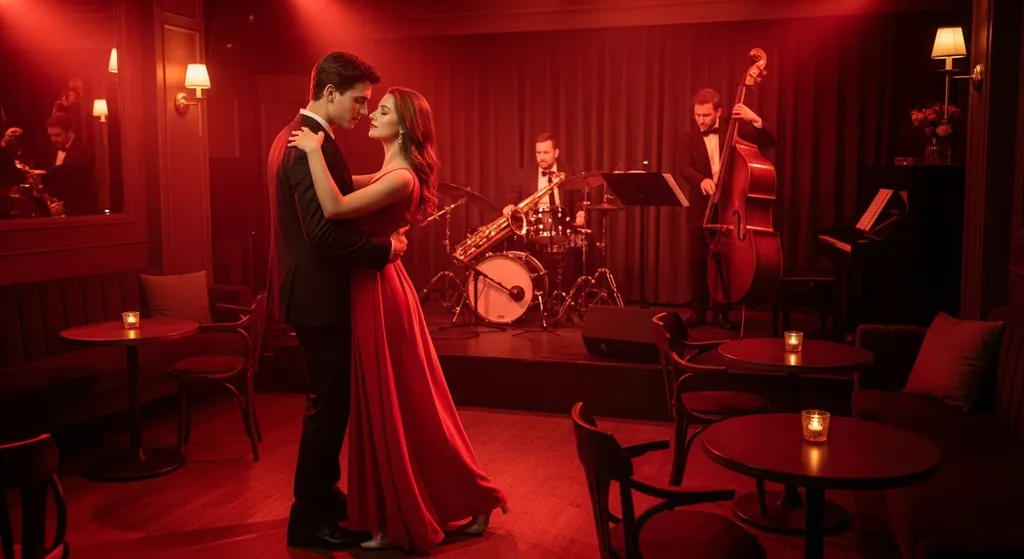
The
slow
dance
music
excited
the
couple
on
the
dimly
lit
floor
.
The
slow
dance
music
excited
the
couple
on
the
dimly
lit
floor
.
•
Certain
perfumes
are
designed
to
excite
the
senses
.
Certain
perfumes
are
designed
to
excite
the
senses
.
Same
root
as
the
general
sense
,
later
broadened
to
physical
desire
in
the
late
17th
century
.