







toqus
Picture Dictionary
English
한국어
Register
Login
🔍
counter
noun
a
long
flat
surface
in
a
kitchen
,
shop
,
café
,
or
bar
where
food
is
prepared
,
goods
are
shown
,
or
money
is
paid
•
She
placed
the
groceries
on
the
kitchen
counter
before
unpacking
them
.
She
placed
the
groceries
on
the
kitchen
counter
before
unpacking
them
.
•
The
barista
wiped
the
coffee
counter
spotless
after
closing
.
The
barista
wiped
the
coffee
counter
spotless
after
closing
.
From
Middle
English
countour
,
from
Anglo-French
counter
and
Old
French
contouer
,
originally
meaning
'table
where
accounts
are
kept'
.
noun
a
small
device
or
a
person
whose
job
is
to
count
the
number
of
things
,
people
,
or
events
•
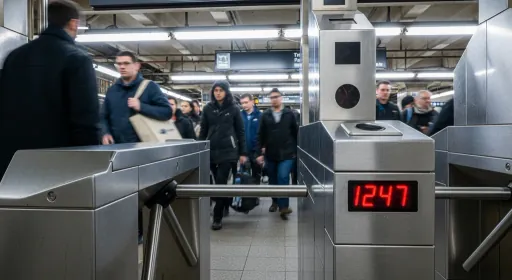
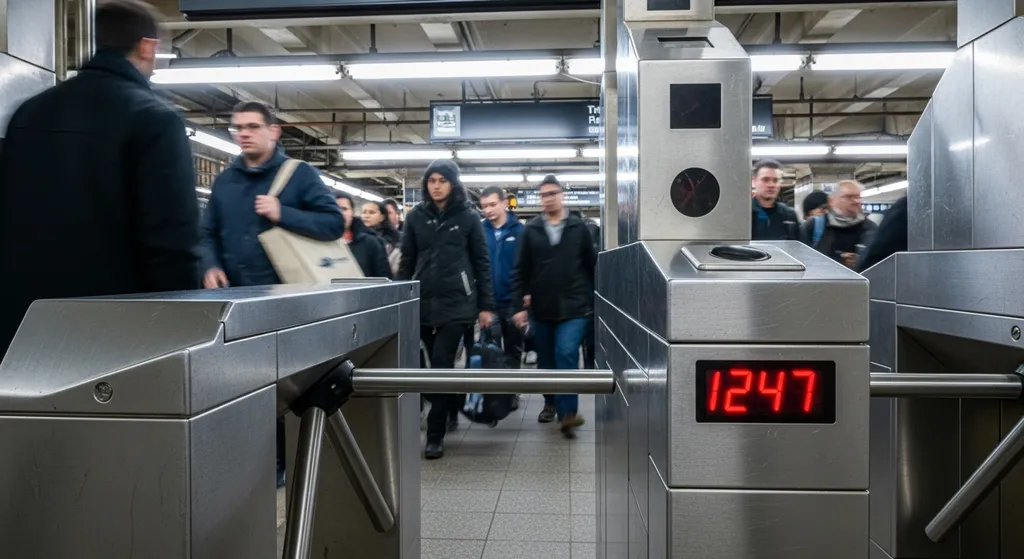
The
turnstile
has
a
digital
counter
that
shows
how
many
people
have
entered
.
The
turnstile
has
a
digital
counter
that
shows
how
many
people
have
entered
.
•
She
clicked
the
handheld
counter
each
time
a
bird
flew
past
.
She
clicked
the
handheld
counter
each
time
a
bird
flew
past
.
Derived
from
the
verb
'count'
+-er
suffix
,
first
recorded
in
the
18th
century
for
mechanical
tallying
devices
.
verb
-
counter
,
countering
,
counters
,
countered
to
reply
to
something
by
saying
or
doing
something
that
opposes
it
•
She
countered
his
claim
with
solid
evidence
.
She
countered
his
claim
with
solid
evidence
.
•
The
company
quickly
countered
the
rumors
with
an
official
statement
.
The
company
quickly
countered
the
rumors
with
an
official
statement
.
From
Old
French
contre
‘
against
’,
from
Latin
contra
‘
opposite
,
against
’;
verb
use
recorded
since
the
15th
century
.
adverb
in
the
opposite
direction
or
in
opposition
to
something
•
The
dancers
moved
counter
around
the
circle
,
opposite
to
the
usual
way
.
The
dancers
moved
counter
around
the
circle
,
opposite
to
the
usual
way
.
•
His
plan
runs
counter
to
everything
we
agreed
on
.
His
plan
runs
counter
to
everything
we
agreed
on
.
Adverb
use
from
the
preposition
‘
counter
’
meaning
‘
against
’,
first
appearing
in
16th-century
English
.
counterpart
noun
a
person
or
thing
that
has
the
same
job
,
role
,
or
purpose
as
another
in
a
different
place
,
organization
,
or
situation
•
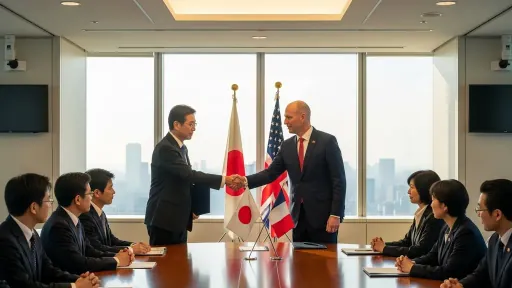
The
Japanese
prime
minister
met
his
American
counterpart
to
discuss
trade
relations
.
The
Japanese
prime
minister
met
his
American
counterpart
to
discuss
trade
relations
.
•
In
our
company
,
the
marketing
manager
often
calls
her
European
counterpart
to
coordinate
new
campaigns
.
In
our
company
,
the
marketing
manager
often
calls
her
European
counterpart
to
coordinate
new
campaigns
.
From
counter-
‘
corresponding
’
+
part
,
originally
referring
to
two
matching
parts
of
a
legal
document
,
later
extended
to
people
and
things
that
correspond
to
each
other
.
noun
one
of
two
or
more
identical
copies
of
a
legal
or
official
document
,
each
signed
separately
but
together
making
a
single
agreement
•
Please
sign
this
counterpart
of
the
contract
and
send
it
back
by
courier
.
Please
sign
this
counterpart
of
the
contract
and
send
it
back
by
courier
.
•
Each
shareholder
received
a
separate
counterpart
of
the
merger
agreement
.
Each
shareholder
received
a
separate
counterpart
of
the
merger
agreement
.
Same
legal
origin
as
the
general
sense
:
early
documents
were
written
in
two
matching
parts
,
each
signer
keeping
a
counterpart
.
noun
something
or
someone
that
completes
,
balances
,
or
fits
together
with
another
,
forming
a
matching
pair
•
In
ancient
mythology
,
night
was
viewed
as
the
dark
counterpart
of
day
.
In
ancient
mythology
,
night
was
viewed
as
the
dark
counterpart
of
day
.
•
These
two
puzzle
pieces
are
exact
counterparts
that
lock
together
perfectly
.
These
two
puzzle
pieces
are
exact
counterparts
that
lock
together
perfectly
.
Extended
figurative
use
from
the
idea
of
matching
legal
documents
,
later
applied
to
abstract
or
poetic
pairings
.
count
verb
to
say
numbers
in
order
or
to
find
how
many
things
there
are
•
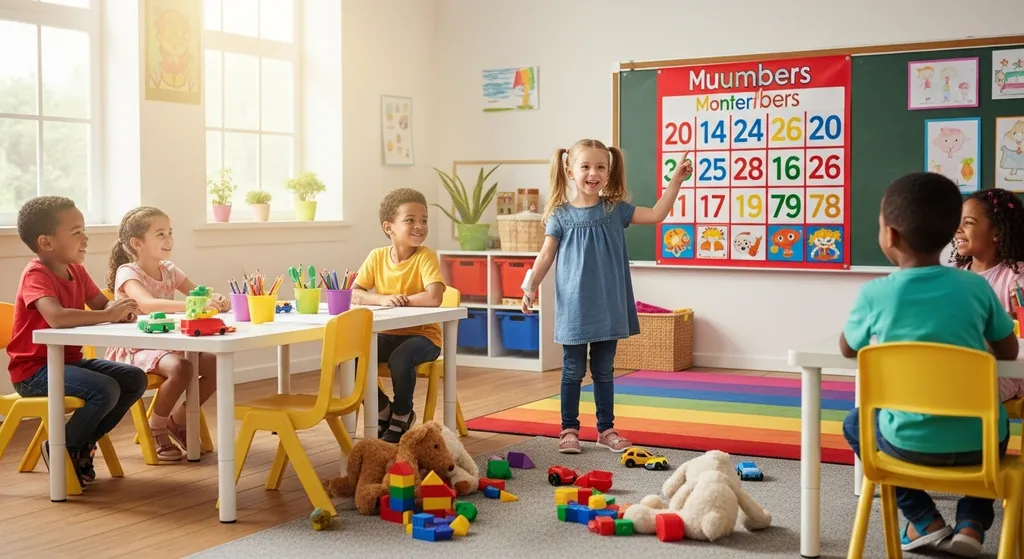
The
little
girl
can
count
to
twenty
without
help
.
The
little
girl
can
count
to
twenty
without
help
.
•
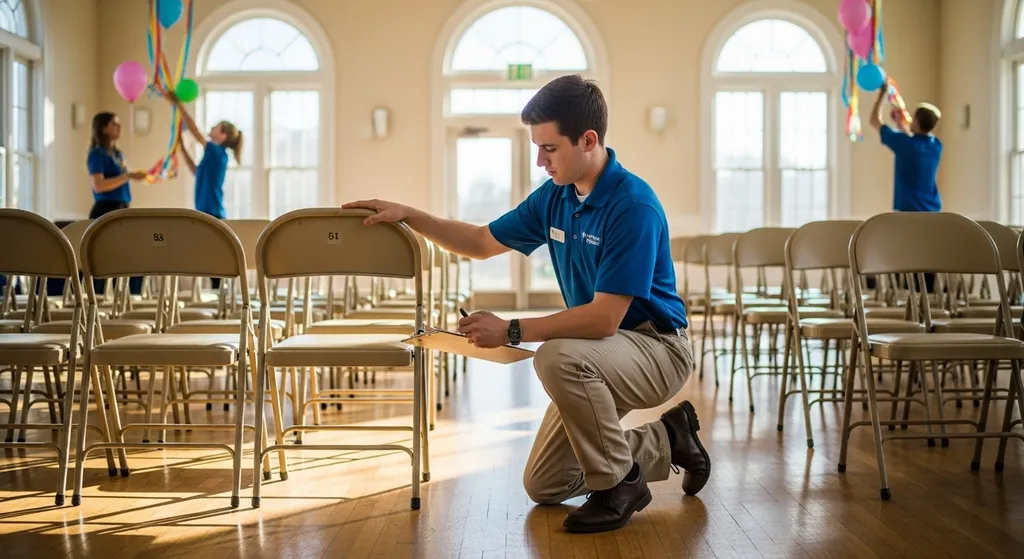
Please
count
the
chairs
before
the
guests
arrive
.
Please
count
the
chairs
before
the
guests
arrive
.
From
Old
French
conter
,
from
Latin
computāre
“
to
calculate
”.
verb
to
include
someone
or
something
when
you
calculate
a
total
or
make
a
list
•
Make
sure
you
count
Sarah
when
you
hand
out
the
invitations
.
Make
sure
you
count
Sarah
when
you
hand
out
the
invitations
.
•
They
didn
’
t
count
the
broken
eggs
in
the
price
.
They
didn
’
t
count
the
broken
eggs
in
the
price
.
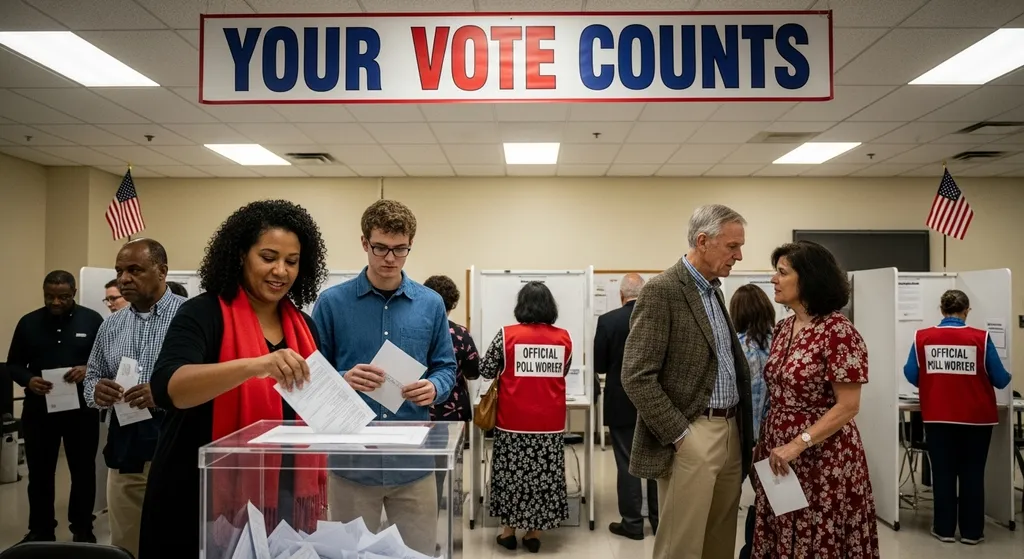
verb
to
be
important
or
have
value
•
Every
vote
counts
in
the
election
.
Every
vote
counts
in
the
election
.
•
It
’
s
the
effort
that
counts
,
not
the
result
.
It
’
s
the
effort
that
counts
,
not
the
result
.
account
verb
-
account
,
accounting
,
accounts
,
accounted
to
think
of
someone
or
something
in
a
particular
way
•
They
account
him
an
honest
man
.
They
account
him
an
honest
man
.
•
She
accounts
herself
fortunate
to
have
good
friends
.
She
accounts
herself
fortunate
to
have
good
friends
.
encounter
verb
to
meet
someone
or
something
unexpectedly
,
often
by
chance
•
While
hiking
in
the
mountains
,
we
suddenly
encountered
a
family
of
deer
.
While
hiking
in
the
mountains
,
we
suddenly
encountered
a
family
of
deer
.
•
Travelers
often
encounter
street
performers
in
the
city
square
.
Travelers
often
encounter
street
performers
in
the
city
square
.
From
Middle
English
‘
encountre
’,
from
Old
French
‘
encontre
’,
noun
use
of
‘
encontrer
’ (“
to
meet
,
confront
”),
based
on
Latin
‘
in-
’ (“
in
”)
+
‘
contra
’ (“
against
”).
noun
an
unexpected
meeting
or
experience
,
often
surprising
or
unusual
•
Her
first
encounter
with
sushi
was
in
Tokyo
.
Her
first
encounter
with
sushi
was
in
Tokyo
.
•
The
book
tells
the
story
of
an
astronaut
’
s
encounter
with
an
alien
life-form
.
The
book
tells
the
story
of
an
astronaut
’
s
encounter
with
an
alien
life-form
.
verb
to
experience
or
face
something
difficult
,
dangerous
,
or
unexpected
•
Engineers
encountered
serious
technical
problems
during
the
test
.
Engineers
encountered
serious
technical
problems
during
the
test
.
•
You
may
encounter
delays
on
the
road
because
of
the
snowstorm
.
You
may
encounter
delays
on
the
road
because
of
the
snowstorm
.
discount
verb
to
reduce
the
price
of
something
•
The
manager
discounted
the
sofa
because
it
had
a
small
scratch
.
The
manager
discounted
the
sofa
because
it
had
a
small
scratch
.
•
They
plan
to
discount
older
models
when
the
new
phone
arrives
.
They
plan
to
discount
older
models
when
the
new
phone
arrives
.
Same
origin
as
the
noun
sense
,
but
first
recorded
as
a
verb
in
the
late
1700s
.
verb
to
decide
that
something
is
not
worth
considering
or
believing
•
The
coach
discounted
the
rumors
about
his
resignation
.
The
coach
discounted
the
rumors
about
his
resignation
.
•
Don
’
t
discount
her
ideas
just
because
she
’
s
young
.
Don
’
t
discount
her
ideas
just
because
she
’
s
young
.
Extended
figurative
sense
of
the
financial
term
:
to
deduct
or
set
aside
something
as
having
lesser
value
.
accounting
verb
present
participle
of
account
:
explaining
or
giving
reasons
for
something
;
considering
something
as
a
cause
•
Scientists
are
accounting
for
the
sudden
drop
in
temperatures
.
Scientists
are
accounting
for
the
sudden
drop
in
temperatures
.
•
When
accounting
for
inflation
,
last
year
’
s
profits
look
much
smaller
.
When
accounting
for
inflation
,
last
year
’
s
profits
look
much
smaller
.
Participle
form
of
the
verb
account
,
from
Old
French
acunter
,
ultimately
from
Latin
computare
meaning
‘
to
calculate
’.