a hard, pointed growth that sticks out from the head of some animals such as cows, goats, and rhinos
The young goat accidentally poked the farmer with its left horn.
A rhinoceros uses its horn to defend itself from predators on the open savanna.
✦ Old English horn, from Proto-Germanic *hurnaz, related to Latin cornu and Greek keras, all meaning “horn.”
a device in a car, bus, or other vehicle that makes a loud sound to warn or signal
The driver pressed the horn when a dog ran into the street.
Honking the horn late at night can disturb your neighbors.
✦ Extended from the idea of a loud instrument originally made from animal horn, later applied to vehicle signaling devices in the late 19th century.
a brass musical instrument that you play by blowing air through a mouthpiece, especially the French horn
Ella practiced the horn for two hours before the school concert.
The composer wrote a solo passage for the horn in the second movement.
✦ Musical horns were originally made from actual animal horns; metal versions appeared in the 17th century.
the hard material that animal horns are made of, or an object made from this material
Vikings are often shown drinking mead from a carved horn.
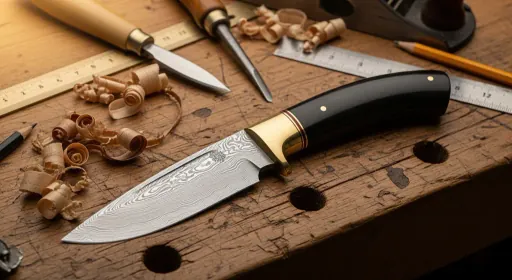
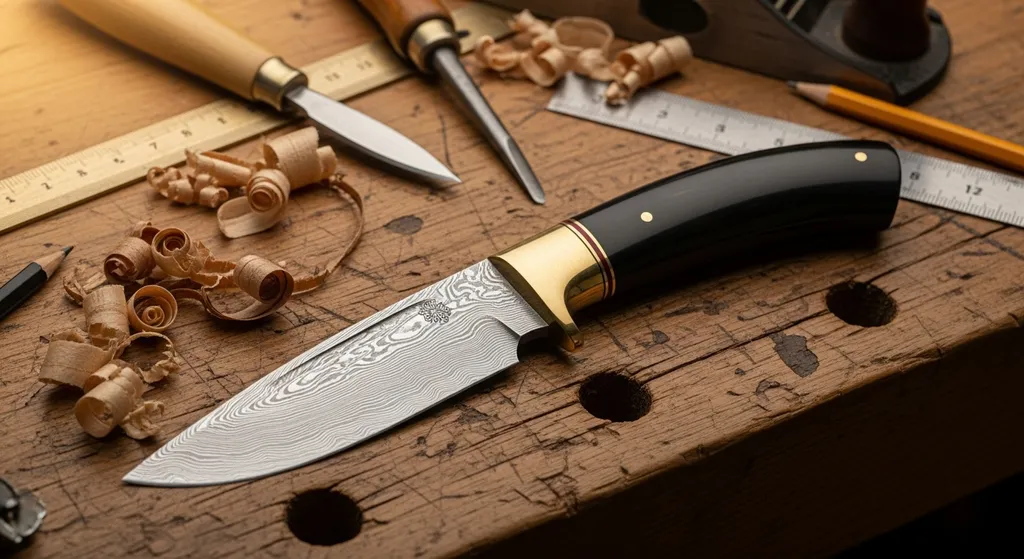
The knife handle was made of polished buffalo horn.
✦ People have shaped horn into tools and ornaments since prehistoric times because it is tough yet carvable.
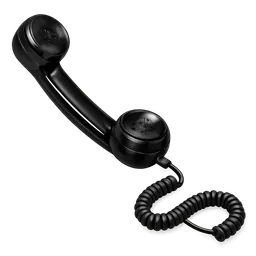
old-fashioned informal word for a telephone, especially a handset or receiver
Give me a minute to pick up the horn and call my mom.
She was on the horn with the travel agent all morning.
✦ Slang from the mid-20th century, probably from the shape of early radio and telephone speakers that resembled a small trumpet horn.