to repair something that is broken, damaged, or not working properly.
Grandpa can mend my broken bike.
She mends old clothes for the needy.
✦ From Middle English menden (“to repair”), from Old French mender, from Latin mendāre (“to correct, amend”), from mendum (“fault, blemish”).
a repair made to something broken or damaged.
The mend in the sail held up during the storm.
You can see the mend on the knee of these trousers.
to heal or become healed, especially a wound or break.
The broken bone is slowly mending.
After the argument, their friendship began to mend.
the act or process of changing something to make it better
Our team suggested one small amendment to the project plan to save time.
Sometimes a minor amendment in wording can change the meaning of a sentence.
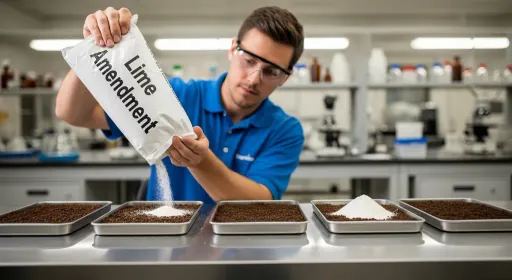
a substance such as compost, manure, or lime that is mixed into soil to improve its quality
Gardeners often add compost as an amendment to improve soil drainage.
The soil test showed low acidity, so lime amendments were recommended.
a written or spoken statement praising someone’s abilities or character, often used when they are applying for a job, school, or position
Her former manager wrote a glowing recommendation for the job application.
I got the apartment thanks to a friend's personal recommendation.
✦ Sense developed in English in the 17th century for letters praising a person.
an official proposal or course of action suggested by a committee, report, or authority
The committee's first recommendation was to reduce class sizes.
Parliament accepted the report's recommendation to increase funding.
✦ Extended bureaucratic use arose in the 19th century as governments and organizations formalized advice into official reports.
excellent, very good, or extremely enjoyable.
You did a tremendous job on your presentation.
We had a tremendous time at the festival.
✦ Same origin as the primary sense: Latin tremendus ‘to be trembled at’, shifting over time to mean ‘remarkably great’ or ‘excellent’.