





toqus
Picture Dictionary
English
한국어
Register
Login
🔍
pit
noun
a
large
hole
dug
in
the
ground
or
a
natural
hollow
,
often
deep
•
Workers
dug
a
deep
pit
to
install
the
new
swimming
pool
.
Workers
dug
a
deep
pit
to
install
the
new
swimming
pool
.
•
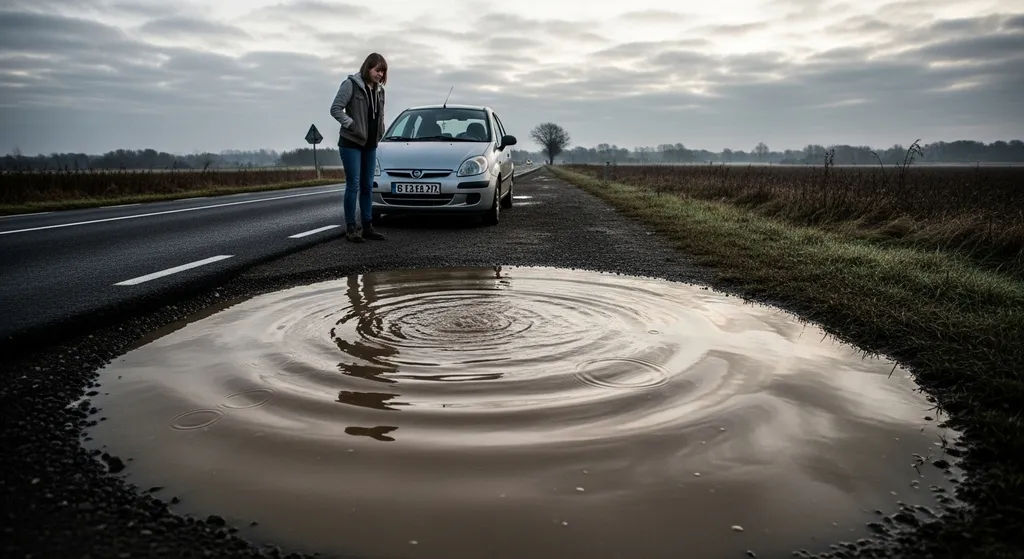
A
rainstorm
filled
the
roadside
pit
with
muddy
water
overnight
.
A
rainstorm
filled
the
roadside
pit
with
muddy
water
overnight
.
noun
the
hard
stone-like
seed
found
at
the
centre
of
some
fruits
such
as
peaches
or
cherries
•
Be
careful
not
to
bite
the
peach
pit
.
Be
careful
not
to
bite
the
peach
pit
.
•
She
saves
each
cherry
pit
to
plant
in
her
garden
.
She
saves
each
cherry
pit
to
plant
in
her
garden
.
noun
a
small
hollow
,
dent
,
or
depression
in
a
surface
,
especially
in
skin
or
metal
•
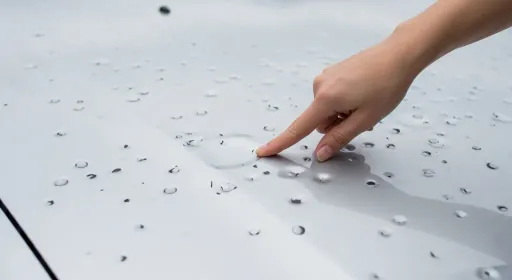
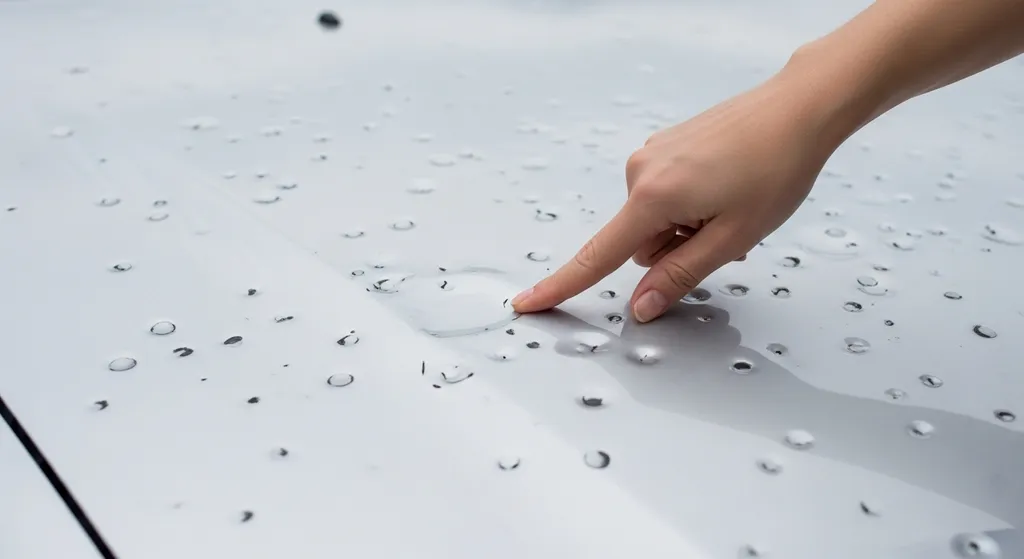
The
hail
left
tiny
pits
in
the
car's
hood
.
The
hail
left
tiny
pits
in
the
car's
hood
.
•
Acne
had
caused
a
noticeable
pit
on
his
cheek
.
Acne
had
caused
a
noticeable
pit
on
his
cheek
.
verb
-
pit
,
pitting
,
pits
,
pitted
to
remove
the
pit
(
stone
)
from
a
fruit
•
She
pitted
the
cherries
before
baking
the
pie
.
She
pitted
the
cherries
before
baking
the
pie
.
•
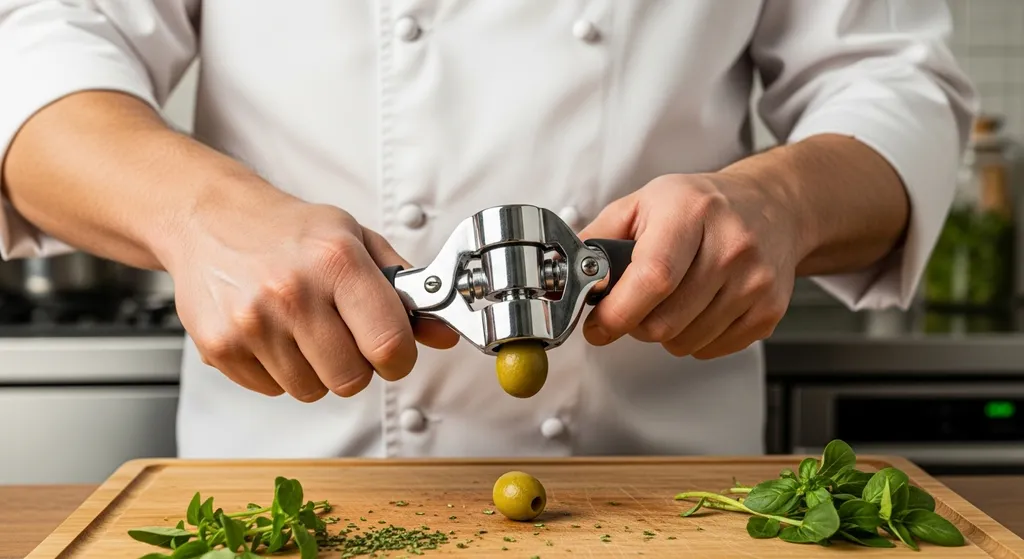
Use
this
tool
to
pit
olives
quickly
.
Use
this
tool
to
pit
olives
quickly
.
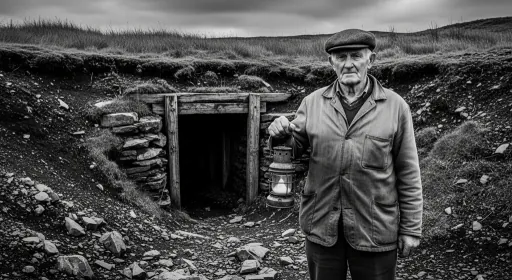
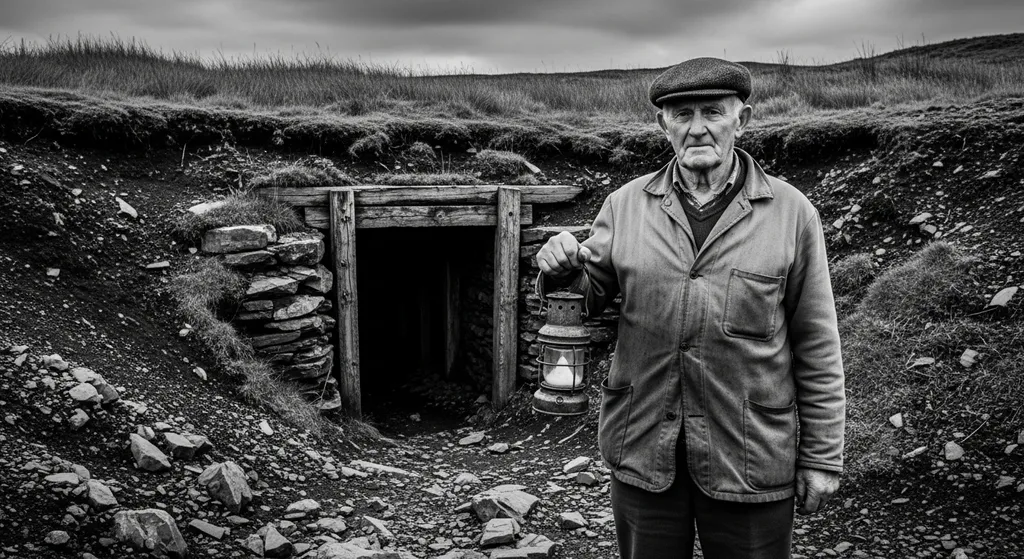
noun
(
Britain
)
an
underground
coal
mine
•
His
grandfather
spent
forty
years
working
down
the
pit
in
Yorkshire
.
His
grandfather
spent
forty
years
working
down
the
pit
in
Yorkshire
.
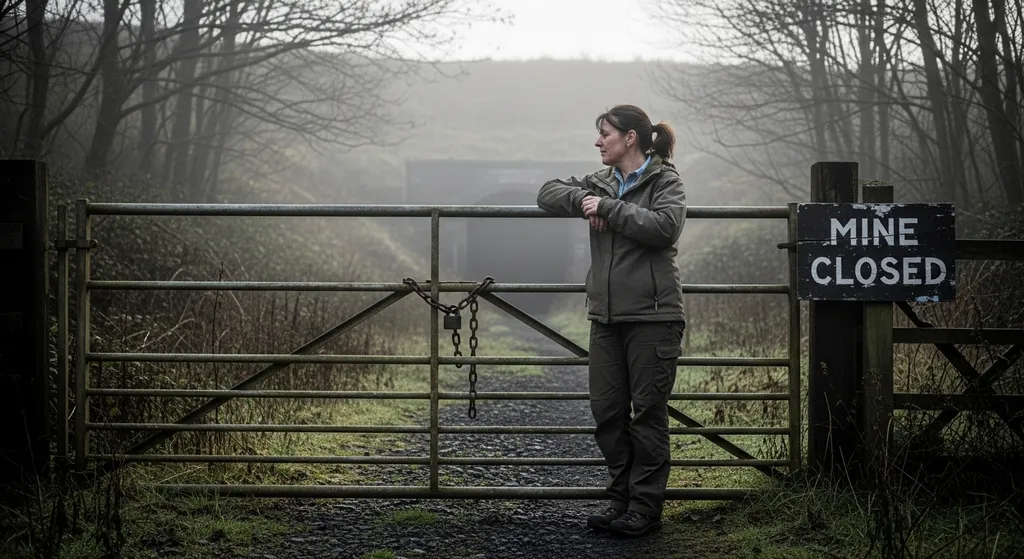
•
When
the
local
pit
closed
,
many
families
moved
away
.
When
the
local
pit
closed
,
many
families
moved
away
.
noun
a
sunken
area
in
front
of
a
stage
where
musicians
sit
during
a
performance
;
the
orchestra
pit
•
The
violinist
descended
into
the
orchestra
pit
before
the
show
began
.
The
violinist
descended
into
the
orchestra
pit
before
the
show
began
.
•
From
the
seats
above
,
we
could
see
the
conductor
waving
in
the
pit
.
From
the
seats
above
,
we
could
see
the
conductor
waving
in
the
pit
.
verb
-
pit
,
pitting
,
pits
,
pitted
to
set
someone
or
something
in
conflict
or
competition
with
another
•
The
final
match
will
pit
the
two
best
teams
against
each
other
.
The
final
match
will
pit
the
two
best
teams
against
each
other
.
•
Reality
shows
often
pit
friends
against
friends
for
drama
.
Reality
shows
often
pit
friends
against
friends
for
drama
.
verb
-
pit
,
pitting
,
pits
,
pitted
to
make
small
holes
or
depressions
in
a
surface
,
or
to
become
marked
in
that
way
•
Years
of
wind-blown
sand
had
pitted
the
desert
rocks
.
Years
of
wind-blown
sand
had
pitted
the
desert
rocks
.
•
Acid
rain
can
pit
the
finish
of
a
car
.
Acid
rain
can
pit
the
finish
of
a
car
.
spit
verb
-
spit
,
spitting
,
spits
,
spat
to
force
saliva
or
something
in
your
mouth
out
through
your
lips
•
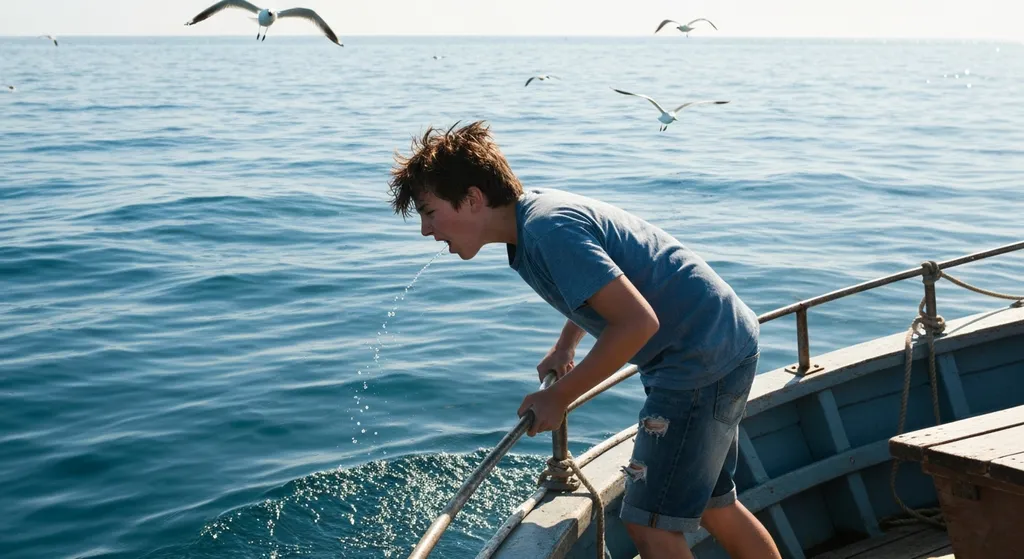
Tom
leaned
over
the
rail
of
the
boat
and
spit
into
the
sea
.
Tom
leaned
over
the
rail
of
the
boat
and
spit
into
the
sea
.
•
The
angry
man
spat
on
the
sidewalk
to
show
his
frustration
.
The
angry
man
spat
on
the
sidewalk
to
show
his
frustration
.
Old
English
spittan
,
related
to
German
spucken
and
Dutch
spuwen
,
all
meaning
“
to
eject
saliva
.”
verb
-
spit
,
spitting
,
spits
,
spat
(
about
the
weather
)
to
rain
very
lightly
•
It's
only
spitting
,
so
we
can
still
walk
to
the
café
.
It's
only
spitting
,
so
we
can
still
walk
to
the
café
.
•
The
sky
turned
gray
and
began
to
spit
on
the
farmers
in
the
field
.
The
sky
turned
gray
and
began
to
spit
on
the
farmers
in
the
field
.
Metaphoric
extension
from
the
idea
of
tiny
drops
being
"
spat
"
from
the
sky
(
first
recorded
in
the
19th
century
).
noun
a
long
thin
metal
rod
used
to
hold
and
turn
meat
over
a
fire
so
it
cooks
evenly
•
They
cooked
the
lamb
on
a
spit
over
the
campfire
.
They
cooked
the
lamb
on
a
spit
over
the
campfire
.
•
The
chef
rotated
the
chicken
on
the
spit
to
roast
it
evenly
.
The
chef
rotated
the
chicken
on
the
spit
to
roast
it
evenly
.
Old
French
“
spit
”
meaning
“
sharp
point
,”
later
specialized
to
the
cooking
rod
.
noun
a
long
narrow
piece
of
land
that
extends
out
into
water
•
A
thin
spit
of
sand
led
to
the
tiny
lighthouse
.
A
thin
spit
of
sand
led
to
the
tiny
lighthouse
.
•
Seagulls
nested
along
the
rocky
spit
that
jutted
into
the
bay
.
Seagulls
nested
along
the
rocky
spit
that
jutted
into
the
bay
.
Probably
from
the
cooking
sense
of
“
spit
,”
likening
the
narrow
landform
to
a
thin
rod
projecting
outward
(
recorded
17th
c
.).