



































toqus
Picture Dictionary
English
한국어
Register
Login
🔍
spit
verb
-
spit
,
spitting
,
spits
,
spat
to
force
saliva
or
something
in
your
mouth
out
through
your
lips
•
Tom
leaned
over
the
rail
of
the
boat
and
spit
into
the
sea
.
Tom
leaned
over
the
rail
of
the
boat
and
spit
into
the
sea
.
•
The
angry
man
spat
on
the
sidewalk
to
show
his
frustration
.
The
angry
man
spat
on
the
sidewalk
to
show
his
frustration
.
Old
English
spittan
,
related
to
German
spucken
and
Dutch
spuwen
,
all
meaning
“
to
eject
saliva
.”
verb
-
spit
,
spitting
,
spits
,
spat
(
about
the
weather
)
to
rain
very
lightly
•
It's
only
spitting
,
so
we
can
still
walk
to
the
café
.
It's
only
spitting
,
so
we
can
still
walk
to
the
café
.
•
The
sky
turned
gray
and
began
to
spit
on
the
farmers
in
the
field
.
The
sky
turned
gray
and
began
to
spit
on
the
farmers
in
the
field
.
Metaphoric
extension
from
the
idea
of
tiny
drops
being
"
spat
"
from
the
sky
(
first
recorded
in
the
19th
century
).
noun
-
spit
the
liquid
(
saliva
)
that
forms
in
your
mouth
•
He
wiped
the
spit
from
his
chin
with
a
napkin
.
He
wiped
the
spit
from
his
chin
with
a
napkin
.
•
The
scientist
collected
the
dog's
spit
for
a
DNA
test
.
The
scientist
collected
the
dog's
spit
for
a
DNA
test
.
From
the
verb
“
spit
,”
naming
the
substance
that
is
spat
.
noun
a
long
thin
metal
rod
used
to
hold
and
turn
meat
over
a
fire
so
it
cooks
evenly
•
They
cooked
the
lamb
on
a
spit
over
the
campfire
.
They
cooked
the
lamb
on
a
spit
over
the
campfire
.
•
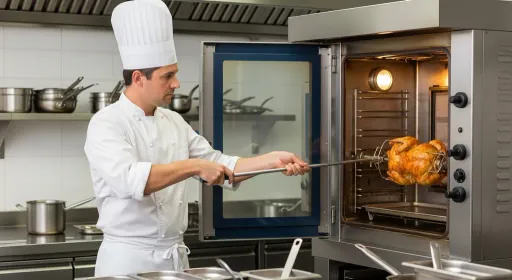
The
chef
rotated
the
chicken
on
the
spit
to
roast
it
evenly
.
The
chef
rotated
the
chicken
on
the
spit
to
roast
it
evenly
.
Old
French
“
spit
”
meaning
“
sharp
point
,”
later
specialized
to
the
cooking
rod
.
noun
a
long
narrow
piece
of
land
that
extends
out
into
water
•
A
thin
spit
of
sand
led
to
the
tiny
lighthouse
.
A
thin
spit
of
sand
led
to
the
tiny
lighthouse
.
•
Seagulls
nested
along
the
rocky
spit
that
jutted
into
the
bay
.
Seagulls
nested
along
the
rocky
spit
that
jutted
into
the
bay
.
Probably
from
the
cooking
sense
of
“
spit
,”
likening
the
narrow
landform
to
a
thin
rod
projecting
outward
(
recorded
17th
c
.).
spite
noun
-
spite
a
strong
feeling
of
wanting
to
hurt
,
annoy
,
or
upset
someone
on
purpose
•
Full
of
anger
,
Tim
knocked
over
the
sandcastle
out
of
pure
spite
.
Full
of
anger
,
Tim
knocked
over
the
sandcastle
out
of
pure
spite
.
•
In
a
moment
of
spite
,
a
young
woman
erased
her
roommate
’
s
saved
TV
show
from
the
DVR
.
In
a
moment
of
spite
,
a
young
woman
erased
her
roommate
’
s
saved
TV
show
from
the
DVR
.
Comes
from
Old
French
“
despit
”,
meaning
contempt
or
scorn
,
and
ultimately
from
Latin
“
despectus
,”
meaning
looking
down
on
someone
.
verb
-
spite
,
spiting
,
spites
,
spited
to
deliberately
annoy
,
hurt
,
or
upset
someone
•
Mia
declined
the
invitation
just
to
spite
her
ex-partner
.
Mia
declined
the
invitation
just
to
spite
her
ex-partner
.
•
The
boy
hid
the
remote
to
spite
his
older
sister
during
their
movie
night
.
The
boy
hid
the
remote
to
spite
his
older
sister
during
their
movie
night
.
Developed
from
the
noun
sense
in
the
late
1500s
,
turning
the
feeling
of
malice
into
an
action
.
despite
preposition
used
to
say
that
something
happens
or
is
true
even
though
another
fact
makes
it
surprising
or
could
have
stopped
it
•
Despite
his
bad
cold
,
the
boy
still
rode
his
bicycle
to
school
.
Despite
his
bad
cold
,
the
boy
still
rode
his
bicycle
to
school
.
•
The
family
enjoyed
their
picnic
despite
the
sudden
rain
shower
.
The
family
enjoyed
their
picnic
despite
the
sudden
rain
shower
.
From
Middle
English
,
borrowed
from
Anglo-French
despit
,
from
Latin
dēspicere
“
to
look
down
on
.”
Originally
a
noun
meaning
“
contempt
,”
it
later
developed
into
the
preposition
used
today
.
noun
strong
dislike
,
anger
,
or
contempt
that
you
show
toward
someone
or
something
(
archaic
or
literary
)
•
The
knight
refused
to
kneel
,
acting
out
of
pure
despite
.
The
knight
refused
to
kneel
,
acting
out
of
pure
despite
.
•
She
spoke
with
open
despite
for
those
who
had
betrayed
her
trust
.
She
spoke
with
open
despite
for
those
who
had
betrayed
her
trust
.
Same
origin
as
the
preposition
:
Middle
English
despit
,
from
Old
French
despeit
,
from
Latin
dēspicere
“
to
look
down
on
.”
Originally
the
noun
form
meaning
“
contempt
,
scorn
.”
hospital
noun
a
building
or
institution
where
doctors
,
nurses
,
and
other
medical
staff
treat
people
who
are
sick
or
hurt
,
often
with
beds
so
patients
can
stay
overnight
.
•
After
the
car
accident
,
Jake
was
taken
to
the
hospital
for
surgery
.
After
the
car
accident
,
Jake
was
taken
to
the
hospital
for
surgery
.
•
Maria
volunteers
at
the
children's
ward
of
the
hospital
every
weekend
.
Maria
volunteers
at
the
children's
ward
of
the
hospital
every
weekend
.
From
Latin
‘
hospitalis
’
meaning
‘
hospitable
place
’,
through
Old
French
‘
hospital
’.
noun
(
archaic
)
a
charitable
home
or
school
that
gave
shelter
,
food
,
or
education
to
the
poor
,
elderly
,
or
orphaned
rather
than
treating
illness
.
•
In
the
17th
century
,
a
wealthy
merchant
paid
to
build
a
hospital
for
orphaned
boys
.
In
the
17th
century
,
a
wealthy
merchant
paid
to
build
a
hospital
for
orphaned
boys
.
•
Christ's
Hospital
educated
many
children
who
could
not
afford
schooling
.
Christ's
Hospital
educated
many
children
who
could
not
afford
schooling
.
Same
origin
as
the
modern
sense
,
but
in
earlier
English
it
referred
broadly
to
any
charitable
place
of
shelter
or
care
.
in spite of
preposition
without
being
prevented
or
affected
by
something
;
despite
•
They
went
hiking
in
spite
of
the
pouring
rain
.
They
went
hiking
in spite of
the
pouring
rain
.
•
In
spite
of
his
fear
of
heights
,
Jack
climbed
the
tall
ladder
.
In spite of
his
fear
of
heights
,
Jack
climbed
the
tall
ladder
.
Formed
in
Middle
English
as
a
prepositional
phrase
using
the
noun
“
spite
”
to
mean
contempt
or
opposition
,
later
generalized
to
‘
despite
’.