







toqus
Picture Dictionary
English
한국어
Register
Login
🔍
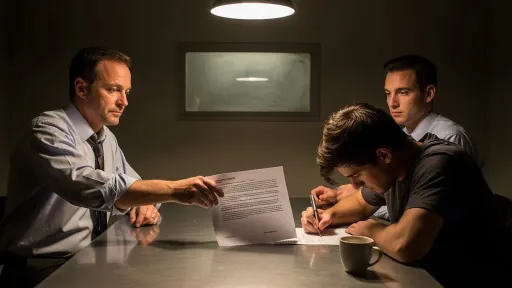
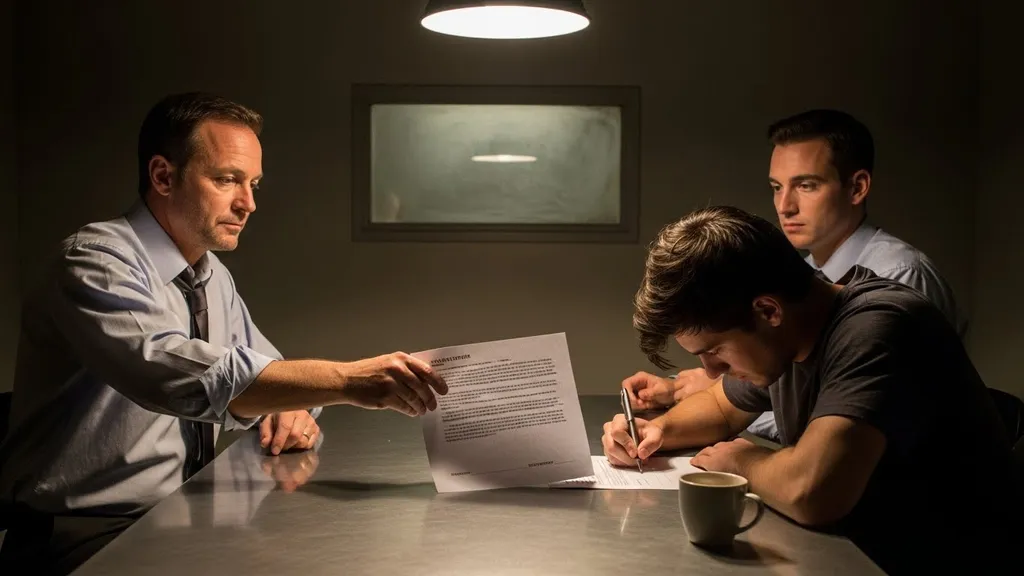
contract
noun
a
written
or
spoken
agreement
that
is
legally
binding
and
states
what
each
side
must
do
•
The
builder
asked
us
to
read
the
contract
carefully
before
signing
.
The
builder
asked
us
to
read
the
contract
carefully
before
signing
.
•
After
winning
the
championship
,
the
player
signed
a
million-dollar
contract
with
the
team
.
After
winning
the
championship
,
the
player
signed
a
million-dollar
contract
with
the
team
.
verb
-
contract
,
contracting
,
contracts
,
contracted
to
become
smaller
or
shorter
,
or
to
make
something
smaller
,
often
because
of
cold
or
tightening
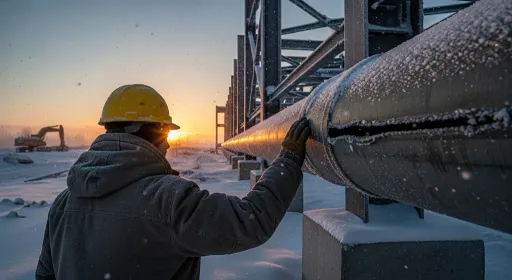
•
When
the
weather
turned
cold
,
the
metal
pipes
began
to
contract
.
When
the
weather
turned
cold
,
the
metal
pipes
began
to
contract
.
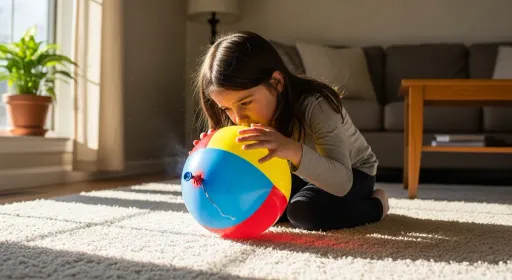
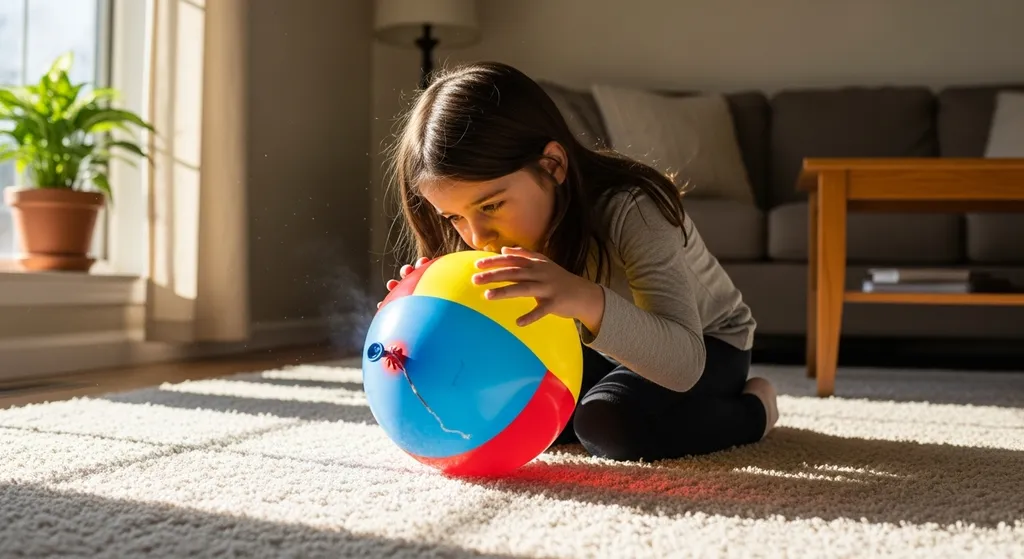
•
She
watched
the
balloon
contract
as
the
air
slowly
leaked
out
.
She
watched
the
balloon
contract
as
the
air
slowly
leaked
out
.
verb
-
contract
,
contracting
,
contracts
,
contracted
to
arrange
and
agree
to
do
work
or
provide
something
by
signing
a
formal
agreement
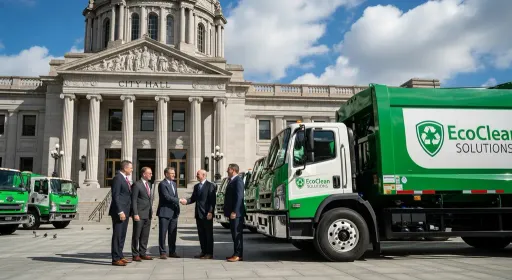
•
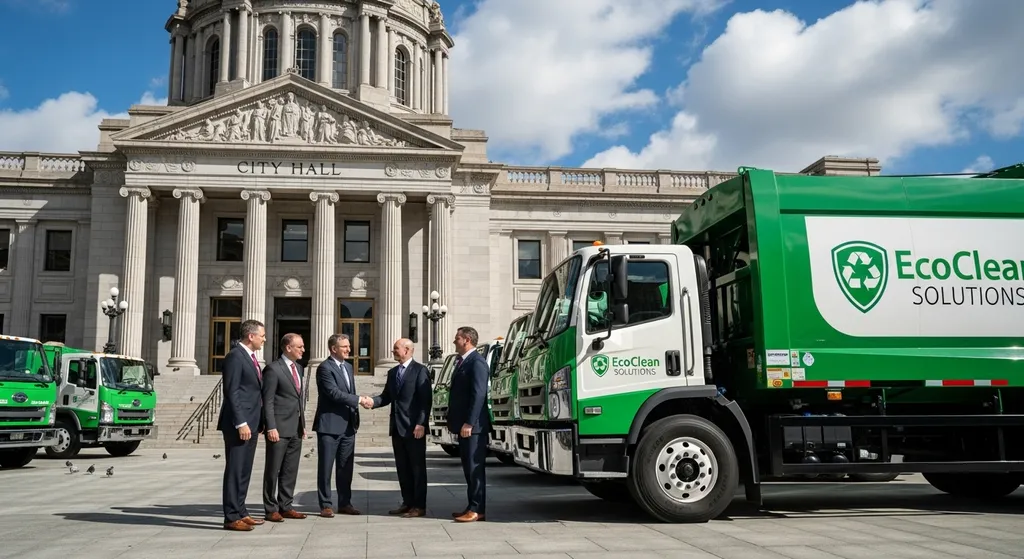
The
city
decided
to
contract
a
new
company
to
collect
its
trash
.
The
city
decided
to
contract
a
new
company
to
collect
its
trash
.
•
Our
firm
has
contracted
with
a
software
developer
to
build
the
app
.
Our
firm
has
contracted
with
a
software
developer
to
build
the
app
.
verb
-
contract
,
contracting
,
contracts
,
contracted
to
catch
or
develop
an
illness
or
disease
•
He
contracted
the
flu
after
traveling
overseas
.
He
contracted
the
flu
after
traveling
overseas
.
•
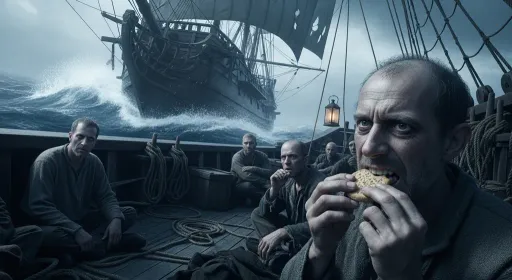
Many
sailors
contracted
scurvy
during
long
voyages
.
Many
sailors
contracted
scurvy
during
long
voyages
.
attract
verb
to
make
a
person
or
an
animal
interested
in
something
and
want
to
come
closer
,
join
,
or
take
part
•
Colorful
balloons
outside
the
store
attract
many
children
inside
.
Colorful
balloons
outside
the
store
attract
many
children
inside
.
•
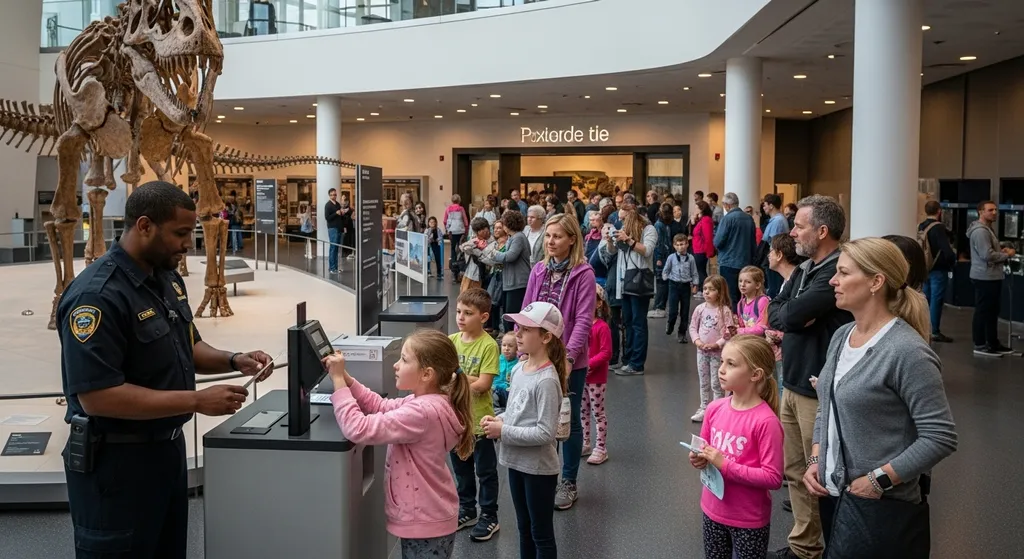
The
museum
’
s
new
dinosaur
exhibit
attracted
hundreds
of
visitors
on
opening
day
.
The
museum
’
s
new
dinosaur
exhibit
attracted
hundreds
of
visitors
on
opening
day
.
Late
Middle
English
,
from
Latin
‘
attrahere
’
meaning
‘
to
draw
toward
’ (
ad-
‘
to
’
+
trahere
‘
draw
,
pull
’).
verb
to
pull
something
toward
another
thing
by
a
natural
force
such
as
magnetism
or
gravity
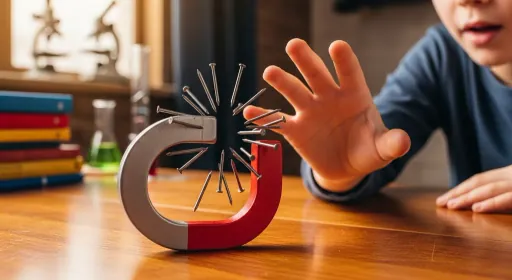
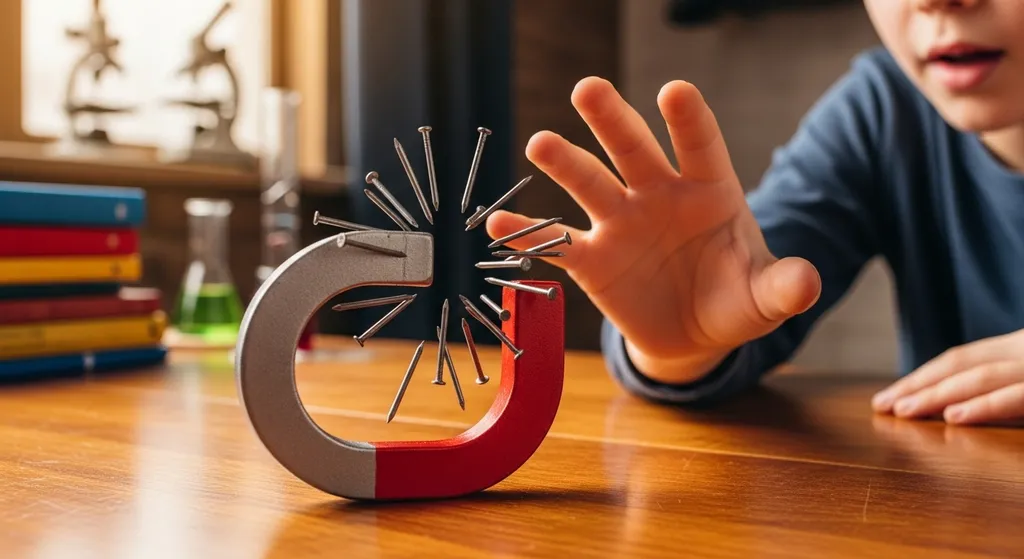
•
A
strong
magnet
can
attract
iron
nails
from
several
centimeters
away
.
A
strong
magnet
can
attract
iron
nails
from
several
centimeters
away
.
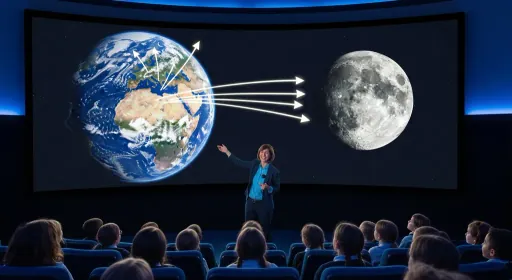
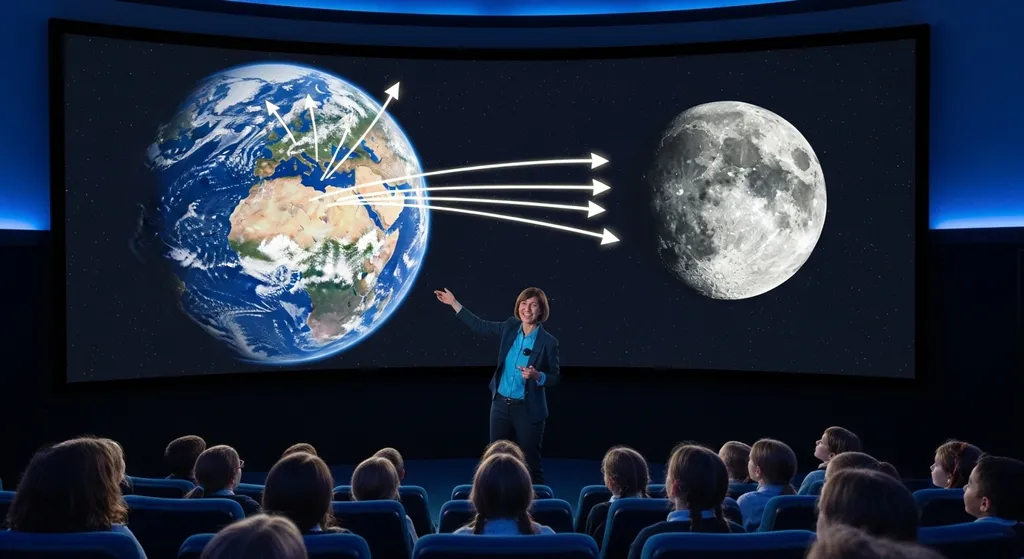
•
The
Moon
’
s
gravity
attracts
ocean
water
,
causing
tides
on
Earth
.
The
Moon
’
s
gravity
attracts
ocean
water
,
causing
tides
on
Earth
.
Same
origin
as
other
senses
:
from
Latin
‘
attrahere
’,
meaning
‘
to
draw
toward
’.
distract
verb
to
take
someone
’
s
attention
away
from
what
they
are
doing
,
seeing
,
or
thinking
about
•
The
loud
music
distracted
Maria
while
she
was
trying
to
study
.
The
loud
music
distracted
Maria
while
she
was
trying
to
study
.
•
Please
don't
distract
the
driver
while
the
bus
is
moving
.
Please
don't
distract
the
driver
while
the
bus
is
moving
.
From
Latin
distrahere
,
meaning
“
to
draw
apart
”.
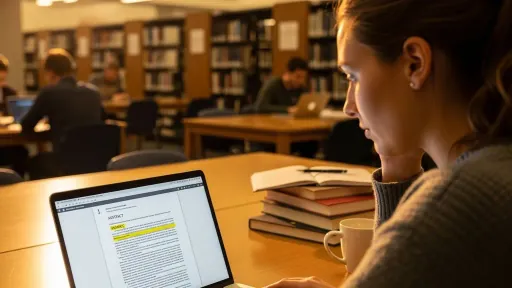
abstract
noun
a
short
written
summary
of
a
longer
research
paper
,
speech
,
or
other
text
•
Read
the
abstract
before
deciding
whether
to
download
the
full
article
.
Read
the
abstract
before
deciding
whether
to
download
the
full
article
.
•
The
student
wrote
a
200-word
abstract
for
her
science
project
.
The
student
wrote
a
200-word
abstract
for
her
science
project
.
verb
to
remove
or
take
something
away
from
something
else
,
often
carefully
or
to
focus
on
what
is
important
•
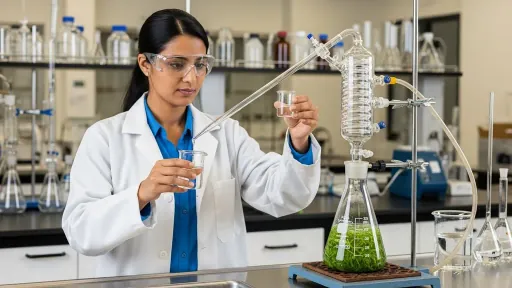
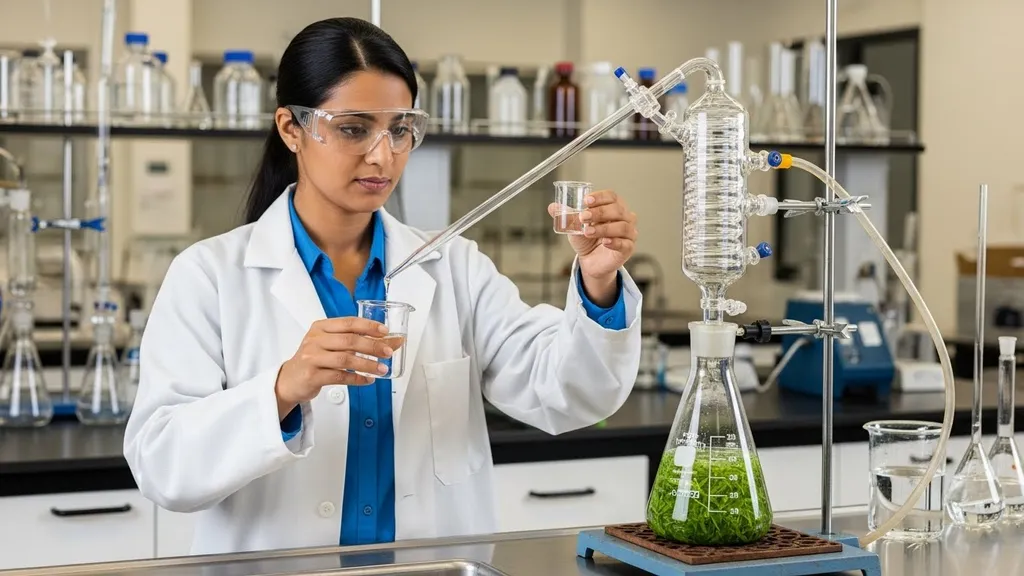
The
chemist
abstracted
essential
oils
from
the
plant
leaves
.
The
chemist
abstracted
essential
oils
from
the
plant
leaves
.
•
We
must
abstract
the
main
ideas
from
the
data
before
presenting
.
We
must
abstract
the
main
ideas
from
the
data
before
presenting
.
extract
verb
-
extract
,
extracting
,
extracts
,
extracted
to
carefully
remove
something
from
the
place
where
it
is
fixed
or
mixed
•
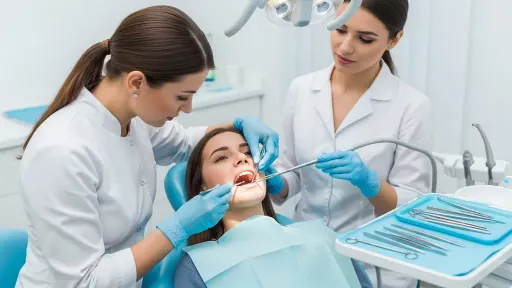
The
dentist
extracted
Maria
’
s
wisdom
tooth
quickly
and
painlessly
.
The
dentist
extracted
Maria
’
s
wisdom
tooth
quickly
and
painlessly
.
•
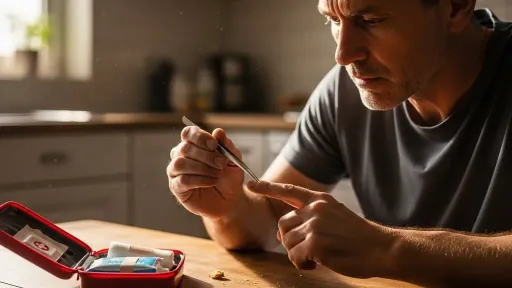
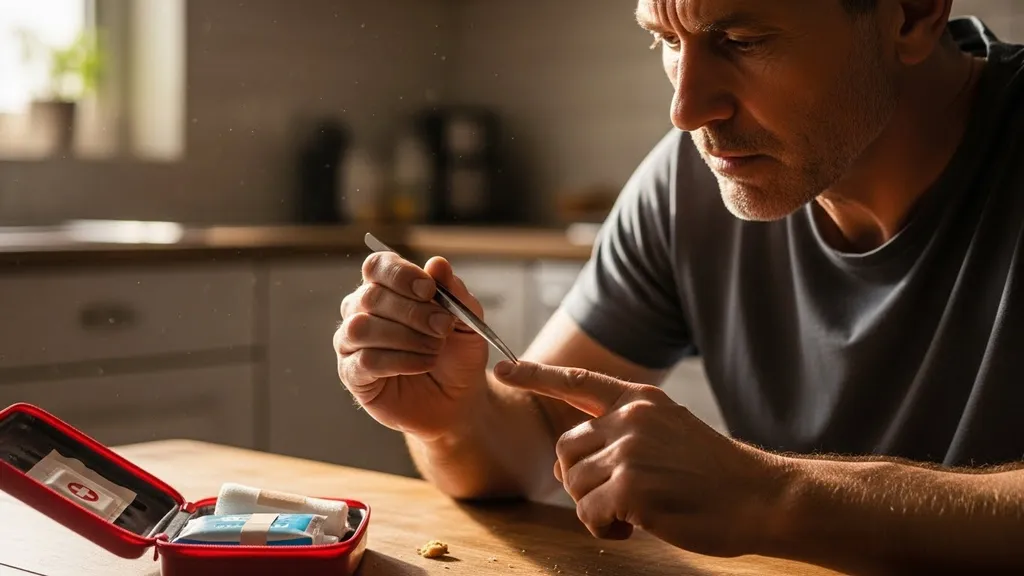
He
used
tweezers
to
extract
a
splinter
from
his
finger
at
the
kitchen
table
.
He
used
tweezers
to
extract
a
splinter
from
his
finger
at
the
kitchen
table
.
Late
Middle
English
,
from
Latin
extrahere
‘
draw
out
’.
noun
a
concentrated
substance
taken
from
a
plant
,
food
,
or
mineral
and
used
for
flavor
,
fragrance
,
or
medicine
•
Add
a
teaspoon
of
vanilla
extract
to
the
batter
.
Add
a
teaspoon
of
vanilla
extract
to
the
batter
.
•
Peppermint
extract
gives
the
hot
chocolate
a
festive
kick
.
Peppermint
extract
gives
the
hot
chocolate
a
festive
kick
.
Sense
of
‘
concentrated
preparation
’
dates
from
the
early
19th
century
when
chemists
isolated
active
ingredients
.
verb
-
extract
,
extracting
,
extracts
,
extracted
to
obtain
information
,
money
,
or
agreement
from
someone
,
often
with
effort
or
pressure
•
Detectives
finally
extracted
a
confession
from
the
suspect
.
Detectives
finally
extracted
a
confession
from
the
suspect
.
•
The
journalist
managed
to
extract
valuable
details
from
the
reluctant
witness
.
The
journalist
managed
to
extract
valuable
details
from
the
reluctant
witness
.
Figurative
sense
recorded
from
the
17th
century
.
noun
a
short
passage
taken
from
a
piece
of
writing
,
music
,
or
film
•
The
magazine
printed
an
extract
from
the
upcoming
novel
.
The
magazine
printed
an
extract
from
the
upcoming
novel
.
•
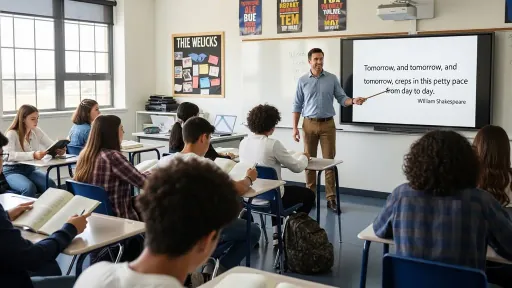
Students
studied
an
extract
of
Shakespeare
’
s
‘
Macbeth
’
in
class
.
Students
studied
an
extract
of
Shakespeare
’
s
‘
Macbeth
’
in
class
.
Use
for
a
written
passage
appeared
in
the
17th
century
,
reflecting
the
idea
of
words
‘
drawn
out
’
of
a
larger
text
.
verb
-
extract
,
extracting
,
extracts
,
extracted
to
calculate
a
particular
value
,
such
as
a
root
,
substring
,
or
record
,
from
a
larger
set
of
data
•
You
can
extract
the
square
root
of
64
in
your
head
.
You
can
extract
the
square
root
of
64
in
your
head
.
•
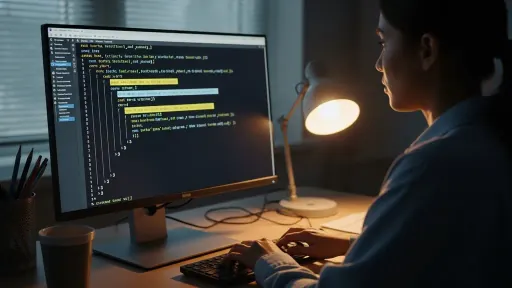
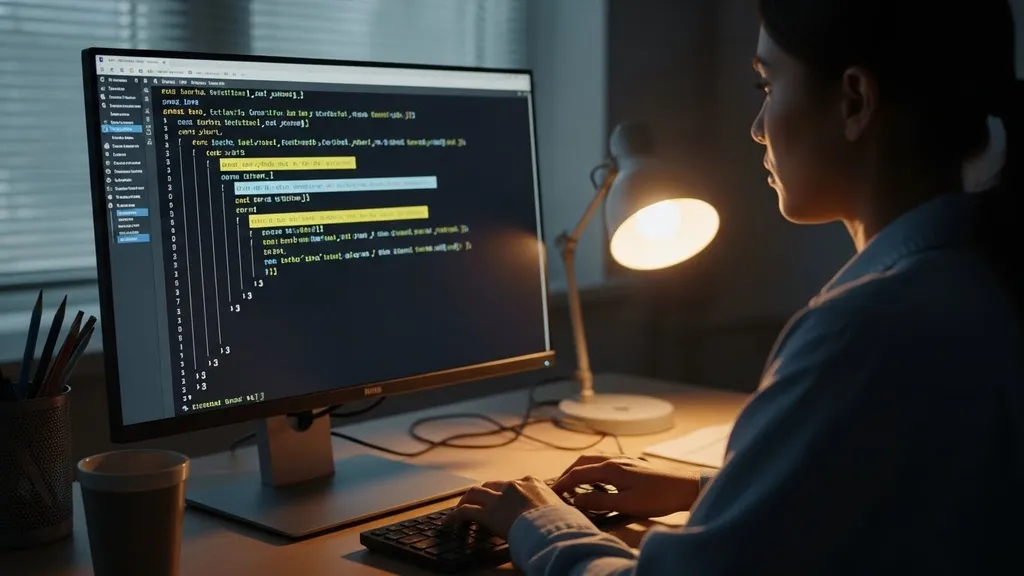
The
script
will
extract
every
email
address
from
the
file
.
The
script
will
extract
every
email
address
from
the
file
.
Technical
use
grew
with
advances
in
mathematics
(
18th
c
.)
and
computing
(
20th
c
.).