


























toqus
Picture Dictionary
English
한국어
Register
Login
🔍
tonight
adverb
-
tonight
during
the
evening
or
night
of
the
present
day
•
Let
’
s
go
to
the
movies
tonight
.
Let
’
s
go
to
the
movies
tonight
.
•
I
’
m
cooking
pasta
tonight
for
dinner
.
I
’
m
cooking
pasta
tonight
for
dinner
.
Old
English
tō
niht
("
this
night
").
Over
time
the
space
disappeared
,
and
the
phrase
became
the
single
word
“
tonight
.”
noun
-
tonight
the
evening
or
night
of
the
present
day
•
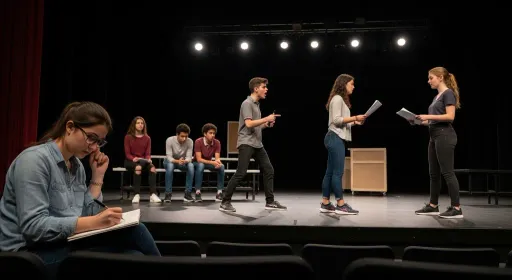
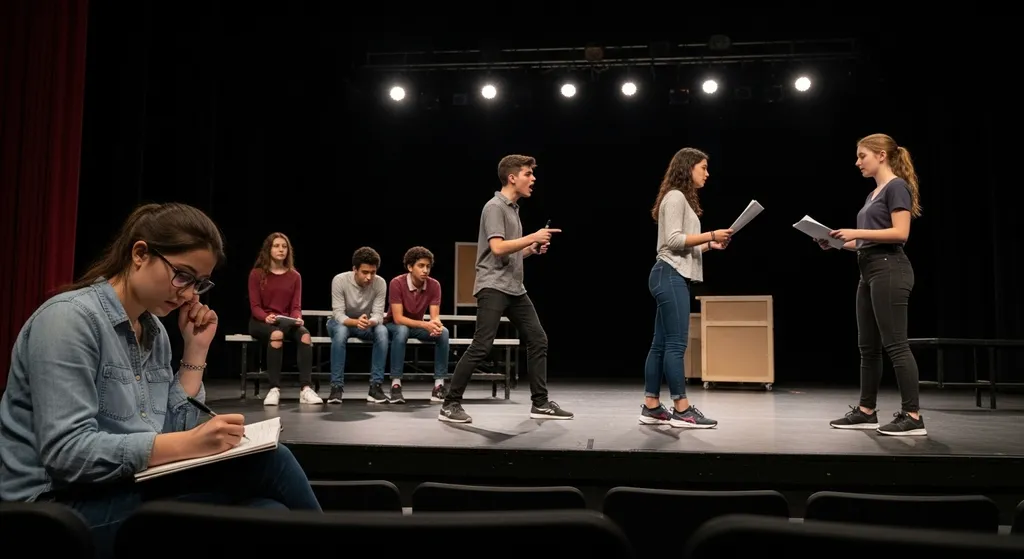
Tonight
is
our
last
chance
to
rehearse
.
Tonight
is
our
last
chance
to
rehearse
.
•
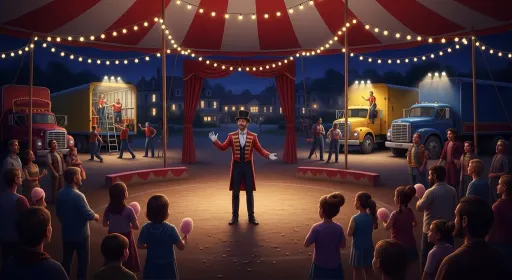
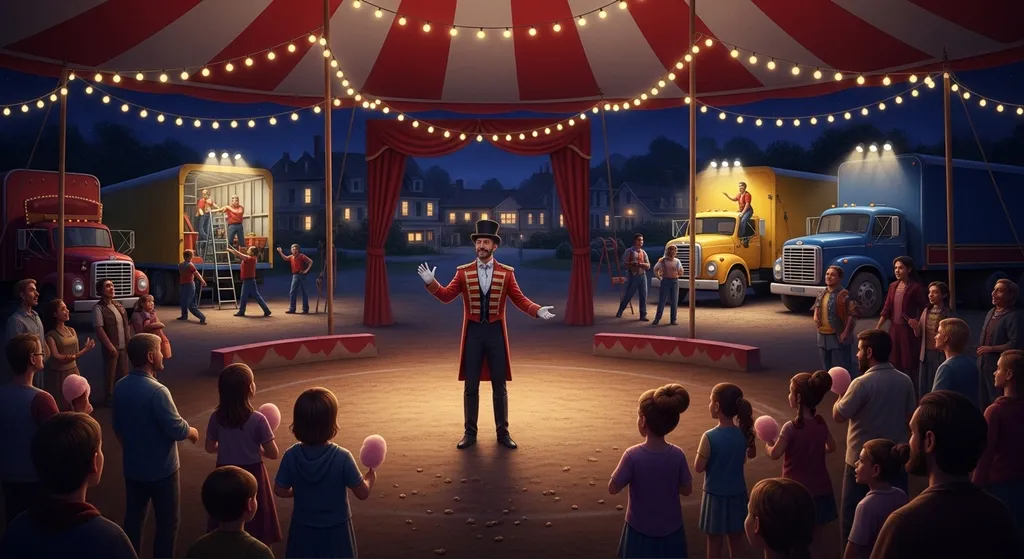
After
tonight
,
the
circus
leaves
town
.
After
tonight
,
the
circus
leaves
town
.
Old
English
tō
niht
,
literally
“
this
night
,”
which
fused
into
a
single
word
by
Middle
English
.
tone
noun
-
tone
,
toning
,
tones
,
toned
the
quality
,
pitch
,
or
character
of
a
sound
or
voice
•
Her
friendly
tone
made
the
nervous
child
feel
welcome
.
Her
friendly
tone
made
the
nervous
child
feel
welcome
.
•
The
bell's
clear
tone
echoed
across
the
quiet
valley
.
The
bell's
clear
tone
echoed
across
the
quiet
valley
.
From
Latin
“
tonus
”,
meaning
“
sound
”
or
“
tone
”,
ultimately
from
Ancient
Greek
“
tonos
” (
stretch
,
tone
).
noun
-
tone
,
toning
,
tones
,
toned
a
particular
shade
or
degree
of
lightness
or
darkness
of
a
color
•
She
painted
her
room
in
a
soft
tone
of
blue
.
She
painted
her
room
in
a
soft
tone
of
blue
.
•
The
designer
chose
neutral
tones
to
create
a
calm
atmosphere
.
The
designer
chose
neutral
tones
to
create
a
calm
atmosphere
.
Extended
from
the
musical
sense
to
color
in
the
18th
century
,
comparing
visual
and
auditory
qualities
of
richness
and
depth
.
noun
-
tone
,
toning
,
tones
,
toned
the
general
mood
,
feeling
,
or
attitude
expressed
by
words
,
actions
,
or
a
piece
of
writing
•
The
email
’
s
friendly
tone
made
the
client
feel
valued
.
The
email
’
s
friendly
tone
made
the
client
feel
valued
.
•
His
sarcastic
tone
upset
the
audience
.
His
sarcastic
tone
upset
the
audience
.
Metaphorical
extension
from
sound
to
manner
of
expression
appeared
in
the
15th
century
.
noun
-
tone
,
toning
,
tones
,
toned
the
natural
firmness
and
slight
tension
in
healthy
muscles
•
Physical
therapy
helped
him
regain
muscle
tone
after
the
injury
.
Physical
therapy
helped
him
regain
muscle
tone
after
the
injury
.
•
Good
posture
depends
on
the
tone
of
core
muscles
.
Good
posture
depends
on
the
tone
of
core
muscles
.
Adopted
in
medical
language
in
the
17th
century
,
linking
muscle
tension
to
the
idea
of
tightness
in
musical
strings
.
verb
-
tone
,
toning
,
tones
,
toned
to
make
a
part
of
the
body
,
especially
muscles
,
firmer
and
stronger
through
exercise
•
She
does
yoga
every
morning
to
tone
her
arms
.
She
does
yoga
every
morning
to
tone
her
arms
.
•
These
exercises
will
tone
your
core
muscles
.
These
exercises
will
tone
your
core
muscles
.
Verb
sense
emerged
in
the
late
19th
century
fitness
movement
,
likening
muscle
conditioning
to
tightening
strings
for
a
clearer
musical
tone
.
tongue
noun
the
soft
,
movable
muscle
inside
the
mouth
that
helps
with
tasting
,
swallowing
,
and
speaking
•
The
cat
licked
milk
off
its
rough
tongue
.
The
cat
licked
milk
off
its
rough
tongue
.
•
Stick
out
your
tongue
and
say
“
ah
,”
instructed
the
doctor
.
Stick
out
your
tongue
and
say
“
ah
,”
instructed
the
doctor
.
Old
English
“
tunge
,”
from
Proto-Germanic
*tungō
,
related
to
Latin
“
lingua
.”
noun
a
language
;
the
words
and
grammar
used
by
the
people
of
a
particular
nation
or
community
•
Mandarin
is
her
mother
tongue
,
but
she
learned
English
at
school
.
Mandarin
is
her
mother
tongue
,
but
she
learned
English
at
school
.
•
The
ancient
manuscript
is
written
in
a
lost
tongue
.
The
ancient
manuscript
is
written
in
a
lost
tongue
.
Sense
of
“
language
”
appeared
in
Middle
English
,
expanding
from
the
physical
organ
to
speech
and
then
to
specific
languages
.
noun
the
style
or
tone
in
which
someone
speaks
•
He
has
a
sharp
tongue
when
he
is
angry
.
He
has
a
sharp
tongue
when
he
is
angry
.
•
With
a
silver
tongue
,
the
politician
charmed
the
audience
.
With
a
silver
tongue
,
the
politician
charmed
the
audience
.
Metaphorical
use
for
style
of
speech
dates
back
to
the
14th
century
.
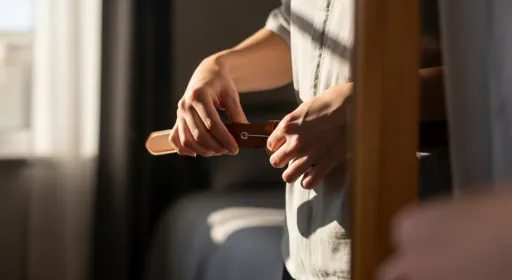
noun
a
long
narrow
piece
of
material
or
metal
that
sticks
out
on
something
,
such
as
the
flap
under
shoelaces
or
the
pin
of
a
belt
buckle
•
He
straightened
the
tongue
of
his
shoe
before
tying
the
laces
.
He
straightened
the
tongue
of
his
shoe
before
tying
the
laces
.
•
The
belt
’
s
tongue
slid
easily
into
the
buckle
.
The
belt
’
s
tongue
slid
easily
into
the
buckle
.
Named
for
its
shape
,
first
recorded
for
footwear
in
the
16th
century
.
verb
-
tongue
,
tonguing
,
tongues
,
tongued
to
touch
or
move
over
something
with
the
tongue
•
The
snake
tongued
the
air
to
sense
its
surroundings
.
The
snake
tongued
the
air
to
sense
its
surroundings
.
•
She
tongued
the
reed
carefully
while
practicing
the
clarinet
.
She
tongued
the
reed
carefully
while
practicing
the
clarinet
.
Verb
use
arose
in
the
15th
century
from
the
noun
,
meaning
“
to
lick
as
with
a
tongue
.”
stone
noun
a
hard
,
solid
material
that
forms
rocks
and
is
used
for
building
,
paving
,
and
carving
•
The
cottage
was
built
from
large
blocks
of
stone
.
The
cottage
was
built
from
large
blocks
of
stone
.
•
A
sculptor
carefully
chipped
away
at
the
block
of
stone
to
reveal
a
face
.
A
sculptor
carefully
chipped
away
at
the
block
of
stone
to
reveal
a
face
.
noun
a
small
piece
of
rock
that
you
can
hold
in
your
hand
•
The
boy
skipped
a
flat
stone
across
the
pond
.
The
boy
skipped
a
flat
stone
across
the
pond
.
•
She
kept
a
smooth
white
stone
in
her
pocket
for
luck
.
She
kept
a
smooth
white
stone
in
her
pocket
for
luck
.
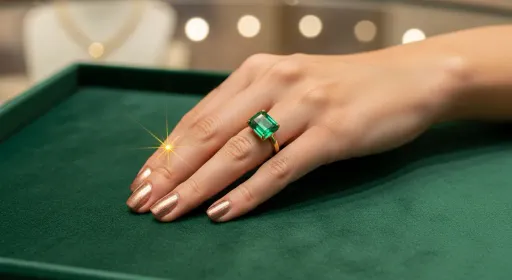
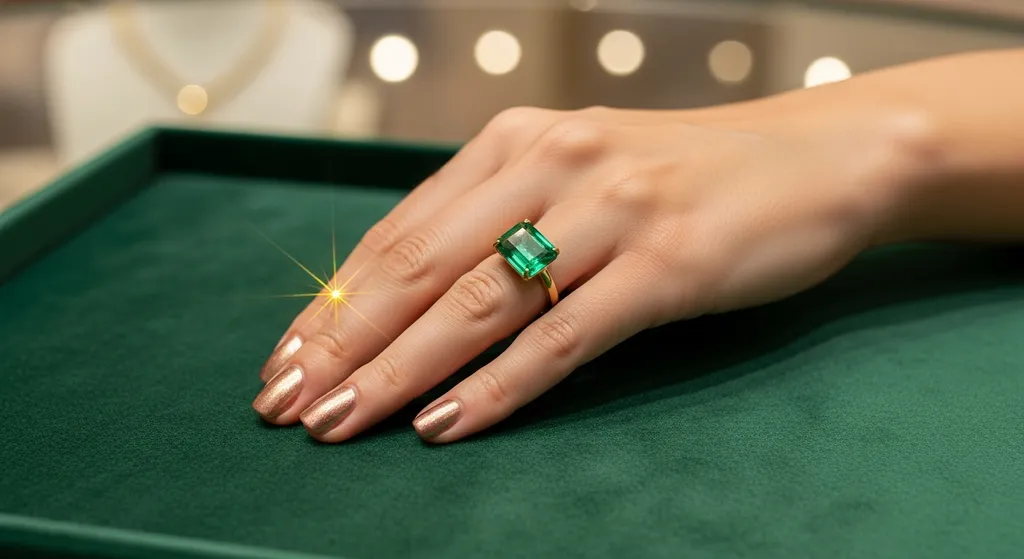
noun
a
precious
or
semi-precious
jewel
that
has
been
cut
and
polished
•
The
ring
was
set
with
a
sparkling
emerald
stone
.
The
ring
was
set
with
a
sparkling
emerald
stone
.
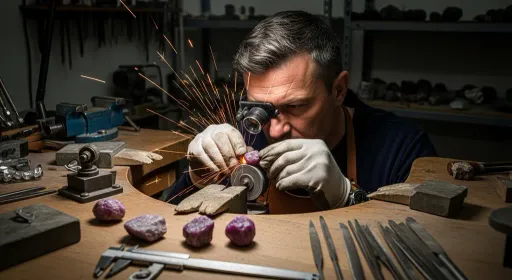
•
Craftsmen
cut
rough
stones
into
brilliant
gems
.
Craftsmen
cut
rough
stones
into
brilliant
gems
.
noun
the
hard
inner
seed
of
certain
fruits
such
as
peaches
,
cherries
,
or
olives
•
Be
careful
of
the
stone
when
you
eat
that
olive
.
Be
careful
of
the
stone
when
you
eat
that
olive
.
•
He
nearly
cracked
a
tooth
on
the
stone
in
a
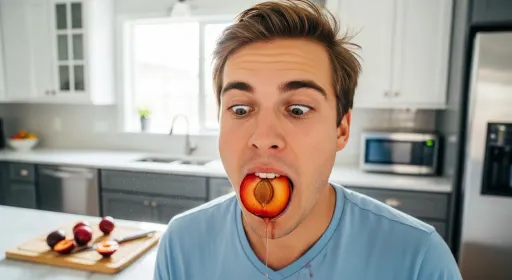
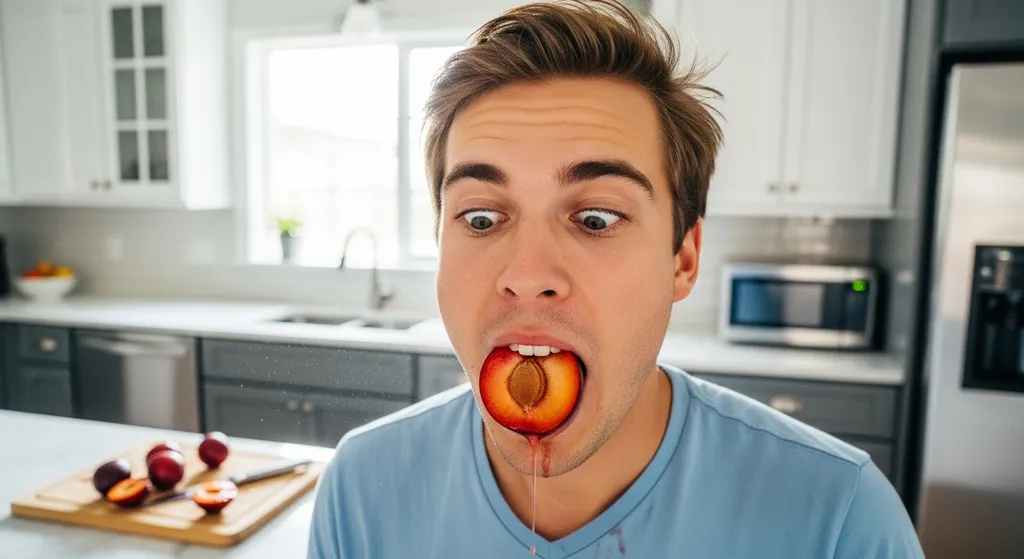
plum
.
He
nearly
cracked
a
tooth
on
the
stone
in
a
plum
.
verb
-
stone
,
stoning
,
stones
,
stoned
to
remove
the
hard
seed
from
a
fruit
•
She
stoned
the
cherries
before
baking
the
pie
.
She
stoned
the
cherries
before
baking
the
pie
.
•
You
can
stone
olives
quickly
with
this
tool
.
You
can
stone
olives
quickly
with
this
tool
.
noun
-
stone
a
unit
for
measuring
weight
equal
to
14
pounds
(
about
6
.
35
kilograms
)
•
After
months
of
exercise
,
he
lost
two
stone
.
After
months
of
exercise
,
he
lost
two
stone
.
•
She
weighs
nine
and
a
half
stone
now
.
She
weighs
nine
and
a
half
stone
now
.
verb
-
stone
,
stoning
,
stones
,
stoned
to
throw
stones
at
someone
or
something
•
Angry
villagers
stoned
the
abandoned
house's
windows
.
Angry
villagers
stoned
the
abandoned
house's
windows
.
•
Don't
stone
the
birds
near
the
lake
.
Don't
stone
the
birds
near
the
lake
.
adverb
completely
or
totally
,
used
for
emphasis
before
an
adjective
•
The
soup
was
served
stone
cold
.
The
soup
was
served
stone
cold
.
•
When
the
comedian
finished
,
the
room
fell
stone
silent
.
When
the
comedian
finished
,
the
room
fell
stone
silent
.
button
noun

a
small
,
usually
round
object
that
you
push
through
a
hole
or
loop
to
fasten
clothes
or
pieces
of
cloth
together
•
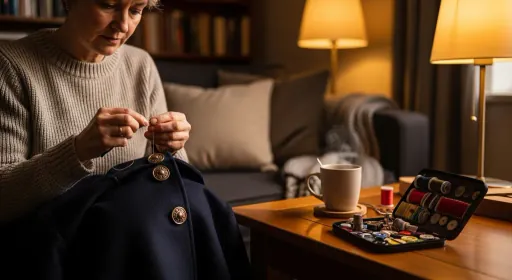
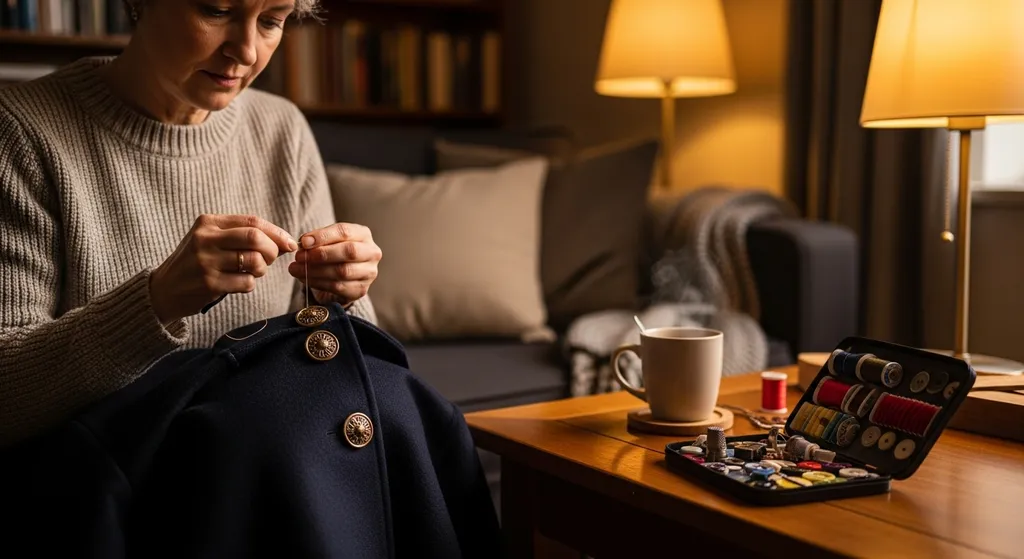
She
sewed
a
new
button
onto
her
coat
after
the
old
one
fell
off
.
She
sewed
a
new
button
onto
her
coat
after
the
old
one
fell
off
.
•
The
baby
loved
playing
with
the
bright
red
buttons
on
his
father's
shirt
.
The
baby
loved
playing
with
the
bright
red
buttons
on
his
father's
shirt
.
Middle
English
botoun
,
from
Old
French
boton
(“
bud
;
knob
”).
noun

a
small
part
on
a
machine
or
device
that
you
press
to
make
it
start
,
stop
,
or
do
something
•
Press
the
green
button
to
start
the
machine
.
Press
the
green
button
to
start
the
machine
.
•
The
elevator's
emergency
button
is
bright
red
and
easy
to
see
.
The
elevator's
emergency
button
is
bright
red
and
easy
to
see
.
Transferred
sense
from
the
clothing
fastener
to
any
small
pressable
knob
(
late
19th
c
.).
verb
-
button
,
buttoning
,
buttons
,
buttoned
to
fasten
or
close
something
by
pushing
buttons
through
the
matching
holes
or
loops
•
It's
cold
outside
,
so
button
your
coat
before
you
leave
.
It's
cold
outside
,
so
button
your
coat
before
you
leave
.
•
She
buttoned
the
baby's
tiny
sweater
carefully
.
She
buttoned
the
baby's
tiny
sweater
carefully
.
From
the
noun

sense
of
the
clothing
fastener
,
recorded
as
a
verb
since
the
16th
century
.
noun

a
clickable
icon
on
a
computer
,
phone
,
or
website
screen
that
you
tap
or
click
to
perform
an
action
•
Click
the
'Submit'
button
to
send
your
application
.
Click
the
'Submit'
button
to
send
your
application
.
•
The
mute
button
on
my
phone's
screen
turns
the
microphone
off
.
The
mute
button
on
my
phone's
screen
turns
the
microphone
off
.
Extended
metaphor
from
physical
buttons
to
virtual
ones
with
the
rise
of
graphical
user
interfaces
in
the
1980s
.
cotton
noun

-
cotton
cloth
or
thread
that
is
made
from
the
cotton
fibre
•
He
bought
a
bright
blue
shirt
made
of
soft
cotton
.
He
bought
a
bright
blue
shirt
made
of
soft
cotton
.
•
Please
use
the
white
cotton
to
sew
the
button
back
on
.
Please
use
the
white
cotton
to
sew
the
button
back
on
.
Sense
extended
from
the
fibre
to
the
cloth
it
produces
in
the
16th
century
.
noun

-
cotton

a
soft
,
white
,
fluffy
fibre
that
grows
around
the
seeds
of
the
cotton
plant
and
is
picked
to
make
thread
and
fabric
•
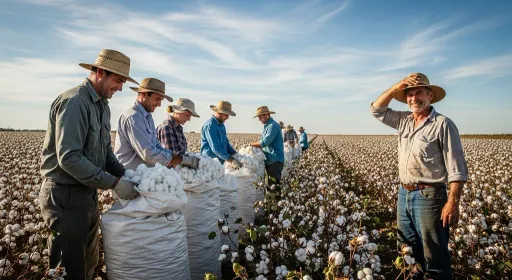
The
farmer
watched
as
workers
filled
large
sacks
with
freshly
picked
cotton
.
The
farmer
watched
as
workers
filled
large
sacks
with
freshly
picked
cotton
.
•
She
loves
the
feel
of
pure
cotton
against
her
skin
on
hot
summer
days
.
She
loves
the
feel
of
pure
cotton
against
her
skin
on
hot
summer
days
.
Middle
English
coton
,
from
Old
French
coton
,
from
Arabic
quṭn
.
verb
to
begin
to
understand
something
or
to
start
liking
someone
or
something
,
usually
used
with
the
prepositions
"
to
"
or
"
on
"
•
After
a
few
hints
,
the
children
finally
cottoned on
to
the
riddle
’
s
answer
.
After
a
few
hints
,
the
children
finally
cottoned on
to
the
riddle
’
s
answer
.
•
It
took
me
a
while
to
cotton to
the
idea
of
working
from
home
,
but
now
I
enjoy
it
.
It
took
me
a
while
to
cotton to
the
idea
of
working
from
home
,
but
now
I
enjoy
it
.
Originally
dialectal
17th-century
American
usage
,
perhaps
linked
to
the
smoothness
of
cotton
cloth
suggesting
harmonious
fit
.