




toqus
Picture Dictionary
English
한국어
Register
Login
🔍
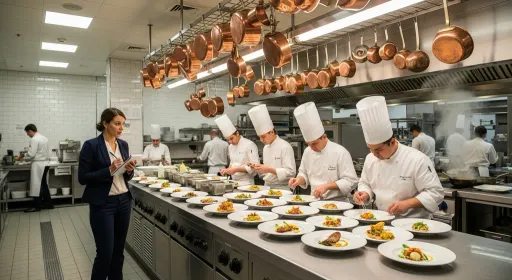
kitchen
noun
a
room
in
a
house
or
apartment
where
food
is
cooked
and
meals
may
be
prepared
or
eaten
•
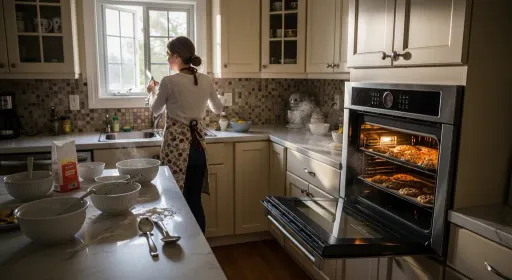
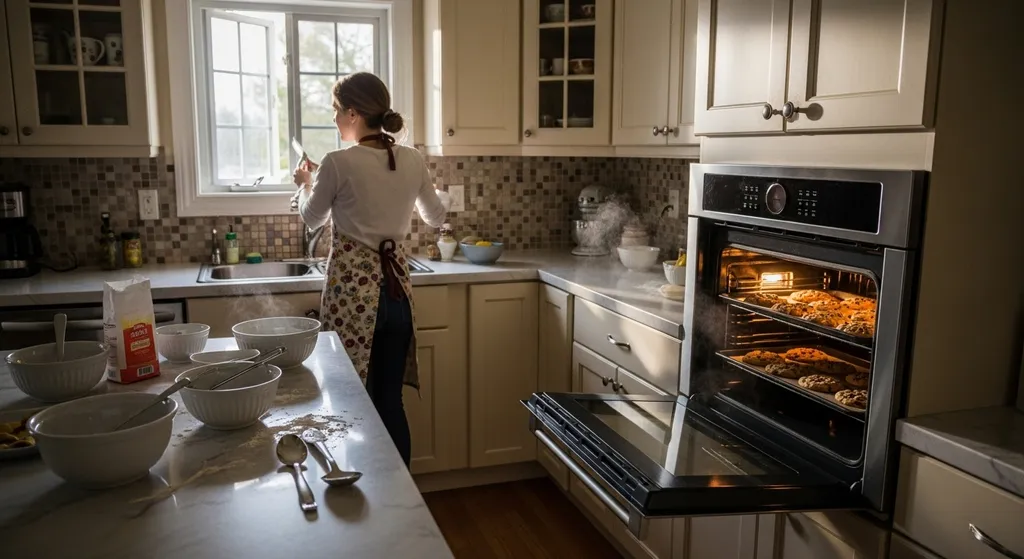
Maria
opened
the
window
to
let
fresh
air
into
the
kitchen
while
she
baked
cookies
.
Maria
opened
the
window
to
let
fresh
air
into
the
kitchen
while
she
baked
cookies
.
•
The
family
gathered
around
the
small
table
in
their
kitchen
for
breakfast
.
The
family
gathered
around
the
small
table
in
their
kitchen
for
breakfast
.
Old
English
cycene
,
from
Late
Latin
coquina
,
from
Latin
coquere
“
to
cook
”.
noun
the
staff
,
equipment
,
and
working
area
in
a
restaurant
,
hotel
,
or
similar
establishment
where
food
is
professionally
prepared
•
The
head
chef
shouted
orders
across
the
kitchen
as
the
dinner
rush
began
.
The
head
chef
shouted
orders
across
the
kitchen
as
the
dinner
rush
began
.
•
Reporters
were
allowed
a
brief
tour
of
the
hotel's
kitchen
before
the
grand
opening
.
Reporters
were
allowed
a
brief
tour
of
the
hotel's
kitchen
before
the
grand
opening
.
Same
origin
as
the
main
sense
:
Old
English
cycene
,
from
Late
Latin
coquina
,
from
Latin
coquere
“
to
cook
”.
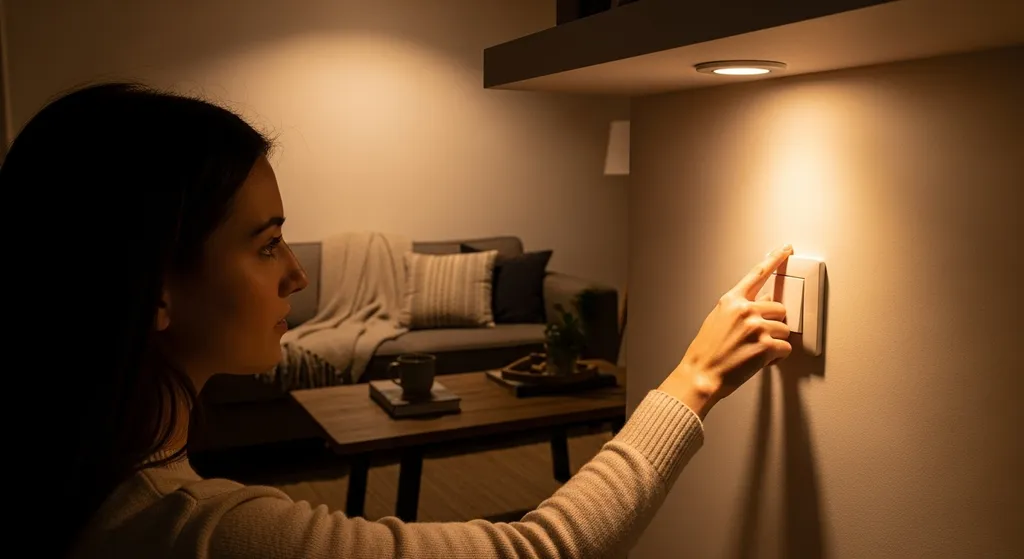
switch
noun
-
switch
,
switches
a
small
device
,
such
as
a
button
,
lever
,
or
key
,
that
you
move
or
press
to
turn
electricity
or
an
electrical
machine
on
or
off
•
She
flipped
the
switch
and
the
lights
came
on
.
She
flipped
the
switch
and
the
lights
came
on
.
•
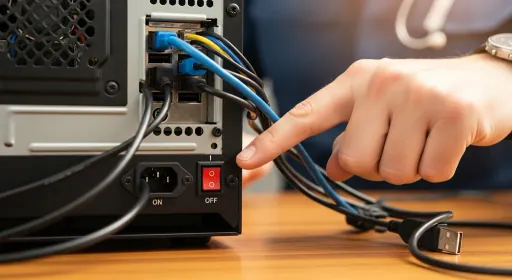
The
power
switch
on
the
computer
is
at
the
back
of
the
case
.
The
power
switch
on
the
computer
is
at
the
back
of
the
case
.
From
Middle
English
swich
,
swyche
(“
twig
,
switch
”),
later
extended
to
electrical
sense
in
the
late
19th
century
.
verb
-
switch
,
switching
,
switches
,
switched
to
turn
a
machine
,
light
,
or
device
on
or
off
by
operating
its
switch
•
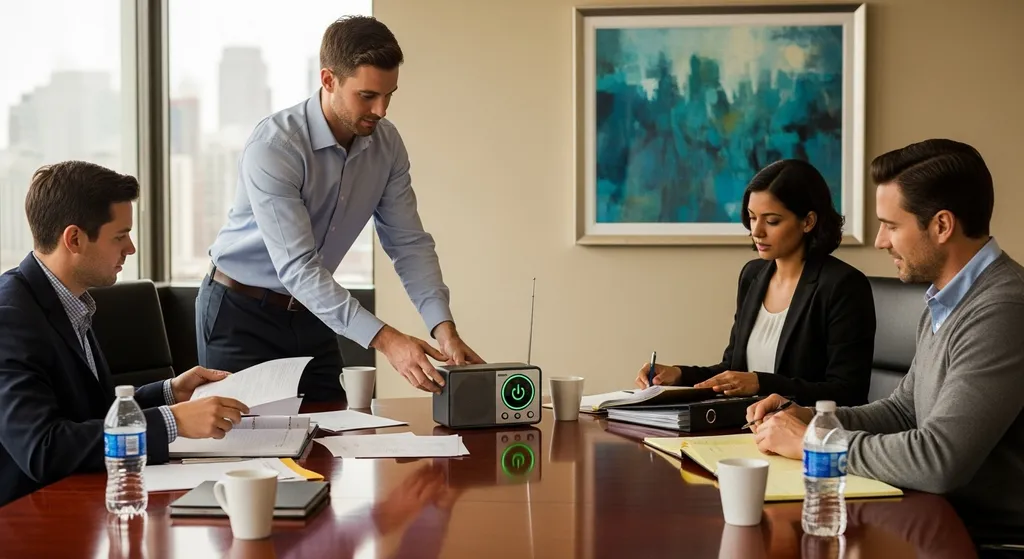
Please
switch
the
radio
off
before
the
meeting
starts
.
Please
switch
the
radio
off
before
the
meeting
starts
.
•
She
switched
on
the
fan
because
it
was
so
hot
.
She
switched
on
the
fan
because
it
was
so
hot
.
noun
-
switch
,
switches
an
act
of
changing
from
one
thing
,
system
,
or
situation
to
another
•
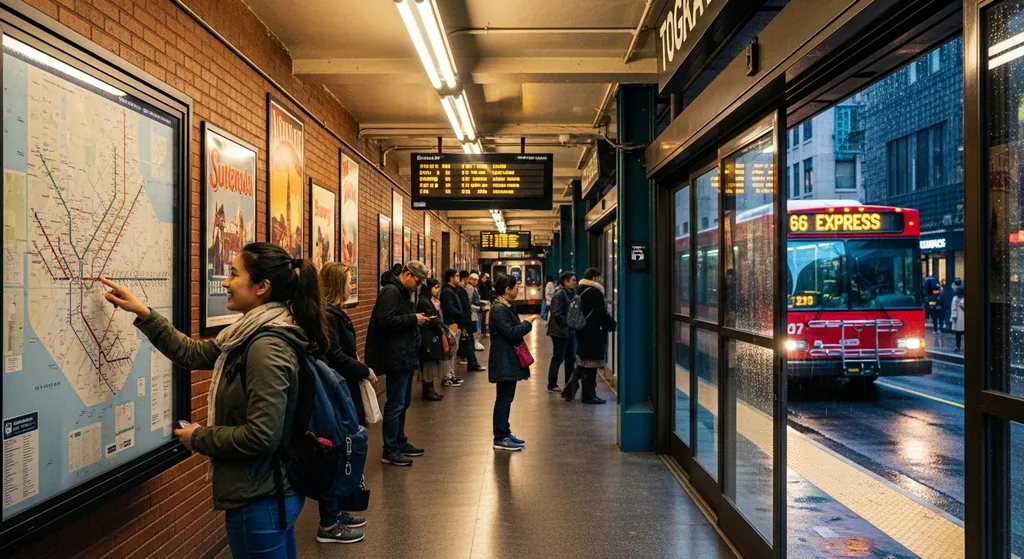
After
moving
to
the
city
,
the
switch
from
buses
to
the
subway
was
easy
.
After
moving
to
the
city
,
the
switch
from
buses
to
the
subway
was
easy
.
•
The
company
made
a
sudden
switch
to
remote
work
.
The
company
made
a
sudden
switch
to
remote
work
.
verb
-
switch
,
switching
,
switches
,
switched
to
change
or
exchange
one
thing
,
position
,
or
activity
for
another
•
Let's
switch
seats
so
you
can
see
better
.
Let's
switch
seats
so
you
can
see
better
.
•
He
switched
his
major
from
history
to
biology
.
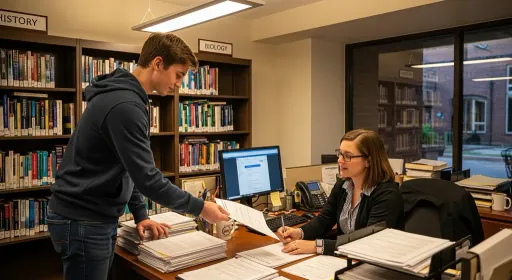
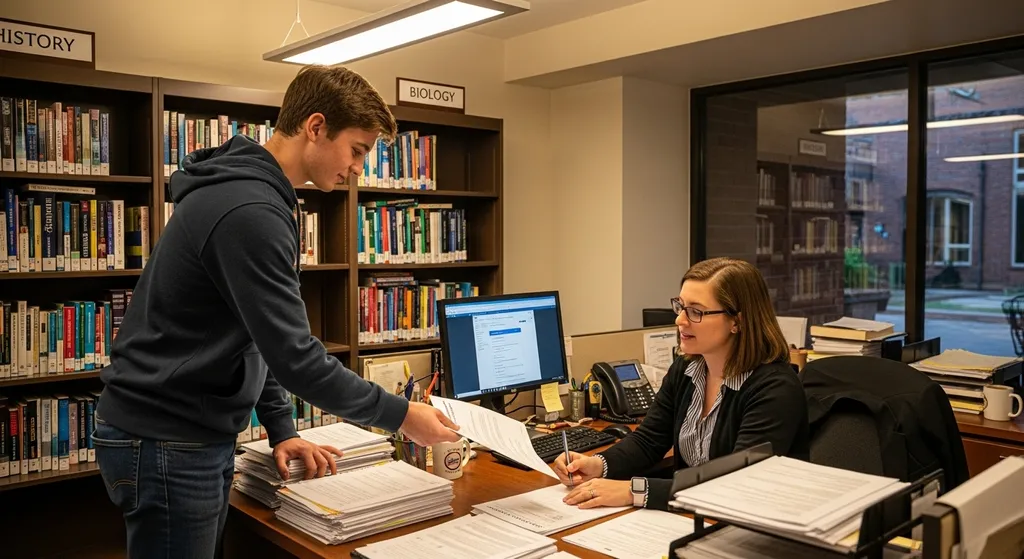
He
switched
his
major
from
history
to
biology
.
noun
-
switch
,
switches
a
thin
,
flexible
stick
or
twig
used
for
whipping
or
guiding
animals
•
The
rider
tapped
the
horse
lightly
with
a
switch
.
The
rider
tapped
the
horse
lightly
with
a
switch
.
•
She
cut
a
switch
from
the
willow
tree
beside
the
river
.
She
cut
a
switch
from
the
willow
tree
beside
the
river
.
verb
-
switch
,
switching
,
switches
,
switched
to
hit
or
whip
a
person
or
animal
lightly
with
a
thin
stick
or
switch
•
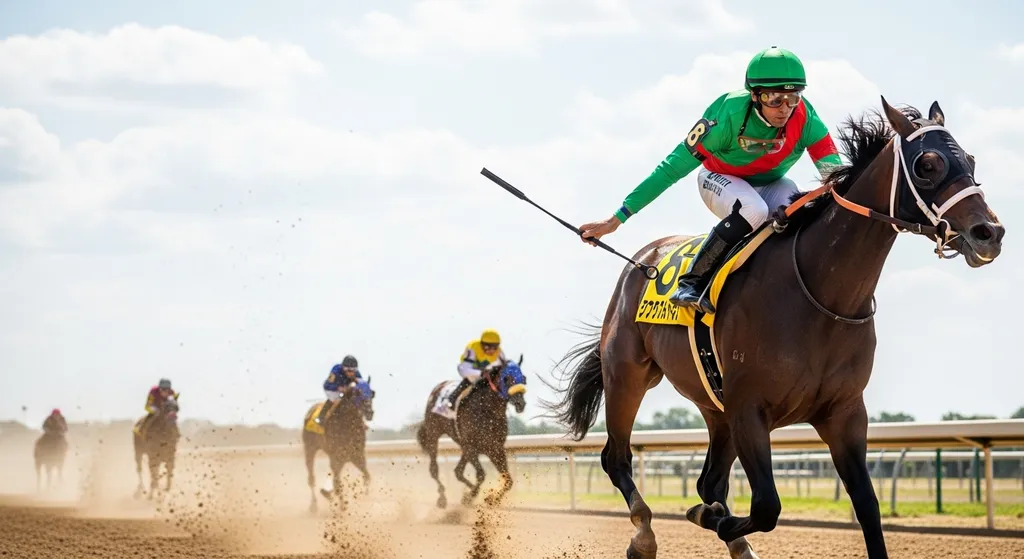
The
jockey
switched
the
horse
to
urge
it
forward
.
The
jockey
switched
the
horse
to
urge
it
forward
.
•
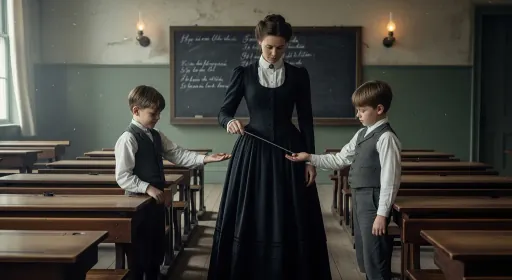
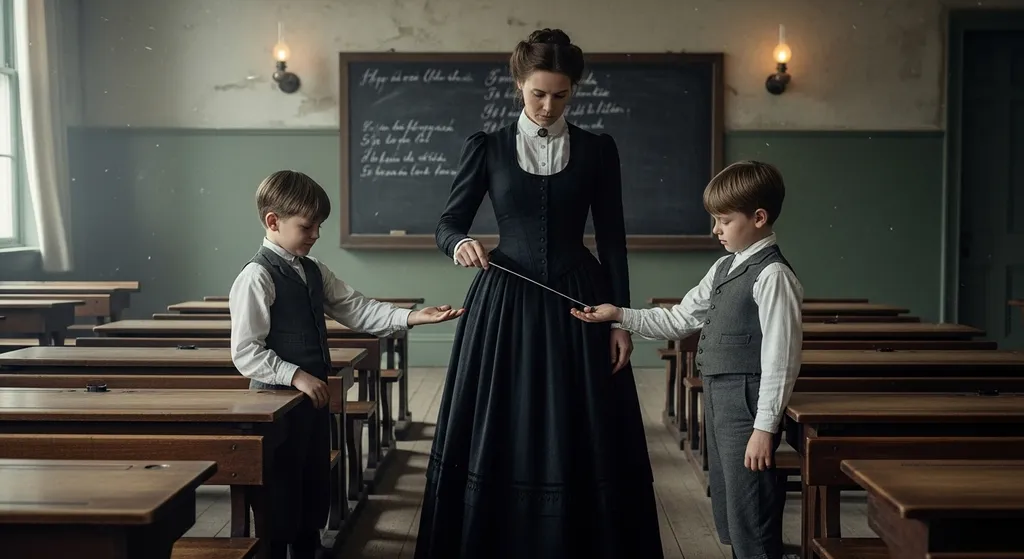
In
the
old
tale
,
the
teacher
switched
the
mischievous
boys
.
In
the
old
tale
,
the
teacher
switched
the
mischievous
boys
.
pitch
noun
-
pitch
,
pitches
a
throw
of
the
ball
in
sports
such
as
baseball
,
or
the
act
of
throwing
it
•
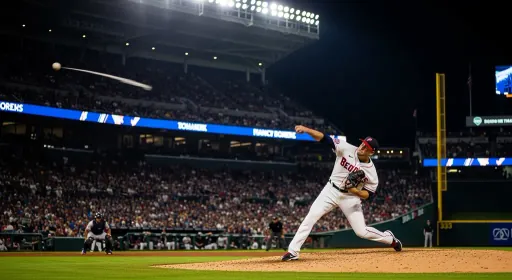
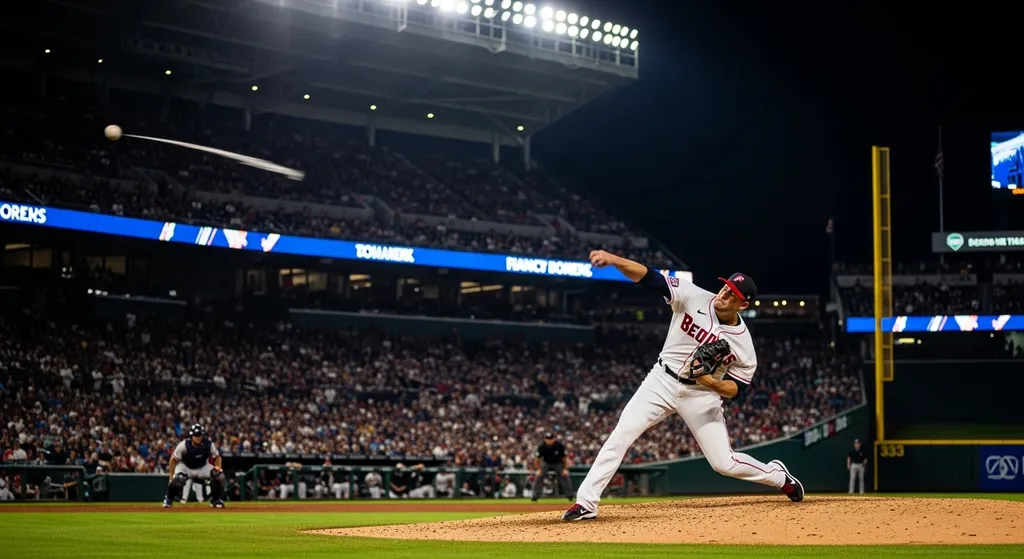
The
pitcher
’
s
first
pitch
was
a
blazing
fastball
.
The
pitcher
’
s
first
pitch
was
a
blazing
fastball
.
•
Samantha
practiced
her
curve-ball
pitches
every
afternoon
after
school
.
Samantha
practiced
her
curve-ball
pitches
every
afternoon
after
school
.
Sense
extended
from
the
verb
‘
pitch
’
meaning
“
to
throw
”
in
the
15th
century
.
verb
-
pitch
,
pitching
,
pitches
,
pitched
to
set
up
or
erect
a
tent
or
camp
•
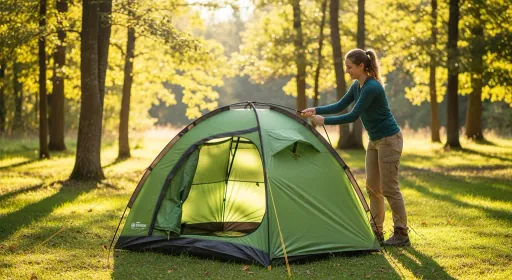
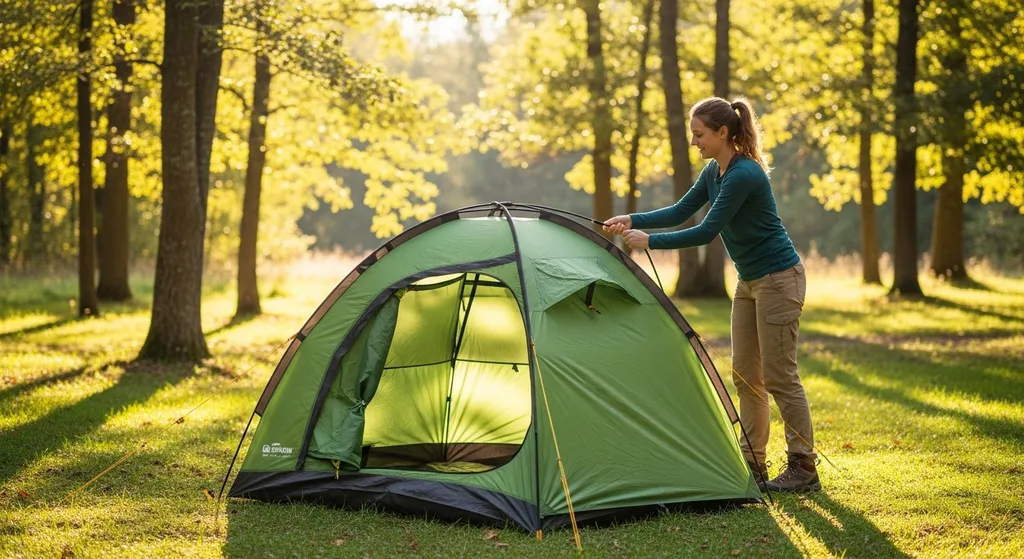
We
pitched
our
tent
beside
the
lake
before
sunset
.
We
pitched
our
tent
beside
the
lake
before
sunset
.
•
It
took
only
ten
minutes
to
pitch
the
small
dome
tent
.
It
took
only
ten
minutes
to
pitch
the
small
dome
tent
.
From
the
idea
of
‘
driving
in
’
pegs
,
13th-century
usage
.
noun
-
pitch
,
pitches
an
outdoor
playing
field
for
sports
such
as
football
or
rugby
•
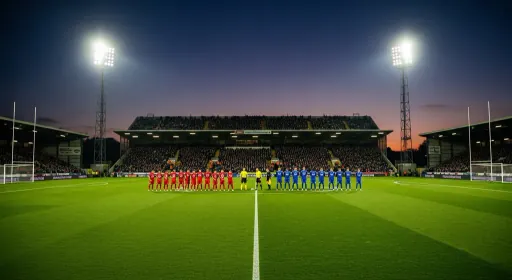
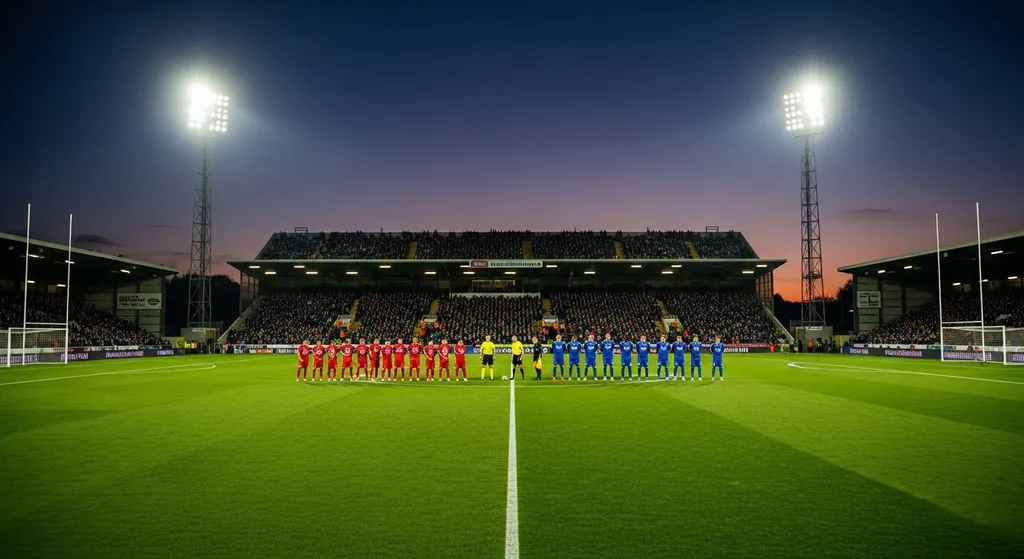
The
teams
lined
up
on
the
football
pitch
before
kick-off
.
The
teams
lined
up
on
the
football
pitch
before
kick-off
.
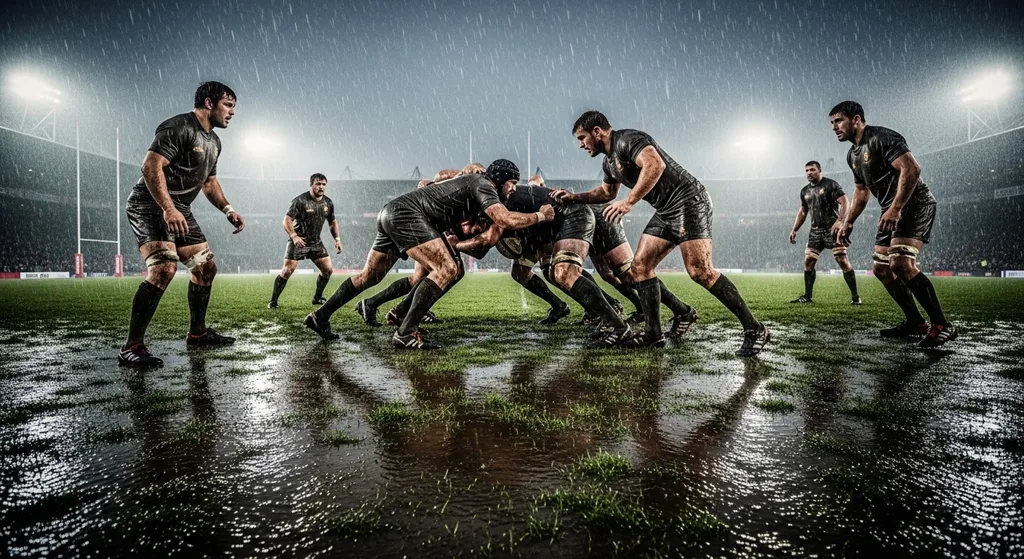
•
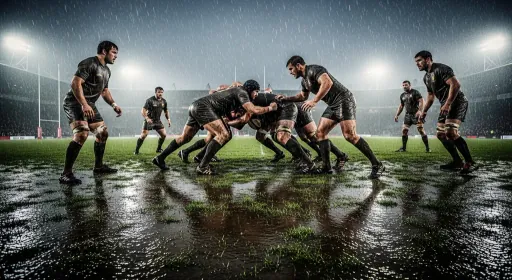
Heavy
rain
left
the
rugby
pitch
muddy
and
slippery
.
Heavy
rain
left
the
rugby
pitch
muddy
and
slippery
.
From
Middle
English
sense
‘
area
set
out
for
playing
’.
noun
-
pitch
a
thick
,
dark
,
sticky
substance
made
from
coal
tar
or
petroleum
that
is
used
to
seal
or
waterproof
things
•
The
workers
heated
the
pitch
before
spreading
it
on
the
roof
.
The
workers
heated
the
pitch
before
spreading
it
on
the
roof
.
•
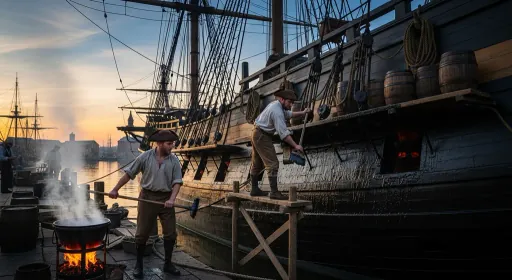
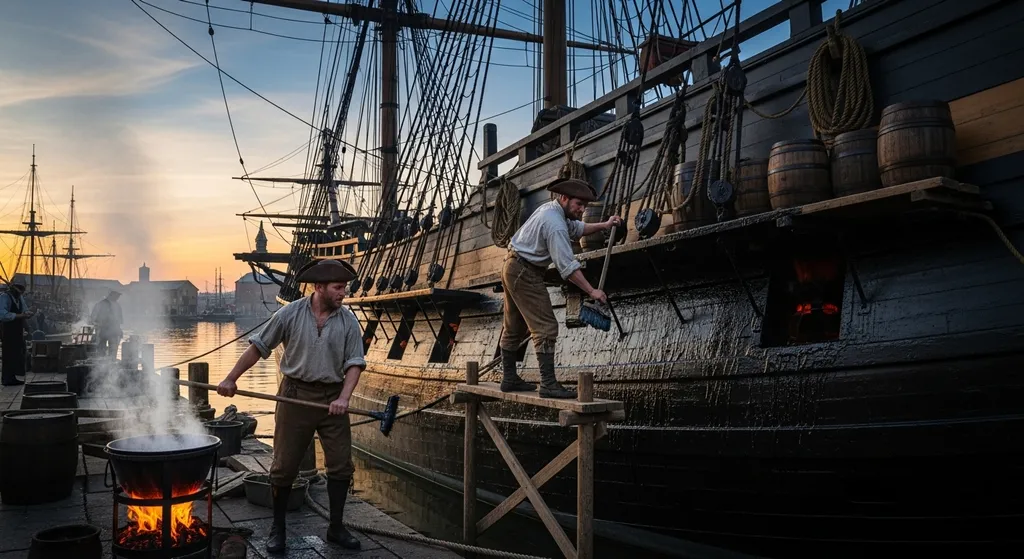
Sailors
in
the
18th
century
coated
wooden
hulls
with
pitch
to
keep
seawater
out
.
Sailors
in
the
18th
century
coated
wooden
hulls
with
pitch
to
keep
seawater
out
.
Old
English
‘
pic
’,
from
Latin
‘
pix
’ ‘
pitch
’
verb
-
pitch
,
pitching
,
pitches
,
pitched
to
throw
something
,
especially
a
ball
,
forcefully
through
the
air
•
Evan
pitched
the
ball
across
the
yard
to
his
brother
.
Evan
pitched
the
ball
across
the
yard
to
his
brother
.
•
She
can
pitch
a
softball
farther
than
anyone
on
the
team
.
She
can
pitch
a
softball
farther
than
anyone
on
the
team
.
Old
English
‘
piccean
’ “
to
thrust
”,
later
specialized
to
throwing
.
noun
-
pitch
how
high
or
low
a
sound
is
,
determined
by
its
frequency
•
The
singer
raised
the
pitch
of
the
final
note
to
hit
the
high
C
.
The
singer
raised
the
pitch
of
the
final
note
to
hit
the
high
C
.
•
Dolphins
can
hear
sounds
at
a
much
higher
pitch
than
humans
.
Dolphins
can
hear
sounds
at
a
much
higher
pitch
than
humans
.
From
the
idea
of
‘
setting
’
a
note
,
18th-century
musical
use
.
noun
-
pitch
,
pitches
a
short
,
prepared
talk
meant
to
persuade
someone
to
buy
or
accept
something
•
Maria
delivered
a
confident
sales
pitch
to
the
investors
.
Maria
delivered
a
confident
sales
pitch
to
the
investors
.
•
The
startup
had
only
two
minutes
to
make
its
elevator
pitch
.
The
startup
had
only
two
minutes
to
make
its
elevator
pitch
.
Business
sense
evolved
in
the
early
20th
century
from
the
verb
meaning
“
to
set
before
”.
verb
-
pitch
,
pitching
,
pitches
,
pitched
to
present
or
promote
an
idea
,
product
,
or
plan
in
order
to
persuade
someone
•
The
advertising
team
will
pitch
three
concepts
to
the
client
tomorrow
.
The
advertising
team
will
pitch
three
concepts
to
the
client
tomorrow
.
•
He
pitched
his
novel
idea
to
several
publishers
before
getting
accepted
.
He
pitched
his
novel
idea
to
several
publishers
before
getting
accepted
.
From
earlier
sense
‘
to
set
before
’,
later
‘
to
offer
for
sale
’.
pitcher
noun
a
deep
container
with
a
handle
and
a
spout
used
for
holding
and
pouring
drinks
such
as
water
,
juice
,
or
milk
•
Mom
filled
the
pitcher
with
lemonade
for
the
picnic
.
Mom
filled
the
pitcher
with
lemonade
for
the
picnic
.
•
Please
pass
the
pitcher
of
water
so
I
can
refill
my
glass
.
Please
pass
the
pitcher
of
water
so
I
can
refill
my
glass
.
From
Middle
English
picher
,
from
Old
French
pichier
“
drinking
vessel
,”
ultimately
from
Medieval
Latin
bicarium
“
earthenware
pot
.”
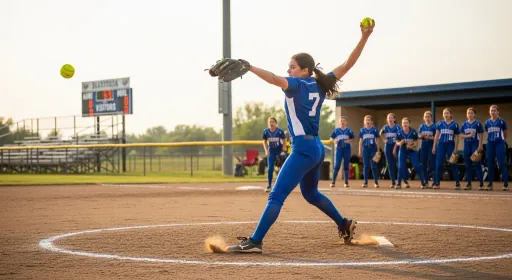
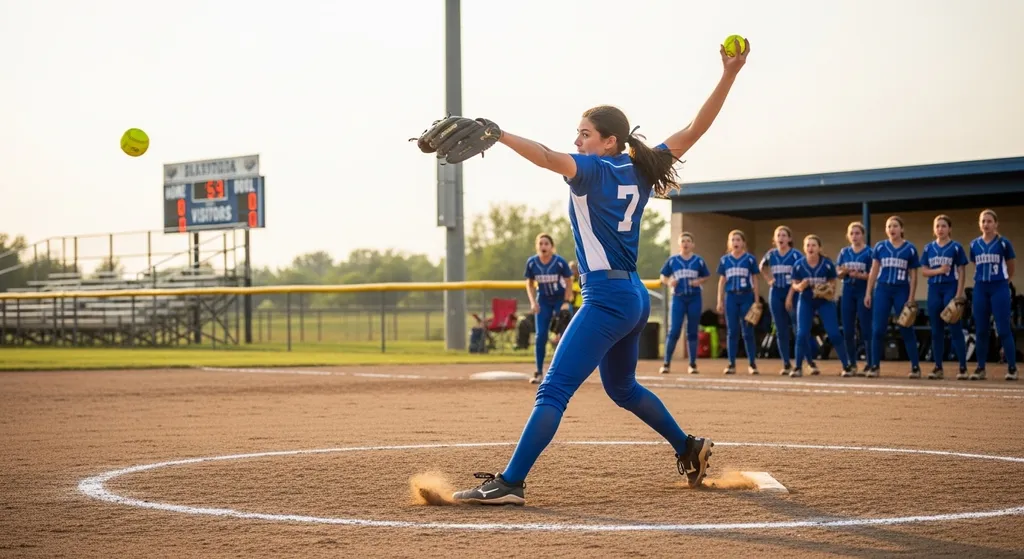
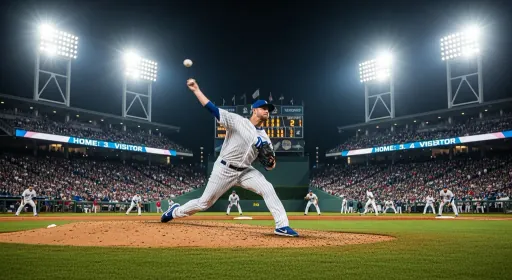
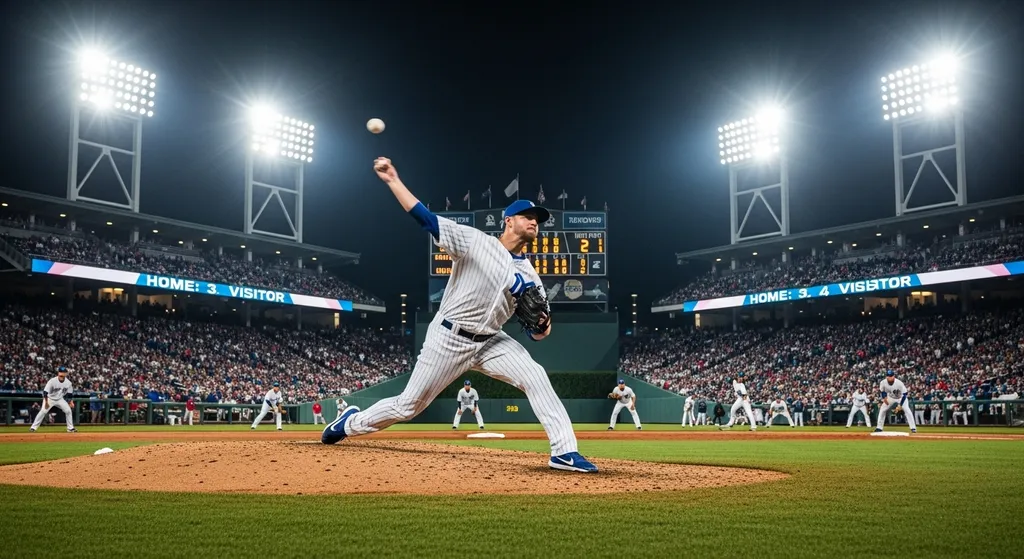
noun
the
player
on
a
baseball
or
softball
team
who
stands
on
the
mound
and
throws
the
ball
toward
the
batter
•
The
pitcher
threw
a
fastball
that
zoomed
past
the
batter
.
The
pitcher
threw
a
fastball
that
zoomed
past
the
batter
.
•
Our
team's
pitcher
practices
every
morning
before
school
.
Our
team's
pitcher
practices
every
morning
before
school
.
Derived
from
the
verb
“
pitch
” (
to
throw
),
first
used
in
reference
to
baseball
in
the
mid-19th
century
United
States
.
witch
noun
-
witch
,
witches
a
woman
in
stories
or
folklore
who
has
magical
powers
,
especially
powers
used
to
harm
or
scare
people
•
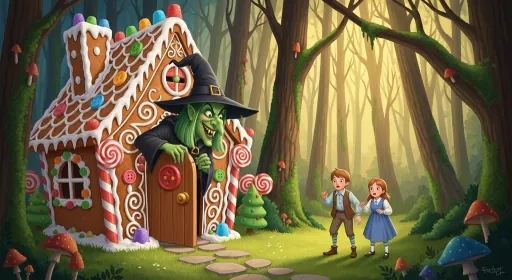
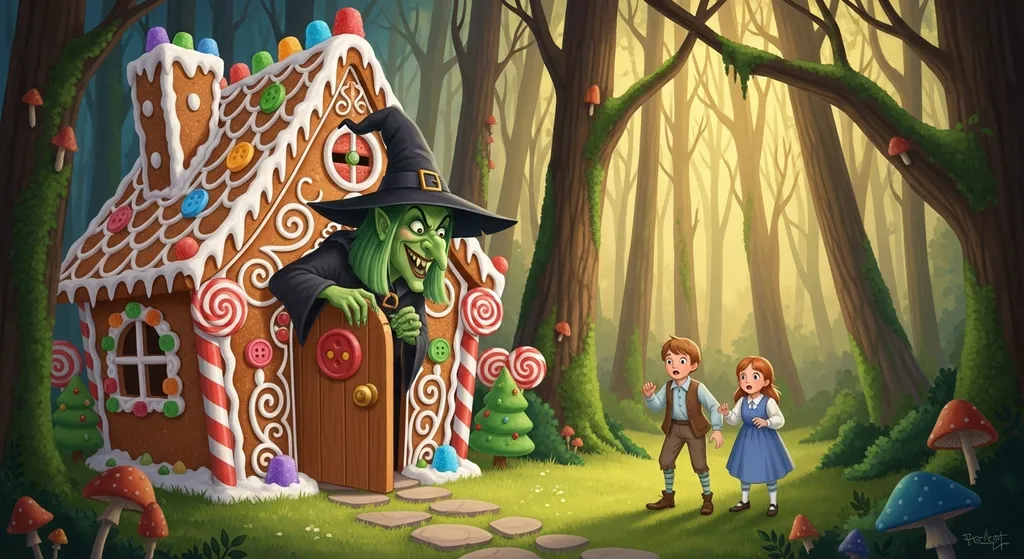
In
the
fairy
tale
,
the
evil
witch
lived
in
a
house
made
of
candy
.
In
the
fairy
tale
,
the
evil
witch
lived
in
a
house
made
of
candy
.
•
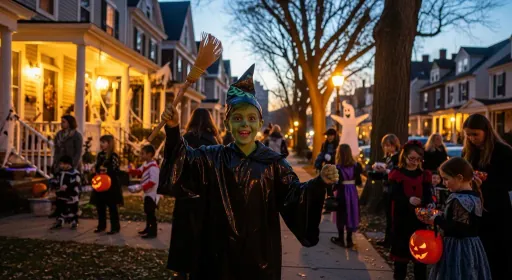
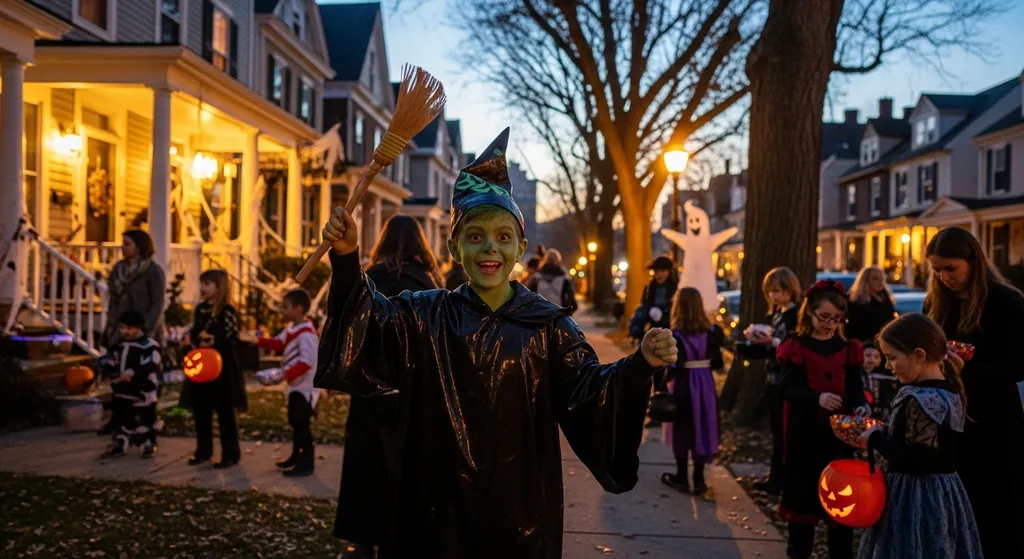
On
Halloween
night
,
Leo
dressed
up
as
a
cackling
green-faced
witch
with
a
tall
,
crooked
hat
.
On
Halloween
night
,
Leo
dressed
up
as
a
cackling
green-faced
witch
with
a
tall
,
crooked
hat
.
Old
English
‘
wicce
’ (
female
magician
),
related
to
‘
wicca
’ (
male
practitioner
).
Over
time
the
female
form
became
dominant
in
popular
tales
.
noun
-
witch
,
witches
a
person
,
often
a
woman
,
who
practices
modern
nature-based
magic
or
follows
the
Wiccan
religion
•
Luna
proudly
calls
herself
a
modern
witch
and
celebrates
every
solstice
with
a
small
ritual
.
Luna
proudly
calls
herself
a
modern
witch
and
celebrates
every
solstice
with
a
small
ritual
.
•
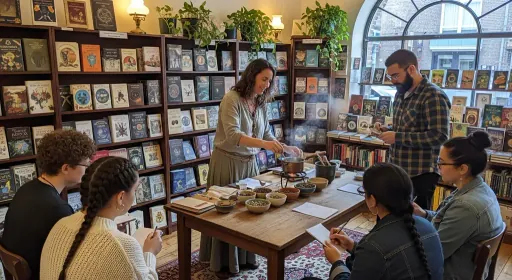
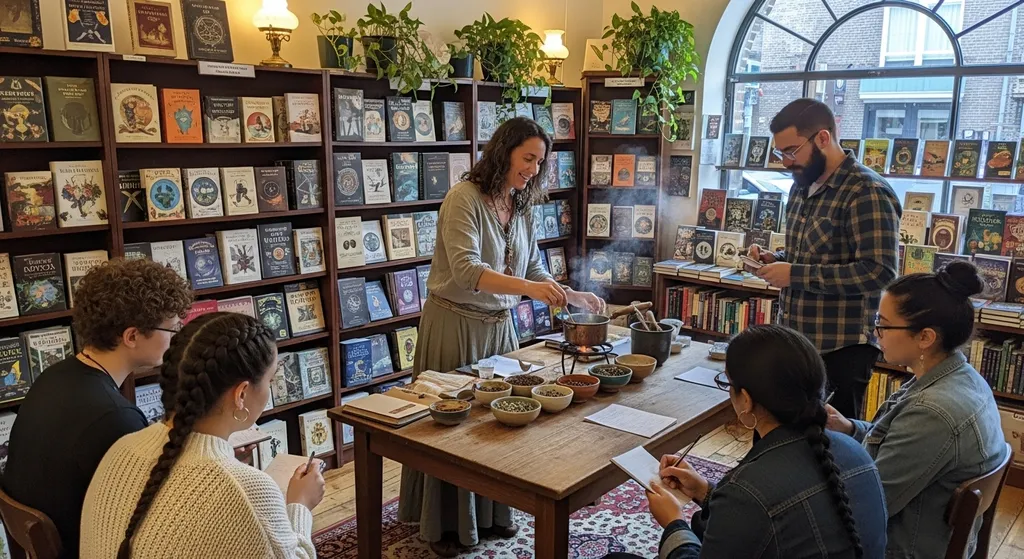
The
bookstore
invited
a
local
witch
to
teach
a
class
on
making
herbal
candles
.
The
bookstore
invited
a
local
witch
to
teach
a
class
on
making
herbal
candles
.
Reclaimed
in
the
20th
century
by
followers
of
Wicca
and
other
neo-pagan
paths
as
a
positive
self-description
.
noun
-
witch
,
witches
(
informal
,
offensive
)
a
spiteful
or
unpleasant
woman
•
My
boss
can
be
such
a
witch
when
deadlines
are
near
.
My
boss
can
be
such
a
witch
when
deadlines
are
near
.
•
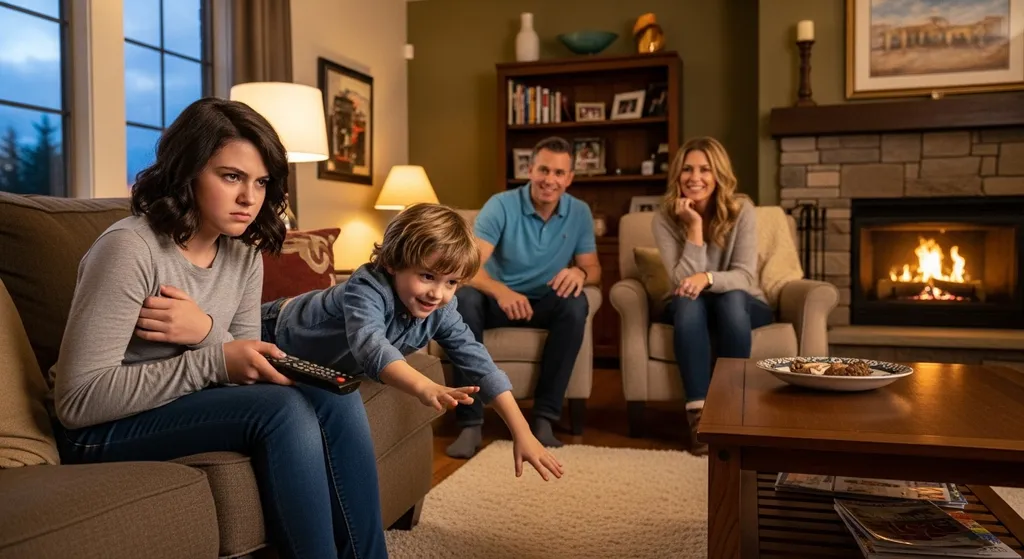
Stop
acting
like
a
witch
and
share
the
remote
with
your
brother
.
Stop
acting
like
a
witch
and
share
the
remote
with
your
brother
.
Metaphorical
use
developed
from
the
idea
of
a
frightening
or
harmful
witch
in
stories
,
reinforcing
a
negative
stereotype
.
verb
-
witch
,
witching
,
witches
,
witched
to
use
magic
or
witchcraft
to
influence
or
harm
someone
or
something
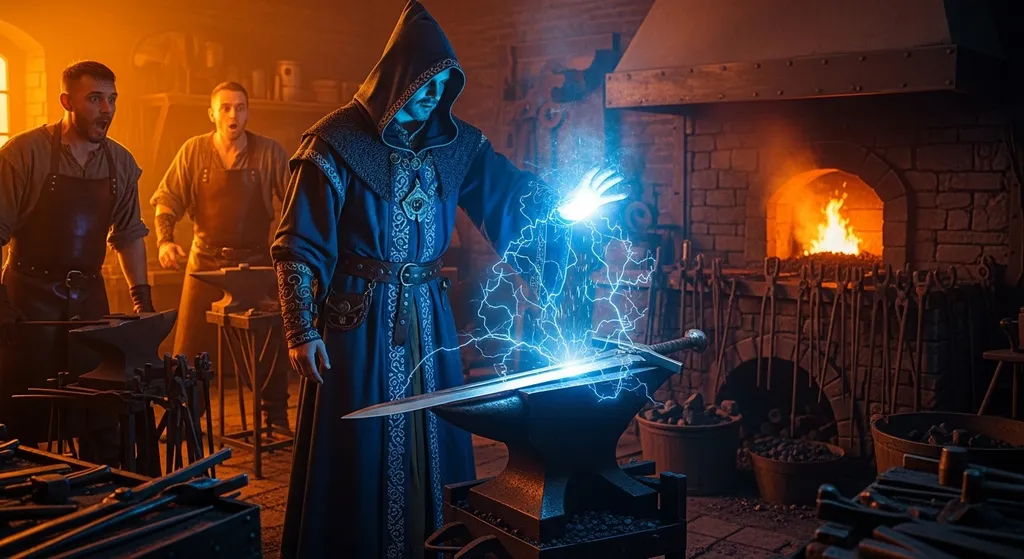
•
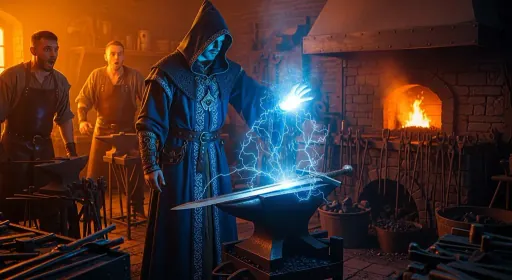
The
sorcerer
witched
the
sword
so
it
could
cut
through
stone
.
The
sorcerer
witched
the
sword
so
it
could
cut
through
stone
.
•
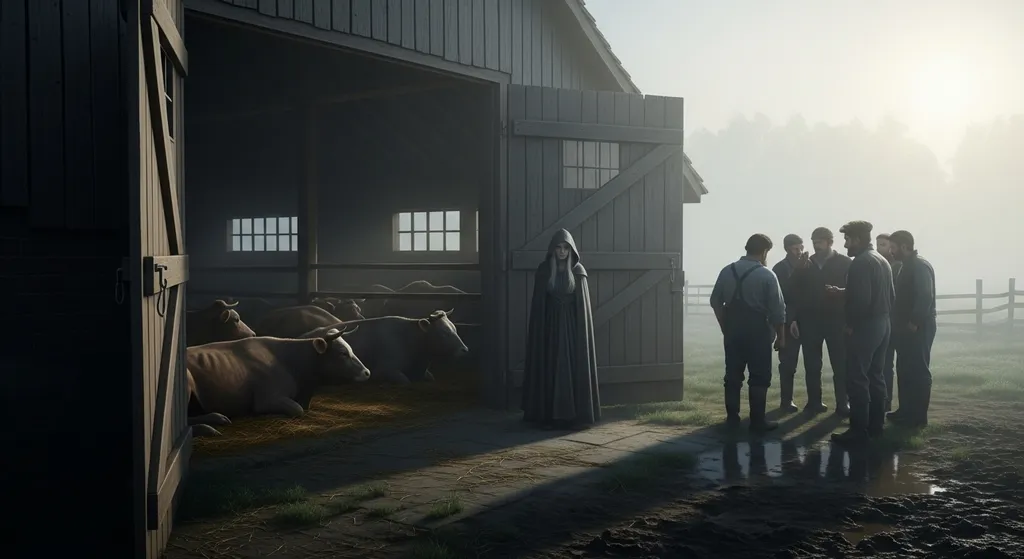
Some
say
the
widow
witched
the
farm
animals
,
causing
them
to
fall
ill
overnight
.
Some
say
the
widow
witched
the
farm
animals
,
causing
them
to
fall
ill
overnight
.
Verb
use
dates
to
Middle
English
,
originally
meaning
‘
to
practice
witchcraft
’;
the
-ed
form
‘
bewitched
’
later
became
more
common
.