toqus
Picture Dictionary
English
한국어
Register
Login
🔍
license
noun
an
official
document
or
card
that
gives
someone
legal
permission
to
do
or
own
something
•
I
left
my
license
at
home
,
so
I
couldn
’
t
drive
to
work
.
I
left
my
license
at
home
,
so
I
couldn
’
t
drive
to
work
.
•
Before
the
season
opened
,
Maria
bought
a
fishing
license
at
the
local
tackle
shop
.
Before
the
season
opened
,
Maria
bought
a
fishing
license
at
the
local
tackle
shop
.
Middle
English
from
Old
French
‘
licence
’,
from
Latin
‘
licentia
’
meaning
freedom
or
permission
.
verb
-
license
,
licensing
,
licenses
,
licensed
to
give
official
permission
for
someone
to
do
or
produce
something
•
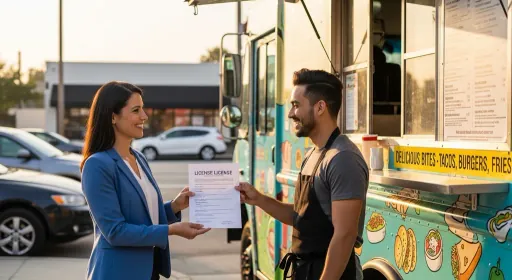
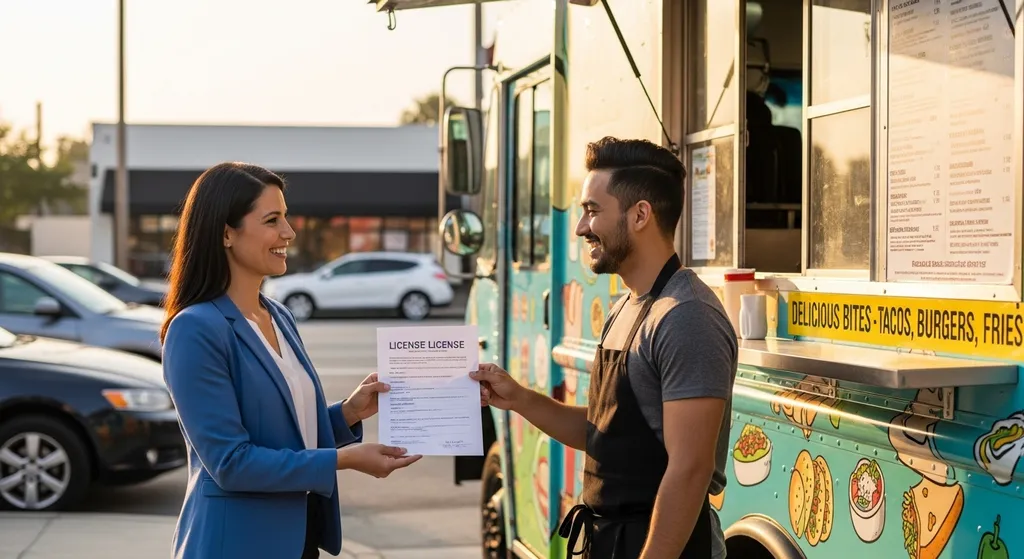
The
city
recently
licensed
several
food
trucks
to
operate
downtown
.
The
city
recently
licensed
several
food
trucks
to
operate
downtown
.
•
The
company
is
licensing
its
software
to
universities
around
the
world
.
The
company
is
licensing
its
software
to
universities
around
the
world
.
From
the
noun
“
license
”;
first
used
as
a
verb
in
the
early
1500s
.
noun
-
license
freedom
to
act
in
a
way
that
is
not
normally
allowed
,
especially
in
art
or
writing
•
The
filmmaker
took
artistic
license
with
the
true
story
,
adding
characters
that
never
existed
.
The
filmmaker
took
artistic
license
with
the
true
story
,
adding
characters
that
never
existed
.
•
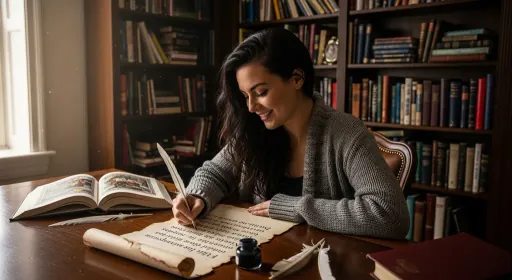
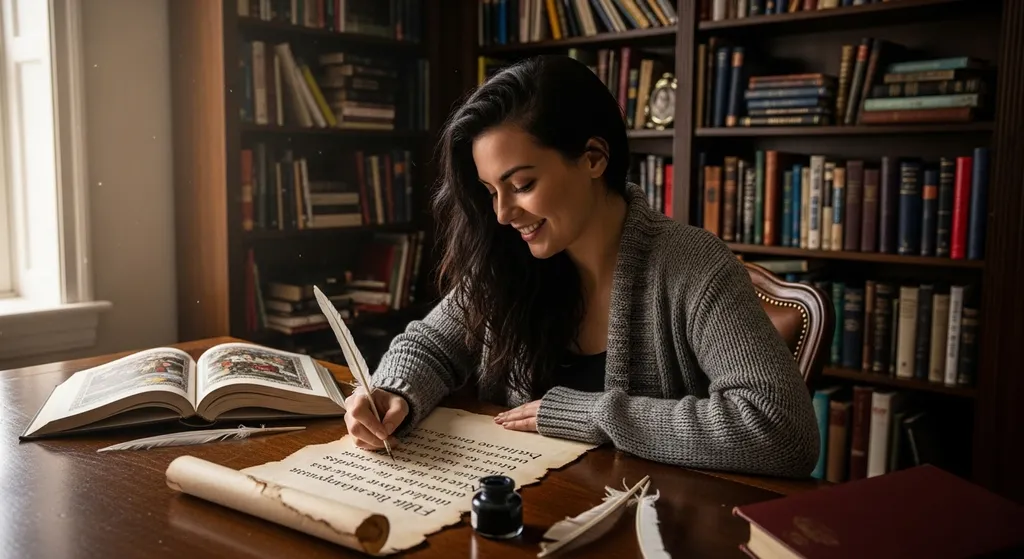
Poets
often
use
poetic
license
to
bend
grammar
for
effect
.
Poets
often
use
poetic
license
to
bend
grammar
for
effect
.
Evolved
from
the
older
sense
of
‘
permission
’;
by
the
1700s
it
also
meant
excessive
or
unrestrained
freedom
.
licence
noun
an
official
document
that
proves
you
are
allowed
by
law
to
do
something
•
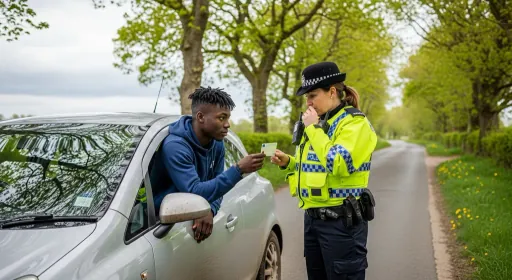
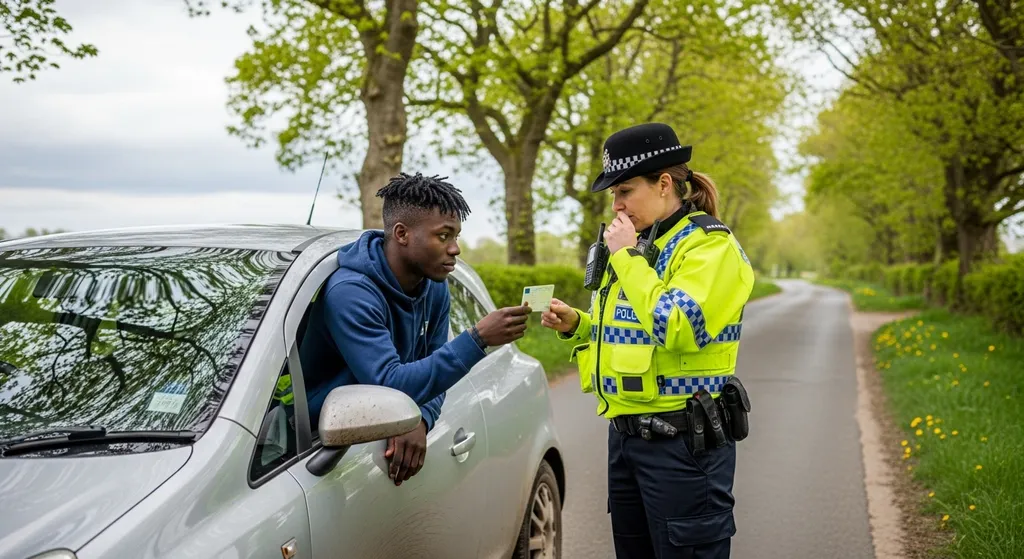
He
showed
the
police
officer
his
driving
licence
.
He
showed
the
police
officer
his
driving
licence
.
•
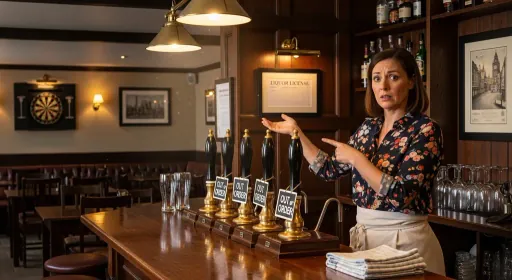
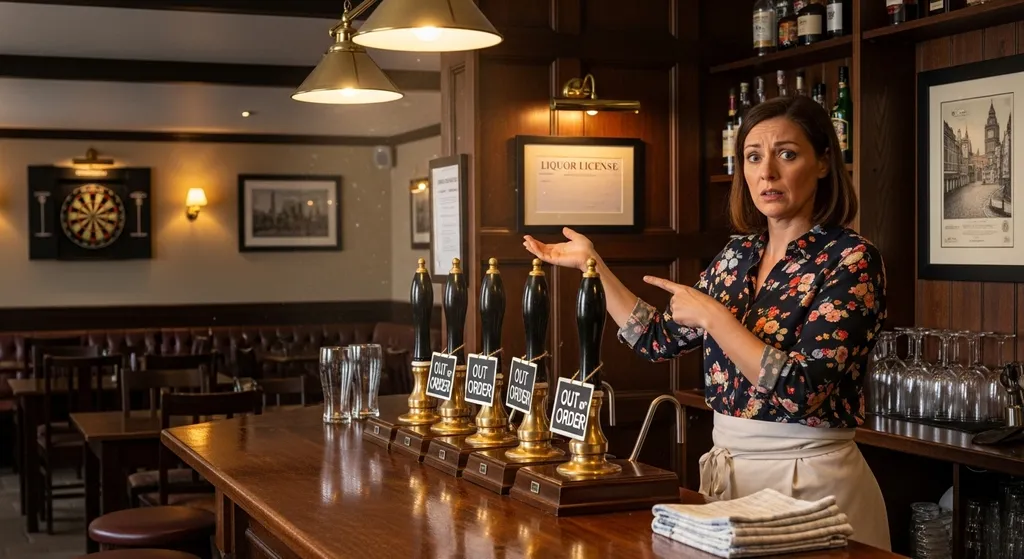
Our
pub
can
’
t
sell
beer
without
a
liquor
licence
.
Our
pub
can
’
t
sell
beer
without
a
liquor
licence
.
Same
origin
as
American
“
license
”;
Middle
English
via
Old
French
from
Latin
‘
licentia
’.
noun
-
licence
freedom
to
do
something
in
a
way
that
is
not
normally
accepted
,
especially
in
creative
work
•
The
novelist
used
poetic
licence
to
change
the
setting
to
a
different
century
.
The
novelist
used
poetic
licence
to
change
the
setting
to
a
different
century
.
•
Editors
accused
the
journalist
of
taking
too
much
licence
with
the
facts
.
Editors
accused
the
journalist
of
taking
too
much
licence
with
the
facts
.
Same
development
as
US
sense
;
by
the
18th
century
‘
licence
’
also
meant
freedom
beyond
normal
limits
.
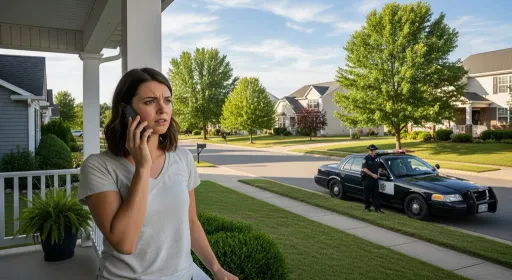
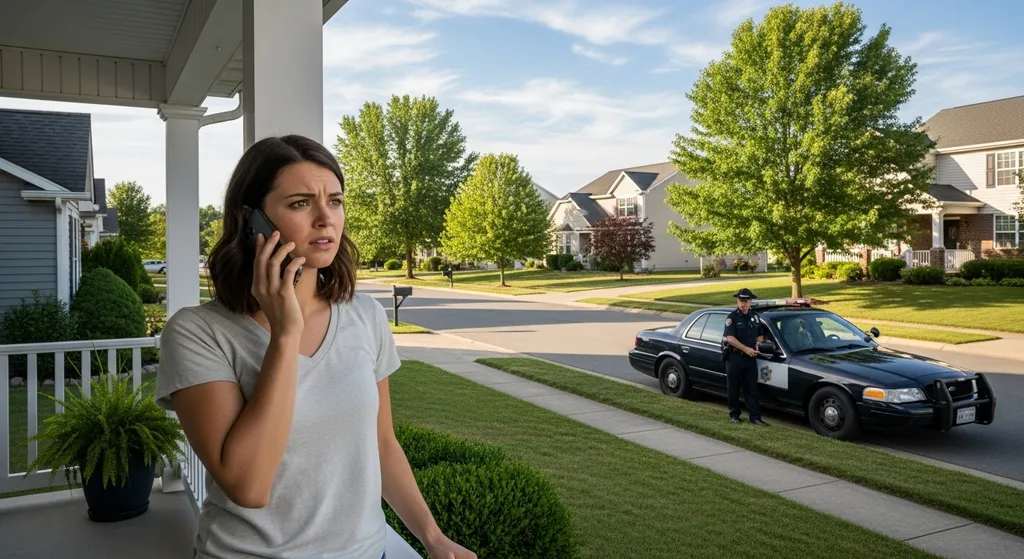
police
noun
the
official
organization
whose
job
is
to
enforce
the
law
,
protect
people
,
and
catch
criminals
•
The
police
arrived
within
minutes
after
the
robbery
was
reported
.
The
police
arrived
within
minutes
after
the
robbery
was
reported
.
•
You
should
call
the
police
if
you
see
anything
suspicious
.
You
should
call
the
police
if
you
see
anything
suspicious
.
From
Old
French
police
“
public
order
,
administration
,
government
,”
from
Latin
polītīa
“
organization
,
civil
administration
,”
from
Ancient
Greek
πολιτεία
(
politeía
) “
citizenship
,
government
.”
verb
-
police
,
policing
,
polices
,
policed
to
watch
and
control
an
area
,
activity
,
or
group
to
make
sure
that
rules
or
laws
are
followed
•
Volunteers
helped
police
the
beach
by
reminding
visitors
not
to
litter
.
Volunteers
helped
police
the
beach
by
reminding
visitors
not
to
litter
.
•
The
organization
works
to
police
online
hate
speech
.
The
organization
works
to
police
online
hate
speech
.
Extension
of
the
noun
sense
;
first
recorded
as
a
verb
in
the
mid-19th
century
.
slice
noun
a
thin
,
flat
piece
cut
from
something
larger
,
especially
food
•
She
put
a
slice
of
cheese
on
her
sandwich
.
She
put
a
slice
of
cheese
on
her
sandwich
.
•
The
waiter
served
each
guest
a
thick
slice
of
chocolate
cake
.
The
waiter
served
each
guest
a
thick
slice
of
chocolate
cake
.
Middle
English
,
from
Old
French
‘
esclice
’
meaning
‘
splinter
,
fragment
’,
from
‘
esclicier
’ ‘
to
cut
or
split
’.
verb
-
slice
,
slicing
,
slices
,
sliced
to
cut
something
into
thin
,
flat
pieces
•
Using
a
sharp
knife
,
the
chef
sliced
the
tomatoes
paper-thin
.
Using
a
sharp
knife
,
the
chef
sliced
the
tomatoes
paper-thin
.
•
She
carefully
sliced
the
apple
for
her
child
.
She
carefully
sliced
the
apple
for
her
child
.
From
the
noun
‘
slice
’,
verb
use
recorded
since
the
15th
century
.
noun
a
part
or
share
of
something
such
as
money
,
time
,
or
activity
•
Tourism
brings
a
big
slice
of
income
to
the
island
.
Tourism
brings
a
big
slice
of
income
to
the
island
.
•
Everyone
wanted
their
slice
of
the
profits
.
Everyone
wanted
their
slice
of
the
profits
.
Metaphorical
extension
from
the
literal
meaning
of
a
cut
piece
.
noun
in
golf
,
tennis
,
or
similar
sports
,
a
shot
that
curves
sharply
to
the
side
because
of
spin
•
His
drive
turned
into
a
nasty
slice
and
landed
in
the
trees
.
His
drive
turned
into
a
nasty
slice
and
landed
in
the
trees
.
•
She
fixed
her
slice
by
adjusting
her
grip
.
She
fixed
her
slice
by
adjusting
her
grip
.
Sports
sense
dates
from
late
19th-century
golf
terminology
.
verb
-
slice
,
slicing
,
slices
,
sliced
in
sports
like
golf
or
tennis
,
to
hit
the
ball
so
that
it
curves
sharply
sideways
because
of
spin
•
He
sliced
the
ball
and
it
veered
right
into
the
rough
.
He
sliced
the
ball
and
it
veered
right
into
the
rough
.
•
Try
not
to
slice
your
serve
in
tennis
.
Try
not
to
slice
your
serve
in
tennis
.
Verb
use
developed
from
the
noun
‘
slice
’
in
sports
contexts
around
1900
.