



toqus
Picture Dictionary
English
한국어
Register
Login
🔍
start
verb
to
begin
doing
something
,
or
for
something
to
begin
•
Classes
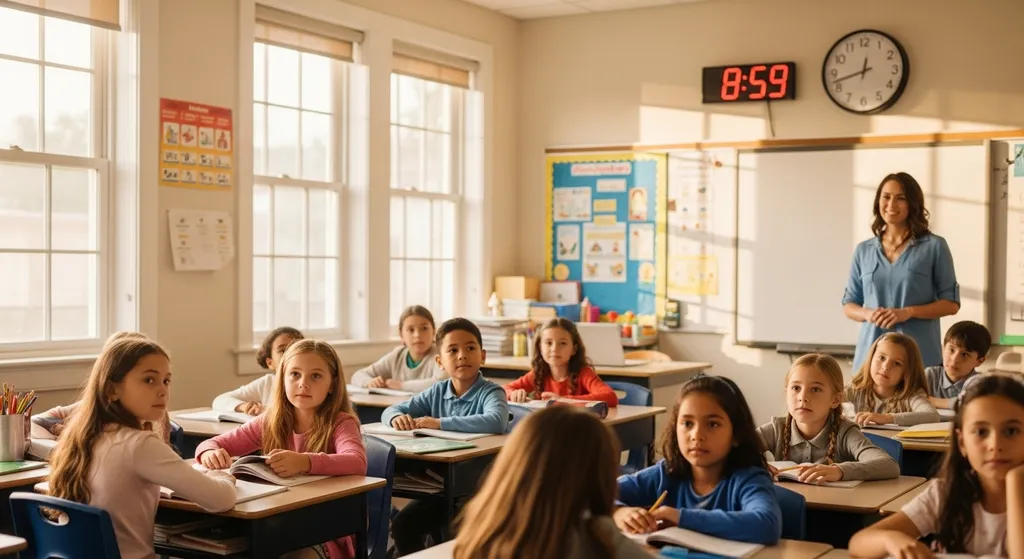
start
at
nine
o
’
clock
every
morning
.
Classes
start
at
nine
o
’
clock
every
morning
.
•
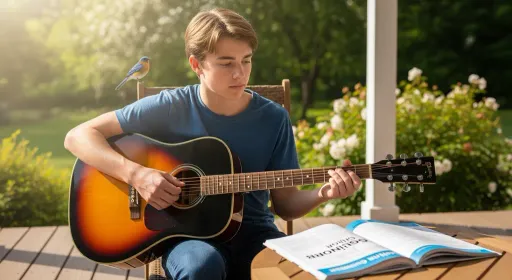
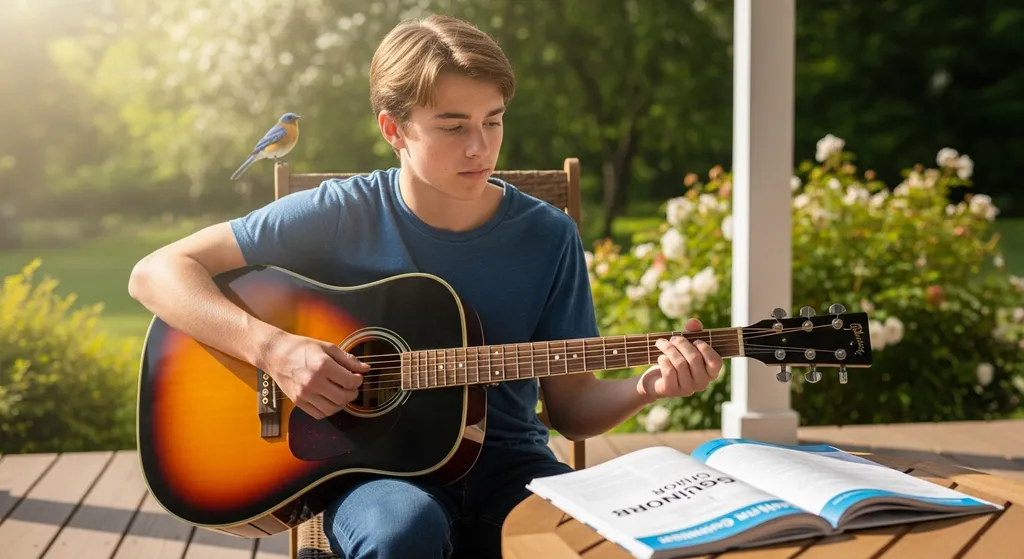
He
wants
to
start
learning
the
guitar
this
summer
.
He
wants
to
start
learning
the
guitar
this
summer
.
Old
English
‘
steartian
’
meaning
‘
to
leap
up
,
begin
to
move
’.
noun
the
beginning
of
an
activity
,
event
,
or
period
of
time
•
From
the
start
,
everyone
knew
the
project
would
be
difficult
.
From
the
start
,
everyone
knew
the
project
would
be
difficult
.
•
They
got
off
to
a
slow
start
but
soon
gained
speed
.
They
got
off
to
a
slow
start
but
soon
gained
speed
.
verb
to
make
a
machine
,
vehicle
,
or
device
begin
working
•
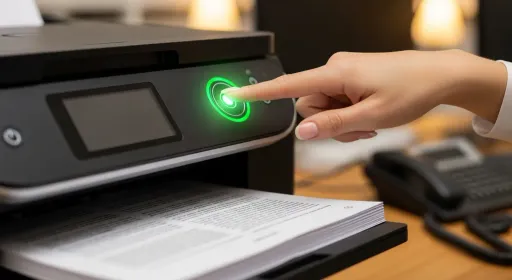
Press
the
green
button
to
start
the
printer
.
Press
the
green
button
to
start
the
printer
.
•
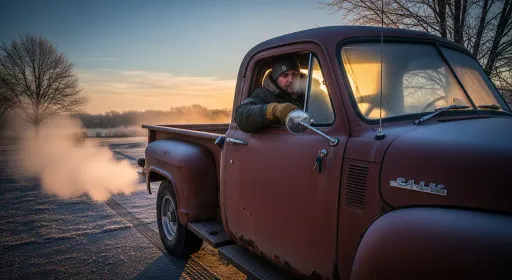
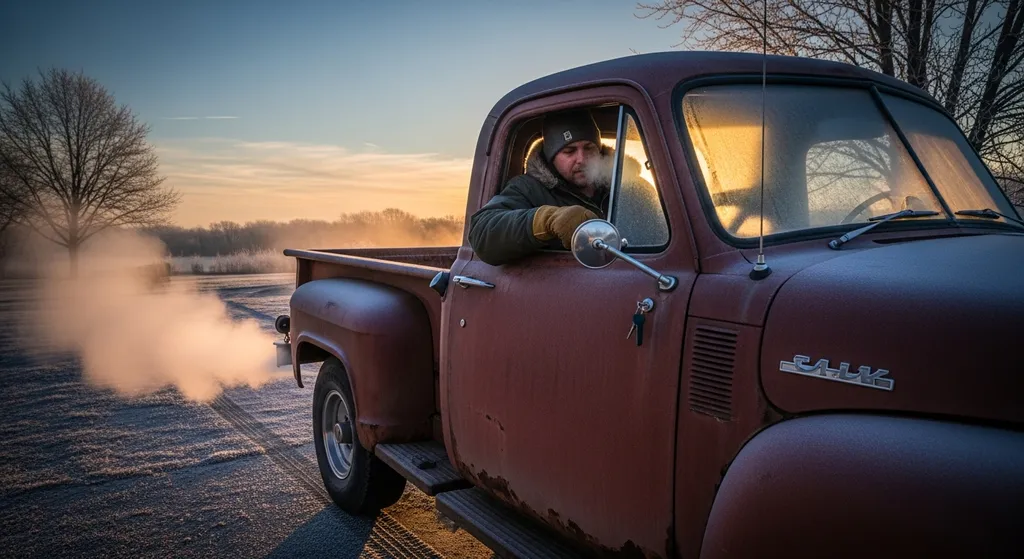
It
took
several
tries
to
start
the
old
truck
on
the
cold
morning
.
It
took
several
tries
to
start
the
old
truck
on
the
cold
morning
.
verb
to
move
suddenly
because
of
surprise
or
fear
•
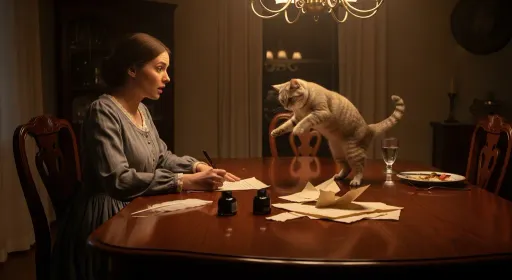
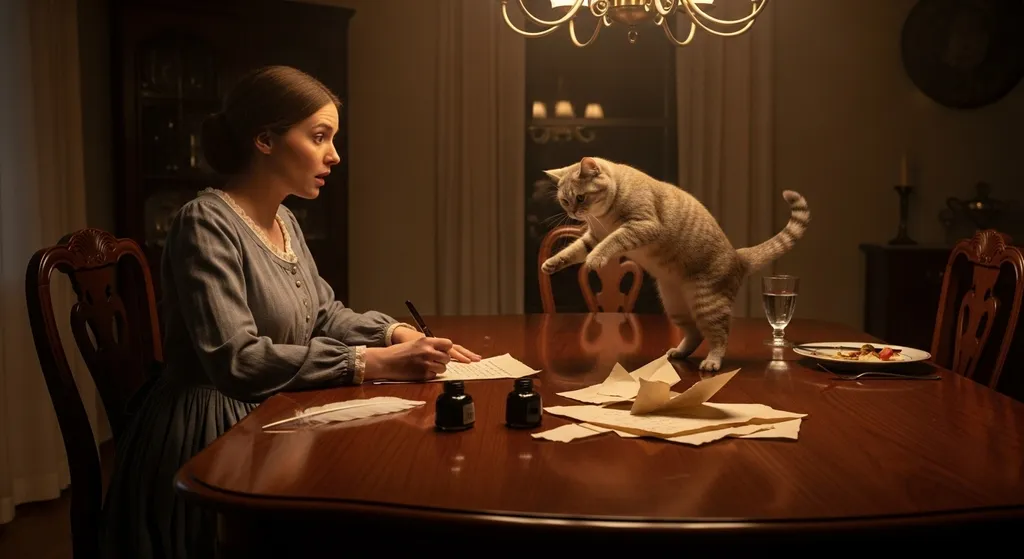
She
started
when
the
cat
jumped
onto
the
table
.
She
started
when
the
cat
jumped
onto
the
table
.
•
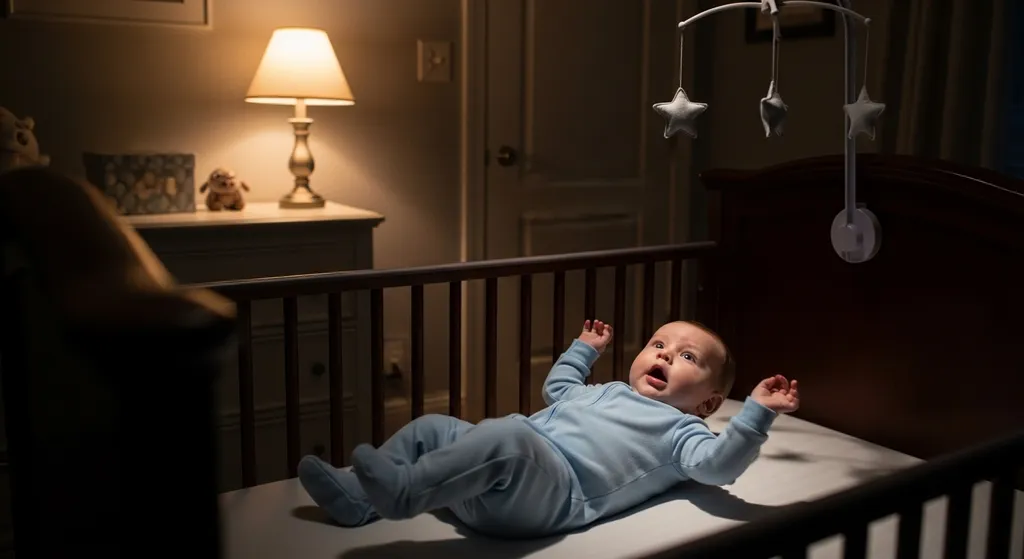
The
sudden
bang
made
the
baby
start
in
his
sleep
.
The
sudden
bang
made
the
baby
start
in
his
sleep
.
noun
a
sudden
jump
or
movement
caused
by
surprise
or
fear
•
With
a
start
,
he
realized
he
had
missed
the
last
train
.
With
a
start
,
he
realized
he
had
missed
the
last
train
.
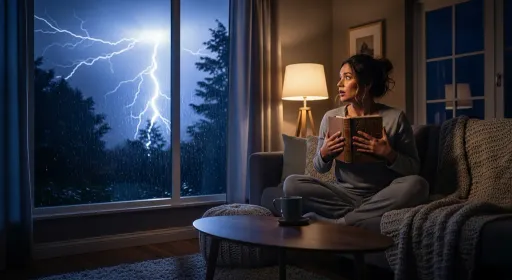
•
The
loud
thunder
gave
her
a
start
.
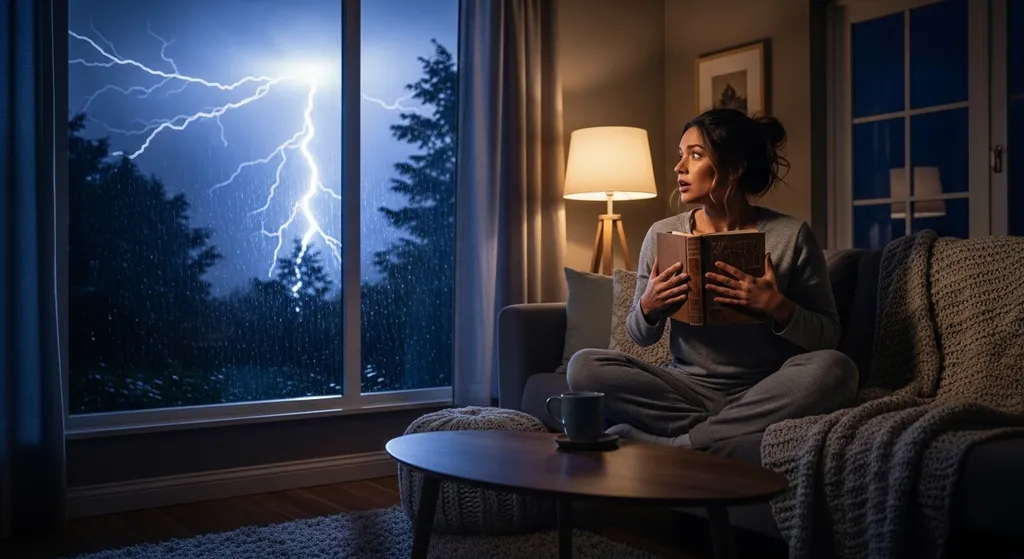
The
loud
thunder
gave
her
a
start
.
star
noun
a
huge
ball
of
burning
gas
in
space
that
looks
like
a
small
bright
point
of
light
in
the
night
sky
•
Lying
on
the
balcony
,
Leo
tried
to
count
the
stars
twinkling
above
him
.
Lying
on
the
balcony
,
Leo
tried
to
count
the
stars
twinkling
above
him
.
•
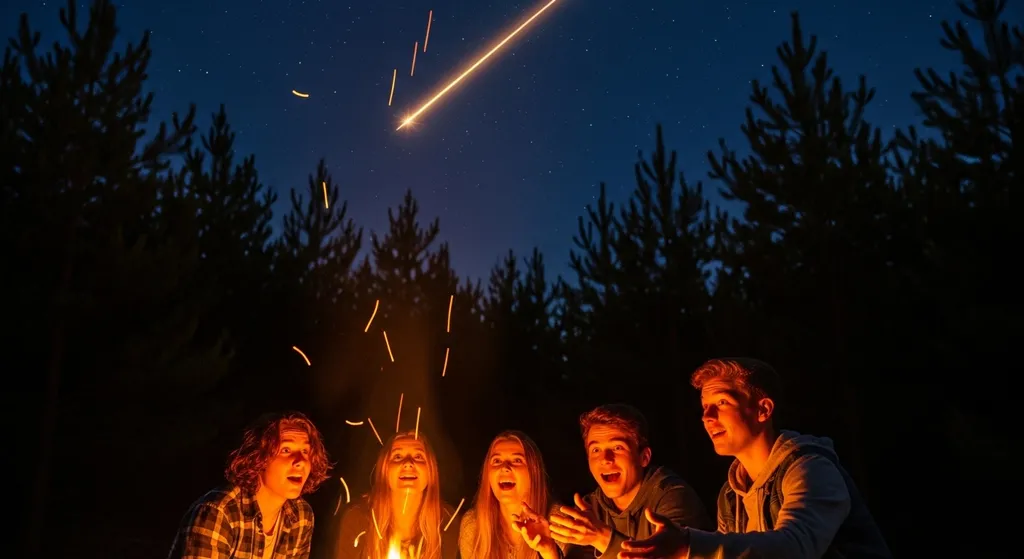
The
campers
gasped
when
a
shooting
star
streaked
across
the
dark
forest
sky
.
The
campers
gasped
when
a
shooting
star
streaked
across
the
dark
forest
sky
.
Old
English
“
steorra
,”
from
Proto-Germanic
*sternō
,
related
to
Latin
“
stella
”
and
Greek
“
aster
,”
all
meaning
a
celestial
body
that
shines
.
noun
a
person
who
is
very
famous
and
admired
for
acting
,
singing
,
sports
,
or
another
public
activity
•
Thousands
of
fans
waited
at
the
airport
to
see
the
movie
star
arrive
.
Thousands
of
fans
waited
at
the
airport
to
see
the
movie
star
arrive
.
•
The
young
striker
quickly
became
a
star
after
scoring
three
goals
in
one
match
.
The
young
striker
quickly
became
a
star
after
scoring
three
goals
in
one
match
.
Transferred
sense
from
the
bright
heavenly
body
to
an
outstanding
person
,
first
recorded
in
the
18th
century
.
verb
-
star
,
starring
,
stars
,
starred
to
be
the
main
performer
in
a
film
,
play
,
show
,
or
other
production
•
The
new
comedy
will
star
two
well-known
television
actors
.
The
new
comedy
will
star
two
well-known
television
actors
.
•
She
starred
in
a
hit
musical
that
ran
for
over
a
year
on
Broadway
.
She
starred
in
a
hit
musical
that
ran
for
over
a
year
on
Broadway
.
Derived
from
the
noun
sense
‘
celebrity
’,
first
used
as
a
verb
in
the
late
19th
century
meaning
‘
to
feature
as
a
star
’.
adjective
excellent
or
most
important
in
a
group
•
Maria
is
the
star
student
in
her
science
class
.
Maria
is
the
star
student
in
her
science
class
.
•
The
coach
praised
his
star
player
for
scoring
the
winning
goal
.
The
coach
praised
his
star
player
for
scoring
the
winning
goal
.
From
the
idea
of
a
celebrated
‘
star
’
person
shining
above
others
,
later
applied
to
objects
or
roles
.
stare
verb
-
stare
,
staring
,
stares
,
stared
to
look
at
someone
or
something
for
a
long
time
without
blinking
,
often
because
you
are
surprised
,
curious
,
or
impolite
•
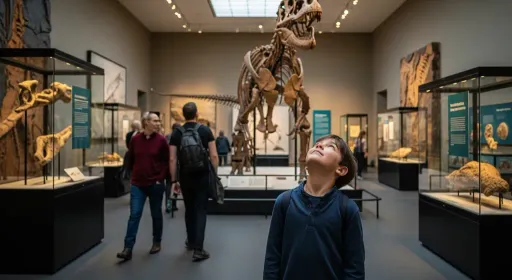
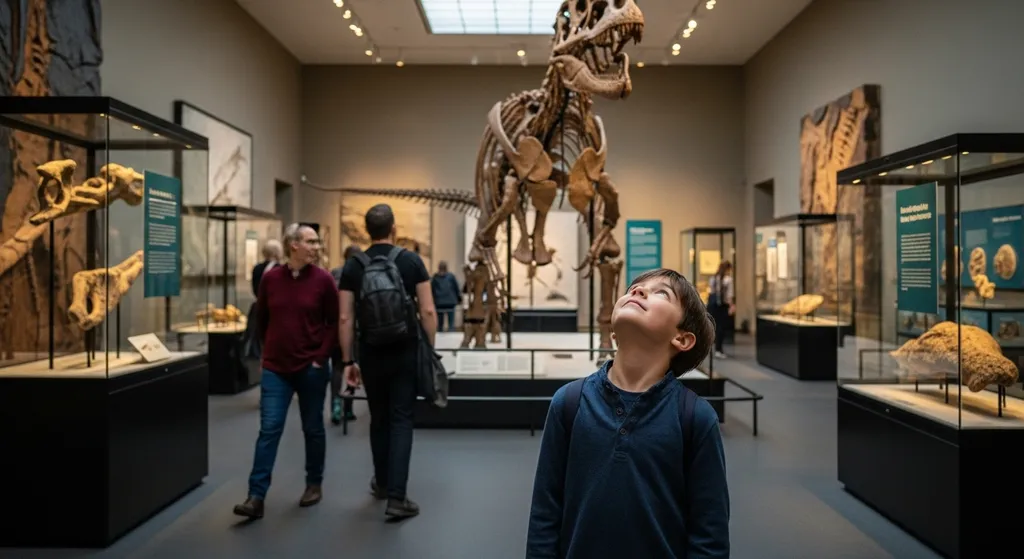
The
little
boy
stared
at
the
huge
dinosaur
skeleton
in
amazement
.
The
little
boy
stared
at
the
huge
dinosaur
skeleton
in
amazement
.
•
Please
don't
stare
at
people
on
the
train
;
it
makes
them
uncomfortable
.
Please
don't
stare
at
people
on
the
train
;
it
makes
them
uncomfortable
.
noun
a
long
,
fixed
look
from
someone
•
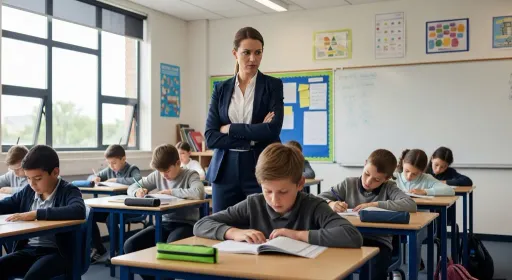
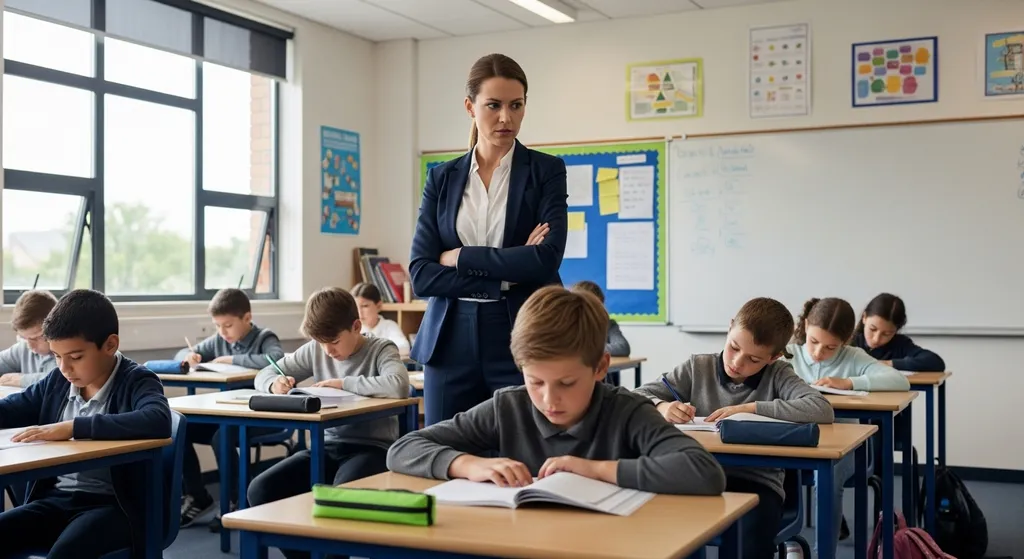
He
felt
the
teacher's
cold
stare
from
across
the
classroom
.
He
felt
the
teacher's
cold
stare
from
across
the
classroom
.
•
Lisa
met
his
long
stare
with
a
friendly
smile
.
Lisa
met
his
long
stare
with
a
friendly
smile
.
verb
-
stare
,
staring
,
stares
,
stared
to
be
very
obvious
or
noticeable
,
almost
forcing
itself
to
be
seen
•
The
spelling
mistake
stared
from
the
front
page
of
the
newspaper
.
The
spelling
mistake
stared
from
the
front
page
of
the
newspaper
.
•
The
bright
red
sofa
stares
against
the
pale
cream
walls
of
the
room
.
The
bright
red
sofa
stares
against
the
pale
cream
walls
of
the
room
.
noun
(
archaic
)
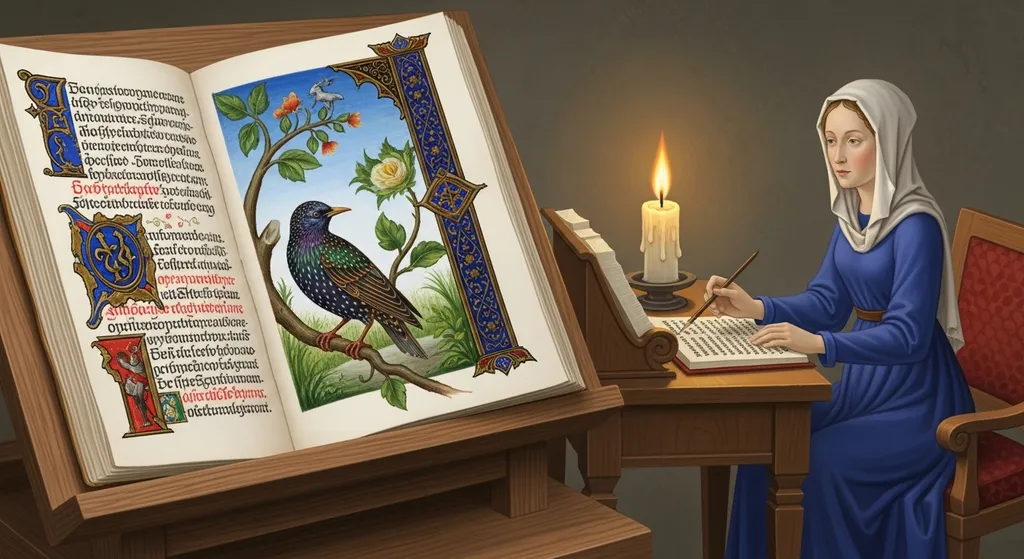
a
starling
;
a
small
dark
songbird
common
in
Europe
•
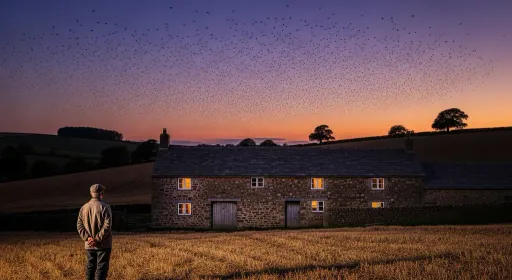
A
flock
of
stares
wheeled
above
the
old
farmhouse
at
dusk
.
A
flock
of
stares
wheeled
above
the
old
farmhouse
at
dusk
.
•
Medieval
poems
often
mention
the
cheerful
song
of
the
stare
.
Medieval
poems
often
mention
the
cheerful
song
of
the
stare
.
Old
English
staro
,
stearn
,
related
to
Old
High
German
staro
and
Latin
sturnus
(
starling
);
the
spelling
"
stare
"
became
obsolete
after
the
17th
century
.
starting
verb
present
participle
of
start
–
to
begin
doing
something
or
to
begin
to
happen
•
We
are
starting
our
journey
at
dawn
.
We
are
starting
our
journey
at
dawn
.
•
The
movie
is
starting
in
five
minutes
,
so
hurry
!
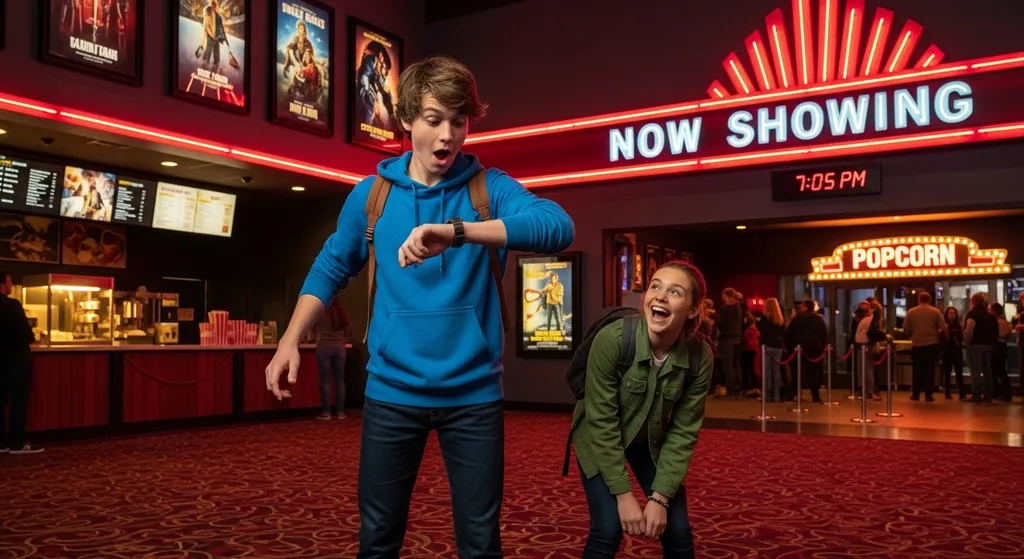
The
movie
is
starting
in
five
minutes
,
so
hurry
!
From
Old
English
"
styrtan
" (
to
leap
up
,
start
).
The
sense
of
"
to
begin
"
developed
in
Middle
English
and
the
–ing
form
has
been
used
since
the
late
14th
century
.
noun
the
act
or
moment
of
beginning
something
•
Rain
delayed
the
starting
of
the
race
.
Rain
delayed
the
starting
of
the
race
.
•
He
felt
nervous
at
the
starting
of
his
new
job
.
He
felt
nervous
at
the
starting
of
his
new
job
.
Gerund
form
of
the
verb
“
start
,”
used
as
a
noun
since
the
16th
century
.
adjective
existing
or
happening
at
the
beginning
of
something
•
Your
starting
salary
will
go
up
after
six
months
.
Your
starting
salary
will
go
up
after
six
months
.
•
We
met
at
the
starting
point
of
the
hiking
trail
.
We
met
at
the
starting
point
of
the
hiking
trail
.
Participial
adjective
from
the
verb
“
start
,”
used
attributively
since
the
early
17th
century
.
starter
noun
a
small
dish
that
is
eaten
before
the
main
course
of
a
meal
•
We
ordered
a
creamy
tomato
soup
as
a
starter
before
the
steak
arrived
.
We
ordered
a
creamy
tomato
soup
as
a
starter
before
the
steak
arrived
.
•
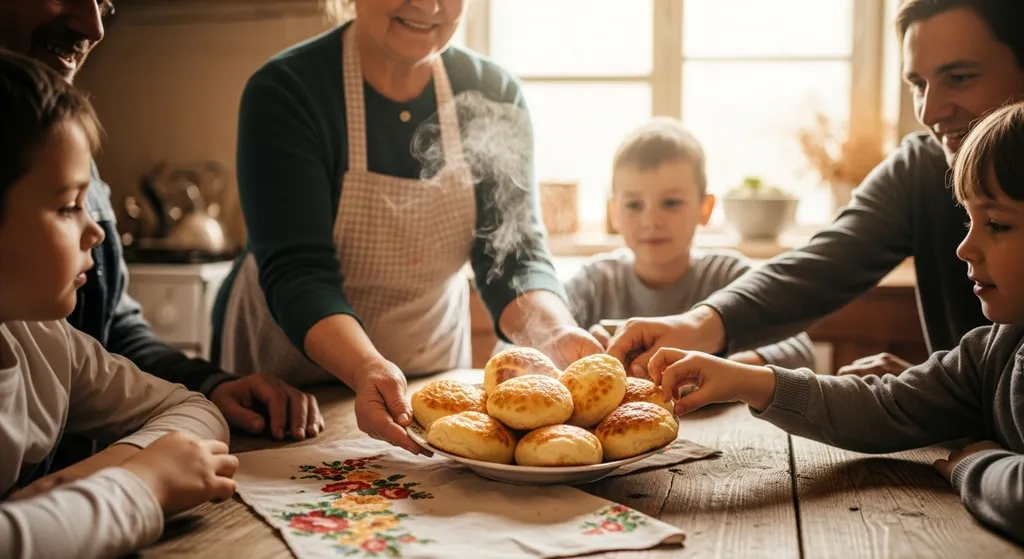
For
starter
,
Grandma
served
tiny
cheese
pastries
straight
from
the
oven
.
For
starter
,
Grandma
served
tiny
cheese
pastries
straight
from
the
oven
.
Derived
from
the
verb
“
start
,”
meaning
something
that
begins
a
sequence
,
first
recorded
with
the
food
sense
in
the
early
20th
century
.
noun
the
official
who
signals
the
beginning
of
a
race
•
The
starter
raised
his
pistol
,
and
the
sprinters
tensed
in
their
blocks
.
The
starter
raised
his
pistol
,
and
the
sprinters
tensed
in
their
blocks
.
•
After
the
loud
bang
from
the
starter
,
the
swimmers
dived
into
the
pool
.
After
the
loud
bang
from
the
starter
,
the
swimmers
dived
into
the
pool
.
From
the
verb
“
start
,”
with
the
agent
suffix
“
-er
,”
meaning
‘
one
who
starts
’,
documented
in
sporting
contexts
since
the
mid-19th
century
.
noun
a
player
chosen
to
begin
a
game
for
a
sports
team
•
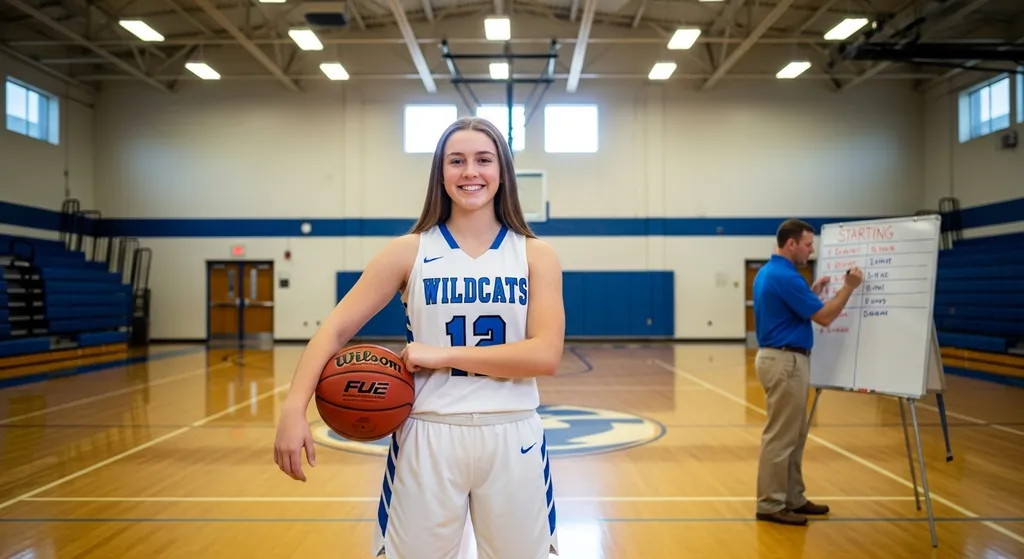
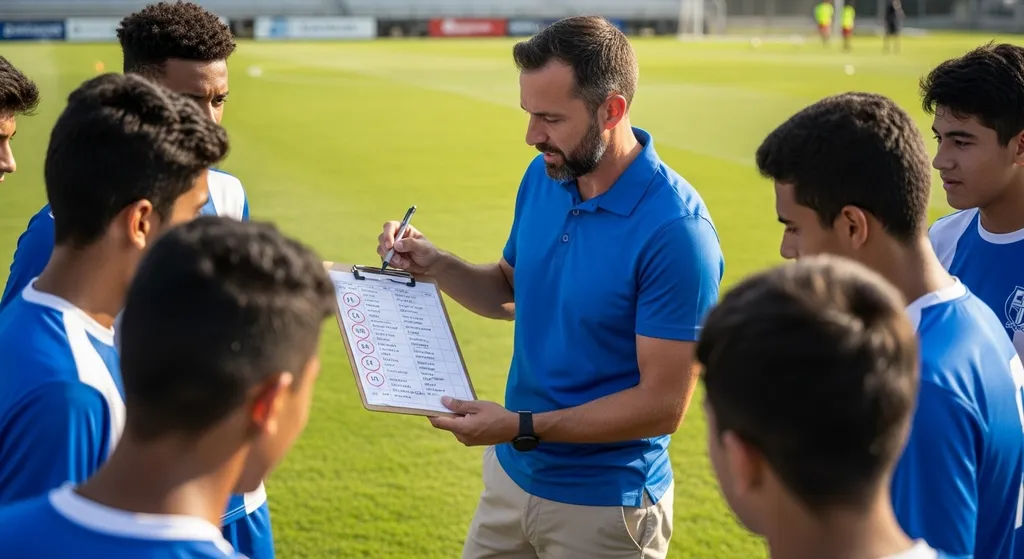
Ella
trained
hard
and
finally
became
a
starter
for
the
varsity
basketball
team
.
Ella
trained
hard
and
finally
became
a
starter
for
the
varsity
basketball
team
.
•
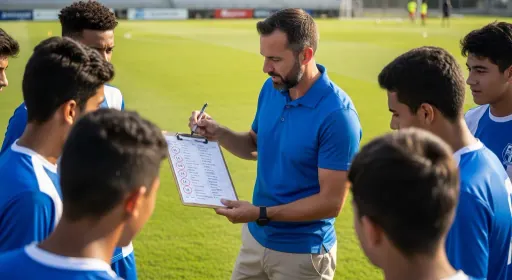
The
coach
named
six
starters
and
told
the
rest
to
be
ready
as
substitutes
.
The
coach
named
six
starters
and
told
the
rest
to
be
ready
as
substitutes
.
Sports
use
arose
in
the
early
20th
century
,
extending
the
meaning
of
‘
one
who
starts
’
to
a
player
beginning
play
.
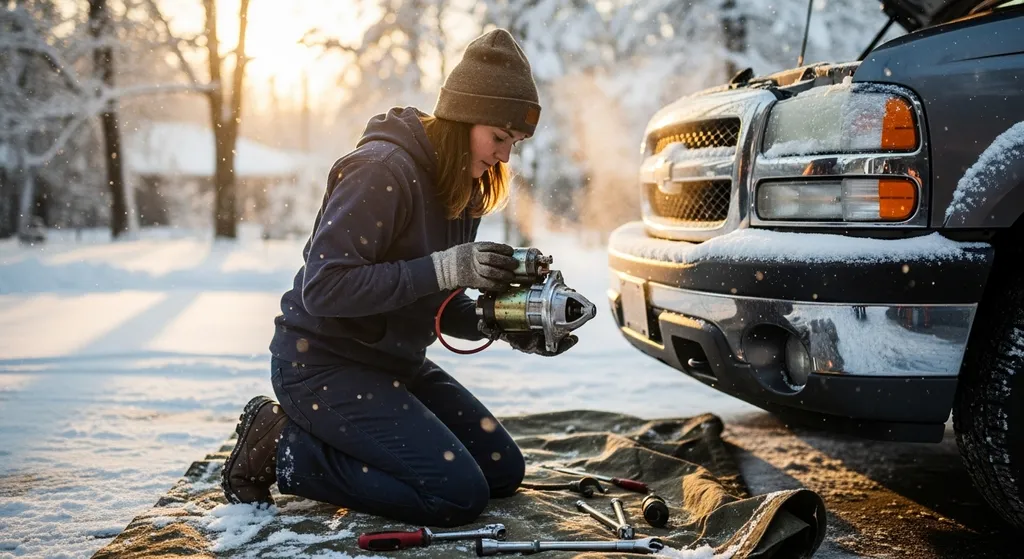
noun
an
electric
motor
that
turns
an
engine
to
make
it
begin
running
•
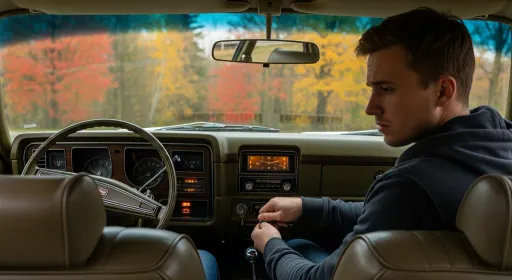
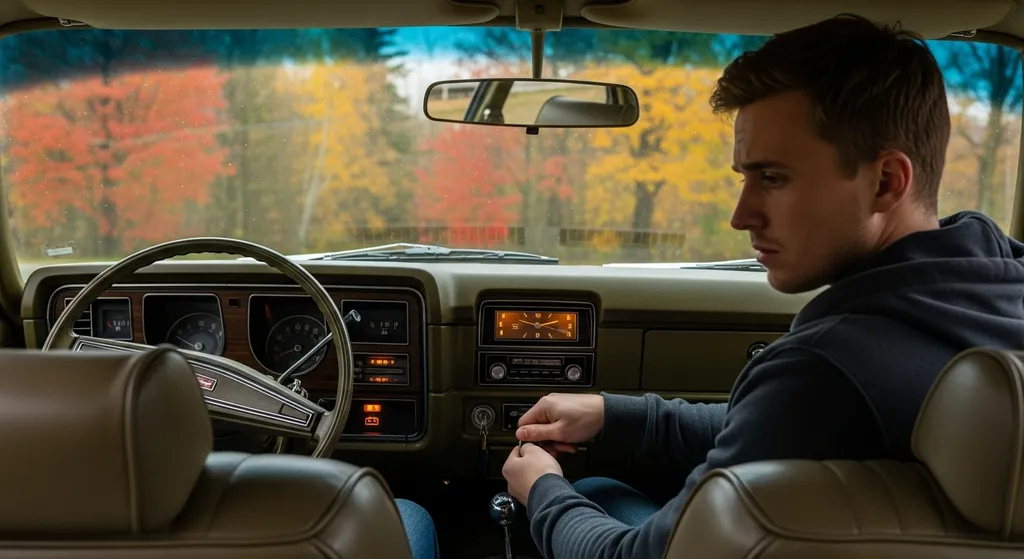
When
I
turned
the
key
,
the
car
’
s
starter
clicked
but
the
engine
did
not
fire
.
When
I
turned
the
key
,
the
car
’
s
starter
clicked
but
the
engine
did
not
fire
.
•
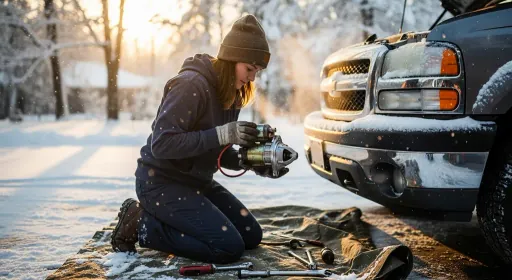
A
reliable
starter
is
essential
in
cold
weather
.
A
reliable
starter
is
essential
in
cold
weather
.
Automotive
sense
dates
from
the
early
1900s
with
the
invention
of
electric
self-starters
for
cars
.
noun
a
fermented
mixture
of
flour
and
water
containing
wild
yeast
,
used
to
make
bread
dough
rise
•
I
keep
my
sourdough
starter
in
a
glass
jar
on
the
kitchen
counter
.
I
keep
my
sourdough
starter
in
a
glass
jar
on
the
kitchen
counter
.
•
Feed
the
starter
with
equal
parts
flour
and
water
every
day
to
keep
it
alive
.
Feed
the
starter
with
equal
parts
flour
and
water
every
day
to
keep
it
alive
.
Baking
sense
comes
from
the
idea
of
a
mixture
that
‘
starts
’
fermentation
,
first
recorded
in
the
late
19th
century
.
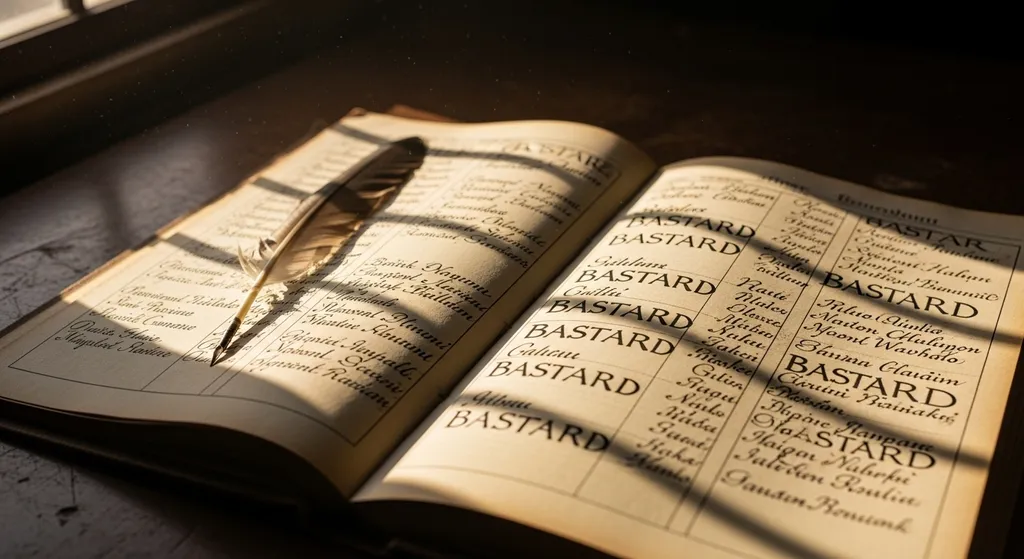
bastard
noun
a
person
born
to
parents
who
were
not
married
to
each
other
,
especially
in
former
times
when
this
carried
social
stigma
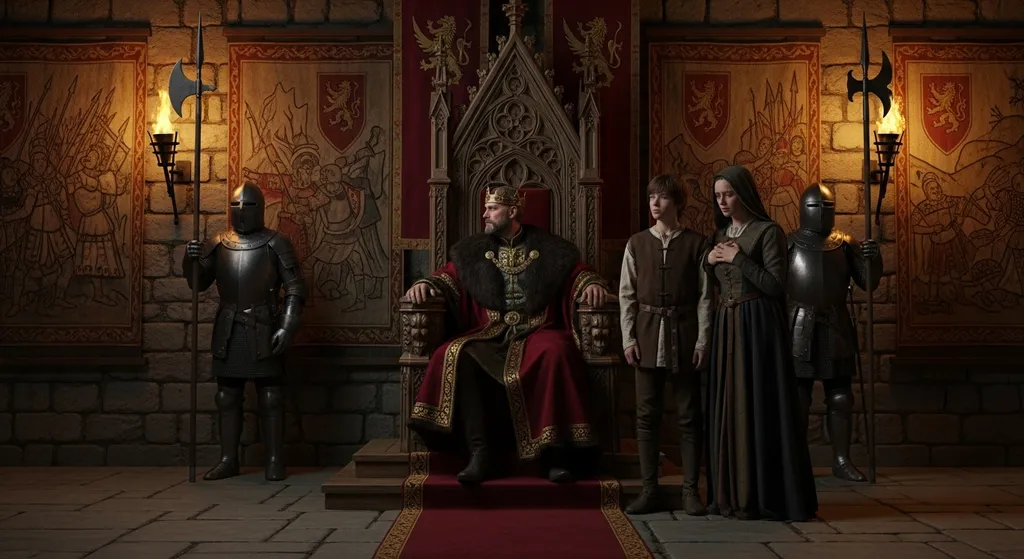
•
In
the
medieval
drama
,
the
king
refuses
to
acknowledge
his
bastard
despite
the
boy
’
s
obvious
resemblance
.
In
the
medieval
drama
,
the
king
refuses
to
acknowledge
his
bastard
despite
the
boy
’
s
obvious
resemblance
.
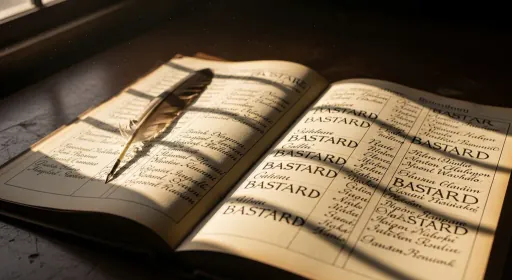
•
Historical
records
often
labeled
children
born
outside
wedlock
simply
as
bastards
.
Historical
records
often
labeled
children
born
outside
wedlock
simply
as
bastards
.
The
sense
arose
in
Middle
English
law
to
label
children
born
out
of
wedlock
.