






toqus
Picture Dictionary
English
한국어
Register
Login
🔍
behind
preposition
at
or
to
the
back
of
someone
or
something
•
The
dog
hid
behind
the
sofa
when
it
heard
thunder
.
The
dog
hid
behind
the
sofa
when
it
heard
thunder
.
•
A
tall
girl
stood
behind
me
in
the
lunch
line
.
A
tall
girl
stood
behind
me
in
the
lunch
line
.
adverb
at
or
toward
the
back
;
in
the
place
after
or
following
•
She
walked
slowly
and
stayed
behind
.
She
walked
slowly
and
stayed
behind
.
•
The
little
boy
lagged
behind
as
his
parents
crossed
the
street
.
The
little
boy
lagged
behind
as
his
parents
crossed
the
street
.
preposition
later
than
or
less
advanced
than
someone
or
something
•
Our
project
is
two
days
behind
schedule
.
Our
project
is
two
days
behind
schedule
.
•
The
cyclist
was
ten
meters
behind
the
leader
.
The
cyclist
was
ten
meters
behind
the
leader
.
adverb
not
on
time
;
delayed
•
I
’
m
running
behind
this
morning
.
I
’
m
running
behind
this
morning
.
•
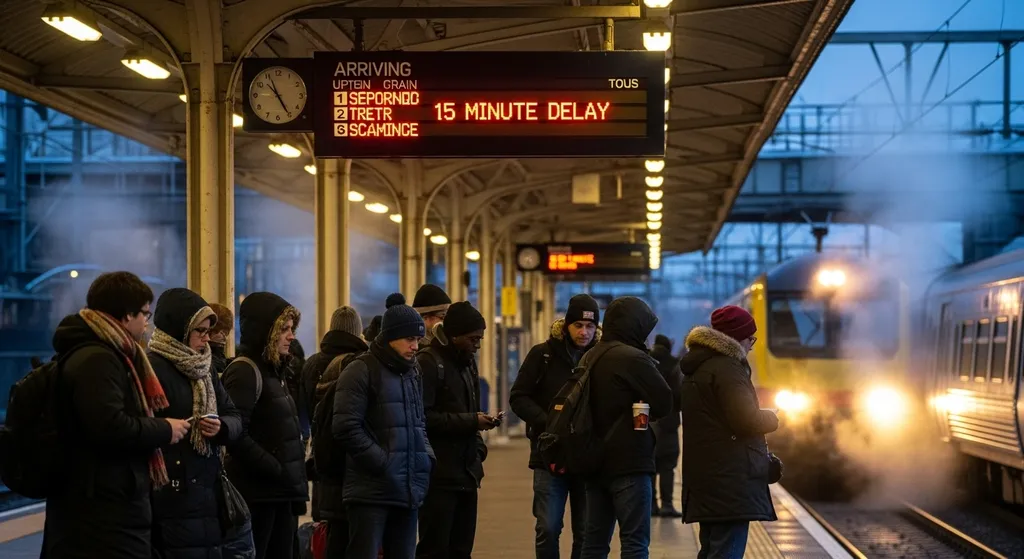
The
train
is
fifteen
minutes
behind
.
The
train
is
fifteen
minutes
behind
.
noun
a
person
’
s
buttocks
(
informal
)
•
He
slipped
on
the
ice
and
landed
on
his
behind
.
He
slipped
on
the
ice
and
landed
on
his
behind
.
•
The
toddler
fell
right
on
his
behind
but
got
up
laughing
.
The
toddler
fell
right
on
his
behind
but
got
up
laughing
.
preposition
being
the
cause
,
support
,
or
person
responsible
for
something
•
Hard
work
was
the
reason
behind
her
success
.
Hard
work
was
the
reason
behind
her
success
.
•
The
police
arrested
the
gang
behind
the
robbery
.
The
police
arrested
the
gang
behind
the
robbery
.
behavior
noun
the
way
a
person
,
animal
,
or
thing
acts
or
responds
,
especially
toward
others
or
in
a
particular
situation
•
The
teacher
praised
Emma's
polite
behavior
in
class
.
The
teacher
praised
Emma's
polite
behavior
in
class
.
•
The
dog's
excited
behavior
told
us
it
wanted
to
play
.
The
dog's
excited
behavior
told
us
it
wanted
to
play
.
from
behave
+
-ior
,
modelled
on
late
Middle
English
‘
behaviour
’
from
Anglo-French
‘
behaveour
’
behaviour
noun
the
way
a
person
,
animal
,
or
thing
acts
or
responds
,
especially
toward
others
or
in
a
particular
situation
•
His
generous
behaviour
impressed
everyone
at
the
charity
event
.
His
generous
behaviour
impressed
everyone
at
the
charity
event
.
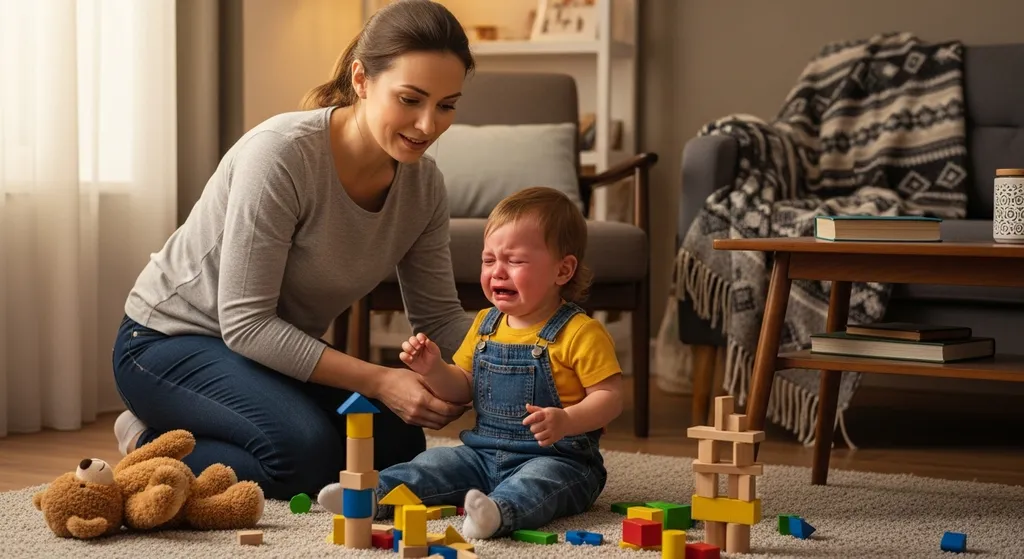
•
Parents
worry
when
their
toddler
shows
aggressive
behaviour
.
Parents
worry
when
their
toddler
shows
aggressive
behaviour
.
late
Middle
English
:
from
Anglo-French
‘
behaveour
’,
based
on
the
verb
‘
behave
’
vehicle
noun
a
machine
such
as
a
car
,
bus
,
truck
,
or
bicycle
that
carries
people
or
goods
from
one
place
to
another
•
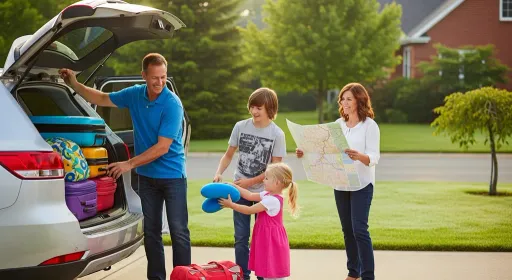
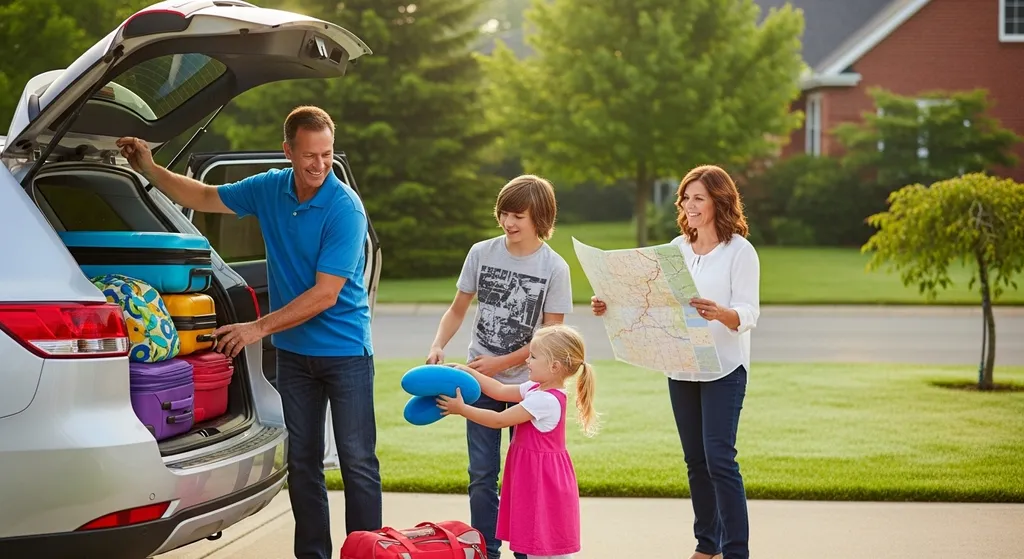
The
family
loaded
their
luggage
into
the
vehicle
before
starting
the
trip
.
The
family
loaded
their
luggage
into
the
vehicle
before
starting
the
trip
.
•
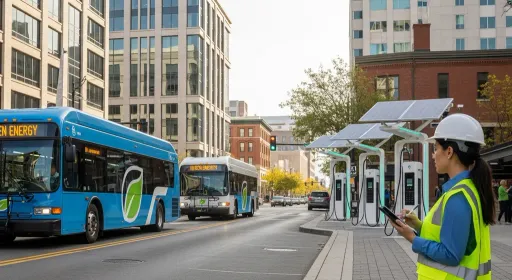
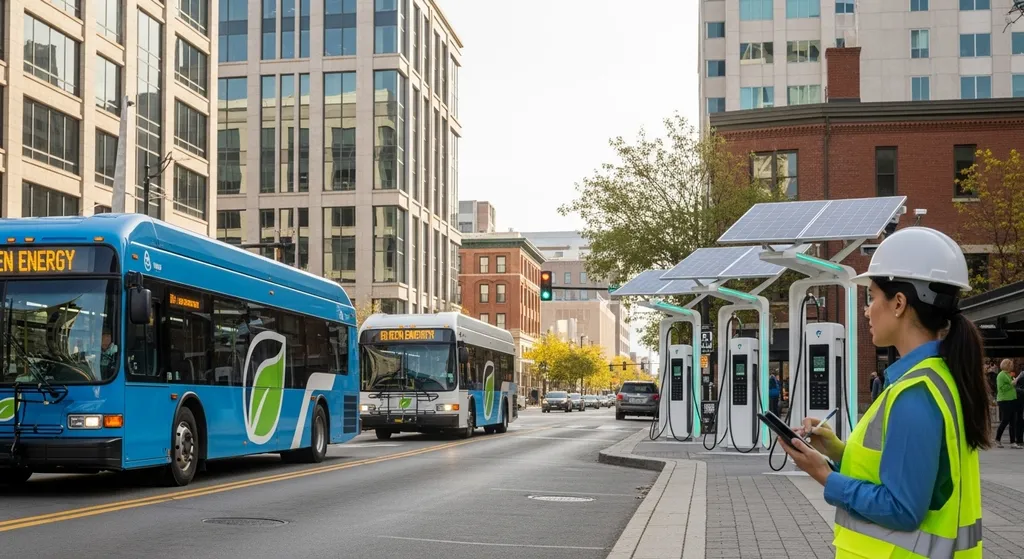
The
city
is
testing
electric
vehicles
on
its
main
streets
.
The
city
is
testing
electric
vehicles
on
its
main
streets
.
Late
Middle
English
:
from
French
véhicule
,
from
Latin
vehiculum
‘
means
of
transport
’,
from
vehere
‘
carry
’.
noun
something
that
is
used
to
express
,
achieve
,
or
spread
an
idea
,
feeling
,
or
purpose
•
Social
media
has
become
a
powerful
vehicle
for
sharing
news
quickly
.
Social
media
has
become
a
powerful
vehicle
for
sharing
news
quickly
.
•
Humor
can
be
an
effective
vehicle
to
discuss
serious
topics
.
Humor
can
be
an
effective
vehicle
to
discuss
serious
topics
.
noun
a
liquid
,
gel
,
or
other
substance
that
carries
or
dilutes
a
drug
so
the
drug
can
be
applied
,
swallowed
,
or
injected
•
The
cream
serves
as
a
vehicle
for
the
antibiotic
,
helping
it
reach
the
skin
infection
.
The
cream
serves
as
a
vehicle
for
the
antibiotic
,
helping
it
reach
the
skin
infection
.
•
Water
is
the
common
vehicle
for
soluble
vitamins
in
this
supplement
.
Water
is
the
common
vehicle
for
soluble
vitamins
in
this
supplement
.
somehow
adverb
in
a
way
that
you
do
not
know
or
cannot
explain
•
Even
without
a
map
,
we
somehow
found
the
small
mountain
village
.
Even
without
a
map
,
we
somehow
found
the
small
mountain
village
.
•
The
kitten
had
somehow
climbed
onto
the
highest
shelf
.
The
kitten
had
somehow
climbed
onto
the
highest
shelf
.
From
some
+
how
,
recorded
since
Middle
English
.
adverb
for
a
reason
you
do
not
understand
or
cannot
explain
•
I
somehow
doubt
that
the
weather
will
stay
sunny
all
day
.
I
somehow
doubt
that
the
weather
will
stay
sunny
all
day
.
•
She
somehow
knew
he
was
in
trouble
,
even
though
he
hadn't
called
.
She
somehow
knew
he
was
in
trouble
,
even
though
he
hadn't
called
.
From
some
+
how
,
recorded
since
Middle
English
.
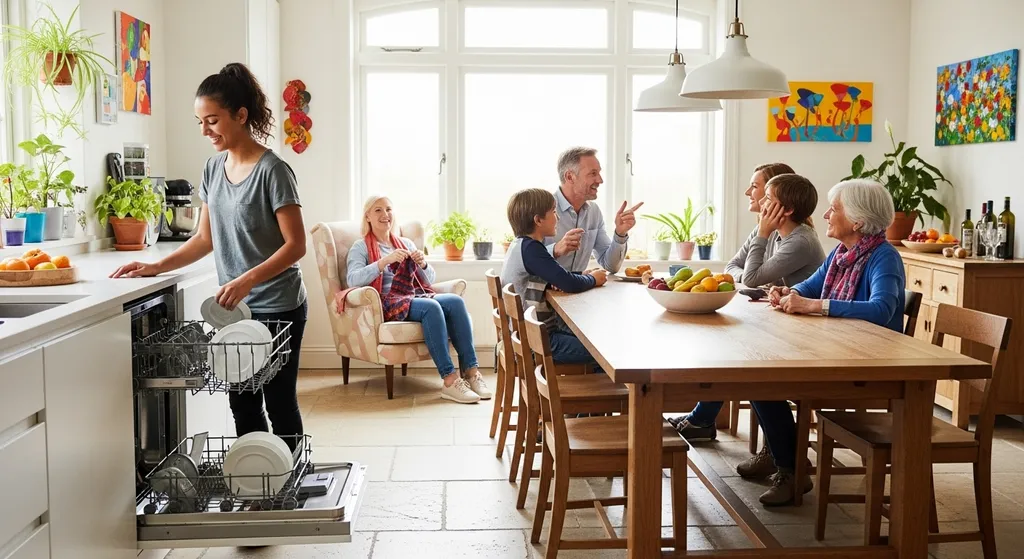
household
noun
all
the
people
who
live
together
in
the
same
home
,
thought
of
as
one
unit
•
There
are
six
people
in
my
household
,
so
we
use
a
lot
of
electricity
.
There
are
six
people
in
my
household
,
so
we
use
a
lot
of
electricity
.
•
Each
household
on
the
street
received
a
survey
about
recycling
.
Each
household
on
the
street
received
a
survey
about
recycling
.
Old
English
hūs
“
house
”
+
hāld
“
keeper
,
inhabitant
,”
later
shifting
to
mean
the
people
living
in
a
house
.
adjective
used
in
homes
or
connected
with
the
daily
life
of
people
who
live
together
•
We
buy
most
of
our
household
cleaning
products
at
the
local
market
.
We
buy
most
of
our
household
cleaning
products
at
the
local
market
.
•
Sorting
household
waste
into
different
bins
helps
the
environment
.
Sorting
household
waste
into
different
bins
helps
the
environment
.
Extended
from
the
noun
sense
in
late
Middle
English
to
modify
items
or
activities
associated
with
the
home
.
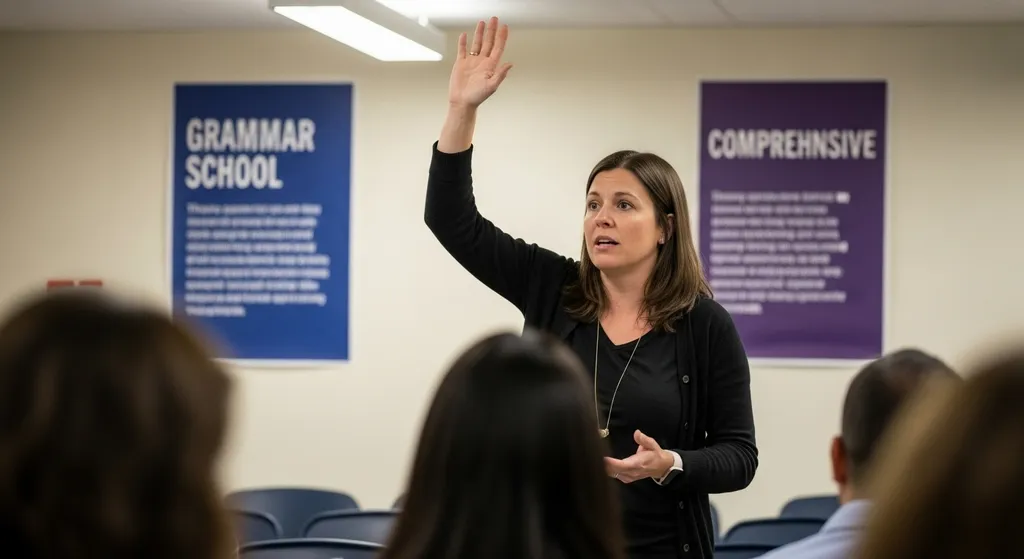
comprehensive
adjective
including
everything
that
is
needed
or
relevant
;
complete
and
thorough
•
The
report
gave
a
comprehensive
overview
of
the
company's
finances
.
The
report
gave
a
comprehensive
overview
of
the
company's
finances
.
•
Before
the
hike
,
the
guide
packed
a
comprehensive
first-aid
kit
.
Before
the
hike
,
the
guide
packed
a
comprehensive
first-aid
kit
.
From
French
compréhensif
,
from
Latin
comprehendere
“
to
grasp
,
include
”.
noun
a
secondary
school
in
the
UK
that
accepts
students
of
all
abilities
without
entrance
exams
•
Martin
transferred
to
the
local
comprehensive
after
moving
to
London
.
Martin
transferred
to
the
local
comprehensive
after
moving
to
London
.
•
Some
parents
prefer
grammar
schools
,
while
others
choose
comprehensives
.
Some
parents
prefer
grammar
schools
,
while
others
choose
comprehensives
.
Short
for
comprehensive
school
,
first
used
in
British
education
reforms
of
the
mid-20th
century
.
behave
verb
-
behave
,
behaving
,
behaves
,
behaved
to
act
in
a
polite
or
socially
acceptable
way
•
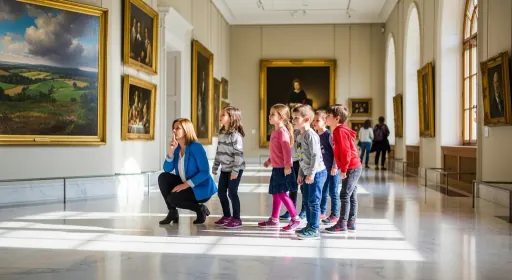
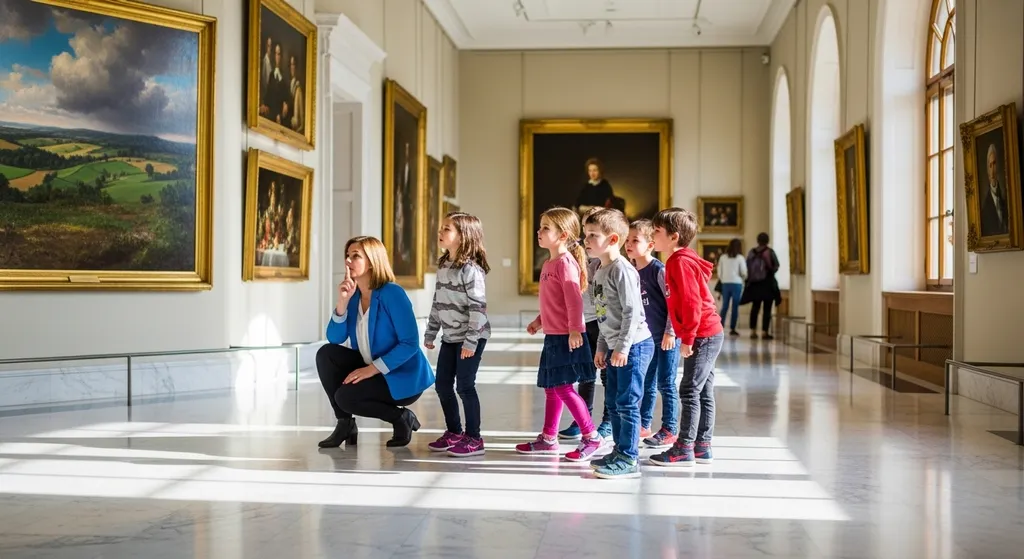
“
Please
behave
while
we
are
at
the
museum
,”
the
teacher
whispered
to
her
class
.
“
Please
behave
while
we
are
at
the
museum
,”
the
teacher
whispered
to
her
class
.
•
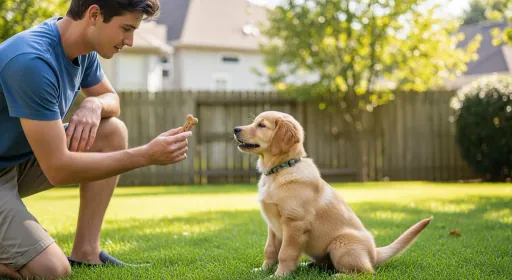
The
puppy
will
behave
if
you
give
it
a
treat
.
The
puppy
will
behave
if
you
give
it
a
treat
.
From
Middle
English
behaven
,
from
be-
+
have
in
the
sense
of
‘
to
hold
oneself
’.
verb
-
behave
,
behaving
,
behaves
,
behaved
of
a
thing
or
substance
:
to
act
or
operate
in
a
particular
way
•
My
old
laptop
starts
to
behave
strangely
when
it
overheats
.
My
old
laptop
starts
to
behave
strangely
when
it
overheats
.
•
Scientists
study
how
liquids
behave
at
very
low
temperatures
.
Scientists
study
how
liquids
behave
at
very
low
temperatures
.
Same
origin
as
primary
sense
:
be-
+
have
,
extended
to
describe
the
manner
in
which
objects
or
systems
act
.
behavioral
adjective
relating
to
the
way
a
person
or
animal
behaves
,
or
to
the
scientific
study
of
behaviour
•
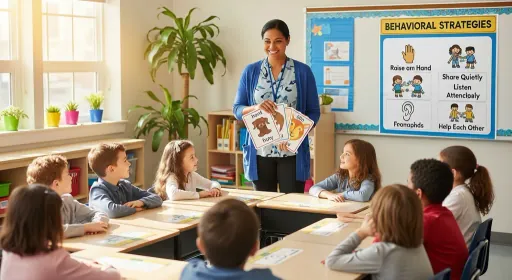
The
new
teacher
used
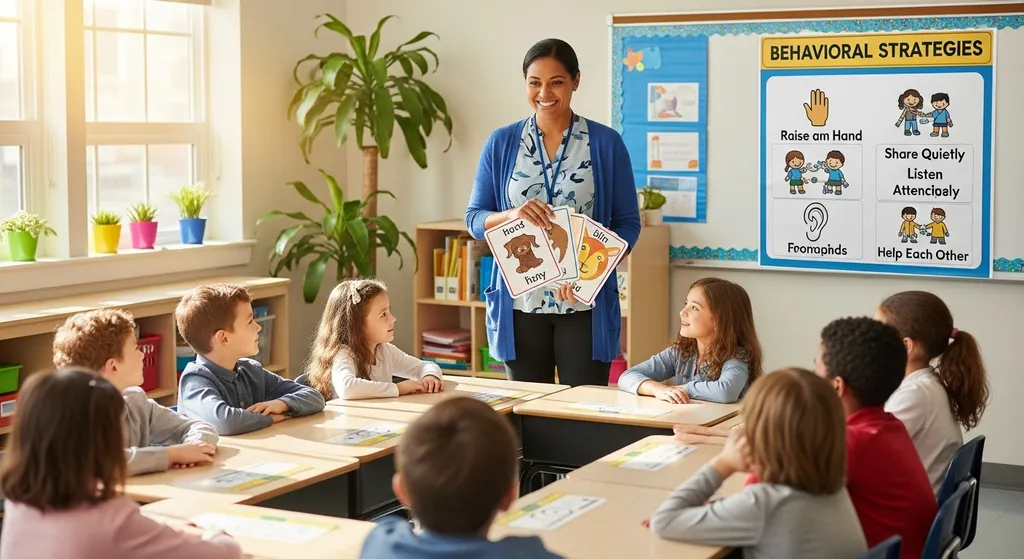
behavioral
strategies
to
keep
the
class
focused
and
calm
.
The
new
teacher
used
behavioral
strategies
to
keep
the
class
focused
and
calm
.
•
Scientists
carried
out
a
behavioral
study
on
dolphins
to
understand
how
they
communicate
underwater
.
Scientists
carried
out
a
behavioral
study
on
dolphins
to
understand
how
they
communicate
underwater
.
From
the
noun
behavior
+
-al
,
first
recorded
in
the
late
19th
century
in
psychological
literature
.
behavioural
adjective
relating
to
the
way
a
person
or
animal
behaves
,
or
to
the
scientific
study
of
behaviour
•
The
new
teacher
used
behavioural
strategies
to
keep
the
class
focused
and
calm
.
The
new
teacher
used
behavioural
strategies
to
keep
the
class
focused
and
calm
.
•
Researchers
carried
out
a
behavioural
study
on
dolphins
to
understand
how
they
communicate
underwater
.
Researchers
carried
out
a
behavioural
study
on
dolphins
to
understand
how
they
communicate
underwater
.
Spelling
variant
of
U
.
S
. “
behavioral
,”
formed
from
behaviour
+
-al
.
forehead
noun
the
flat
area
of
your
face
above
the
eyebrows
and
below
the
hairline
•
Anna
wiped
the
sweat
from
her
forehead
after
the
long
run
.
Anna
wiped
the
sweat
from
her
forehead
after
the
long
run
.
•
The
doctor
placed
a
cool
cloth
on
the
child's
forehead
to
bring
down
the
fever
.
The
doctor
placed
a
cool
cloth
on
the
child's
forehead
to
bring
down
the
fever
.
Old
English
foreheafod
,
from
fore-
“
front
”
+
heafod
“
head
,”
meaning
the
front
part
of
the
head
.
noun
(
literary
,
archaic
)
boldness
or
shameless
confidence
in
a
person
’
s
manner
•
He
had
the
forehead
to
argue
with
the
teacher
after
arriving
an
hour
late
.
He
had
the
forehead
to
argue
with
the
teacher
after
arriving
an
hour
late
.
•
The
court
was
shocked
by
the
criminal's
sheer
forehead
as
he
laughed
at
the
verdict
.
The
court
was
shocked
by
the
criminal's
sheer
forehead
as
he
laughed
at
the
verdict
.
The
figurative
sense
grew
in
Middle
English
from
the
idea
that
a
bold
person
‘
shows
the
front
of
the
head
’
without
fear
.
behalf
noun
-
behalf
the
state
of
representing
another
person
,
group
,
or
organization
and
acting
for
them
•
The
lawyer
signed
the
contract
on behalf of
her
client
.
The
lawyer
signed
the
contract
on behalf of
her
client
.
•
I'm
calling
on behalf of
Mr
.
Thompson
to
confirm
the
reservation
.
I'm
calling
on behalf of
Mr
.
Thompson
to
confirm
the
reservation
.
From
Middle
English
'behalf'
meaning
advantage
or
favor
,
from
Old
English
'be'
(
by
)
+
'hǣlfe'
(
side
).
noun
-
behalf
benefit
or
interest
that
someone
receives
or
is
intended
for
•
The
committee
raised
funds
in behalf of
the
city's
homeless
.
The
committee
raised
funds
in behalf of
the
city's
homeless
.
•
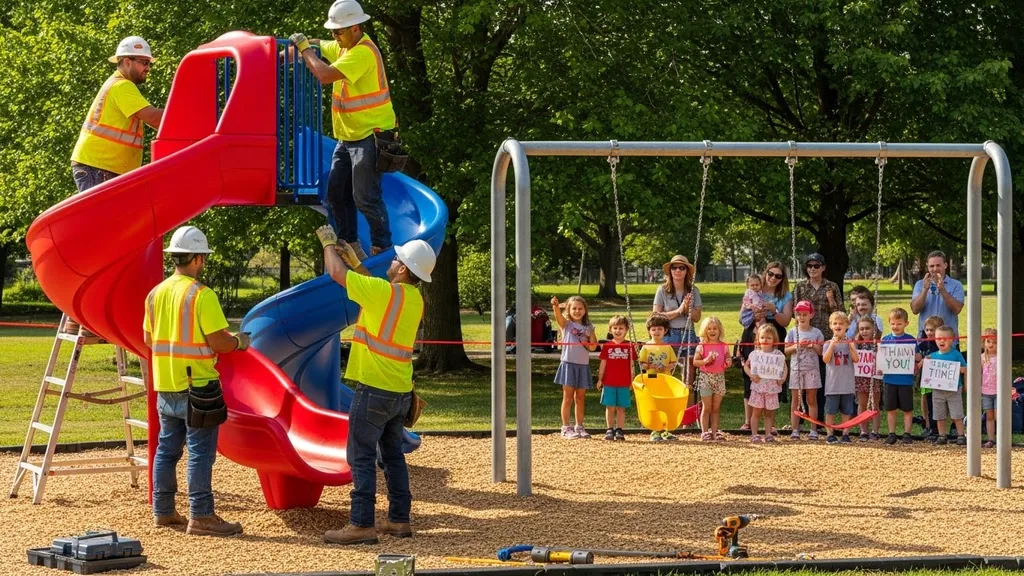
A
new
playground
was
built
in behalf of
local
children
.
A
new
playground
was
built
in behalf of
local
children
.
Same
origin
as
the
primary
sense
,
earlier
used
broadly
for
'advantage
,
benefit'
.
eh
interjection
used
when
you
did
not
hear
or
understand
something
and
want
it
repeated
•
"
Eh
?
Could
you
speak
a
little
louder
?"
the
elderly
man
asked
the
clerk
.
"
Eh
?
Could
you
speak
a
little
louder
?"
the
elderly
man
asked
the
clerk
.
•
"
Sorry
,
eh
?
The
line
cut
out
,"
the
woman
said
on
the
phone
.
"
Sorry
,
eh
?
The
line
cut
out
,"
the
woman
said
on
the
phone
.
General
English
interjection
dating
back
to
Middle
English
,
related
to
expressions
like
“
hey
”
used
to
attract
attention
.
interjection
used
at
the
end
of
a
statement
to
invite
agreement
,
confirmation
,
or
friendly
response
•
"
The
leaves
are
already
turning
red
,
eh
?"
asked
the
tourist
,
admiring
the
maple
trees
.
"
The
leaves
are
already
turning
red
,
eh
?"
asked
the
tourist
,
admiring
the
maple
trees
.
•
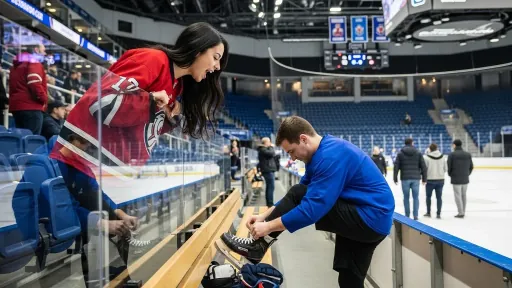
"
You
’
re
coming
to
the
hockey
game
tonight
,
eh
?"
shouted
the
young
woman
to
her
friend
across
the
rink
.
"
You
’
re
coming
to
the
hockey
game
tonight
,
eh
?"
shouted
the
young
woman
to
her
friend
across
the
rink
.
First
recorded
in
Canadian
English
in
the
late
19th
century
,
likely
evolving
from
the
Scots
and
English
tag
“
eh
”
used
to
seek
confirmation
.
interjection
used
to
express
indifference
,
lack
of
enthusiasm
,
or
mild
disappointment
•
"
How
was
the
movie
?" — "
Eh
,
it
was
all
right
."
"
How
was
the
movie
?" — "
Eh
,
it
was
all
right
."
•
She
poked
at
the
lukewarm
soup
and
said
, "
Eh
,
I've
had
better
."
She
poked
at
the
lukewarm
soup
and
said
, "
Eh
,
I've
had
better
."
Modern
American
usage
influenced
by
Yiddish
“
meh
”
and
general
English
expressions
of
indifference
.