





toqus
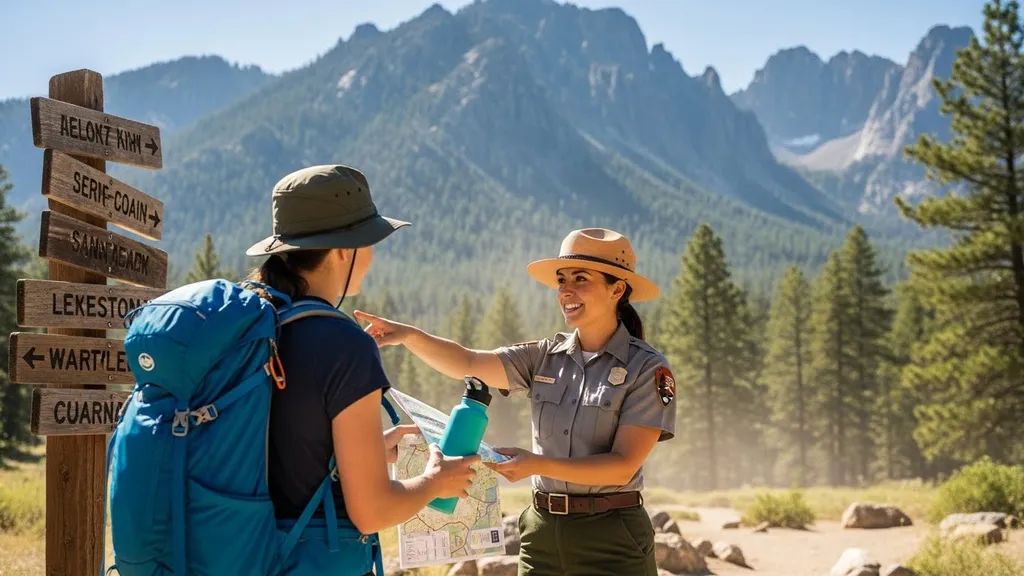
Picture Dictionary
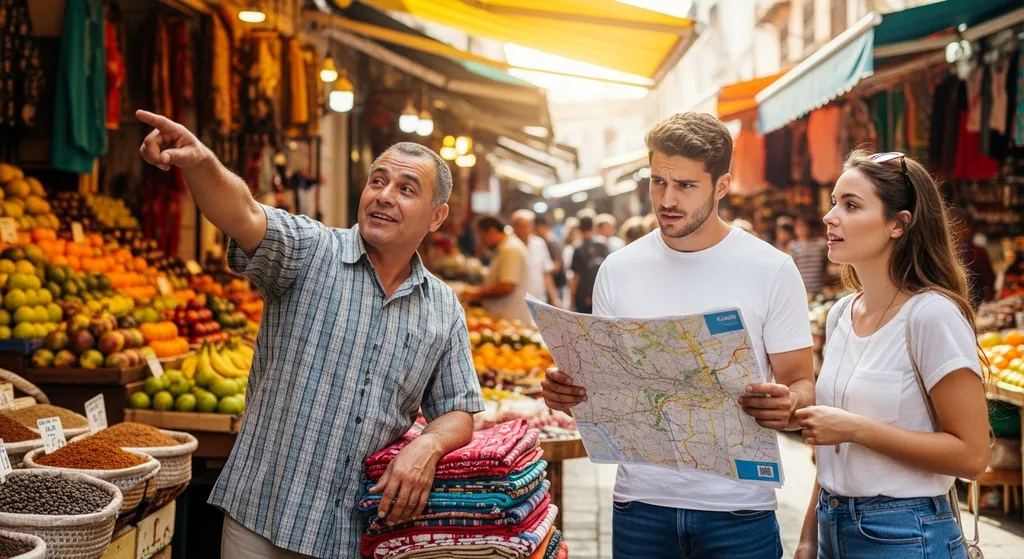
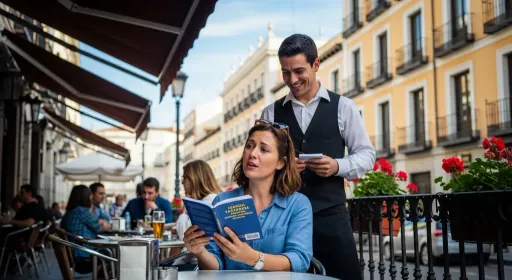
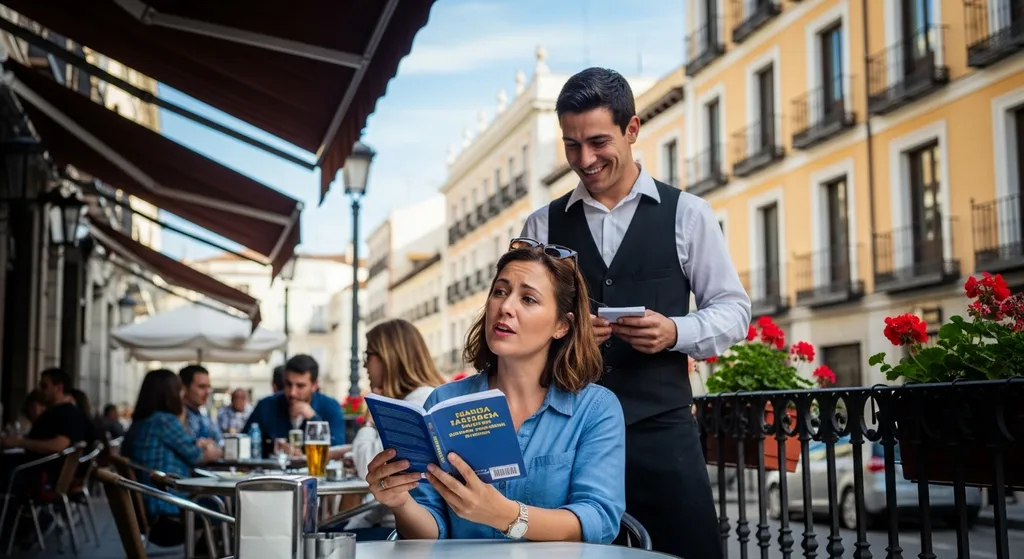
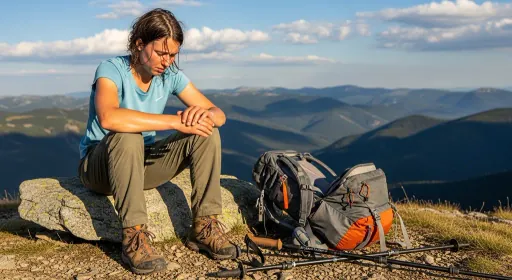
English
한국어
Register
Login
🔍
take
verb
-
take
,
taking
,
takes
,
took
,
taken
to
get
hold
of
something
with
your
hands
and
move
or
carry
it
to
another
place
•
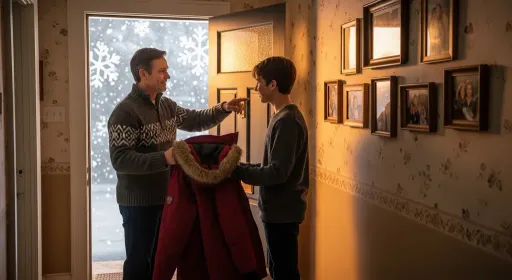
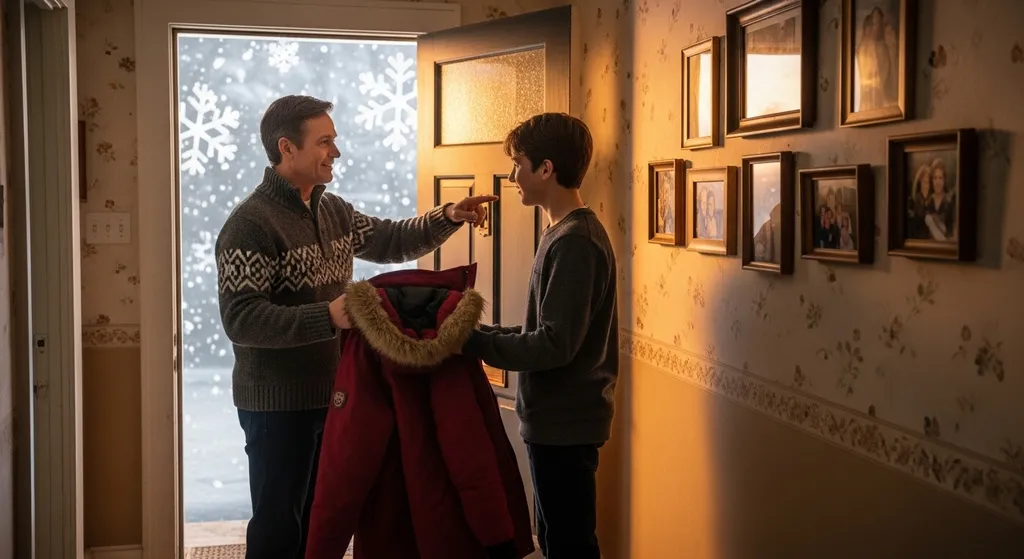
Take
your
coat
and
follow
me
.
Take
your
coat
and
follow
me
.
•
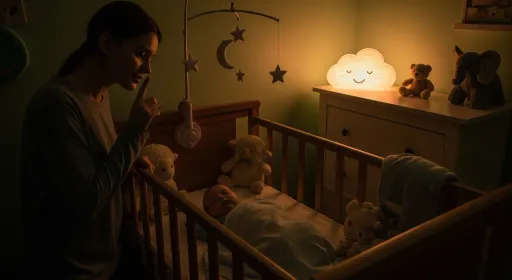
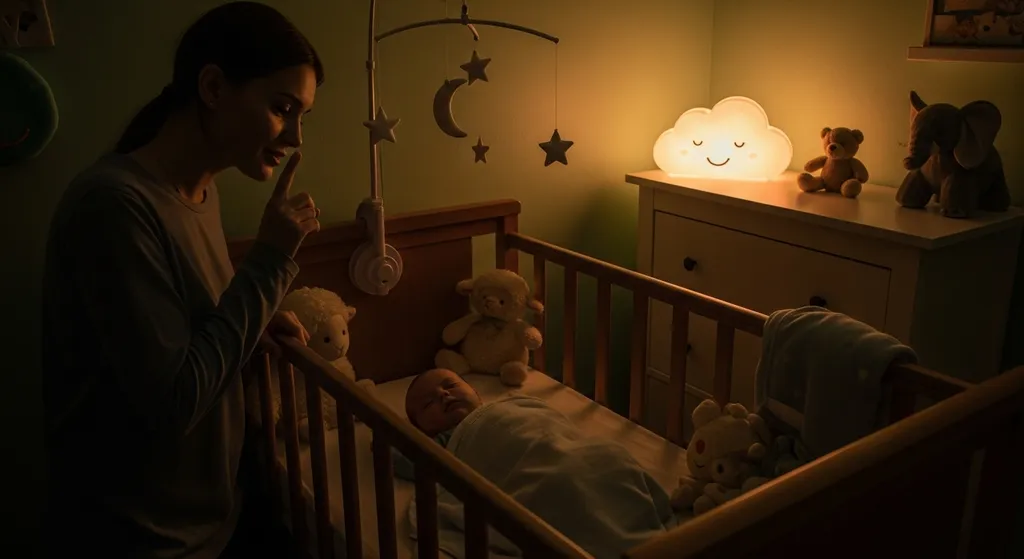
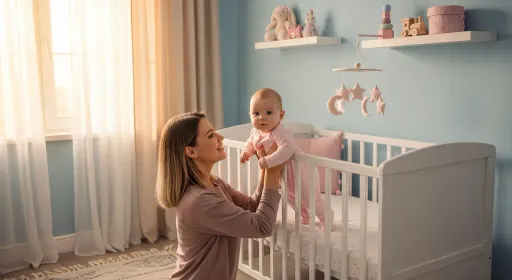
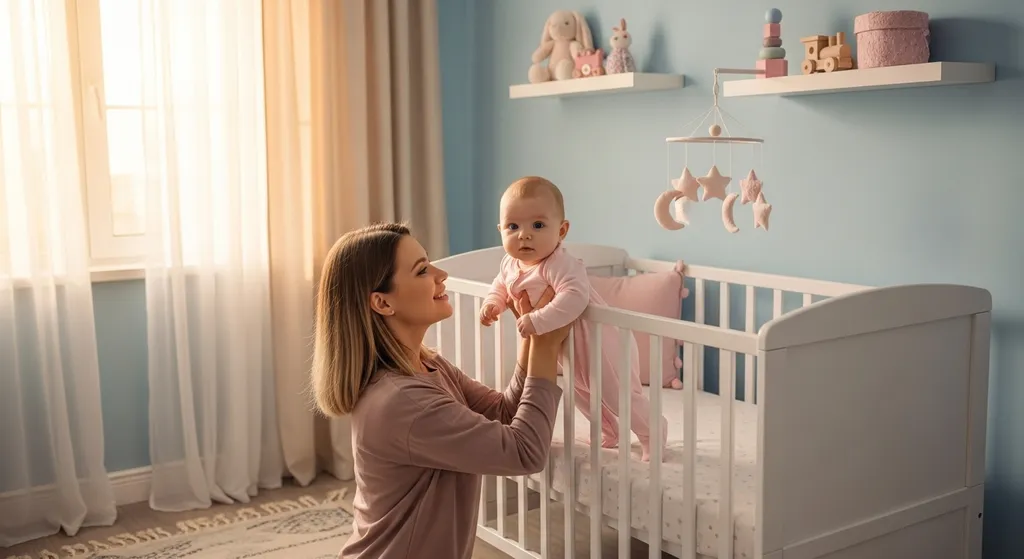
The
mother
carefully
takes
the
baby
out
of
the
crib
.
The
mother
carefully
takes
the
baby
out
of
the
crib
.
verb
-
take
,
taking
,
takes
,
took
,
taken
to
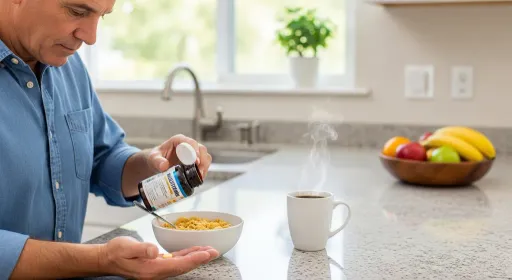
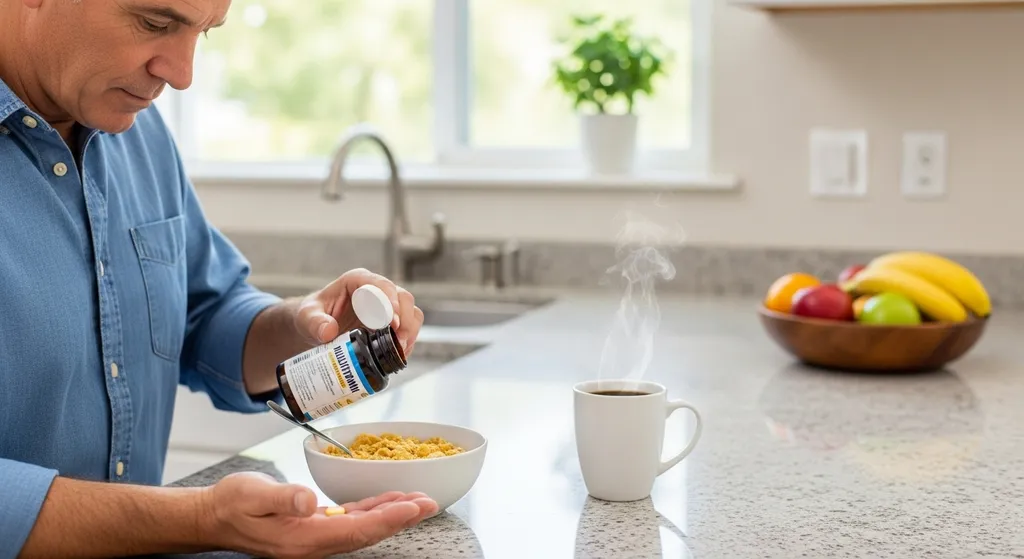
swallow
or
use
medicine
,
vitamins
,
or
similar
substances
•
You
should
take
this
pill
after
meals
.
You
should
take
this
pill
after
meals
.
•
He
takes
vitamins
every
morning
.
He
takes
vitamins
every
morning
.
verb
-
take
,
taking
,
takes
,
took
,
taken
to
need
or
require
a
certain
amount
of
time
,
effort
,
or
resources
•
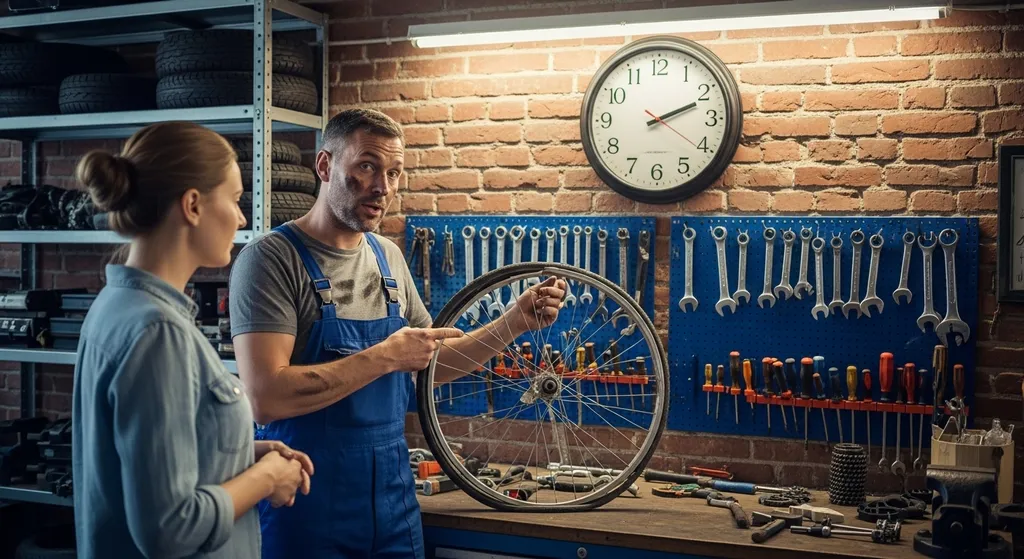
The
repair
will
take
about
two
hours
.
The
repair
will
take
about
two
hours
.
•
Learning
a
new
language
takes
patience
.
Learning
a
new
language
takes
patience
.
speak
verb
-
speak
,
speaking
,
speaks
,
spoke
,
spoken
to
say
words
;
to
talk
•
"
Please
raise
your
hand
before
you
speak
."
"
Please
raise
your
hand
before
you
speak
."
•
He
was
so
nervous
that
he
could
barely
speak
during
the
interview
.
He
was
so
nervous
that
he
could
barely
speak
during
the
interview
.
Old
English
“
spǣcan
/
sprecan
”,
meaning
“
to
utter
words
”,
related
to
German
“
sprechen
”.
verb
-
speak
,
speaking
,
speaks
,
spoke
,
spoken
to
be
able
to
use
a
particular
language
•
Maria
speaks
three
languages
:
Spanish
,
English
,
and
French
.
Maria
speaks
three
languages
:
Spanish
,
English
,
and
French
.
•
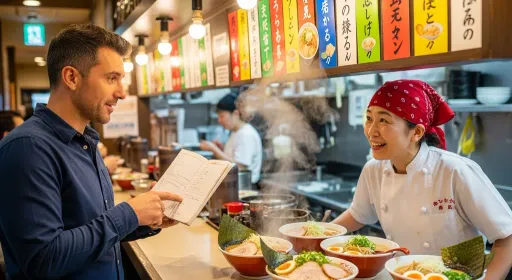
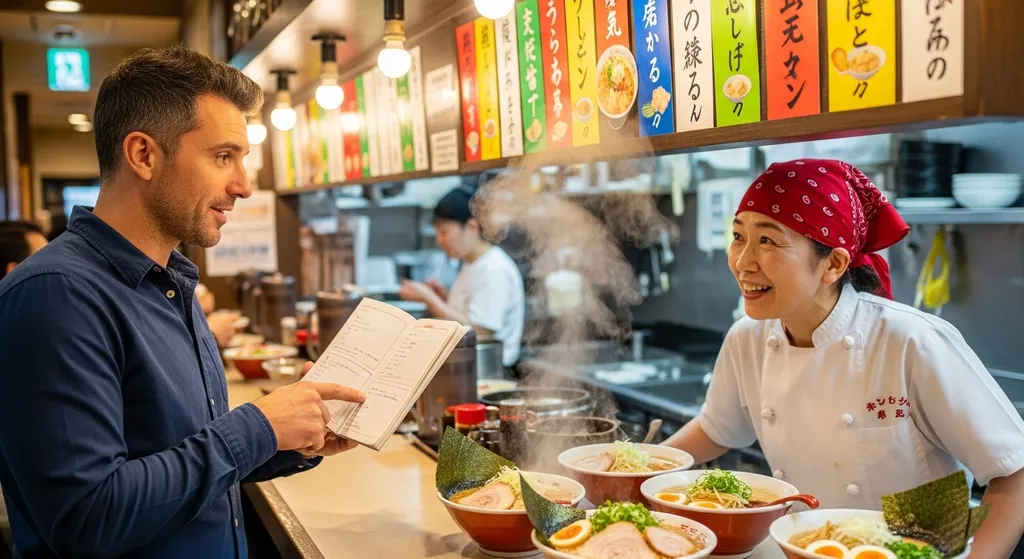
Do
you
speak
Japanese
well
enough
to
order
food
?
Do
you
speak
Japanese
well
enough
to
order
food
?
verb
-
speak
,
speaking
,
speaks
,
spoke
,
spoken
to
give
a
formal
talk
to
an
audience
•
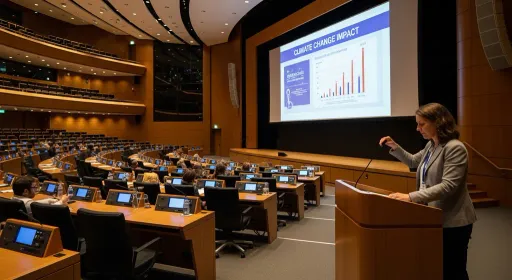
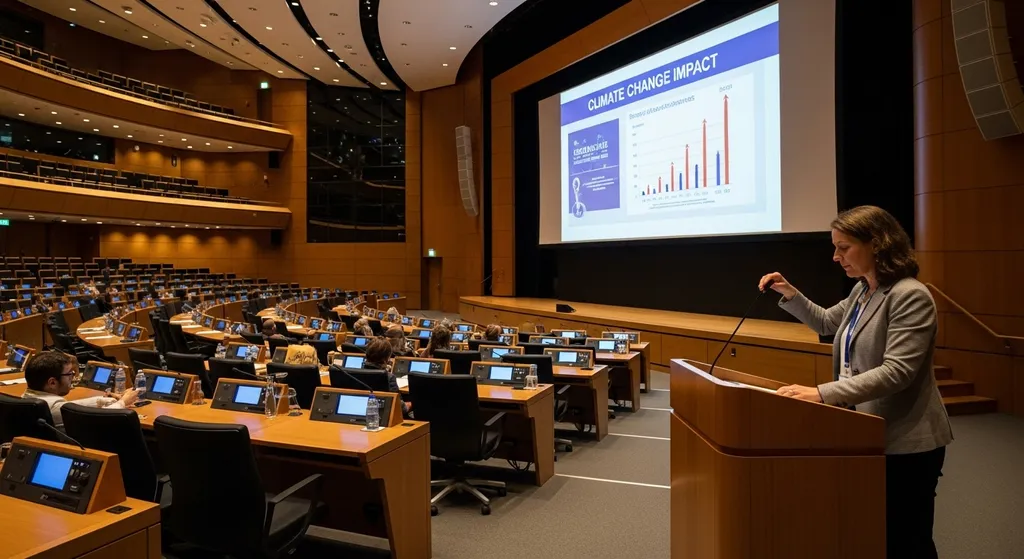
The
scientist
will
speak
about
climate
change
at
the
conference
tomorrow
.
The
scientist
will
speak
about
climate
change
at
the
conference
tomorrow
.
•
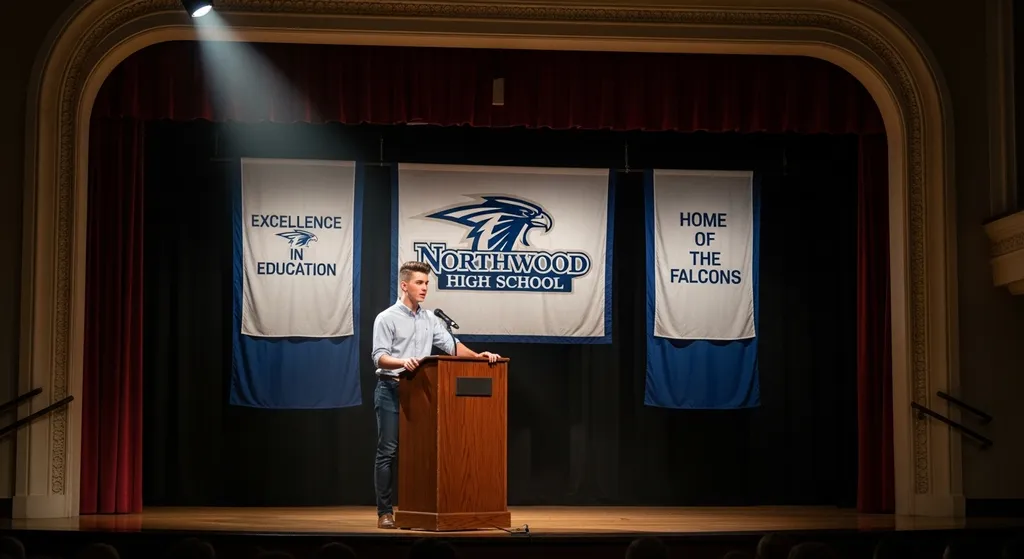
Our
class
president
spoke
in
front
of
the
whole
school
.
Our
class
president
spoke
in
front
of
the
whole
school
.
break
verb
-
break
,
breaking
,
breaks
,
broke
,
broken
to
separate
into
pieces
,
or
to
make
something
separate
into
pieces
,
often
suddenly
and
with
force
•
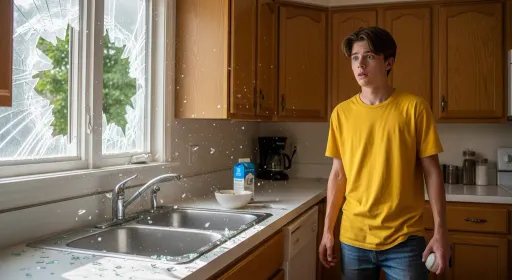
Tom
accidentally
broke
the
kitchen
window
with
a
baseball
.
Tom
accidentally
broke
the
kitchen
window
with
a
baseball
.
•
During
the
storm
,
an
old
tree
branch
broke
and
crashed
onto
the
road
.
During
the
storm
,
an
old
tree
branch
broke
and
crashed
onto
the
road
.
Old
English
‘
brecan
’,
from
Proto-Germanic
*brekaną
,
meaning
‘
to
break
,
crack
,
or
shatter
’.
verb
-
break
,
breaking
,
breaks
,
broke
,
broken
(
of
a
machine
or
device
)
to
stop
working
correctly
•
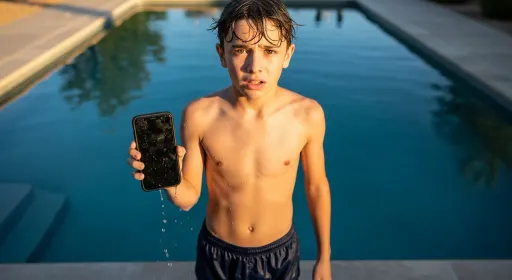
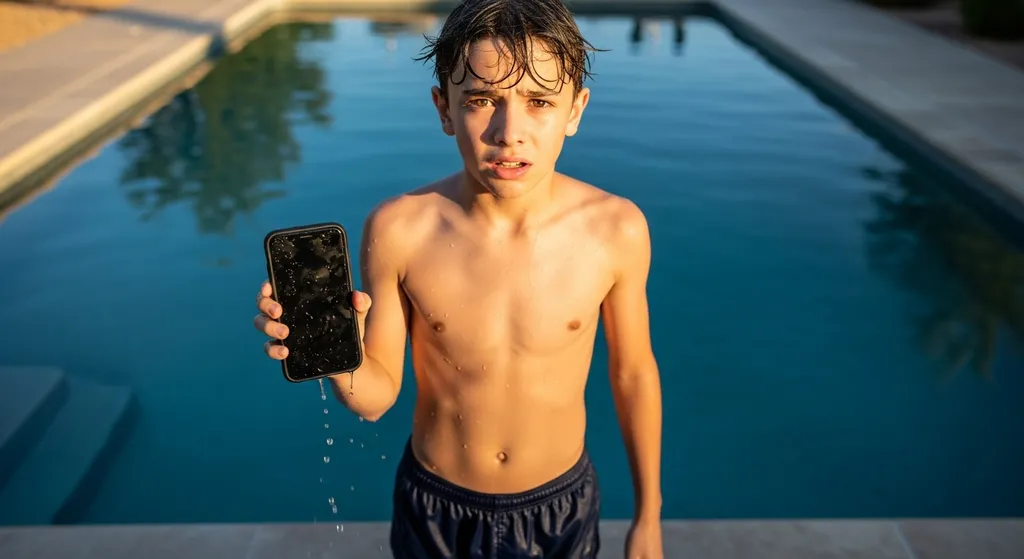
My
phone
broke
after
it
slipped
into
the
swimming
pool
.
My
phone
broke
after
it
slipped
into
the
swimming
pool
.
•
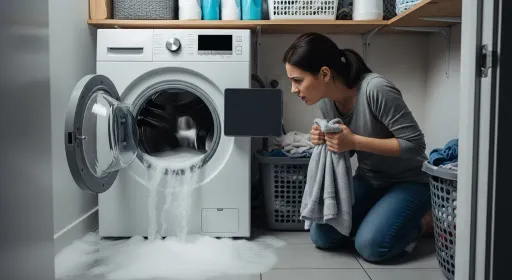
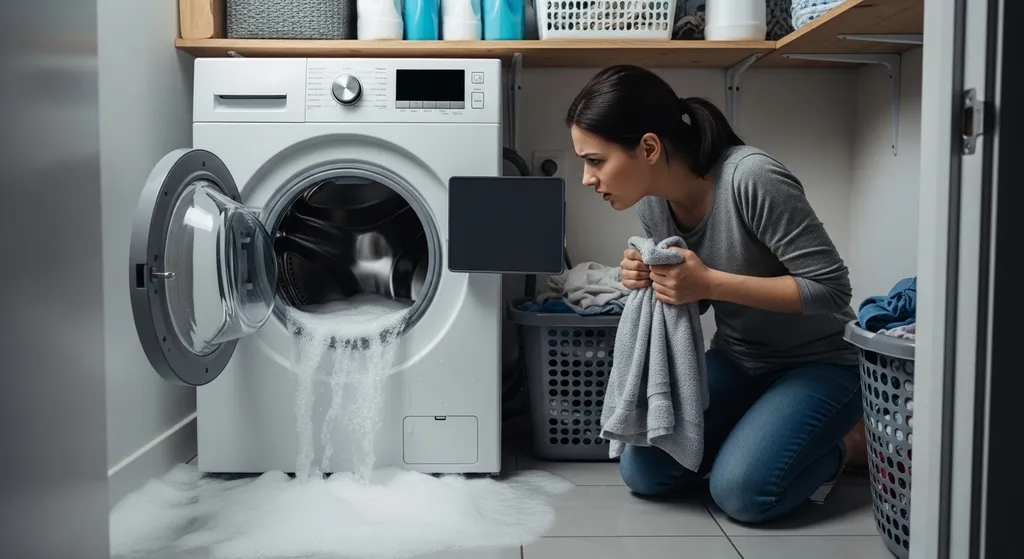
The
washing
machine
suddenly
broke
during
its
spin
cycle
.
The
washing
machine
suddenly
broke
during
its
spin
cycle
.
verb
-
break
,
breaking
,
breaks
,
broke
,
broken
to
stop
an
activity
for
a
short
period
of
rest
•
Let's
break
for
lunch
at
twelve
o'clock
.
Let's
break
for
lunch
at
twelve
o'clock
.
•
The
teacher
said
we
would
break
after
finishing
the
quiz
.
The
teacher
said
we
would
break
after
finishing
the
quiz
.
verb
-
break
,
breaking
,
breaks
,
broke
,
broken
to
fail
to
obey
a
rule
,
law
,
or
promise
•
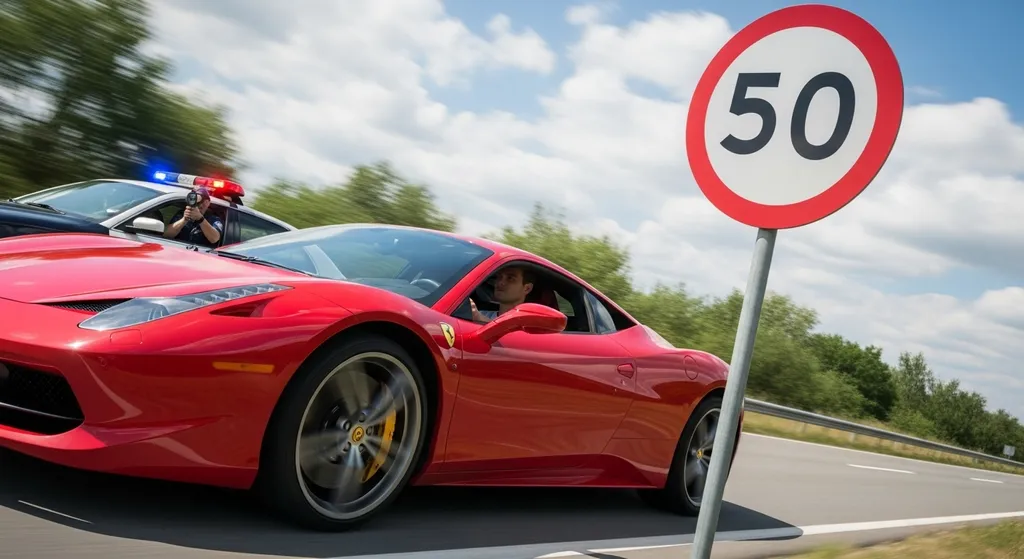
He
broke
the
speed
limit
by
driving
too
fast
.
He
broke
the
speed
limit
by
driving
too
fast
.
•
You
must
not
break
your
promise
to
help
her
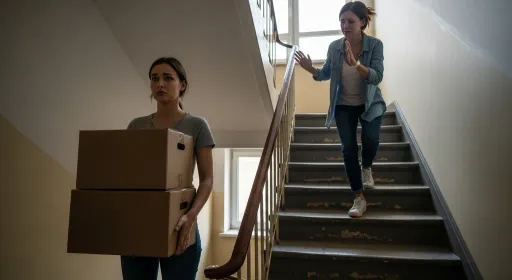
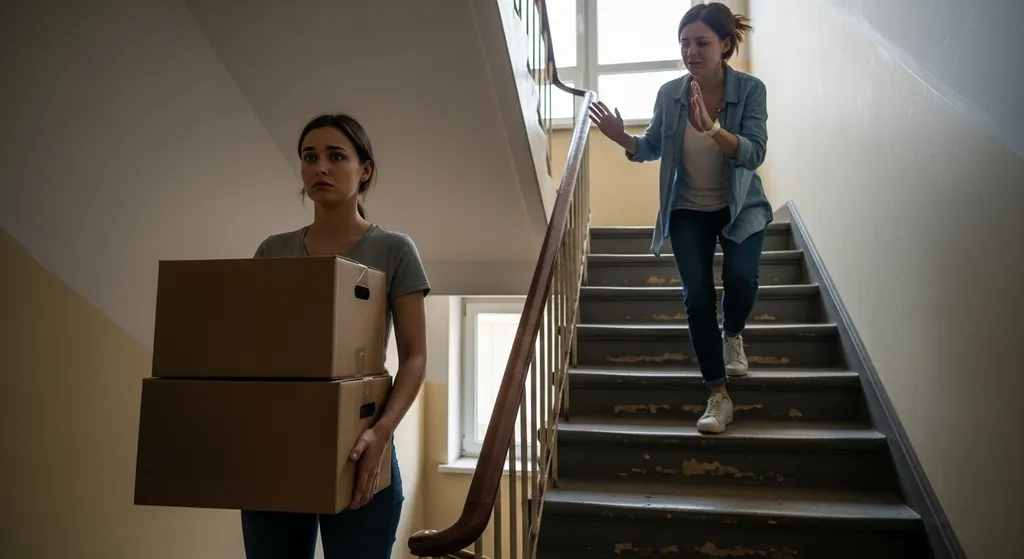
move
.
You
must
not
break
your
promise
to
help
her
move
.
verb
-
break
,
breaking
,
breaks
,
broke
,
broken
to
go
beyond
and
set
a
new
,
better
record
or
limit
•
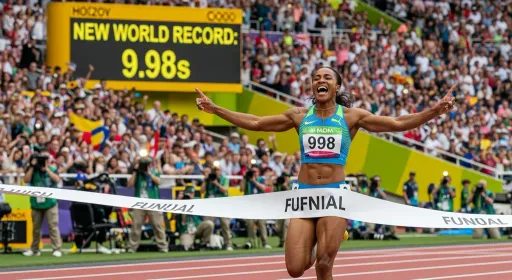
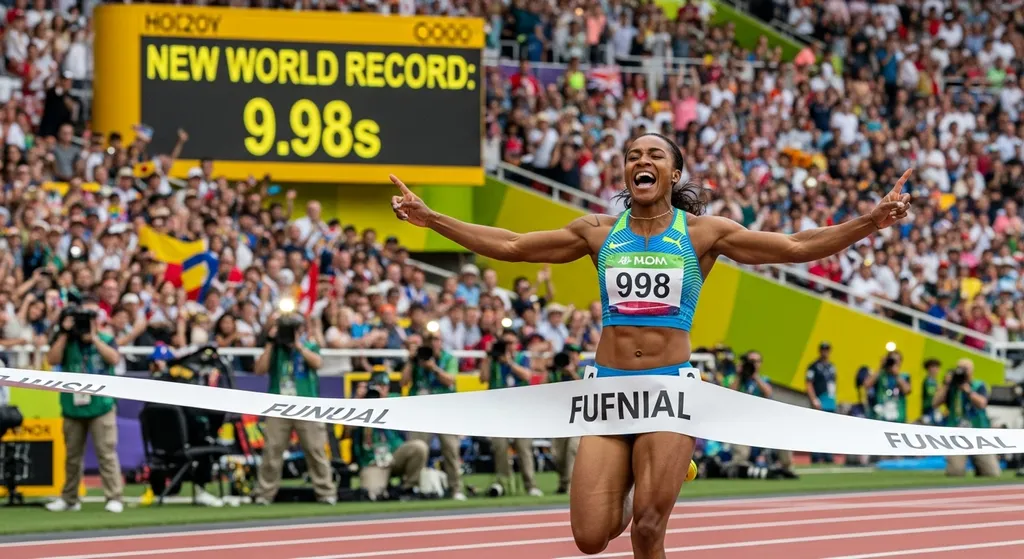
She
broke
the
world record
for
the
100-meter
sprint
.
She
broke
the
world record
for
the
100-meter
sprint
.
•
The
movie
broke
box-office
records
on
its
opening
weekend
.
The
movie
broke
box-office
records
on
its
opening
weekend
.
shake

verb
-
shake
,
shaking
,
shakes
,
shook
,
shaken
to
move
or
be
moved
quickly
back
and
forth
or
up
and
down
•
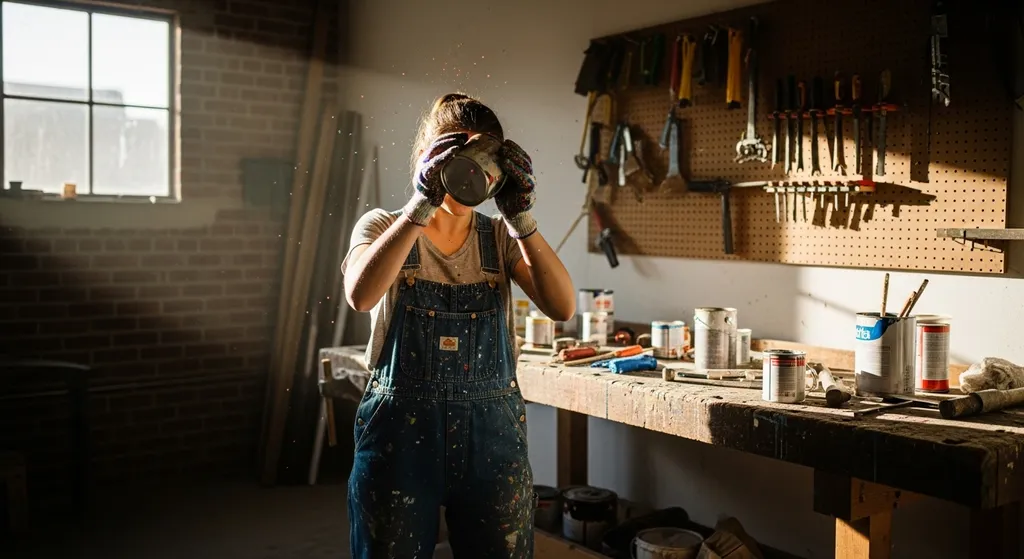
Before
opening
the
paint
can
,
Julia
shook
it
so
the
colors
would
mix
evenly
.
Before
opening
the
paint
can
,
Julia
shook
it
so
the
colors
would
mix
evenly
.
•
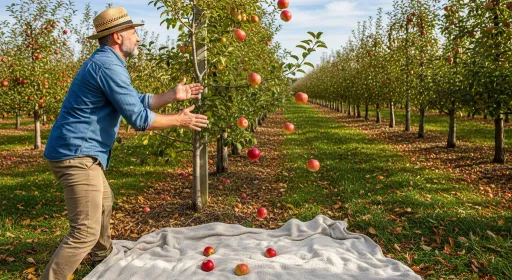
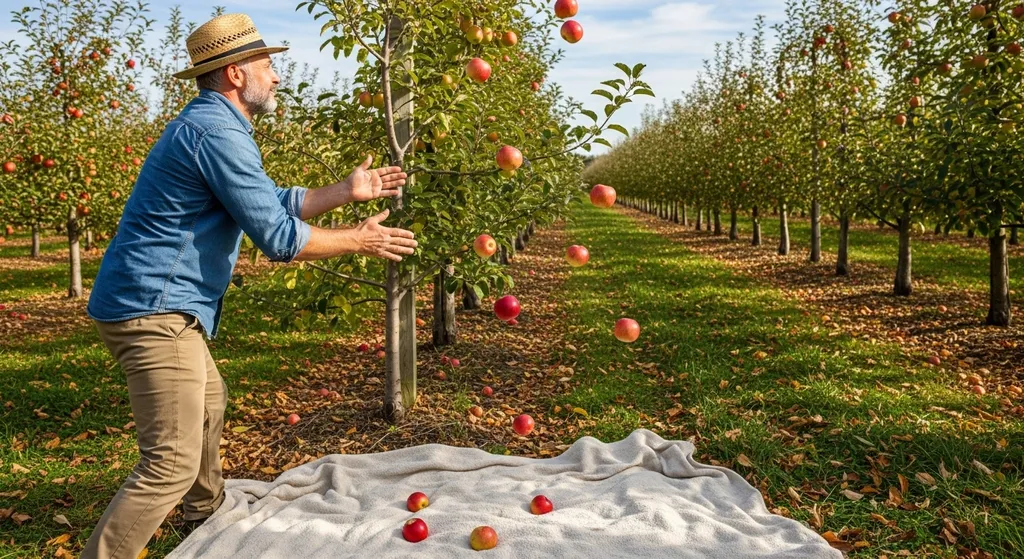
The
gardener
told
me
to
shake
the
tree
gently
to
make
the
ripe
apples
fall
.
The
gardener
told
me
to
shake
the
tree
gently
to
make
the
ripe
apples
fall
.
Old
English
‘
sceacan
’
meaning
‘
to
move
quickly
’,
later
influenced
by
Norse
‘
skaka
’.
verb
-
shake
,
shaking
,
shakes
,
shook
,
shaken
to
tremble
or
shiver
,
especially
because
of
cold
,
fear
,
or
excitement
•
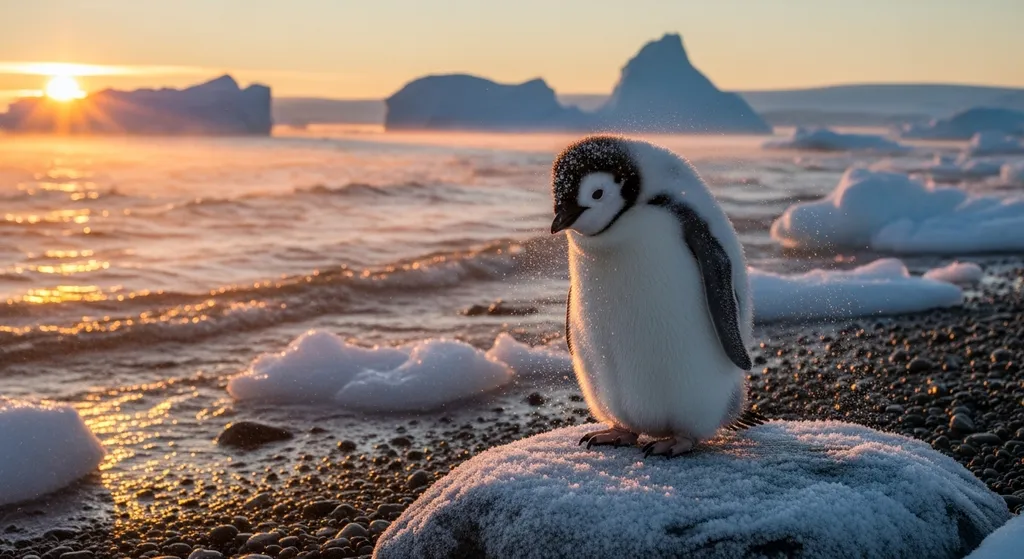
The
baby
penguin
was
shaking
with
cold
on
the
icy
rock
.
The
baby
penguin
was
shaking
with
cold
on
the
icy
rock
.
•
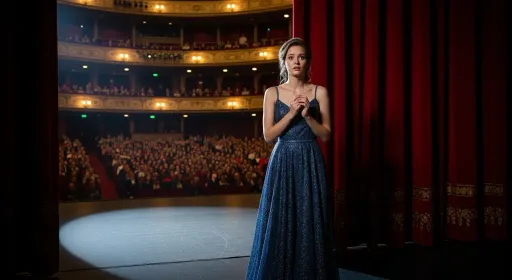
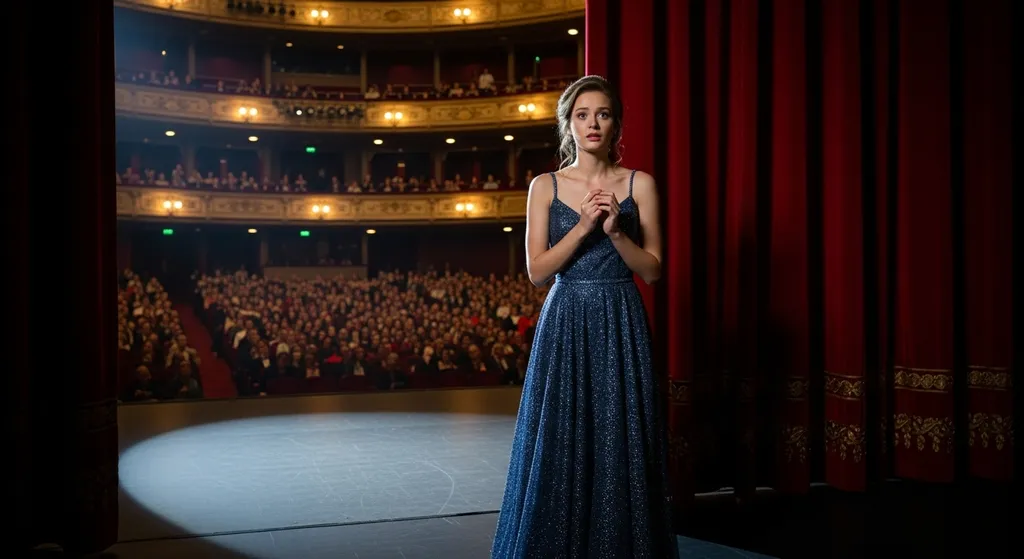
She
could
feel
her
hands
shake
as
she
stepped
onto
the
stage
.
She
could
feel
her
hands
shake
as
she
stepped
onto
the
stage
.
Derived
from
the
same
root
as
the
movement
sense
,
extended
figuratively
to
bodily
trembling
.
verb
-
shake
,
shaking
,
shakes
,
shook
,
shaken
to
clasp
and
move
someone
’
s
hand
up
and
down
as
a
greeting
or
sign
of
agreement
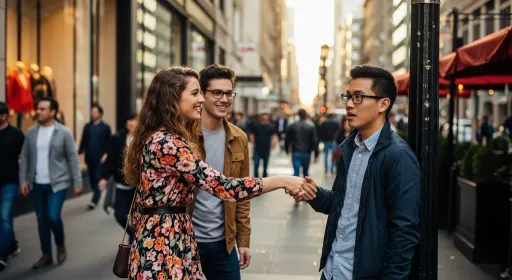
•
At
the
end
of
the
meeting
,
they
stood
up
to
shake
hands
.
At
the
end
of
the
meeting
,
they
stood
up
to
shake
hands
.
•
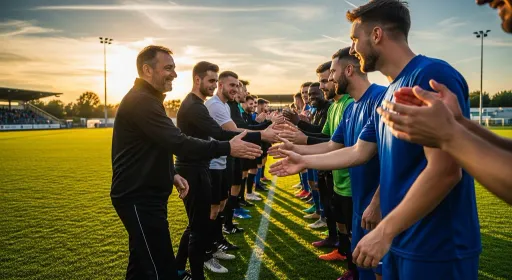
The
coach
came
over
to
shake
each
player
’
s
hand
after
the
victory
.
The
coach
came
over
to
shake
each
player
’
s
hand
after
the
victory
.
The
gesture
dates
back
to
ancient
cultures
where
showing
an
empty
hand
proved
peaceful
intent
.
verb
-
shake
,
shaking
,
shakes
,
shook
,
shaken
to
disturb
or
upset
someone
deeply
,
making
them
feel
shocked
or
less
confident
•
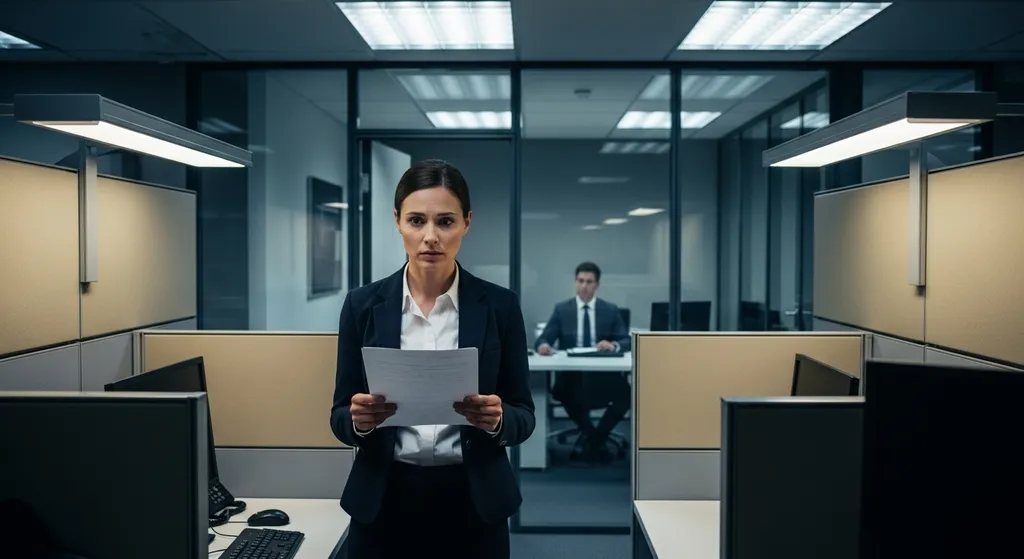
The
sudden
announcement
of
layoffs
shook
the
entire
staff
.
The
sudden
announcement
of
layoffs
shook
the
entire
staff
.
•
The
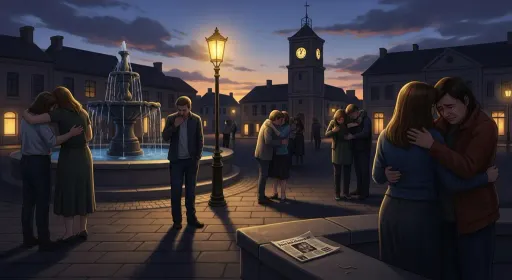
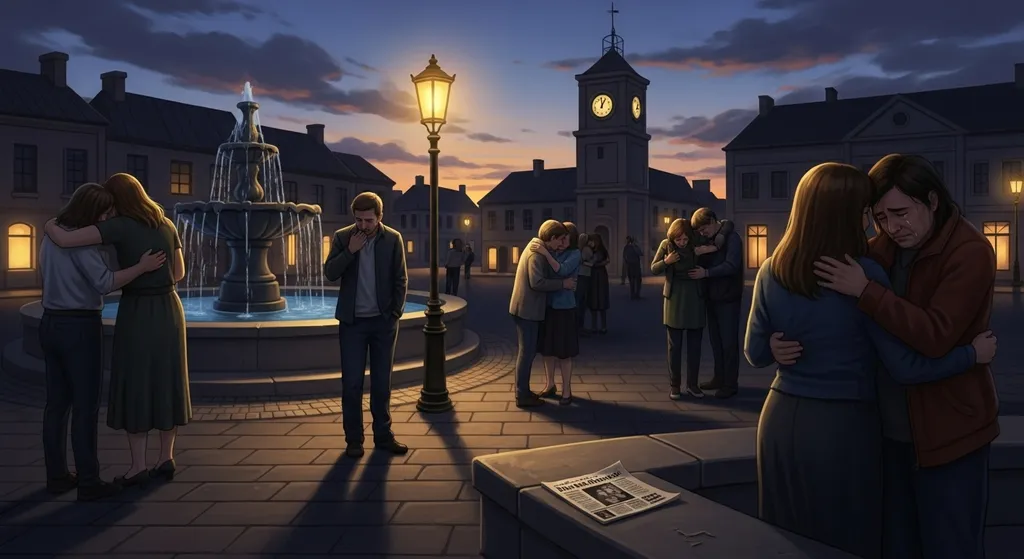
tragedy
deeply
shook
the
small
community
.
The
tragedy
deeply
shook
the
small
community
.
Metaphorical
extension
from
physical
movement
to
emotional
disturbance
in
the
16th
century
.
weekend
noun
The
part
of
the
week
that
includes
Saturday
and
Sunday
,
or
the
time
from
Friday
evening
until
Sunday
night
,
when
most
people
are
off
work
or
school
.
•
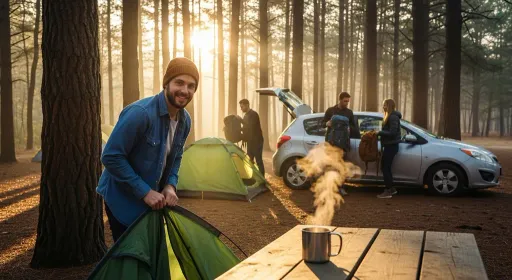
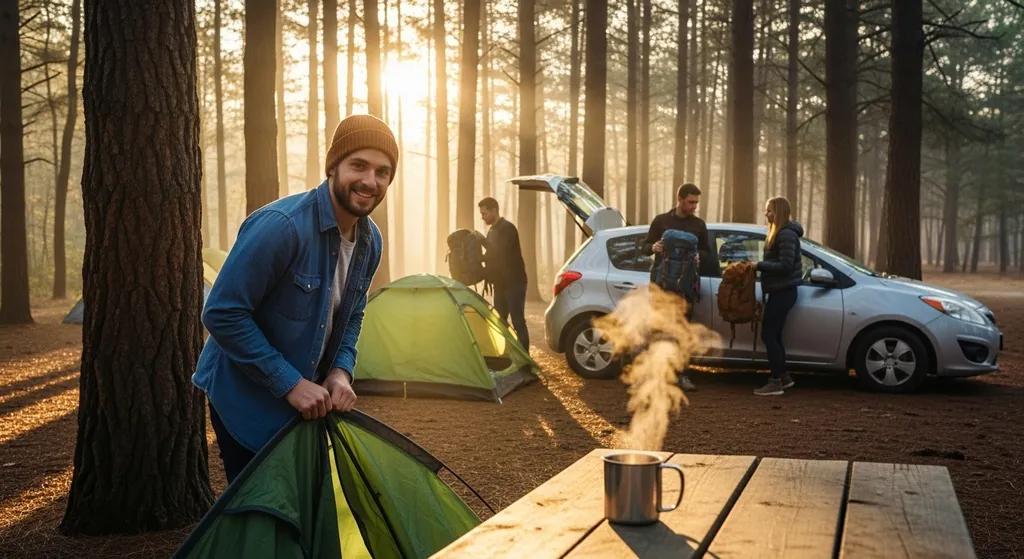
We're
going
camping
this
weekend
.
We're
going
camping
this
weekend
.
•
On
weekends
,
the
park
is
full
of
families
having
picnics
.
On
weekends
,
the
park
is
full
of
families
having
picnics
.
From
week
+
end
;
first
recorded
in
the
17th
century
to
mean
the
end
of
the
week
,
modern
sense
of
leisure
period
established
in
the
late
19th
century
.
verb
(
intransitive
,
informal
)
To
spend
one
’
s
weekend
,
especially
away
from
home
.
•
They
weekended
at
a
quiet
cabin
by
the
lake
.
They
weekended
at
a
quiet
cabin
by
the
lake
.
•
We
usually
weekend
in
the
city
when
there
is
a
festival
.
We
usually
weekend
in
the
city
when
there
is
a
festival
.
Back-formation
from
the
noun
weekend
,
first
used
as
a
verb
in
the
early
20th
century
.
mistake
verb
-
mistake
,
mistaking
,
mistakes
,
mistook
,
mistaken
to
think
wrongly
that
someone
or
something
is
another
person
or
thing
•
Many
people
mistake
me
for
my
older
brother
.
Many
people
mistake
me
for
my
older
brother
.
•
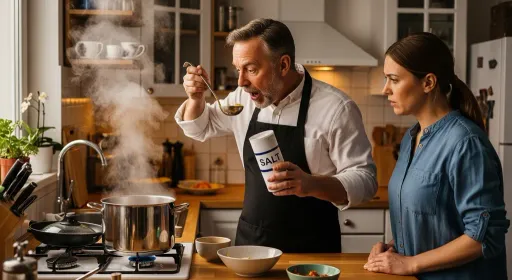
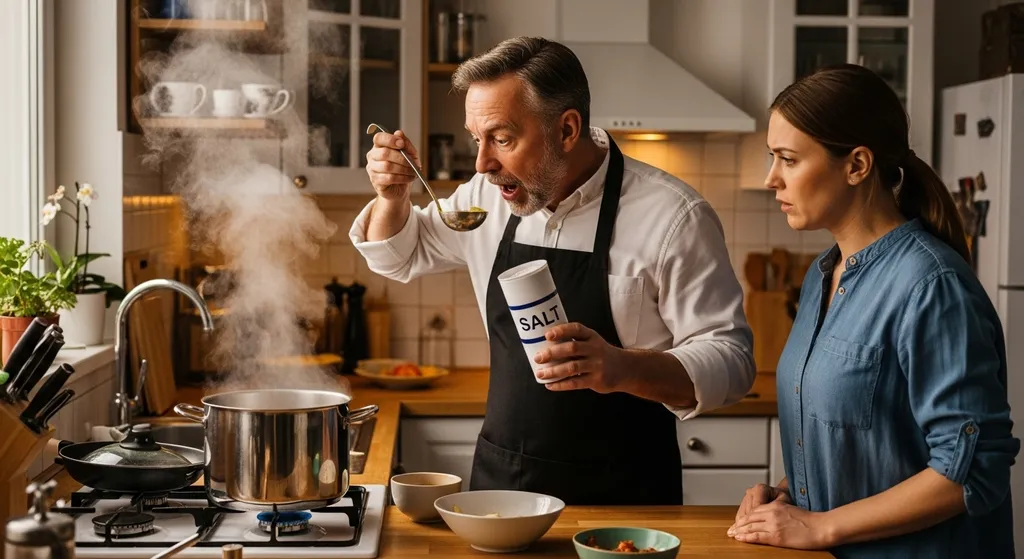
He
mistook
the
salt
for
sugar
and
ruined
the
soup
.
He
mistook
the
salt
for
sugar
and
ruined
the
soup
.
From
Old
Norse
‘
mistaka
’
meaning
“
take
wrongly
”.
The
verb
entered
Middle
English
in
the
14th
century
.
verb
-
mistake
,
mistaking
,
mistakes
,
mistook
,
mistaken
to
understand
something
wrongly
or
give
it
the
wrong
meaning
•
Please
don
’
t
mistake
my
silence
as
disapproval
.
Please
don
’
t
mistake
my
silence
as
disapproval
.
•
She
mistook
the
directions
and
ended
up
at
the
wrong
address
.
She
mistook
the
directions
and
ended
up
at
the
wrong
address
.
Same
Old
Norse
root
as
other
senses
,
with
meaning
extended
to
wrong
understanding
by
the
17th
century
.
strike
verb
-
strike
,
striking
,
strikes
,
struck
,
stricken
to
hit
something
or
someone
suddenly
and
with
force
•
Be
careful
not
to
strike
the
glass
with
the
hammer
.
Be
careful
not
to
strike
the
glass
with
the
hammer
.
•
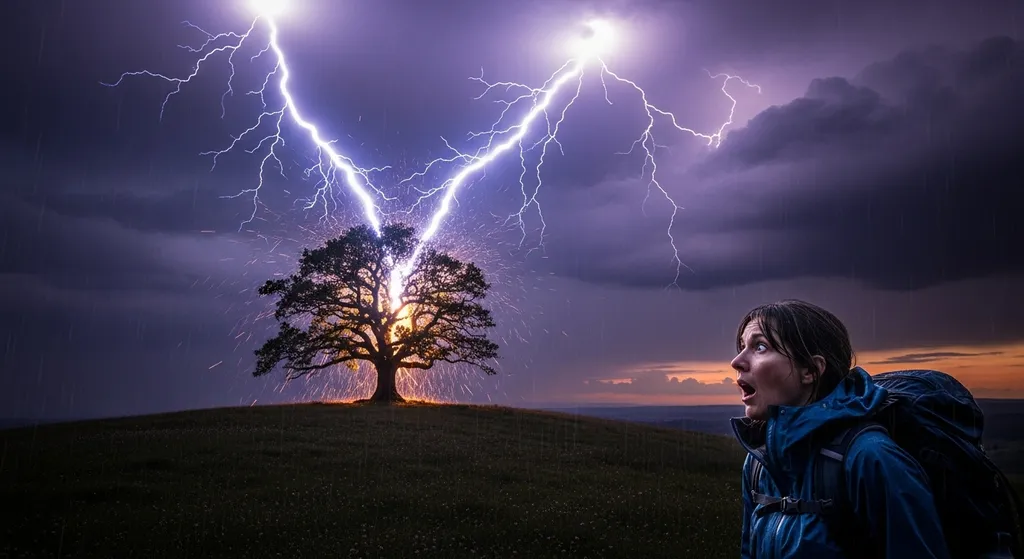
Lightning
can
strike
a
tall
tree
during
a
storm
.
Lightning
can
strike
a
tall
tree
during
a
storm
.
Old
English
‘
strīcan
’
meaning
‘
to
pass
lightly
over
,
stroke
’,
later
shifting
to
‘
deal
a
blow
’.
verb
-
strike
,
striking
,
strikes
,
struck
,
stricken
(
of
workers
)
to
stop
working
as
a
protest
in
order
to
gain
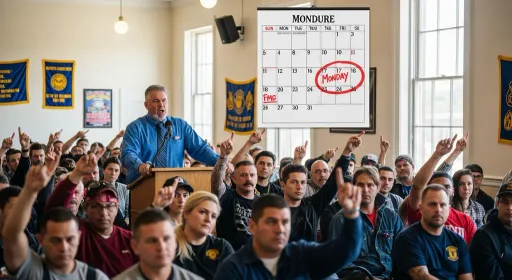
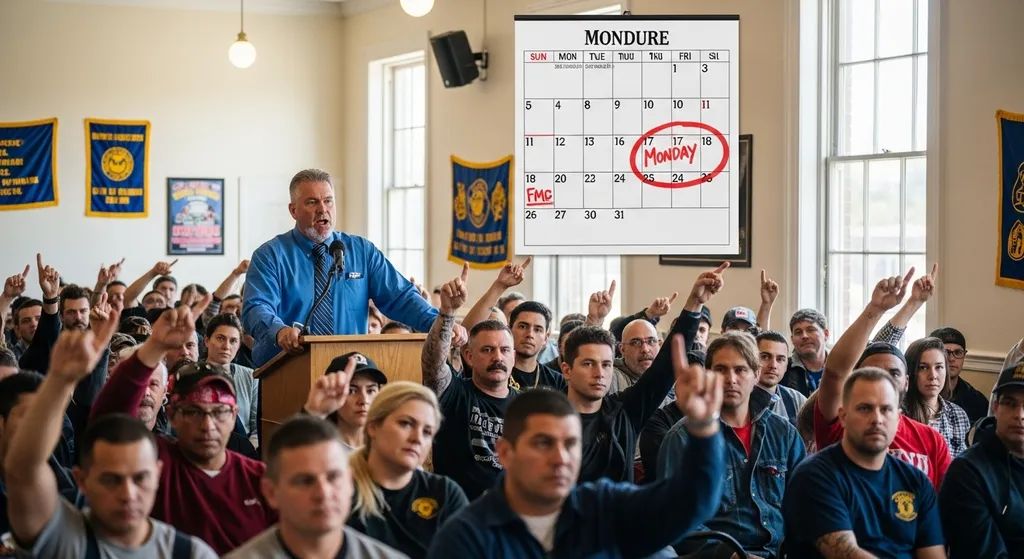
better
pay
or
conditions
•
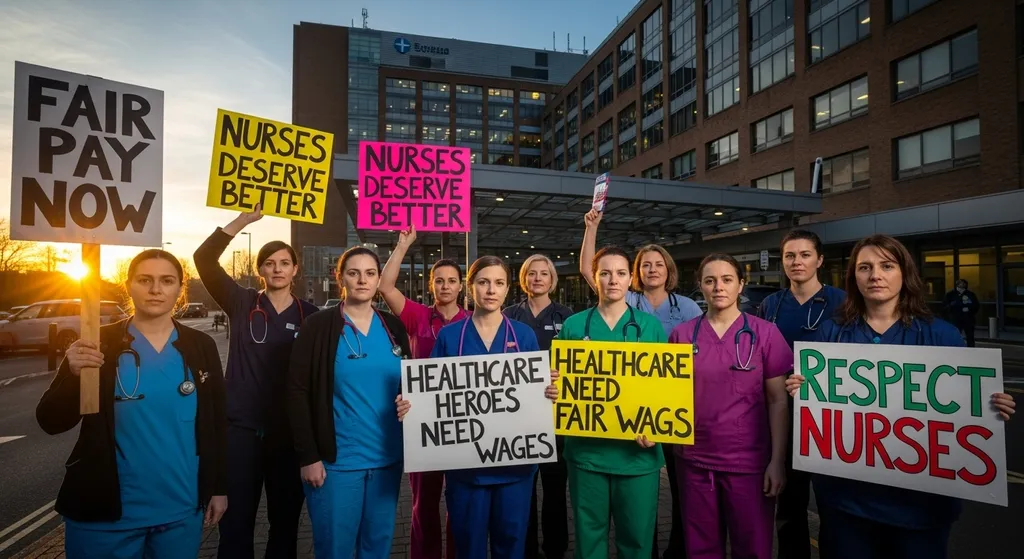
The
nurses
decided
to
strike
for
higher
wages
.
The
nurses
decided
to
strike
for
higher
wages
.
•
If
the
company
refuses
to
negotiate
,
the
union
will
strike
next
week
.
If
the
company
refuses
to
negotiate
,
the
union
will
strike
next
week
.
Meaning
‘
stop
work
as
a
protest
’
arose
in
the
18th
century
when
sailors
‘
struck
’ (
lowered
)
the
sails
to
force
negotiations
.
verb
-
strike
,
striking
,
strikes
,
struck
,
stricken
to
suddenly
occur
to
someone
as
a
thought
or
idea
•
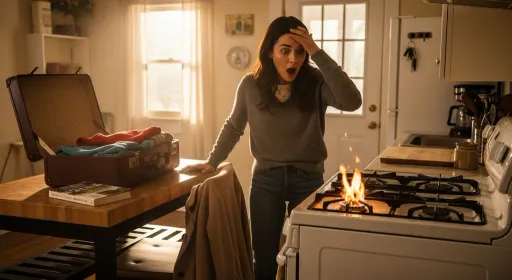
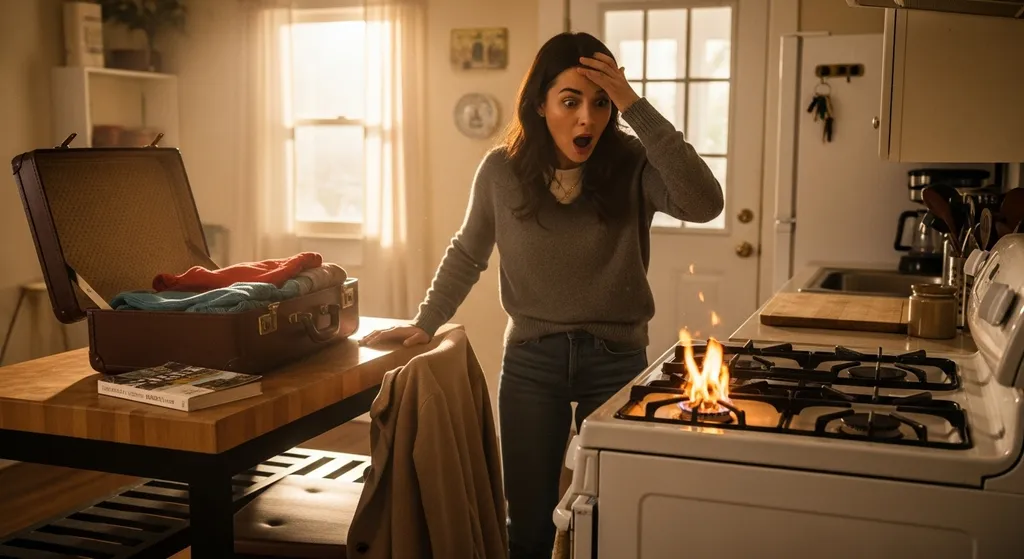
It
suddenly
struck
me
that
I
had
left
the
oven
on
.
It
suddenly
struck
me
that
I
had
left
the
oven
on
.
•
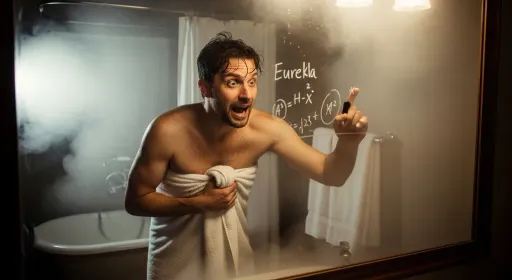
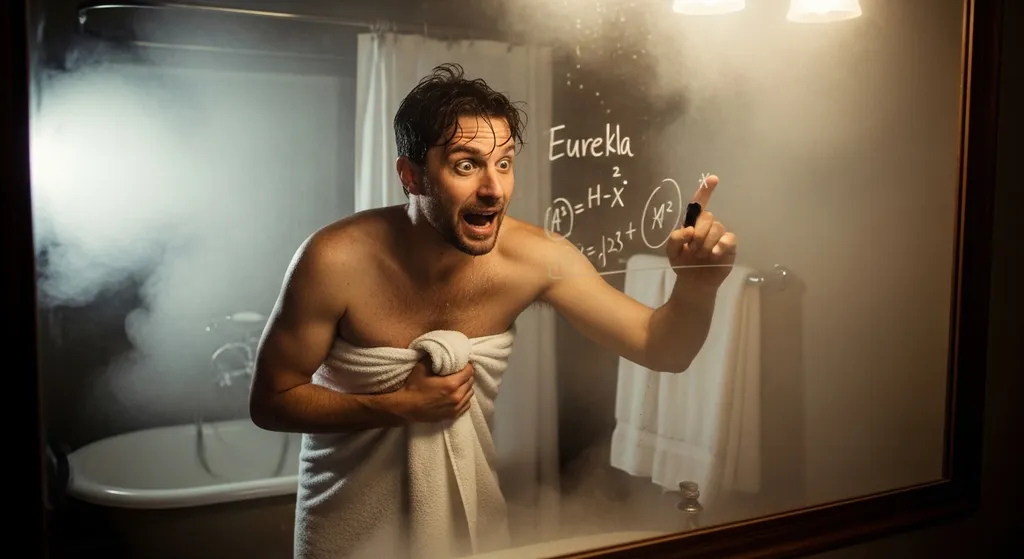
The
idea
struck
him
while
he
was
taking
a
shower
.
The
idea
struck
him
while
he
was
taking
a
shower
.
Figurative
sense
of
‘
hit
the
mind
’
dates
from
the
1600s
.
verb
-
strike
,
striking
,
strikes
,
struck
,
stricken
(
of
a
clock
or
bell
)
to
sound
a
set
number
of
times
to
show
the
hour
•
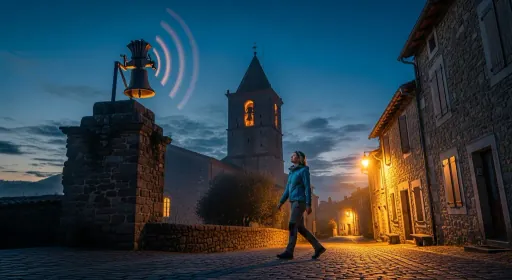
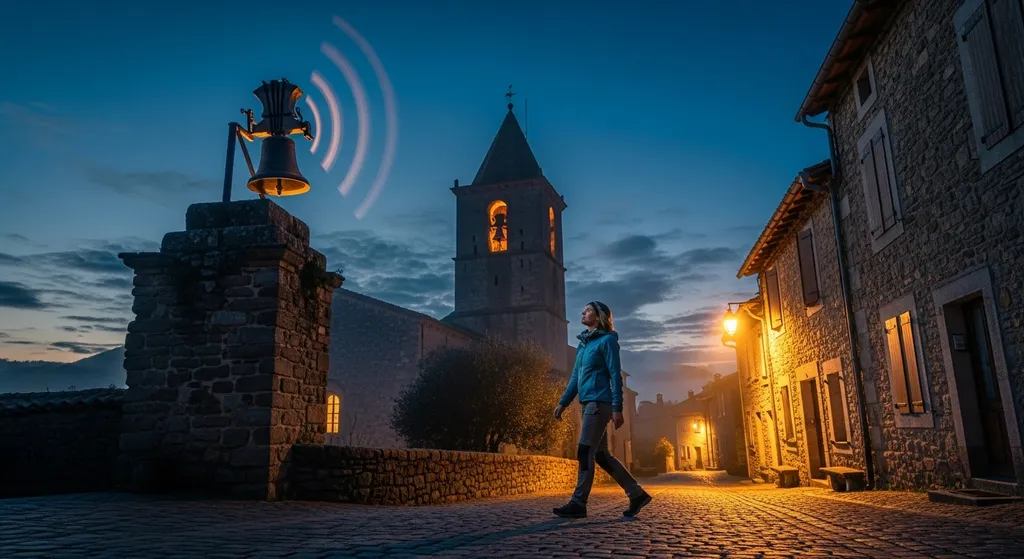
I
heard
the
church
bell
strike
six
as
I
walked
home
.
I
heard
the
church
bell
strike
six
as
I
walked
home
.
•
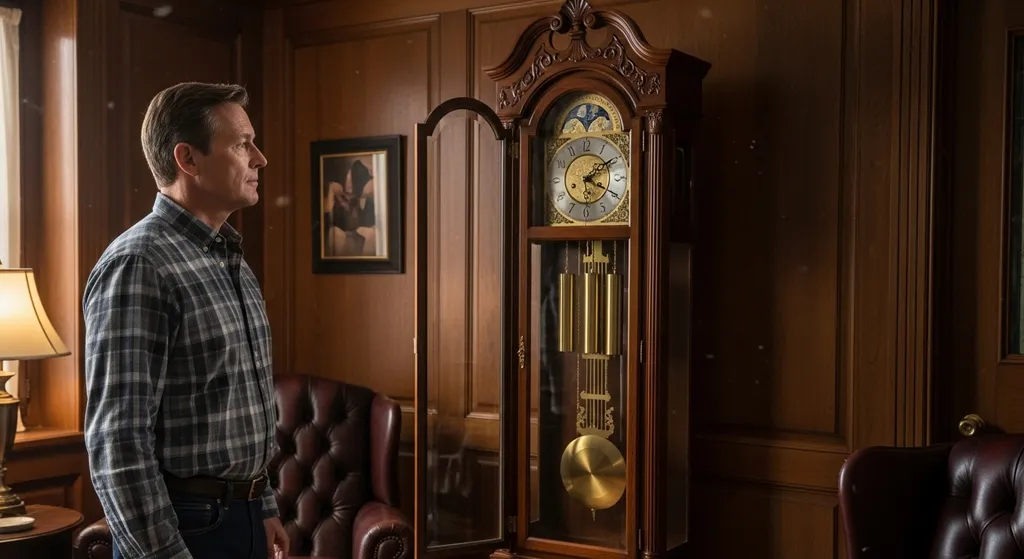
The
grandfather
clock
strikes
every
hour
on
the
hour
.
The
grandfather
clock
strikes
every
hour
on
the
hour
.
Medieval
use
referring
to
the
bell
hammer
‘
striking
’
the
metal
.
wake

verb
-
wake
,
waking
,
wakes
,
woke
,
waked
,
woken
to
stop
sleeping
or
to
make
someone
stop
sleeping
•
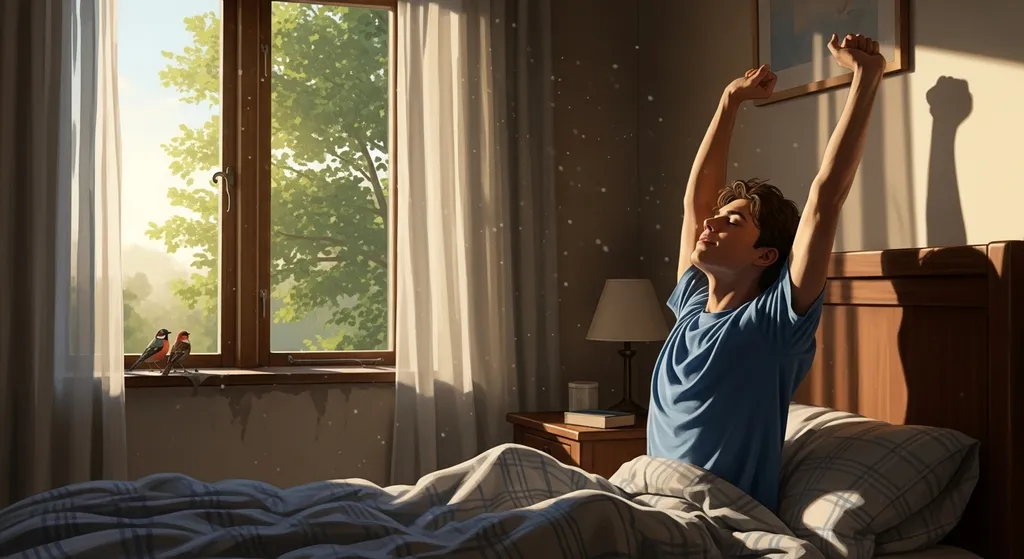
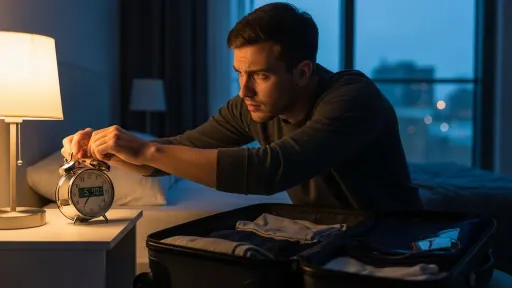
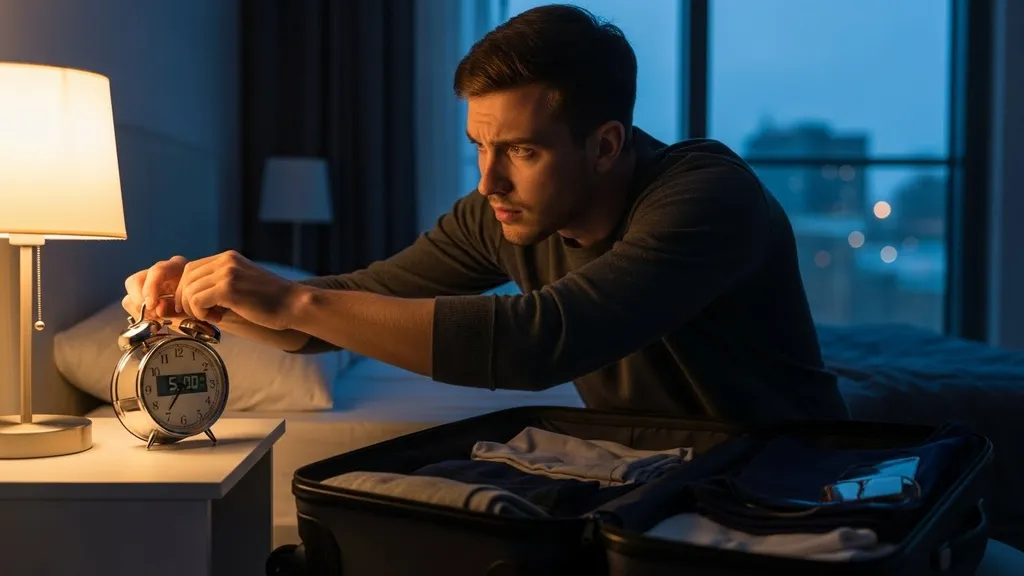
I
usually
wake
at
dawn
when
the
birds
start
singing
.
I
usually
wake
at
dawn
when
the
birds
start
singing
.
•
Please
don't
wake
the
baby
;
she
just
fell
asleep
.
Please
don't
wake
the
baby
;
she
just
fell
asleep
.
Old
English
‘
wacan
’ (
become
awake
)
and
‘
wacian
’ (
keep
watch
),
from
Proto-Germanic
roots
meaning
‘
be
lively
’.
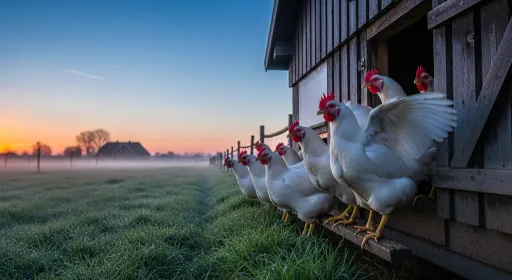
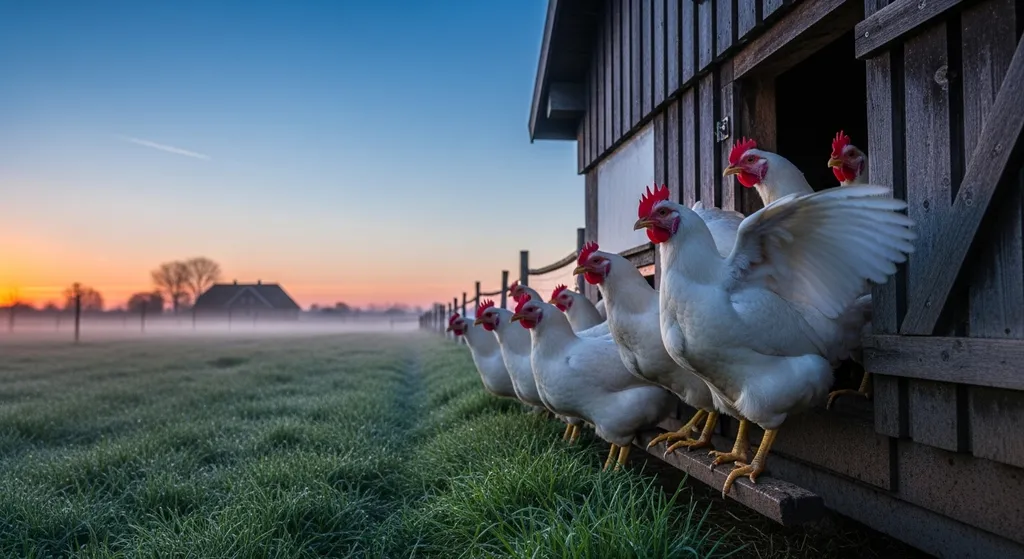
chicken
noun
a
common
farm
bird
kept
for
its
eggs
and
meat
•
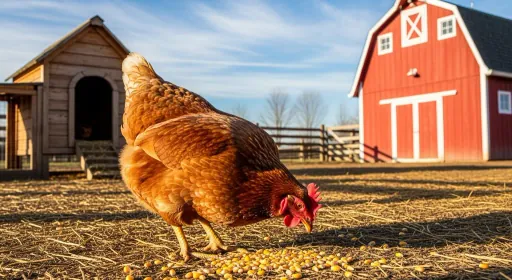
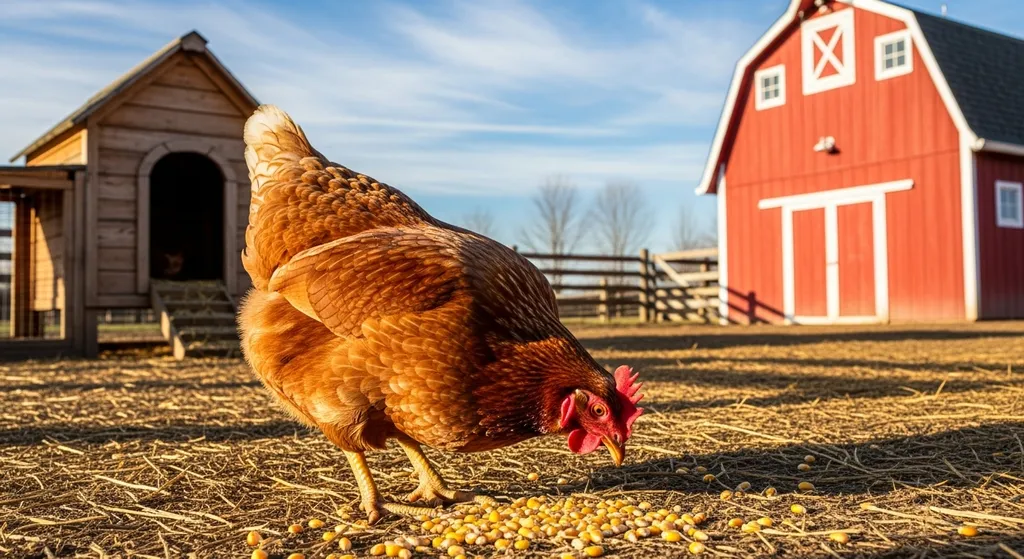
A
chicken
pecked
at
the
corn
in
the
barnyard
.
A
chicken
pecked
at
the
corn
in
the
barnyard
.
•
We
could
hear
the
chickens
clucking
loudly
at
dawn
.
We
could
hear
the
chickens
clucking
loudly
at
dawn
.
Old
English
“
cicen
”
meaning
a
young
bird
,
later
generalized
to
the
adult
domestic
fowl
.
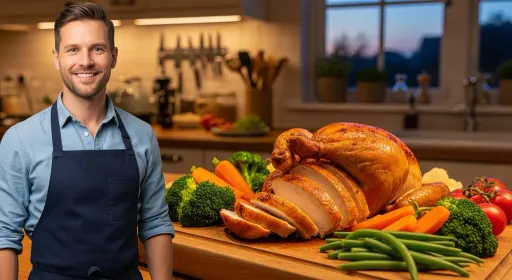
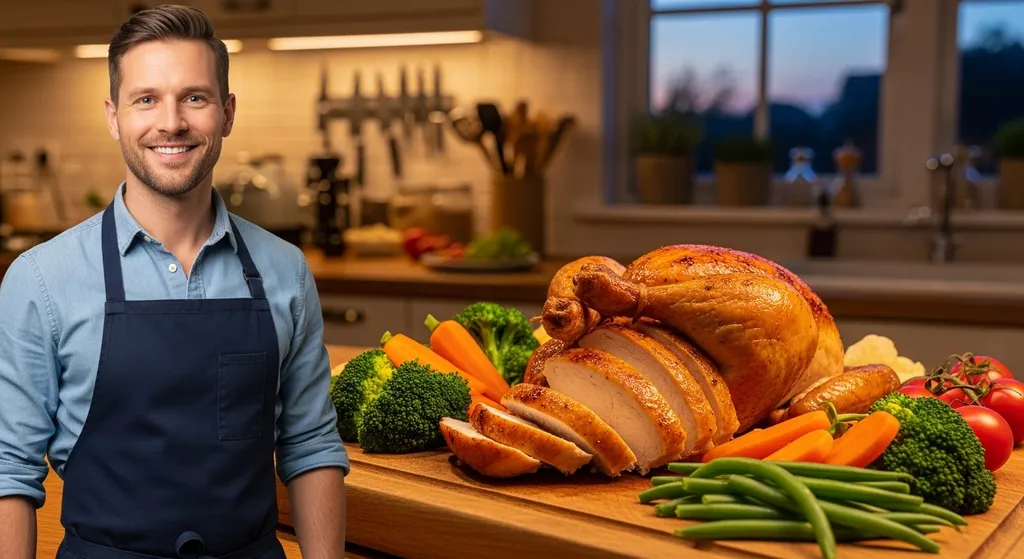
noun
-
chicken
the
meat
of
a
chicken
,
eaten
as
food
•
We
had
roast
chicken
for
dinner
last
night
.
We
had
roast
chicken
for
dinner
last
night
.
•
Would
you
like
chicken
or
beef
in
your
sandwich
?
Would
you
like
chicken
or
beef
in
your
sandwich
?
Sense
extended
from
the
bird
to
its
flesh
for
eating
by
the
14th
century
.
noun
an
informal
word
for
a
person
who
is
easily
frightened
and
not
brave
•
Don
’
t
be
a
chicken
—
jump
into
the
pool
!
Don
’
t
be
a
chicken
—
jump
into
the
pool
!
•
My
little
sister
is
such
a
chicken
about
scary
movies
.
My
little
sister
is
such
a
chicken
about
scary
movies
.
From
the
idea
that
a
chicken
bird
is
quick
to
run
away
when
startled
;
figurative
use
recorded
since
the
17th
century
.
adjective
too
scared
or
nervous
to
do
something
difficult
or
risky
•
I
was
chicken
and
turned
off
the
horror
game
after
five
minutes
.
I
was
chicken
and
turned
off
the
horror
game
after
five
minutes
.
•
She
felt
chicken
about
asking
for
a
raise
.
She
felt
chicken
about
asking
for
a
raise
.
Adjective
use
grew
out
of
the
noun
sense
‘
coward
’
in
early
20th-century
American
English
.
broken
adjective
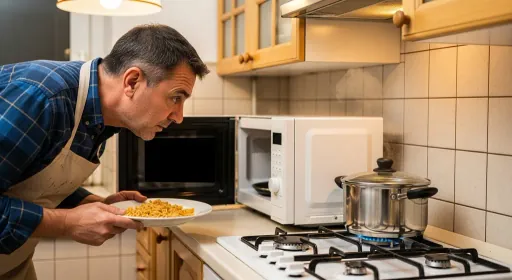
damaged
or
in
pieces
and
therefore
not
working
or
usable
•
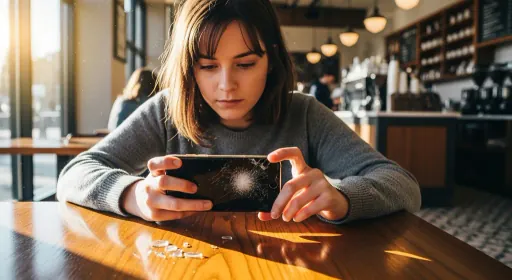
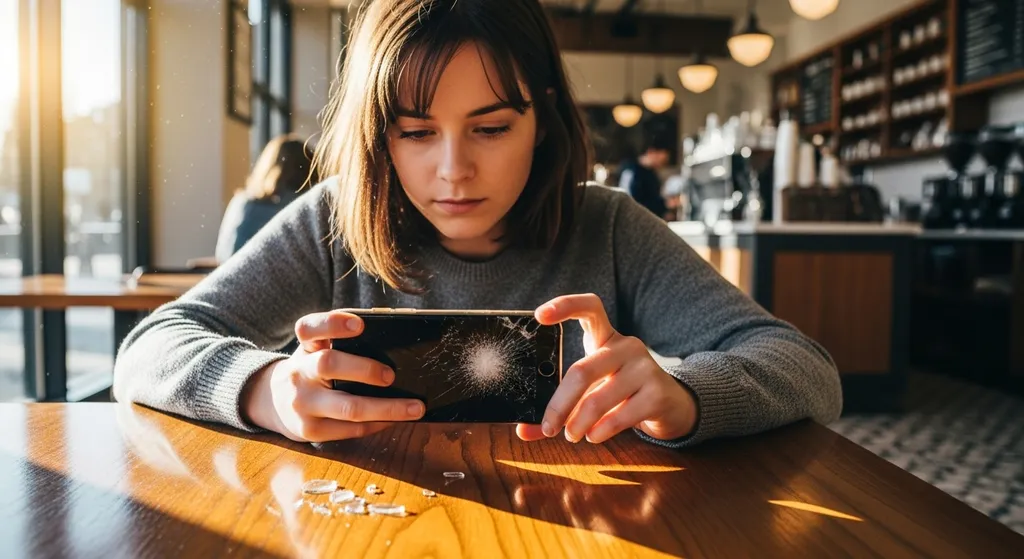
When
I
dropped
my
phone
,
the
screen
was
broken
.
When
I
dropped
my
phone
,
the
screen
was
broken
.
•
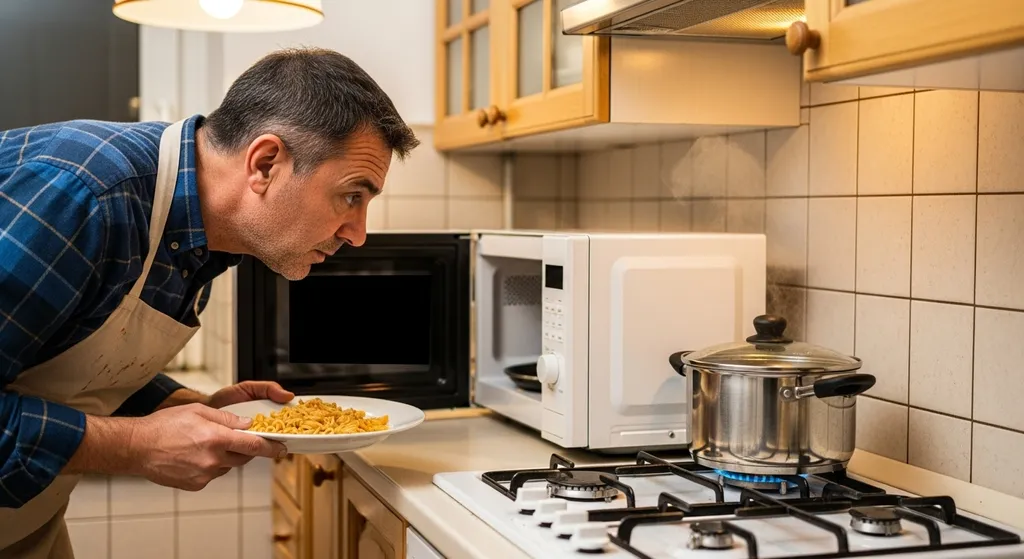
The
microwave
is
broken
,
so
we
need
to
heat
the
food
on
the
stove
.
The
microwave
is
broken
,
so
we
need
to
heat
the
food
on
the
stove
.
verb
-
break
,
breaking
,
breaks
,
broke
,
broken
past
participle
of
break
•
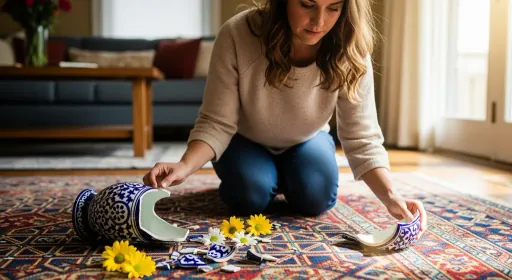
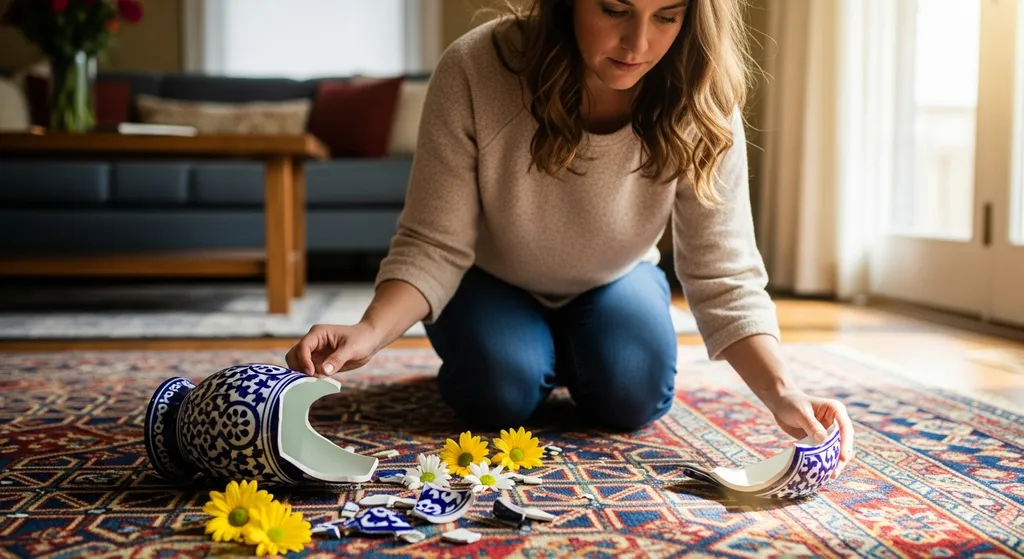
The
vase
has
broken
into
pieces
on
the
floor
.
The
vase
has
broken
into
pieces
on
the
floor
.
•
My
watch
has
broken
again
after
just
a
week
.
My
watch
has
broken
again
after
just
a
week
.
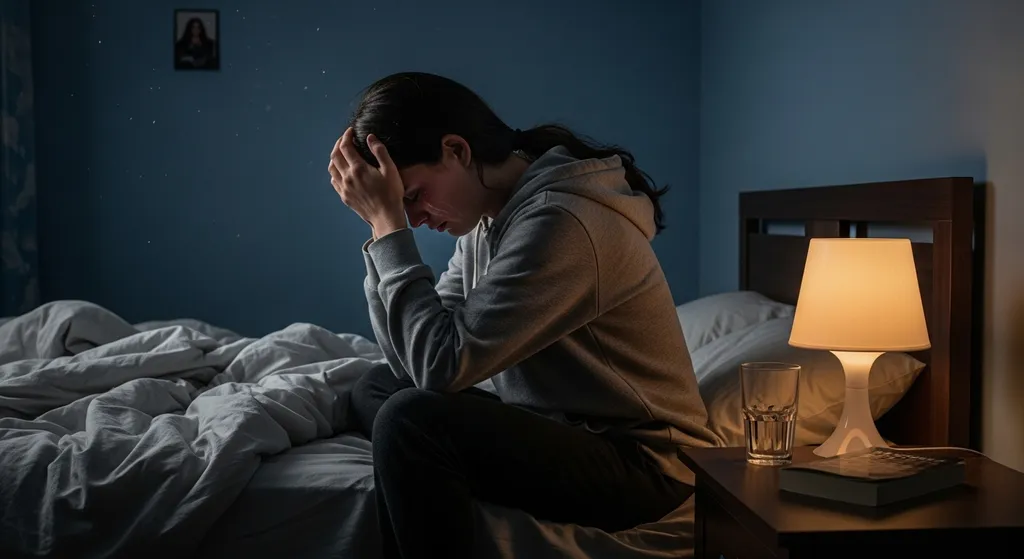
adjective
extremely
sad
or
emotionally
destroyed
•
After
the
breakup
,
she
felt
completely
broken
inside
.
After
the
breakup
,
she
felt
completely
broken
inside
.
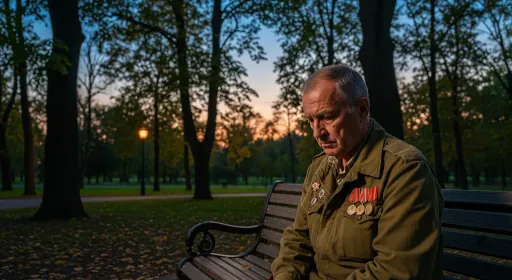
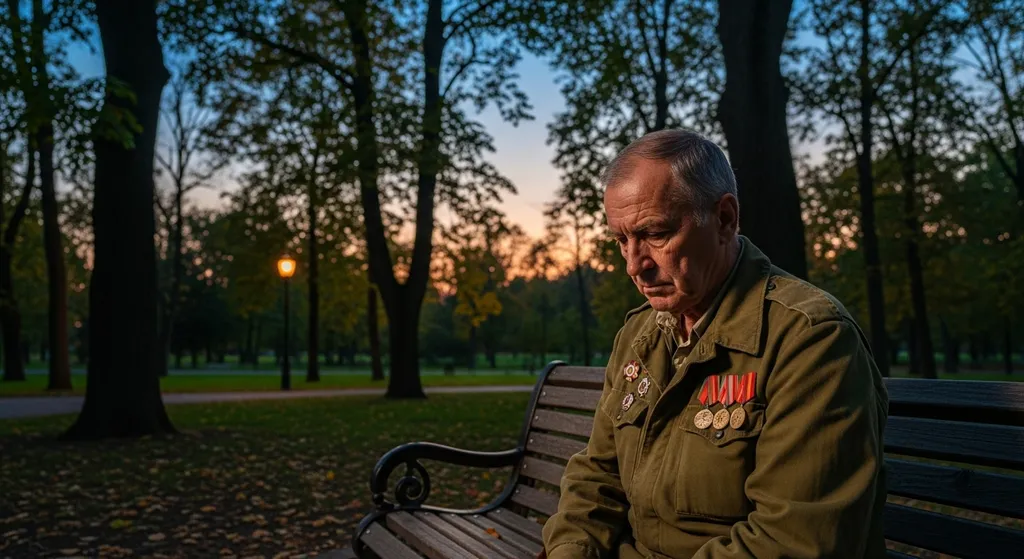
•
The
broken
veteran
sat
quietly
in
the
park
,
staring
at
the
ground
.
The
broken
veteran
sat
quietly
in
the
park
,
staring
at
the
ground
.
adjective
spoken
or
written
with
many
mistakes
and
pauses
,
not
fluent
•
He
greeted
us
in
broken
English
and
offered
directions
.
He
greeted
us
in
broken
English
and
offered
directions
.
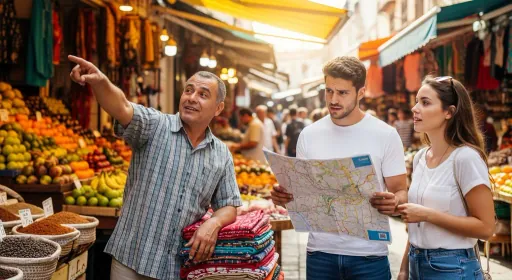
•
Tourists
exchanged
phrases
in
broken
Spanish
to
order
lunch
.
Tourists
exchanged
phrases
in
broken
Spanish
to
order
lunch
.
weakness
noun
-
weakness
,
weaknesses
,
weaken
,
weakening
,
weakens
,
weakened
,
weak
,
weaker
,
weakest
the
condition
of
being
physically
weak
or
lacking
strength
•
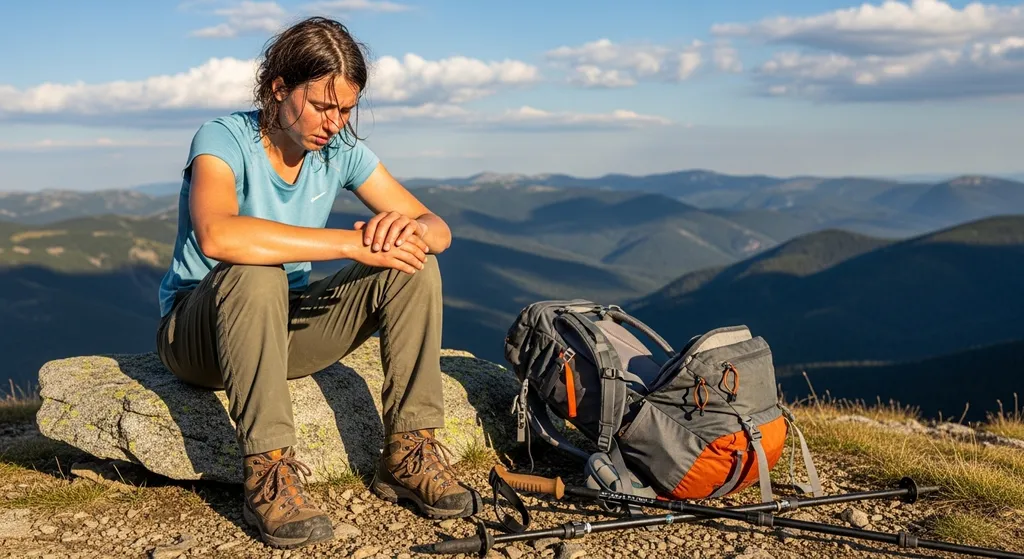
After
climbing
the
mountain
,
Maya
felt
a
sudden
weakness
in
her
legs
and
had
to
sit
.
After
climbing
the
mountain
,
Maya
felt
a
sudden
weakness
in
her
legs
and
had
to
sit
.
•
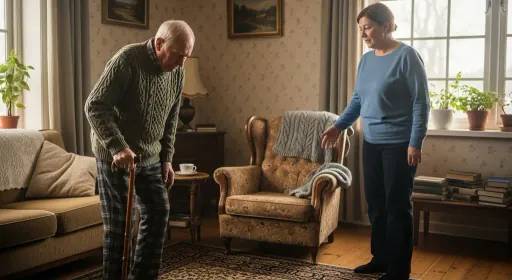
The
illness
left
the
old
man
with
a
lingering
weakness
that
made
walking
difficult
.
The
illness
left
the
old
man
with
a
lingering
weakness
that
made
walking
difficult
.
From
Middle
English
weyknesse
,
formed
by
adding
-ness
to
weak
.
noun
-
weakness
,
weaknesses
,
weaken
,
weakening
,
weakens
,
weakened
,
weak
,
weaker
,
weakest
a
fault
,
disadvantage
,
or
weak
point
in
a
person
,
plan
,
or
thing
•
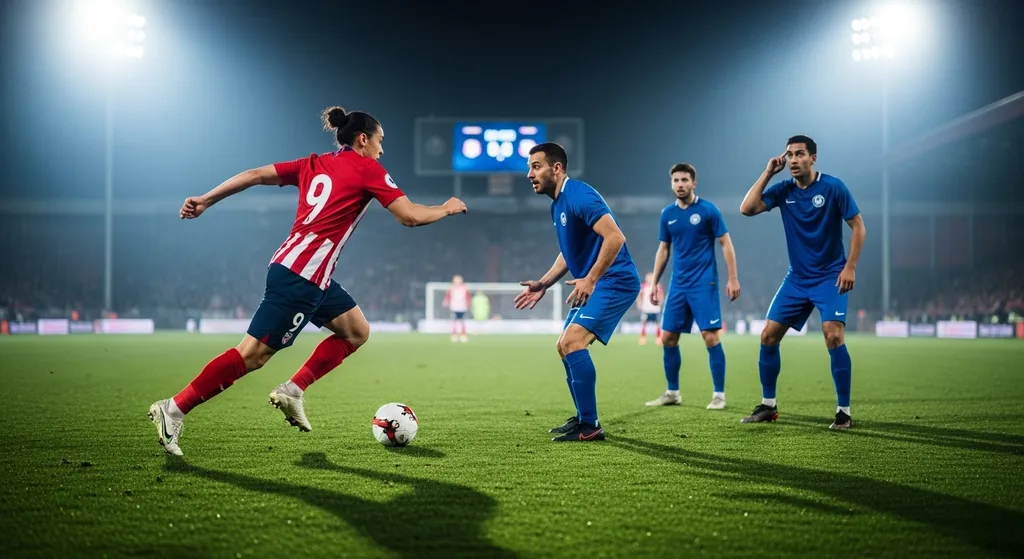
The
team
’
s
defense
had
a
clear
weakness
that
the
opponents
exploited
.
The
team
’
s
defense
had
a
clear
weakness
that
the
opponents
exploited
.
•
My
biggest
weakness
is
that
I
find
it
hard
to
say
no
to
extra
work
.
My
biggest
weakness
is
that
I
find
it
hard
to
say
no
to
extra
work
.
Derived
from
weak
+
-ness
,
meaning
a
point
where
strength
is
lacking
.
noun
-
weakness
,
weaknesses
,
weaken
,
weakening
,
weakens
,
weakened
,
weak
,
weaker
,
weakest
a
strong
liking
or
soft
spot
for
something
that
is
hard
to
resist
•
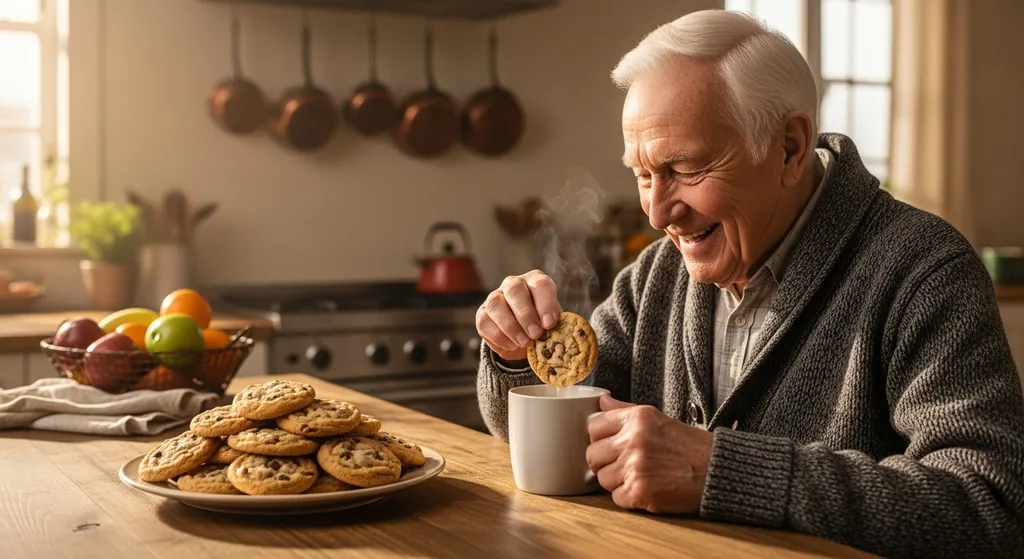
Grandpa
has
a
weakness
for
chocolate
chip
cookies
and
eats
them
every
evening
.
Grandpa
has
a
weakness
for
chocolate
chip
cookies
and
eats
them
every
evening
.
•
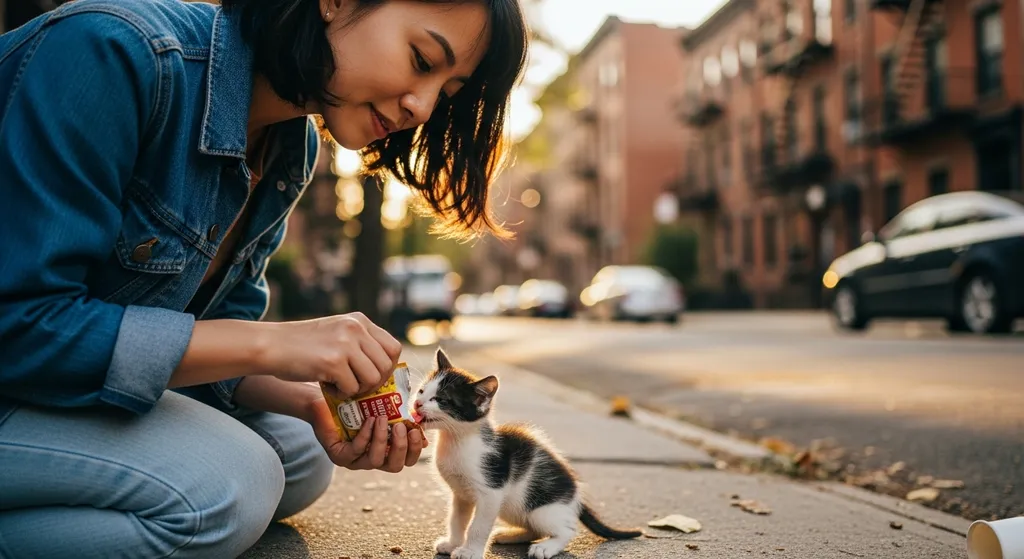
Jasmine
’
s
weakness
is
stray
animals
;
she
stops
to
help
every
kitten
she
sees
.
Jasmine
’
s
weakness
is
stray
animals
;
she
stops
to
help
every
kitten
she
sees
.
Metaphorical
extension
of
weakness
from
lacking
resistance
to
being
unable
to
resist
a
desire
.
noun
-
weakness
,
weaknesses
,
weaken
,
weakening
,
weakens
,
weakened
,
weak
,
weaker
,
weakest
a
period
or
condition
in
which
prices
,
demand
,
or
performance
are
low
or
falling
,
especially
in
financial
markets
•
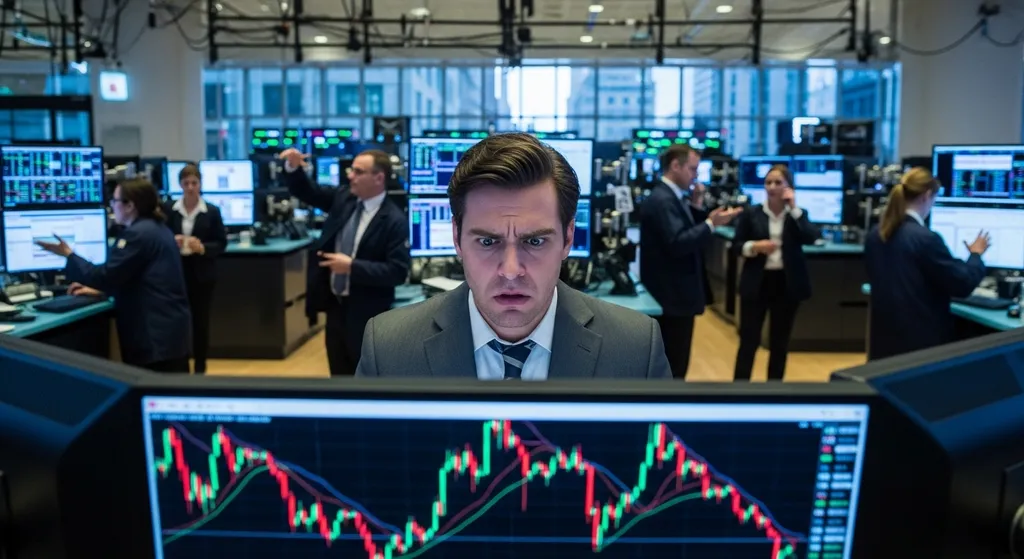
There
was
noticeable
weakness
in
the
stock
market
after
the
disappointing
earnings
report
.
There
was
noticeable
weakness
in
the
stock
market
after
the
disappointing
earnings
report
.
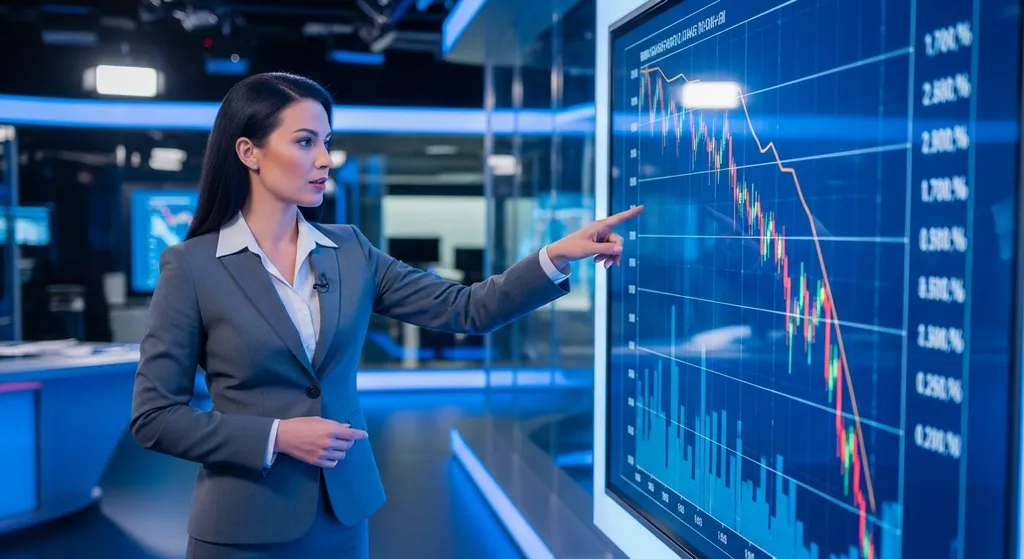
•
Analysts
predict
further
weakness
in
oil
prices
over
the
winter
.
Analysts
predict
further
weakness
in
oil
prices
over
the
winter
.
Extension
of
weakness
to
describe
lack
of
strength
in
economic
activity
,
first
recorded
in
the
late
19th
century
.
undertake
verb
-
undertake
,
undertaking
,
undertakes
,
undertook
,
undertaken
to
begin
and
commit
yourself
to
doing
a
job
,
task
,
or
project
•
Our
company
will
undertake
a
major
redesign
of
its
website
next
month
.
Our
company
will
undertake
a
major
redesign
of
its
website
next
month
.
•
Before
you
undertake
the
hike
,
make
sure
you
have
enough
water
.
Before
you
undertake
the
hike
,
make
sure
you
have
enough
water
.
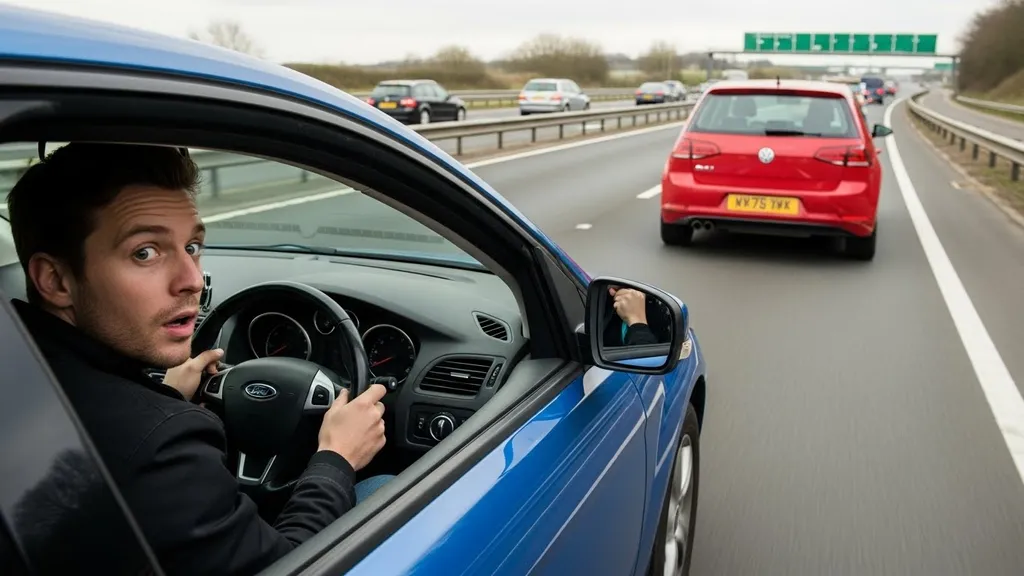
verb
-
undertake
,
undertaking
,
undertakes
,
undertook
,
undertaken
to
pass
a
vehicle
on
the
side
closer
to
the
curb
,
especially
when
it
is
moving
slowly
,
instead
of
overtaking
on
the
outside
•
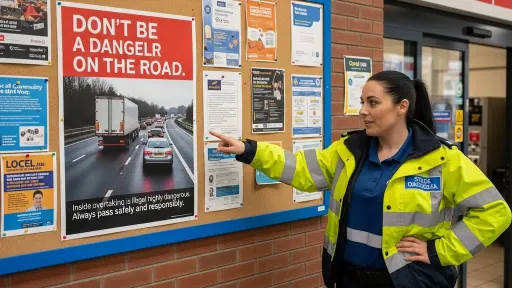
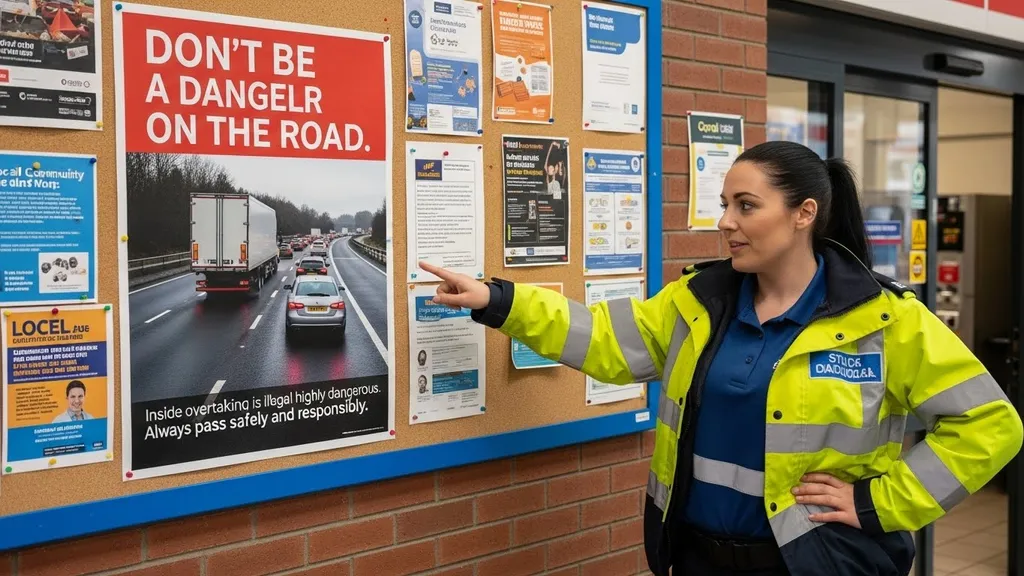
The
car
behind
me
tried
to
undertake
on
the
motorway
,
which
is
illegal
.
The
car
behind
me
tried
to
undertake
on
the
motorway
,
which
is
illegal
.
•
Drivers
are
warned
not
to
undertake
lorries
in
slow
traffic
.
Drivers
are
warned
not
to
undertake
lorries
in
slow
traffic
.
verb
-
undertake
,
undertaking
,
undertakes
,
undertook
,
undertaken
to
formally
promise
or
agree
to
do
something
•
I
undertake
to
finish
the
report
by
Friday
.
I
undertake
to
finish
the
report
by
Friday
.
•
All
volunteers
must
undertake
to
keep
client
information
confidential
.
All
volunteers
must
undertake
to
keep
client
information
confidential
.
awake
verb
-
awake
,
awaking
,
awakes
,
awoke
,
awaked
,
awoken
to
stop
sleeping
and
open
your
eyes
•
I
awake
every
day
at
sunrise
when
the
birds
start
singing
.
I
awake
every
day
at
sunrise
when
the
birds
start
singing
.
•
He
said
he
would
awake
early
to
catch
the
first
train
.
He
said
he
would
awake
early
to
catch
the
first
train
.
From
Old
English
awæcnan
,
a-
(
perfective
prefix
)
+
wæcnan
“
to
arise
”.
verb
-
awake
,
awaking
,
awakes
,
awoke
,
awaked
,
awoken
to
make
someone
realize
or
feel
something
strongly
•
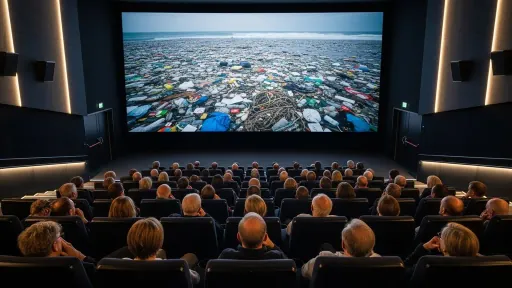
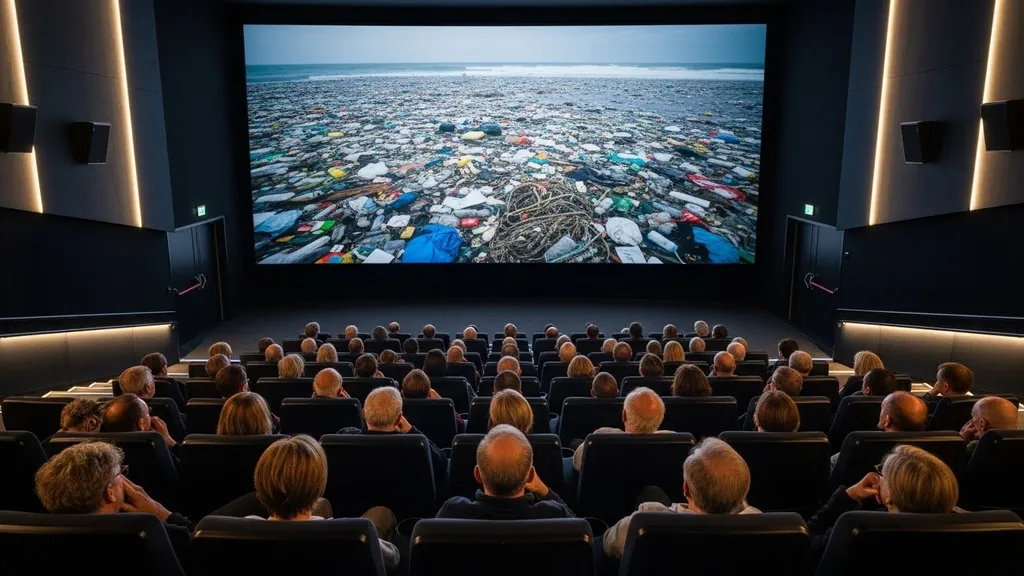
The
documentary
aims
to
awake
people
to
the
dangers
of
plastic
pollution
.
The
documentary
aims
to
awake
people
to
the
dangers
of
plastic
pollution
.
•
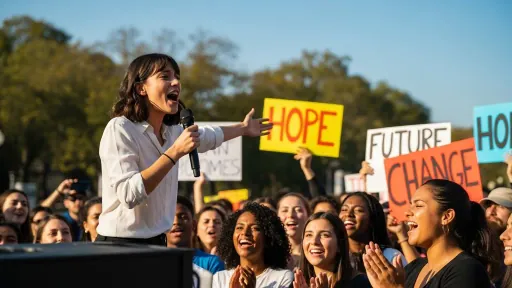
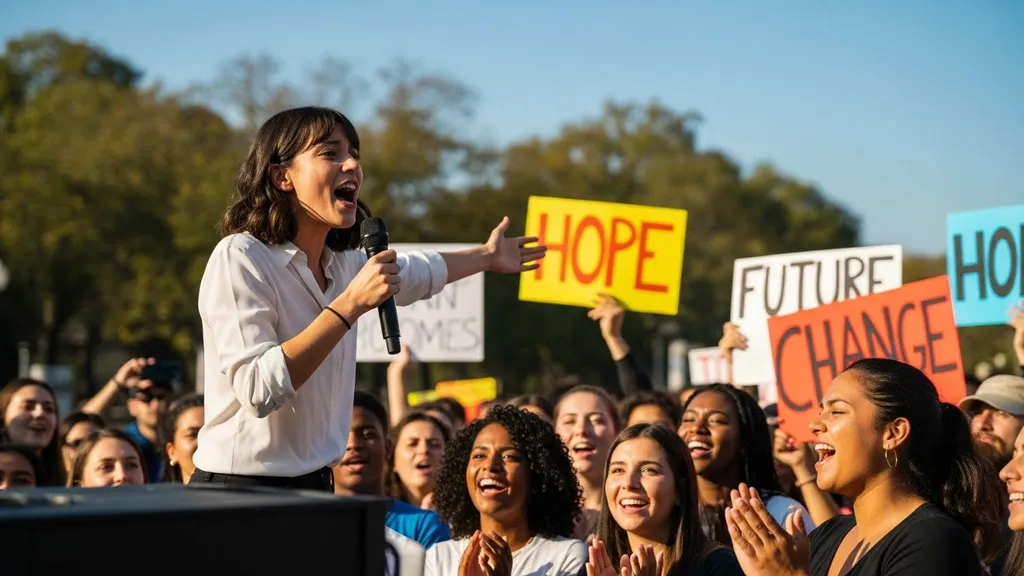
Her
speech
awake
a
new
sense
of
hope
in
the
crowd
.
Her
speech
awake
a
new
sense
of
hope
in
the
crowd
.
Extended
figurative
use
recorded
since
the
14th
century
,
influenced
by
sense
of
stirring
from
sleep
.