


toqus
Picture Dictionary
English
한국어
Register
Login
🔍
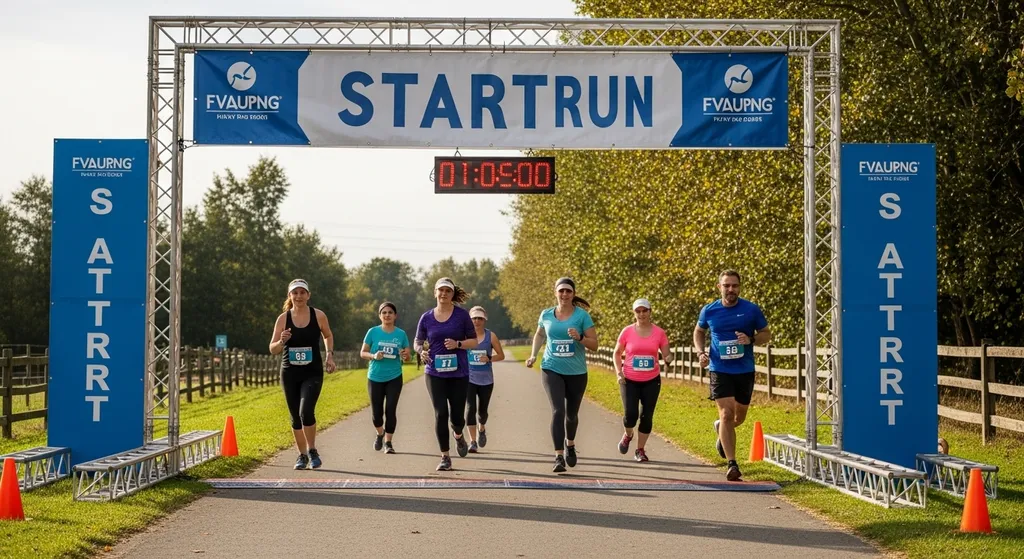
start
verb
to
begin
doing
something
,
or
for
something
to
begin
•
Classes
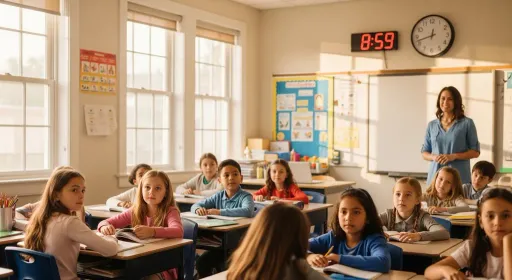
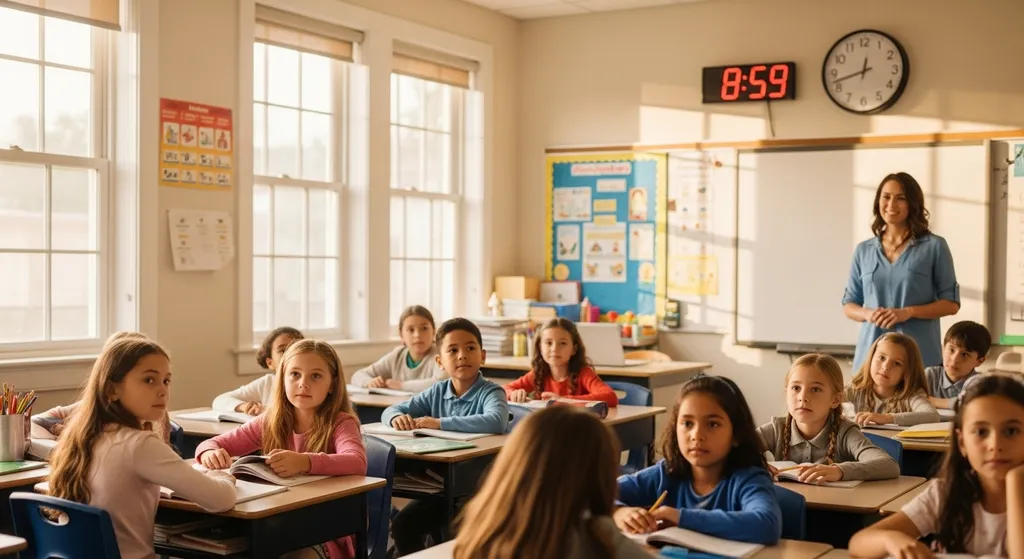
start
at
nine
o
’
clock
every
morning
.
Classes
start
at
nine
o
’
clock
every
morning
.
•
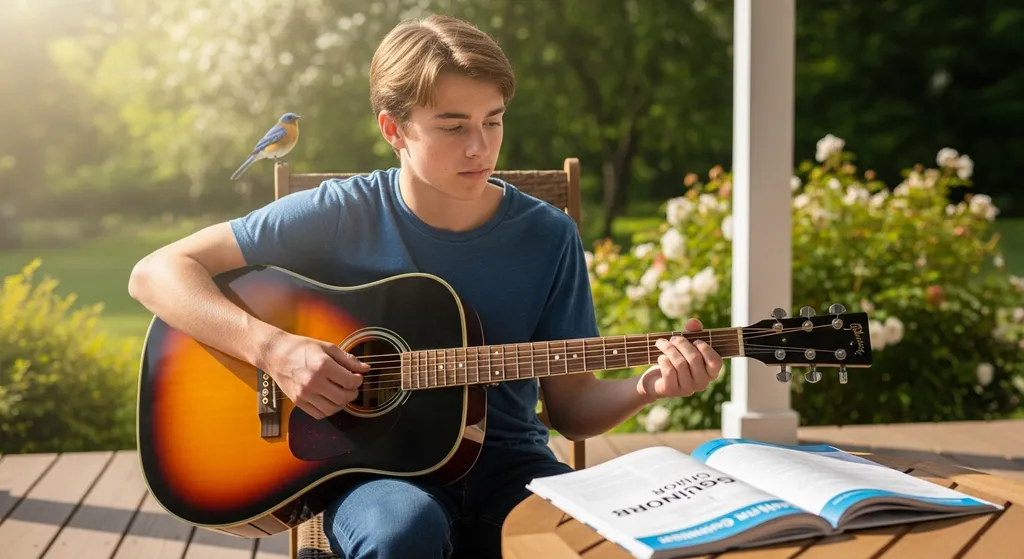
He
wants
to
start
learning
the
guitar
this
summer
.
He
wants
to
start
learning
the
guitar
this
summer
.
Old
English
‘
steartian
’
meaning
‘
to
leap
up
,
begin
to
move
’.
noun
the
beginning
of
an
activity
,
event
,
or
period
of
time
•
From
the
start
,
everyone
knew
the
project
would
be
difficult
.
From
the
start
,
everyone
knew
the
project
would
be
difficult
.
•
They
got
off
to
a
slow
start
but
soon
gained
speed
.
They
got
off
to
a
slow
start
but
soon
gained
speed
.
verb
to
make
a
machine
,
vehicle
,
or
device
begin
working
•
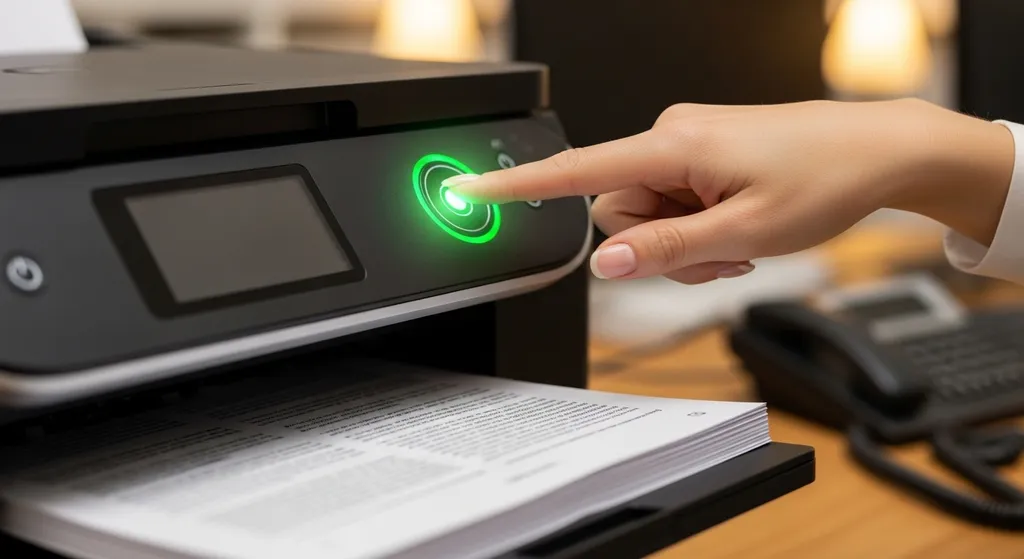
Press
the
green
button
to
start
the
printer
.
Press
the
green
button
to
start
the
printer
.
•
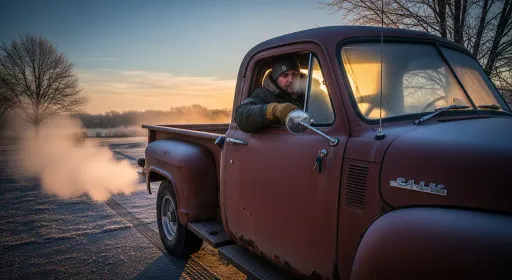
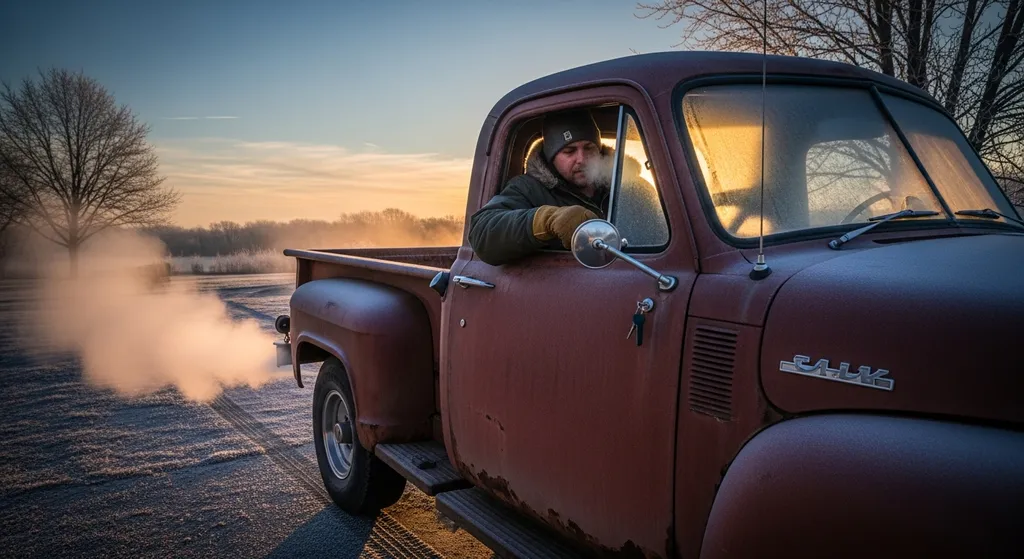
It
took
several
tries
to
start
the
old
truck
on
the
cold
morning
.
It
took
several
tries
to
start
the
old
truck
on
the
cold
morning
.
verb
to
move
suddenly
because
of
surprise
or
fear
•
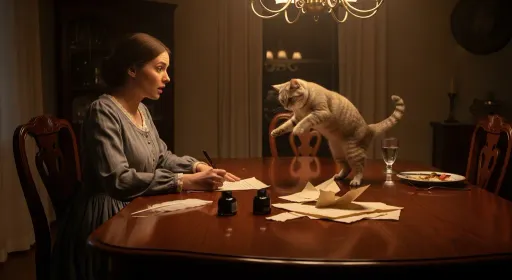
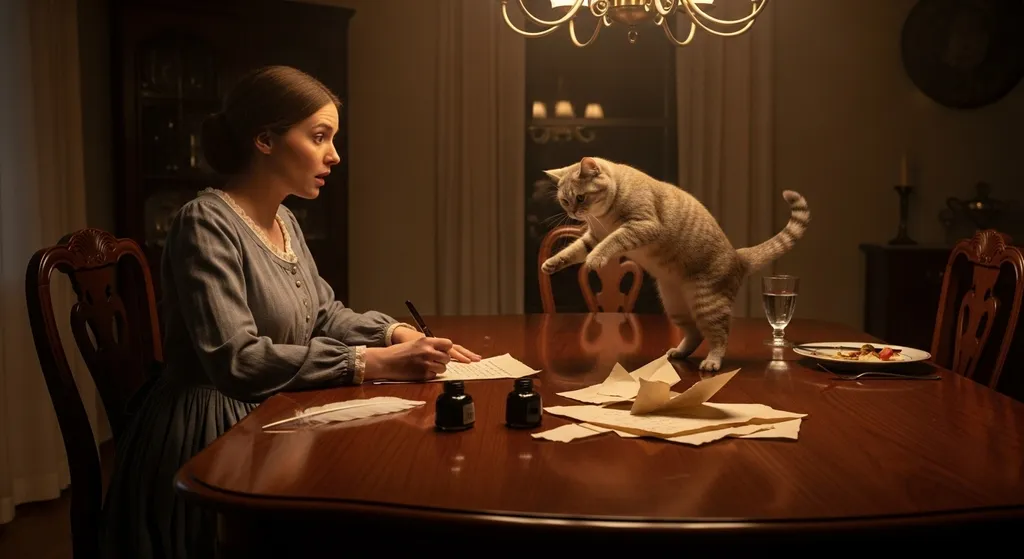
She
started
when
the
cat
jumped
onto
the
table
.
She
started
when
the
cat
jumped
onto
the
table
.
•
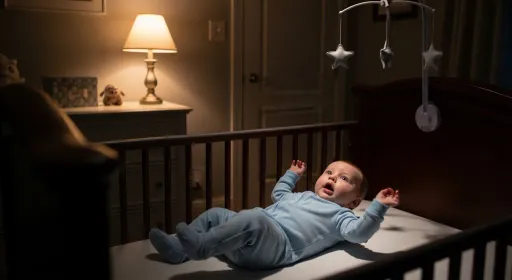
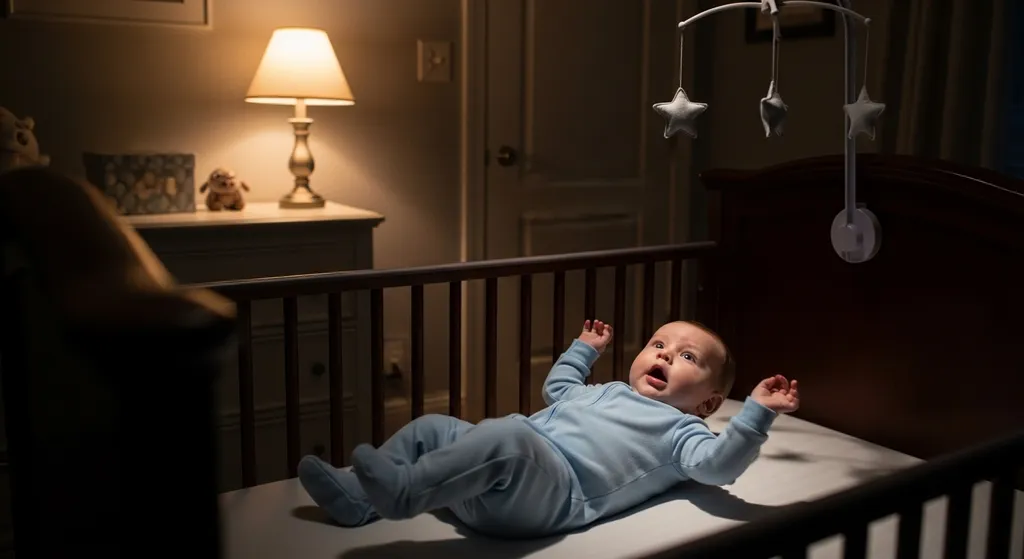
The
sudden
bang
made
the
baby
start
in
his
sleep
.
The
sudden
bang
made
the
baby
start
in
his
sleep
.
noun
a
sudden
jump
or
movement
caused
by
surprise
or
fear
•
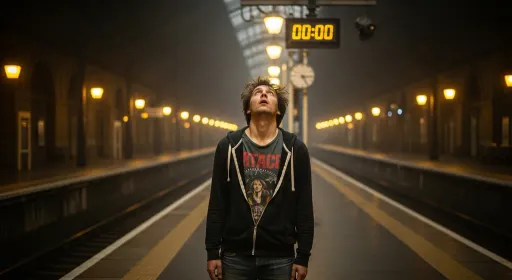
With
a
start
,
he
realized
he
had
missed
the
last
train
.
With
a
start
,
he
realized
he
had
missed
the
last
train
.
•
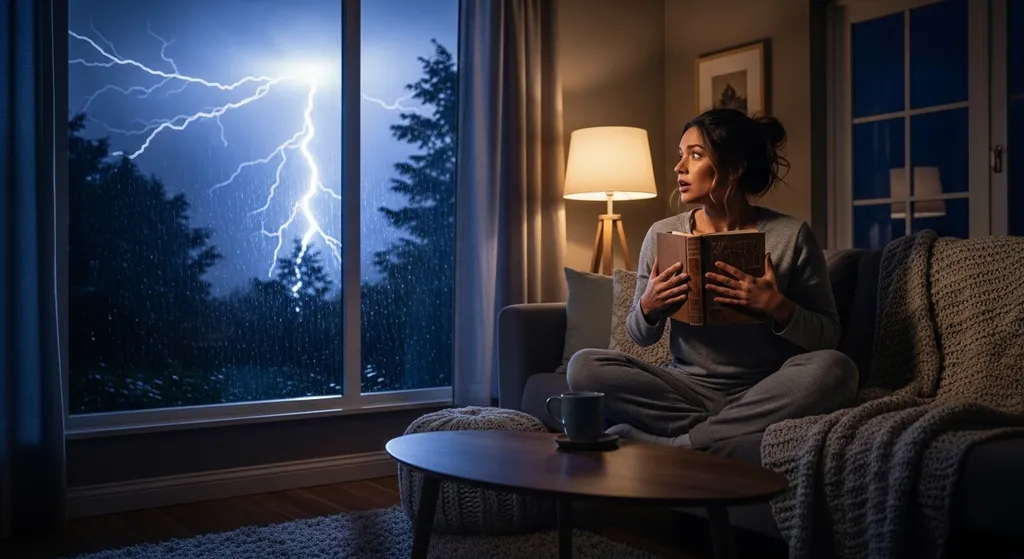
The
loud
thunder
gave
her
a
start
.
The
loud
thunder
gave
her
a
start
.
heart
noun
the
organ
in
your
chest
that
pumps
blood
around
your
body
•
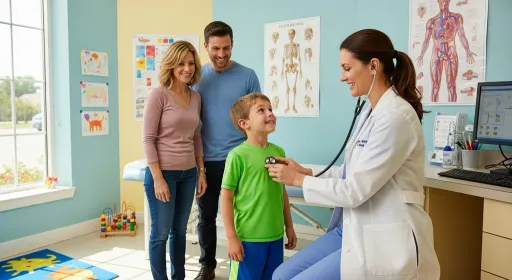
The
doctor
’
s
stethoscope
let
her
listen
to
the
boy
’
s
heart
beating
quickly
after
the
race
.
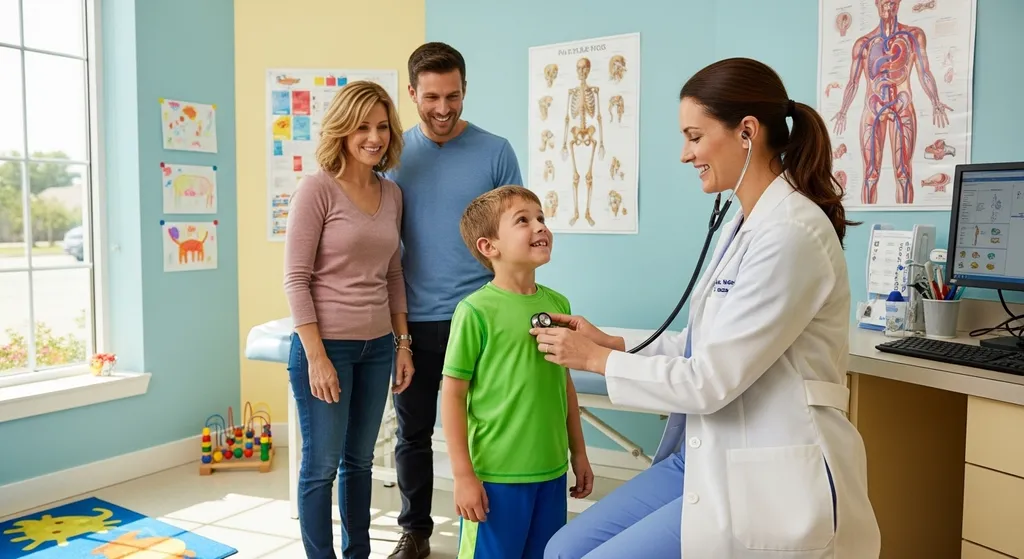
The
doctor
’
s
stethoscope
let
her
listen
to
the
boy
’
s
heart
beating
quickly
after
the
race
.
•
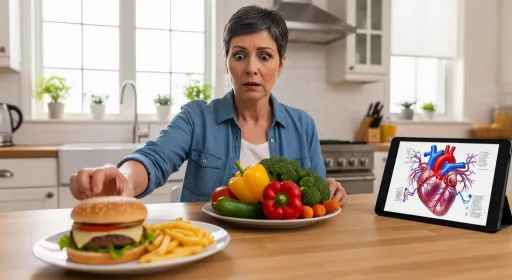
Eating
too
much
junk
food
can
be
bad
for
your
heart
.
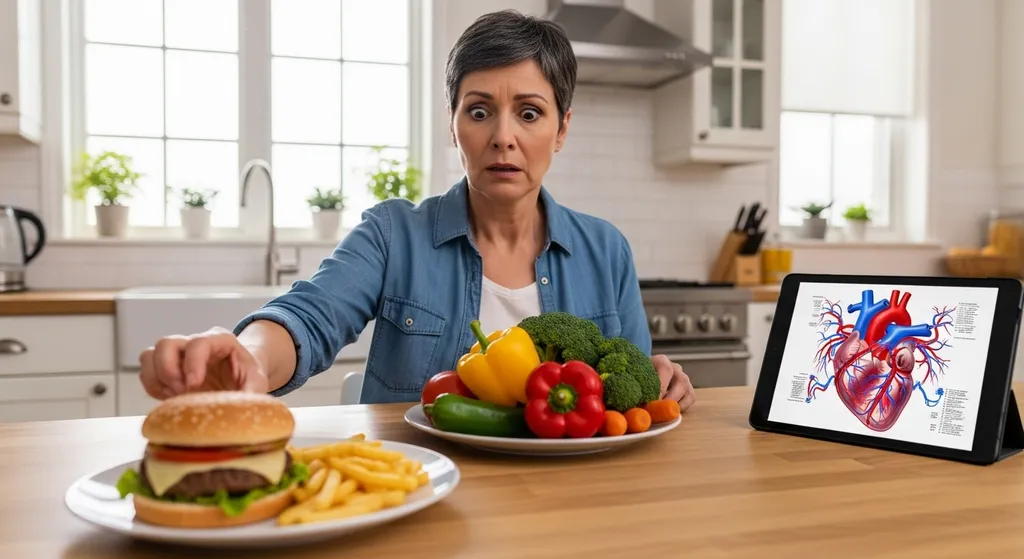
Eating
too
much
junk
food
can
be
bad
for
your
heart
.
smart
verb
to
feel
a
sudden
sharp
stinging
pain
•
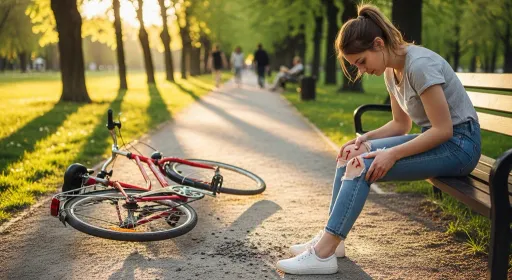
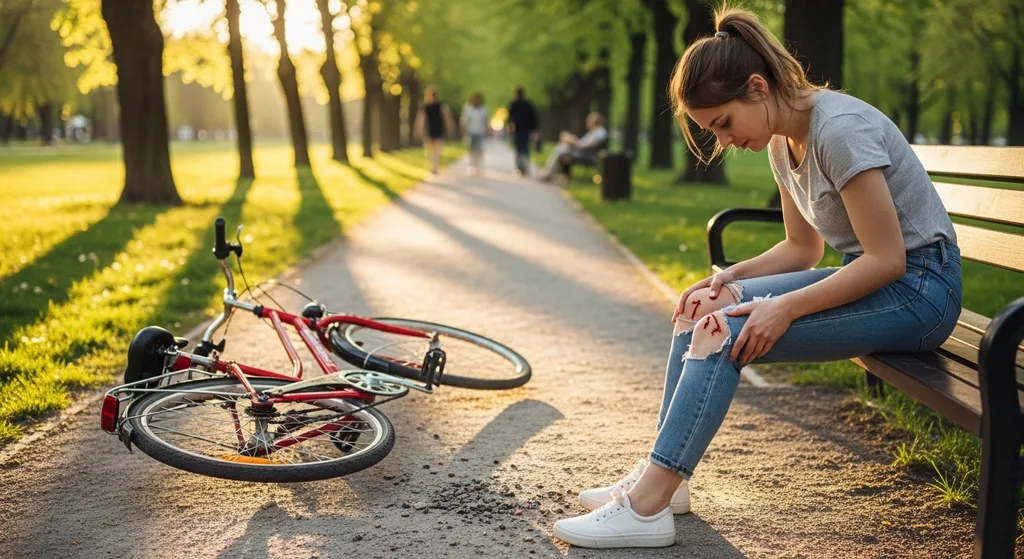
Her
knees
smarted
after
she
slipped
on
the
gravel
.
Her
knees
smarted
after
she
slipped
on
the
gravel
.
•
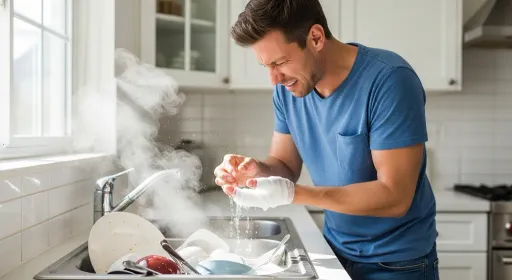
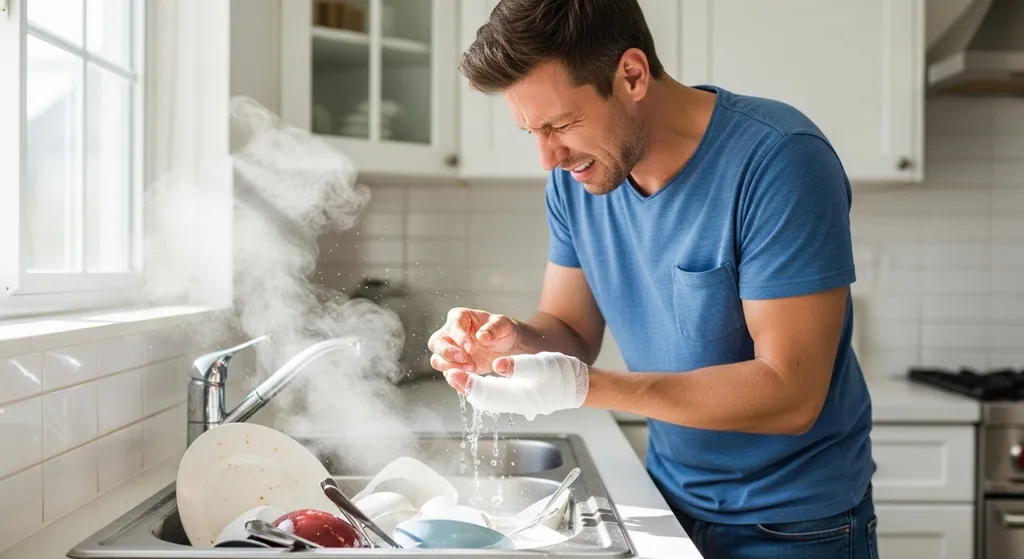
The
cut
on
his
finger
still
smarts
when
he
touches
hot
water
.
The
cut
on
his
finger
still
smarts
when
he
touches
hot
water
.
smarts
noun
practical
intelligence
and
quick
thinking
ability
•
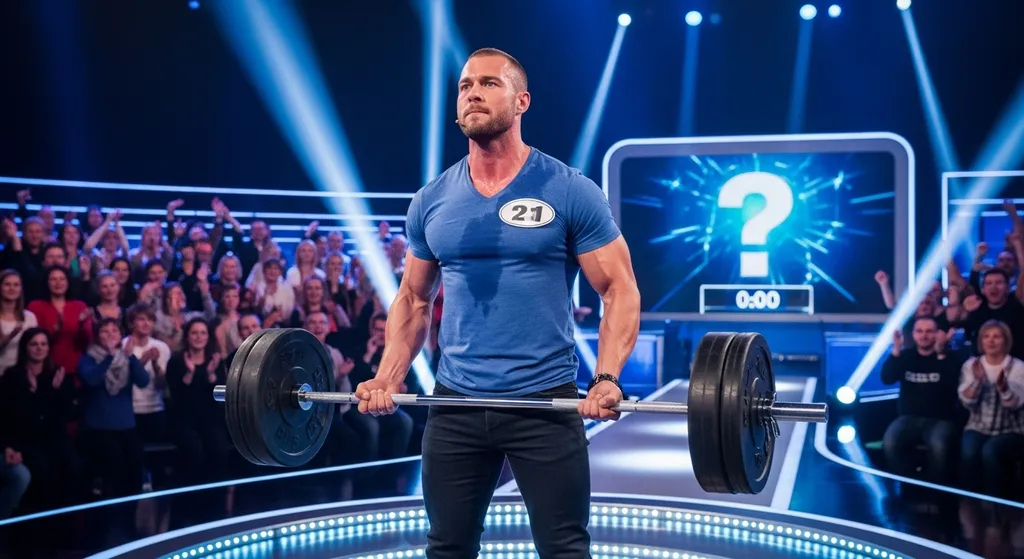
It
takes
both
strength
and
smarts
to
win
the
game
show
.
It
takes
both
strength
and
smarts
to
win
the
game
show
.
•
She
used
her
street
smarts
to
navigate
the
big
city
safely
.
She
used
her
street
smarts
to
navigate
the
big
city
safely
.
part
noun
a
piece
or
section
of
something
larger
that
can
be
considered
on
its
own
•
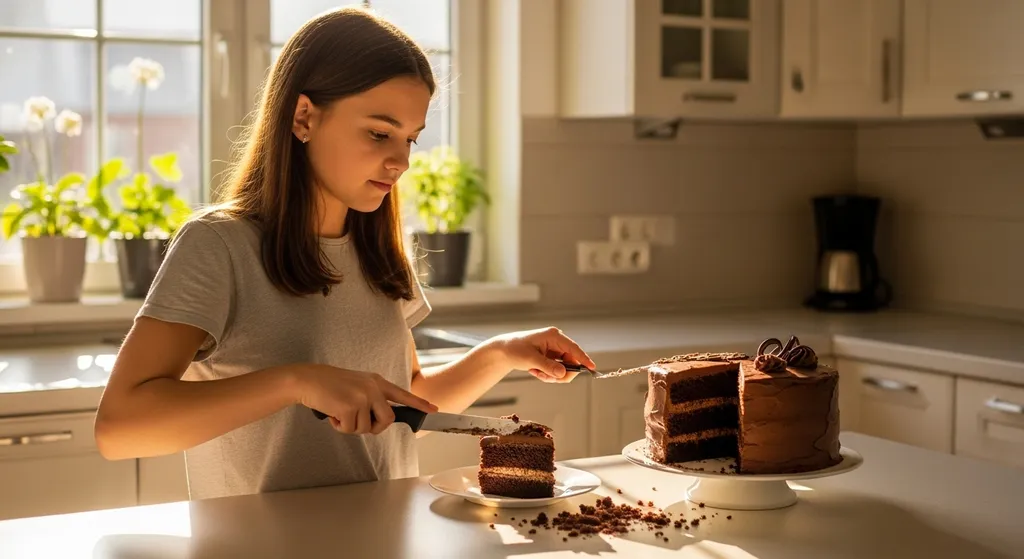
She
ate
only
a
small
part
of
the
cake
and
kept
the
rest
for
later
.
She
ate
only
a
small
part
of
the
cake
and
kept
the
rest
for
later
.
•
The
engine
broke
because
one
tiny
part
was
missing
.
The
engine
broke
because
one
tiny
part
was
missing
.
From
Old
French
partie
,
from
Latin
pars
“
piece
,
portion
”.
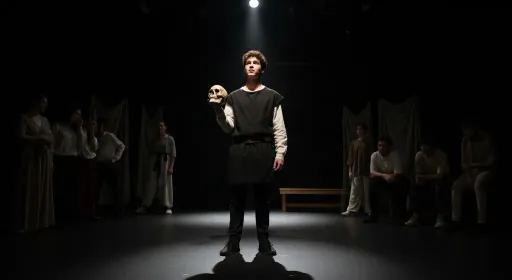
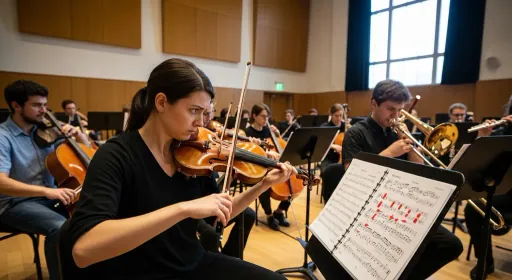
noun
the
role
played
by
an
actor
or
musician
in
a
performance
•
He
won
the
part
of
Hamlet
in
the
school
play
.
He
won
the
part
of
Hamlet
in
the
school
play
.
•
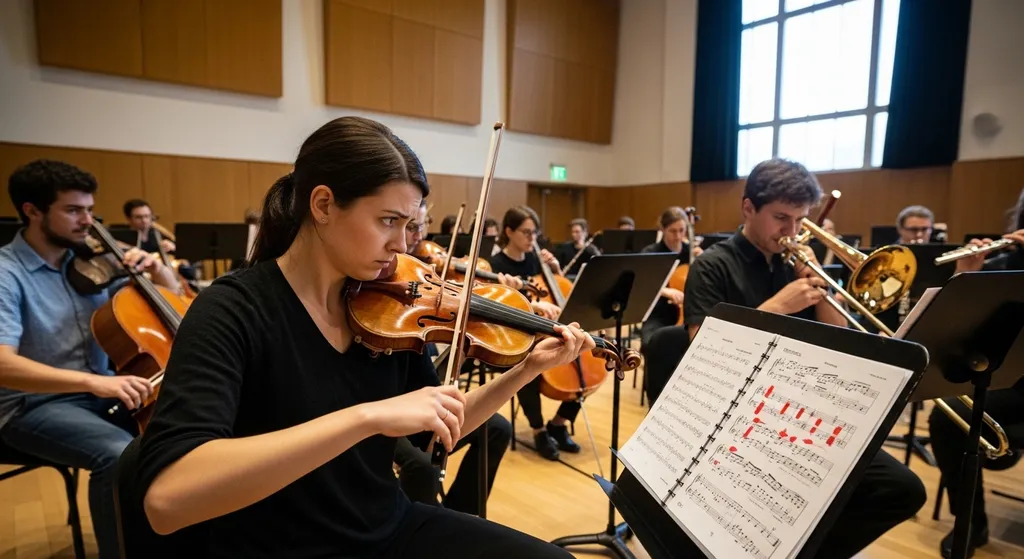
The
violin
part
is
especially
difficult
in
this
concerto
.
The
violin
part
is
especially
difficult
in
this
concerto
.
noun
a
particular
area
or
region
of
a
place
•
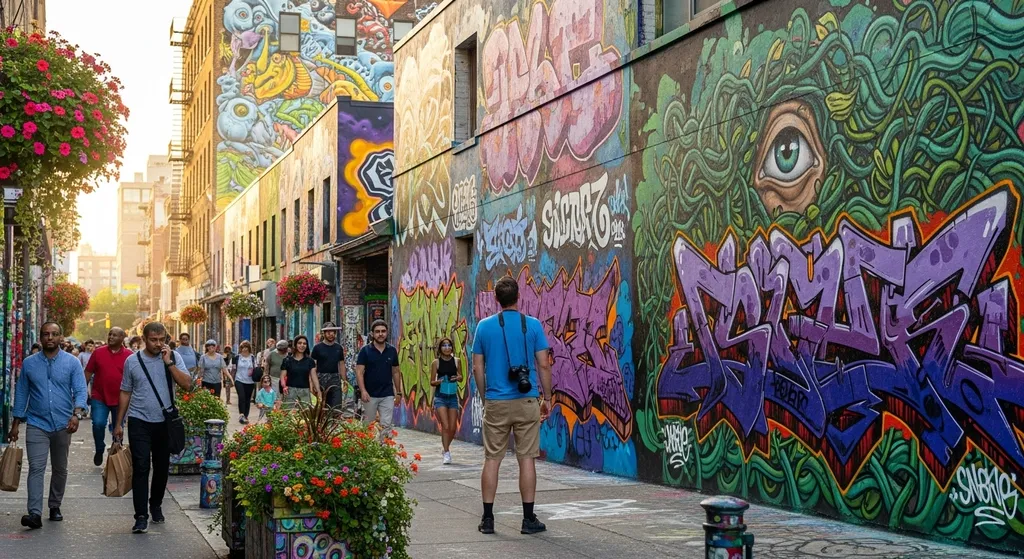
This
part
of
town
is
famous
for
its
street
art
.
This
part
of
town
is
famous
for
its
street
art
.
•
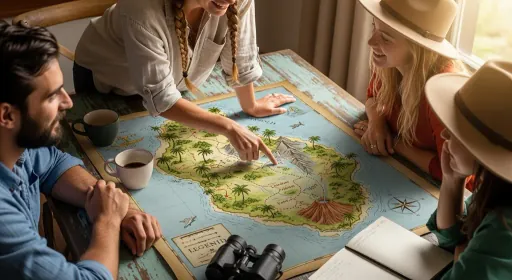
We
spent
most
of
our
vacation
in
the
northern
part
of
the
island
.
We
spent
most
of
our
vacation
in
the
northern
part
of
the
island
.
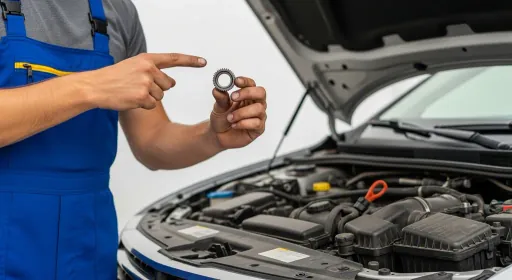
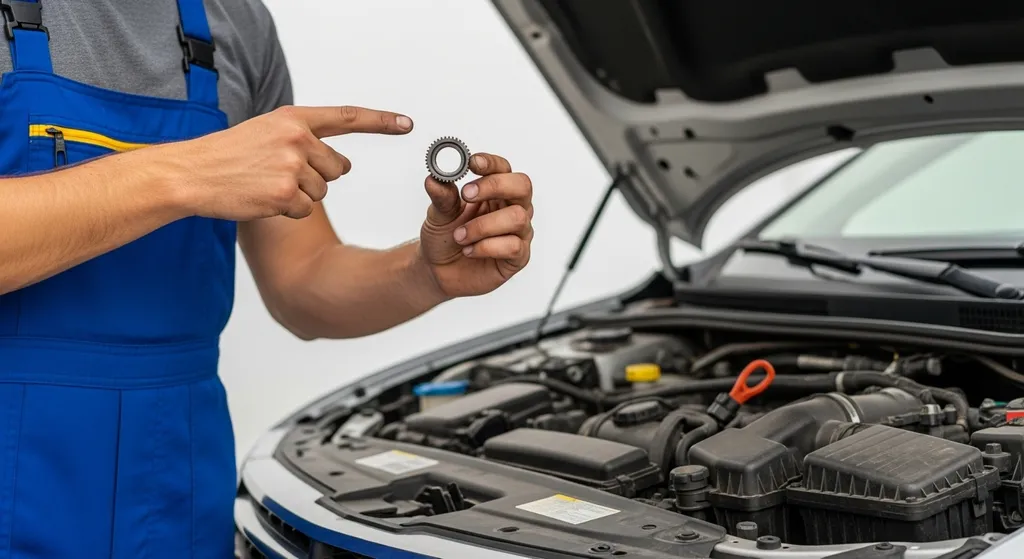
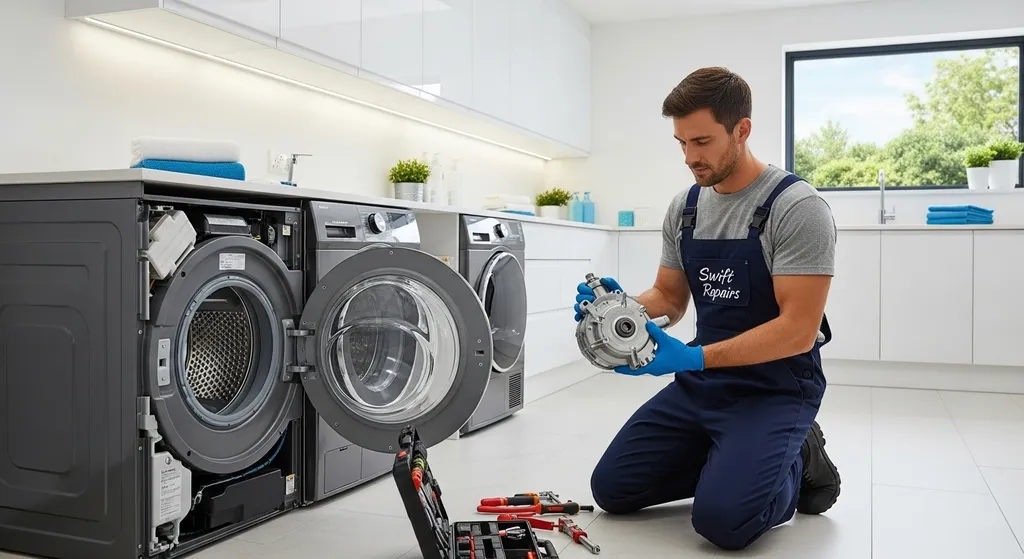
noun
a
component
that
can
be
removed
and
replaced
in
a
machine
,
device
,
or
system
•
The
technician
ordered
a
new
part
to
fix
the
washing
machine
.
The
technician
ordered
a
new
part
to
fix
the
washing
machine
.
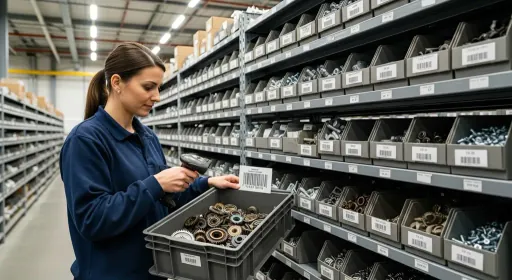
•
Spare
parts
are
stored
in
the
warehouse
for
quick
repairs
.
Spare
parts
are
stored
in
the
warehouse
for
quick
repairs
.
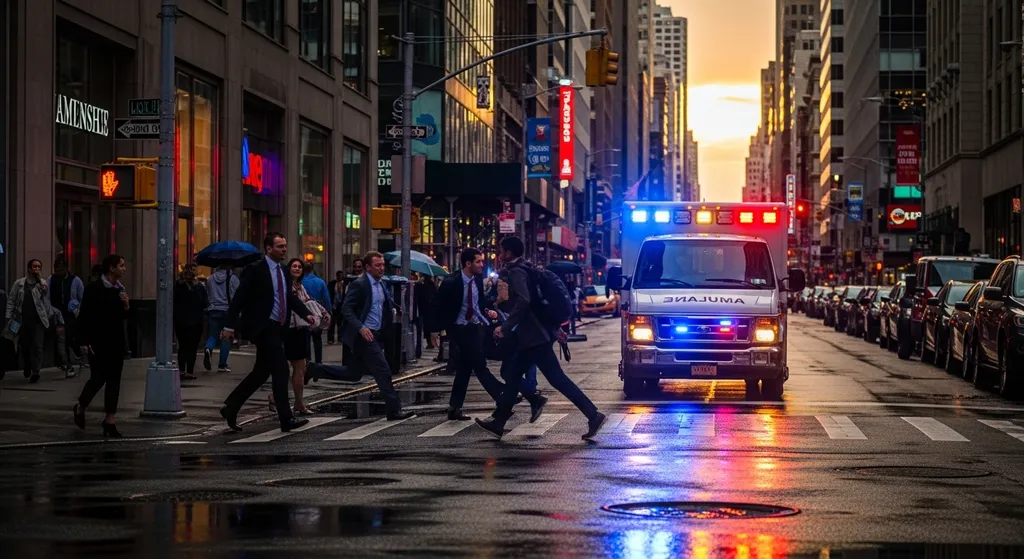
verb
to
separate
or
cause
something
to
separate
;
to
leave
each
other
•
The
crowd
parted
to
let
the
ambulance
through
.
The
crowd
parted
to
let
the
ambulance
through
.
•
After
the
meeting
,
the
colleagues
parted
with
friendly
hugs
.
After
the
meeting
,
the
colleagues
parted
with
friendly
hugs
.
Old
English
partian
“
to
share
,
divide
”,
from
Latin
pars
“
piece
,
portion
”.
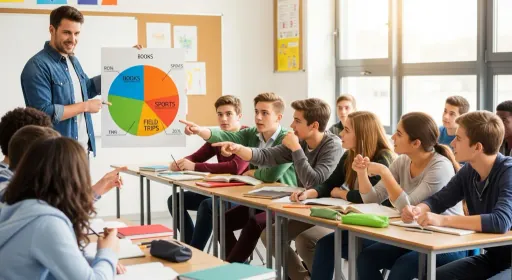
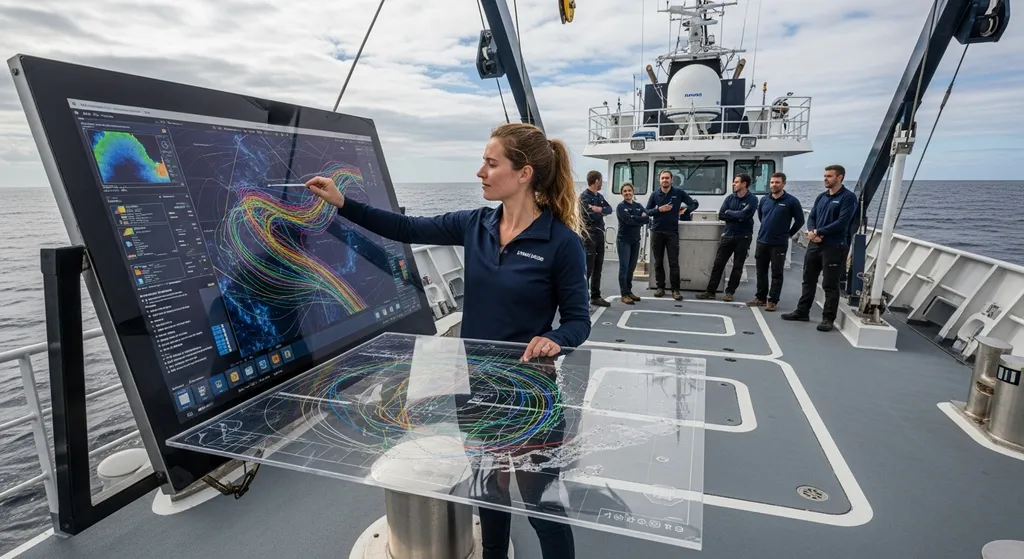
chart
noun
a
drawing
,
table
,
or
diagram
that
arranges
numbers
or
facts
so
they
are
easy
to
understand
•
The
chart
shows
our
sales
growth
over
the
past
year
.
The
chart
shows
our
sales
growth
over
the
past
year
.
•
Students
looked
at
a
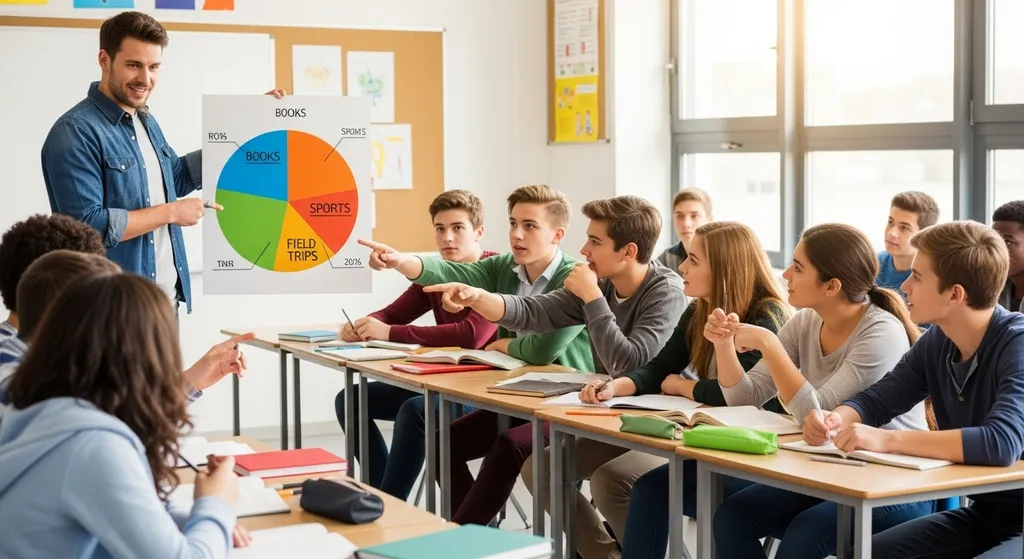
pie chart
to
see
how
the
budget
was
divided
.
Students
looked
at
a
pie chart
to
see
how
the
budget
was
divided
.
From
Middle
English
‘
charte
’,
from
Latin
‘
charta
’
meaning
a
sheet
of
papyrus
or
paper
.
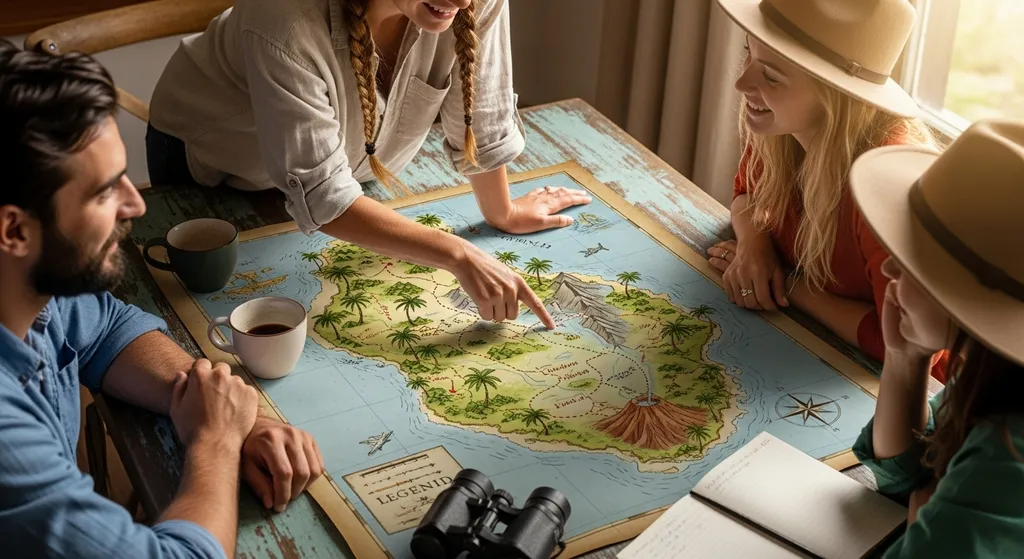
noun
a
detailed
map
of
seas
,
rivers
,
or
skies
used
especially
by
sailors
or
pilots
•
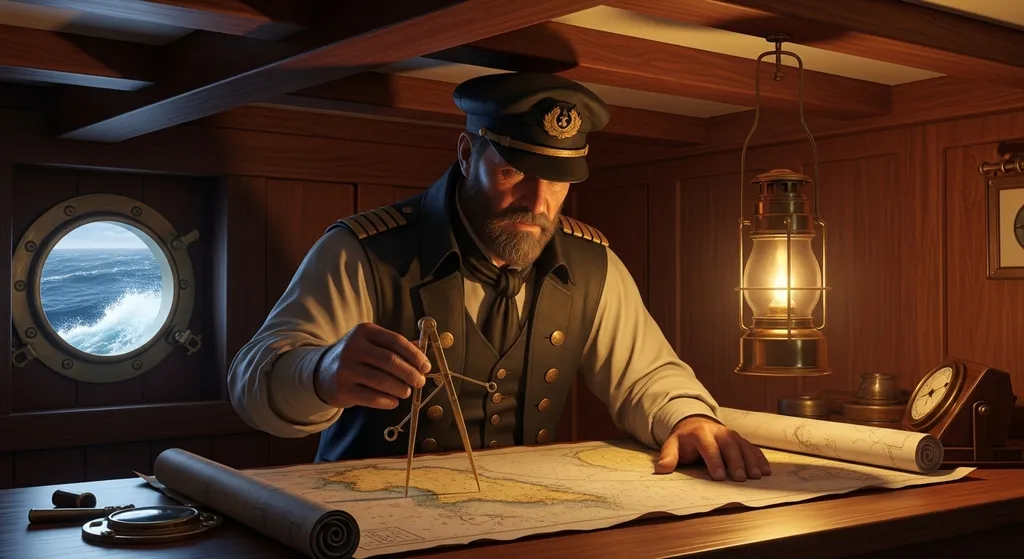
The
captain
spread
the
chart
on
the
table
to
plot
the
course
.
The
captain
spread
the
chart
on
the
table
to
plot
the
course
.
•
Pilots
study
weather
charts
before
every
flight
.
Pilots
study
weather
charts
before
every
flight
.
Originally
referring
to
any
map
,
by
the
16th
century
it
became
specialized
for
navigation
at
sea
.
verb
to
record
,
map
,
or
plan
something
carefully
so
that
its
details
or
progress
can
be
followed
•
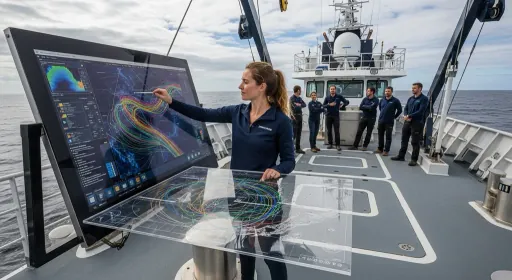
Scientists
chart
the
migration
routes
of
whales
every
year
.
Scientists
chart
the
migration
routes
of
whales
every
year
.
•
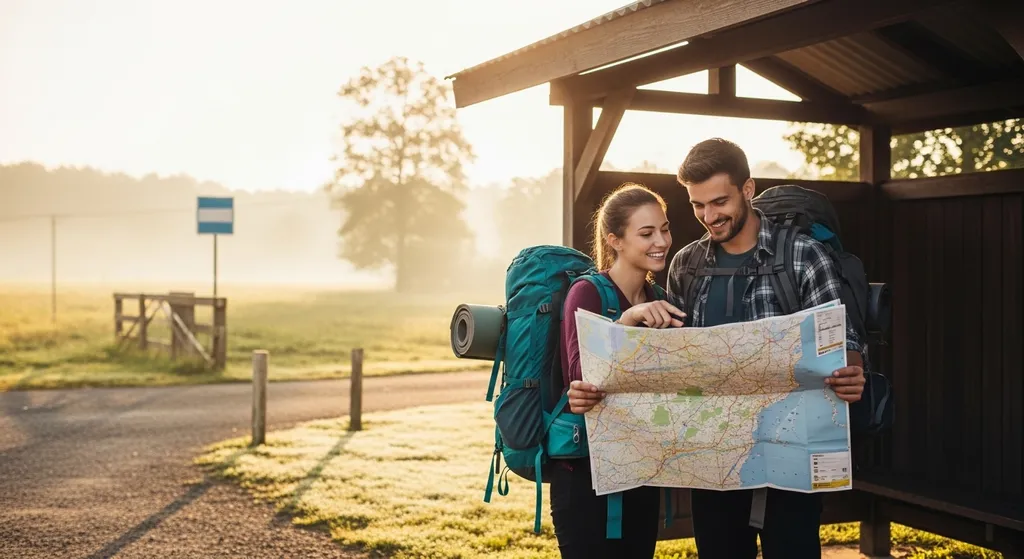
We
’
ve
charted
a
route
through
the
mountains
for
tomorrow
’
s
hike
.
We
’
ve
charted
a
route
through
the
mountains
for
tomorrow
’
s
hike
.
Derived
from
the
noun
sense
;
first
used
as
a
verb
in
the
early
17th
century
meaning
‘
to
make
a
map
’.
starting
verb
present
participle
of
start
–
to
begin
doing
something
or
to
begin
to
happen
•
We
are
starting
our
journey
at
dawn
.
We
are
starting
our
journey
at
dawn
.
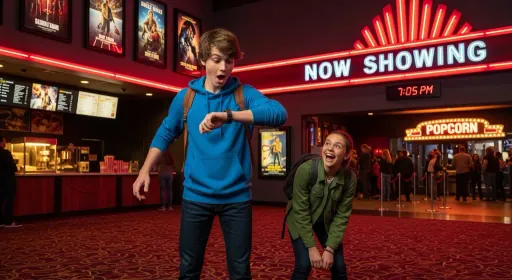
•
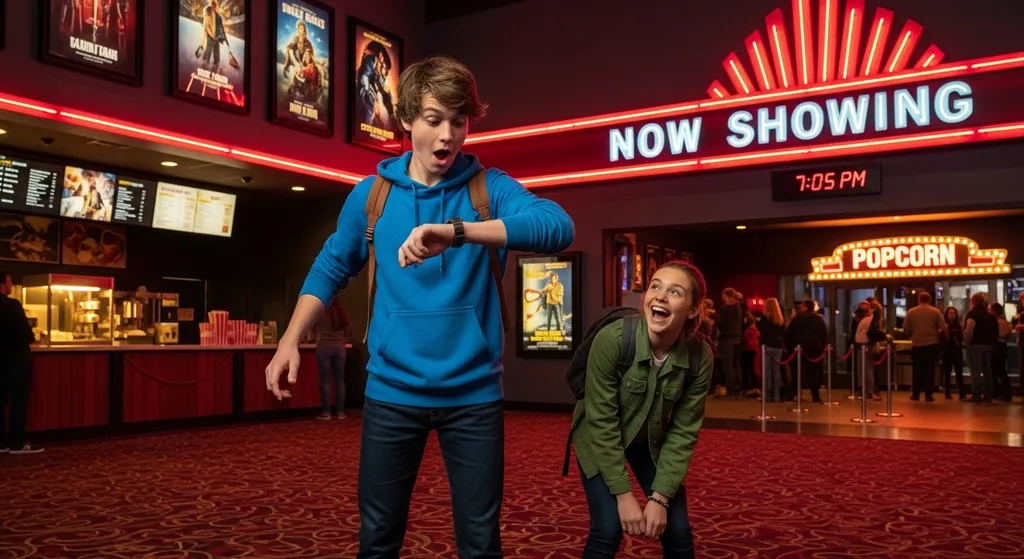
The
movie
is
starting
in
five
minutes
,
so
hurry
!
The
movie
is
starting
in
five
minutes
,
so
hurry
!
From
Old
English
"
styrtan
" (
to
leap
up
,
start
).
The
sense
of
"
to
begin
"
developed
in
Middle
English
and
the
–ing
form
has
been
used
since
the
late
14th
century
.
counterpart
noun
a
person
or
thing
that
has
the
same
job
,
role
,
or
purpose
as
another
in
a
different
place
,
organization
,
or
situation
•
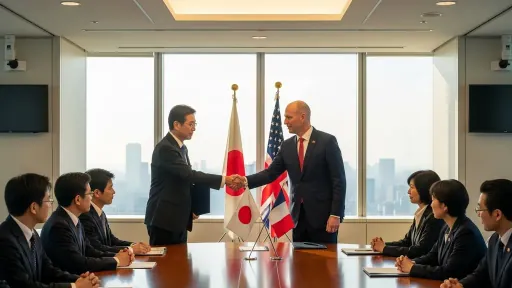
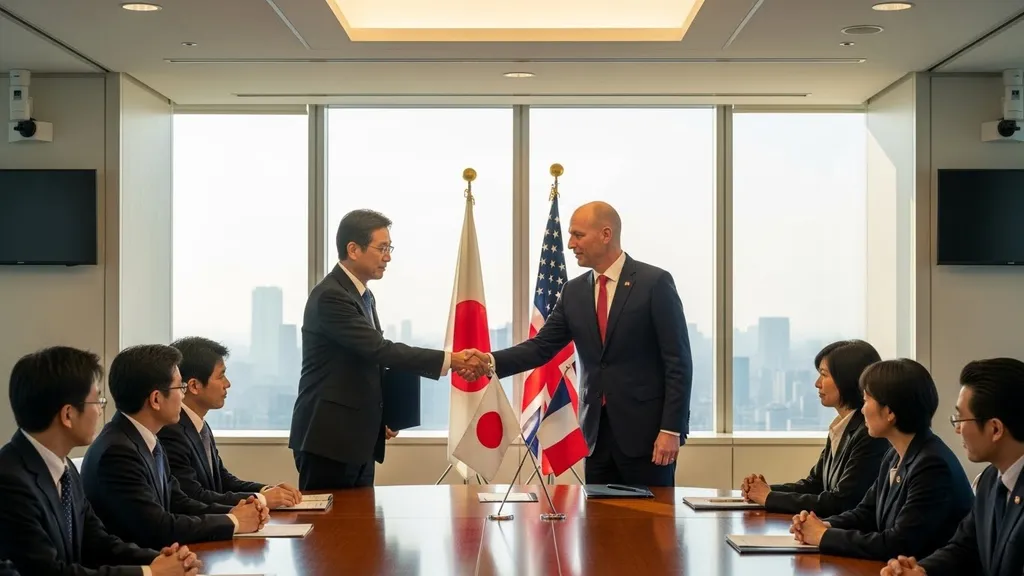
The
Japanese
prime
minister
met
his
American
counterpart
to
discuss
trade
relations
.
The
Japanese
prime
minister
met
his
American
counterpart
to
discuss
trade
relations
.
•
In
our
company
,
the
marketing
manager
often
calls
her
European
counterpart
to
coordinate
new
campaigns
.
In
our
company
,
the
marketing
manager
often
calls
her
European
counterpart
to
coordinate
new
campaigns
.
From
counter-
‘
corresponding
’
+
part
,
originally
referring
to
two
matching
parts
of
a
legal
document
,
later
extended
to
people
and
things
that
correspond
to
each
other
.
noun
one
of
two
or
more
identical
copies
of
a
legal
or
official
document
,
each
signed
separately
but
together
making
a
single
agreement
•
Please
sign
this
counterpart
of
the
contract
and
send
it
back
by
courier
.
Please
sign
this
counterpart
of
the
contract
and
send
it
back
by
courier
.
•
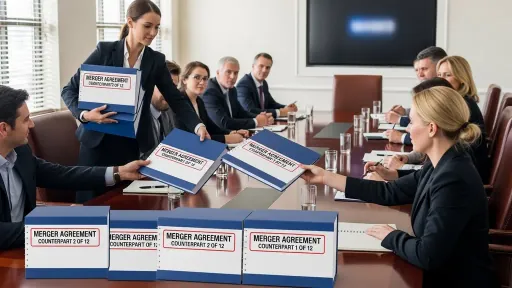
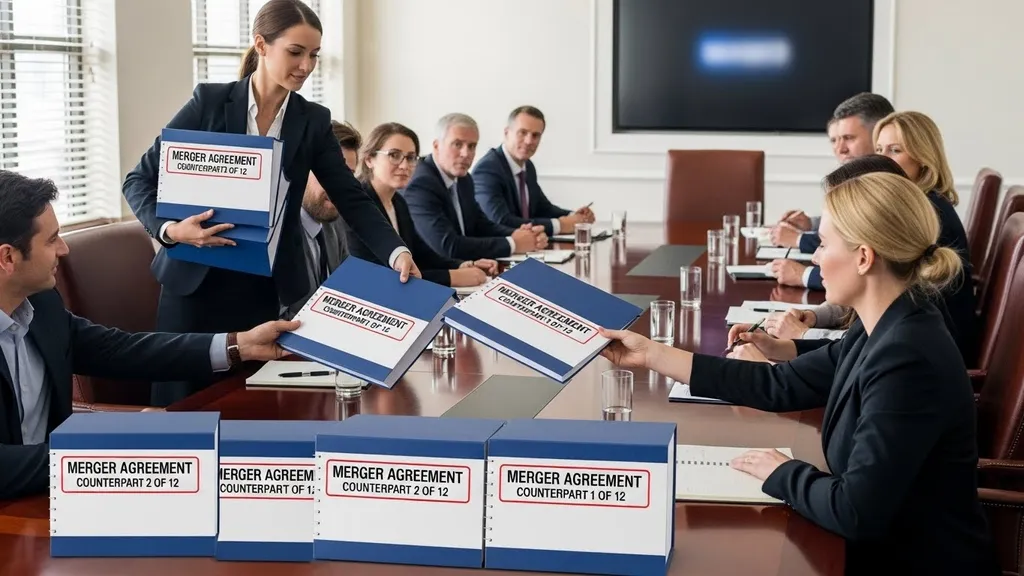
Each
shareholder
received
a
separate
counterpart
of
the
merger
agreement
.
Each
shareholder
received
a
separate
counterpart
of
the
merger
agreement
.
Same
legal
origin
as
the
general
sense
:
early
documents
were
written
in
two
matching
parts
,
each
signer
keeping
a
counterpart
.
noun
something
or
someone
that
completes
,
balances
,
or
fits
together
with
another
,
forming
a
matching
pair
•
In
ancient
mythology
,
night
was
viewed
as
the
dark
counterpart
of
day
.
In
ancient
mythology
,
night
was
viewed
as
the
dark
counterpart
of
day
.
•
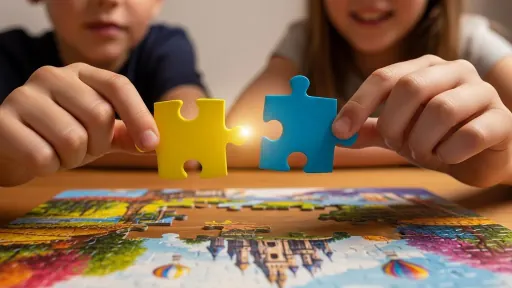
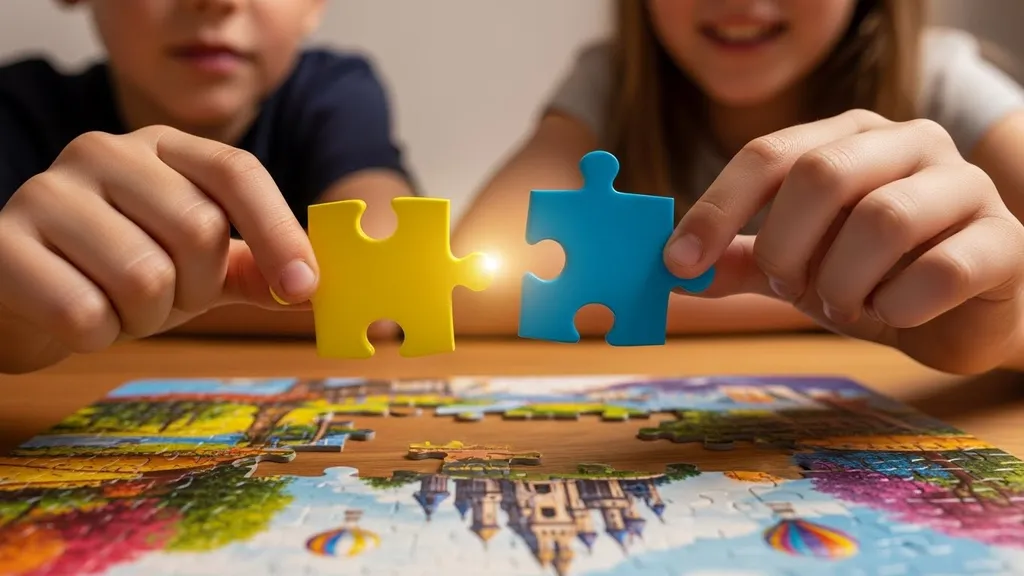
These
two
puzzle
pieces
are
exact
counterparts
that
lock
together
perfectly
.
These
two
puzzle
pieces
are
exact
counterparts
that
lock
together
perfectly
.
Extended
figurative
use
from
the
idea
of
matching
legal
documents
,
later
applied
to
abstract
or
poetic
pairings
.
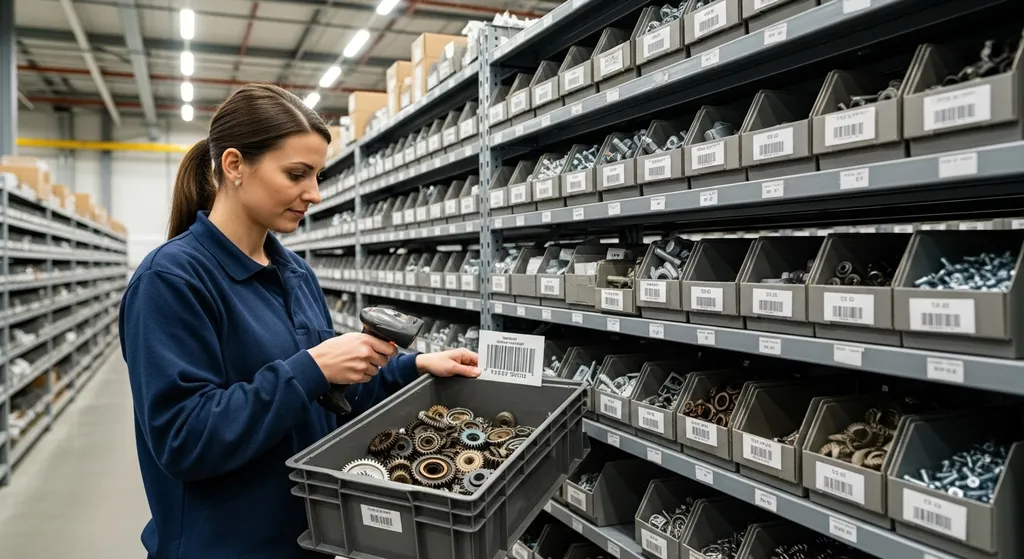
cart
noun
a
simple
open
vehicle
with
two
wheels
,
usually
pulled
by
an
animal
or
pushed
by
a
person
,
used
for
carrying
goods
or
people
•
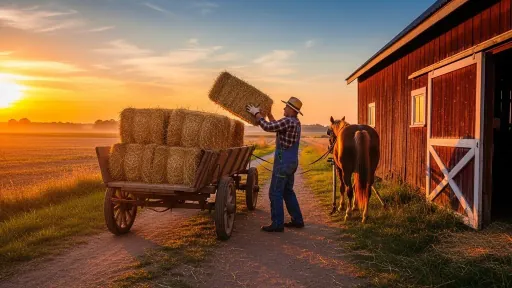
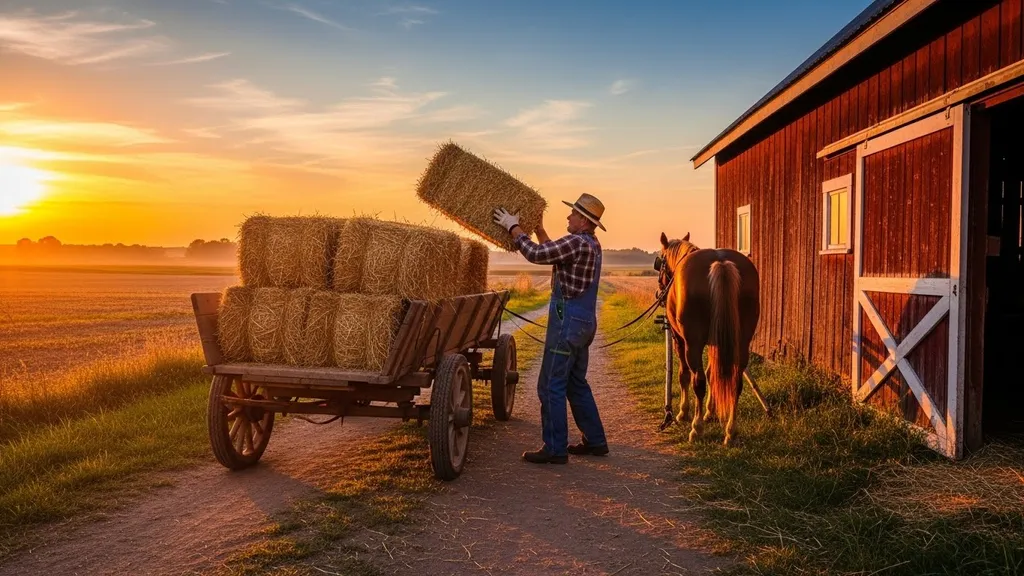
The
farmer
loaded
hay
onto
the
wooden
cart
before
heading
back
to
the
barn
.
The
farmer
loaded
hay
onto
the
wooden
cart
before
heading
back
to
the
barn
.
•
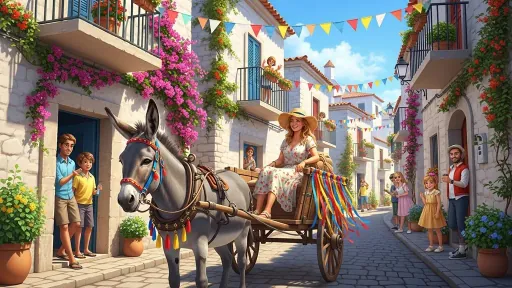
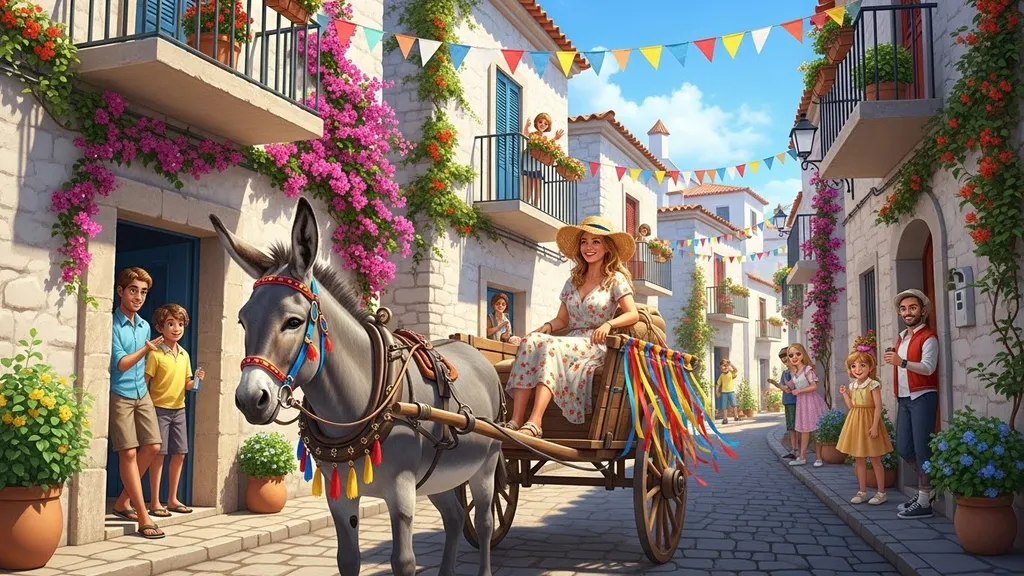
A
donkey
pulled
the
tourist
cart
through
the
narrow
village
streets
.
A
donkey
pulled
the
tourist
cart
through
the
narrow
village
streets
.
From
Old
English
‘
cærte
’,
related
to
Old
Norse
‘
kartr
’,
meaning
a
wagon
or
carriage
.
noun
a
basket-shaped
frame
on
small
wheels
that
shoppers
push
around
a
store
to
collect
items
they
want
to
buy
•
Mia
steered
her
cart
toward
the
dairy
section
to
grab
some
milk
.
Mia
steered
her
cart
toward
the
dairy
section
to
grab
some
milk
.
•
He
realized
his
cart
was
blocking
the
aisle
and
quickly
moved
aside
.
He
realized
his
cart
was
blocking
the
aisle
and
quickly
moved
aside
.
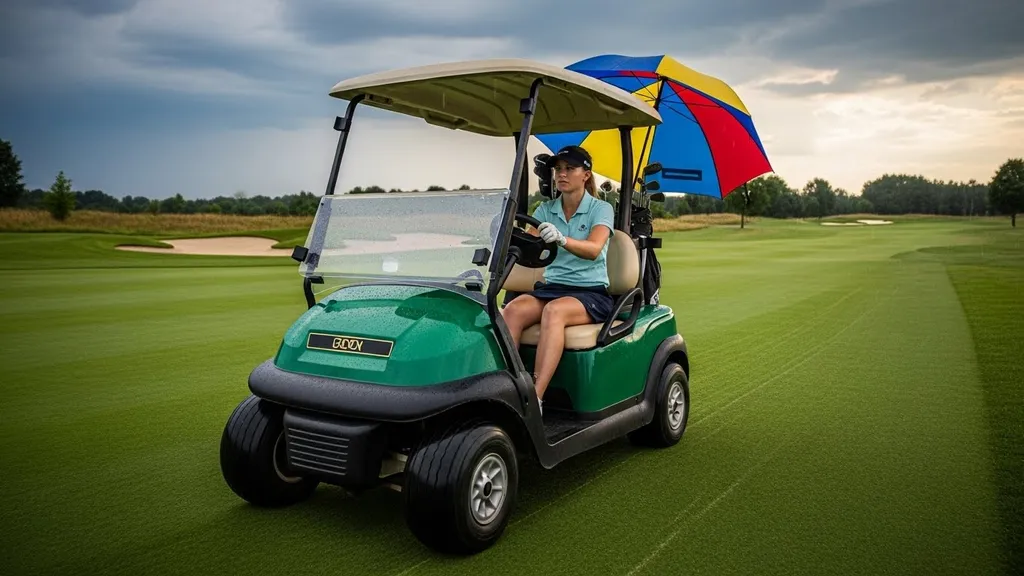
noun
a
small
motorized
vehicle
used
to
carry
golfers
and
their
clubs
around
a
golf
course
•
The
players
tossed
their
bags
onto
the
cart
and
headed
to
the
first
tee
.
The
players
tossed
their
bags
onto
the
cart
and
headed
to
the
first
tee
.
•
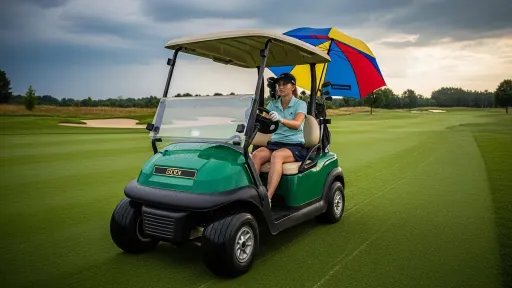
Rain
clouds
gathered
as
the
small
cart
zipped
across
the
fairway
.
Rain
clouds
gathered
as
the
small
cart
zipped
across
the
fairway
.
verb
to
carry
or
move
something
heavy
or
in
large
amounts
from
one
place
to
another
,
often
with
effort
•
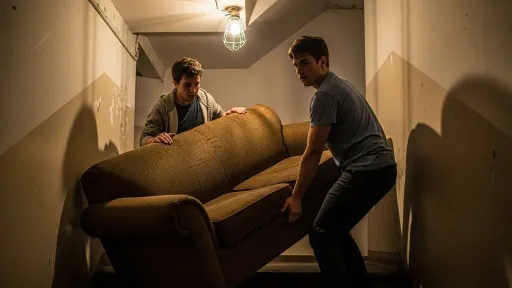
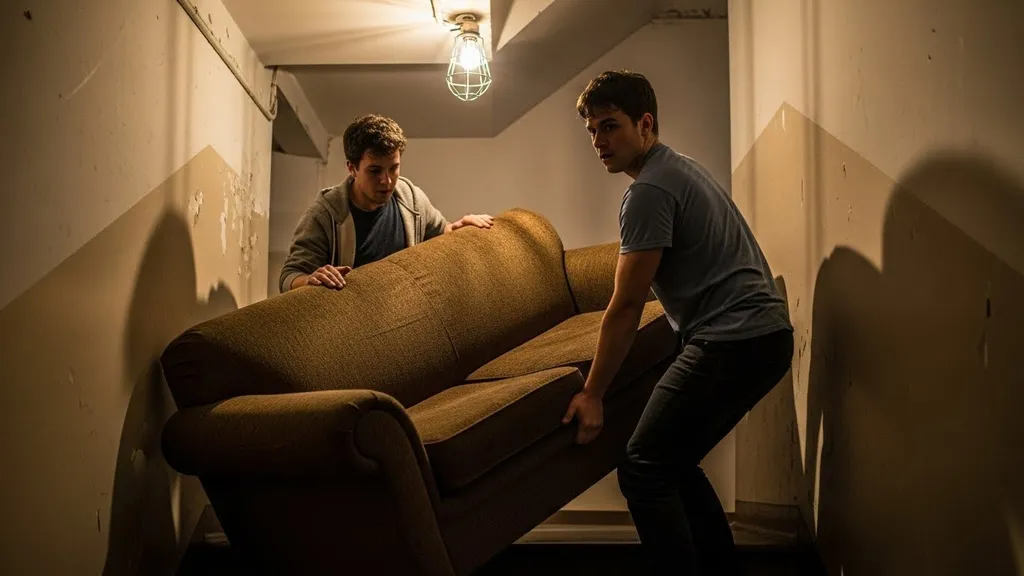
We
had
to
cart
the
old
sofa
up
three
flights
of
stairs
.
We
had
to
cart
the
old
sofa
up
three
flights
of
stairs
.
•
Tania
carted
her
art
supplies
to
the
park
for
the
outdoor
class
.
Tania
carted
her
art
supplies
to
the
park
for
the
outdoor
class
.
sweetheart
noun
a
person
you
love
in
a
romantic
way
,
such
as
a
boyfriend
,
girlfriend
,
husband
,
or
wife
•
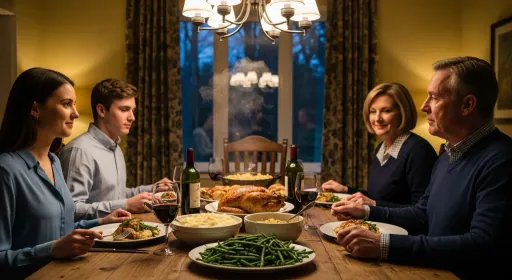
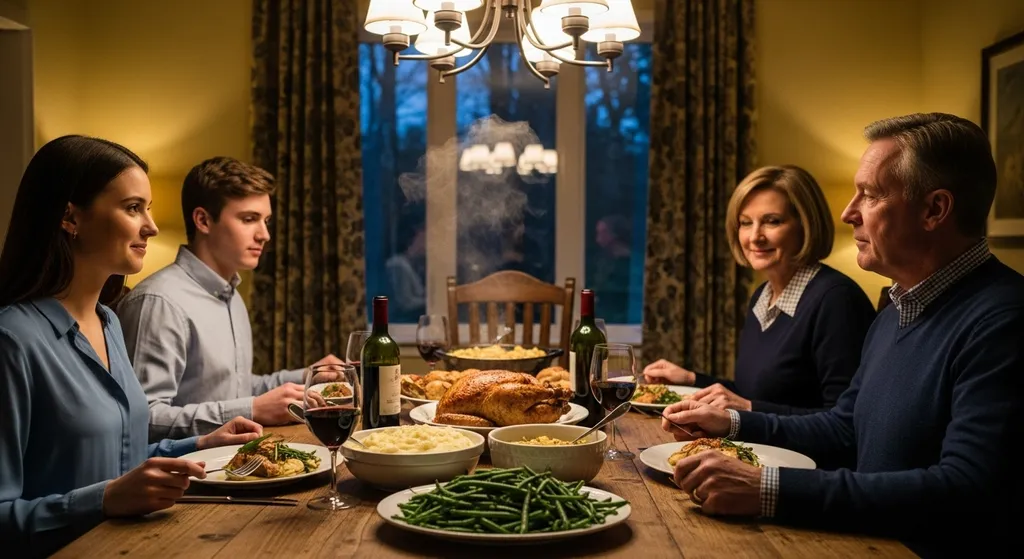
Emma
invited
her
sweetheart
to
meet
her
family
for
dinner
.
Emma
invited
her
sweetheart
to
meet
her
family
for
dinner
.
•
After
years
apart
,
Jack
ran
across
the
airport
lobby
and
hugged
his
sweetheart
tightly
.
After
years
apart
,
Jack
ran
across
the
airport
lobby
and
hugged
his
sweetheart
tightly
.
From
Middle
English
swete
hert
,
literally
“
sweet
heart
,”
first
used
in
the
1300s
to
address
a
loved
person
.
noun
a
kind
,
gentle
,
or
helpful
person
who
is
easy
to
like
;
also
a
friendly
form
of
address
•
Thanks
for
bringing
me
soup
while
I
was
sick
—
you
’
re
a
real
sweetheart
.
Thanks
for
bringing
me
soup
while
I
was
sick
—
you
’
re
a
real
sweetheart
.
•
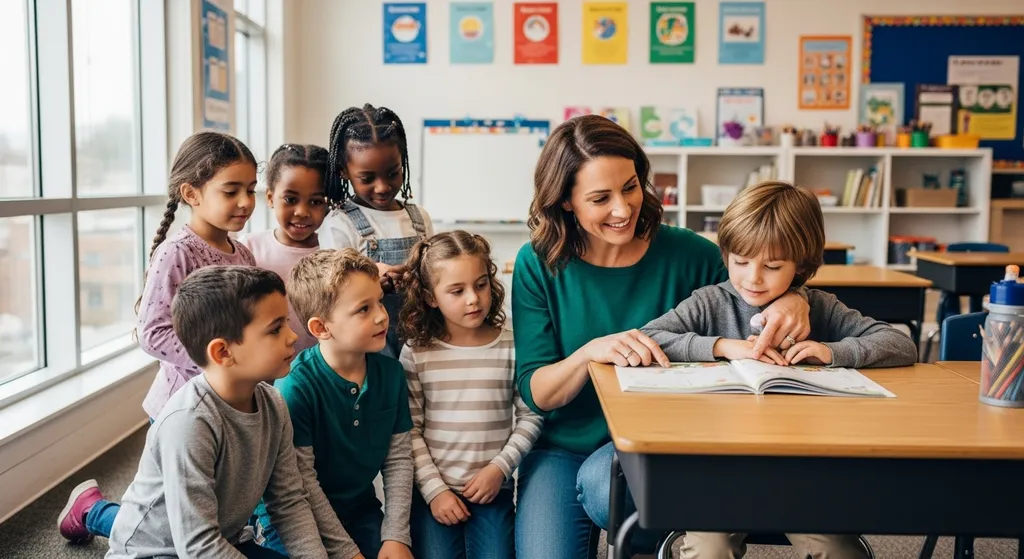
The
new
teacher
is
such
a
sweetheart
that
all
the
children
adore
her
.
The
new
teacher
is
such
a
sweetheart
that
all
the
children
adore
her
.
Extension
of
the
romantic
sense
to
general
kindness
appeared
in
the
late
1800s
.