





toqus
Picture Dictionary
English
한국어
Register
Login
🔍
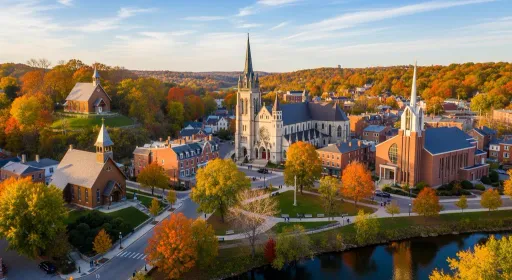
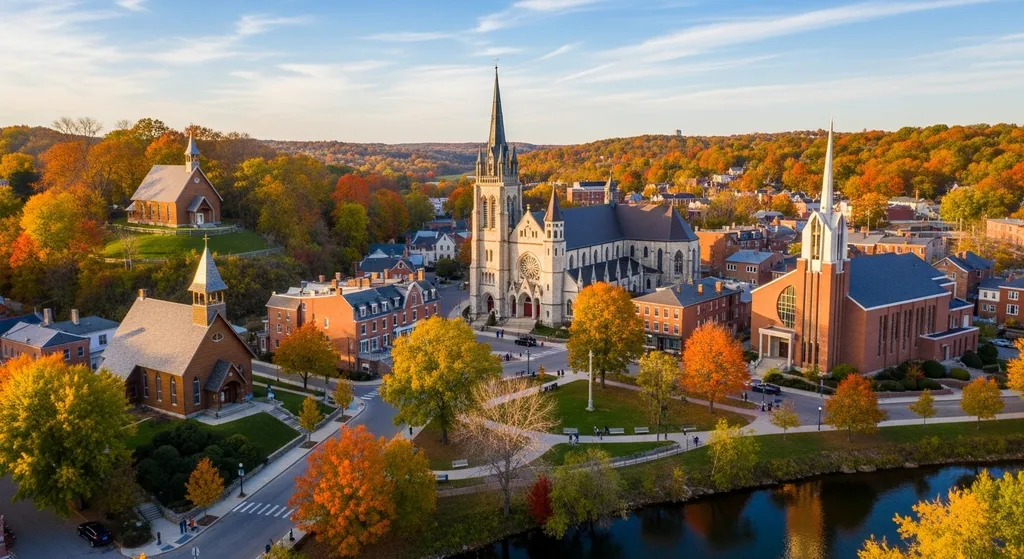
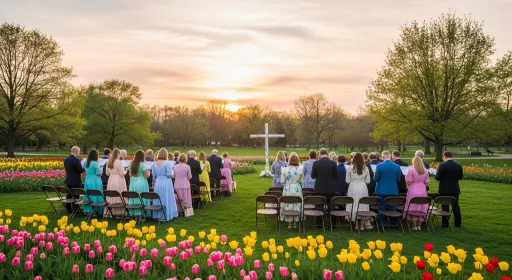
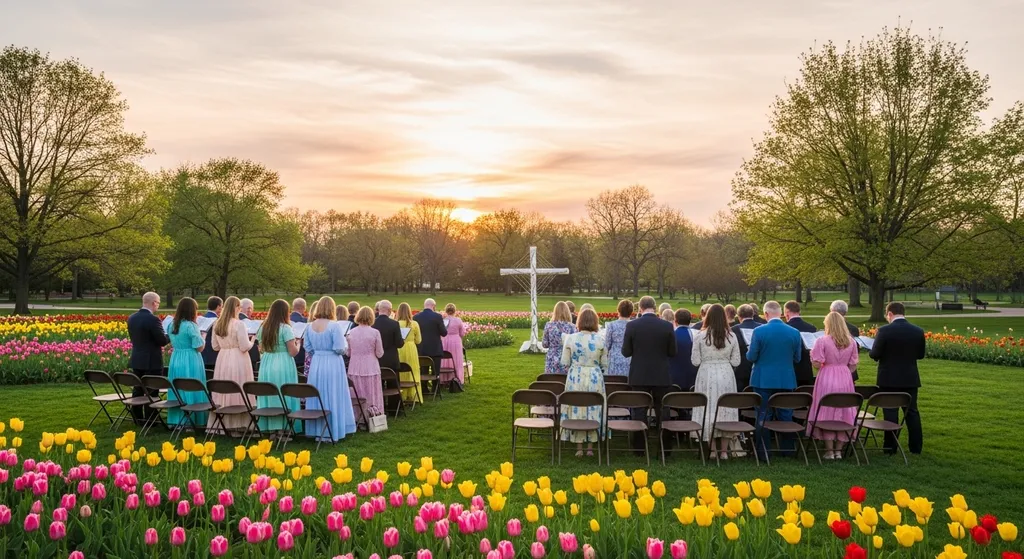
Christian
noun
a
person
who
believes
that
Jesus
Christ
is
the
Son
of
God
and
follows
the
religion
of
Christianity
•
Christians
gather
at
the
church
every
Sunday
morning
.
Christians
gather
at
the
church
every
Sunday
morning
.
•
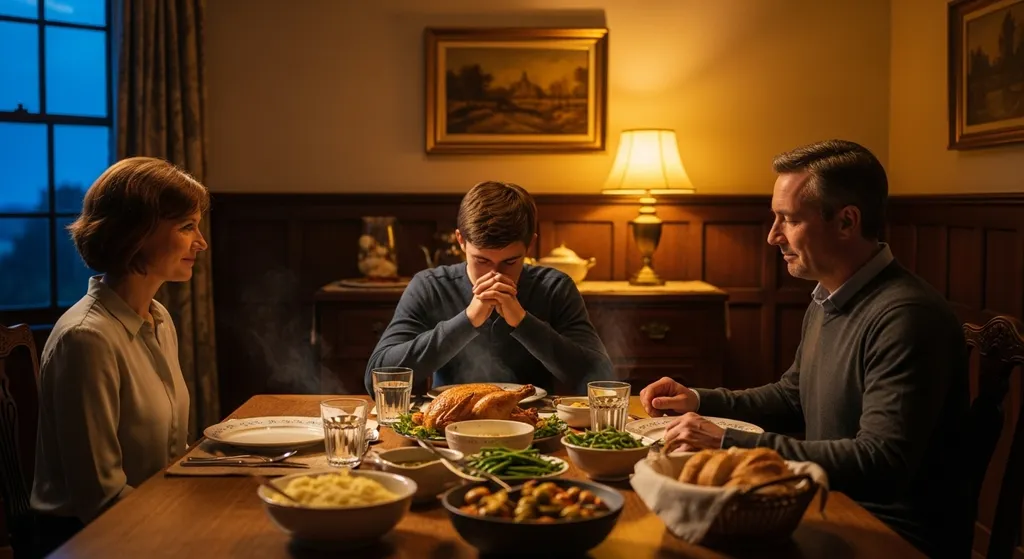
The
young
Christian
prayed
quietly
before
the
meal
.
The
young
Christian
prayed
quietly
before
the
meal
.
From
Middle
English
Cristen
,
from
Old
English
cristen
,
from
Latin
Christianus
“
follower
of
Christ
”.
adjective
connected
with
Christianity
or
its
followers
•
The
town
has
several
Christian
churches
of
different
denominations
.
The
town
has
several
Christian
churches
of
different
denominations
.
•
Easter
is
a
major
Christian
holiday
.
Easter
is
a
major
Christian
holiday
.
See
noun
sense
etymology
.
adjective
showing
the
kindness
,
forgiveness
,
and
compassion
taught
by
Jesus
Christ
•
It
was
very
Christian
of
you
to
forgive
him
.
It
was
very
Christian
of
you
to
forgive
him
.
•
She
made
a
Christian
gesture
by
donating
to
the
victims
.
She
made
a
Christian
gesture
by
donating
to
the
victims
.
Extension
of
the
religious
sense
by
metaphor
to
describe
behavior
reflecting
Christian
virtues
.
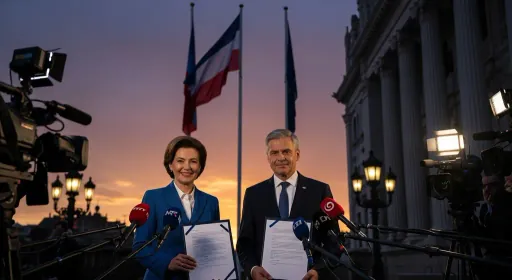
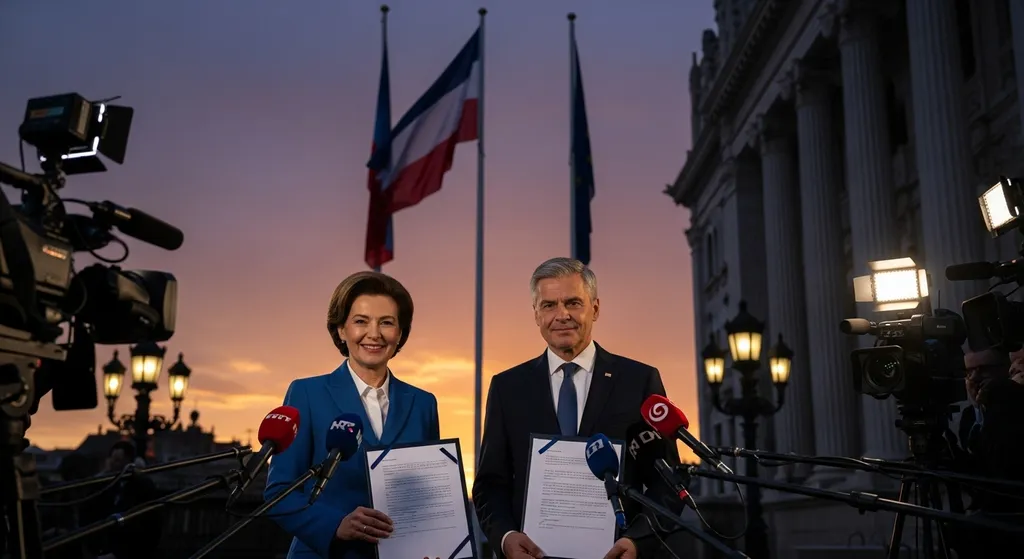
politician
noun
a
person
who
is
elected
,
or
seeks
to
be
elected
,
to
public
office
and
helps
make
decisions
for
the
government
•
The
local
politician
visited
the
school
to
talk
about
new
community
projects
.
The
local
politician
visited
the
school
to
talk
about
new
community
projects
.
•
Voters
expect
their
politician
to
keep
campaign
promises
.
Voters
expect
their
politician
to
keep
campaign
promises
.
From
French
politicien
,
based
on
politics
+
‑ian
,
first
recorded
in
English
in
the
early
17th
century
.
noun
a
person
who
is
skilled
at
gaining
and
keeping
power
in
politics
,
sometimes
using
clever
or
not
entirely
honest
methods
•
Many
felt
the
veteran
politician
cared
more
about
staying
in
power
than
solving
problems
.
Many
felt
the
veteran
politician
cared
more
about
staying
in
power
than
solving
problems
.
•
She
is
such
a
skillful
politician
that
she
always
knows
how
to
win
support
.
She
is
such
a
skillful
politician
that
she
always
knows
how
to
win
support
.
Same
origin
as
Sense
1
,
but
this
sense
developed
its
negative
shading
in
the
19th
century
as
public
distrust
of
political
tactics
grew
.
Russian
adjective
relating
to
Russia
,
its
people
,
or
its
language
•
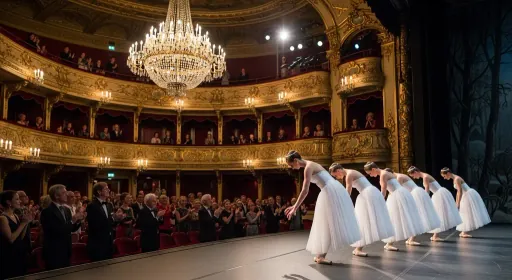
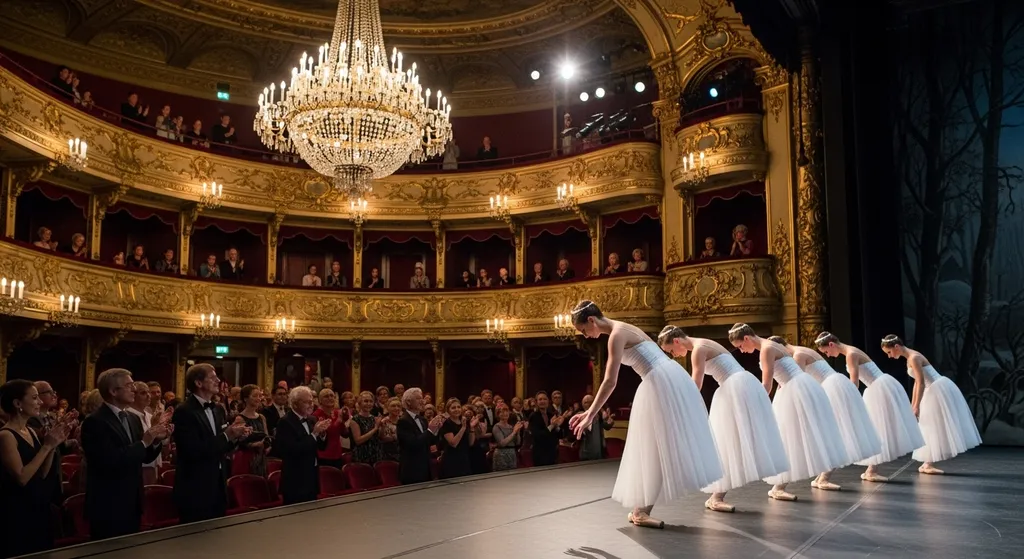
The
Russian
ballet
troupe
received
a
standing
ovation
.
The
Russian
ballet
troupe
received
a
standing
ovation
.
•
He
enjoys
reading
Russian
literature
in
its
original
language
.
He
enjoys
reading
Russian
literature
in
its
original
language
.
noun
a
person
who
comes
from
Russia
or
whose
family
is
from
Russia
•
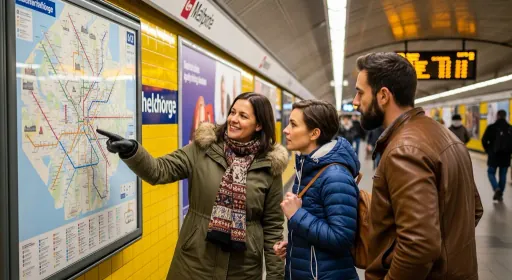
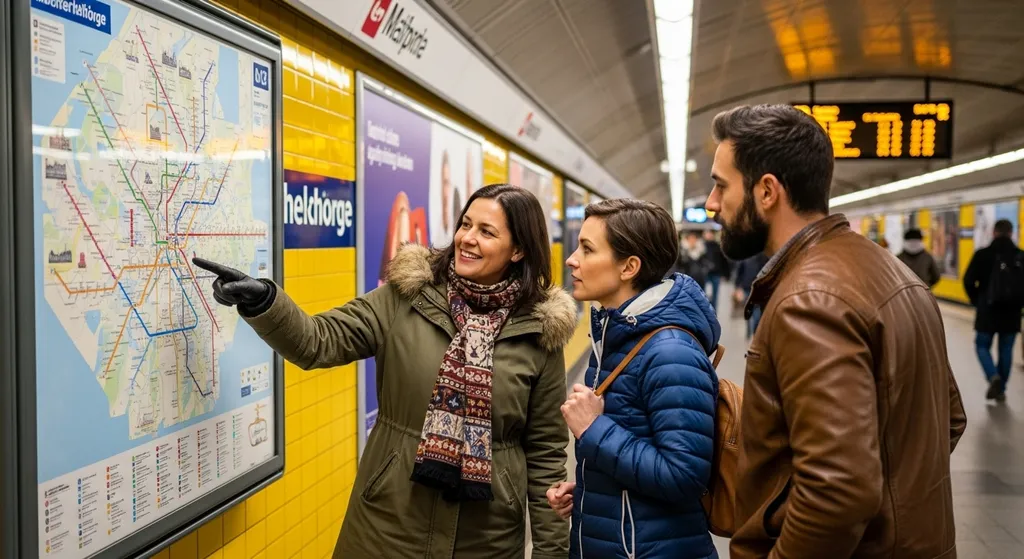
A
Russian
explained
the
subway
map
to
us
in
perfect
English
.
A
Russian
explained
the
subway
map
to
us
in
perfect
English
.
•
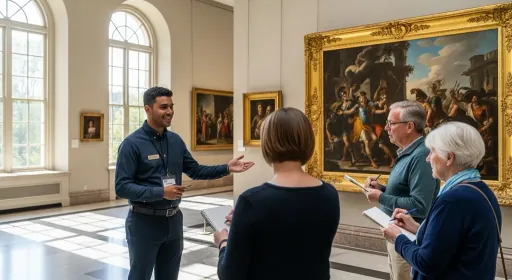
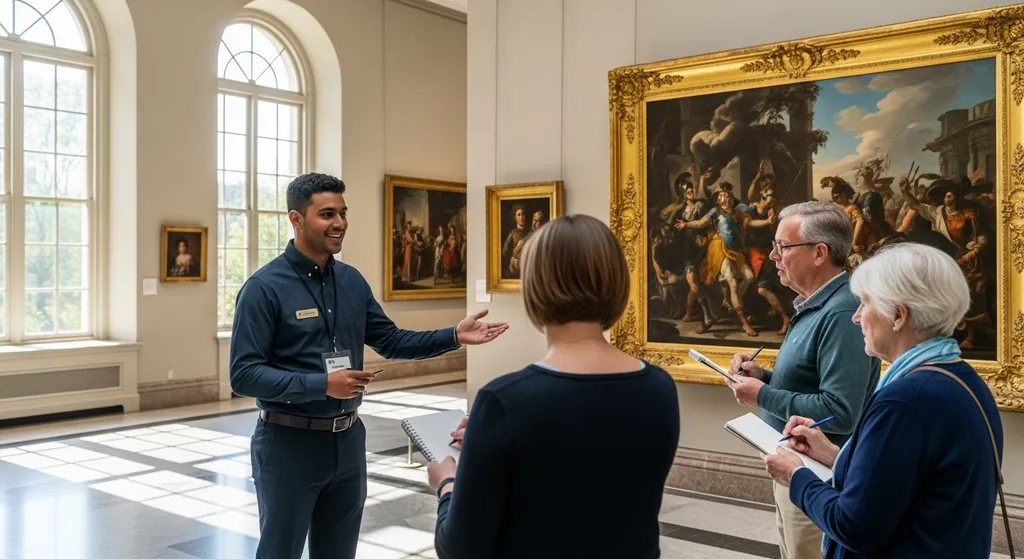
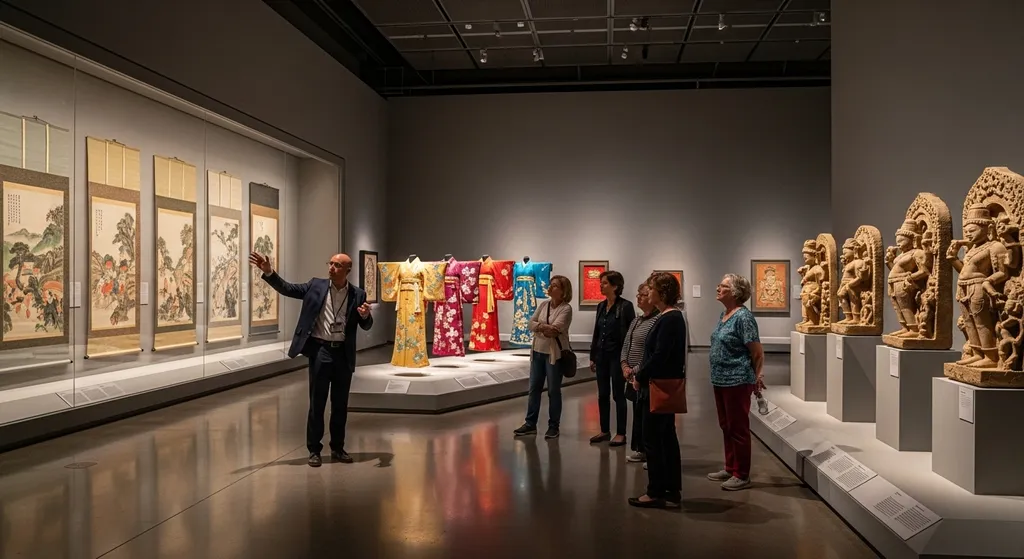
The
museum
guide
was
a
friendly
Russian
with
a
broad
smile
.
The
museum
guide
was
a
friendly
Russian
with
a
broad
smile
.
noun
-
Russian
the
Slavic
language
spoken
in
Russia
and
many
neighboring
countries
•
She
is
learning
Russian
to
talk
with
her
grandmother
.
She
is
learning
Russian
to
talk
with
her
grandmother
.
•
The
label
on
the
product
was
written
in
Russian
and
English
.
The
label
on
the
product
was
written
in
Russian
and
English
.
Indian
noun
a
person
who
is
from
India
or
whose
family
comes
from
India
•
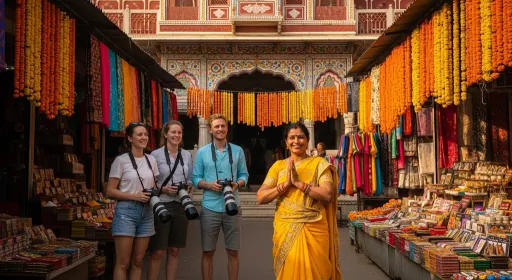
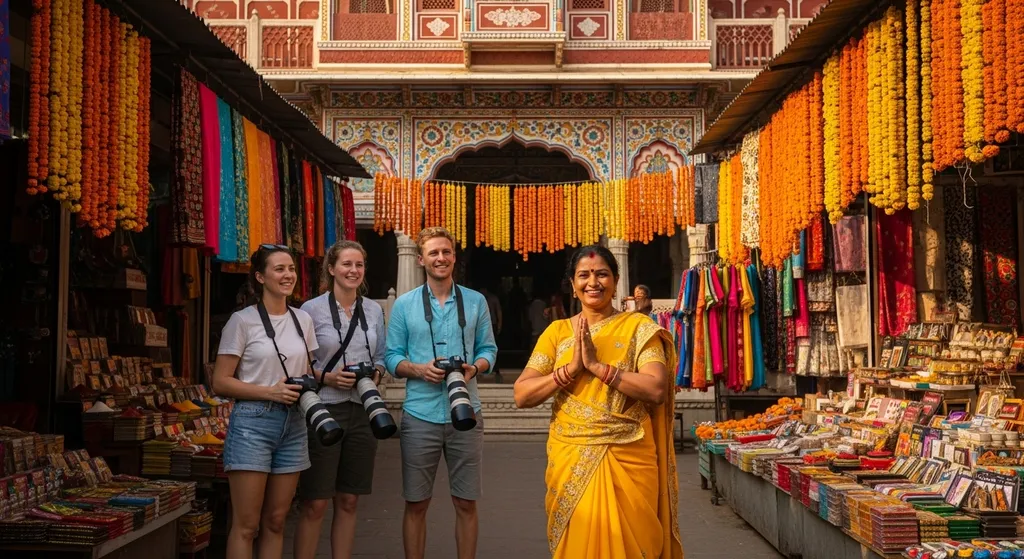
An
Indian
greeted
us
warmly
at
the
entrance
of
the
temple
.
An
Indian
greeted
us
warmly
at
the
entrance
of
the
temple
.
•
The
school
has
welcomed
several
Indians
who
moved
here
this
year
.
The
school
has
welcomed
several
Indians
who
moved
here
this
year
.
adjective
relating
to
India
,
its
people
,
culture
,
or
languages
•
We
went
to
an
Indian
restaurant
for
lunch
.
We
went
to
an
Indian
restaurant
for
lunch
.
•
She
loves
wearing
Indian
jewelry
during
festivals
.
She
loves
wearing
Indian
jewelry
during
festivals
.
noun
(
dated
,
often
offensive
)
a
member
of
the
Indigenous
peoples
of
North
,
Central
,
or
South
America
•
Old
Western
movies
often
called
Native
Americans
Indians
,
a
term
many
people
avoid
today
.
Old
Western
movies
often
called
Native
Americans
Indians
,
a
term
many
people
avoid
today
.
•
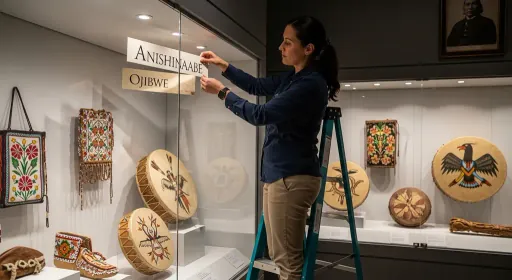
The
museum
removed
a
sign
that
labeled
artifacts
as
'Indian
,
'
replacing
it
with
the
name
of
the
specific
tribe
.
The
museum
removed
a
sign
that
labeled
artifacts
as
'Indian
,
'
replacing
it
with
the
name
of
the
specific
tribe
.
adjective
(
dated
,
often
offensive
)
relating
to
the
Indigenous
peoples
of
the
Americas
•
The
road
passes
through
an
Indian
reservation
.
The
road
passes
through
an
Indian
reservation
.
•
The
team
decided
to
retire
its
Indian
mascot
.
The
team
decided
to
retire
its
Indian
mascot
.
physician
noun
a
person
who
is
trained
and
licensed
to
diagnose
illnesses
and
treat
people
who
are
sick
or
injured
;
a
medical
doctor
•
The
physician
examined
the
patient's
heartbeat
with
a
stethoscope
.
The
physician
examined
the
patient's
heartbeat
with
a
stethoscope
.
•
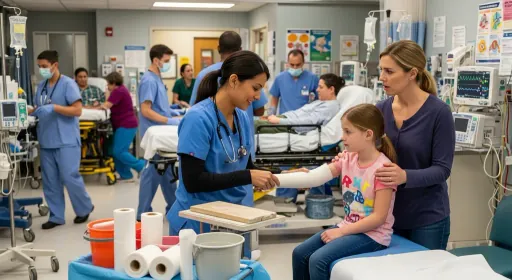
After
breaking
her
arm
,
Lily
went
to
see
a
physician
at
the
city
hospital
.
After
breaking
her
arm
,
Lily
went
to
see
a
physician
at
the
city
hospital
.
Middle
English
phisicien
,
from
Old
French
,
from
physicien
“
natural
philosopher
”,
from
Latin
physica
“
natural
science
”.
Over
time
the
meaning
narrowed
to
a
medical
doctor
.
noun
(
archaic
or
literary
)
a
healer
or
any
force
that
cures
sickness
or
solves
problems
•
They
believed
that
time
would
be
the
best
physician
.
They
believed
that
time
would
be
the
best
physician
.
•
The
wise
physician
mixed
fragrant
herbs
to
cure
the
nobleman
.
The
wise
physician
mixed
fragrant
herbs
to
cure
the
nobleman
.
Same
origin
as
the
modern
sense
;
earlier
English
used
the
word
broadly
for
anyone
or
anything
that
brought
healing
.
giant
noun
a
person
,
animal
,
or
thing
that
is
much
larger
than
usual
•
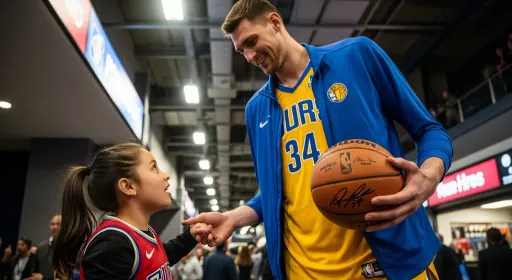
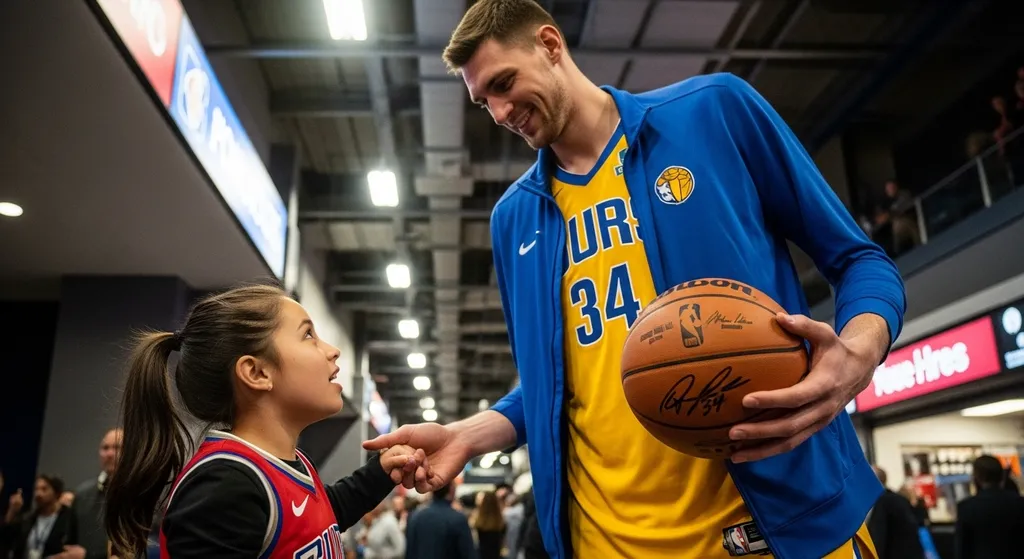
Standing
next
to
the
basketball
star
,
I
felt
tiny
beside
the
giant
.
Standing
next
to
the
basketball
star
,
I
felt
tiny
beside
the
giant
.
•
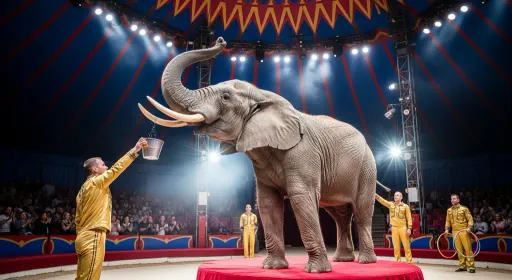
The
circus
featured
a
trained
giant
that
weighed
more
than
five
normal
elephants
.
The
circus
featured
a
trained
giant
that
weighed
more
than
five
normal
elephants
.
adjective
extremely
large
in
size
•
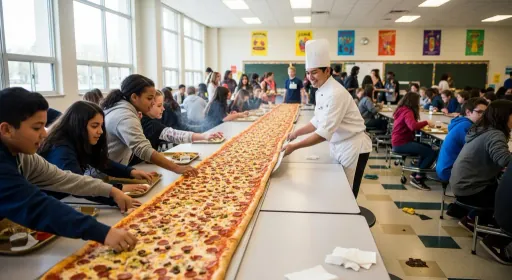
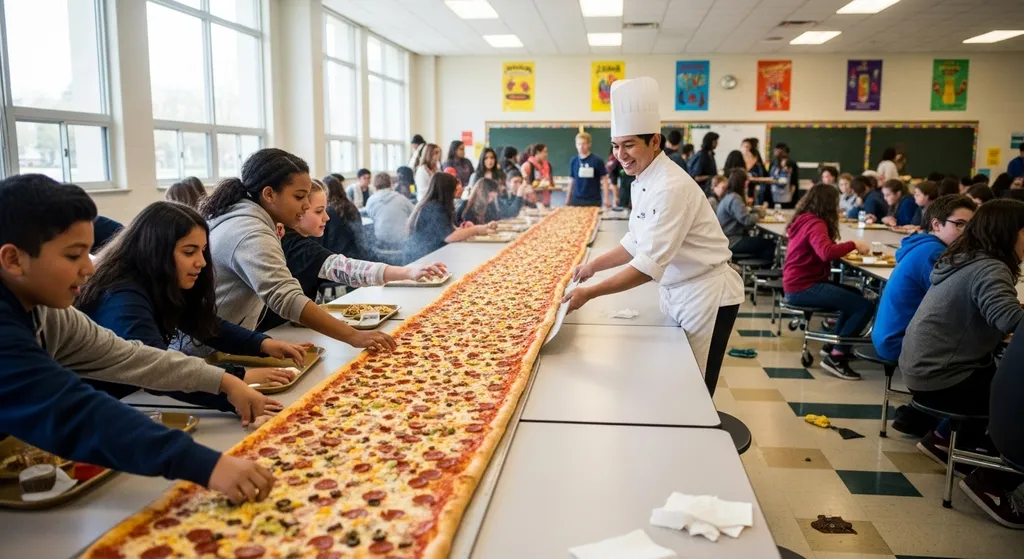
We
ordered
a
giant
pizza
big
enough
for
the
whole
class
.
We
ordered
a
giant
pizza
big
enough
for
the
whole
class
.
•
A
giant
inflatable
duck
floated
down
the
river
during
the
festival
parade
.
A
giant
inflatable
duck
floated
down
the
river
during
the
festival
parade
.
noun
an
imaginary
being
in
old
stories
that
looks
like
a
huge
human
and
is
usually
very
strong
•
In
the
fairy
tale
,
a
brave
girl
climbed
a
beanstalk
and
met
a
giant
guarding
piles
of
gold
.
In
the
fairy
tale
,
a
brave
girl
climbed
a
beanstalk
and
met
a
giant
guarding
piles
of
gold
.
•
According
to
legend
,
the
sleeping
giant
will
awaken
if
the
mountain
is
disturbed
.
According
to
legend
,
the
sleeping
giant
will
awaken
if
the
mountain
is
disturbed
.
From
Old
French
geant
,
from
Latin
gigas
,
from
Ancient
Greek
gígas
meaning
“
earth-born
monster
”.
noun
a
person
,
company
,
or
thing
that
is
very
powerful
or
important
in
its
field
•
The
small
app
hopes
to
compete
with
the
tech
giant
that
dominates
the
market
.
The
small
app
hopes
to
compete
with
the
tech
giant
that
dominates
the
market
.
•
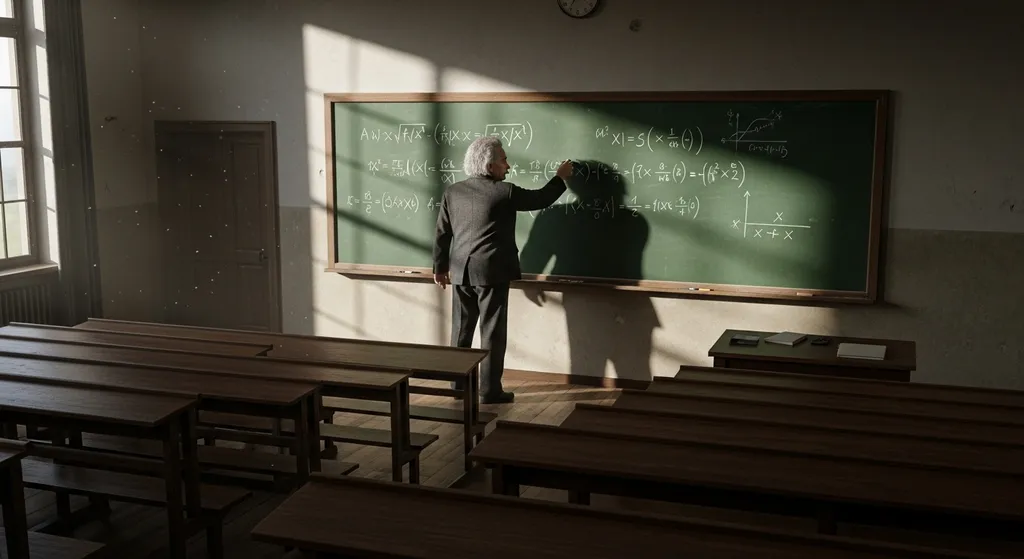
Einstein
is
regarded
as
a
giant
of
twentieth-century
science
.
Einstein
is
regarded
as
a
giant
of
twentieth-century
science
.
Asian
adjective
relating
to
Asia
or
its
people
,
languages
,
or
cultures
.
•
Her
favorite
restaurant
serves
authentic
Asian
dishes
like
sushi
and
pho
.
Her
favorite
restaurant
serves
authentic
Asian
dishes
like
sushi
and
pho
.
•
The
museum
opened
a
new
gallery
displaying
traditional
Asian
art
and
sculptures
.
The
museum
opened
a
new
gallery
displaying
traditional
Asian
art
and
sculptures
.
From
Asia
+
-an
,
first
attested
in
English
in
the
17th
century
to
describe
people
or
things
from
Asia
.
noun
a
person
from
Asia
or
whose
family
originally
comes
from
Asia
.
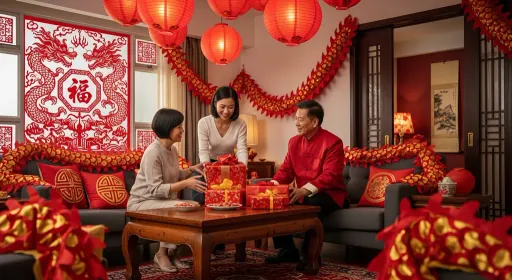
•
As
an
Asian
,
Mei
celebrates
Lunar
New
Year
with
her
family
every
January
.
As
an
Asian
,
Mei
celebrates
Lunar
New
Year
with
her
family
every
January
.
•
The
city
is
home
to
many
Asians
who
have
opened
restaurants
and
shops
.
The
city
is
home
to
many
Asians
who
have
opened
restaurants
and
shops
.
Derived
from
the
adjective
Asian
,
used
as
a
noun
from
the
18th
century
to
refer
to
people
of
Asian
origin
.
alliance
noun
a
formal
agreement
between
two
or
more
countries
or
large
organizations
to
work
together
for
shared
military
,
political
,
or
economic
goals
•
NATO
is
a
military
alliance
formed
to
protect
its
member
states
.
NATO
is
a
military
alliance
formed
to
protect
its
member
states
.
•
The
two
small
nations
signed
an
alliance
to
deter
their
powerful
neighbor
.
The
two
small
nations
signed
an
alliance
to
deter
their
powerful
neighbor
.
Late
Middle
English
from
Old
French
aliance
,
from
alier
‘
to
ally
’,
based
on
Latin
alligare
‘
to
bind
to
’.
noun
a
cooperative
relationship
in
which
people
,
groups
,
or
companies
join
forces
to
achieve
a
common
purpose
•
The
tech
start-up
formed
an
alliance
with
a
larger
firm
to
reach
new
markets
.
The
tech
start-up
formed
an
alliance
with
a
larger
firm
to
reach
new
markets
.
•
Parent-teacher
alliances
can
improve
school
programs
.
Parent-teacher
alliances
can
improve
school
programs
.
Same
origin
as
Sense
1
:
from
Old
French
aliance
,
based
on
Latin
alligare
‘
to
bind
to
’.
brilliant
adjective
very
bright
or
full
of
strong
,
clear
colour
or
light
•
The
sun
shone
with
brilliant
light
over
the
beach
.
The
sun
shone
with
brilliant
light
over
the
beach
.
•
She
wore
a
brilliant
red
scarf
that
caught
everyone's
attention
.
She
wore
a
brilliant
red
scarf
that
caught
everyone's
attention
.
Originally
referred
to
gemstones
sparkling
with
light
,
then
extended
to
vivid
light
or
color
.
adjective
extremely
intelligent
,
skilful
,
or
clever
•
The
brilliant
scientist
explained
the
new
discovery
in
simple
words
.
The
brilliant
scientist
explained
the
new
discovery
in
simple
words
.
•
Emma
came
up
with
a
brilliant
plan
to
finish
the
project
early
.
Emma
came
up
with
a
brilliant
plan
to
finish
the
project
early
.
From
Latin
"
brillare
"
meaning
"
to
shine
"
and
later
used
for
mental
brightness
.
adjective
very
good
,
enjoyable
,
or
impressive
•
The
film
we
watched
last
night
was
brilliant
!
The
film
we
watched
last
night
was
brilliant
!
•
Your
cooking
smells
brilliant
already
.
Your
cooking
smells
brilliant
already
.
Sense
of
general
excellence
arose
in
British
English
in
the
early
20th
century
.
Brilliant
interjection
used
to
show
pleasure
,
excitement
,
or
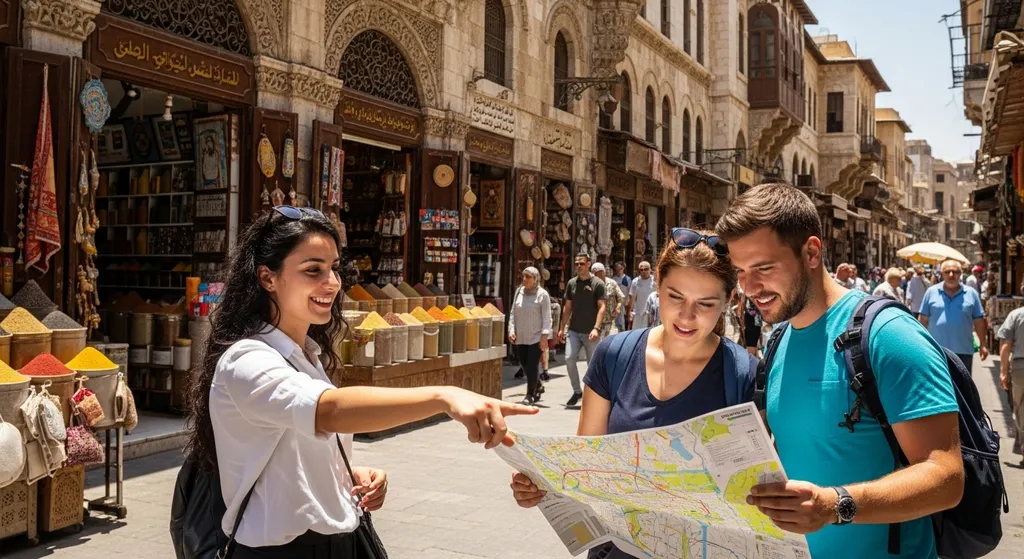
approval
•
“
We
got
the
tickets
!” “
Brilliant
!”
“
We
got
the
tickets
!” “
Brilliant
!”
•
“
The
test
is
cancelled
.” “
Brilliant
!”
“
The
test
is
cancelled
.” “
Brilliant
!”
Interjectional
use
comes
from
the
adjective
’
s
positive
sense
,
first
recorded
in
British
English
in
the
mid-20th
century
.
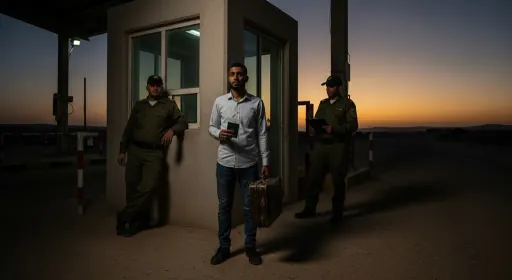
Palestinian
noun
a
person
who
comes
from
Palestine
or
who
identifies
as
part
of
its
Arab
population
•
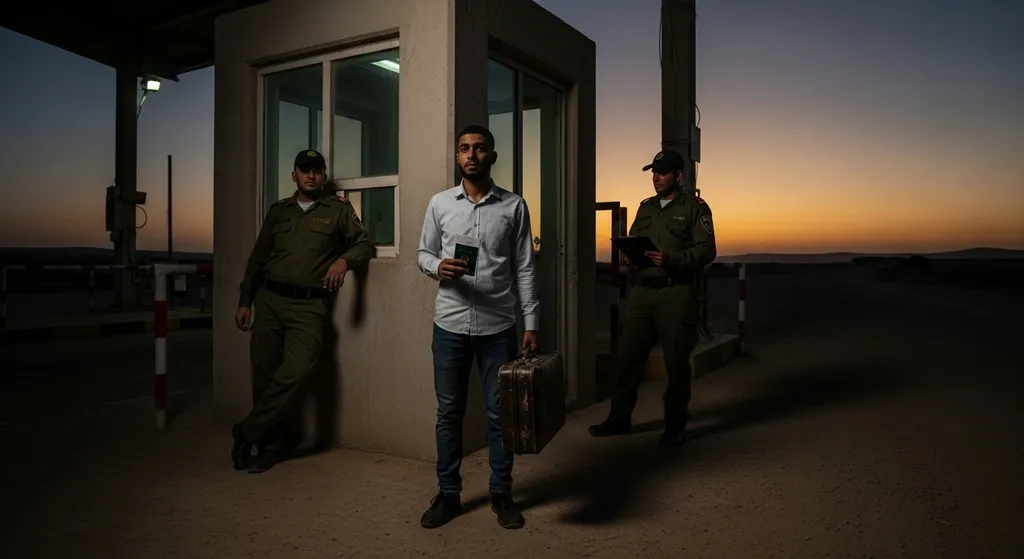
A
young
Palestinian
waited
at
the
border
checkpoint
with
his
travel
documents
.
A
young
Palestinian
waited
at
the
border
checkpoint
with
his
travel
documents
.
•
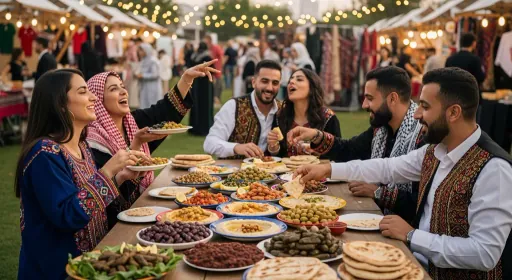
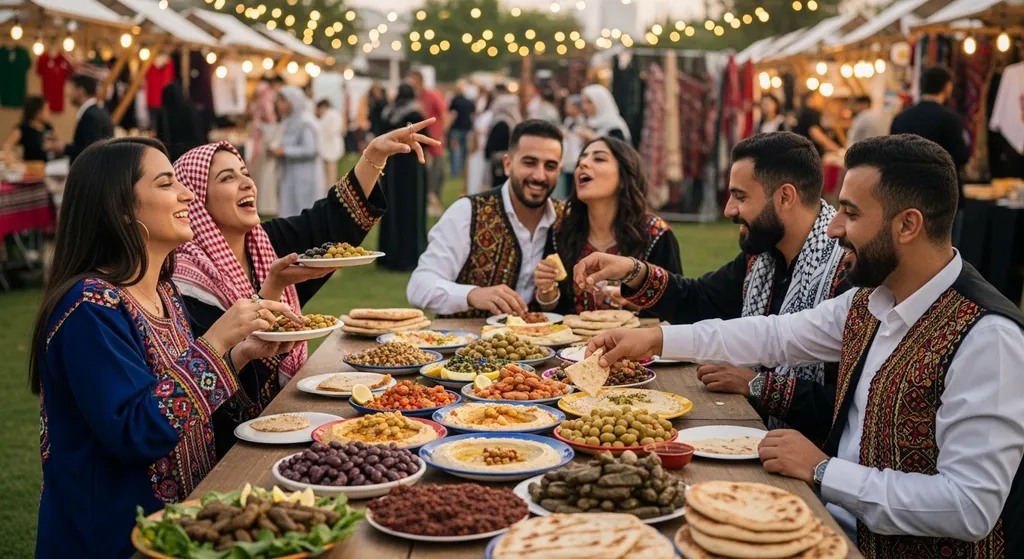
Several
Palestinians
shared
traditional
dishes
at
the
cultural
festival
.
Several
Palestinians
shared
traditional
dishes
at
the
cultural
festival
.
From
Palestine
+
-ian
,
dating
to
the
early
20th
century
as
national
identity
solidified
.
adjective
relating
to
Palestine
or
its
people
and
culture
•
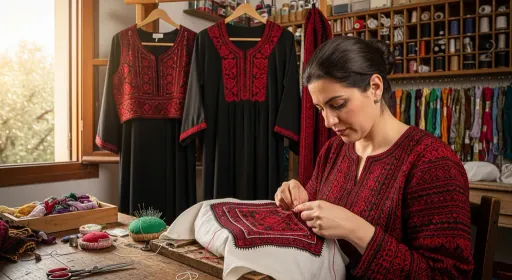
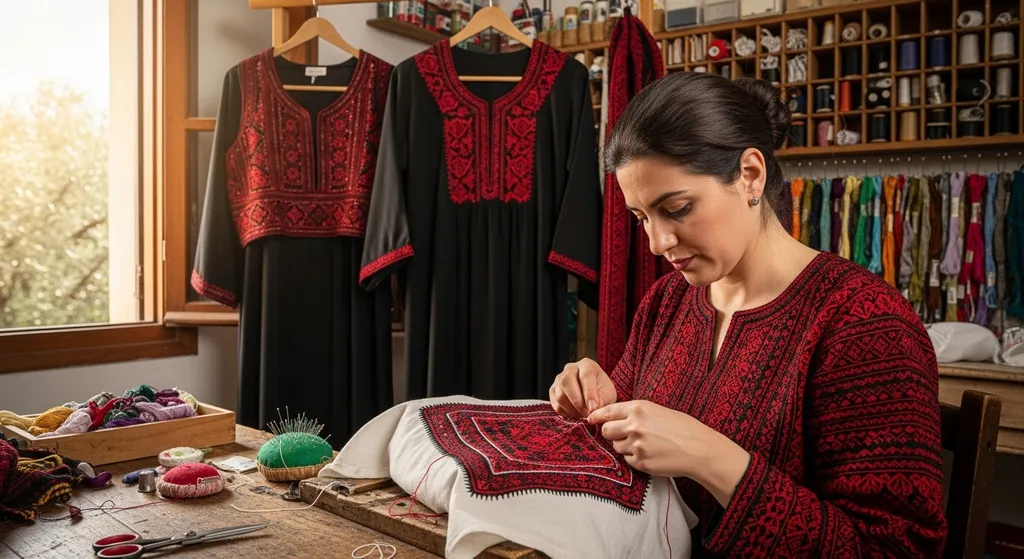
She
loves
Palestinian
embroidery
and
often
wears
dresses
decorated
with
it
.
She
loves
Palestinian
embroidery
and
often
wears
dresses
decorated
with
it
.
•
A
film
about
Palestinian
history
won
an
international
award
.
A
film
about
Palestinian
history
won
an
international
award
.
Derived
by
adding
the
adjective
suffix
-ian
to
Palestine
,
first
attested
in
English
in
the
19th
century
.
musician
noun
a
person
who
plays
or
writes
music
,
especially
as
a
job
•
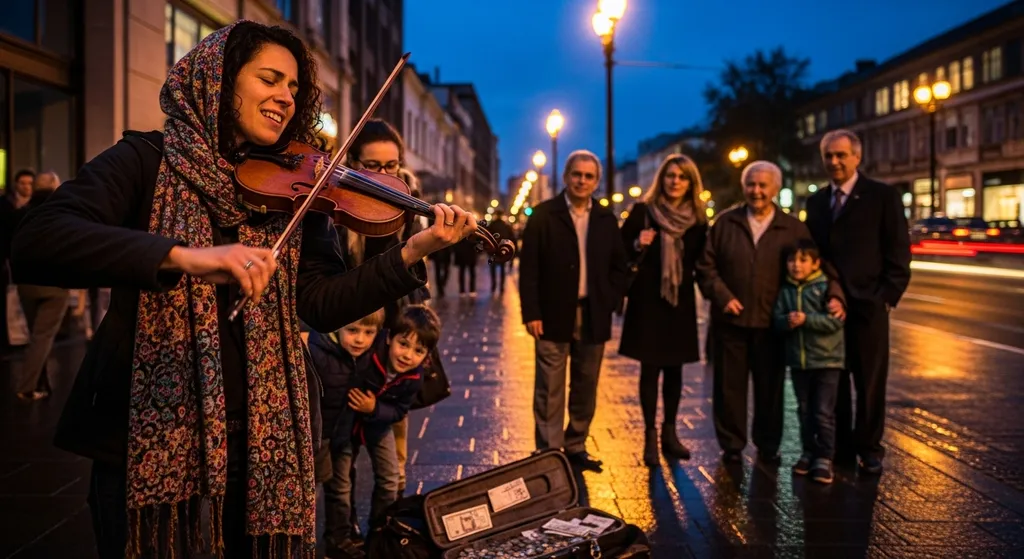
The
street
musician
attracted
a
crowd
with
her
lively
violin
playing
.
The
street
musician
attracted
a
crowd
with
her
lively
violin
playing
.
•
After
years
of
practice
,
Leo
became
a
professional
musician
in
a
jazz
band
.
After
years
of
practice
,
Leo
became
a
professional
musician
in
a
jazz
band
.
Late
Middle
English
:
from
Old
French
musicien
,
from
musique
meaning
“
music
”.
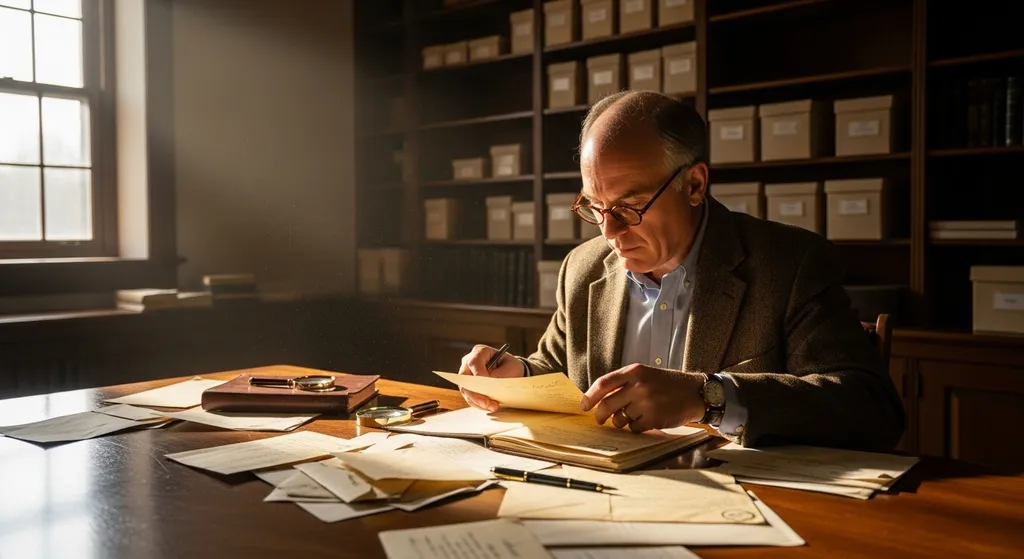
historian
noun
a
person
whose
job
or
serious
interest
is
to
study
,
write
about
,
and
explain
past
events
•
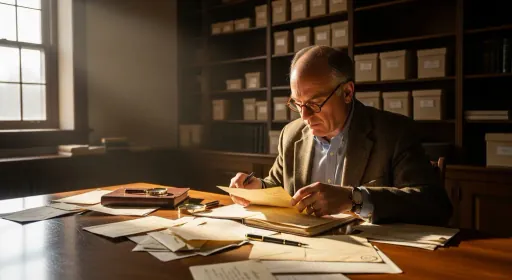
The
historian
spent
years
reading
dusty
letters
from
the
Civil
War
.
The
historian
spent
years
reading
dusty
letters
from
the
Civil
War
.
•
As
a
child
,
Maya
dreamed
of
becoming
a
historian
and
exploring
ancient
ruins
.
As
a
child
,
Maya
dreamed
of
becoming
a
historian
and
exploring
ancient
ruins
.
Late
Middle
English
,
from
Latin
historianus
,
from
historia
meaning
‘
history
’,
which
is
ultimately
from
Ancient
Greek
histor
‘
learned
,
wise
man
’.
Italian
adjective
Relating
to
Italy
,
its
people
,
culture
,
or
language
.
•
We
enjoyed
a
delicious
Italian
pizza
for
dinner
.
We
enjoyed
a
delicious
Italian
pizza
for
dinner
.
•
She
bought
a
bright
red
Italian
sports
car
.
She
bought
a
bright
red
Italian
sports
car
.
From
Medieval
Latin
Italianus
,
from
Italia
(
Italy
).
noun
A
native
or
citizen
of
Italy
.
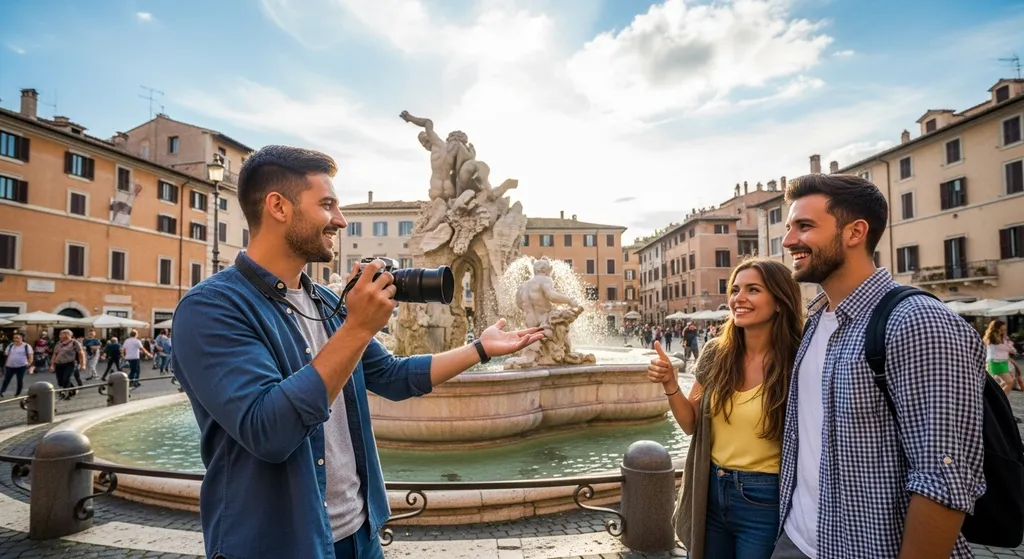
•
An
Italian
offered
to
take
our
photo
in
front
of
the
fountain
.
An
Italian
offered
to
take
our
photo
in
front
of
the
fountain
.
•
The
young
Italian
spoke
perfect
English
.
The
young
Italian
spoke
perfect
English
.
From
Medieval
Latin
Italianus
,
meaning
a
person
from
Italia
.
noun
-
Italian
The
Romance
language
spoken
in
Italy
and
by
Italian
communities
worldwide
.
•
She
has
been
studying
Italian
for
two
years
.
She
has
been
studying
Italian
for
two
years
.
•
Can
you
translate
this
letter
from
Italian
into
English
?
Can
you
translate
this
letter
from
Italian
into
English
?
From
Latin
lingua
Italiana
,
literally
“
language
of
Italy
.”
Canadian
adjective
relating
to
Canada
,
its
people
,
culture
,
or
things
that
come
from
the
country
•
We
drizzled
Canadian
maple
syrup
on
our
warm
pancakes
.
We
drizzled
Canadian
maple
syrup
on
our
warm
pancakes
.
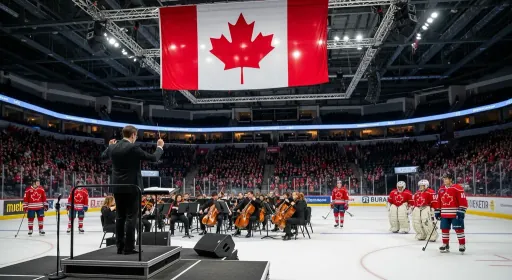
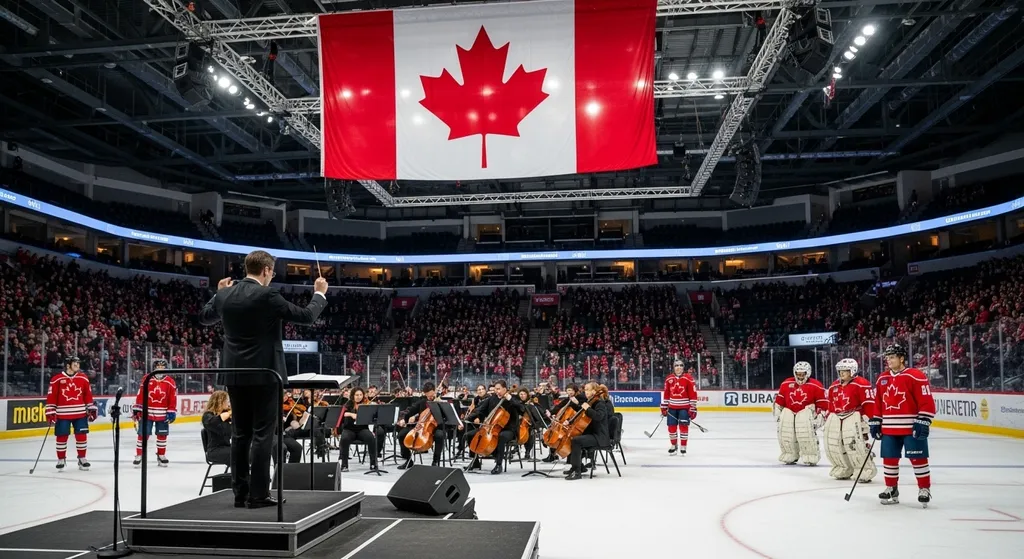
•
The
orchestra
played
the
Canadian
national
anthem
before
the
match
began
.
The
orchestra
played
the
Canadian
national
anthem
before
the
match
began
.
Adopted
in
English
in
the
16th
century
from
the
name
Canada
,
which
comes
from
the
Laurentian
language
word
“
kanata
,”
meaning
“
village
”
or
“
settlement
.”
noun
a
person
who
is
from
Canada
or
whose
nationality
is
Canadian
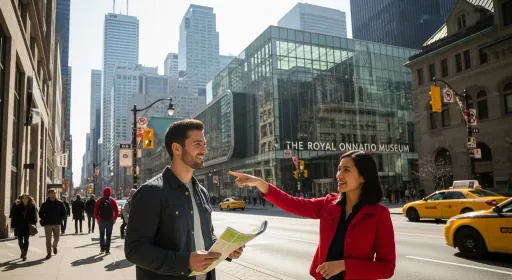
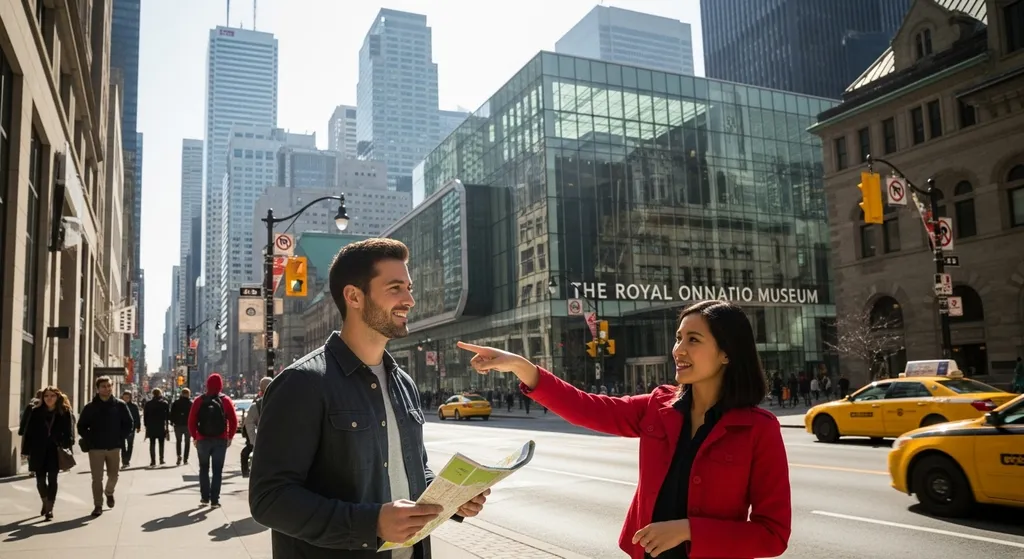
•
A
friendly
Canadian
offered
to
show
us
the
way
to
the
museum
.
A
friendly
Canadian
offered
to
show
us
the
way
to
the
museum
.
•
Many
Canadians
enjoy
outdoor
sports
like
ice
hockey
.
Many
Canadians
enjoy
outdoor
sports
like
ice
hockey
.
The
noun
sense
developed
naturally
after
the
adjective
,
referring
to
people
who
lived
in
or
came
from
Canada
.
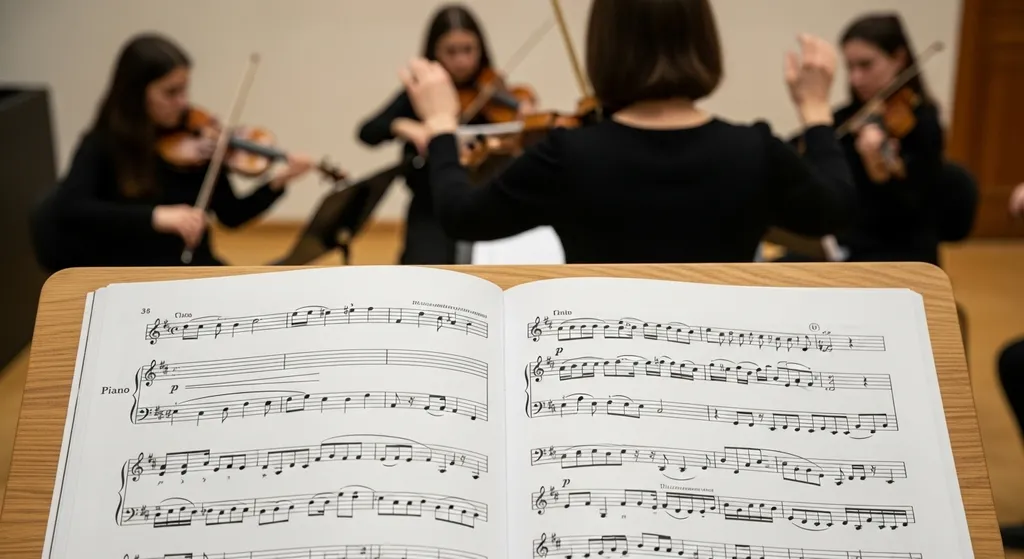
piano
noun
a
large
keyboard
musical
instrument
whose
keys
cause
felt-covered
hammers
to
strike
tuned
metal
strings
,
producing
rich
,
ringing
sounds
•
Emily
practiced
the
piano
for
an
hour
before
dinner
.
Emily
practiced
the
piano
for
an
hour
before
dinner
.
•
The
piano
in
the
school
auditorium
was
recently
tuned
.
The
piano
in
the
school
auditorium
was
recently
tuned
.
Borrowed
into
English
in
the
early
1800s
from
the
Italian
‘
pianoforte
’,
short
for
‘
gravicembalo
col
piano
e
forte
’ (“
harpsichord
with
soft
and
loud
”),
referring
to
the
instrument
’
s
ability
to
vary
volume
.
adverb
in
music
,
softly
;
to
be
played
or
sung
at
a
low
volume
•
The
composer
marks
the
first
bars
piano
to
create
a
gentle
mood
.
The
composer
marks
the
first
bars
piano
to
create
a
gentle
mood
.
•
Start
piano
then
build
to
a
powerful
climax
.
Start
piano
then
build
to
a
powerful
climax
.
From
Italian
‘
piano
’
meaning
‘
soft
’,
used
in
musical
notation
since
the
18th
century
.
civilian
noun
a
person
who
is
not
a
member
of
the
armed
forces
,
the
police
,
or
any
other
uniformed
service
•
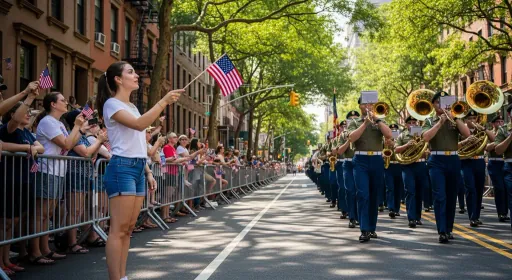
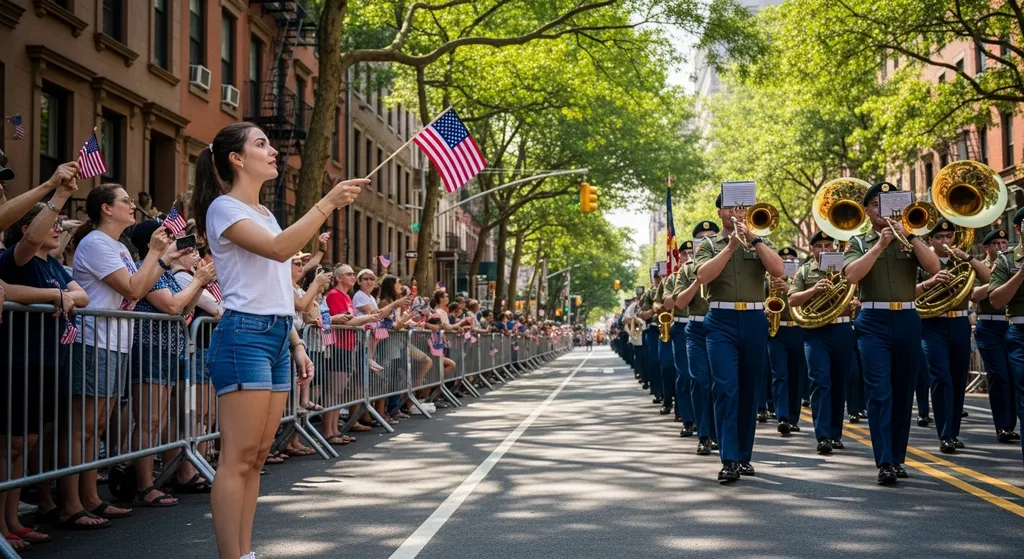
The
civilian
stood
on
the
sidewalk
watching
the
military
parade
pass
.
The
civilian
stood
on
the
sidewalk
watching
the
military
parade
pass
.
•
During
the
rescue
mission
,
soldiers
ensured
every
civilian
was
safely
evacuated
from
the
flooded
village
.
During
the
rescue
mission
,
soldiers
ensured
every
civilian
was
safely
evacuated
from
the
flooded
village
.
Late
Middle
English
(
in
the
sense
‘
judge
or
expert
in
civil
law
’):
from
Old
French
civilien
,
from
civil
.
adjective
relating
to
or
intended
for
people
who
are
not
in
the
armed
forces
or
the
police
•
After
leaving
the
army
,
she
bought
a
set
of
civilian
clothes
for
her
new
office
job
.
After
leaving
the
army
,
she
bought
a
set
of
civilian
clothes
for
her
new
office
job
.
•
The
old
military
runway
is
now
used
for
civilian
flights
.
The
old
military
runway
is
now
used
for
civilian
flights
.
Christianity
noun
-
Christianity
,
Christianities
the
monotheistic
religion
centered
on
the
life
,
teachings
,
death
,
and
resurrection
of
Jesus
Christ
,
as
recorded
in
the
Bible
•
Christianity
spread
throughout
the
Roman
Empire
in
the
first
few
centuries
AD
.
Christianity
spread
throughout
the
Roman
Empire
in
the
first
few
centuries
AD
.
•
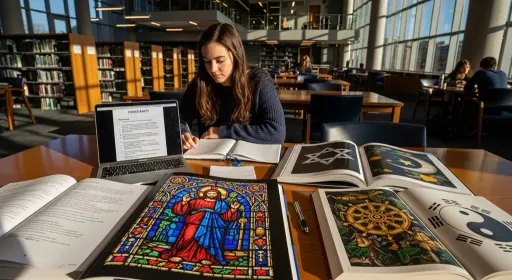
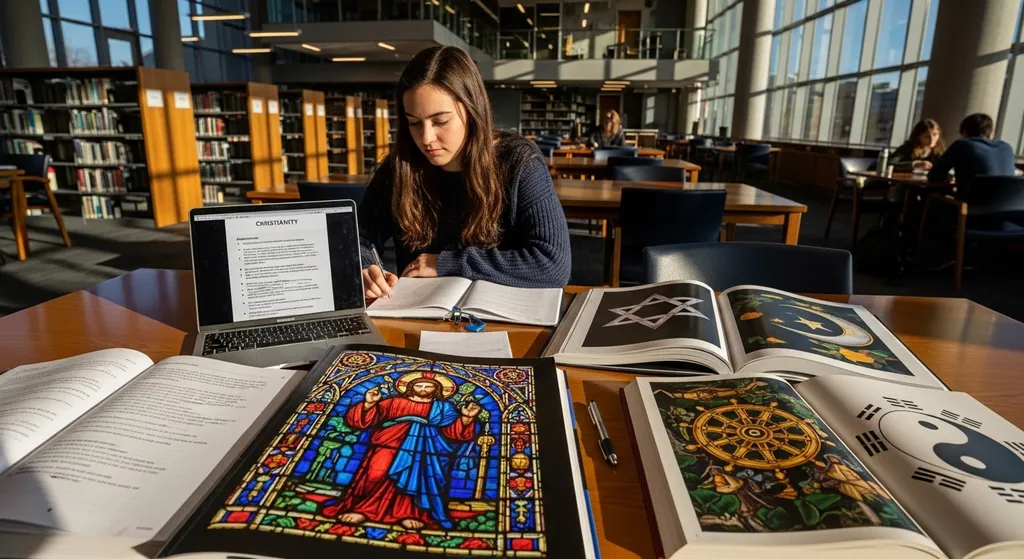
In
her
comparative
religion
class
,
Maria
chose
Christianity
as
the
focus
of
her
final
paper
.
In
her
comparative
religion
class
,
Maria
chose
Christianity
as
the
focus
of
her
final
paper
.
Old
English
cristendōm
(“
the
Christian
faith
”),
later
replaced
by
the
Latin-derived
Christianity
in
Middle
English
;
from
Latin
Christianitas
,
from
Christianus
“
Christian
.”
The
suffix
‑ity
denotes
a
state
or
condition
.
Iranian
adjective
relating
to
Iran
,
its
people
,
culture
,
or
language
•
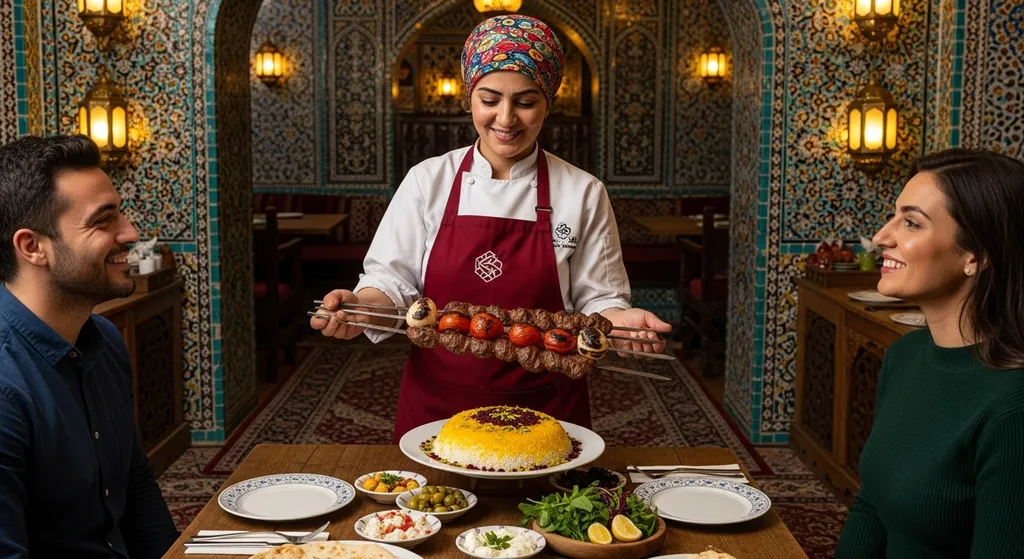
We
enjoyed
an
Iranian
meal
of
kebabs
and
saffron
rice
at
the
new
restaurant
.
We
enjoyed
an
Iranian
meal
of
kebabs
and
saffron
rice
at
the
new
restaurant
.
•
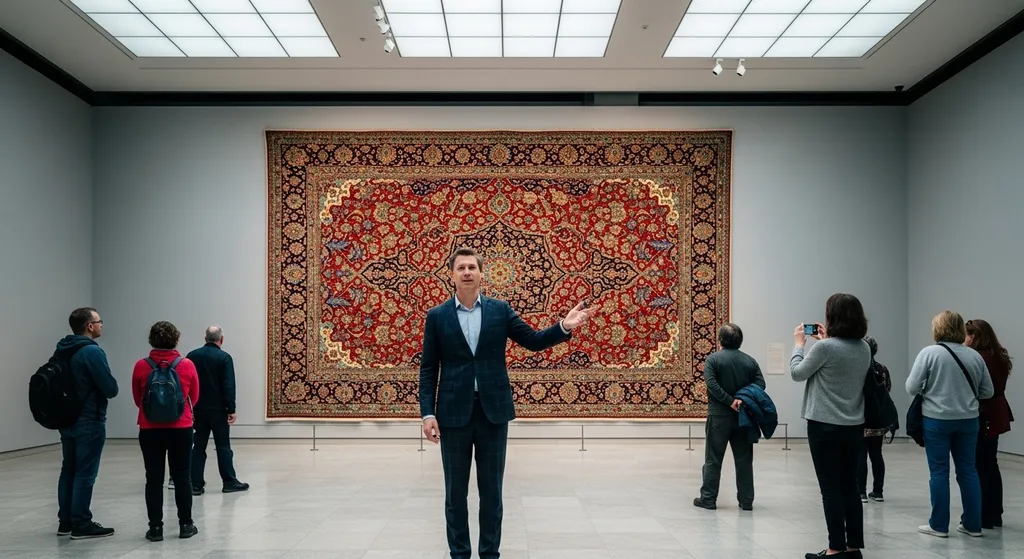
The
museum
is
hosting
an
exhibition
of
Iranian
carpets
woven
by
master
artisans
.
The
museum
is
hosting
an
exhibition
of
Iranian
carpets
woven
by
master
artisans
.
From
Iran
+
-ian
,
meaning
‘
of
or
belonging
to
Iran
’.
noun
a
citizen
or
native
of
Iran
,
or
a
person
of
Iranian
descent
•
An
Iranian
greeted
us
warmly
when
we
arrived
in
Tehran
.
An
Iranian
greeted
us
warmly
when
we
arrived
in
Tehran
.
•
Many
Iranians
attend
the
annual
Nowruz
festival
in
the
city
park
.
Many
Iranians
attend
the
annual
Nowruz
festival
in
the
city
park
.
From
Iran
+
-ian
,
first
recorded
in
English
in
the
19th
century
.
noun
-
Iranian
the
branch
of
the
Indo-Iranian
language
family
that
includes
Persian
,
Kurdish
,
Pashto
,
and
related
languages
•
She
specializes
in
Iranian
and
other
Indo-European
language
groups
.
She
specializes
in
Iranian
and
other
Indo-European
language
groups
.
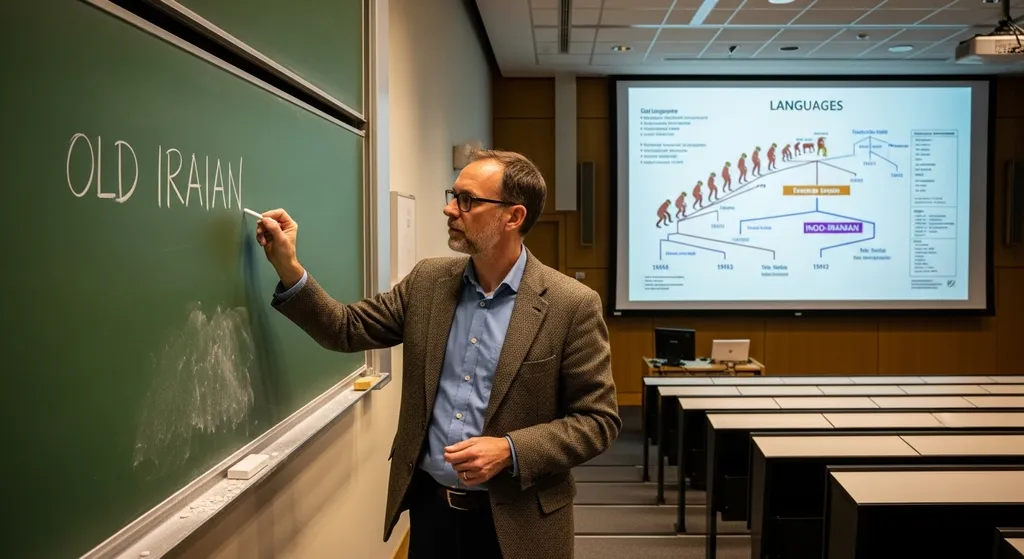
•
Old
Iranian
split
into
several
dialects
over
time
.
Old
Iranian
split
into
several
dialects
over
time
.
Linguistic
term
dating
to
the
late
19th
century
,
adopted
by
comparative
linguists
to
group
languages
spoken
in
historical
Iran
and
surrounding
regions
.
compliance
noun
willingness
to
obey
rules
or
requests
•
The
children
showed
perfect
compliance
and
put
away
their
toys
when
asked
.
The
children
showed
perfect
compliance
and
put
away
their
toys
when
asked
.
•
Airline
passengers
are
reminded
that
compliance
with
safety
instructions
is
required
before
take-off
.
Airline
passengers
are
reminded
that
compliance
with
safety
instructions
is
required
before
take-off
.
from
Latin
‘
complere
’
meaning
‘
to
fill
up
’
+
English
noun
suffix
‘
-ance
’
noun
the
act
of
following
laws
,
regulations
,
or
standards
,
especially
in
business
or
government
•
The
company
hired
a
specialist
to
ensure
compliance
with
environmental
regulations
.
The
company
hired
a
specialist
to
ensure
compliance
with
environmental
regulations
.
•
Failure
to
maintain
tax
compliance
can
lead
to
heavy
fines
.
Failure
to
maintain
tax
compliance
can
lead
to
heavy
fines
.
extension
of
the
general
meaning
to
legal
and
business
contexts
in
the
20th
century
noun
the
degree
to
which
a
patient
correctly
follows
medical
advice
or
a
treatment
plan
•
High
compliance
with
the
medication
schedule
reduced
the
risk
of
infection
.
High
compliance
with
the
medication
schedule
reduced
the
risk
of
infection
.
•
Doctors
track
compliance
to
see
whether
lifestyle
changes
are
working
.
Doctors
track
compliance
to
see
whether
lifestyle
changes
are
working
.
adapted
in
medical
literature
from
the
general
term
in
the
late
20th
century
noun
the
ease
with
which
a
material
or
structure
bends
or
stretches
when
a
force
is
applied
,
measured
as
the
opposite
of
stiffness
•
Rubber
has
high
compliance
,
allowing
it
to
absorb
shocks
.
Rubber
has
high
compliance
,
allowing
it
to
absorb
shocks
.
•
Designers
reduced
the
bridge
’
s
compliance
to
prevent
vibrations
in
strong
winds
.
Designers
reduced
the
bridge
’
s
compliance
to
prevent
vibrations
in
strong
winds
.
specialised
technical
sense
developed
from
the
general
idea
of
‘
yielding
’
in
the
19th
century
Syrian
adjective
relating
to
Syria
,
its
people
,
language
,
or
culture
•
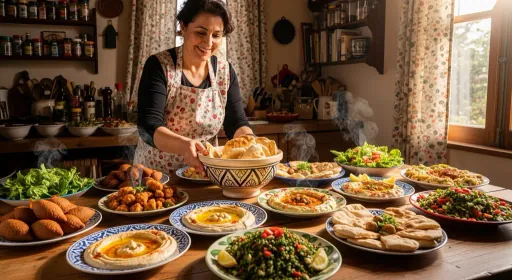
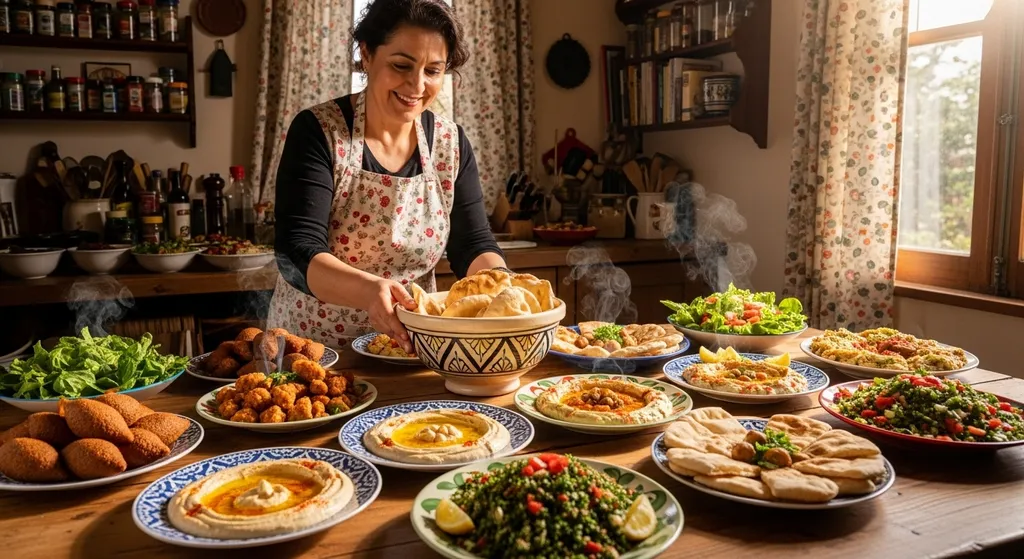
She
loves
Syrian
cuisine
,
especially
dishes
like
kibbeh
and
hummus
.
She
loves
Syrian
cuisine
,
especially
dishes
like
kibbeh
and
hummus
.
•
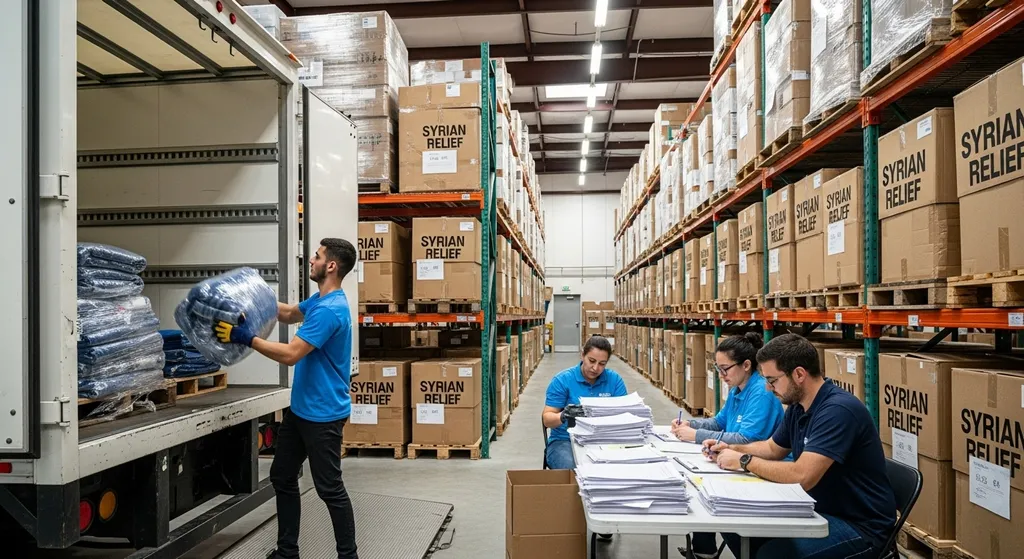
The
charity
shipped
blankets
to
help
people
in
Syrian
refugee
camps
.
The
charity
shipped
blankets
to
help
people
in
Syrian
refugee
camps
.
Formed
from
the
country
name
Syria
+
the
adjective
suffix
‑an
,
first
recorded
in
English
in
the
early
17th
century
.
noun
a
native
or
citizen
of
Syria
,
or
a
person
of
Syrian
ancestry
•
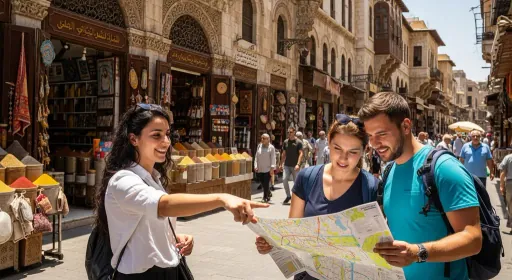
A
friendly
Syrian
offered
us
directions
when
we
got
lost
in
Damascus
.
A
friendly
Syrian
offered
us
directions
when
we
got
lost
in
Damascus
.
•
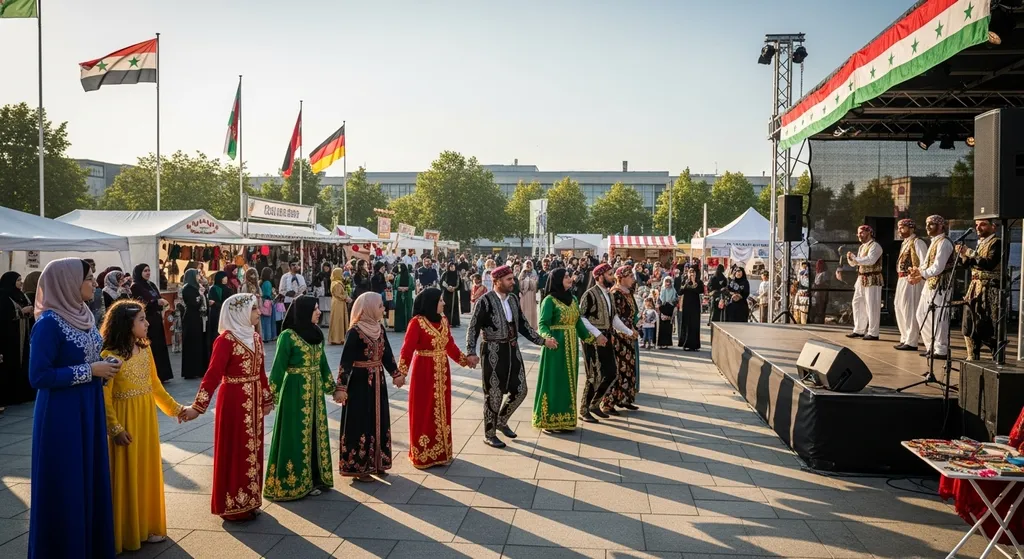
Large
numbers
of
Syrians
attended
the
cultural
festival
in
Berlin
.
Large
numbers
of
Syrians
attended
the
cultural
festival
in
Berlin
.
From
Latin
Syriānus
,
ultimately
from
ancient
Greek
Σύριος
(
Sýrios
, “
Syrian
”),
referring
to
the
inhabitants
of
ancient
Syria
.
guardian
noun
someone
whose
job
or
duty
is
to
protect
or
watch
over
a
person
,
place
,
or
thing
•
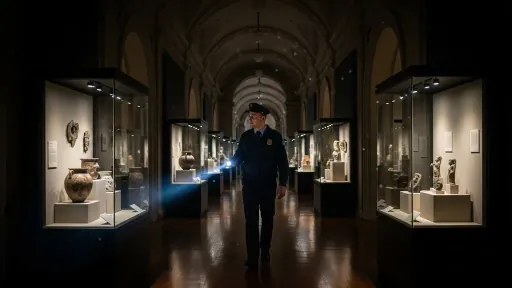
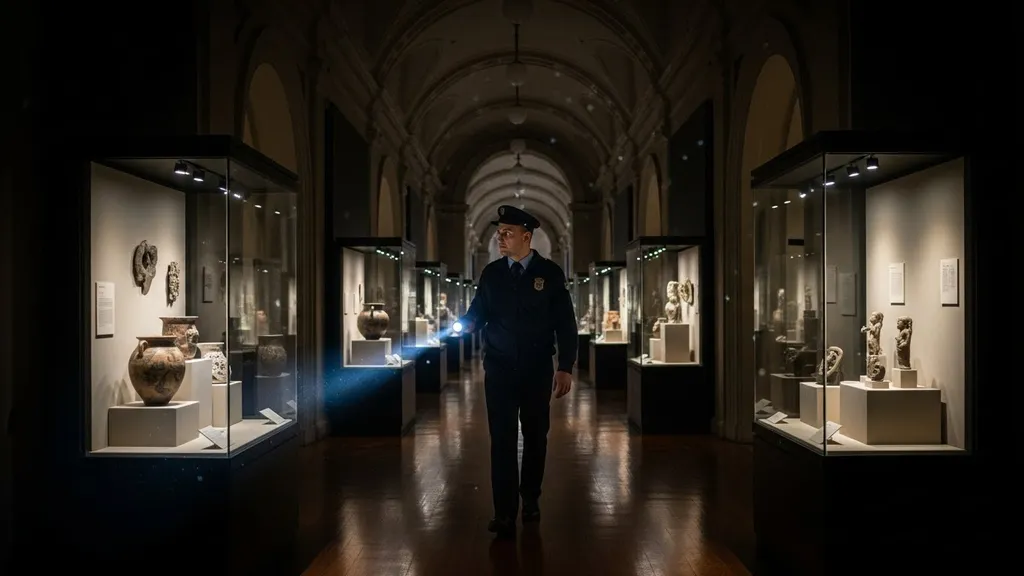
The
night
watchman
acted
as
a
guardian
of
the
museum
after
closing
time
.
The
night
watchman
acted
as
a
guardian
of
the
museum
after
closing
time
.
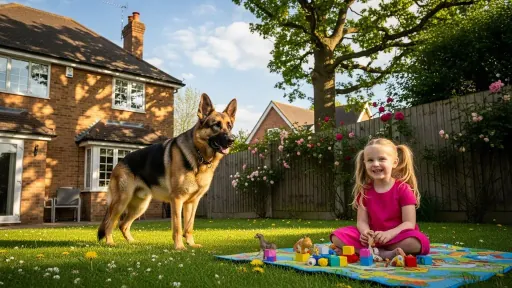
•
A
loyal
dog
can
be
a
faithful
guardian
of
a
family
home
.
A
loyal
dog
can
be
a
faithful
guardian
of
a
family
home
.
Late
Middle
English
from
Anglo-French
gardien
,
from
Old
French
guarder
“
to
guard
”
+-ian
suffix
.
noun
a
person
who
has
the
legal
authority
and
responsibility
to
care
for
a
child
when
the
child
’
s
parents
cannot
•
After
the
accident
,
her
aunt
became
her
legal
guardian
.
After
the
accident
,
her
aunt
became
her
legal
guardian
.
•
A
guardian
must
sign
the
school
permission
slip
for
the
trip
.
A
guardian
must
sign
the
school
permission
slip
for
the
trip
.
Guardian
noun
-
Guardian
a
British
national
daily
newspaper
known
formally
as
“
The
Guardian
”
•
She
reads
articles
from
The
Guardian
every
morning
with
her
coffee
.
She
reads
articles
from
The
Guardian
every
morning
with
her
coffee
.
•
An
investigative
report
in
the
Guardian
exposed
the
scandal
.
An
investigative
report
in
the
Guardian
exposed
the
scandal
.
Founded
in
Manchester
in
1821
as
The
Manchester
Guardian
;
renamed
The
Guardian
in
1959
.