




toqus
Picture Dictionary
English
한국어
Register
Login
🔍
these
determiner
Used
before
a
plural
noun
to
talk
about
people
or
things
that
are
close
to
the
speaker
in
space
,
time
,
or
in
the
conversation
.
•
Could
you
help
me
carry
these
boxes
upstairs
?
Could
you
help
me
carry
these
boxes
upstairs
?
•
I
love
these
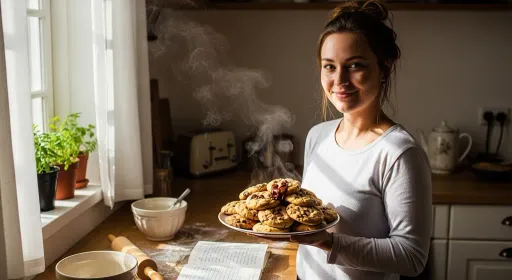
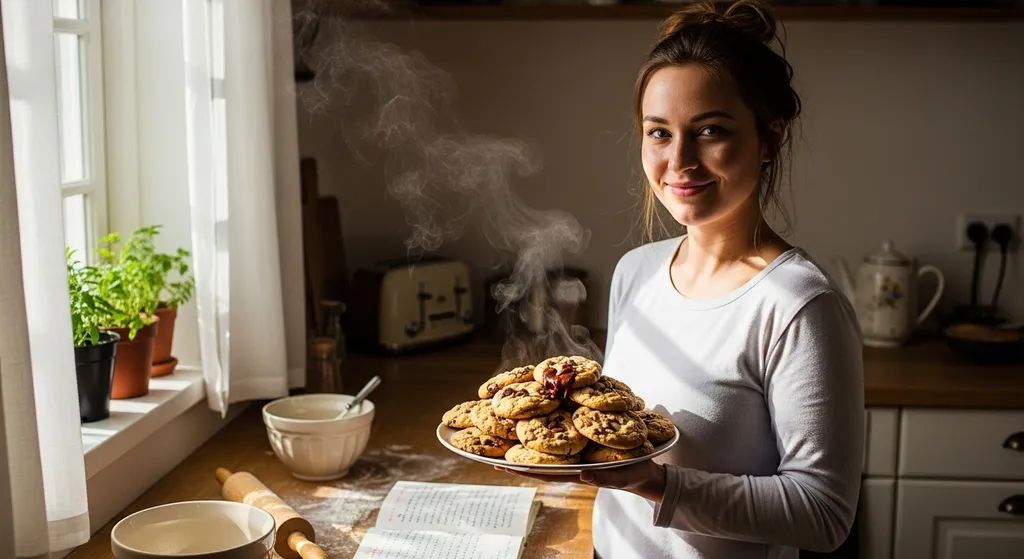
cookies
you
baked
.
I
love
these
cookies
you
baked
.
Old
English
thēos
,
plural
of
this
,
related
to
Old
Norse
þessar
and
German
diese
.
pronoun
Used
by
itself
to
refer
to
several
people
or
things
that
are
close
to
the
speaker
in
space
,
time
,
or
in
the
conversation
.
•
These
are
the
keys
you
were
looking
for
.
These
are
the
keys
you
were
looking
for
.
•
Take
a
look
at
these
—
aren't
they
beautiful
?
Take
a
look
at
these
—
aren't
they
beautiful
?
Old
English
thēos
,
plural
of
this
;
cognate
with
German
diese
and
Dutch
deze
.
one
pronoun
used
to
refer
to
a
person
or
thing
that
has
already
been
mentioned
or
is
known
•
I
like
the
blue
shirt
,
but
I'll
buy
the
red
one
.
I
like
the
blue
shirt
,
but
I'll
buy
the
red
one
.
•
Which
apple
do
you
want
?
This
one
or
that
one
?
Which
apple
do
you
want
?
This
one
or
that
one
?
pronoun
used
to
talk
about
people
in
general
,
including
the
speaker
and
listener
•
One
should
always
tell
the
truth
.
One
should
always
tell
the
truth
.
•
In
winter
,
one
can
see
snow
on
the
mountains
.
In
winter
,
one
can
see
snow
on
the
mountains
.
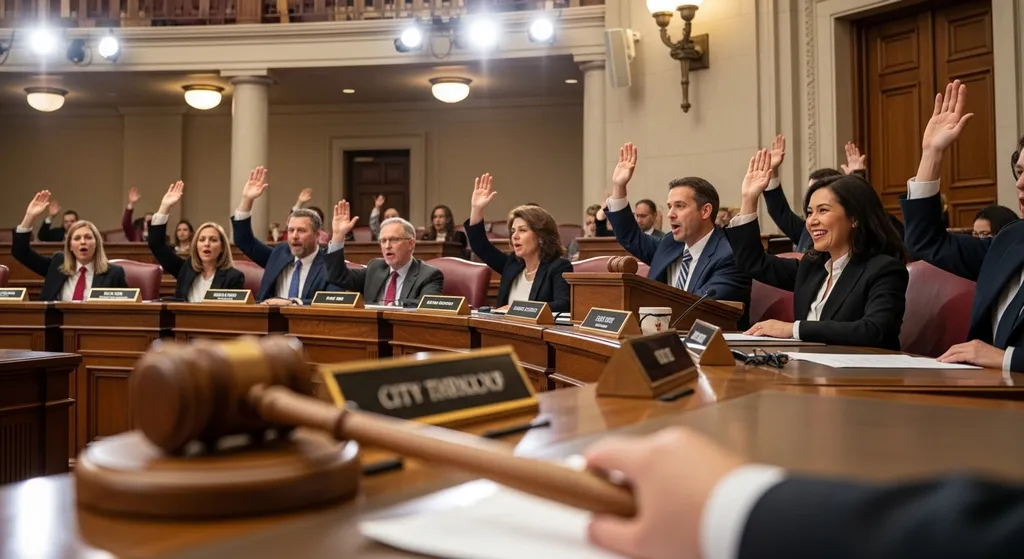
yes
noun
-
yes
,
yeses
a
word
or
vote
that
shows
agreement
or
permission
•
The
motion
passed
with
a
loud
chorus
of
yes
from
the
members
.
The
motion
passed
with
a
loud
chorus
of
yes
from
the
members
.
•
All
we
need
is
your
final
yes
to
start
the
project
.
All
we
need
is
your
final
yes
to
start
the
project
.
Derived
from
the
interjection
sense
by
nominalization
in
the
19th
century
.
research
noun
-
research
careful
and
organized
study
to
discover
new
facts
or
gain
deeper
knowledge
about
a
subject
•
The
scientist
spent
years
collecting
samples
for
her
research
on
climate
change
.
The
scientist
spent
years
collecting
samples
for
her
research
on
climate
change
.
•
Recent
research
suggests
that
getting
enough
sleep
improves
memory
.
Recent
research
suggests
that
getting
enough
sleep
improves
memory
.
Late
16th
century
,
from
French
"
recherche
"
meaning
"
search
" (
noun
and
verb
).
verb
-
research
,
researching
,
researches
,
researched
to
study
something
in
detail
to
discover
new
information
or
reach
new
conclusions
•
Before
buying
a
car
,
Tom
carefully
researched
different
models
and
prices
online
.
Before
buying
a
car
,
Tom
carefully
researched
different
models
and
prices
online
.
•
The
journalist
is
researching
a
story
about
renewable
energy
.
The
journalist
is
researching
a
story
about
renewable
energy
.
Derived
from
the
noun
form
;
first
used
as
a
verb
in
early
17th
century
.
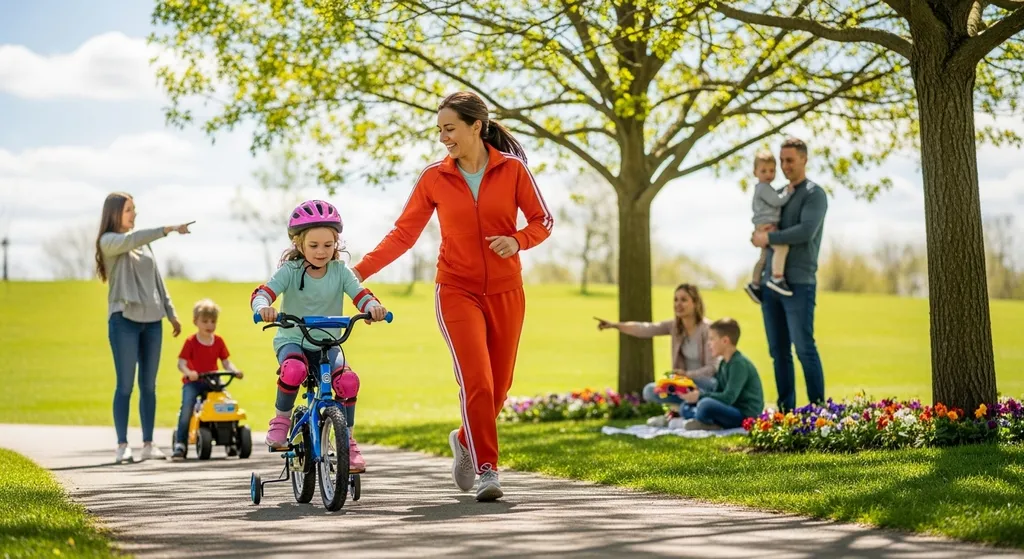
anyone
pronoun
any
person
at
all
,
without
limiting
who
it
could
be
•
Anyone
can
learn
to
ride
a
bike
with
enough
practice
.
Anyone
can
learn
to
ride
a
bike
with
enough
practice
.
•
Is
there
anyone
inside
the
house
?
Is
there
anyone
inside
the
house
?
Formed
from
the
adjective
“
any
”
+
the
numeral
“
one
,”
recorded
in
English
since
the
1300s
.
pronoun
a
person
who
is
important
,
famous
,
or
worth
noticing
(
usually
in
negatives
or
questions
)
•
I'm
not
anyone
special
;
I
just
did
my
job
.
I'm
not
anyone
special
;
I
just
did
my
job
.
•
Do
you
think
you're
anyone
now
that
you
have
ten
thousand
followers
?
Do
you
think
you're
anyone
now
that
you
have
ten
thousand
followers
?
Extension
of
the
general
sense
“
any
person
,”
gaining
the
nuance
of
“
someone
noteworthy
”
in
colloquial
English
during
the
late
1800s
.
represent
verb
to
act
or
speak
officially
for
another
person
,
group
,
or
country
•
The
lawyer
will
represent
the
company
in
court
tomorrow
.
The
lawyer
will
represent
the
company
in
court
tomorrow
.
•
We
chose
Maria
to
represent
our
class
at
the
student
council
meeting
.
We
chose
Maria
to
represent
our
class
at
the
student
council
meeting
.
From
Middle
English
representen
,
from
Old
French
représenter
,
from
Latin
repraesentāre
“
to
place
before
,
show
,
exhibit
”.
verb
to
be
a
symbol
or
sign
of
something
;
to
stand
for
•
In
many
cultures
,
white
doves
represent
peace
.
In
many
cultures
,
white
doves
represent
peace
.
•
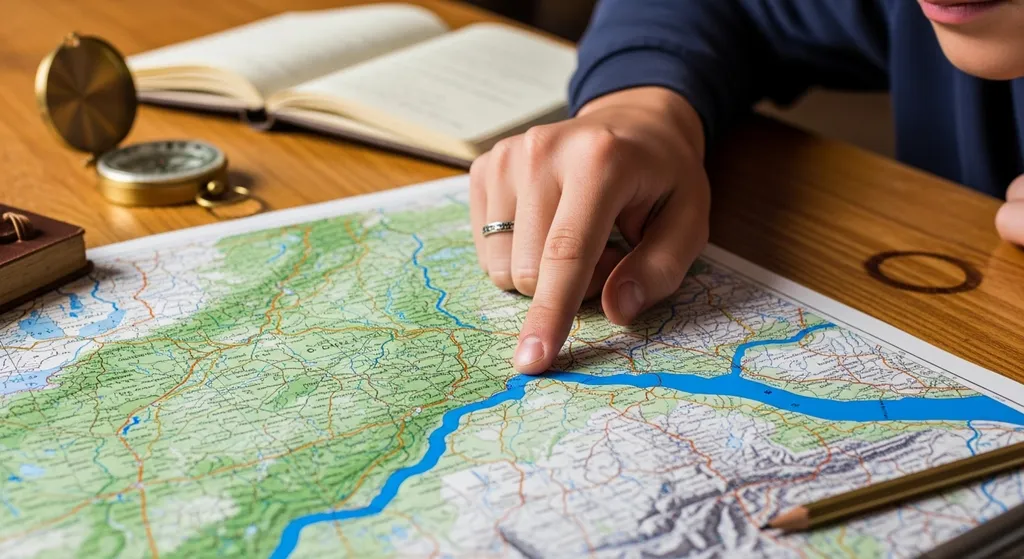
On
maps
,
a
blue
line
usually
represents
a
river
.
On
maps
,
a
blue
line
usually
represents
a
river
.
verb
to
show
or
portray
something
in
a
picture
,
description
,
model
,
or
performance
•
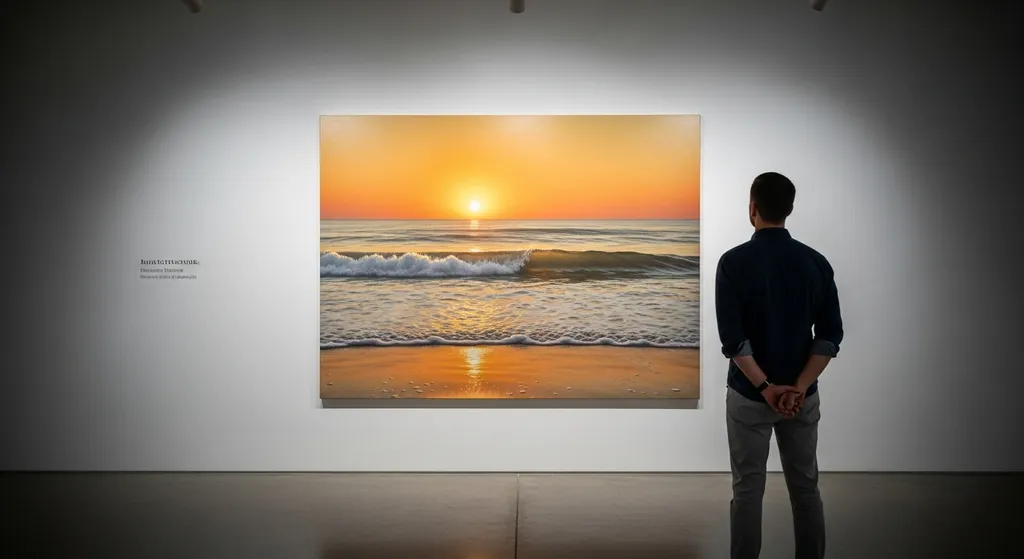
The
painting
represents
a
calm
evening
by
the
sea
.
The
painting
represents
a
calm
evening
by
the
sea
.
•
This
3-D
model
represents
the
new
city
hall
design
.
This
3-D
model
represents
the
new
city
hall
design
.
verb
to
amount
to
or
be
the
same
as
something
;
to
constitute
•
Women
represent
60
percent
of
the
company
’
s
workforce
.
Women
represent
60
percent
of
the
company
’
s
workforce
.
•
This
figure
represents
a
major
step
forward
for
our
research
.
This
figure
represents
a
major
step
forward
for
our
research
.
researcher
noun
a
person
who
studies
a
subject
closely
in
order
to
discover
new
facts
or
deepen
knowledge
about
it
•
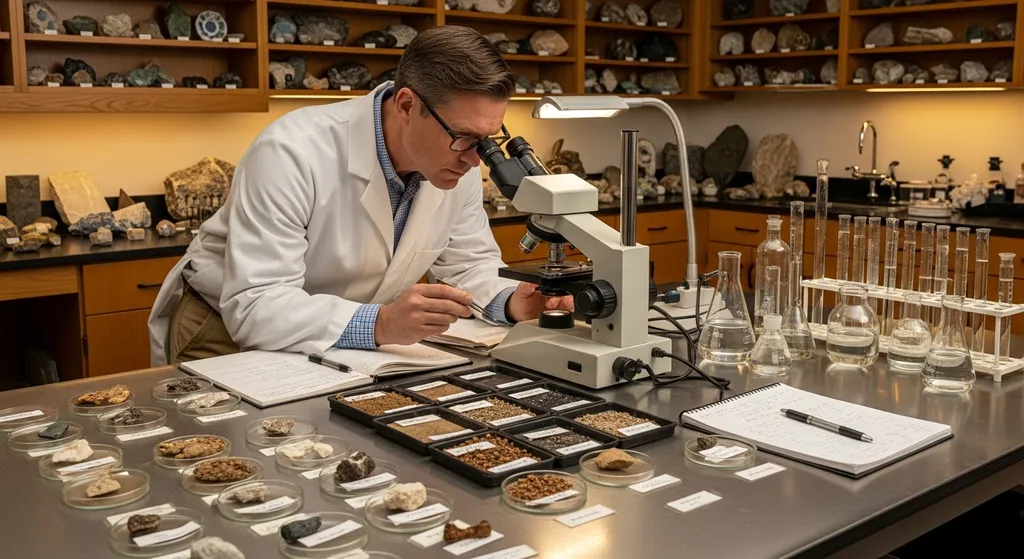
The
researcher
examined
the
soil
samples
under
a
microscope
.
The
researcher
examined
the
soil
samples
under
a
microscope
.
•
As
a
medical
researcher
,
she
hopes
to
find
a
cure
for
the
disease
.
As
a
medical
researcher
,
she
hopes
to
find
a
cure
for
the
disease
.
From
research
+
-er
,
first
recorded
in
English
in
the
late
17th
century
.
presence
noun
the
state
or
fact
of
being
in
a
particular
place
or
being
with
someone
•
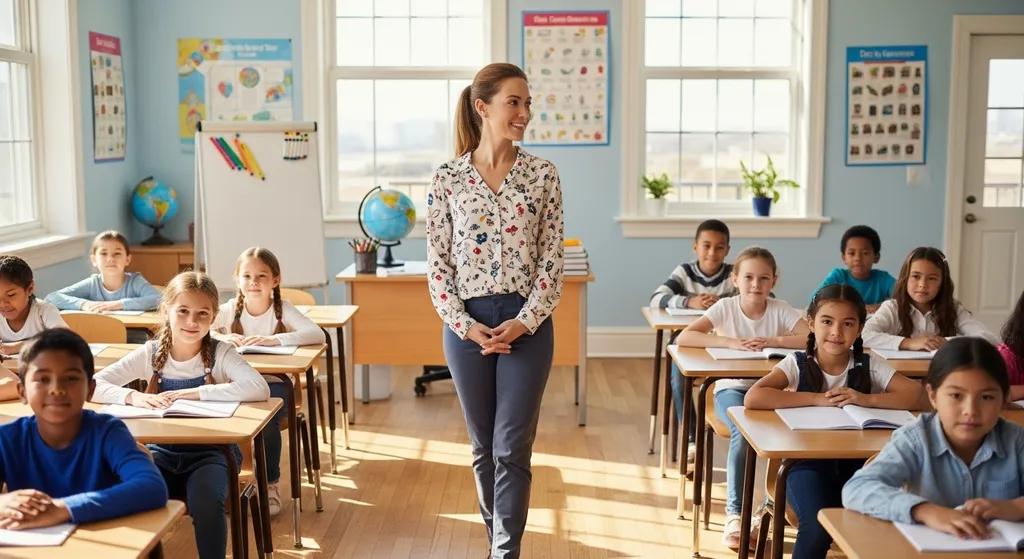
Her
calm
presence
in
the
classroom
made
the
students
relax
.
Her
calm
presence
in
the
classroom
made
the
students
relax
.
•
The
mere
presence
of
security
cameras
can
deter
crime
.
The
mere
presence
of
security
cameras
can
deter
crime
.
noun
a
group
of
people
,
equipment
,
or
activities
that
represents
an
organization
or
exerts
influence
in
a
place
•
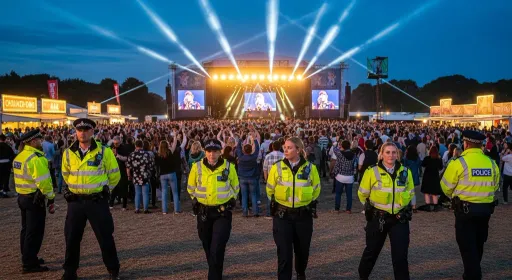
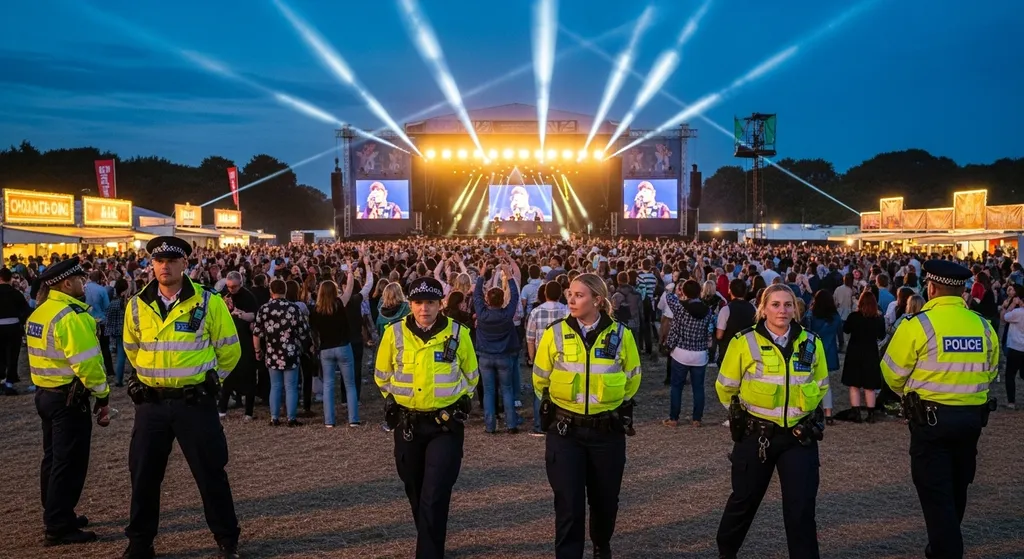
There
was
a
heavy
police
presence
at
the
festival
.
There
was
a
heavy
police
presence
at
the
festival
.
•
The
company
wants
to
expand
its
market
presence
in
Asia
.
The
company
wants
to
expand
its
market
presence
in
Asia
.
noun
the
quality
of
seeming
important
,
confident
,
or
impressive
and
attracting
attention
•
The
actor's
stage
presence
captivated
the
audience
.
The
actor's
stage
presence
captivated
the
audience
.
•
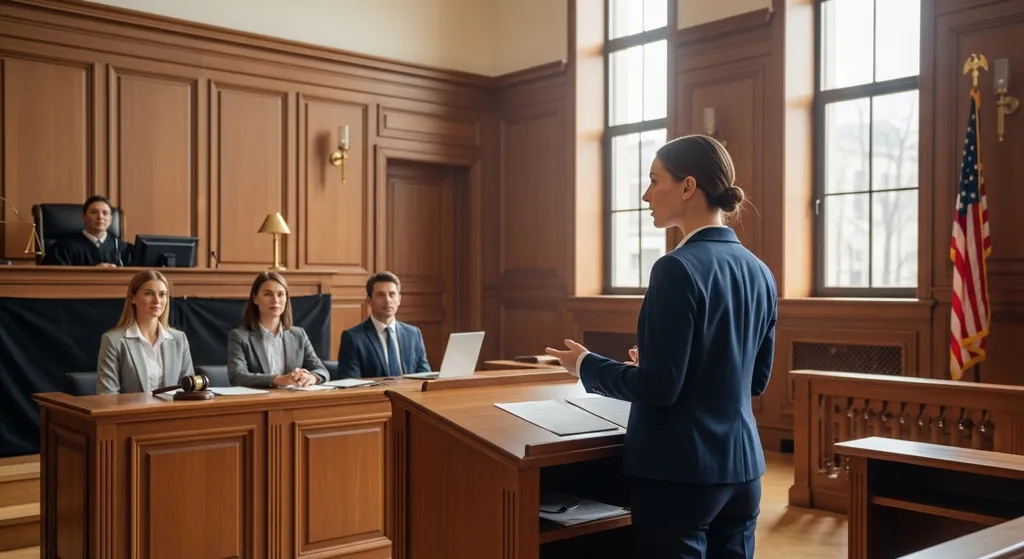
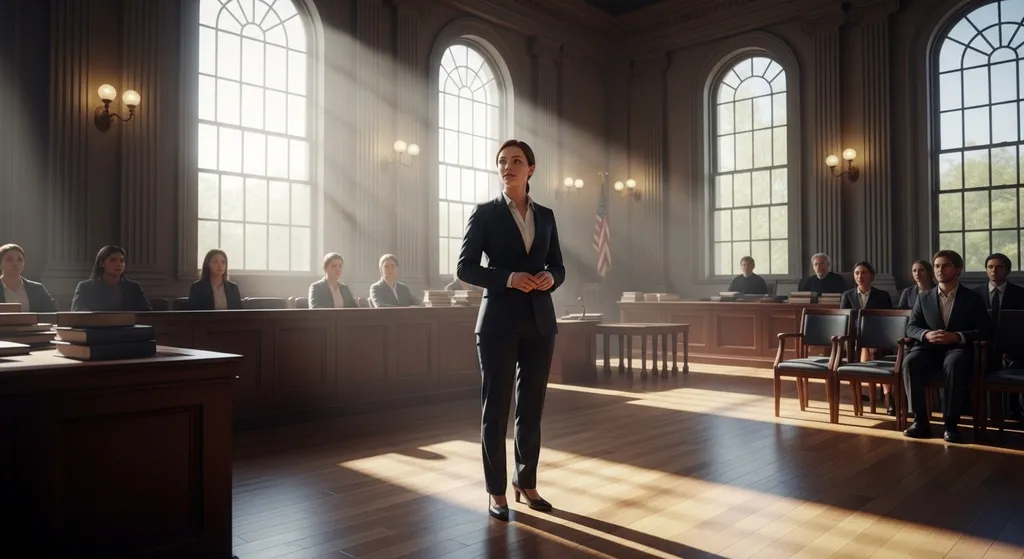
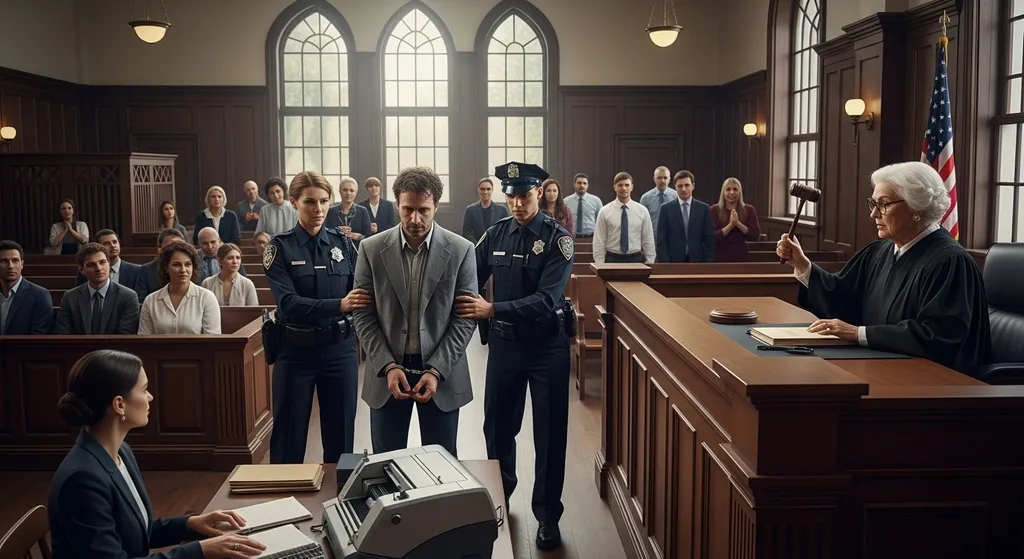
She
has
a
commanding
presence
in
the
courtroom
.
She
has
a
commanding
presence
in
the
courtroom
.
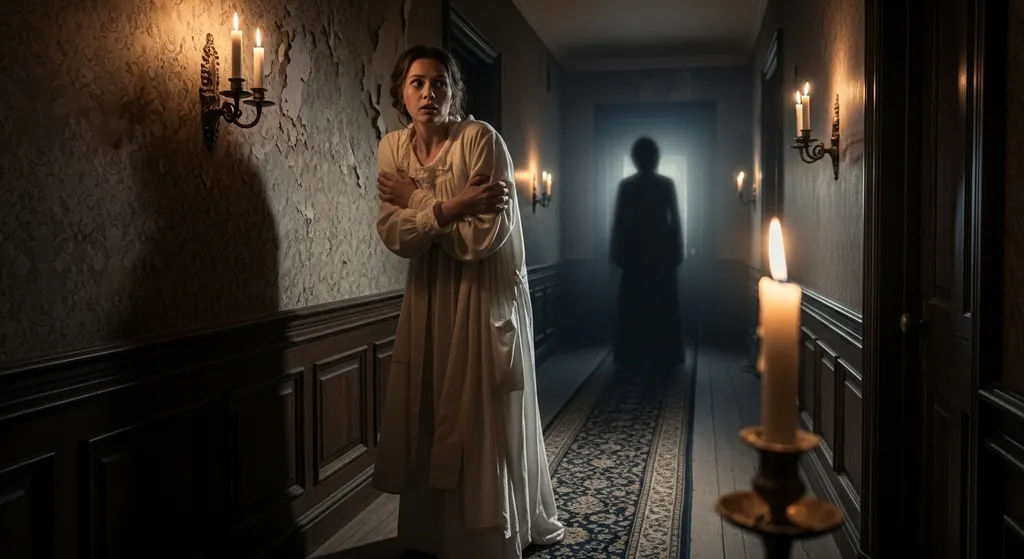
noun
a
spirit
,
ghost
,
or
invisible
being
that
is
felt
or
sensed
rather
than
seen
•
Late
at
night
,
she
felt
a
strange
presence
in
the
old
house
.
Late
at
night
,
she
felt
a
strange
presence
in
the
old
house
.
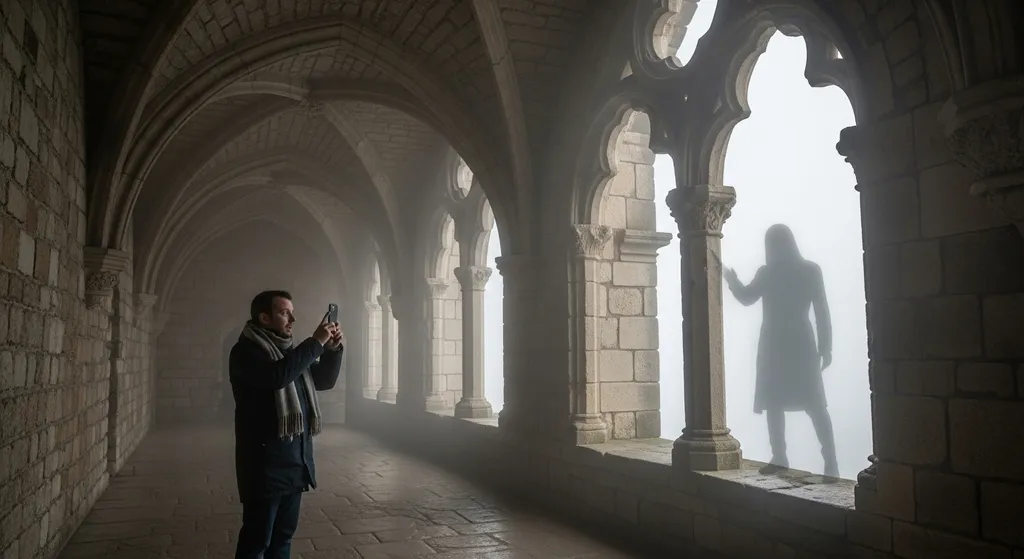
•
They
say
a
ghostly
presence
haunts
the
castle
halls
.
They
say
a
ghostly
presence
haunts
the
castle
halls
.
noun
the
room
,
company
,
or
personal
space
of
a
monarch
or
other
high
ruler
(
archaic
)
•
The
nobles
waited
in
the
royal
presence
before
presenting
their
petition
.
The
nobles
waited
in
the
royal
presence
before
presenting
their
petition
.
•
Entering
the
king's
presence
required
a
deep
bow
.
Entering
the
king's
presence
required
a
deep
bow
.
Chinese
adjective
-
Chinese
coming
from
,
belonging
to
,
or
connected
with
China
or
its
people
,
culture
,
or
products
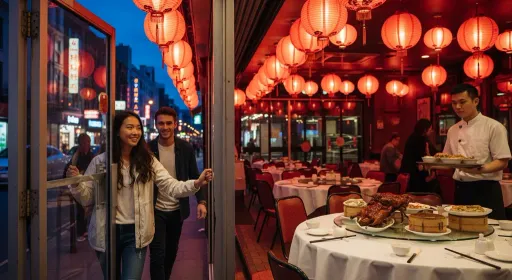
•
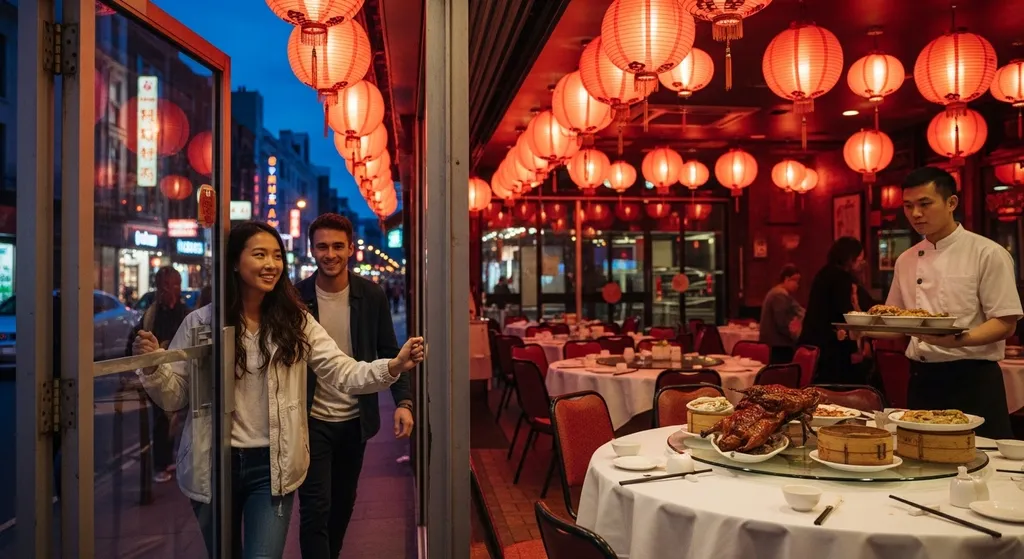
We
went
to
a
Chinese
restaurant
for
dinner
.
We
went
to
a
Chinese
restaurant
for
dinner
.
•
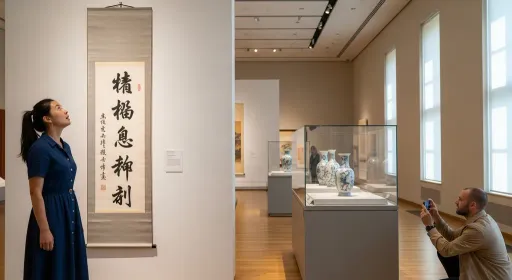
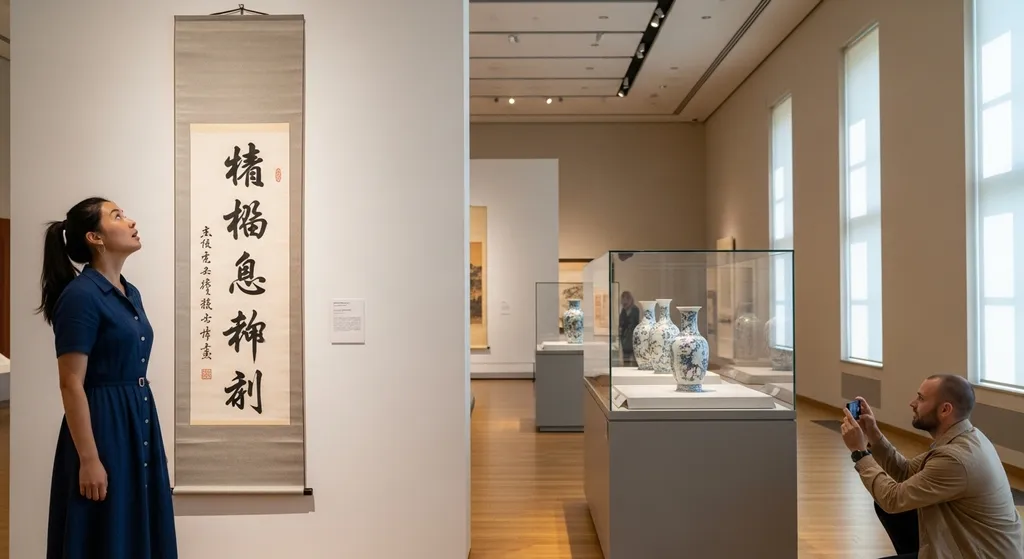
She
loves
Chinese
art
and
calligraphy
.
She
loves
Chinese
art
and
calligraphy
.
From
China
+
‑ese
,
a
suffix
forming
demonyms
and
adjectives
.
noun
-
Chinese
a
person
who
comes
from
China
or
whose
family
comes
from
China
•
A
Chinese
greeted
us
warmly
when
we
arrived
in
Beijing
.
A
Chinese
greeted
us
warmly
when
we
arrived
in
Beijing
.
•
The
team
includes
a
Chinese
and
a
Japanese
player
.
The
team
includes
a
Chinese
and
a
Japanese
player
.
First
recorded
in
English
in
the
16th
century
,
as
a
demonym
formed
from
China
+
‑ese
.
noun
-
Chinese
the
language
or
group
of
related
languages
spoken
in
China
,
especially
Mandarin
•
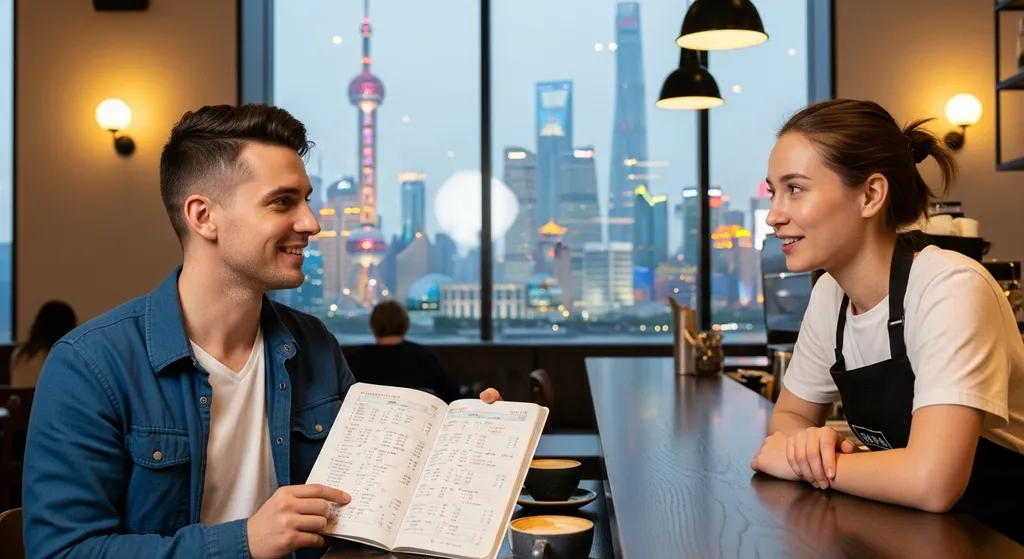
He
speaks
Chinese
fluently
after
living
in
Shanghai
.
He
speaks
Chinese
fluently
after
living
in
Shanghai
.
•
I
am
learning
Chinese
online
every
evening
.
I
am
learning
Chinese
online
every
evening
.
Adopted
in
English
to
refer
to
the
language
(
s
)
of
China
by
the
17th
century
.
present
noun
a
gift
that
you
give
someone
to
celebrate
,
thank
,
or
help
them
•
I
wrapped
a
colorful
present
for
my
sister
’
s
birthday
.
I
wrapped
a
colorful
present
for
my
sister
’
s
birthday
.
•
They
brought
a
small
present
to
say
thank
you
for
dinner
.
They
brought
a
small
present
to
say
thank
you
for
dinner
.
From
Anglo-French
‘
present
’
meaning
‘
thing
offered
’.
adjective
existing
or
happening
now
•
In
the
present
situation
,
we
need
to
stay
calm
.
In
the
present
situation
,
we
need
to
stay
calm
.
•
This
report
looks
at
how
smartphones
affect
the
present
generation
.
This
report
looks
at
how
smartphones
affect
the
present
generation
.
From
Latin
praēsēns
‘
being
at
hand
’.
adjective
being
in
the
place
where
you
are
expected
or
supposed
to
be
•
All
the
players
were
present
at
the
morning
practice
.
All
the
players
were
present
at
the
morning
practice
.
•
Please
check
that
every
student
is
present
before
we
begin
the
exam
.
Please
check
that
every
student
is
present
before
we
begin
the
exam
.
From
Old
French
,
meaning
‘
at
hand
’.
noun
-
present
the
time
that
is
happening
right
now
•
Forget
the
past
and
focus
on
the
present
.
Forget
the
past
and
focus
on
the
present
.
•
The
novel
moves
between
the
present
and
the
1950s
.
The
novel
moves
between
the
present
and
the
1950s
.
Sense
developed
from
the
adjective
‘
present
’
meaning
‘
existing
now
’.
verb
-
present
,
presenting
,
presents
,
presented
to
give
or
hand
something
to
someone
in
a
formal
or
official
way
•
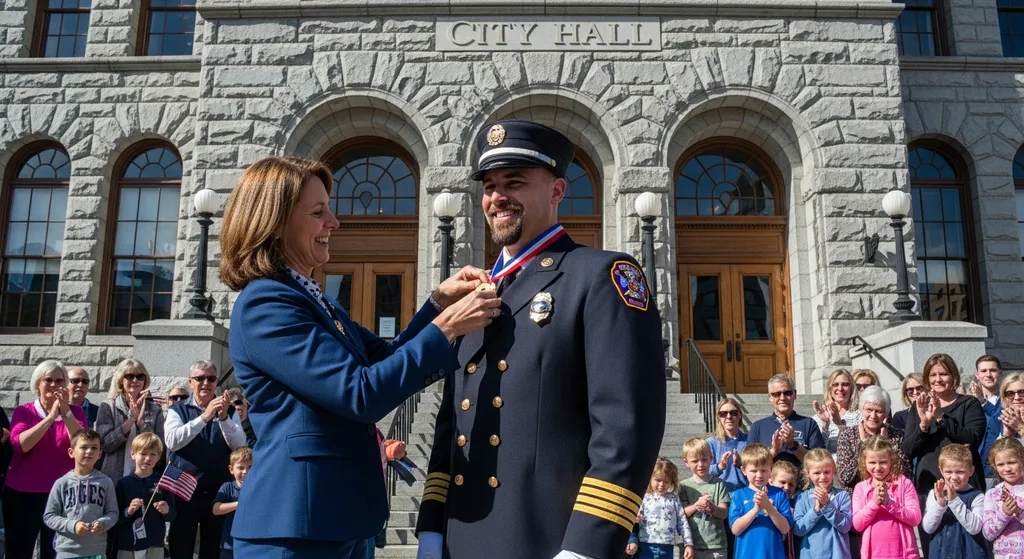
The
mayor
will
present
the
medal
to
the
firefighter
.
The
mayor
will
present
the
medal
to
the
firefighter
.
•
Winners
are
asked
to
stand
on
stage
while
sponsors
present
the
checks
.
Winners
are
asked
to
stand
on
stage
while
sponsors
present
the
checks
.
Late
Middle
English
,
from
Latin
‘
praesentare
’
meaning
‘
place
before
’.
verb
-
present
,
presenting
,
presents
,
presented
to
introduce
someone
or
something
to
an
audience
•
Let
me
present
our
guest
speaker
,
Dr
.
Lee
.
Let
me
present
our
guest
speaker
,
Dr
.
Lee
.
•
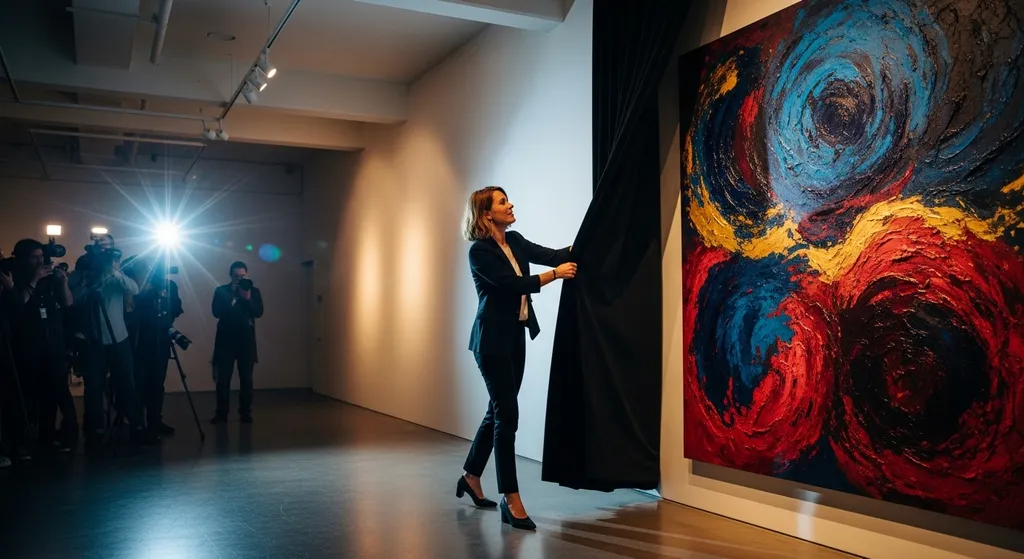
The
museum
will
present
a
new
exhibition
next
month
.
The
museum
will
present
a
new
exhibition
next
month
.
Extended
sense
of
‘
present
’
meaning
‘
set
before
an
audience
’.
verb
-
present
,
presenting
,
presents
,
presented
to
show
or
display
something
for
others
to
see
or
consider
•
Researchers
will
present
their
findings
at
the
conference
.
Researchers
will
present
their
findings
at
the
conference
.
•
The
data
are
presented
in
the
chart
on
page
12
.
The
data
are
presented
in
the
chart
on
page
12
.
From
Latin
‘
praesentare
’,
sense
‘
show
publicly
’.
deserve
verb
-
deserve
,
deserving
,
deserves
,
deserved
to
have
earned
something
,
good
or
bad
,
because
of
what
you
have
done
or
what
you
are
like
•
After
studying
hard
all
year
,
Maya
felt
she
deserved
a
break
.
After
studying
hard
all
year
,
Maya
felt
she
deserved
a
break
.
•
That
player
deserves
the
trophy
for
his
excellent
performance
.
That
player
deserves
the
trophy
for
his
excellent
performance
.
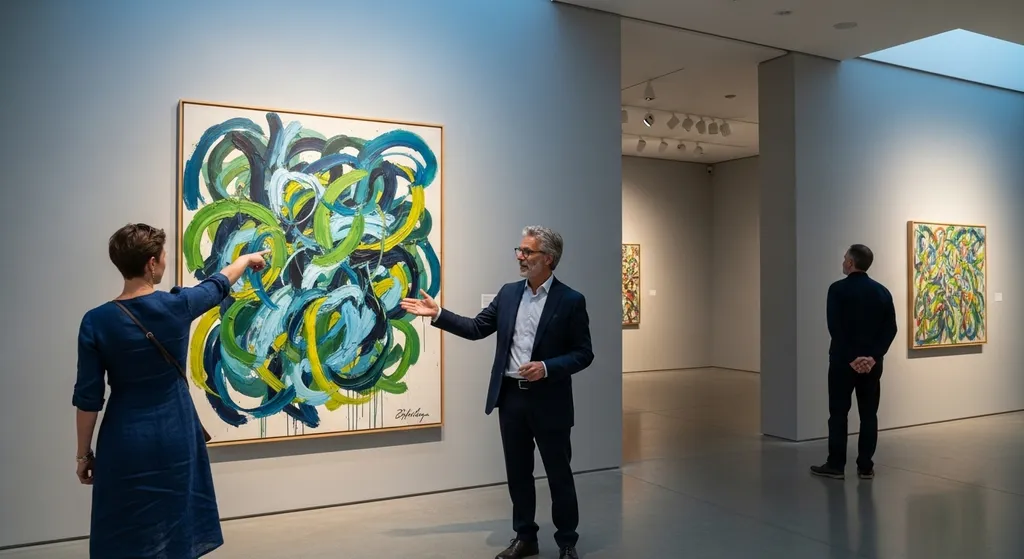
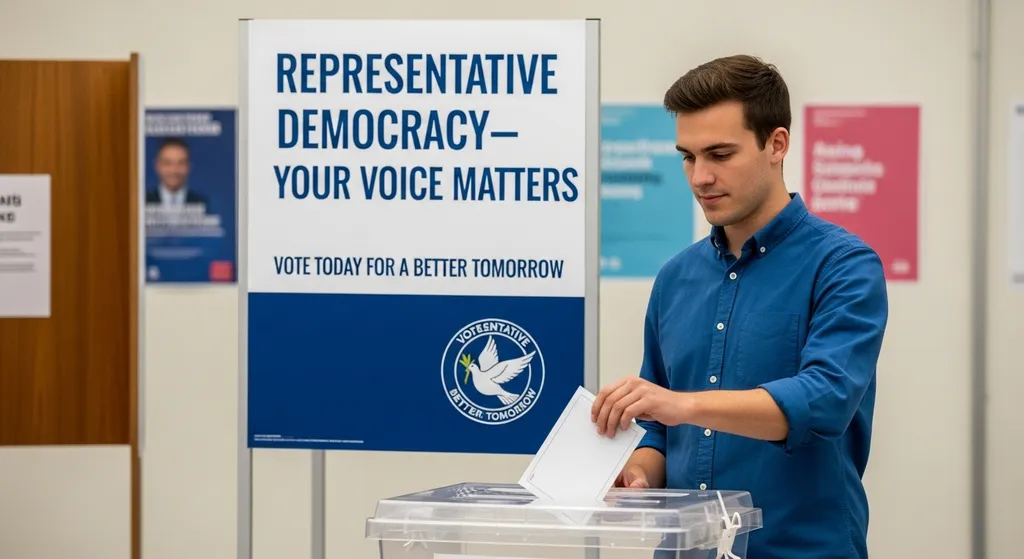
representative
noun
a
person
who
is
chosen
or
elected
to
speak
or
act
for
a
group
of
other
people
•
The
town
elected
Maria
as
their
representative
on
the
council
.
The
town
elected
Maria
as
their
representative
on
the
council
.
•
Each
class
sends
one
representative
to
the
student
parliament
.
Each
class
sends
one
representative
to
the
student
parliament
.
from
Medieval
Latin
repraesentativus
“
serving
to
represent
,”
from
Latin
repraesentare
“
to
show
,
present
”
+
‑ivus
"
-ive
".
noun
someone
who
promotes
and
sells
a
company
’
s
products
or
services
to
customers
•
A
representative
from
the
software
company
gave
us
a
demo
.
A
representative
from
the
software
company
gave
us
a
demo
.
•
The
pharmaceutical
representative
visited
the
hospital
on
Tuesday
.
The
pharmaceutical
representative
visited
the
hospital
on
Tuesday
.
extended
commercial
sense
recorded
in
the
late
19th
century
.
adjective
showing
the
typical
qualities
of
a
larger
group
so
that
it
can
stand
for
that
group
•
We
took
a
representative
sample
of
100
households
.
We
took
a
representative
sample
of
100
households
.
•
This
painting
is
representative
of
her
early
style
.
This
painting
is
representative
of
her
early
style
.
adjective
use
from
Latin
repraesentativus
,
meaning
'serving
to
present
or
exhibit'
.
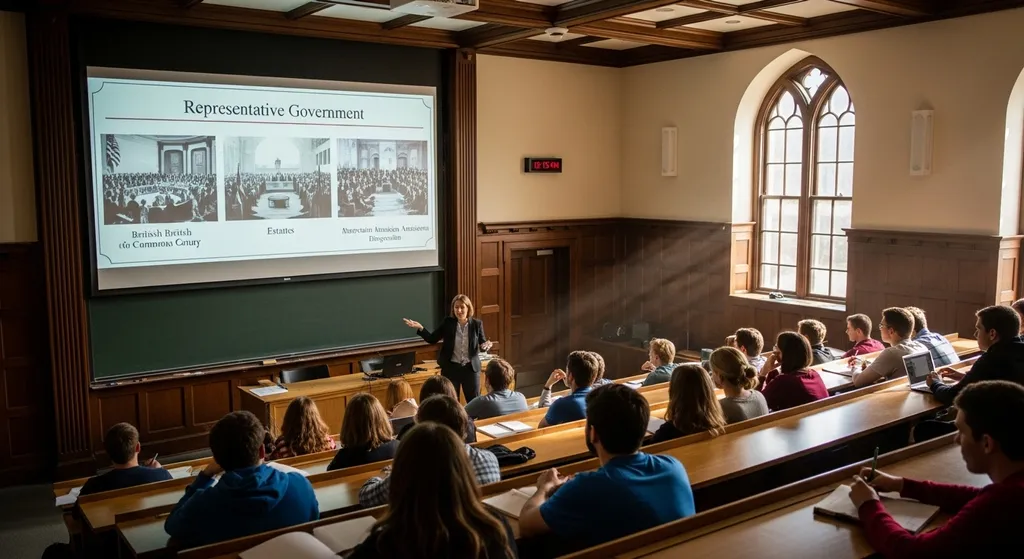
adjective
relating
to
a
political
system
in
which
people
choose
others
to
make
decisions
for
them
•
They
studied
the
history
of
representative
government
in
class
.
They
studied
the
history
of
representative
government
in
class
.
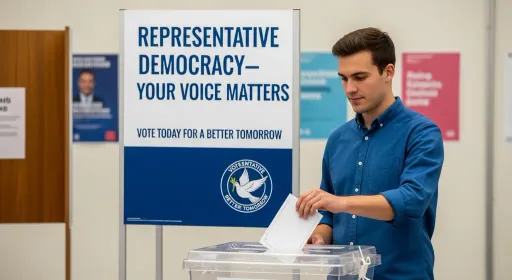
•
A
representative
democracy
allows
citizens
to
vote
for
lawmakers
.
A
representative
democracy
allows
citizens
to
vote
for
lawmakers
.
political
sense
popularized
in
the
17th
century
amid
debates
on
parliamentary
rule
.
Japanese
adjective
-
Japanese
relating
to
Japan
,
its
people
,
language
,
or
culture
•
We
enjoyed
a
delicious
Japanese
dinner
at
the
new
restaurant
downtown
.
We
enjoyed
a
delicious
Japanese
dinner
at
the
new
restaurant
downtown
.
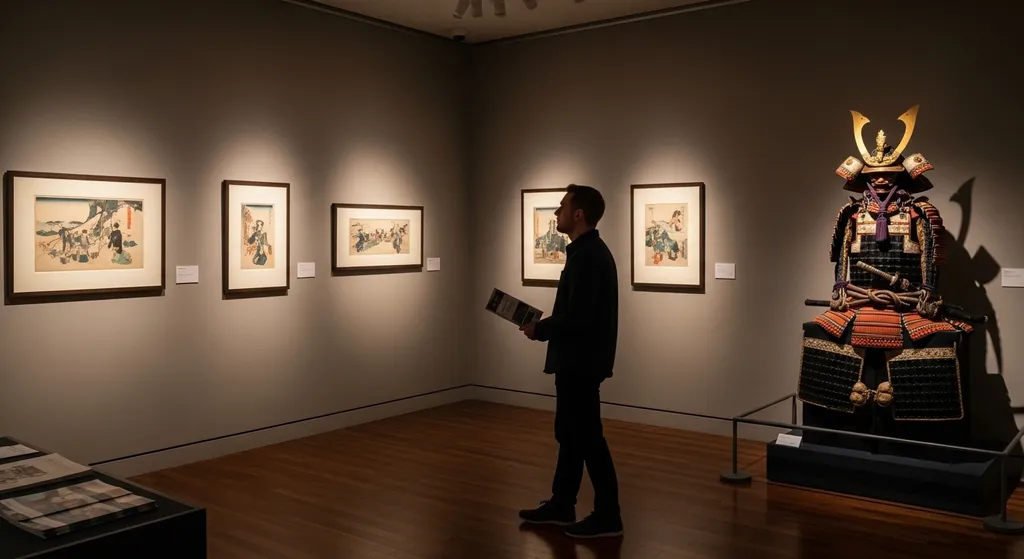
•
The
museum
has
a
special
exhibit
of
Japanese
art
from
the
Edo
period
.
The
museum
has
a
special
exhibit
of
Japanese
art
from
the
Edo
period
.
noun
-
Japanese
a
person
who
is
from
Japan
•
A
friendly
Japanese
offered
to
help
us
find
our
train
platform
.
A
friendly
Japanese
offered
to
help
us
find
our
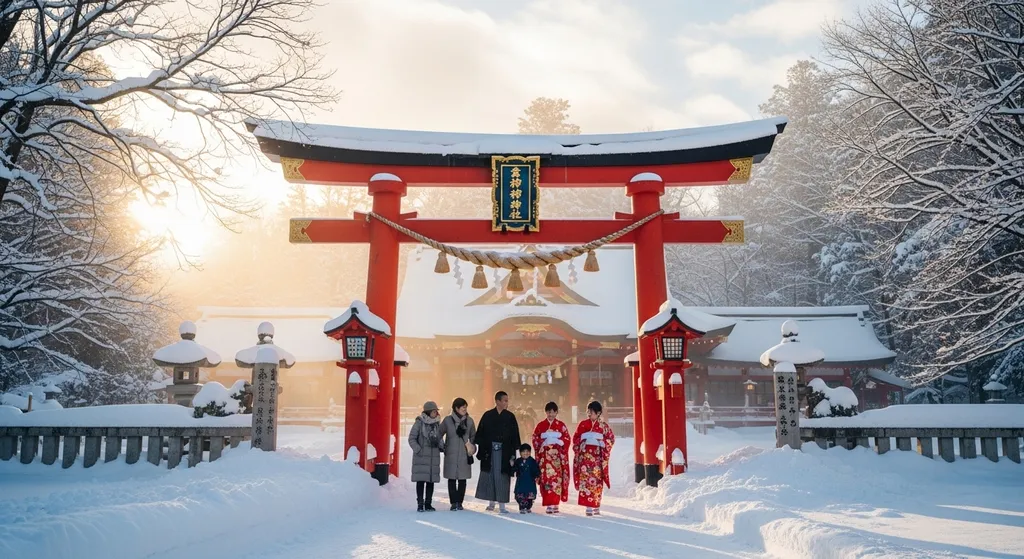
train
platform
.
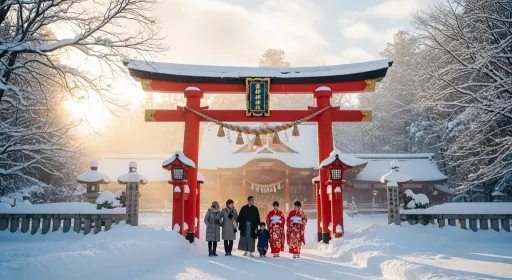
•
Many
Japanese
celebrate
the
New
Year
by
visiting
shrines
.
Many
Japanese
celebrate
the
New
Year
by
visiting
shrines
.
noun
-
Japanese
the
official
language
spoken
in
Japan
•
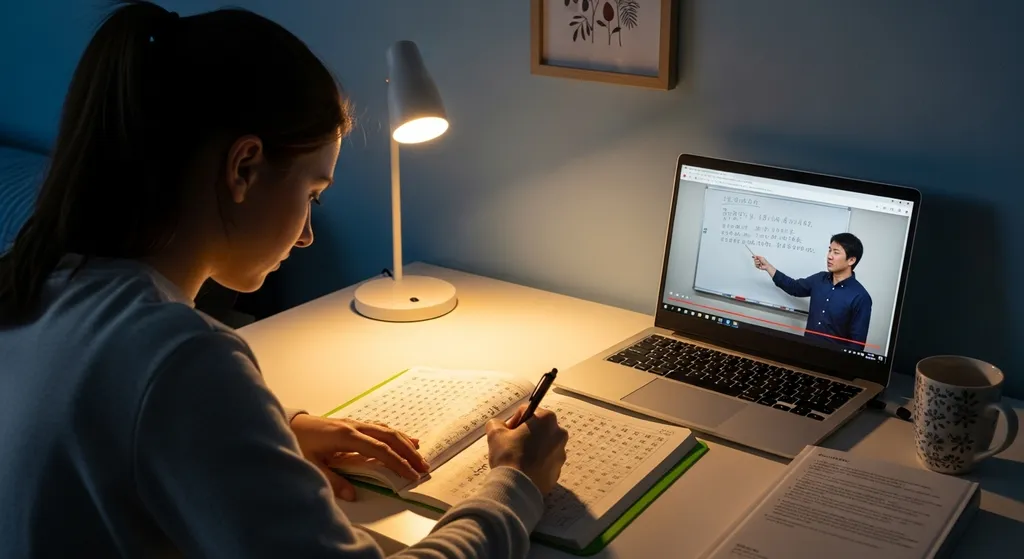
She
studies
Japanese
every
evening
to
prepare
for
her
trip
to
Kyoto
.
She
studies
Japanese
every
evening
to
prepare
for
her
trip
to
Kyoto
.
•
The
video
game
is
only
available
in
Japanese
right
now
.
The
video
game
is
only
available
in
Japanese
right
now
.
cheese
noun
a
solid
food
made
from
milk
that
is
pressed
and
aged
in
many
different
varieties
•
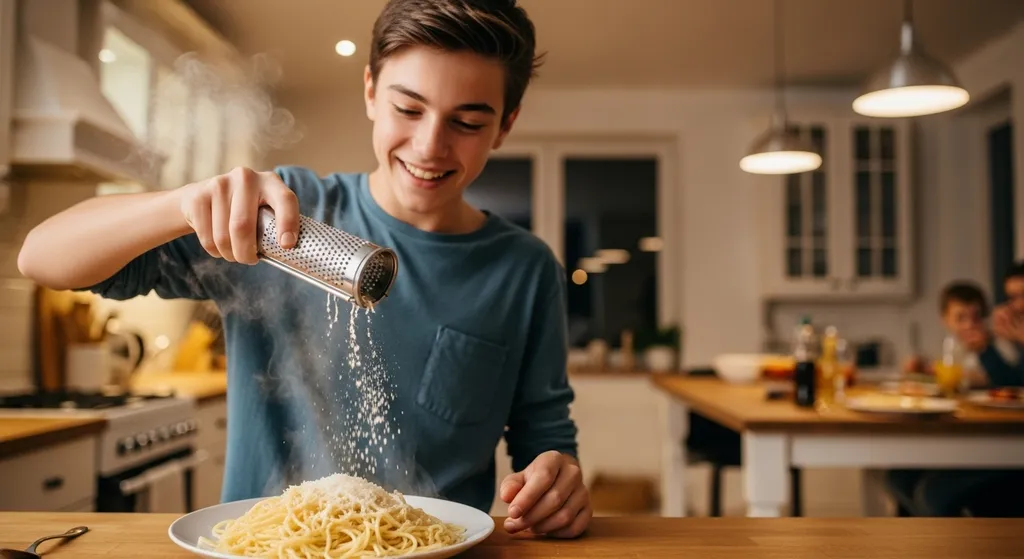
He
sprinkled
grated
cheese
over
his
spaghetti
.
He
sprinkled
grated
cheese
over
his
spaghetti
.
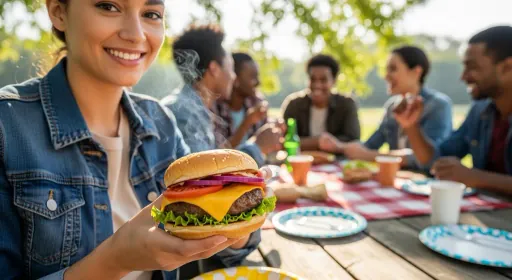
•
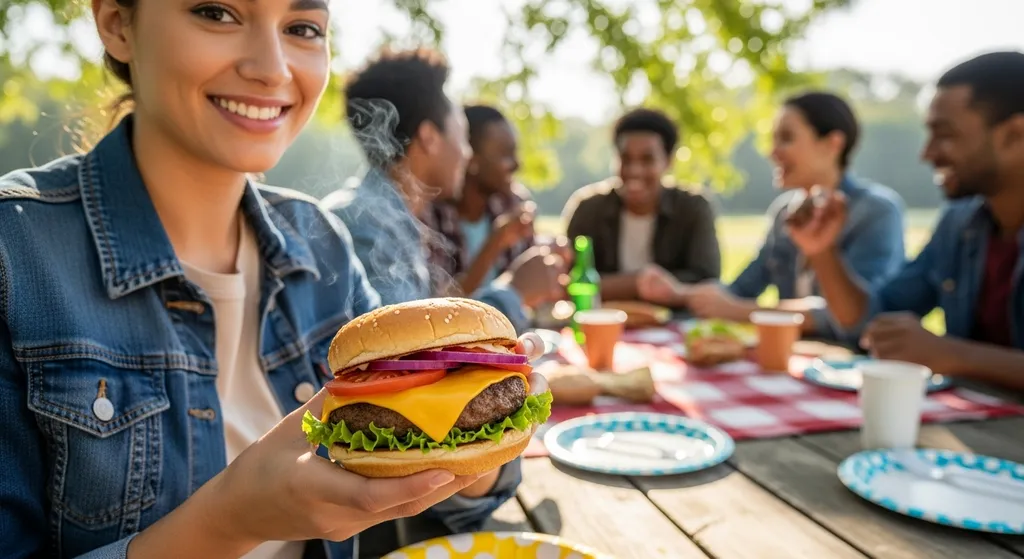
A
slice
of
cheese
melted
on
the
burger
,
making
it
look
even
tastier
.
A
slice
of
cheese
melted
on
the
burger
,
making
it
look
even
tastier
.
From
Old
English
ċēse
,
from
Proto-Germanic
*kāsijaz
,
ultimately
from
Proto-Indo-European
*kwat-
(“
to
ferment
,
become
sour
”).
verb
-
cheese
,
cheesing
,
cheeses
,
cheesed
(
informal
)
to
smile
widely
,
especially
when
being
photographed
•
Everyone
cheesed
for
the
group
photo
at
the
wedding
.
Everyone
cheesed
for
the
group
photo
at
the
wedding
.
•
She
always
cheeses
when
someone
points
a
camera
at
her
.
She
always
cheeses
when
someone
points
a
camera
at
her
.
From
the
photographer
’
s
instruction
“
Say
cheese
!” (
because
saying
the
word
stretches
the
mouth
into
a
smile
),
recorded
since
the
1940s
.
noun
-
cheese
slang
:
money
,
especially
a
large
amount
of
cash
•
He
works
overtime
because
he
needs
the
cheese
to
pay
rent
.
He
works
overtime
because
he
needs
the
cheese
to
pay
rent
.
•
Making
that
much
cheese
in
a
week
surprised
everyone
on
the
team
.
Making
that
much
cheese
in
a
week
surprised
everyone
on
the
team
.
African-American
Vernacular
English
in
the
1980s
;
possibly
from
the
similarity
between
the
color
of
American
cheese
and
certain
paper
currency
.
verb
-
cheese
,
cheesing
,
cheeses
,
cheesed
(
gaming
slang
)
to
defeat
a
game
,
level
,
or
opponent
by
using
an
easy
or
unfair
tactic
that
avoids
the
intended
challenge
•
The
players
quickly
cheesed
the
boss
by
hiding
behind
a
rock
where
it
couldn
’
t
hit
them
.
The
players
quickly
cheesed
the
boss
by
hiding
behind
a
rock
where
it
couldn
’
t
hit
them
.
•
Speedrunners
know
several
ways
to
cheese
this
level
in
under
a
minute
.
Speedrunners
know
several
ways
to
cheese
this
level
in
under
a
minute
.
Originated
in
1990s
fighting-game
communities
,
possibly
from
“
cheesy
,”
meaning
cheap
or
low-quality
tactics
.
preserve
verb
-
preserve
,
preserving
,
preserves
,
preserved
to
keep
something
in
its
original
condition
and
protect
it
from
harm
,
damage
,
or
change
•
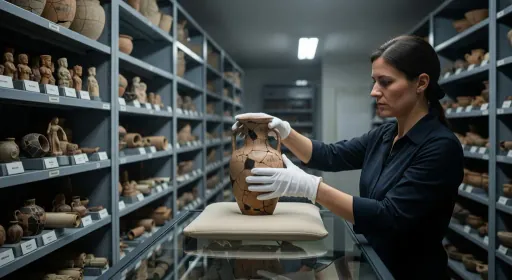
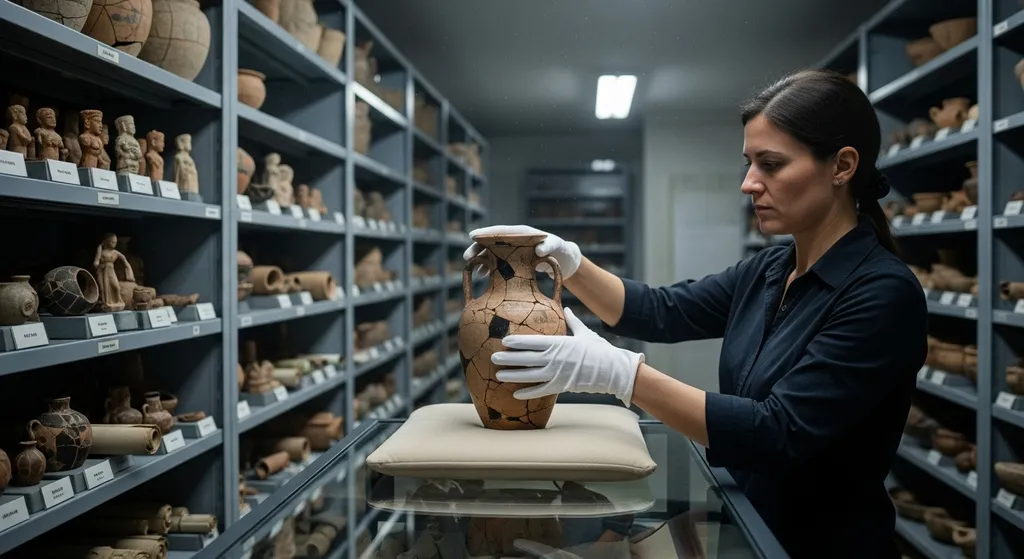
The
museum
works
hard
to
preserve
ancient
artifacts
from
moisture
and
heat
.
The
museum
works
hard
to
preserve
ancient
artifacts
from
moisture
and
heat
.
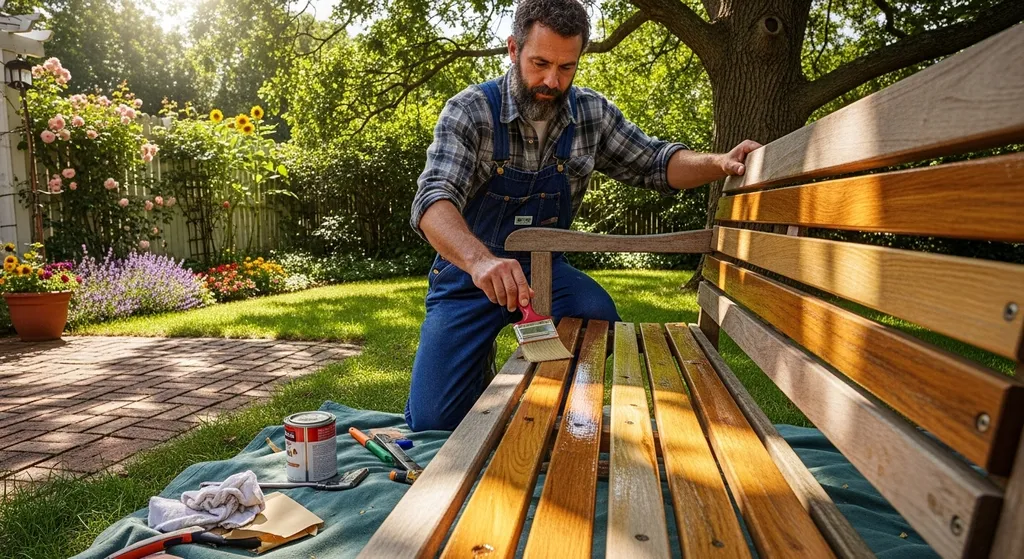
•
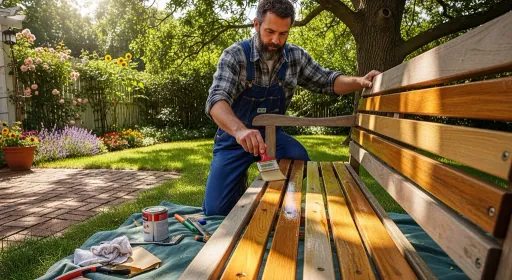
A
thick
coat
of
varnish
will
preserve
the
wooden
bench
for
many
winters
.
A
thick
coat
of
varnish
will
preserve
the
wooden
bench
for
many
winters
.
From
Latin
prae-
‘
before
’
+
servare
‘
keep
safe
’;
entered
English
in
the
14th
century
with
the
sense
‘
keep
safe
from
injury
’.
verb
-
preserve
,
preserving
,
preserves
,
preserved
to
treat
food
so
that
it
lasts
a
long
time
without
spoiling
•
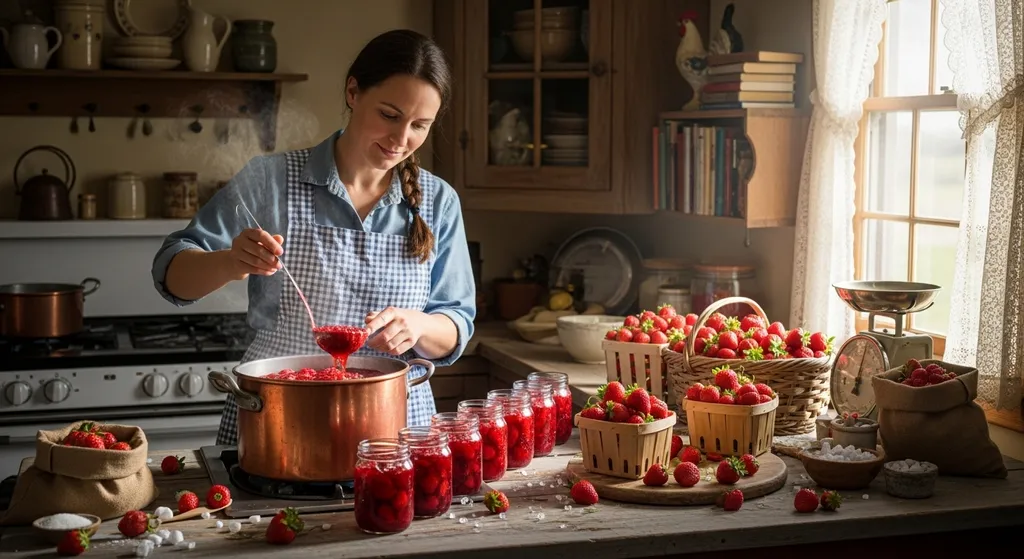
Farmers
often
preserve
strawberries
by
turning
them
into
jam
.
Farmers
often
preserve
strawberries
by
turning
them
into
jam
.
•
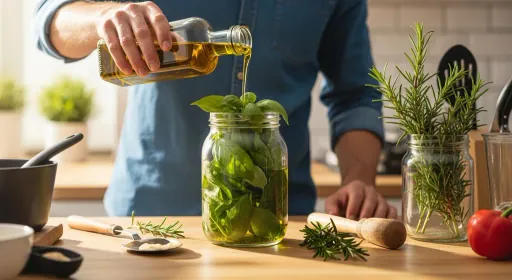
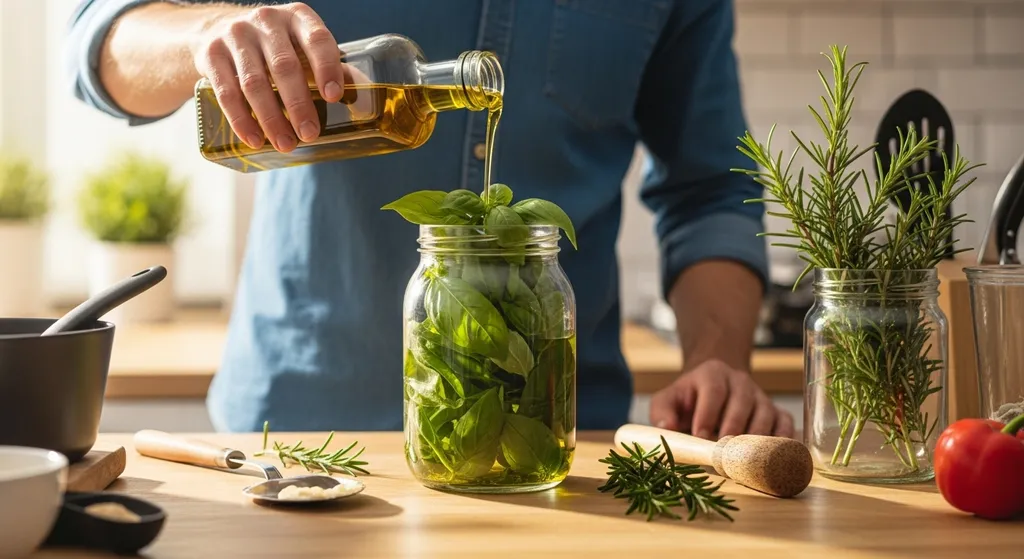
You
can
also
preserve
herbs
in
olive
oil
for
winter
cooking
.
You
can
also
preserve
herbs
in
olive
oil
for
winter
cooking
.
noun
a
sweet
spread
made
by
cooking
fruit
with
sugar
•
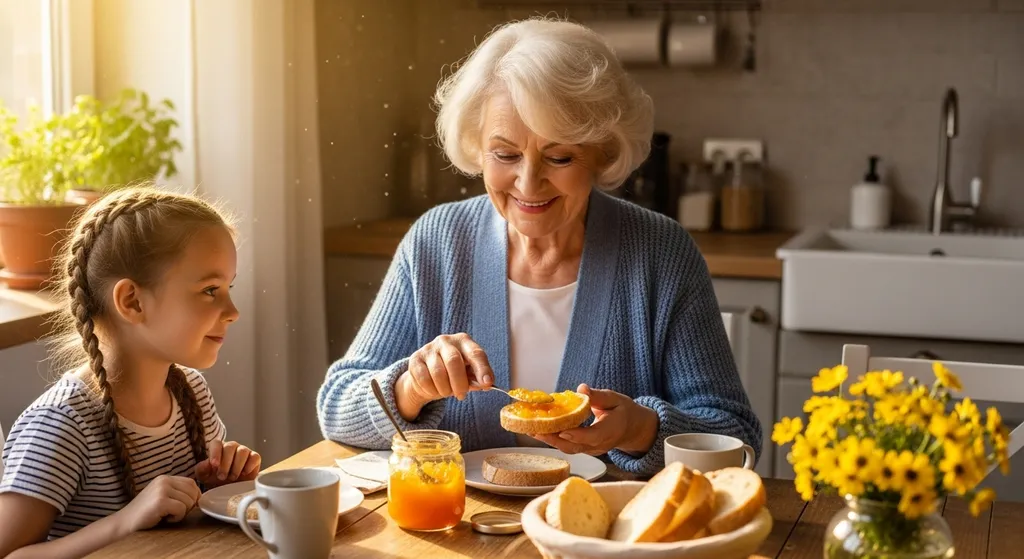
Grandma
spread
apricot
preserve
on
my
toast
.
Grandma
spread
apricot
preserve
on
my
toast
.
•
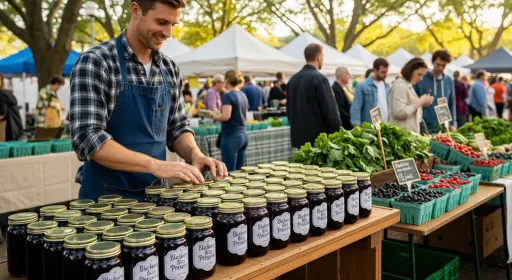
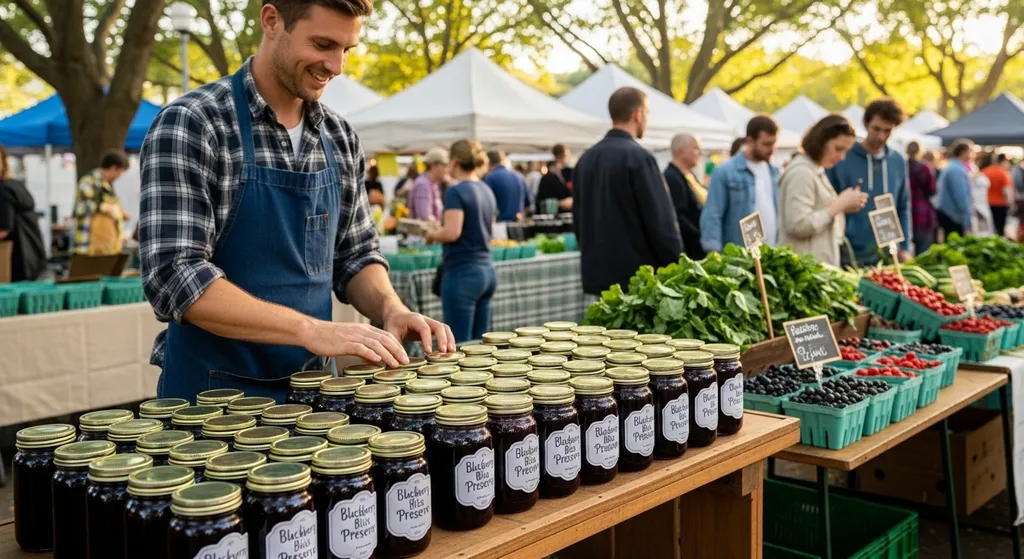
The
farm
sells
jars
of
blackberry
preserve
at
the
weekend
market
.
The
farm
sells
jars
of
blackberry
preserve
at
the
weekend
market
.
noun
an
area
of
land
or
water
that
is
protected
so
that
plants
and
animals
can
live
safely
•
We
hiked
through
a
bird
preserve
at
sunrise
.
We
hiked
through
a
bird
preserve
at
sunrise
.
•
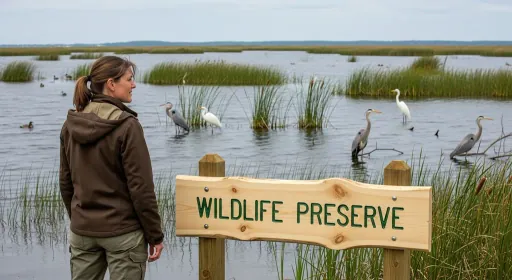
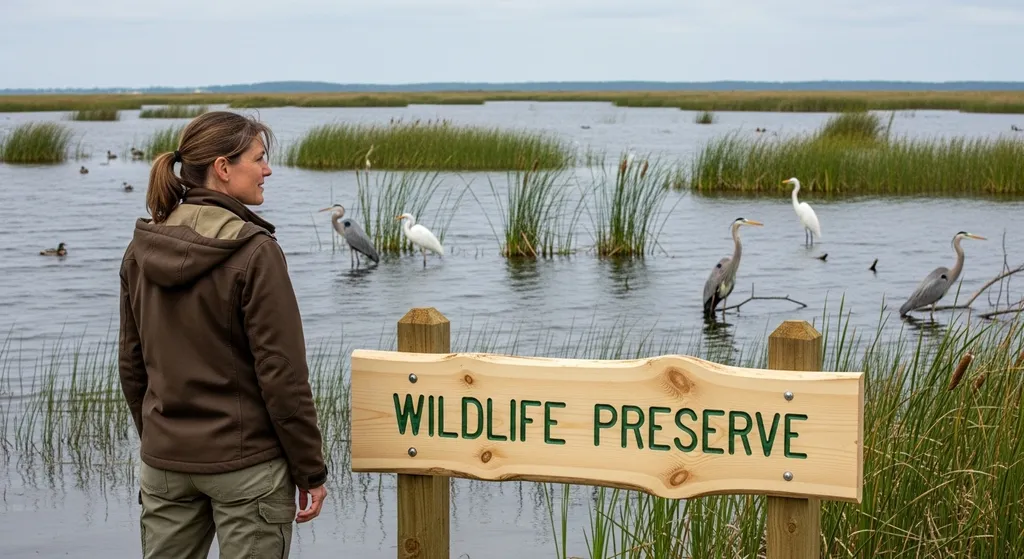
The
government
designated
the
wetland
as
a
wildlife
preserve
.
The
government
designated
the
wetland
as
a
wildlife
preserve
.
noun
something
that
is
only
done
,
owned
,
or
controlled
by
a
particular
group
of
people
•
In
the
past
,
higher
education
was
the
preserve
of
the
wealthy
.
In
the
past
,
higher
education
was
the
preserve
of
the
wealthy
.
•
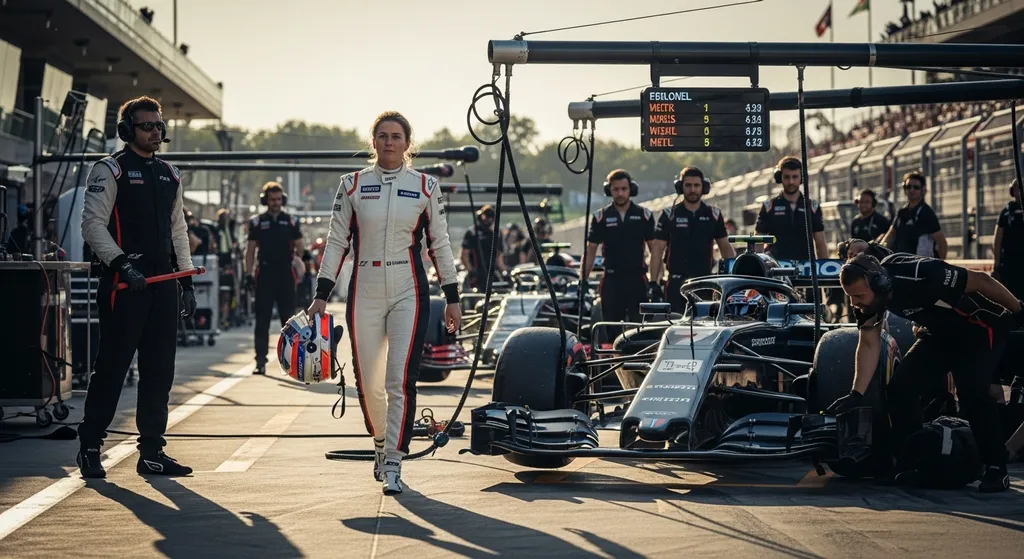
For
a
long
time
,
Formula
One
racing
was
a
male
preserve
.
For
a
long
time
,
Formula
One
racing
was
a
male
preserve
.
desert
noun
A
very
dry
,
often
sandy
area
of
land
with
almost
no
rain
,
few
plants
,
and
extreme
temperatures
.
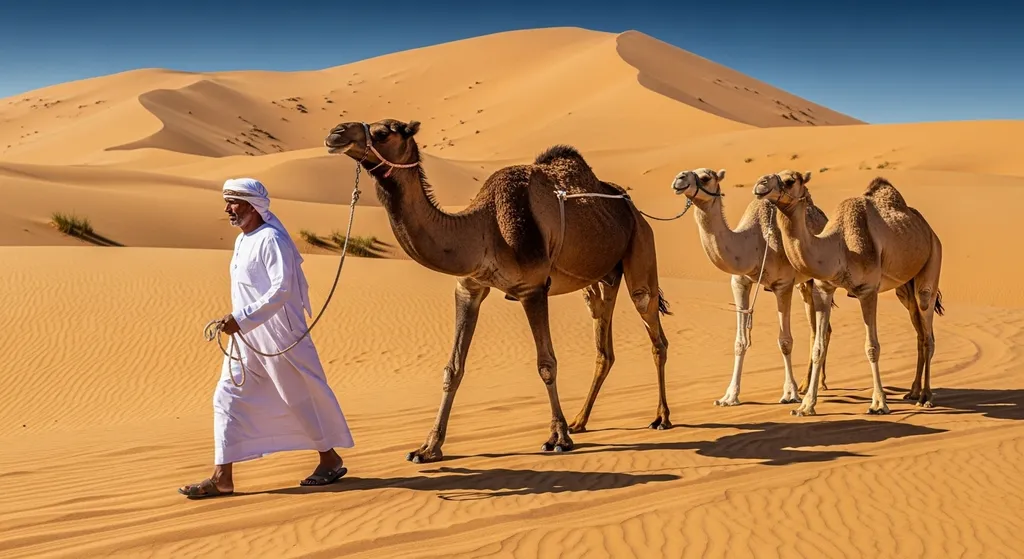
•
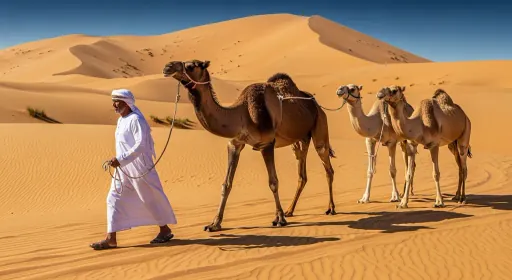
Camels
can
travel
for
days
across
the
desert
without
drinking
water
.
Camels
can
travel
for
days
across
the
desert
without
drinking
water
.
•
At
night
the
desert
air
becomes
surprisingly
cold
under
the
clear
sky
.
At
night
the
desert
air
becomes
surprisingly
cold
under
the
clear
sky
.
From
Old
French
desert
,
ultimately
from
Latin
dēsertum
“
a
deserted
place
.”
verb
to
leave
someone
,
a
place
,
or
an
organization
when
you
should
stay
and
help
.
•
The
soldier
decided
to
desert
the
army
and
escape
across
the
border
.
The
soldier
decided
to
desert
the
army
and
escape
across
the
border
.
•
Many
customers
will
desert
a
company
if
its
service
becomes
poor
.
Many
customers
will
desert
a
company
if
its
service
becomes
poor
.
From
Old
French
deserter
,
from
Latin
dēserere
“
to
abandon
.”
noun
something
,
especially
a
reward
or
punishment
,
that
someone
rightfully
deserves
.
•
The
thief
finally
got
his
just deserts
when
he
was
caught
by
the
police
.
The
thief
finally
got
his
just deserts
when
he
was
caught
by
the
police
.
•
After
years
of
hard
work
,
she
received
her
deserts
in
the
form
of
a
promotion
.
After
years
of
hard
work
,
she
received
her
deserts
in
the
form
of
a
promotion
.
From
Old
French
desert
“
merit
,
recompense
,”
from
Latin
dēservīre
“
to
serve
zealously
.”
adjective
relating
to
or
like
a
desert
;
very
dry
and
barren
.
•
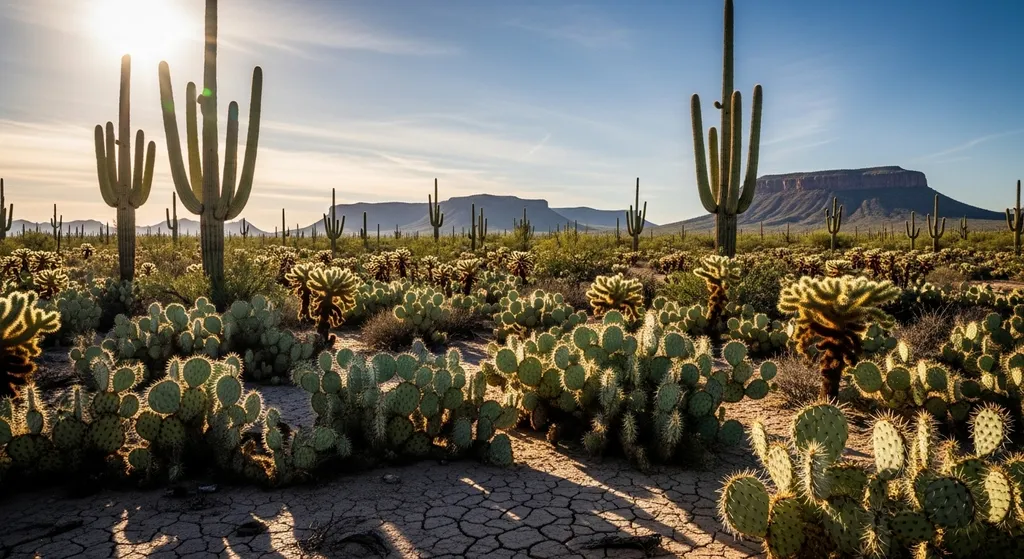
Cacti
have
adapted
to
survive
in
desert
environments
.
Cacti
have
adapted
to
survive
in
desert
environments
.
•
They
drove
along
a
lonely
road
through
the
desert
landscape
.
They
drove
along
a
lonely
road
through
the
desert
landscape
.
From
noun
sense
of
desert
+
adjective
usage
,
dating
from
the
17th
century
.
presentation
noun
-
presentation
the
formal
act
of
giving
,
showing
,
or
handing
something
to
someone
•
At
the
award
ceremony
,
the
mayor
oversaw
the
presentation
of
medals
to
the
firefighters
.
At
the
award
ceremony
,
the
mayor
oversaw
the
presentation
of
medals
to
the
firefighters
.
•
The
manager
carefully
arranged
the
new
product
for
presentation
to
the
visiting
investors
.
The
manager
carefully
arranged
the
new
product
for
presentation
to
the
visiting
investors
.
From
Latin
praesentatio
“
a
placing
before
,
exhibiting
,”
from
praesentare
“
to
place
before
”.
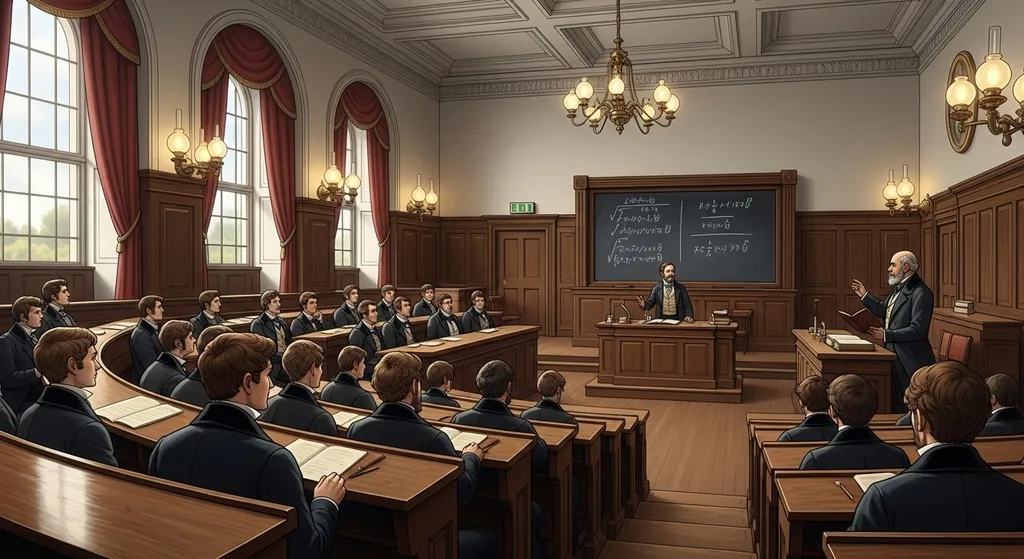
noun
a
talk
,
lecture
,
or
demonstration
that
explains
information
to
an
audience
•
Maya
used
colorful
slides
during
her
presentation
on
climate
change
.
Maya
used
colorful
slides
during
her
presentation
on
climate
change
.
•
The
team
rehearsed
their
group
presentation
late
into
the
night
.
The
team
rehearsed
their
group
presentation
late
into
the
night
.
noun
-
presentation
the
way
something
looks
or
is
arranged
when
shown
to
people
•
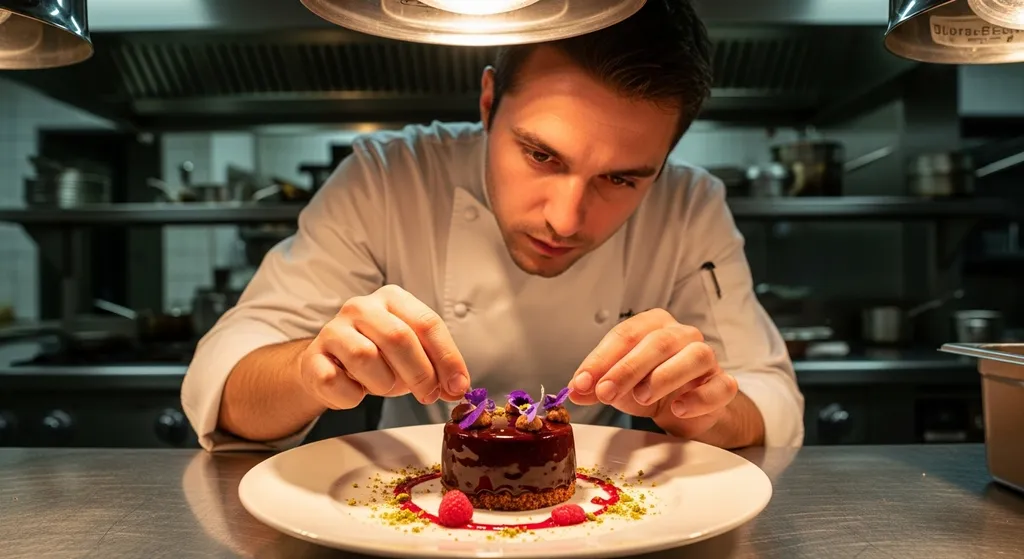
The
chef
worked
hard
on
the
presentation
of
each
dish
,
adding
edible
flowers
for
color
.
The
chef
worked
hard
on
the
presentation
of
each
dish
,
adding
edible
flowers
for
color
.
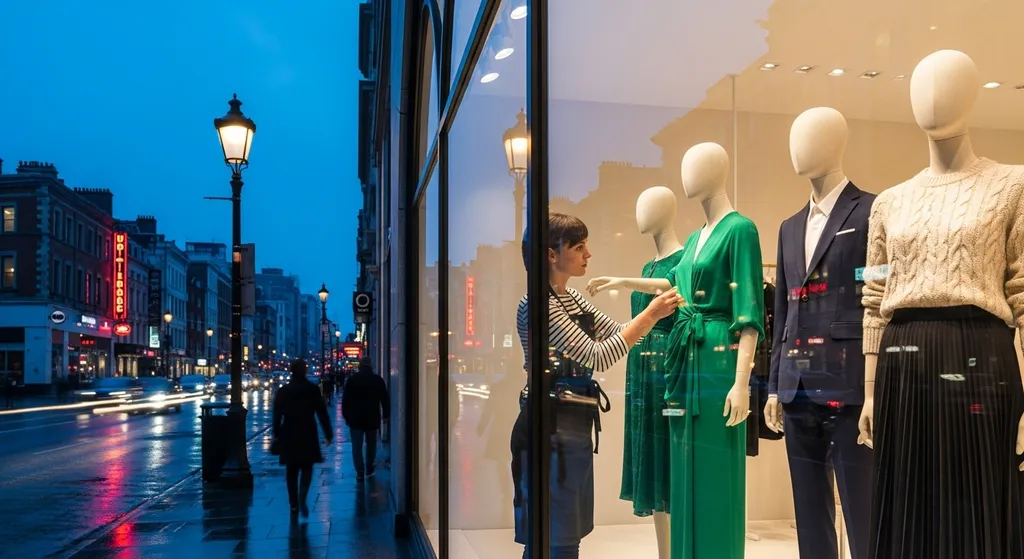
•
Good
clothing
stores
pay
attention
to
the
presentation
of
their
window
displays
.
Good
clothing
stores
pay
attention
to
the
presentation
of
their
window
displays
.
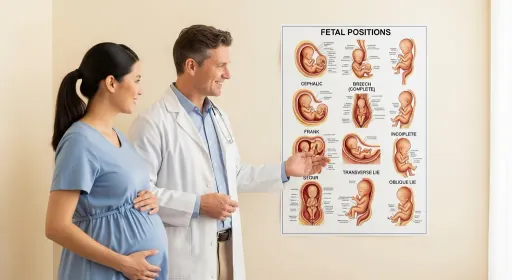
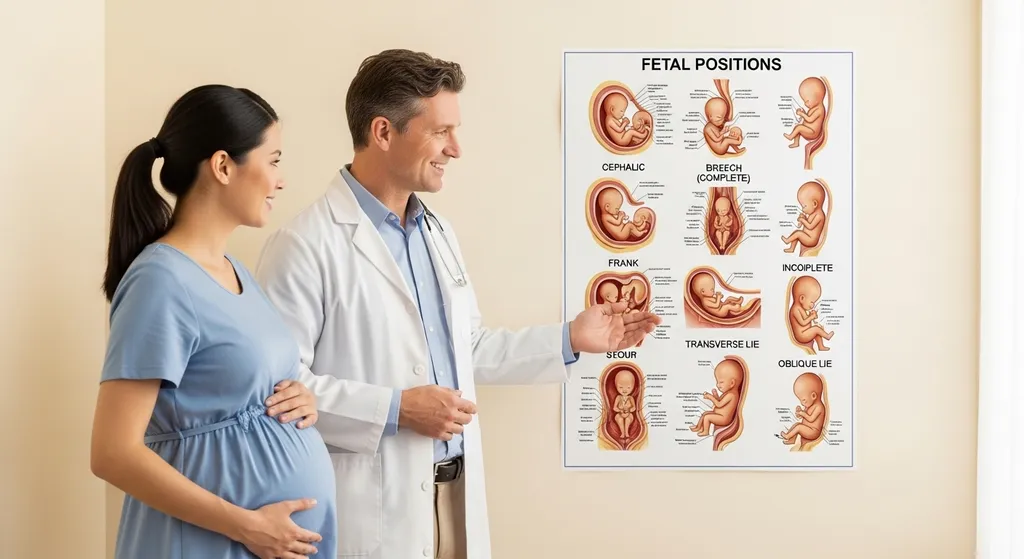
noun
the
position
in
which
a
baby
lies
in
the
mother
’
s
womb
before
birth
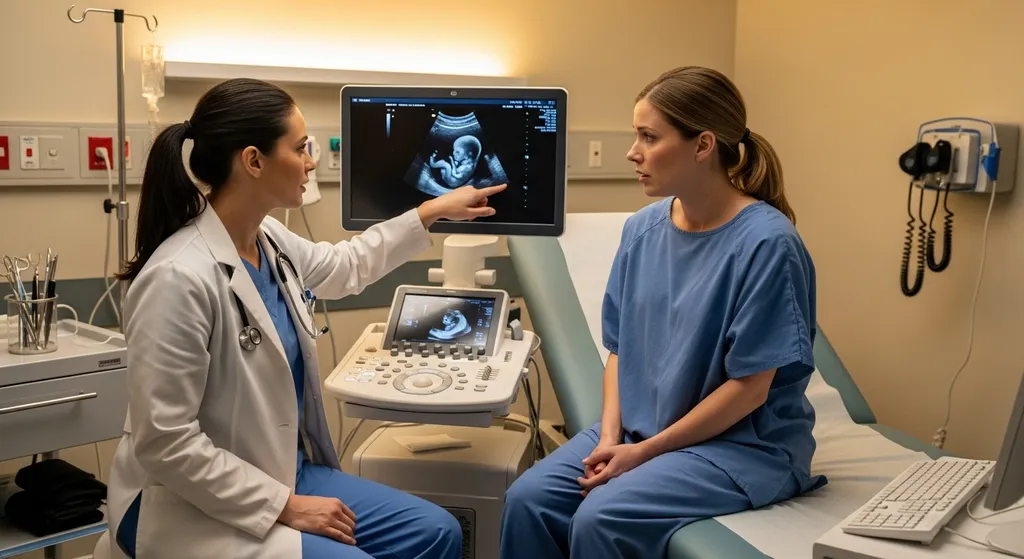
•
An
ultrasound
can
reveal
a
breech
presentation
,
where
the
baby
’
s
feet
are
facing
downward
.
An
ultrasound
can
reveal
a
breech
presentation
,
where
the
baby
’
s
feet
are
facing
downward
.
•
The
doctor
explained
that
a
head-first
presentation
is
the
safest
for
delivery
.
The
doctor
explained
that
a
head-first
presentation
is
the
safest
for
delivery
.
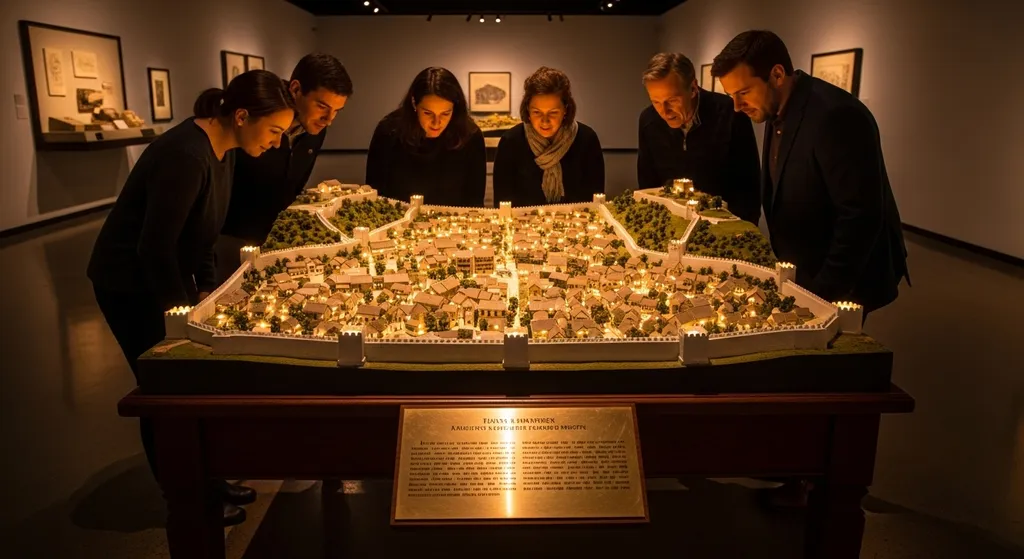
representation
noun
a
picture
,
model
,
or
other
likeness
that
shows
what
something
looks
like
•
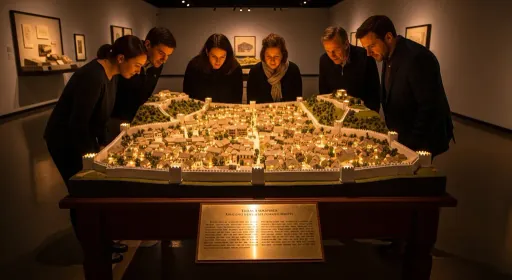
The
museum
displayed
a
3-D
representation
of
an
ancient
city
.
The
museum
displayed
a
3-D
representation
of
an
ancient
city
.
•
This
painting
is
a
beautiful
representation
of
the
countryside
at
dawn
.
This
painting
is
a
beautiful
representation
of
the
countryside
at
dawn
.
See
main
entry
etymology
.
noun
the
act
of
speaking
or
acting
for
another
person
or
group
•
The
workers
asked
a
lawyer
to
provide
legal
representation
during
the
contract
talks
.
The
workers
asked
a
lawyer
to
provide
legal
representation
during
the
contract
talks
.
•
Parents
want
strong
representation
on
the
school
board
to
voice
their
concerns
.
Parents
want
strong
representation
on
the
school
board
to
voice
their
concerns
.
Late
Middle
English
from
Latin
repraesentatio
(
n-
) ‘
presentation
,
image
’,
from
repraesentare
‘
bring
before
,
exhibit
’.
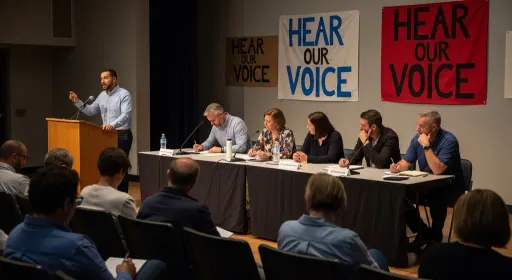
noun
the
presence
of
elected
or
appointed
people
who
speak
for
a
population
in
a
governing
body
•
Many
activists
campaign
for
better
representation
of
minorities
in
parliament
.
Many
activists
campaign
for
better
representation
of
minorities
in
parliament
.
•
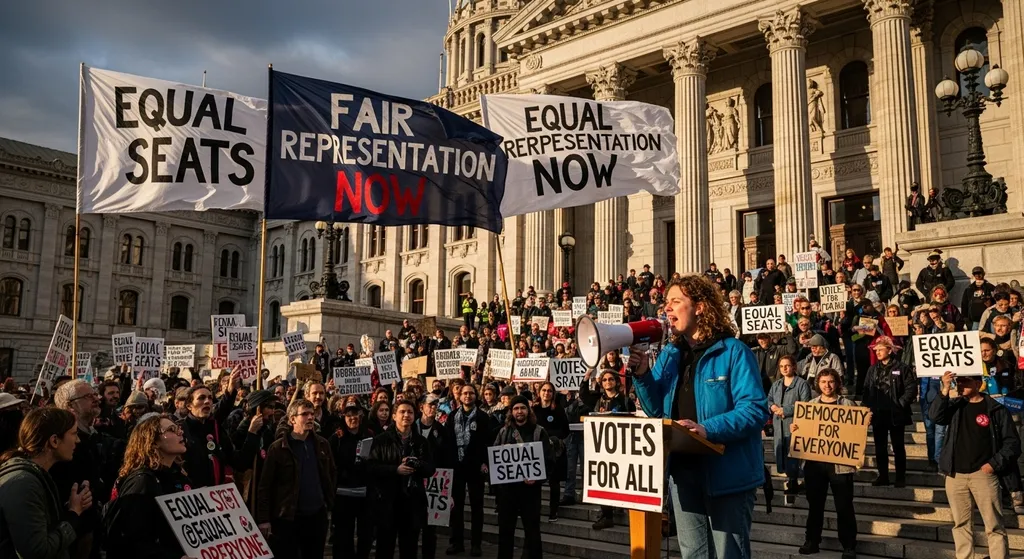
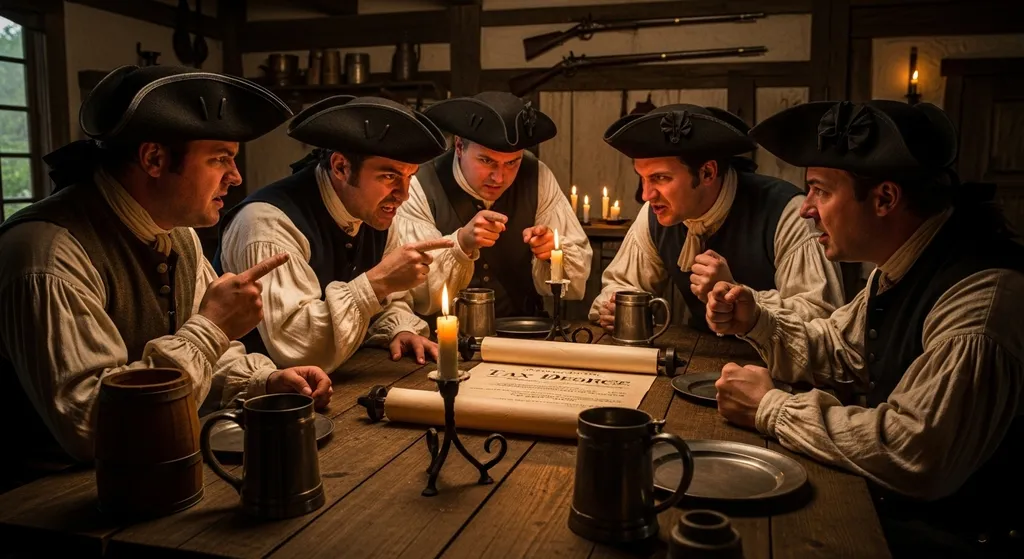
Taxation
without
representation
was
a
major
cause
of
the
American
Revolution
.
Taxation
without
representation
was
a
major
cause
of
the
American
Revolution
.
See
main
entry
etymology
.
noun
a
formal
statement
or
complaint
made
to
an
authority
•
Residents
made
a
written
representation
to
the
council
about
the
frequent
power
cuts
.
Residents
made
a
written
representation
to
the
council
about
the
frequent
power
cuts
.
•
Our
lawyer
will
prepare
a
representation
outlining
the
environmental
risks
.
Our
lawyer
will
prepare
a
representation
outlining
the
environmental
risks
.
See
main
entry
etymology
.
reserve
verb
-
reserve
,
reserving
,
reserves
,
reserved
to
arrange
for
something
such
as
a
seat
,
ticket
,
or
room
to
be
kept
for
your
use
at
a
future
time
•
I
called
the
restaurant
to
reserve
a
table
for
two
tonight
.
I
called
the
restaurant
to
reserve
a
table
for
two
tonight
.
•
You
can
reserve
tickets
online
instead
of
queuing
at
the
cinema
.
You
can
reserve
tickets
online
instead
of
queuing
at
the
cinema
.
noun
an
area
of
land
kept
for
a
special
purpose
,
especially
to
protect
wildlife
or
for
military
training
•
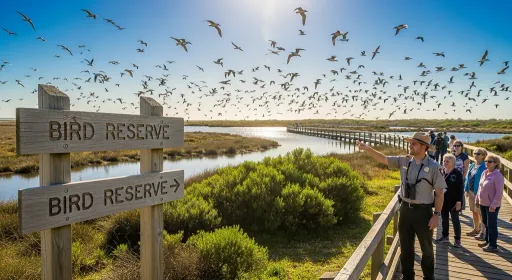
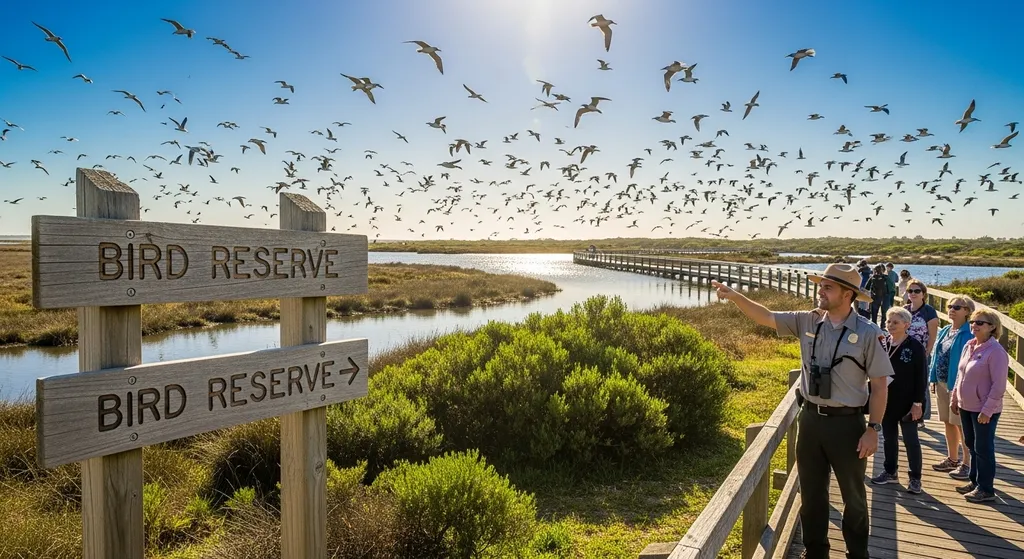
The
national
park
created
a
new
bird
reserve
along
the
coast
.
The
national
park
created
a
new
bird
reserve
along
the
coast
.
•
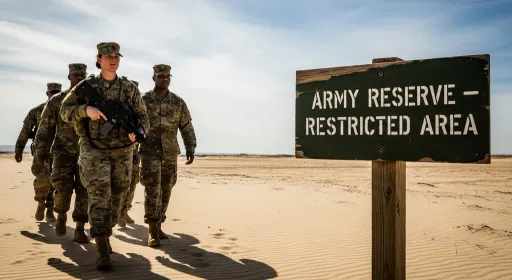
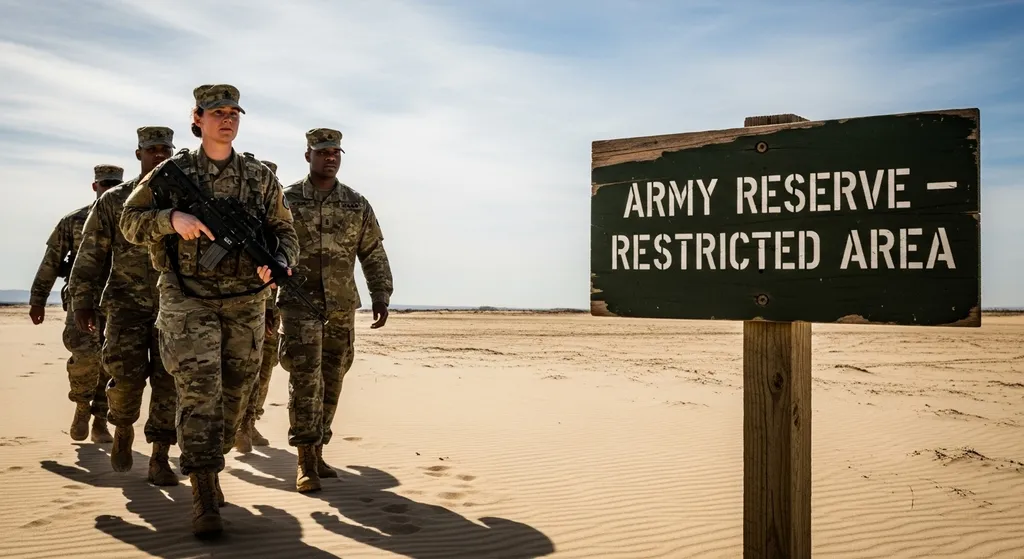
Soldiers
trained
on
a
remote
army
reserve
in
the
desert
.
Soldiers
trained
on
a
remote
army
reserve
in
the
desert
.
verb
-
reserve
,
reserving
,
reserves
,
reserved
to
keep
something
so
it
will
be
available
for
a
particular
person
,
use
,
or
time
•
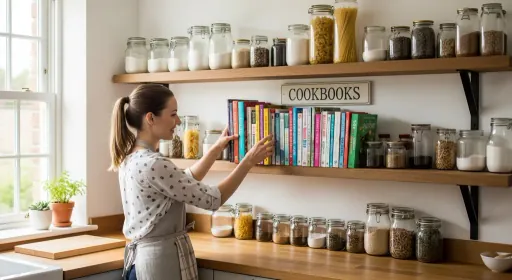
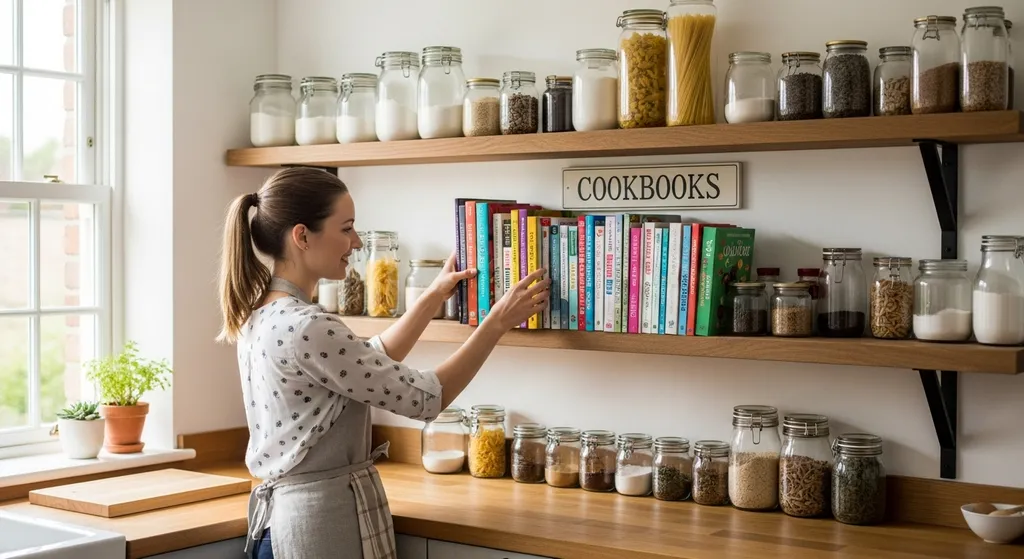
This
shelf
is
reserved
for
cookbooks
only
.
This
shelf
is
reserved
for
cookbooks
only
.
•
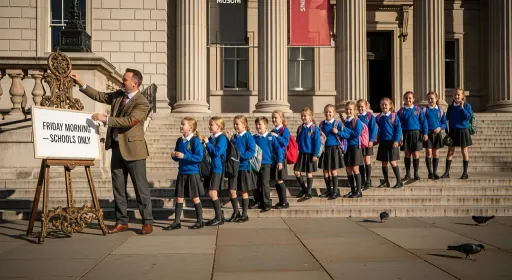
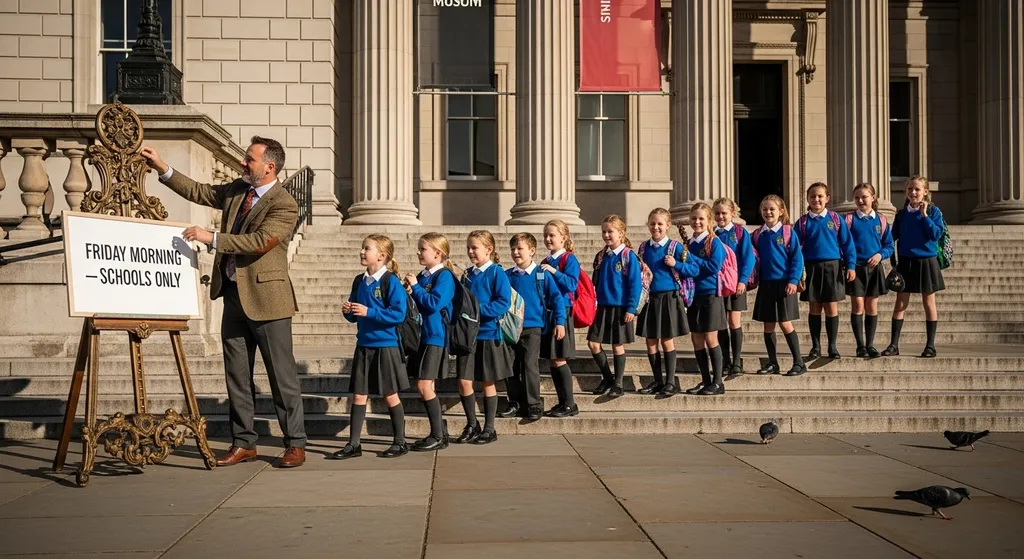
The
museum
has
reserved
Friday
mornings
for
school
visits
.
The
museum
has
reserved
Friday
mornings
for
school
visits
.
noun
an
amount
of
something
kept
so
it
can
be
used
later
when
it
is
needed
•
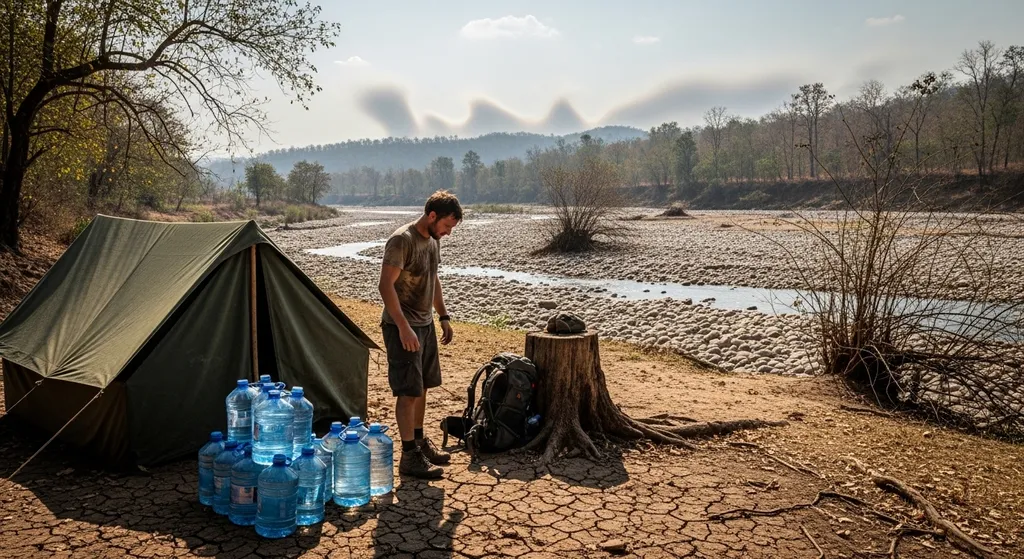
The
campers
brought
a
reserve
of
water
in
case
the
river
dried
up
.
The
campers
brought
a
reserve
of
water
in
case
the
river
dried
up
.
•
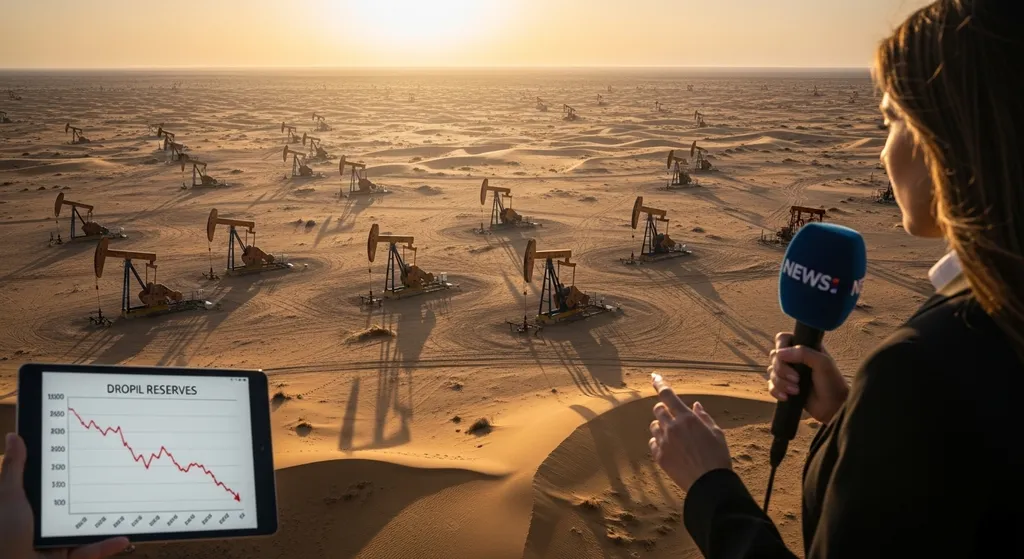
Oil
reserves
are
running
low
in
that
region
.
Oil
reserves
are
running
low
in
that
region
.
noun
-
reserve
a
habit
of
being
quiet
and
not
showing
your
thoughts
or
feelings
openly
•
Despite
the
excitement
around
her
,
Maria
maintained
her
usual
reserve
.
Despite
the
excitement
around
her
,
Maria
maintained
her
usual
reserve
.
•
His
natural
reserve
sometimes
makes
people
think
he
is
unfriendly
.
His
natural
reserve
sometimes
makes
people
think
he
is
unfriendly
.
assert oneself
verb

to
behave
or
speak
confidently
so
that
people
notice
and
respect
you
•
In
her
first
week
at
the
job
,
Anna
knew
she
had
to
assert
herself
to
be
taken
seriously
.
In
her
first
week
at
the
job
,
Anna
knew
she
had
to
assert herself
to
be
taken
seriously
.
•
The
shy
student
tried
to
assert
himself
by
joining
class
discussions
.
The
shy
student
tried
to
assert himself
by
joining
class
discussions
.
extension
of
the
verb
“
assert
”
with
the
reflexive
pronoun
emphasizing
personal
confidence
.
exceed oneself
verb
to
do
something
better
than
you
have
ever
done
before
•
In
the
final
game
,
the
young
striker
exceeded
himself
and
scored
three
brilliant
goals
.
In
the
final
game
,
the
young
striker
exceeded himself
and
scored
three
brilliant
goals
.
•
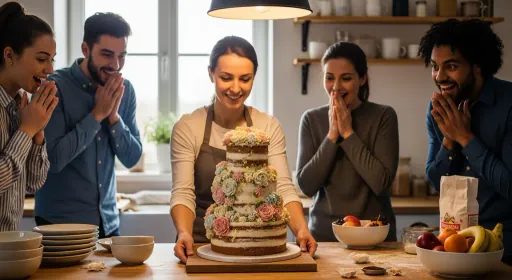
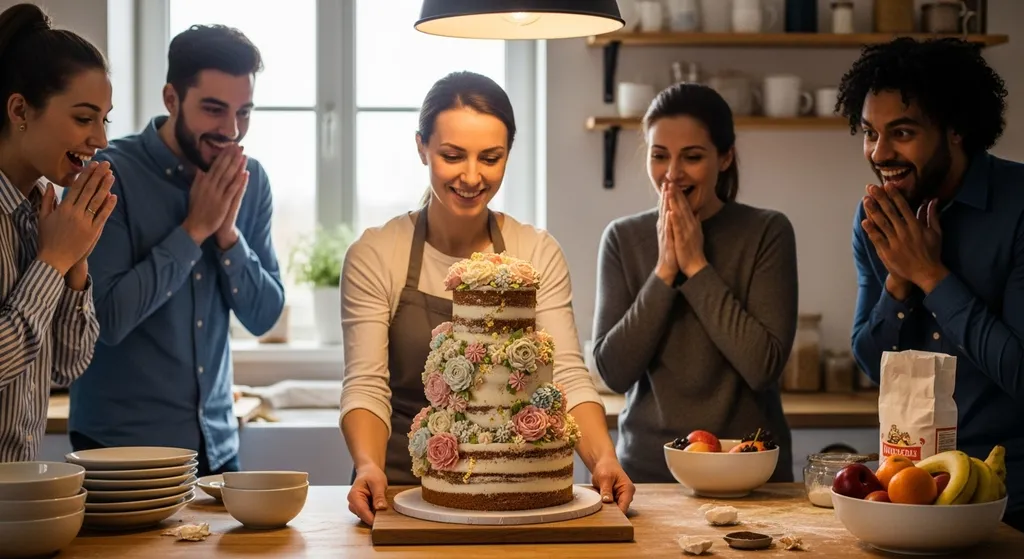
She
exceeded
herself
with
a
cake
that
looked
too
beautiful
to
eat
.
She
exceeded herself
with
a
cake
that
looked
too
beautiful
to
eat
.
Extension
of
the
core
verb
“
exceed
”
with
reflexive
pronoun
since
the
16th
century
.
hypothesis
noun
-
hypothesis
,
hypotheses
a
scientific
idea
or
explanation
that
you
can
test
through
study
and
experiment
to
see
if
it
is
true
•
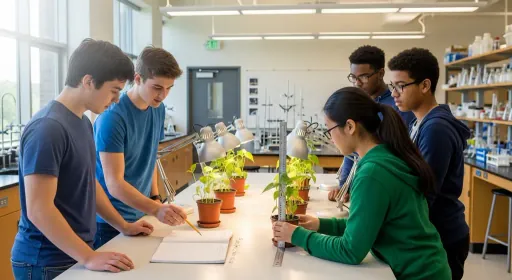
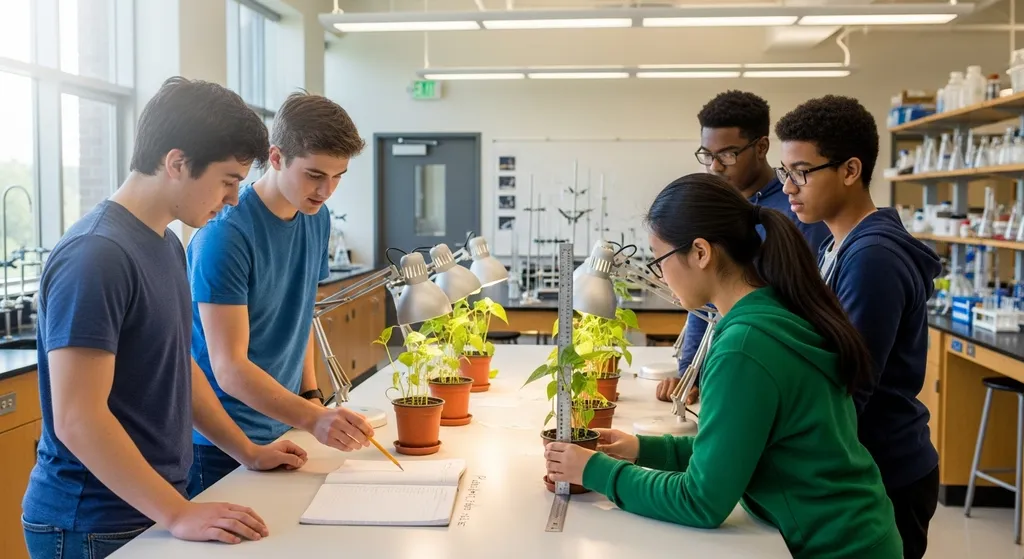
The
students
gathered
data
to
test
their
hypothesis
about
how
sunlight
affects
plant
growth
.
The
students
gathered
data
to
test
their
hypothesis
about
how
sunlight
affects
plant
growth
.
•
Einstein
’
s
photoelectric
hypothesis
changed
the
course
of
modern
physics
.
Einstein
’
s
photoelectric
hypothesis
changed
the
course
of
modern
physics
.
From
Ancient
Greek
“
hypóthesis
”
meaning
“
foundation
,
supposition
,”
composed
of
“
hypo-
” (
under
)
and
“
thesis
” (
placing
,
proposition
).
noun
-
hypothesis
,
hypotheses
an
idea
you
accept
temporarily
so
you
can
discuss
or
examine
a
situation
even
though
it
is
not
yet
proven
•
As
a
working
hypothesis
,
let
’
s
assume
the
shipment
was
delayed
at
customs
.
As
a
working
hypothesis
,
let
’
s
assume
the
shipment
was
delayed
at
customs
.
•
My
hypothesis
is
that
she
missed
the
bus
rather
than
overslept
.
My
hypothesis
is
that
she
missed
the
bus
rather
than
overslept
.
Same
origin
as
the
scientific
sense
:
Ancient
Greek
roots
meaning
“
put
under
”
as
a
foundation
for
reasoning
.
reservation
noun
an
arrangement
you
make
in
advance
so
that
a
seat
,
table
,
hotel
room
,
ticket
,
or
other
service
is
kept
for
you
•
I
called
the
restaurant
and
made
a
reservation
for
two
at
7
p
.
m
.
I
called
the
restaurant
and
made
a
reservation
for
two
at
7
p
.
m
.
•
Without
a
reservation
,
all
the
hotel
rooms
were
already
taken
.
Without
a
reservation
,
all
the
hotel
rooms
were
already
taken
.
From
French
réservation
,
based
on
Latin
reservare
“
to
keep
back
.”
First
used
in
English
in
the
15th
century
for
the
act
of
keeping
something
back
and
later
for
advance
booking
in
the
19th
century
.
noun
a
feeling
of
doubt
or
a
reason
for
not
fully
accepting
a
plan
,
idea
,
or
agreement
•
She
agreed
to
the
proposal
,
but
with
some
reservations
.
She
agreed
to
the
proposal
,
but
with
some
reservations
.
•
I
still
have
serious
reservations
about
moving
overseas
.
I
still
have
serious
reservations
about
moving
overseas
.
Sense
of
“
doubt
”
developed
in
the
17th
century
from
the
idea
of
holding
something
back
in
the
mind
.
noun
in
North
America
,
an
area
of
land
kept
for
and
governed
by
a
particular
Indigenous
people
•
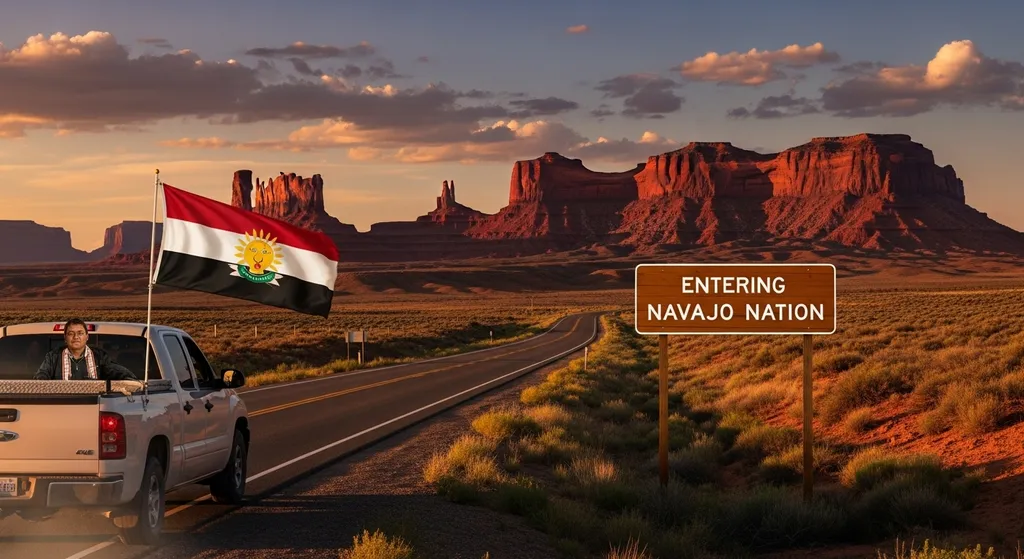
The
Navajo
Nation's
reservation
covers
parts
of
Arizona
,
Utah
,
and
New
Mexico
.
The
Navajo
Nation's
reservation
covers
parts
of
Arizona
,
Utah
,
and
New
Mexico
.
•
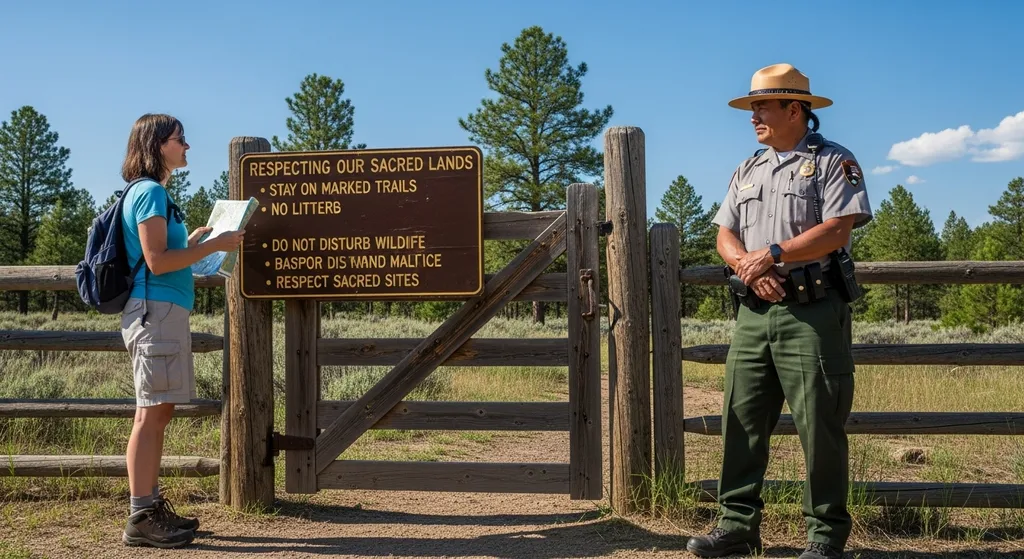
Visitors
must
follow
special
rules
when
entering
the
tribal
reservation
.
Visitors
must
follow
special
rules
when
entering
the
tribal
reservation
.
Adopted
in
the
18th
century
to
describe
land
the
U
.
S
.
government
“
reserved
”
for
Indigenous
nations
.
resemble
verb
-
resemble
,
resembling
,
resembles
,
resembled
to
look
,
sound
,
or
be
similar
to
someone
or
something
•
The
twins
resemble
each
other
so
much
that
even
their
teachers
get
confused
.
The
twins
resemble
each
other
so
much
that
even
their
teachers
get
confused
.
•
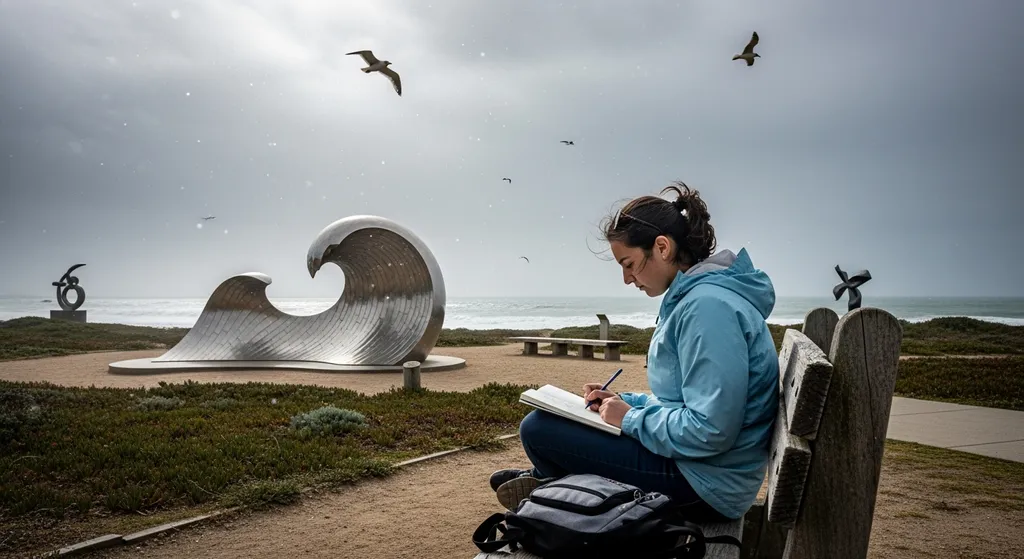
That
sculpture
resembles
a
giant
wave
crashing
onto
the
shore
.
That
sculpture
resembles
a
giant
wave
crashing
onto
the
shore
.
relieve oneself
verb
to
urinate
or
defecate
•
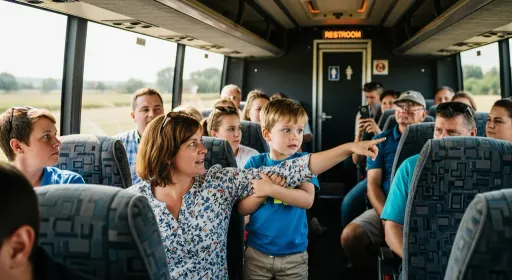
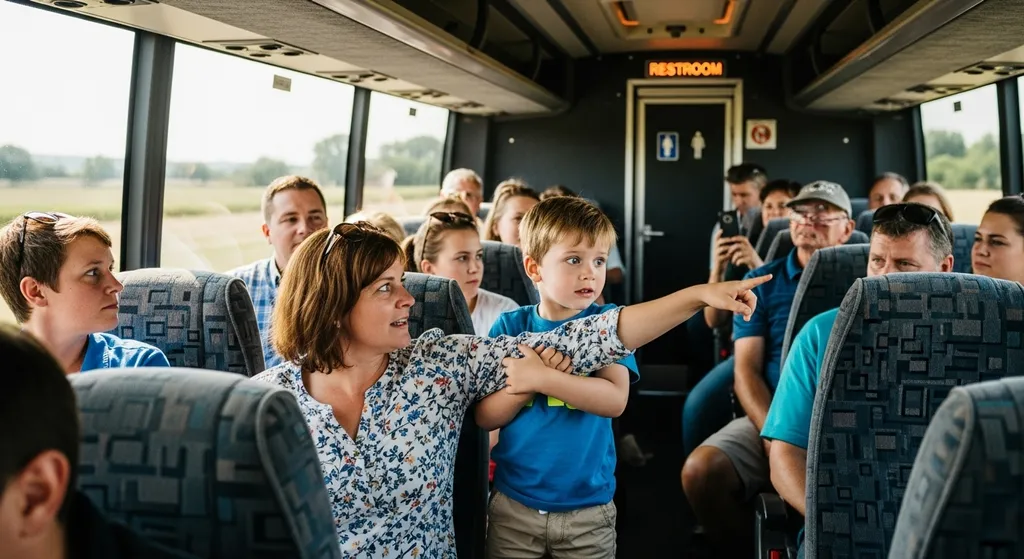
During
the
long
bus
ride
,
the
child
asked
to
stop
so
he
could
relieve
himself
.
During
the
long
bus
ride
,
the
child
asked
to
stop
so
he
could
relieve himself
.
•
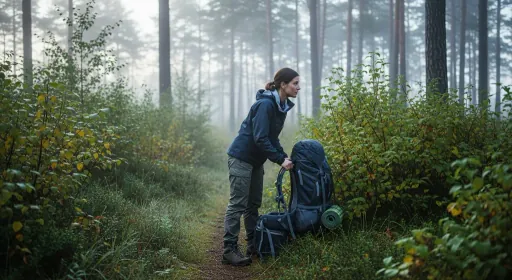
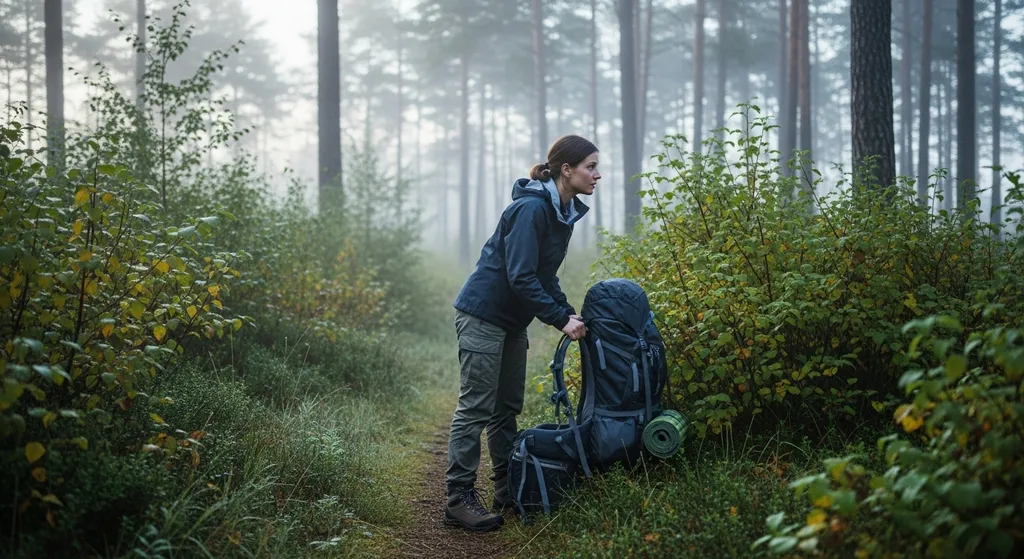
The
backpacker
stepped
behind
a
bush
to
relieve
herself
.
The
backpacker
stepped
behind
a
bush
to
relieve herself
.