




toqus
Picture Dictionary
English
한국어
Register
Login
🔍
last
adjective
coming
after
all
the
others
in
order
or
position
•
Hurry
!
The
last
bus
is
about
to
leave
.
Hurry
!
The
last
bus
is
about
to
leave
.
•
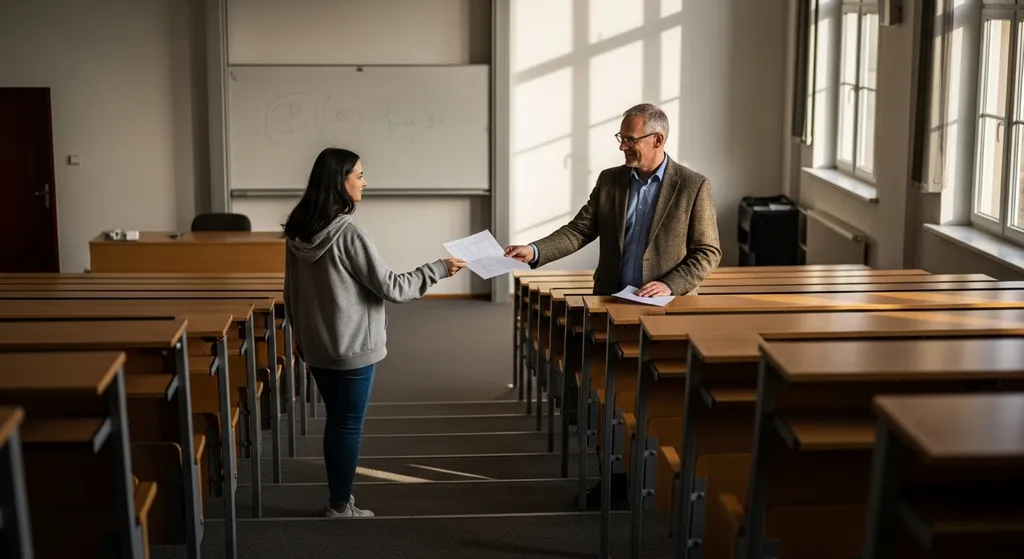
She
was
the
last
student
to
hand
in
her
exam
paper
.
She
was
the
last
student
to
hand
in
her
exam
paper
.
adjective
happening
or
existing
most
recently
before
the
present
time
•
We
went
to
the
beach
last
weekend
.
We
went
to
the
beach
last
weekend
.
•
Do
you
remember
what
you
had
for
dinner
last
night
?
Do
you
remember
what
you
had
for
dinner
last
night
?
adverb
most
recently
;
the
final
time
before
now
•
When
did
you
see
Kim
last
?
When
did
you
see
Kim
last
?
•
I
last
spoke
to
my
grandmother
two
weeks
ago
.
I
last
spoke
to
my
grandmother
two
weeks
ago
.
noun
the
final
person
or
thing
in
a
series
or
group
•
He
finished
the
race
dead
last
.
He
finished
the
race
dead
last
.
•
No
one
wants
to
be
the
last
to
leave
the
party
.
No
one
wants
to
be
the
last
to
leave
the
party
.
verb
to
continue
for
a
particular
length
of
time
•
The
meeting
will
last
about
an
hour
.
The
meeting
will
last
about
an
hour
.
•
These
shoes
won
’
t
last
all
winter
if
you
wear
them
every
day
.
These
shoes
won
’
t
last
all
winter
if
you
wear
them
every
day
.
best
verb
to
defeat
or
outdo
someone
or
something
•
The
underdog
team
bested
the
champions
in
a
thrilling
final
.
The
underdog
team
bested
the
champions
in
a
thrilling
final
.
•
She
finally
bested
her
older
brother
at
chess
after
months
of
practice
.
She
finally
bested
her
older
brother
at
chess
after
months
of
practice
.
suggest
verb
to
mention
an
idea
,
plan
,
or
course
of
action
for
someone
to
think
about
or
possibly
follow
•
I
suggested
taking
the
train
instead
of
driving
to
avoid
traffic
.
I
suggested
taking
the
train
instead
of
driving
to
avoid
traffic
.
•
Can
you
suggest
a
good
restaurant
near
here
?
Can
you
suggest
a
good
restaurant
near
here
?
Early
16th
century
,
from
Latin
“
suggestus
,”
past
participle
of
“
suggerere
”
meaning
“
bring
up
,
supply
,”
from
sub-
‘
from
below
’
+
gerere
‘
bring
.’
verb
to
show
or
make
something
seem
likely
without
saying
it
directly
;
to
imply
•
The
dark
clouds
suggest
that
it
will
rain
soon
.
The
dark
clouds
suggest
that
it
will
rain
soon
.
•
His
shy
smile
suggested
he
already
knew
the
answer
.
His
shy
smile
suggested
he
already
knew
the
answer
.
Same
origin
as
other
sense
:
from
Latin
“
suggerere
,”
meaning
“
bring
up
to
the
mind
,”
later
evolving
to
the
idea
of
indirect
indication
.
interest
verb
-
interest
,
interesting
,
interests
,
interested
to
make
someone
want
to
know
more
about
something
•
The
colorful
poster
interested
the
kids
in
the
museum
exhibit
.
The
colorful
poster
interested
the
kids
in
the
museum
exhibit
.
•
Stories
about
space
always
interest
him
.
Stories
about
space
always
interest
him
.
cost
verb
-
cost
,
costing
,
costs
to
require
a
particular
amount
of
money
•
The
new
phone
costs
too
much
for
me
.
The
new
phone
costs
too
much
for
me
.
•
How
much
did
the
tickets
cost
?
How
much
did
the
tickets
cost
?
verb
-
cost
,
costing
,
costs
to
cause
someone
to
lose
or
give
up
something
valuable
•
His
laziness
cost
him
the
promotion
.
His
laziness
cost
him
the
promotion
.
•
A
small
mistake
can
cost
lives
on
the
road
.
A
small
mistake
can
cost
lives
on
the
road
.
list
verb
to
write
or
say
items
one
after
another
,
often
in
a
column
or
set
order
•
Please
list
all
the
ingredients
you
used
in
the
recipe
.
Please
list
all
the
ingredients
you
used
in
the
recipe
.
•
The
brochure
lists
the
museum
’
s
opening
hours
and
ticket
prices
.
The
brochure
lists
the
museum
’
s
opening
hours
and
ticket
prices
.
Developed
from
the
noun
sense
“
list
,”
meaning
a
written
catalogue
;
first
used
as
a
verb
in
the
15th
century
.
verb
to
lean
or
tip
to
one
side
,
especially
of
a
boat
or
building
•
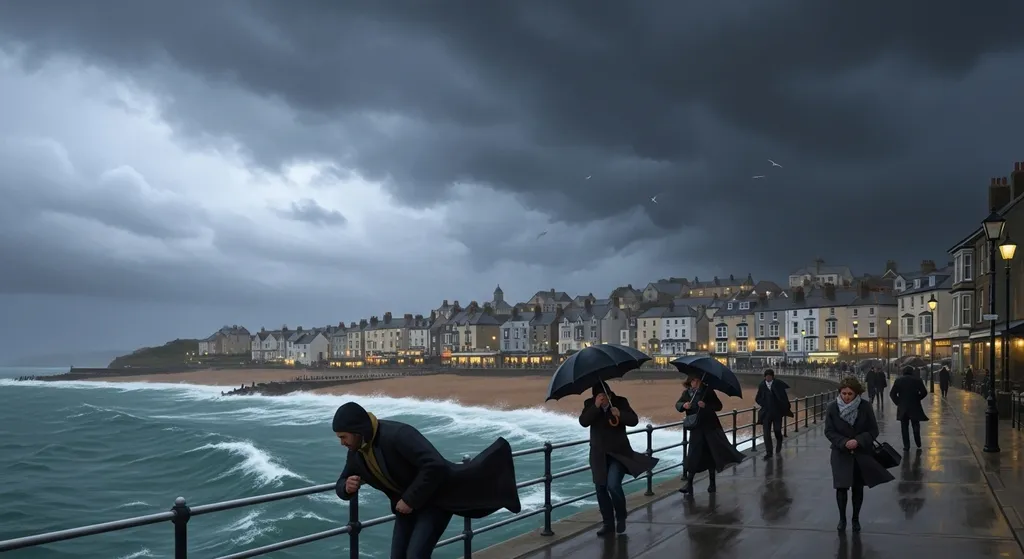
During
the
storm
,
the
old
sailboat
began
to
list
dangerously
to
port
.
During
the
storm
,
the
old
sailboat
began
to
list
dangerously
to
port
.
•
The
overloaded
truck
listed
to
the
right
after
its
tire
burst
.
The
overloaded
truck
listed
to
the
right
after
its
tire
burst
.
From
Middle
English
“
listen
”
meaning
“
to
limit
,
border
,”
later
nautical
sense
of
leaning
emerged
in
the
17th
century
.
verb
(
archaic
)
to
yearn
or
long
for
something
•
The
weary
knight
listed
for
the
comfort
of
home
.
The
weary
knight
listed
for
the
comfort
of
home
.
•
She
listed
after
the
freedom
promised
by
the
open
sea
.
She
listed
after
the
freedom
promised
by
the
open
sea
.
Old
English
“
lystan
,”
meaning
“
to
desire
,
be
pleased
,”
gradually
fell
out
of
common
use
after
the
17th
century
.
test
verb
-
test
,
testing
,
tests
,
tested
to
give
someone
an
exam
to
measure
their
knowledge
or
skill
•
The
coach
will
test
the
players
on
their
passing
skills
today
.
The
coach
will
test
the
players
on
their
passing
skills
today
.
•
Teachers
tested
the
students
every
Friday
to
track
progress
.
Teachers
tested
the
students
every
Friday
to
track
progress
.
verb
-
test
,
testing
,
tests
,
tested
to
check
a
machine
,
product
,
or
idea
to
see
if
it
works
well
•
The
technician
will
test
the
fire
alarm
before
we
open
the
store
.
The
technician
will
test
the
fire
alarm
before
we
open
the
store
.
•
Scientists
tested
the
new
vaccine
on
volunteers
.
Scientists
tested
the
new
vaccine
on
volunteers
.
interesting
adjective
holding
attention
because
it
is
unusual
,
exciting
,
or
gives
new
information
.
•
The
museum
had
an
interesting
exhibit
about
ancient
Egypt
.
The
museum
had
an
interesting
exhibit
about
ancient
Egypt
.
•
He
always
tells
interesting
stories
around
the
campfire
.
He
always
tells
interesting
stories
around
the
campfire
.
adjective
used
politely
or
ironically
to
say
something
is
unusual
,
strange
,
or
perhaps
not
good
.
•
That's
an
interesting
outfit
—
you
don't
see
neon
green
with
purple
polka
dots
every
day
.
That's
an
interesting
outfit
—
you
don't
see
neon
green
with
purple
polka
dots
every
day
.
•
Well
,
this
is
interesting
,
the
printer
just
started
smoking
.
Well
,
this
is
interesting
,
the
printer
just
started
smoking
.
exist
verb
to
be
real
or
present
in
the
world
,
not
imagined
or
invented
•
Scientists
wonder
if
tiny
organisms
could
exist
beneath
the
ice
of
Jupiter's
moon
Europa
.
Scientists
wonder
if
tiny
organisms
could
exist
beneath
the
ice
of
Jupiter's
moon
Europa
.
•
Dragons
only
exist
in
fairy
tales
.
Dragons
only
exist
in
fairy
tales
.
From
Latin
existere
meaning
“
to
come
forth
,
appear
,
be
.”
verb
to
live
or
survive
,
especially
when
life
is
hard
and
offers
little
comfort
or
enjoyment
•
After
losing
his
job
,
he
had
to
exist
on
instant
noodles
for
weeks
.
After
losing
his
job
,
he
had
to
exist
on
instant
noodles
for
weeks
.
•
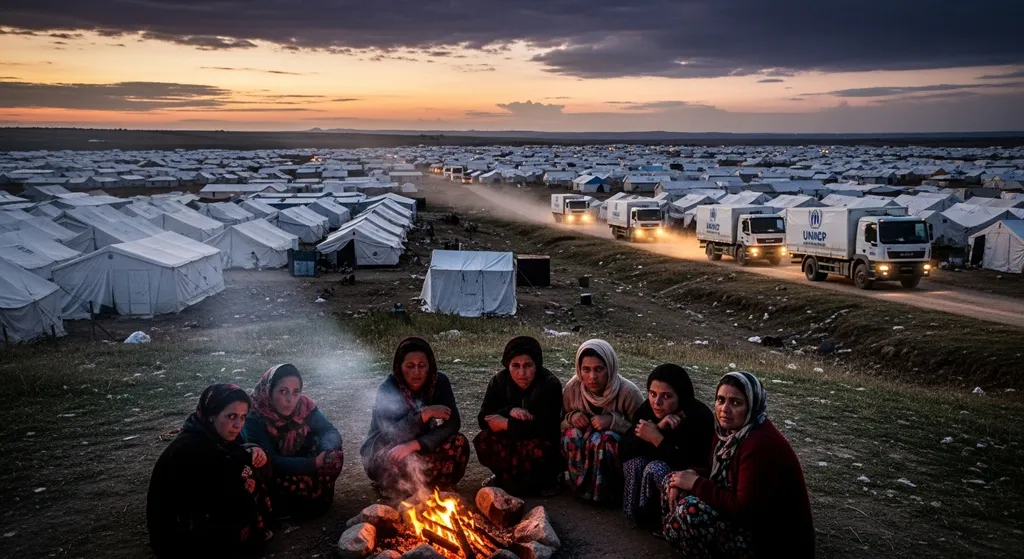
The
refugees
existed
in
overcrowded
tents
until
help
arrived
.
The
refugees
existed
in
overcrowded
tents
until
help
arrived
.
post
verb
to
send
a
letter
or
parcel
through
the
postal
service
•
I
need
to
post
this
package
before
the
office
closes
.
I
need
to
post
this
package
before
the
office
closes
.
•
She
posted
the
application
form
yesterday
.
She
posted
the
application
form
yesterday
.
verb
to
put
a
message
,
photo
,
etc
.,
on
a
website
or
social-media
platform
•
She
loves
to
post
photos
of
her
cat
on
Instagram
.
She
loves
to
post
photos
of
her
cat
on
Instagram
.
•
The
company
posted
the
new
schedule
on
its
website
.
The
company
posted
the
new
schedule
on
its
website
.
guest
verb
to
appear
as
a
visiting
performer
,
speaker
,
or
participant
on
a
program
,
show
,
or
event
•
She
was
thrilled
to
guest
on
her
favorite
cooking
show
.
She
was
thrilled
to
guest
on
her
favorite
cooking
show
.
•
Several
actors
guest
each
season
to
keep
the
series
fresh
.
Several
actors
guest
each
season
to
keep
the
series
fresh
.
trust
verb
to
believe
that
someone
or
something
is
honest
,
reliable
,
or
safe
•
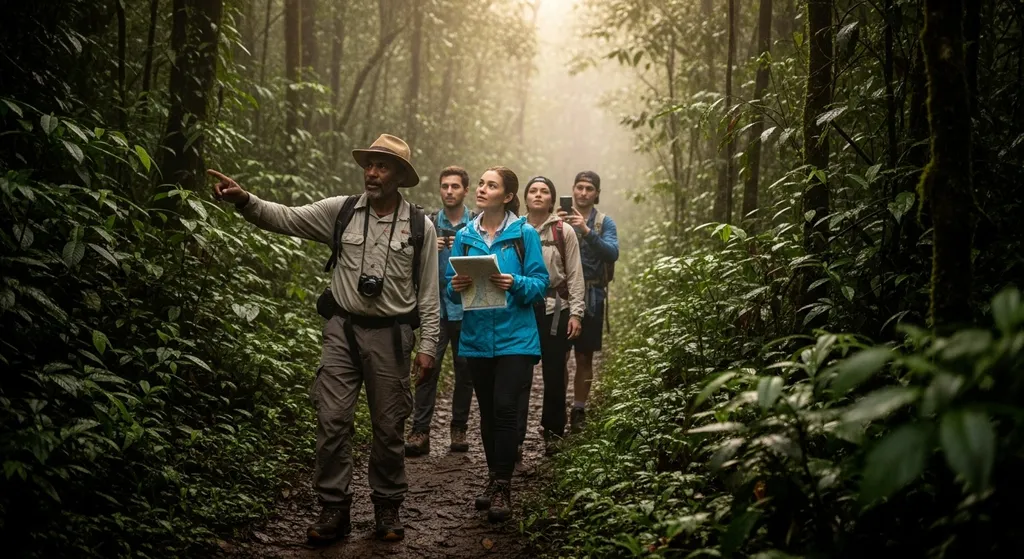
You
can
trust
the
guide
;
he
knows
every
path
in
the
jungle
.
You
can
trust
the
guide
;
he
knows
every
path
in
the
jungle
.
•
I
don't
trust
leaving
my
bike
unlocked
outside
the
station
.
I
don't
trust
leaving
my
bike
unlocked
outside
the
station
.
forest
verb
to
plant
trees
on
an
area
of
land
so
that
it
becomes
a
forest
•
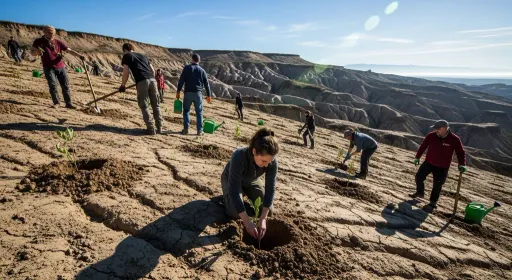
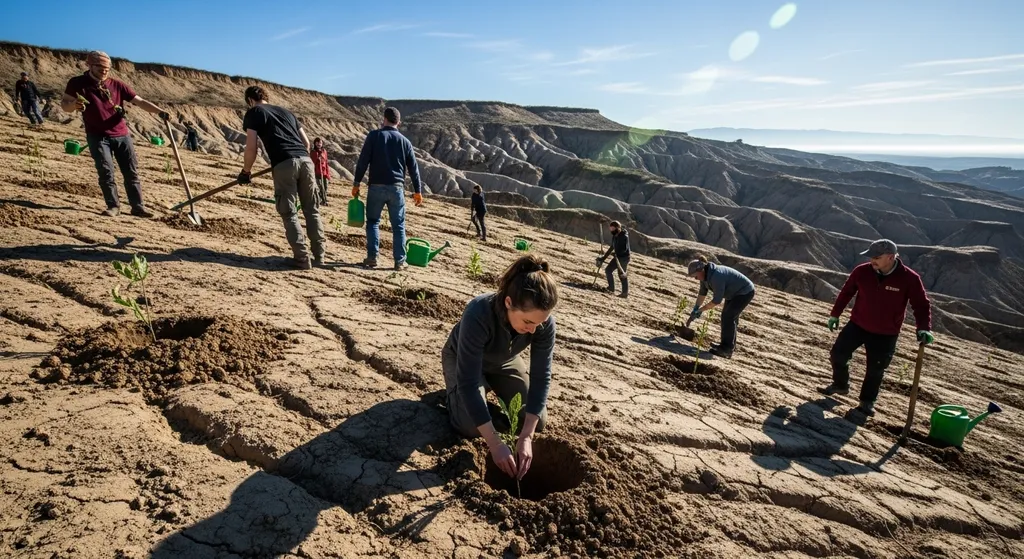
Environmental
groups
plan
to
forest
the
barren
hillside
next
spring
.
Environmental
groups
plan
to
forest
the
barren
hillside
next
spring
.
•
The
government
pledged
funds
to
forest
the
desert
fringe
.
The
government
pledged
funds
to
forest
the
desert
fringe
.
Back-formation
from
the
noun
‘
forest
’,
first
recorded
in
the
17th
century
.
insist
verb
to
say
firmly
and
repeatedly
that
something
is
true
,
especially
when
other
people
are
doubtful
•
I
insist
that
I
saw
him
leave
the
building
.
I
insist
that
I
saw
him
leave
the
building
.
•
The
witness
insisted
she
was
telling
the
truth
.
The
witness
insisted
she
was
telling
the
truth
.
verb
to
demand
firmly
that
something
must
happen
or
that
someone
must
do
something
•
Grandma
insists
that
everyone
wash
their
hands
before
dinner
.
Grandma
insists
that
everyone
wash
their
hands
before
dinner
.
•
The
teacher
insisted
on
silence
during
the
test
.
The
teacher
insisted
on
silence
during
the
test
.
coast
verb
to
move
forward
using
only
momentum
,
without
adding
power
or
effort
•
The
cyclist
stopped
pedaling
and
let
the
bike
coast
down
the
hill
.
The
cyclist
stopped
pedaling
and
let
the
bike
coast
down
the
hill
.
•
After
turning
off
the
engine
,
the
small
boat
continued
to
coast
toward
the
wooden
dock
.
After
turning
off
the
engine
,
the
small
boat
continued
to
coast
toward
the
wooden
dock
.
verb
to
succeed
,
progress
,
or
finish
something
very
easily
and
with
little
effort
•
With
her
experience
,
the
chef
could
coast
through
the
dinner
rush
without
breaking
a
sweat
.
With
her
experience
,
the
chef
could
coast
through
the
dinner
rush
without
breaking
a
sweat
.
•
He
thought
he
could
coast
on
his
reputation
,
but
the
audience
expected
more
.
He
thought
he
could
coast
on
his
reputation
,
but
the
audience
expected
more
.
host
verb
-
host
,
hosting
,
hosts
,
hosted
to
receive
and
entertain
guests
or
to
provide
the
place
for
an
event
•
We
hosted
a
barbecue
for
our
neighbors
last
weekend
.
We
hosted
a
barbecue
for
our
neighbors
last
weekend
.
•
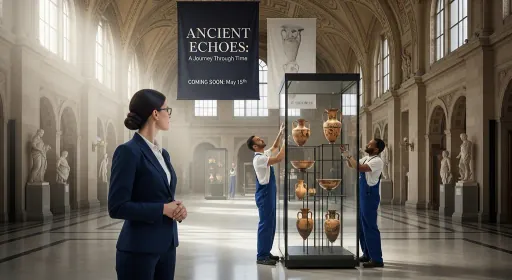
The
museum
will
host
an
exhibition
of
ancient
artifacts
.
The
museum
will
host
an
exhibition
of
ancient
artifacts
.
From
Old
French
hoste
,
same
root
as
noun
sense
.
verb
-
host
,
hosting
,
hosts
,
hosted
(
computing
)
to
keep
and
run
a
website
,
app
,
or
other
digital
service
on
a
server
•
The
company
hosts
thousands
of
websites
on
its
servers
.
The
company
hosts
thousands
of
websites
on
its
servers
.
•
They
host
their
code
repository
on
a
private
server
.
They
host
their
code
repository
on
a
private
server
.
Extension
of
general
verb
sense
to
computing
in
late
20th
century
.
breast
verb
to
move
upward
and
over
something
so
that
your
chest
reaches
or
passes
its
highest
point
•
The
exhausted
cyclist
finally
breasted
the
steep
hill
and
coasted
down
the
other
side
.
The
exhausted
cyclist
finally
breasted
the
steep
hill
and
coasted
down
the
other
side
.
•
She
breasted
the
tape
first
and
won
the
100-meter
race
.
She
breasted
the
tape
first
and
won
the
100-meter
race
.
invest
verb
to
put
money
,
time
,
or
effort
into
something
in
the
hope
of
gaining
a
benefit
or
profit
•
After
reading
about
solar
panels
,
Maria
decided
to
invest
her
savings
in
a
green
energy
company
.
After
reading
about
solar
panels
,
Maria
decided
to
invest
her
savings
in
a
green
energy
company
.
•
We
are
investing
a
lot
of
time
in
learning
Japanese
before
our
trip
.
We
are
investing
a
lot
of
time
in
learning
Japanese
before
our
trip
.
From
Latin
"
investire
"
meaning
"
to
clothe
,
dress
,
surround
",
later
used
figuratively
for
placing
money
into
something
.
verb
to
formally
give
someone
or
something
a
particular
power
,
right
,
or
quality
•
The
constitution
invests
the
president
with
the
power
to
veto
laws
.
The
constitution
invests
the
president
with
the
power
to
veto
laws
.
•
Her
warm
voice
invested
the
story
with
deep
emotion
.
Her
warm
voice
invested
the
story
with
deep
emotion
.
verb
to
surround
a
place
with
armed
forces
in
order
to
capture
it
or
force
it
to
surrender
•
The
army
invested
the
fortress
,
cutting
off
all
supplies
.
The
army
invested
the
fortress
,
cutting
off
all
supplies
.
•
For
weeks
,
enemy
troops
have
been
investing
the
coastal
city
.
For
weeks
,
enemy
troops
have
been
investing
the
coastal
city
.
rest
verb
to
relax
or
sleep
so
you
get
back
your
energy
•
After
a
long
hike
,
we
rested
under
a
shady
tree
.
After
a
long
hike
,
we
rested
under
a
shady
tree
.
•
The
doctor
told
her
to
rest
for
a
few
days
after
the
flu
.
The
doctor
told
her
to
rest
for
a
few
days
after
the
flu
.
verb
to
place
something
gently
on
or
against
something
so
that
it
is
supported
•
She
rested
her
head
on
his
shoulder
during
the
movie
.
She
rested
her
head
on
his
shoulder
during
the
movie
.
•
The
ladder
rests
against
the
wall
so
we
can
paint
the
ceiling
.
The
ladder
rests
against
the
wall
so
we
can
paint
the
ceiling
.
contrast
verb

to
compare
two
or
more
things
in
order
to
show
their
differences
,
or
to
be
strikingly
different
from
something
nearby
•
The
author
contrasts
the
hero
’
s
kindness
with
the
villain
’
s
cruelty
.
The
author
contrasts
the
hero
’
s
kindness
with
the
villain
’
s
cruelty
.
•
The
bright
red
scarf
contrasts
sharply
with
her
black
coat
.
The
bright
red
scarf
contrasts
sharply
with
her
black
coat
.
From
Latin
‘
contrastare
’,
literally
‘
to
stand
against
’.
The
stress
shifted
in
English
to
mark
the
verb
form
.
cast
verb
-
cast
,
casting
,
casts
to
throw
something
forcefully
through
the
air
•
The
knight
cast
his
spear
across
the
moat
.
The
knight
cast
his
spear
across
the
moat
.
•
During
the
board
game
,
Mia
cast
the
dice
onto
the
table
with
a
playful
grin
.
During
the
board
game
,
Mia
cast
the
dice
onto
the
table
with
a
playful
grin
.
Old
English
‘
ceastan
’,
related
to
Old
Norse
‘
kasta
’
meaning
‘
to
throw
’.
verb
-
cast
,
casting
,
casts
to
choose
the
actors
who
will
play
the
parts
in
a
movie
,
play
,
or
show
•
The
director
cast
her
favorite
actor
as
the
main
hero
.
The
director
cast
her
favorite
actor
as
the
main
hero
.
•
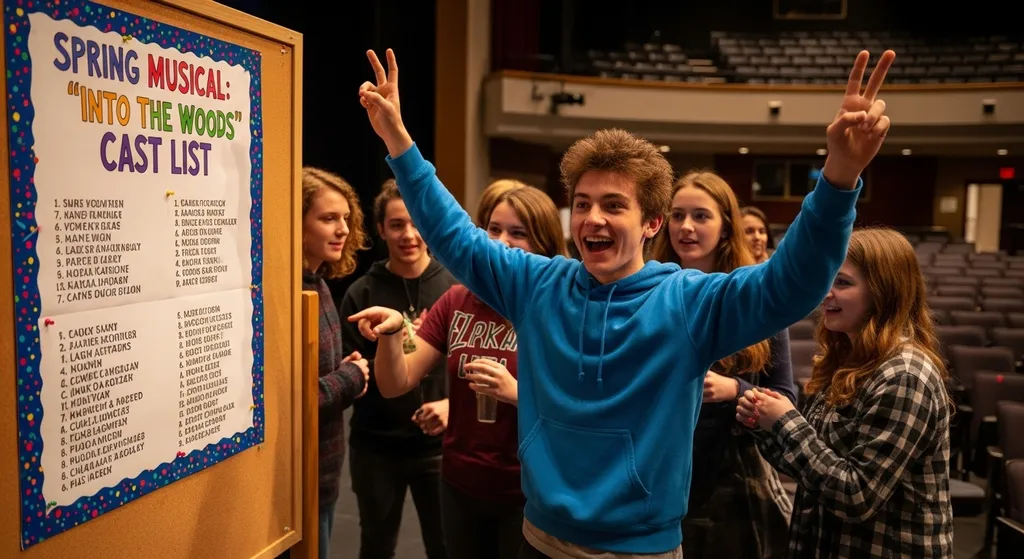
They
cast
the
musical
last
week
,
and
Julian
got
the
lead
role
.
They
cast
the
musical
last
week
,
and
Julian
got
the
lead
role
.
Meaning
‘
assign
parts
to
actors
’
appeared
in
the
17th
century
,
extending
the
idea
of
‘
throwing
’
roles
onto
performers
.
verb
-
cast
,
casting
,
casts
to
shape
metal
,
plaster
,
or
other
liquid
material
by
pouring
it
into
a
mold
where
it
hardens
•
The
sculptor
cast
the
bronze
statue
in
a
single
piece
.
The
sculptor
cast
the
bronze
statue
in
a
single
piece
.
•
Workers
cast
iron
engine
blocks
every
morning
in
the
factory
.
Workers
cast
iron
engine
blocks
every
morning
in
the
factory
.
Industrial
sense
comes
from
the
15th-century
practice
of
‘
casting
’
molten
metal
into
shapes
.
verb
-
cast
,
casting
,
casts
to
cause
light
,
shadow
,
or
a
look
to
appear
on
a
surface
•
The
tall
trees
cast
long
shadows
over
the
path
.
The
tall
trees
cast
long
shadows
over
the
path
.
•
Candlelight
cast
a
warm
glow
on
the
old
photographs
.
Candlelight
cast
a
warm
glow
on
the
old
photographs
.
From
the
sense
of
‘
throwing
’
light
or
shadow
outward
.
verb
-
cast
,
casting
,
casts
to
throw
a
fishing
line
or
net
into
the
water
•
He
cast
his
line
and
waited
for
a
bite
.
He
cast
his
line
and
waited
for
a
bite
.
•
The
children
laughed
as
they
cast
tiny
nets
from
the
pier
.
The
children
laughed
as
they
cast
tiny
nets
from
the
pier
.
Fishing
sense
recorded
since
the
15th
century
,
based
on
‘
throw
’.
existing
verb

present
participle
of
exist
:
being
real
,
alive
,
or
present
•
Scientists
search
for
evidence
of
life
existing
on
other
planets
.
Scientists
search
for
evidence
of
life
existing
on
other
planets
.
•
Records
show
several
ancient
customs
still
existing
in
rural
villages
.
Records
show
several
ancient
customs
still
existing
in
rural
villages
.
from
Latin
existere
“
to
emerge
,
to
be
”,
via
French
exister
,
becoming
English
“
exist
”
in
the
late
16th
century
;
present
participle
“
existing
”
formed
with
the
‑ing
suffix
adjective
that
is
present
,
in
place
,
or
being
used
right
now
•
We
plan
to
improve
the
existing
software
instead
of
buying
a
new
program
.
We
plan
to
improve
the
existing
software
instead
of
buying
a
new
program
.
•
Under
the
existing
rules
,
students
must
wear
uniforms
.
Under
the
existing
rules
,
students
must
wear
uniforms
.
formed
from
the
verb
“
exist
”
+
suffix
“
-ing
,”
first
used
as
an
adjective
in
the
early
17th
century
fast
verb
to
choose
not
to
eat
food
for
a
period
of
time
,
often
for
religious
or
health
reasons
•
Muslims
fast
from
dawn
to
sunset
during
Ramadan
.
Muslims
fast
from
dawn
to
sunset
during
Ramadan
.
•
Some
people
fast
once
a
week
for
health
benefits
.
Some
people
fast
once
a
week
for
health
benefits
.
Old
English
fæstan
“
to
observe
abstinence
”,
related
to
the
noun
form
.
taste
verb
-
taste
,
tasting
,
tastes
,
tasted
to
have
a
particular
flavour
•
This
soup
tastes
too
salty
.
This
soup
tastes
too
salty
.
•
The
fruit
tastes
sweeter
when
it
is
fully
ripe
.
The
fruit
tastes
sweeter
when
it
is
fully
ripe
.
verb
-
taste
,
tasting
,
tastes
,
tasted
to
put
a
small
amount
of
food
or
drink
in
your
mouth
to
find
out
what
it
is
like
•
She
tasted
the
sauce
to
see
if
it
needed
more
pepper
.
She
tasted
the
sauce
to
see
if
it
needed
more
pepper
.
•
Please
taste
this
tea
and
tell
me
if
it
is
too
strong
.
Please
taste
this
tea
and
tell
me
if
it
is
too
strong
.
verb
-
taste
,
tasting
,
tastes
,
tasted
to
experience
something
briefly
,
often
for
the
first
time
•
After
years
of
training
,
she
finally
tasted
victory
.
After
years
of
training
,
she
finally
tasted
victory
.
•
The
young
author
tasted
fame
when
his
first
book
topped
the
charts
.
The
young
author
tasted
fame
when
his
first
book
topped
the
charts
.
waste
verb
-
waste
,
wasting
,
wastes
,
wasted
to
use
time
,
money
,
energy
,
or
other
resources
in
a
careless
or
unnecessary
way
•
Don
’
t
waste
water
while
brushing
your
teeth
.
Don
’
t
waste
water
while
brushing
your
teeth
.
•
He
wasted
half
the
afternoon
playing
video
games
.
He
wasted
half
the
afternoon
playing
video
games
.
waste away
verb
-
waste
away
,
wasting
away
,
wastes
away
,
wasted
away
to
gradually
become
thinner
and
weaker
because
of
illness
or
not
eating
enough
•
My
grandfather
began
to
waste
away
during
his
long
illness
.
My
grandfather
began
to
waste away
during
his
long
illness
.
•
Without
proper
food
,
prisoners
could
waste
away
.
Without
proper
food
,
prisoners
could
waste away
.
consist
verb
to
be
made
up
of
particular
parts
or
things
,
usually
used
with
the
preposition
“
of
”
•
The
gift
basket
consists of
fresh
fruit
,
cheese
,
and
a
small
bottle
of
wine
.
The
gift
basket
consists of
fresh
fruit
,
cheese
,
and
a
small
bottle
of
wine
.
•
A
year
consists of
twelve
months
.
A
year
consists of
twelve
months
.
From
Latin
"
consistere
"
meaning
"
to
stand
firm
,
be
composed
of
"
verb
to
have
something
as
the
most
important
or
essential
part
,
quality
,
or
element
,
usually
used
with
the
preposition
“
in
”
•
True
happiness
consists in
helping
others
.
True
happiness
consists in
helping
others
.
•
The
beauty
of
the
painting
consists in
its
vibrant
colors
.
The
beauty
of
the
painting
consists in
its
vibrant
colors
.
Same
Latin
root
as
the
primary
sense
,
later
specialized
in
philosophical
and
formal
writing
.
verb
(
formal
,
now
rare
)
to
be
in
agreement
or
harmony
with
something
,
used
with
the
preposition
“
with
”
•
The
facts
of
the
case
do
not
consist with
her
testimony
.
The
facts
of
the
case
do
not
consist with
her
testimony
.
•
Such
behavior
hardly
consists with
the
company
’
s
values
.
Such
behavior
hardly
consists with
the
company
’
s
values
.
Older
legal
and
philosophical
usage
extending
the
idea
of
parts
fitting
together
to
ideas
and
facts
matching
.
breakfast
verb
to
eat
breakfast
•
On
Sundays
,
they
love
to
breakfast
on
the
balcony
.
On
Sundays
,
they
love
to
breakfast
on
the
balcony
.
•
The
hikers
breakfasted
early
to
start
before
sunrise
.
The
hikers
breakfasted
early
to
start
before
sunrise
.
Verb
use
from
the
noun
‘
breakfast
’,
attested
since
the
15th
century
.
assist
verb
to
help
someone
or
make
it
easier
for
them
to
do
something
•
The
nurse
hurried
over
to
assist
the
elderly
man
in
finding
his
seat
.
The
nurse
hurried
over
to
assist
the
elderly
man
in
finding
his
seat
.
•
Could
you
assist
me
with
this
heavy
suitcase
?
Could
you
assist
me
with
this
heavy
suitcase
?
From
Middle
French
assister
,
from
Latin
assistere
meaning
“
to
stand
by
,
help
”.
adjust
verb
to
change
something
slightly
so
it
fits
,
works
,
or
looks
better
•
Before
driving
,
he
adjusted
the
rear-view
mirror
so
he
could
see
the
traffic
behind
him
.
Before
driving
,
he
adjusted
the
rear-view
mirror
so
he
could
see
the
traffic
behind
him
.
•
The
tailor
carefully
adjusted
the
sleeves
,
making
the
jacket
fit
the
customer
perfectly
.
The
tailor
carefully
adjusted
the
sleeves
,
making
the
jacket
fit
the
customer
perfectly
.
Early
17th
century
:
from
Old
French
ajuster
‘
bring
into
line
’,
based
on
Latin
ad-
‘
to
’
+
juxta
‘
near
’.
verb
to
gradually
become
familiar
with
a
new
situation
or
condition
•
After
moving
abroad
,
Maya
adjusted
quickly
to
the
cold
winters
.
After
moving
abroad
,
Maya
adjusted
quickly
to
the
cold
winters
.
•
New
students
sometimes
struggle
to
adjust
to
college
life
.
New
students
sometimes
struggle
to
adjust
to
college
life
.
verb
to
examine
and
settle
an
insurance
claim
or
financial
amount
so
it
is
accurate
•
The
claims
officer
adjusted
the
insurance
payout
after
inspecting
the
damage
.
The
claims
officer
adjusted
the
insurance
payout
after
inspecting
the
damage
.
•
Auditors
will
adjust
the
figures
to
reflect
the
latest
financial
regulations
.
Auditors
will
adjust
the
figures
to
reflect
the
latest
financial
regulations
.
priest
verb
to
officially
make
someone
a
priest
in
a
religious
ceremony
•
The
bishop
will
priest
the
three
deacons
during
the
Easter
vigil
.
The
bishop
will
priest
the
three
deacons
during
the
Easter
vigil
.
•
He
was
priested
at
the
age
of
thirty
after
years
of
study
.
He
was
priested
at
the
age
of
thirty
after
years
of
study
.
Derived
from
the
noun
‘
priest
’
and
first
recorded
in
the
15th
century
as
a
verb
meaning
‘
to
ordain
’.
protest
verb
-
protest
,
protesting
,
protests
,
protested
to
show
or
voice
strong
disagreement
with
something
,
especially
publicly
•
Workers
marched
to
the
gate
to
protest
against
low
wages
.
Workers
marched
to
the
gate
to
protest
against
low
wages
.
•
Residents
plan
to
protest
the
closure
of
the
local
library
.
Residents
plan
to
protest
the
closure
of
the
local
library
.
Same
origin
as
the
noun
,
from
Latin
'protestari'
'to
declare
openly'
.
verb
-
protest
,
protesting
,
protests
,
protested
to
state
firmly
that
something
is
true
,
especially
when
others
doubt
it
•
She
kept
protesting
her
innocence
during
the
entire
interview
.
She
kept
protesting
her
innocence
during
the
entire
interview
.
•
The
company
spokesman
protested
that
the
article
was
unfair
.
The
company
spokesman
protested
that
the
article
was
unfair
.
Extended
sense
of
the
Latin
root
meaning
'to
declare
publicly'
.
dust
verb
-
dust
,
dusting
,
dusts
,
dusted
to
remove
dust
from
a
surface
by
wiping
or
brushing
it
•
Every
Saturday
morning
,
she
dusts
the
shelves
in
the
living
room
.
Every
Saturday
morning
,
she
dusts
the
shelves
in
the
living
room
.
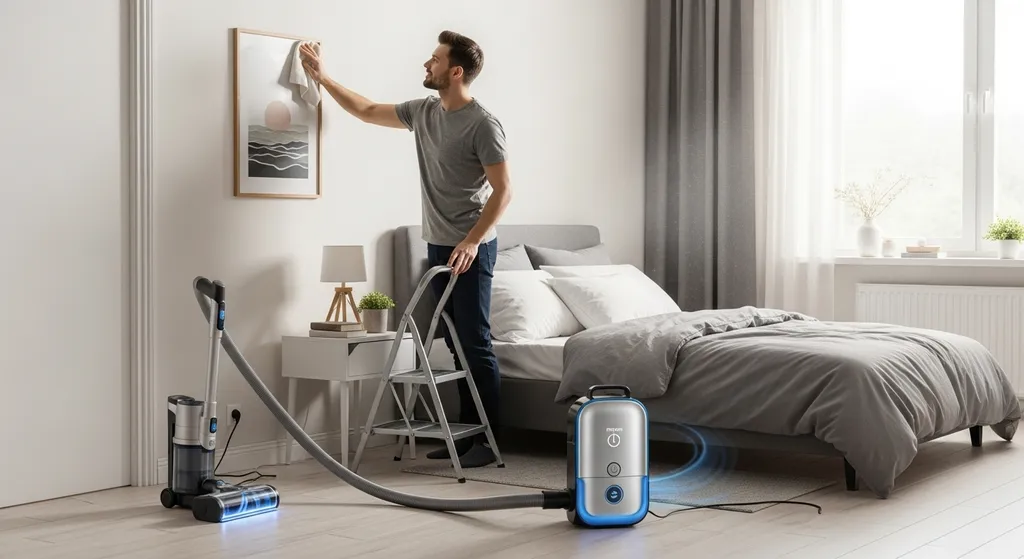
•
Could
you
dust
the
picture
frames
while
I
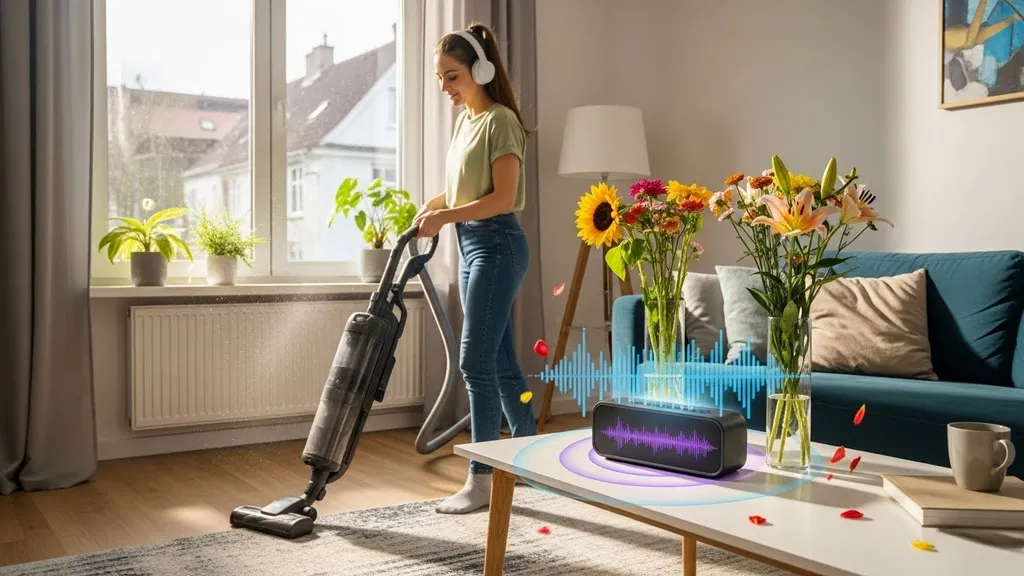
vacuum
?
Could
you
dust
the
picture
frames
while
I
vacuum
?
verb
-
dust
,
dusting
,
dusts
,
dusted
to
lightly
cover
something
with
a
fine
dry
substance
such
as
flour
,
sugar
,
or
powder
•
The
baker
dusts
the
cookies
with
powdered
sugar
before
serving
.
The
baker
dusts
the
cookies
with
powdered
sugar
before
serving
.
•
She
dusted
cocoa
over
the
creamy
dessert
.
She
dusted
cocoa
over
the
creamy
dessert
.
verb
-
dust
,
dusting
,
dusts
,
dusted
(
informal
)
to
defeat
someone
very
easily
or
completely
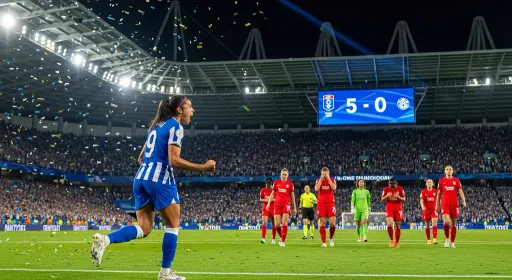
•
Our
team
dusted
the
rivals
5–0
in
the
final
.
Our
team
dusted
the
rivals
5–0
in
the
final
.
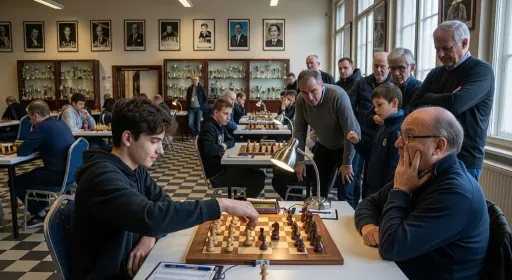
•
The
chess
prodigy
dusts
experienced
opponents
without
breaking
a
sweat
.
The
chess
prodigy
dusts
experienced
opponents
without
breaking
a
sweat
.
arrest
verb
-
arrest
,
arresting
,
arrests
,
arrested
to
take
someone
into
police
custody
because
the
authorities
believe
that
person
has
broken
the
law
•
Two
officers
arrest
the
burglar
as
he
tries
to
climb
out
the
window
.
Two
officers
arrest
the
burglar
as
he
tries
to
climb
out
the
window
.
•
After
examining
the
evidence
,
detectives
decided
to
arrest
the
chief
suspect
at
dawn
.
After
examining
the
evidence
,
detectives
decided
to
arrest
the
chief
suspect
at
dawn
.
From
Old
French
arester
(
to
stop
,
stay
)
and
Latin
ad-
+
restāre
(
to
remain
).
verb
-
arrest
,
arresting
,
arrests
,
arrested
to
stop
the
progress
or
development
of
something
•
Doctors
managed
to
arrest
the
spread
of
the
infection
with
early
treatment
.
Doctors
managed
to
arrest
the
spread
of
the
infection
with
early
treatment
.
•
Strong
measures
are
needed
to
arrest
climate
change
.
Strong
measures
are
needed
to
arrest
climate
change
.
verb
-
arrest
,
arresting
,
arrests
,
arrested
to
attract
and
hold
someone
’
s
attention
•
The
vivid
colors
of
the
sunset
arrest
everyone
’
s
gaze
on
the
beach
.
The
vivid
colors
of
the
sunset
arrest
everyone
’
s
gaze
on
the
beach
.
•
Her
unexpected
question
arrest
the
lecturer
’
s
flow
mid-sentence
.
Her
unexpected
question
arrest
the
lecturer
’
s
flow
mid-sentence
.
request
verb
-
request
,
requesting
,
requests
,
requested
to
ask
someone
politely
or
formally
to
do
something
or
to
provide
something
•
Could
I
request
a
window
seat
,
please
?
Could
I
request
a
window
seat
,
please
?
•
They
requested
more
information
about
the
new
policy
.
They
requested
more
information
about
the
new
policy
.
From
the
noun
‘
request
’;
first
recorded
as
a
verb
in
the
early
16th
century
.
testing
verb
present
participle
of
test
;
carrying
out
a
test
on
something
or
someone
•
The
scientist
is
testing
a
new
vaccine
in
the
laboratory
.
The
scientist
is
testing
a
new
vaccine
in
the
laboratory
.
•
We
are
testing
the
fire
alarm
this
afternoon
.
We
are
testing
the
fire
alarm
this
afternoon
.
From
Middle
English
“
testen
”,
from
Old
French
“
test
”,
originally
meaning
a
small
earthen
pot
used
in
assaying
metals
;
evolved
to
mean
examine
or
try
.
noun
-
testing
the
process
of
examining
or
trying
something
to
discover
its
quality
,
safety
,
or
performance
•
The
new
smartphone
is
still
undergoing
testing
to
make
sure
it
doesn't
overheat
.
The
new
smartphone
is
still
undergoing
testing
to
make
sure
it
doesn't
overheat
.
•
After
months
of
testing
,
engineers
finally
approved
the
bridge
design
.
After
months
of
testing
,
engineers
finally
approved
the
bridge
design
.
Formed
from
the
verb
“
test
”
+
suffix
“
-ing
”,
first
recorded
in
English
in
the
late
1600s
to
describe
the
act
of
making
a
test
.
adjective
requiring
great
effort
or
endurance
;
challenging
•
Climbing
the
icy
mountain
was
a
testing
challenge
for
the
rescue
team
.
Climbing
the
icy
mountain
was
a
testing
challenge
for
the
rescue
team
.
•
The
first
year
of
medical
school
can
be
a
testing
time
for
students
.
The
first
year
of
medical
school
can
be
a
testing
time
for
students
.
The
adjective
arose
in
the
19th
century
from
the
noun
"
test
"
+
"
-ing
",
metaphorically
extending
the
idea
of
a
test
to
a
demanding
experience
.
ghost
verb
-
ghost
,
ghosting
,
ghosts
,
ghosted
to
suddenly
stop
communicating
with
someone
,
especially
online
or
by
phone
,
without
giving
any
explanation
•
After
their
third
date
,
he
ghosted
her
and
never
replied
to
a
single
text
.
After
their
third
date
,
he
ghosted
her
and
never
replied
to
a
single
text
.
•
She
felt
hurt
when
her
best
friend
suddenly
ghosted
her
on
social
media
.
She
felt
hurt
when
her
best
friend
suddenly
ghosted
her
on
social
media
.
Originally
U
.
S
.
slang
from
the
early
2000s
,
likening
disappearing
from
communication
to
a
ghost
vanishing
.
resist
verb
to
work
or
fight
against
something
and
try
not
to
be
affected
,
changed
,
or
controlled
by
it
•
Even
though
the
bakery
smelled
wonderful
,
Maria
couldn't
resist
buying
a
warm
chocolate
croissant
.
Even
though
the
bakery
smelled
wonderful
,
Maria
couldn't
resist
buying
a
warm
chocolate
croissant
.
•
The
little
boy
tried
to
resist
the
strong
wind
by
leaning
forward
as
he
walked
to
school
.
The
little
boy
tried
to
resist
the
strong
wind
by
leaning
forward
as
he
walked
to
school
.
From
Latin
resistere
,
meaning
“
to
stand
back
,
oppose
.”
The
word
entered
Middle
English
via
Old
French
.
contest
verb
-
contest
,
contesting
,
contests
,
contested
to
formally
challenge
,
oppose
,
or
dispute
something
to
show
that
you
think
it
is
wrong
or
unfair
•
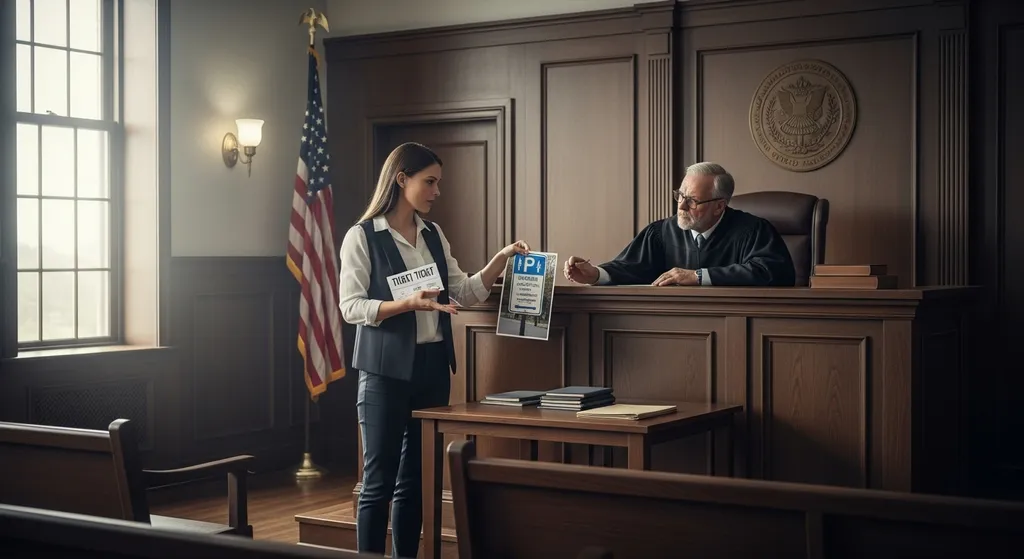
They
decided
to
contest
the
parking
ticket
in
court
.
They
decided
to
contest
the
parking
ticket
in
court
.
•
The
athlete
plans
to
contest
the
suspension
,
claiming
there
was
a
testing
error
.
The
athlete
plans
to
contest
the
suspension
,
claiming
there
was
a
testing
error
.
From
Latin
"
contestari
"
meaning
“
to
call
upon
as
witnesses
,”
evolving
in
English
to
signify
challenging
a
decision
in
the
15th
century
.
distinguish
verb
-
distinguish
,
distinguishing
,
distinguishes
,
distinguished
to
recognize
and
show
the
difference
between
two
or
more
people
or
things
•
In
the
thick
morning
mist
,
it
was
hard
to
distinguish
the
shore
from
the
sea
.
In
the
thick
morning
mist
,
it
was
hard
to
distinguish
the
shore
from
the
sea
.
•
Babies
can
quickly
distinguish
their
mother's
voice
from
every
other
sound
in
the
room
.
Babies
can
quickly
distinguish
their
mother's
voice
from
every
other
sound
in
the
room
.
Borrowed
from
Latin
distinguere
“
to
separate
,
divide
,
discern
.”
verb
-
distinguish
,
distinguishing
,
distinguishes
,
distinguished
to
be
the
special
quality
that
makes
someone
or
something
different
from
others
•
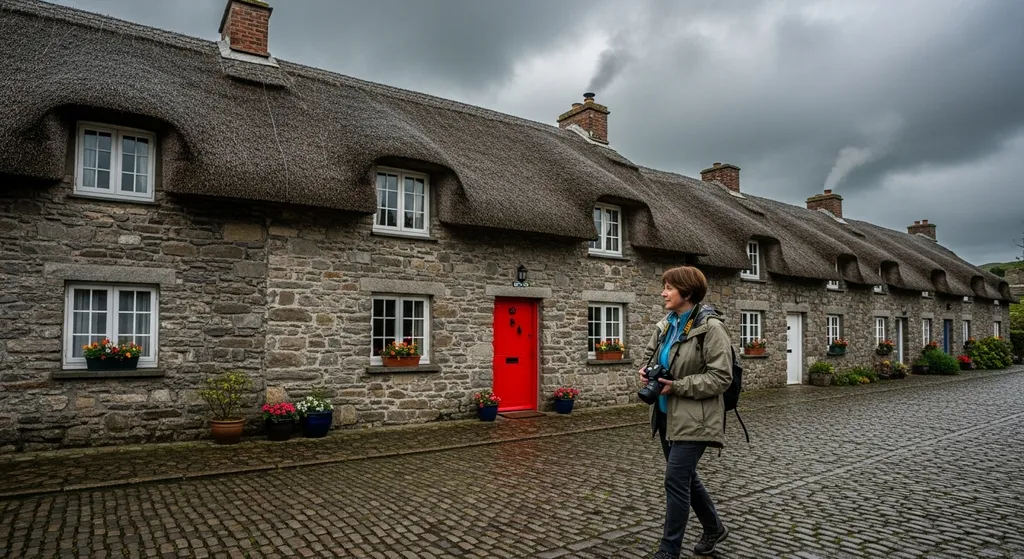
A
bright
red
door
distinguishes
the
cottage
from
all
its
neighbors
.
A
bright
red
door
distinguishes
the
cottage
from
all
its
neighbors
.
•
Her
gentle
humor
distinguishes
her
teaching
style
.
Her
gentle
humor
distinguishes
her
teaching
style
.
Borrowed
from
Latin
distinguere
“
to
separate
,
divide
,
discern
.”
verb
-
distinguish
,
distinguishing
,
distinguishes
,
distinguished
to
do
something
so
well
that
people
notice
and
admire
you
•
The
young
researcher
distinguished
herself
by
discovering
a
new
species
of
beetle
.
The
young
researcher
distinguished
herself
by
discovering
a
new
species
of
beetle
.
•
He
distinguished
himself
in
battle
with
acts
of
bravery
.
He
distinguished
himself
in
battle
with
acts
of
bravery
.
Borrowed
from
Latin
distinguere
“
to
separate
,
divide
,
discern
.”
boost
verb
to
increase
,
improve
,
or
make
something
stronger
or
more
effective
•
Adding
fresh
herbs
can
boost
the
flavor
of
the
soup
.
Adding
fresh
herbs
can
boost
the
flavor
of
the
soup
.
•
The
new
advertisement
is
expected
to
boost
sales
this
summer
.
The
new
advertisement
is
expected
to
boost
sales
this
summer
.
From
earlier
Scots
boost
“
a
push
,
shove
”,
later
extended
to
the
idea
of
pushing
numbers
upward
.
verb
to
lift
someone
up
by
the
hands
or
from
below
so
they
can
reach
something
higher
•
Tom
boosted
his
little
sister
onto
the
tree
branch
.
Tom
boosted
his
little
sister
onto
the
tree
branch
.
•
Could
you
boost
me
over
the
fence
?
Could
you
boost
me
over
the
fence
?
Extension
of
the
earlier
sense
of
giving
a
shove
upward
.
wrist
verb
-
wrist
,
wristing
,
wrists
,
wristed
to
hit
,
throw
,
or
guide
something
with
a
quick
flick
of
the
wrist
•
The
hockey
player
wristed
the
puck
into
the
top
corner
of
the
net
.
The
hockey
player
wristed
the
puck
into
the
top
corner
of
the
net
.
•
She
lightly
wrists
the
paintbrush
to
create
delicate
lines
on
the
canvas
.
She
lightly
wrists
the
paintbrush
to
create
delicate
lines
on
the
canvas
.
Extended
from
the
noun
sense
,
first
recorded
in
sports
contexts
in
the
early
20th
century
.
twist
verb
-
twist
,
twisting
,
twists
,
twisted
to
turn
something
round
and
round
,
often
with
your
fingers
,
usually
to
open
,
close
,
tighten
,
or
remove
it
•
He
twisted
the
jar
lid
until
it
finally
came
off
.
He
twisted
the
jar
lid
until
it
finally
came
off
.
•
Turn
the
key
and
then
twist
the
handle
to
open
the
old
wooden
door
.
Turn
the
key
and
then
twist
the
handle
to
open
the
old
wooden
door
.
Old
English
‘
twist
’
meaning
‘
a
rope
made
of
two
strands
’,
from
the
verb
‘
twist
’,
related
to
Dutch
‘
twisten
’ (
to
quarrel
)
and
German
‘
Zwist
’ (
discord
).
verb
-
twist
,
twisting
,
twists
,
twisted
to
bend
or
force
something
out
of
its
normal
shape
by
turning
it
hard
•
He
accidentally
twisted
his
ankle
while
jumping
off
the
curb
.
He
accidentally
twisted
his
ankle
while
jumping
off
the
curb
.
•
The
strong
wind
twisted
the
metal
signpost
out
of
shape
.
The
strong
wind
twisted
the
metal
signpost
out
of
shape
.
verb
-
twist
,
twisting
,
twists
,
twisted
to
move
or
extend
in
repeated
bends
or
curves
•
The
river
twists
through
the
valley
like
a
silver
ribbon
.
The
river
twists
through
the
valley
like
a
silver
ribbon
.
•
The
narrow
road
twisted
around
the
hillside
,
offering
stunning
views
.
The
narrow
road
twisted
around
the
hillside
,
offering
stunning
views
.
noun
-
twist
,
twisting
,
twists
,
twisted
an
unexpected
change
or
turn
in
a
story
,
situation
,
or
plan
•
The
movie
’
s
final
twist
shocked
everyone
in
the
theater
.
The
movie
’
s
final
twist
shocked
everyone
in
the
theater
.
•
There
was
a
surprising
twist
at
the
end
of
the
detective
novel
.
There
was
a
surprising
twist
at
the
end
of
the
detective
novel
.
noun
-
twist
,
twisting
,
twists
,
twisted
a
sharp
bend
or
curve
in
something
that
is
usually
straight
,
or
a
spiral
piece
made
by
turning
material
around
itself
•
The
road
ahead
has
several
dangerous
twists
and
turns
.
The
road
ahead
has
several
dangerous
twists
and
turns
.
•
He
dropped
a
lemon
twist
into
the
sparkling
water
.
He
dropped
a
lemon
twist
into
the
sparkling
water
.
verb
-
twist
,
twisting
,
twists
,
twisted
to
deliberately
change
the
meaning
of
words
,
facts
,
or
events
so
that
they
give
a
false
impression
•
Don
’
t
twist
my
words
—
I
never
said
you
were
lazy
.
Don
’
t
twist
my
words
—
I
never
said
you
were
lazy
.
•
The
article
twisted
the
facts
to
make
the
story
more
dramatic
.
The
article
twisted
the
facts
to
make
the
story
more
dramatic
.
Twist
noun
-
twist
,
twisting
,
twists
,
twisted
a
popular
1960s
dance
in
which
people
twist
their
hips
and
arms
to
the
rhythm
without
moving
their
feet
very
much
•
My
grandparents
still
love
dancing
the
Twist
at
parties
.
My
grandparents
still
love
dancing
the
Twist
at
parties
.
•
The
DJ
played
‘
Let
’
s
Twist
Again
,’
and
everyone
rushed
to
the
dance
floor
.
The
DJ
played
‘
Let
’
s
Twist
Again
,’
and
everyone
rushed
to
the
dance
floor
.
Named
after
the
twisting
hip
motion
involved
in
the
dance
,
popularized
by
Chubby
Checker
’
s
1960
hit
song
‘
The
Twist
’.
burst
verb
-
burst
,
bursting
,
bursts
to
break
open
or
apart
suddenly
with
a
loud
noise
or
a
violent
release
of
pressure
•
The
red
balloon
suddenly
burst
at
the
birthday
party
,
making
all
the
children
jump
.
The
red
balloon
suddenly
burst
at
the
birthday
party
,
making
all
the
children
jump
.
•
Be
careful
not
to
overfill
the
tire
or
it
could
burst
.
Be
careful
not
to
overfill
the
tire
or
it
could
burst
.
Old
English
berstan
“
to
break
suddenly
,”
akin
to
German
bersten
,
of
ancient
Germanic
origin
.
verb
-
burst
,
bursting
,
bursts
to
suddenly
begin
producing
or
expressing
something
such
as
sound
,
emotion
,
or
flames
•
The
moment
she
heard
the
joke
,
the
children
burst
into
laughter
.
The
moment
she
heard
the
joke
,
the
children
burst
into
laughter
.
•
When
the
sad
news
was
announced
,
Maria
burst
into
tears
.
When
the
sad
news
was
announced
,
Maria
burst
into
tears
.
verb
-
burst
,
bursting
,
bursts
to
move
suddenly
and
forcefully
into
,
out
of
,
or
through
a
place
•
The
firefighters
burst
through
the
door
to
rescue
the
family
.
The
firefighters
burst
through
the
door
to
rescue
the
family
.
•
She
burst
into
the
kitchen
,
waving
her
exam
results
excitedly
.
She
burst
into
the
kitchen
,
waving
her
exam
results
excitedly
.
verb
-
burst
,
bursting
,
bursts
to
be
or
feel
so
full
of
something
that
it
cannot
hold
more
•
The
suitcase
was
bursting
at
the
seams
with
clothes
.
The
suitcase
was
bursting
at
the
seams
with
clothes
.
•
The
garden
is
bursting
with
colorful
flowers
this
spring
.
The
garden
is
bursting
with
colorful
flowers
this
spring
.
quest
verb
to
search
or
journey
for
something
difficult
to
find
•
They
quest
every
weekend
,
exploring
mountain
trails
in
search
of
rare
birds
.
They
quest
every
weekend
,
exploring
mountain
trails
in
search
of
rare
birds
.
•
The
knight
vowed
to
quest
until
he
found
the
sacred
sword
.
The
knight
vowed
to
quest
until
he
found
the
sacred
sword
.
From
the
noun
form
,
used
as
a
verb
since
Middle
English
;
based
on
Old
French
"
quester
"
meaning
“
to
seek
”.
fist
verb
-
fist
,
fisting
,
fists
,
fisted
to
clench
one
’
s
hand
into
a
fist
or
to
strike
with
a
fist
•
He
fisted
the
punching
bag
again
and
again
during
training
.
He
fisted
the
punching
bag
again
and
again
during
training
.
•
She
nervously
fisted
the
hem
of
her
dress
while
waiting
to
speak
.
She
nervously
fisted
the
hem
of
her
dress
while
waiting
to
speak
.
broadcast
verb
-
broadcast
,
broadcasting
,
broadcasts
,
broadcasted
to
send
out
radio
,
television
,
or
internet
signals
so
that
many
people
can
hear
or
see
a
program
at
the
same
time
•
The
station
broadcasts
the
evening
news
at
six
o
’
clock
every
day
.
The
station
broadcasts
the
evening
news
at
six
o
’
clock
every
day
.
•
They
broadcast
the
concert
live
from
the
city
square
.
They
broadcast
the
concert
live
from
the
city
square
.
Originally
a
farming
term
meaning
“
to
scatter
seeds
widely
” (
18th
century
);
applied
to
radio
and
later
television
in
the
early
20th
century
.
verb
-
broadcast
,
broadcasting
,
broadcasts
,
broadcasted
to
tell
something
to
many
people
so
that
it
quickly
becomes
widely
known
•
She
didn
’
t
mean
to
broadcast
her
friend
’
s
secret
to
the
whole
class
.
She
didn
’
t
mean
to
broadcast
her
friend
’
s
secret
to
the
whole
class
.
•
The
company
quickly
broadcast
news
of
its
success
on
social
media
.
The
company
quickly
broadcast
news
of
its
success
on
social
media
.
verb
-
broadcast
,
broadcasting
,
broadcasts
,
broadcasted
to
scatter
seeds
over
a
wide
area
of
land
rather
than
planting
them
in
rows
•
The
farmer
broadcasts
wheat
seeds
across
the
field
every
spring
.
The
farmer
broadcasts
wheat
seeds
across
the
field
every
spring
.
•
Traditionally
,
rice
was
broadcast
by
hand
before
mechanical
planters
were
invented
.
Traditionally
,
rice
was
broadcast
by
hand
before
mechanical
planters
were
invented
.
nest
verb
-
nest
,
nesting
,
nests
,
nested
to
build
or
live
in
a
nest
•
Swallows
nest
under
the
bridge
each
spring
.
Swallows
nest
under
the
bridge
each
spring
.
•
Two
doves
nested
in
the
flower
box
outside
her
window
.
Two
doves
nested
in
the
flower
box
outside
her
window
.
verb
-
nest
,
nesting
,
nests
,
nested
to
place
or
arrange
one
thing
inside
another
,
or
inside
something
larger
,
so
they
fit
closely
•
She
nested
the
mixing
bowls
to
free
up
cupboard
space
.
She
nested
the
mixing
bowls
to
free
up
cupboard
space
.
•
You
can
nest
folders
inside
each
other
on
the
computer
for
better
organization
.
You
can
nest
folders
inside
each
other
on
the
computer
for
better
organization
.
persist
verb
to
continue
to
exist
or
happen
for
a
long
time
•
Even
after
the
heavy
rain
stopped
,
a
thin
mist
persisted
over
the
valley
.
Even
after
the
heavy
rain
stopped
,
a
thin
mist
persisted
over
the
valley
.
•
The
smell
of
fresh
paint
persisted
in
the
classroom
all
week
.
The
smell
of
fresh
paint
persisted
in
the
classroom
all
week
.
From
Latin
persistō
(“
stand
firm
,
continue
steadfastly
”),
from
per-
(“
thoroughly
”)
+
sistō
(“
stand
,
place
”).
verb
to
keep
doing
something
with
determination
,
even
when
it
is
difficult
or
others
want
you
to
stop
•
Despite
many
rejections
,
she
persisted
and
finally
published
her
novel
.
Despite
many
rejections
,
she
persisted
and
finally
published
her
novel
.
•
The
puppy
persisted
in
barking
until
someone
opened
the
door
.
The
puppy
persisted
in
barking
until
someone
opened
the
door
.
From
Latin
persistō
(“
stand
firm
,
continue
steadfastly
”),
combining
per-
(“
thoroughly
”)
with
sistō
(“
stand
”).
blast
verb
-
blast
,
blasting
,
blasts
,
blasted
To
make
or
cause
to
make
a
very
loud
sound
;
to
play
music
extremely
loudly
.
•
She
blasted
her
favorite
song
while
cleaning
the
house
.
She
blasted
her
favorite
song
while
cleaning
the
house
.
•
The
speakers
blast
music
so
loud
that
the
floor
vibrates
.
The
speakers
blast
music
so
loud
that
the
floor
vibrates
.
From
the
idea
of
an
explosive
noise
,
later
applied
to
loud
music
or
horns
.
verb
-
blast
,
blasting
,
blasts
,
blasted
To
break
apart
or
destroy
something
with
explosives
or
great
force
.
•
Engineers
blasted
a
tunnel
through
the
mountain
for
the
new
railway
.
Engineers
blasted
a
tunnel
through
the
mountain
for
the
new
railway
.
•
Workers
will
blast
the
old
warehouse
to
clear
space
for
the
park
.
Workers
will
blast
the
old
warehouse
to
clear
space
for
the
park
.
Developed
from
noun
sense
of
an
explosion
,
turned
into
a
verb
in
the
18th
century
.
verb
-
blast
,
blasting
,
blasts
,
blasted
To
sharply
and
publicly
criticize
someone
or
something
.
•
The
coach
blasted
the
team
for
their
lack
of
effort
.
The
coach
blasted
the
team
for
their
lack
of
effort
.
•
Reporters
blasted
the
company
for
hiding
the
safety
report
.
Reporters
blasted
the
company
for
hiding
the
safety
report
.
Figurative
extension
from
the
force
of
an
explosion
to
the
force
of
harsh
words
.