



toqus
Picture Dictionary
English
한국어
Register
Login
🔍
year
noun
a
period
of
twelve
months
,
counted
from
January
to
December
,
or
any
continuous
span
of
twelve
months
•
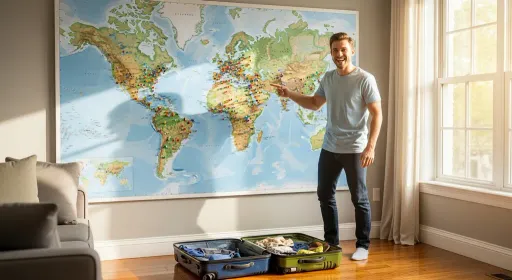
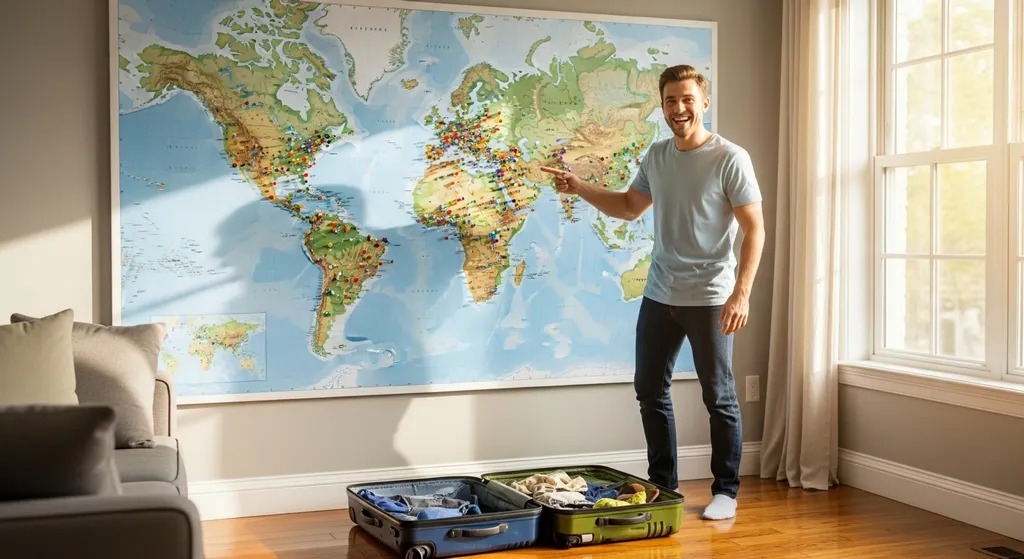
I
want
to
travel
around
the
world
next
year
.
I
want
to
travel
around
the
world
next
year
.
•
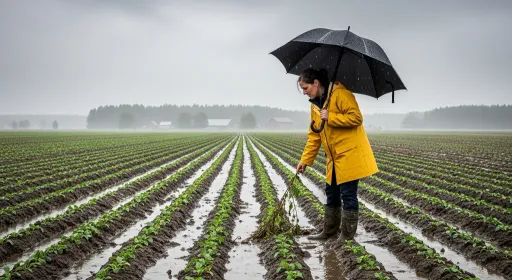
It
has
been
a
rainy
year
for
the
farmers
.
It
has
been
a
rainy
year
for
the
farmers
.
Old
English
gēar
,
from
Proto-Germanic
*jērą
,
related
to
Greek
hōra
“
year
,
season
.”
noun
a
unit
for
stating
or
measuring
how
old
someone
or
something
is
•
Maria
is
eight
years
old
and
loves
drawing
.
Maria
is
eight
years
old
and
loves
drawing
.
•
At
21
years
of
age
,
he
started
his
own
business
.
At
21
years
of
age
,
he
started
his
own
business
.
noun
the
period
during
which
a
school
,
college
,
or
university
holds
classes
,
usually
from
late
summer
or
early
autumn
to
the
next
summer
•
The
new
year
at
our
school
starts
in
September
.
The
new
year
at
our
school
starts
in
September
.
•
During
her
final
year
of
university
,
she
wrote
a
thesis
.
During
her
final
year
of
university
,
she
wrote
a
thesis
.
noun
(
usually
in
plural
)
a
very
long
time
•
I
haven't
seen
you
in
years
!
I
haven't
seen
you
in
years
!
•
It
took
years
to
build
the
Great
Wall
.
It
took
years
to
build
the
Great
Wall
.
yeah
interjection
an
informal
way
of
saying
“
yes
”
•
“
Do
you
want
to
join
us
for
pizza
?” — “
Yeah
!”
“
Do
you
want
to
join
us
for
pizza
?” — “
Yeah
!”
•
Yeah
,
I
finished
my
homework
already
.
Yeah
,
I
finished
my
homework
already
.
Colloquial
pronunciation
of
yes
,
first
recorded
in
19th-century
American
English
,
probably
influenced
by
regional
dialects
that
shortened
or
softened
the
vowel
sound
.
yes
interjection
used
to
show
agreement
,
approval
,
or
that
something
is
true
•
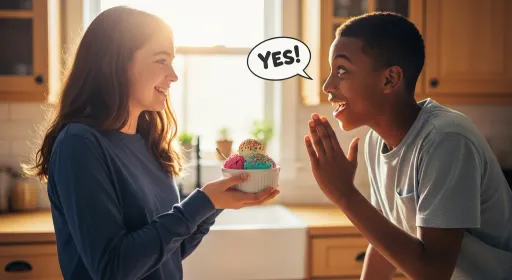
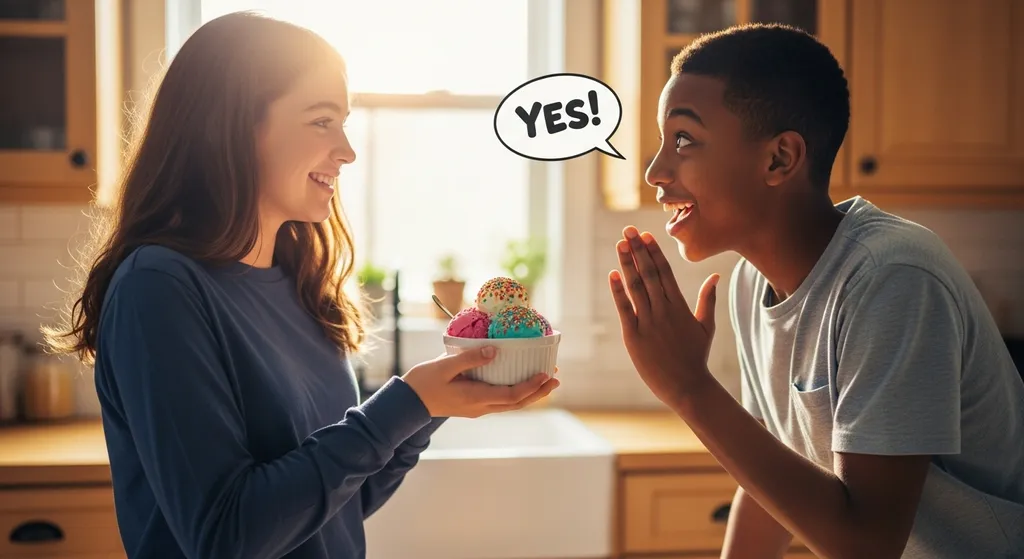
She
asked
if
I
wanted
ice
cream
and
I
said
yes
.
She
asked
if
I
wanted
ice
cream
and
I
said
yes
.
•
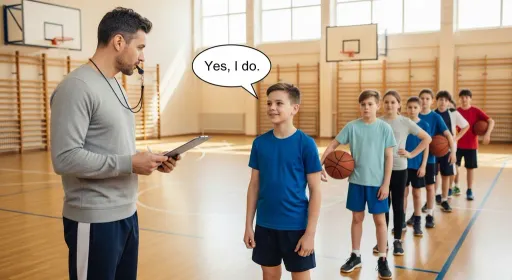
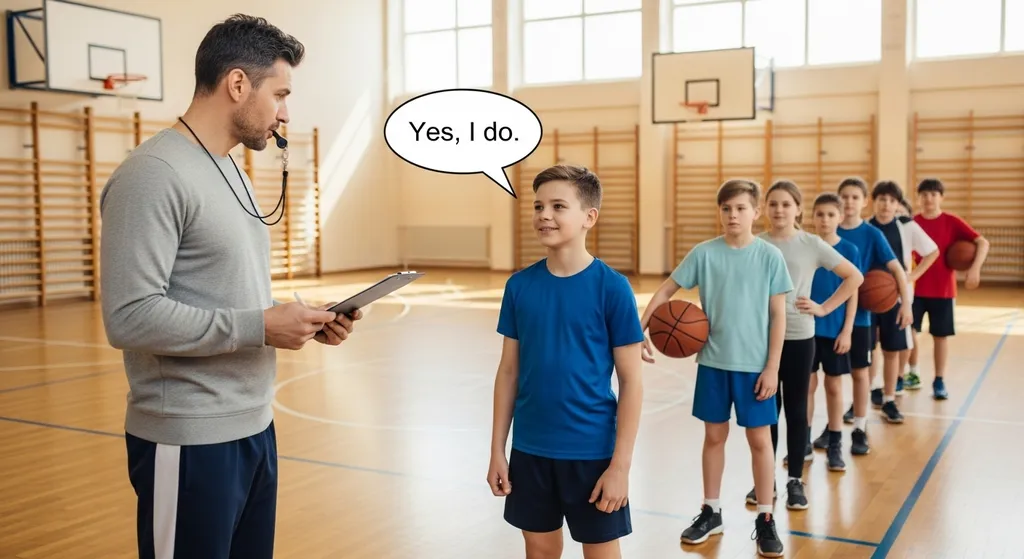
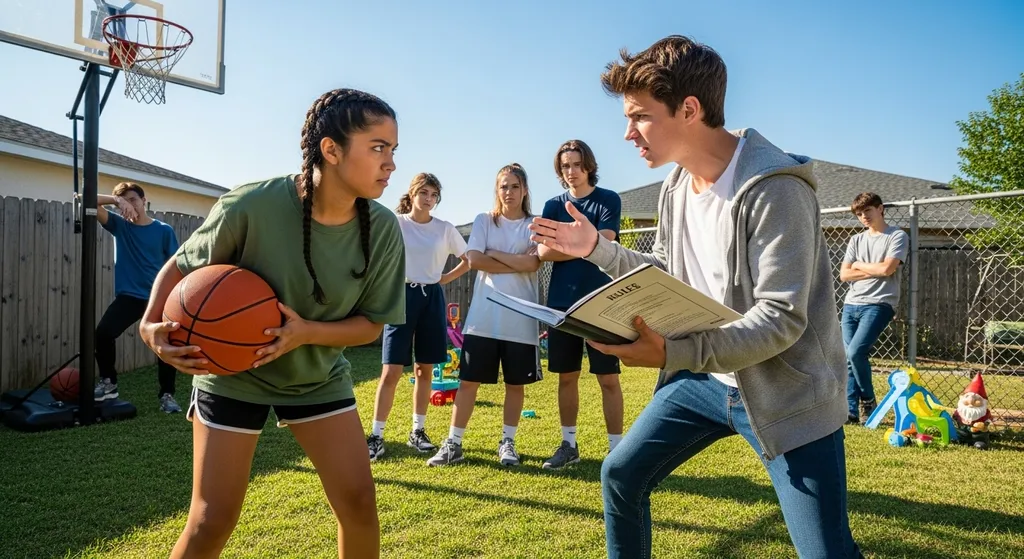
"
Do
you
understand
the
rules
?" "
Yes
,
I
do
,"
the
boy
replied
confidently
.
"
Do
you
understand
the
rules
?" "
Yes
,
I
do
,"
the
boy
replied
confidently
.
Old
English
gēse
,
gīse
,
literally
“
may
it
be
so
.”
noun
-
yes
,
yeses
a
word
or
vote
that
shows
agreement
or
permission
•
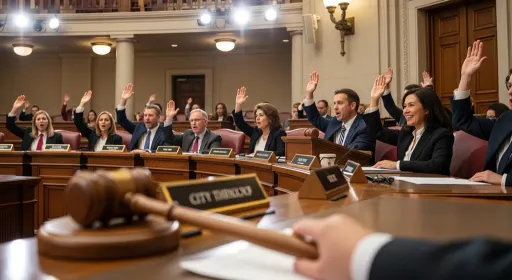
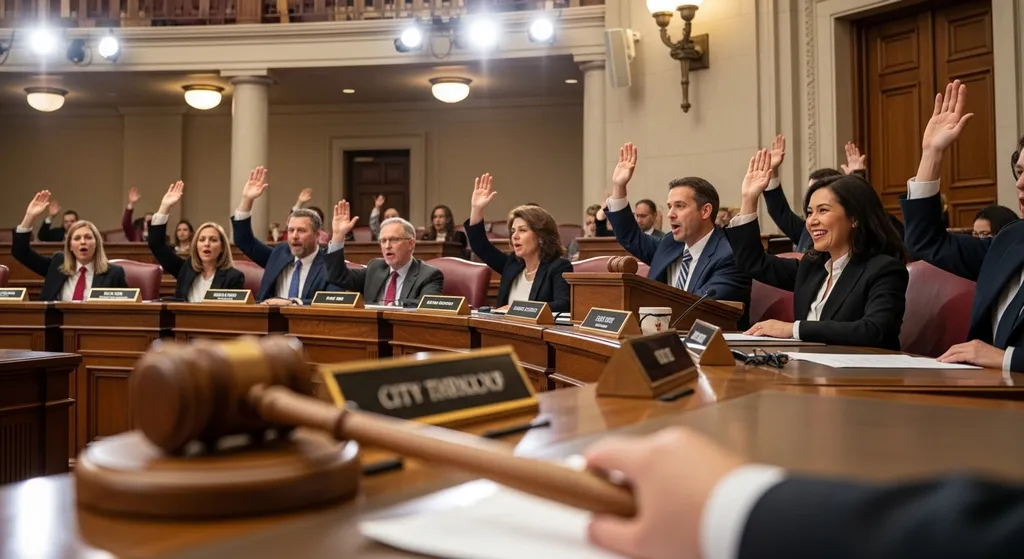
The
motion
passed
with
a
loud
chorus
of
yes
from
the
members
.
The
motion
passed
with
a
loud
chorus
of
yes
from
the
members
.
•
All
we
need
is
your
final
yes
to
start
the
project
.
All
we
need
is
your
final
yes
to
start
the
project
.
Derived
from
the
interjection
sense
by
nominalization
in
the
19th
century
.
yet
adverb
up
to
the
present
time
;
until
now
•
Have
you
finished
your
homework
yet
?
Have
you
finished
your
homework
yet
?
•
The
train
hasn't
arrived
yet
.
The
train
hasn't
arrived
yet
.
Old
English
“
giet
,
gīet
”
meaning
“
again
,
still
.”
adverb
still
;
continuing
until
now
or
a
later
time
•
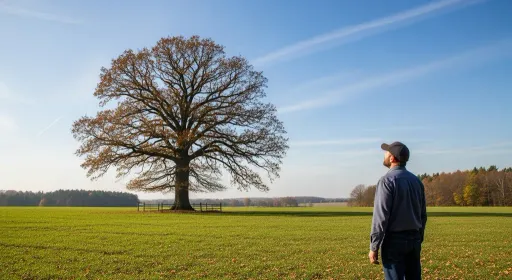
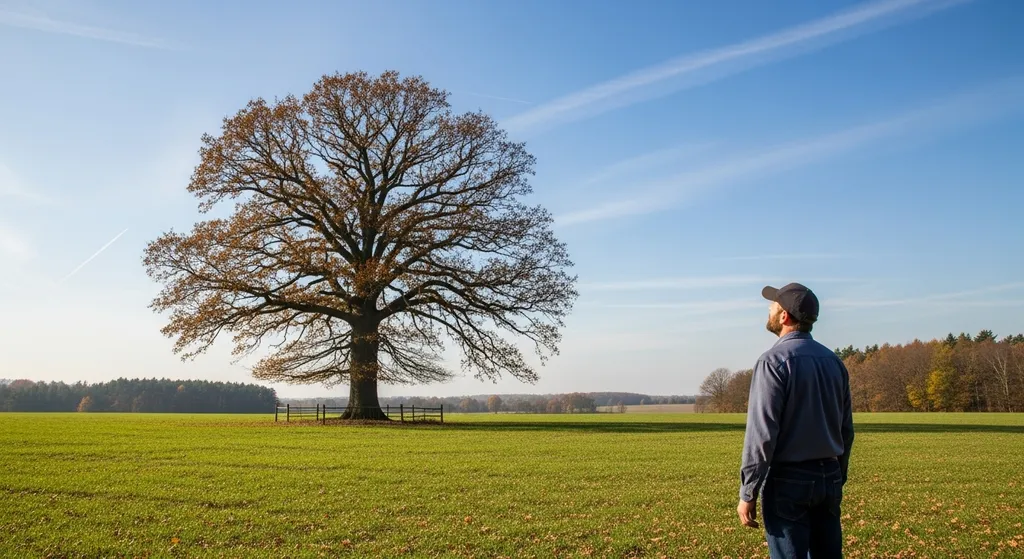
The
old
oak
tree
is
yet
standing
after
the
storm
.
The
old
oak
tree
is
yet
standing
after
the
storm
.
•
There
is
yet
hope
for
peace
.
There
is
yet
hope
for
peace
.
Same
origin
as
Sense
1
,
emphasizing
continuity
.
conjunction
but
in
spite
of
that
;
nevertheless
•
It
was
raining
,
yet
they
went
for
a
picnic
.
It
was
raining
,
yet
they
went
for
a
picnic
.
•
He
is
wealthy
,
yet
he
lives
simply
.
He
is
wealthy
,
yet
he
lives
simply
.
From
Old
English
use
melding
two
clauses
,
similar
to
modern
"
but
".
adverb
even
;
used
to
show
an
increase
or
addition
•
The
shop
has
introduced
yet
another
flavor
of
ice
cream
.
The
shop
has
introduced
yet
another
flavor
of
ice
cream
.
•
The
project
faced
yet
more
delays
.
The
project
faced
yet
more
delays
.
Extension
of
the
basic
temporal
meaning
to
express
degree
or
addition
.
yesterday
adverb
on
the
day
before
today
•
I
visited
my
grandmother
yesterday
.
I
visited
my
grandmother
yesterday
.
•
We
had
a
surprise
test
at
school
yesterday
.
We
had
a
surprise
test
at
school
yesterday
.
noun
the
day
before
today
•
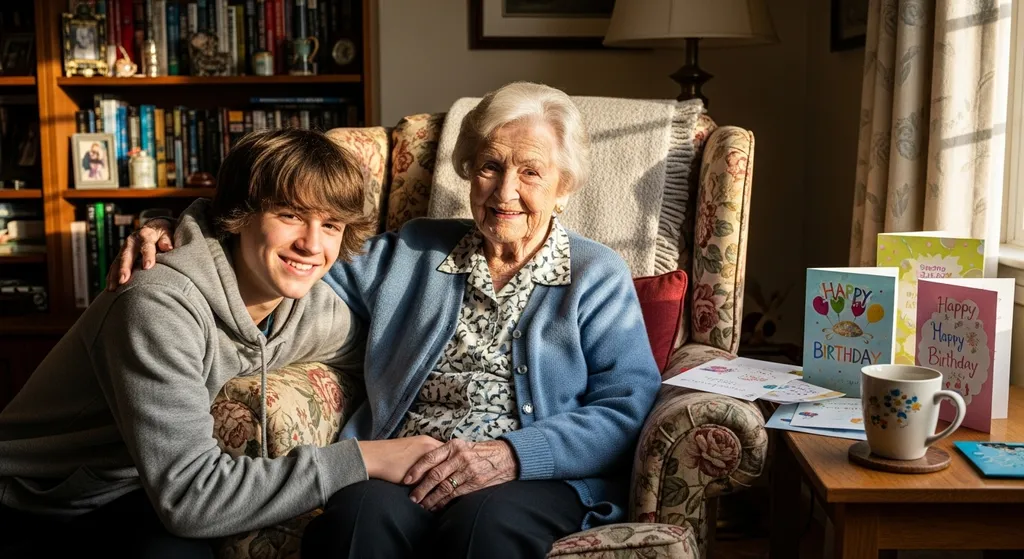
Yesterday
was
my
birthday
.
Yesterday
was
my
birthday
.
•
We
spent
yesterday
at
the
beach
.
We
spent
yesterday
at
the
beach
.
adverb
at
a
time
very
recently
;
not
long
ago
•
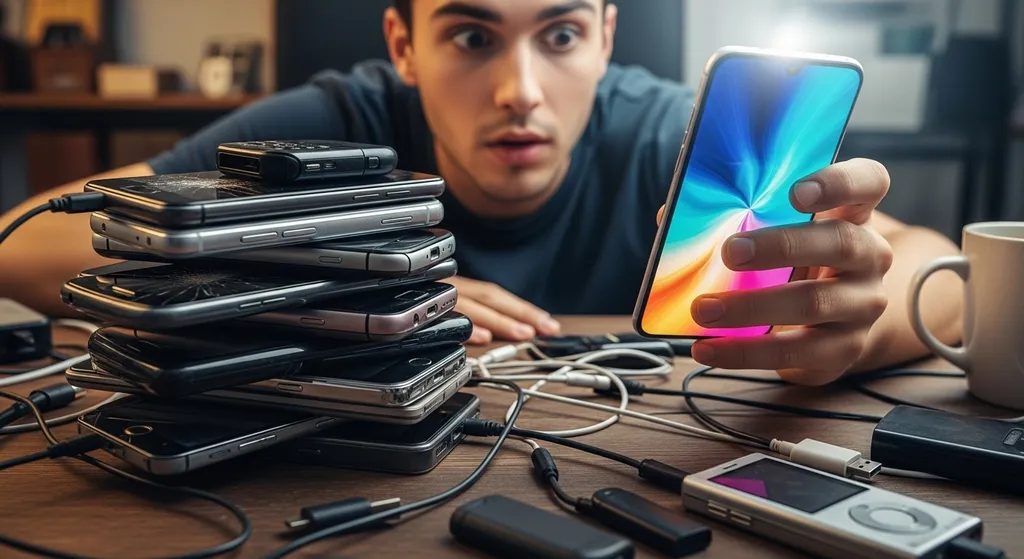
Smartphones
that
felt
new
only
yesterday
already
seem
old
.
Smartphones
that
felt
new
only
yesterday
already
seem
old
.
•
It
seems
like
we
were
children
only
yesterday
,
and
now
we
are
adults
.
It
seems
like
we
were
children
only
yesterday
,
and
now
we
are
adults
.
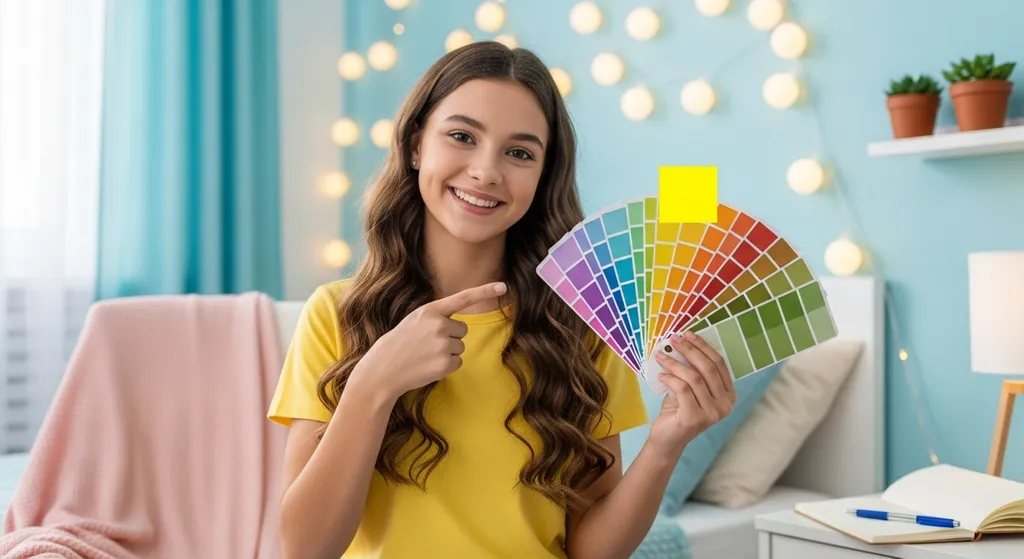
yellow
adjective
-
yellow
,
yellower
,
yellowest
having
the
bright
color
that
is
between
green
and
orange
in
the
rainbow
•
The
bright
sunflower
has
big
yellow
petals
.
The
bright
sunflower
has
big
yellow
petals
.
•
He
painted
his
bedroom
walls
light
yellow
to
make
the
room
look
bigger
.
He
painted
his
bedroom
walls
light
yellow
to
make
the
room
look
bigger
.
noun
the
bright
color
between
green
and
orange
•
Yellow
is
my
sister
’
s
favorite
color
.
Yellow
is
my
sister
’
s
favorite
color
.
•
The
artist
mixed
red
and
green
but
got
a
muddy
yellow
instead
.
The
artist
mixed
red
and
green
but
got
a
muddy
yellow
instead
.
verb
to
become
yellow
or
to
make
something
yellow
•
The
pages
of
the
old
book
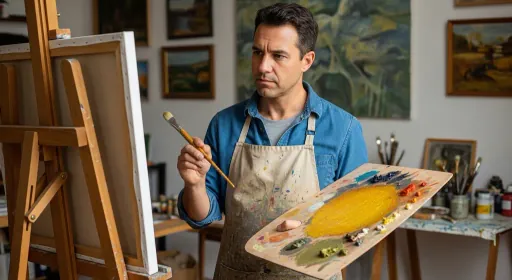
had
yellowed
with
age
.
The
pages
of
the
old
book
had
yellowed
with
age
.
•
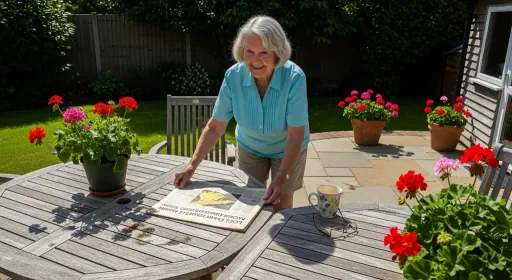
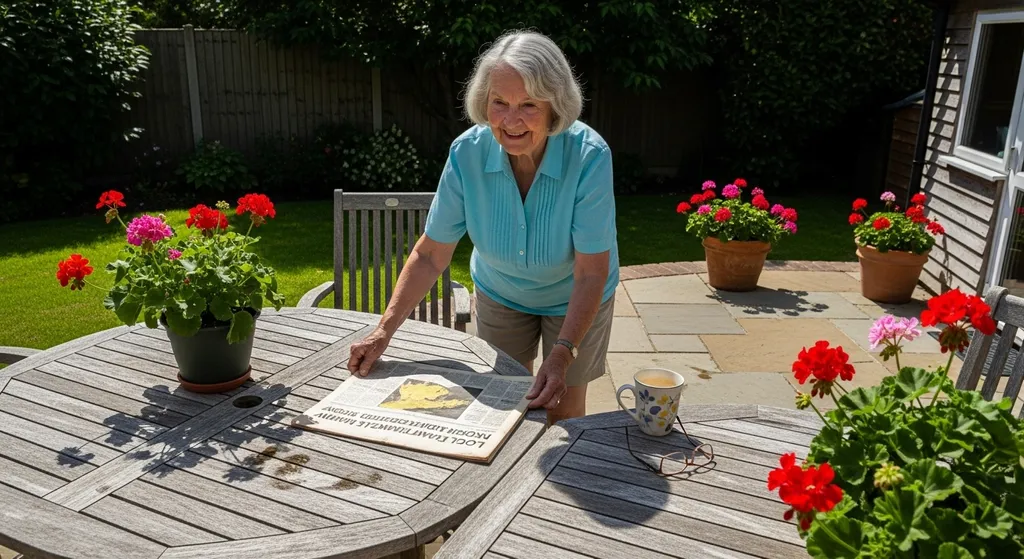
If
you
leave
the
newspaper
in
the
sun
,
it
quickly
yellows
.
If
you
leave
the
newspaper
in
the
sun
,
it
quickly
yellows
.
adjective
-
yellow
,
yellower
,
yellowest
(
informal
)
afraid
to
take
a
risk
or
act
bravely
•
Don't
be
yellow
—
go
and
apologize
to
her
.
Don't
be
yellow
—
go
and
apologize
to
her
.
•
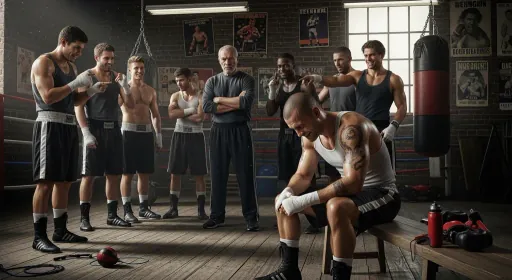
The
boxer
was
called
yellow
for
refusing
to
fight
.
The
boxer
was
called
yellow
for
refusing
to
fight
.
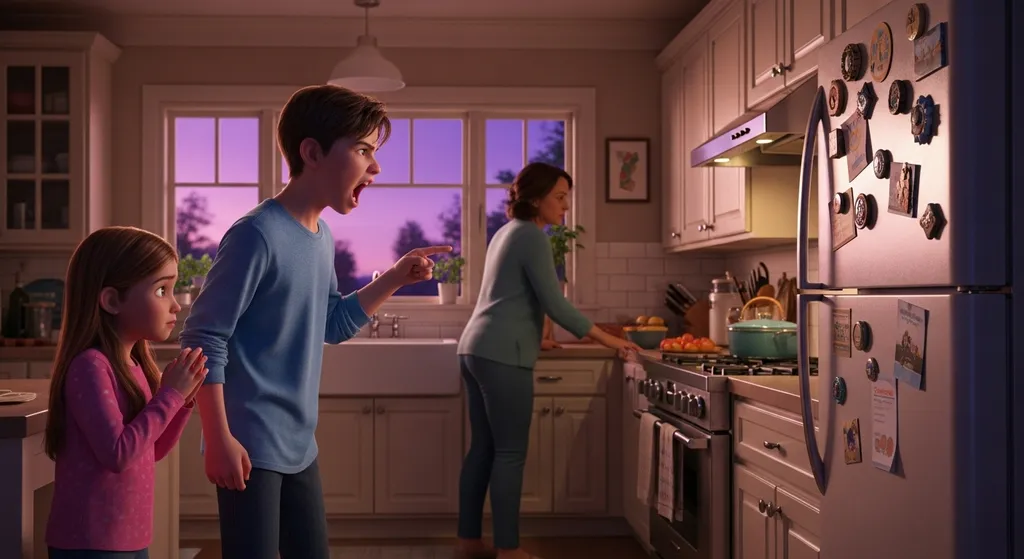
yell
verb
to
shout
in
a
loud
,
sharp
voice
,
often
because
you
are
angry
,
excited
,
or
trying
to
be
heard
•
Please
don
’
t
yell
at
your
sister
;
she
’
s
only
trying
to
help
.
Please
don
’
t
yell
at
your
sister
;
she
’
s
only
trying
to
help
.
•
The
fans
began
to
yell
with
joy
when
their
team
scored
the
winning
goal
.
The
fans
began
to
yell
with
joy
when
their
team
scored
the
winning
goal
.
Old
English
‘
gellan
’
and
Old
Norse
‘
gella
’
both
meaning
‘
to
shout
or
sing
loudly
’;
related
to
‘
yowl
’.
noun
a
loud
,
sharp
shout
•
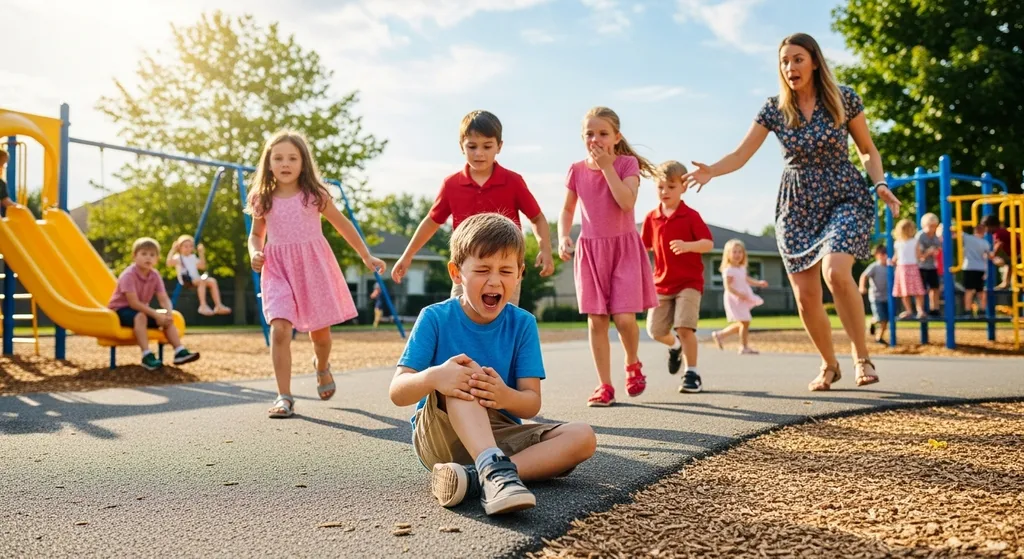
Suddenly
we
heard
a
yell
coming
from
the
playground
.
Suddenly
we
heard
a
yell
coming
from
the
playground
.
•
With
a
mighty
yell
,
the
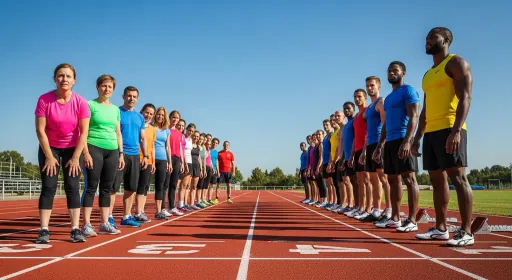
runner
crossed
the
finish
line
and
raised
her
arms
in
victory
.
With
a
mighty
yell
,
the
runner
crossed
the
finish
line
and
raised
her
arms
in
victory
.
From
the
verb
‘
yell
’,
which
dates
back
to
Old
English
and
Old
Norse
roots
meaning
‘
to
shout
loudly
’.
yep
interjection
Yes
;
used
informally
to
show
agreement
or
to
give
an
affirmative
answer
.
•
Yep
,
I'll
bring
the
snacks
for
the
picnic
.
Yep
,
I'll
bring
the
snacks
for
the
picnic
.
•
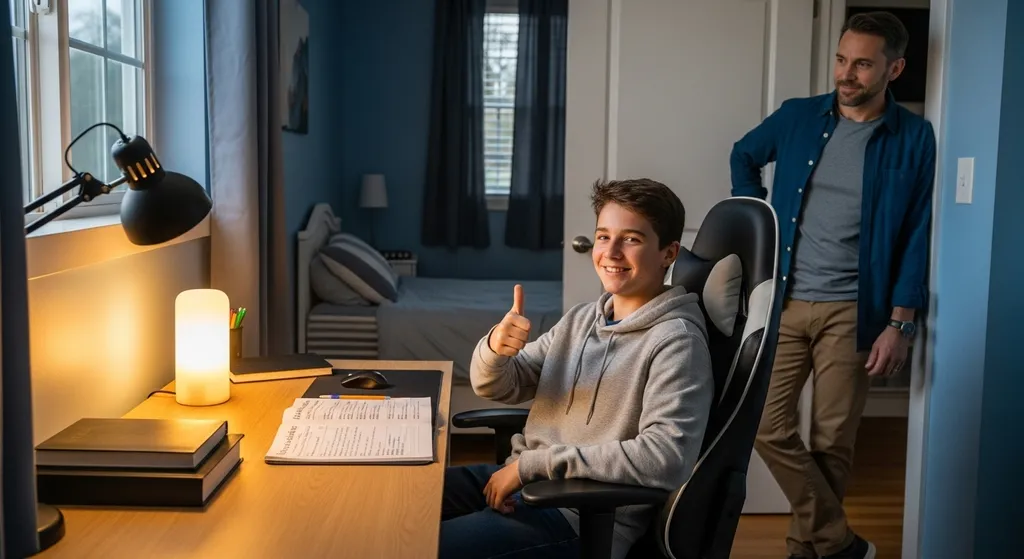
Dad
asked
if
I
had
finished
my
homework
,
and
I
said
, "
Yep
,
all
done
!"
Dad
asked
if
I
had
finished
my
homework
,
and
I
said
, "
Yep
,
all
done
!"
eye
noun
the
part
of
the
body
that
you
use
to
see
•
The
doctor
shined
a
light
into
Mia's
eye
to
check
her
vision
.
The
doctor
shined
a
light
into
Mia's
eye
to
check
her
vision
.
•
An
insect
flew
close
to
his
eye
,
making
him
blink
.
An
insect
flew
close
to
his
eye
,
making
him
blink
.
Old
English
ēage
,
from
Proto-Germanic
*augon
;
related
to
German
Auge
and
Dutch
oog
.
noun
the
special
ability
to
notice
,
judge
,
or
appreciate
things
well
•
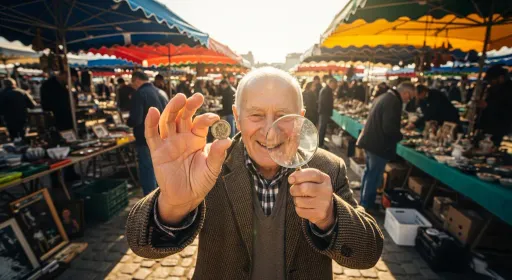
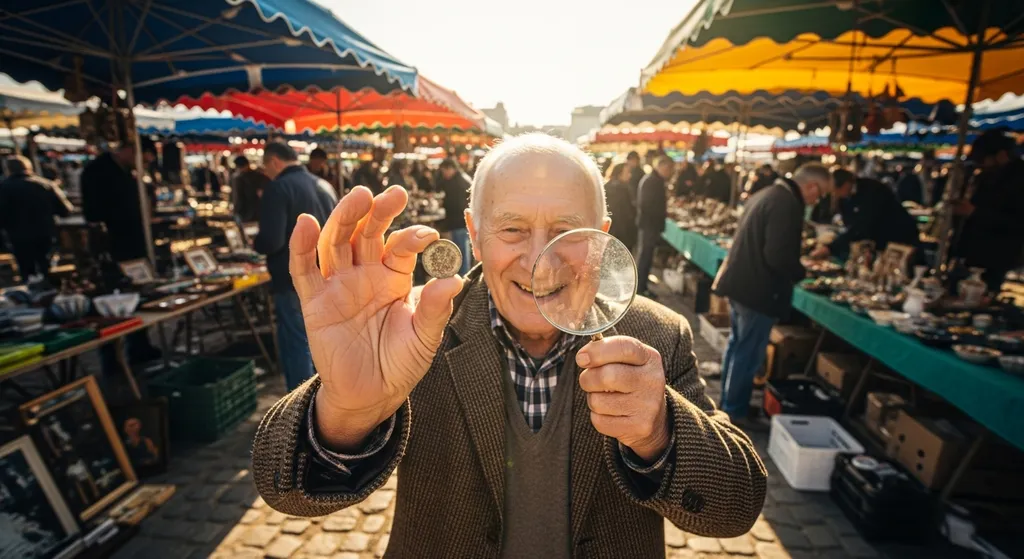
Grandpa
has
a
good
eye
for
spotting
rare
coins
at
flea
markets
.
Grandpa
has
a
good
eye
for
spotting
rare
coins
at
flea
markets
.
•
The
art
teacher's
sharp
eye
quickly
found
the
tiny
mistake
in
the
painting
.
The
art
teacher's
sharp
eye
quickly
found
the
tiny
mistake
in
the
painting
.
verb
-
eye
,
eyeing
,
eyes
,
eyed
to
look
at
someone
or
something
carefully
or
with
desire
•
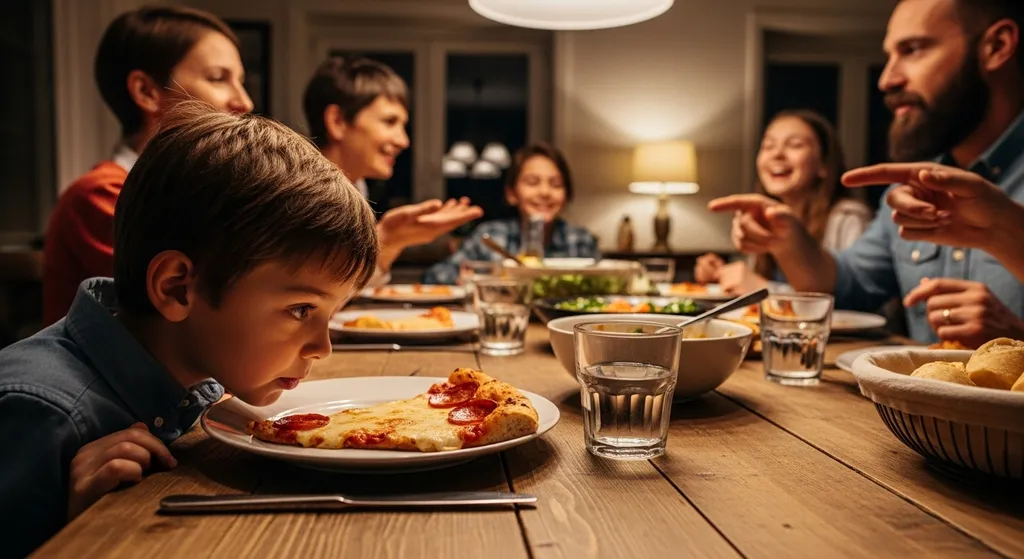
The
boy
eyed
the
last
slice
of
pizza
on
the
plate
.
The
boy
eyed
the
last
slice
of
pizza
on
the
plate
.
•
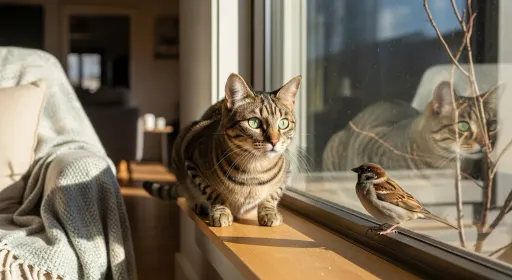
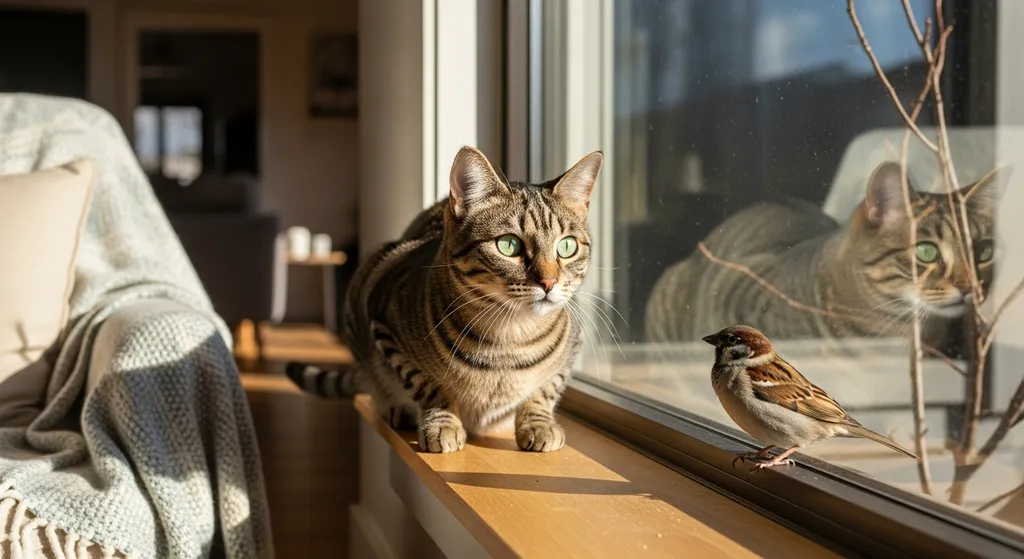
The
cat
kept
eyeing
the
bird
outside
the
window
.
The
cat
kept
eyeing
the
bird
outside
the
window
.
noun
the
small
hole
or
loop
in
a
needle
or
similar
object
that
something
passes
through
•
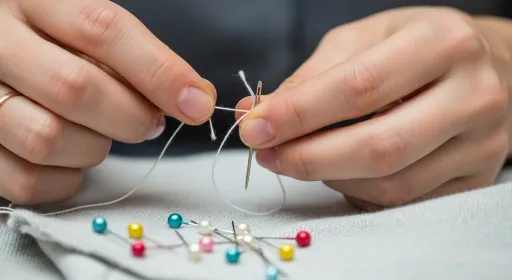
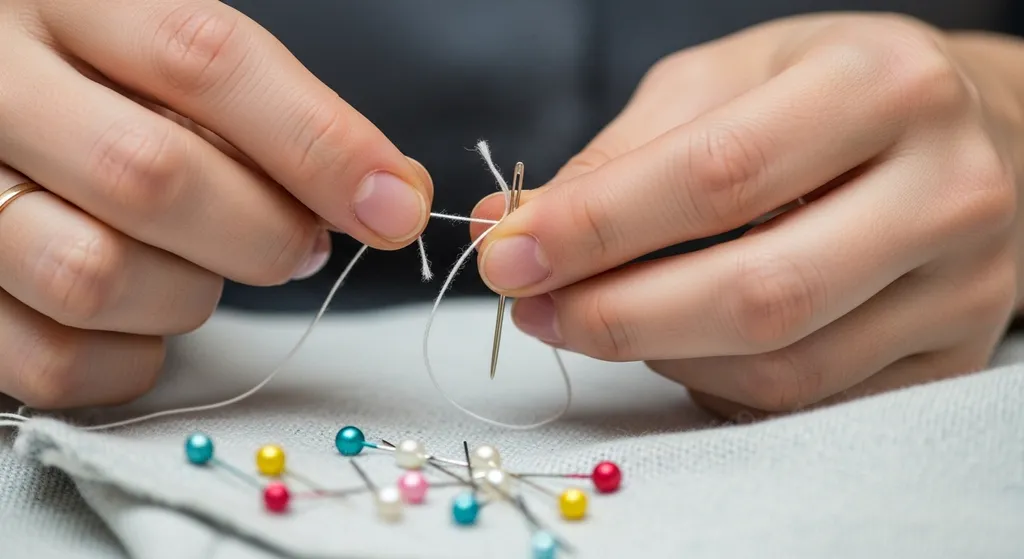
She
struggled
to
push
the
thread
through
the
eye
of
the
needle
.
She
struggled
to
push
the
thread
through
the
eye
of
the
needle
.
•
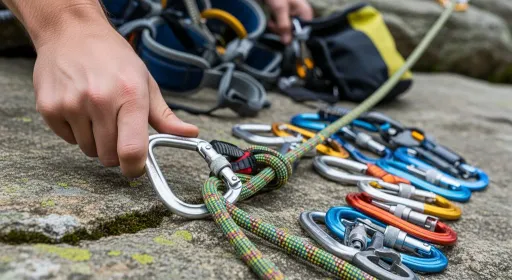
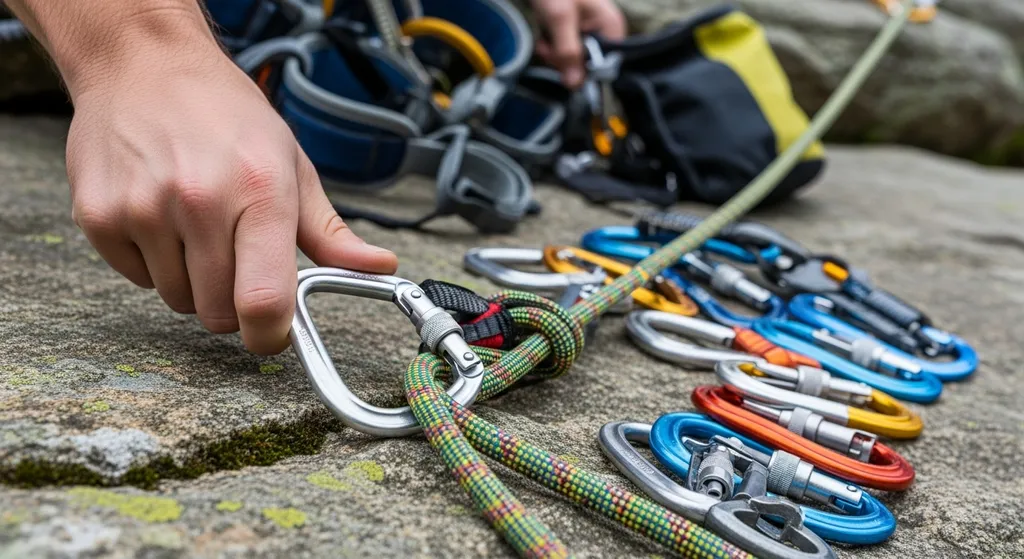
Clip
the
carabiner
to
the
metal
eye
at
the
end
of
the
rope
.
Clip
the
carabiner
to
the
metal
eye
at
the
end
of
the
rope
.
noun
the
calm
,
clear
center
of
a
strong
storm
such
as
a
hurricane
•
After
hours
of
howling
wind
,
the
eye
of
the
hurricane
brought
a
sudden
quiet
.
After
hours
of
howling
wind
,
the
eye
of
the
hurricane
brought
a
sudden
quiet
.
•
Satellite
images
showed
a
perfectly
round
eye
at
the
center
of
the
typhoon
.
Satellite
images
showed
a
perfectly
round
eye
at
the
center
of
the
typhoon
.
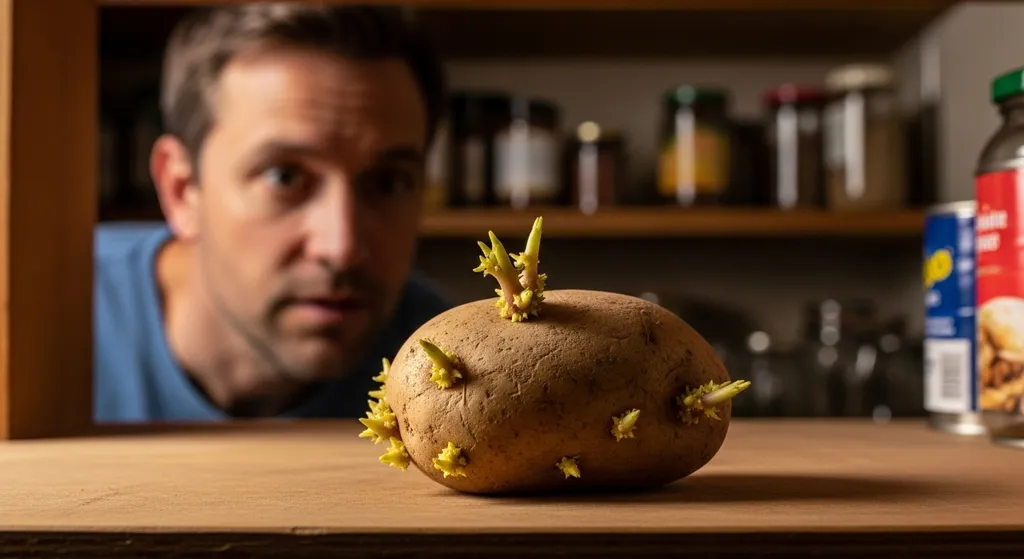
noun
a
small
spot
or
bud
on
a
potato
from
which
a
new
plant
can
grow
•
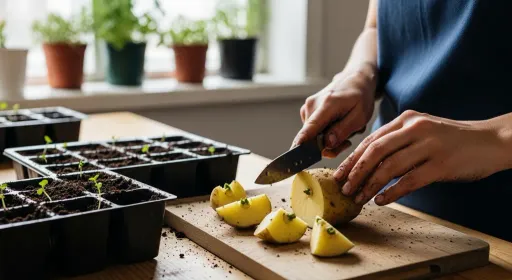
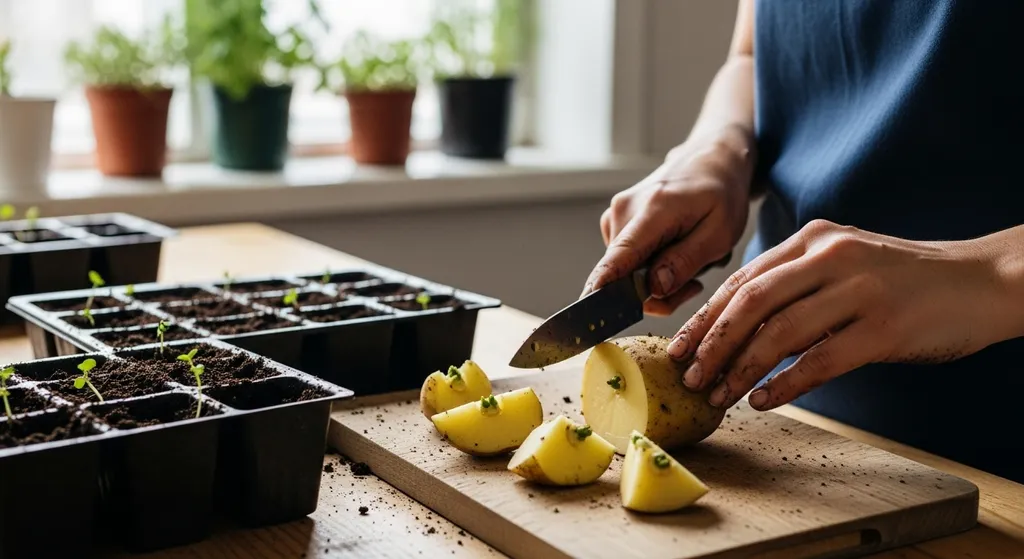
Cut
the
potato
so
that
each
piece
has
at
least
one
eye
.
Cut
the
potato
so
that
each
piece
has
at
least
one
eye
.
•
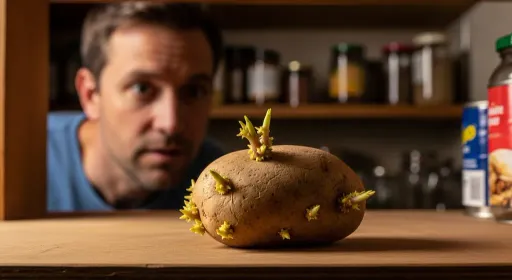
Tiny
green
shoots
appeared
from
the
potato's
eyes
in
the
pantry
.
Tiny
green
shoots
appeared
from
the
potato's
eyes
in
the
pantry
.
okay
interjection
used
to
show
agreement
,
acceptance
,
or
understanding
•
— "
Do
you
want
to
meet
at
3
p
.
m
.?" — "
Okay
,
see
you
then
!"
— "
Do
you
want
to
meet
at
3
p
.
m
.?" — "
Okay
,
see
you
then
!"
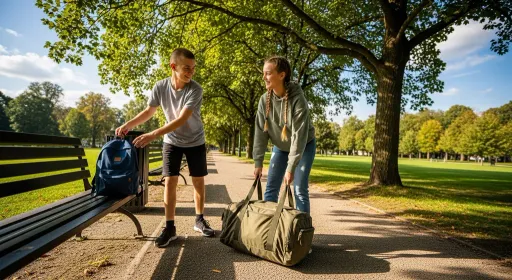
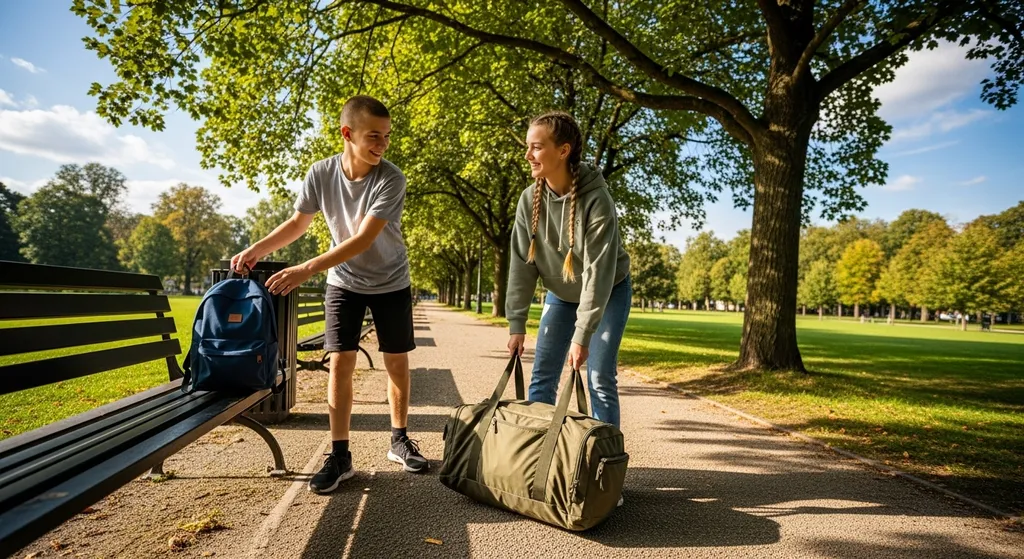
•
Okay
,
I'll
carry
the
lighter
bag
and
you
take
the
heavy
one
.
Okay
,
I'll
carry
the
lighter
bag
and
you
take
the
heavy
one
.
Originated
in
19th-century
American
English
,
probably
as
a
playful
misspelling
of
“
all
correct
” (
written
“
oll
korrect
”),
later
popularized
by
newspapers
and
telegraph
operators
.
verb
to
give
permission
for
or
approve
something
•
The
manager
okayed
my
vacation
request
.
The
manager
okayed
my
vacation
request
.
•
Has
the
city
okayed
the
building
plans
yet
?
Has
the
city
okayed
the
building
plans
yet
?
play
verb
-
play
,
playing
,
plays
,
played
to
take
part
in
a
game
,
sport
,
or
other
fun
activity
•
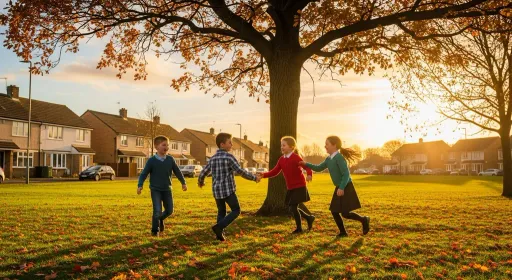
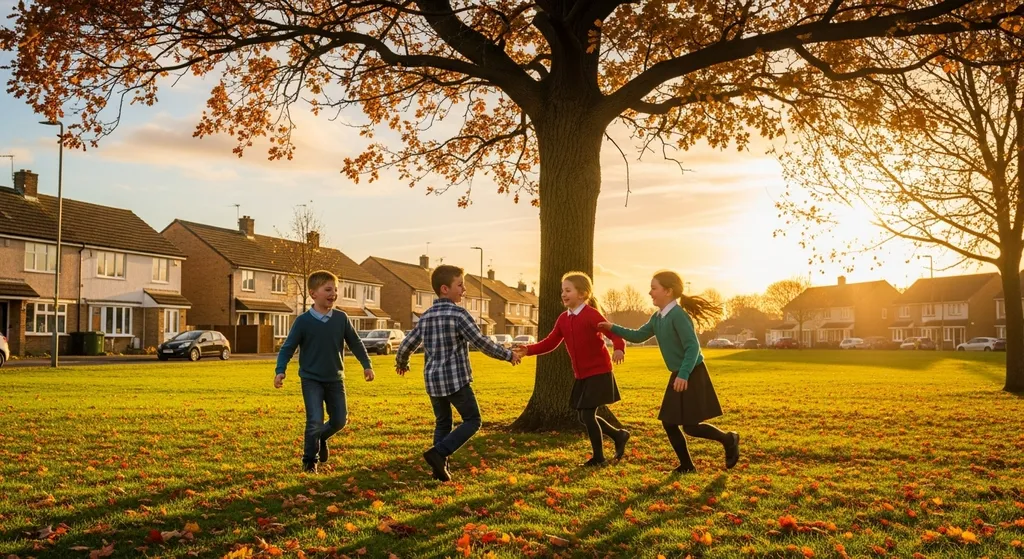
After
school
,
the
children
love
to
play
in
the
park
.
After
school
,
the
children
love
to
play
in
the
park
.
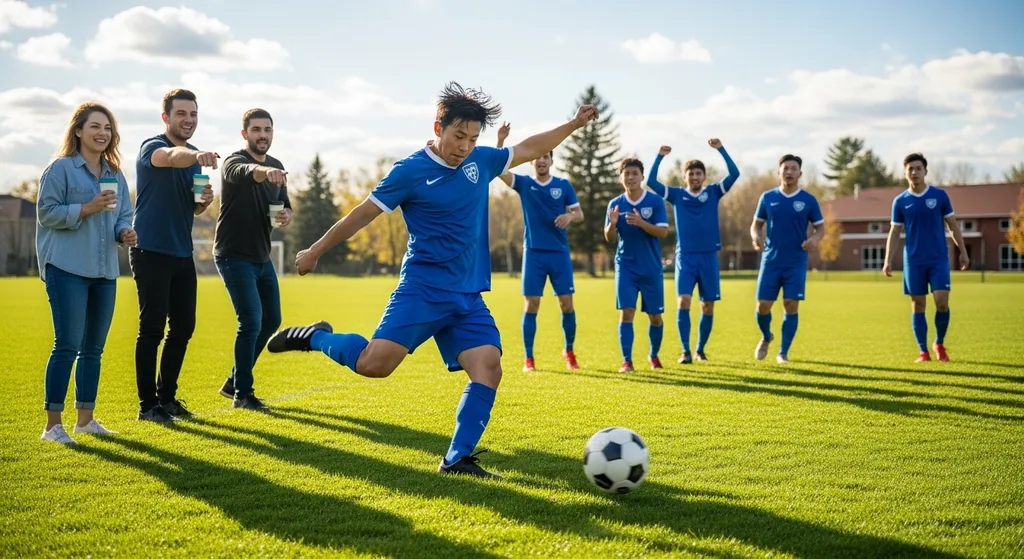
•
We
play
soccer
every
Saturday
morning
.
We
play
soccer
every
Saturday
morning
.
Old
English
“
plegian
”
meaning
‘
to
exercise
,
frolic
’.
verb
-
play
,
playing
,
plays
,
played
to
perform
music
on
an
instrument
or
through
a
device
•
She
can
play
the
piano
beautifully
.
She
can
play
the
piano
beautifully
.
•
Please
play
my
favorite
song
.
Please
play
my
favorite
song
.
Musical
sense
attested
from
the
14th
century
.
guy
verb
to
fasten
or
steady
something
with
ropes
or
cables
.
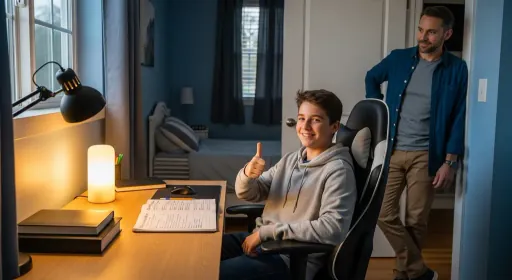
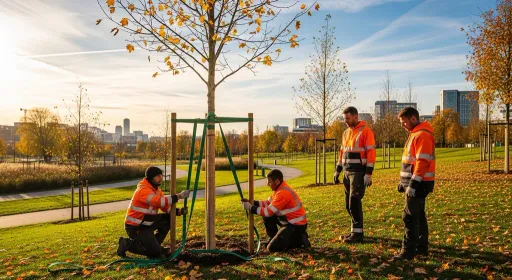
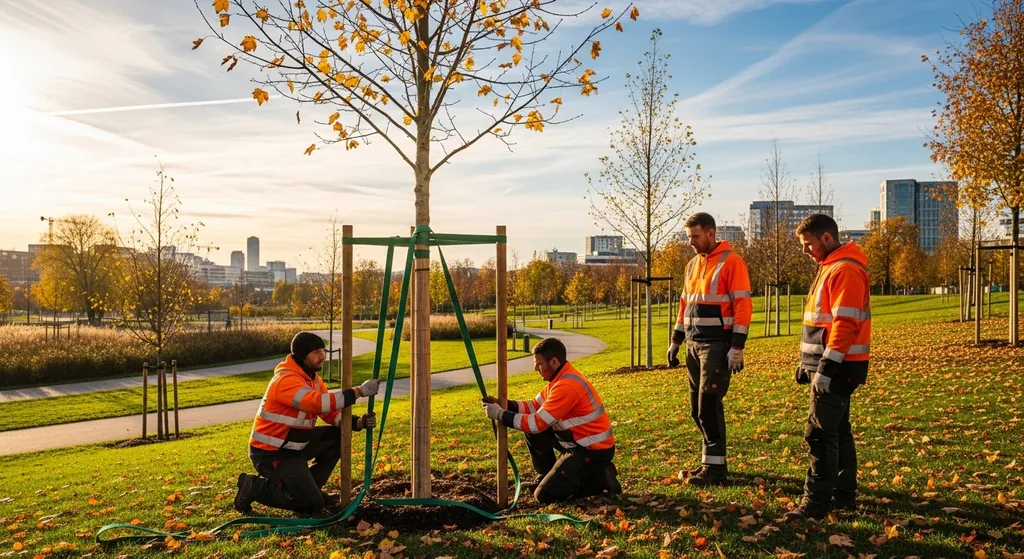
•
Workers
guy
the
large
tree
so
it
wouldn't
topple
after
planting
.
Workers
guy
the
large
tree
so
it
wouldn't
topple
after
planting
.
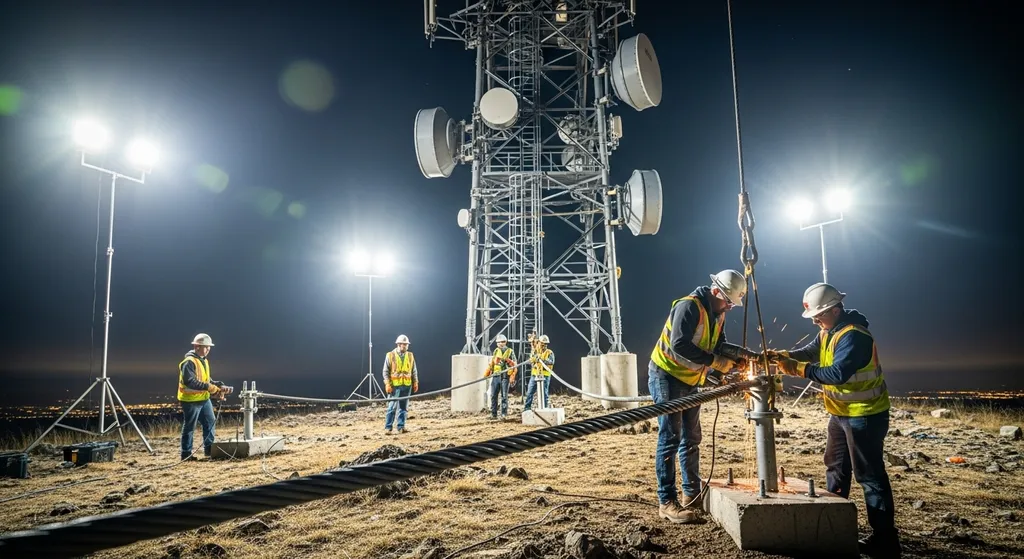
•
Engineers
guyed
the
towering
antenna
at
three
points
.
Engineers
guyed
the
towering
antenna
at
three
points
.
verb
to
make
fun
of
someone
;
to
ridicule
.
•
The
cartoonist
guyed
the
politician
in
a
sharp
satire
.
The
cartoonist
guyed
the
politician
in
a
sharp
satire
.
•
She
hates
being
guyed
about
her
accent
.
She
hates
being
guyed
about
her
accent
.
Attested
from
the
mid-19th
century
,
extended
from
the
noun
sense
of
"
guy
"
meaning
a
grotesque
figure
;
to
"
guy
"
someone
was
to
treat
them
like
a
ridiculous
figure
.
stay
verb
-
stay
,
staying
,
stays
,
stayed
to
remain
in
a
place
and
not
move
or
leave
•
Please
stay
at
the
table
until
everyone
has
finished
eating
.
Please
stay
at
the
table
until
everyone
has
finished
eating
.
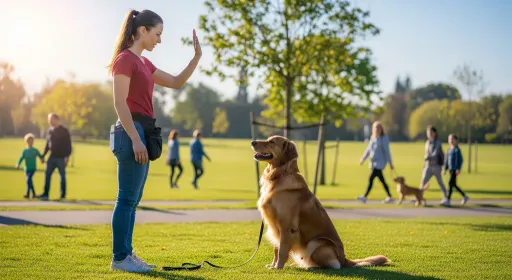
•
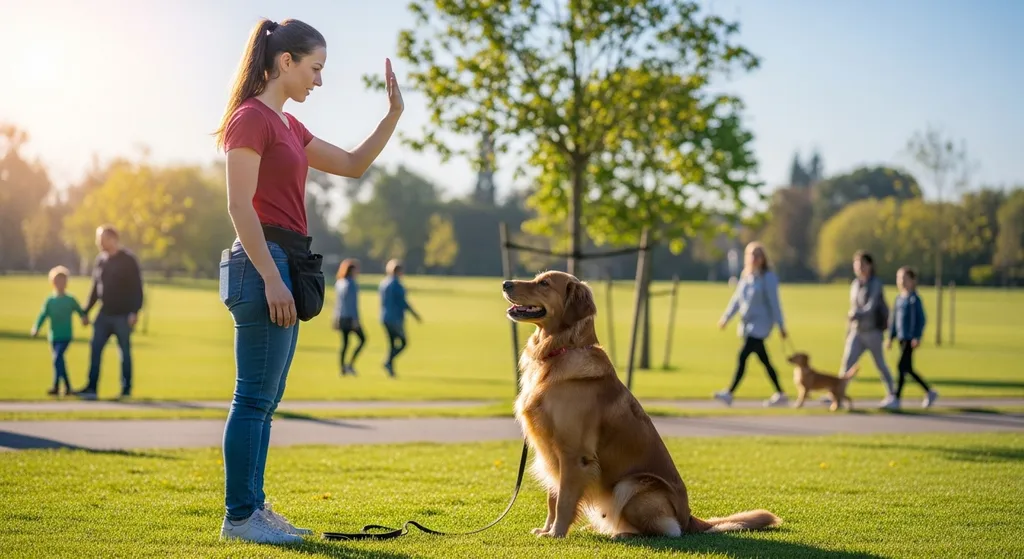
The
dog
learned
to
stay
when
its
owner
raised
her
hand
.
The
dog
learned
to
stay
when
its
owner
raised
her
hand
.
Old
English
“
stæġan
”
meaning
‘
to
remain
’;
related
to
German
“
steigen
” (
to
stay
).
verb
-
stay
,
staying
,
stays
,
stayed
to
continue
to
be
in
a
particular
condition
or
state
•
Try
to
stay
calm
during
the
exam
.
Try
to
stay
calm
during
the
exam
.
•
The
milk
will
stay
fresh
if
you
keep
it
cold
.
The
milk
will
stay
fresh
if
you
keep
it
cold
.
noun
-
stay
,
staying
,
stays
,
stayed
a
period
of
time
that
someone
spends
living
or
visiting
somewhere
•
We
enjoyed
our
week-long
stay
at
the
beach
house
.
We
enjoyed
our
week-long
stay
at
the
beach
house
.
•
Her
hospital
stay
lasted
only
two
days
.
Her
hospital
stay
lasted
only
two
days
.
noun
-
stay
,
staying
,
stays
,
stayed
a
strong
strip
,
rod
,
or
wire
that
supports
or
holds
something
in
place
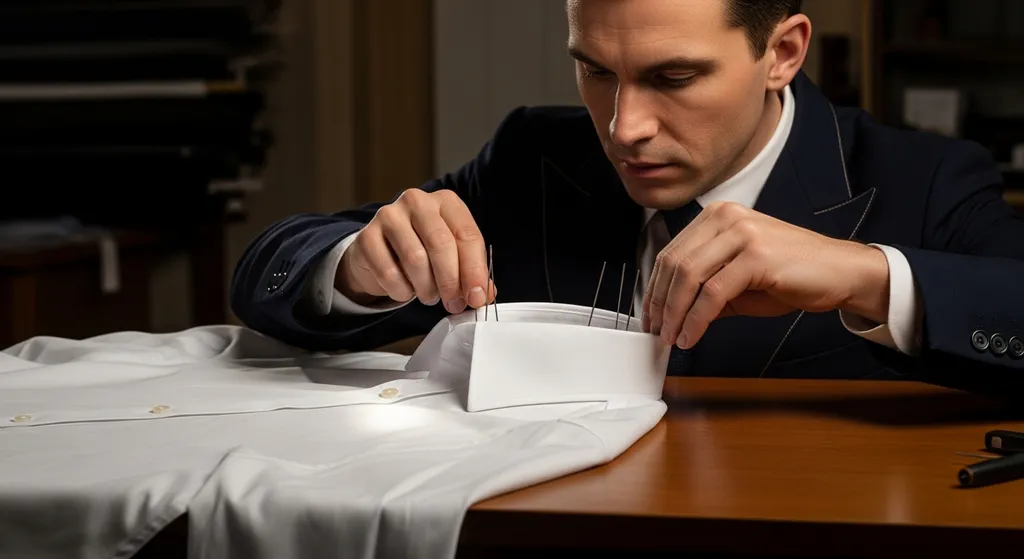
•
Metal
stays
inside
the
collar
keep
it
crisp
.
Metal
stays
inside
the
collar
keep
it
crisp
.
•
The
mast
is
supported
by
thick
steel
stays
.
The
mast
is
supported
by
thick
steel
stays
.
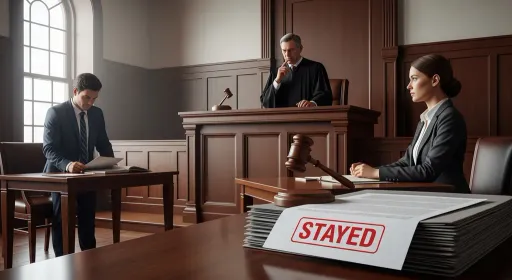
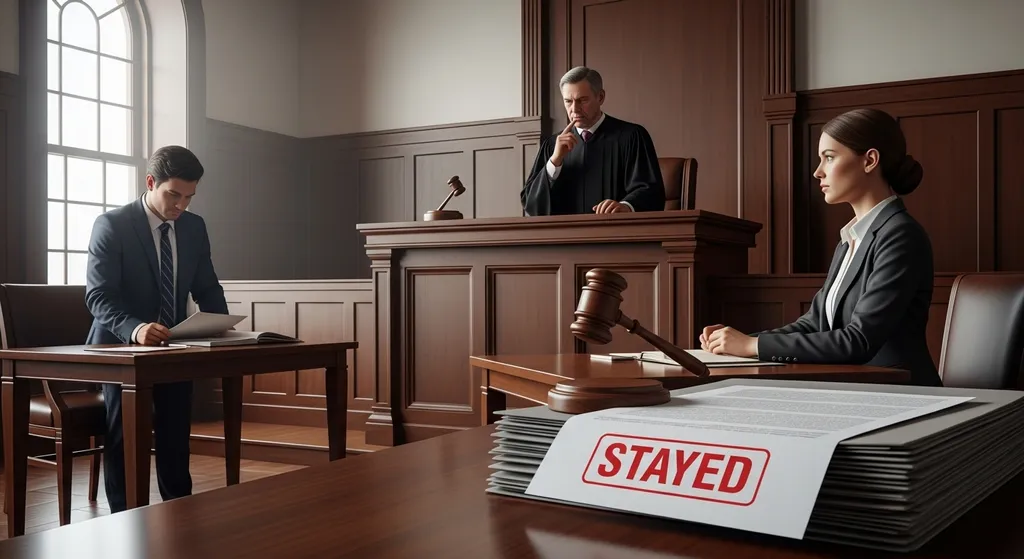
verb
-
stay
,
staying
,
stays
,
stayed
to
officially
stop
or
postpone
a
legal
action
,
order
,
or
judgment
•
The
judge
agreed
to
stay
the
ruling
until
new
evidence
could
be
examined
.
The
judge
agreed
to
stay
the
ruling
until
new
evidence
could
be
examined
.
•
Defense
attorneys
filed
a
motion
to
stay
the
proceedings
.
Defense
attorneys
filed
a
motion
to
stay
the
proceedings
.
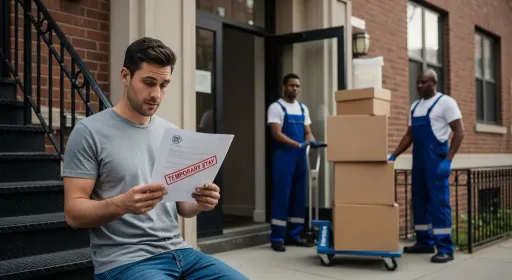
noun
-
stay
,
staying
,
stays
,
stayed
an
official
order
that
stops
or
delays
a
legal
process
or
judgment
•
The
defense
requested
a
stay
of
execution
.
The
defense
requested
a
stay
of
execution
.
•
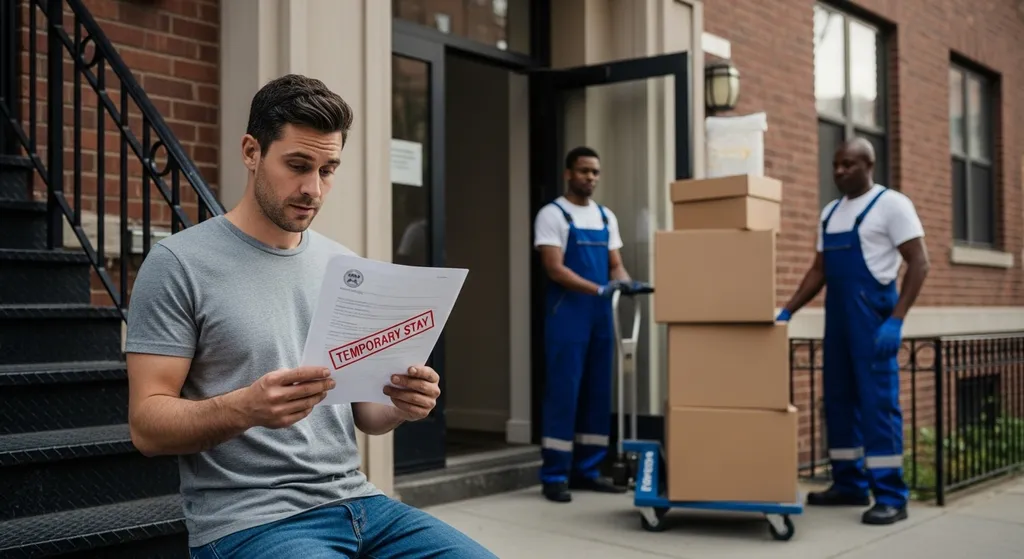
A
temporary
stay
halted
the
eviction
process
.
A
temporary
stay
halted
the
eviction
process
.
player
noun
a
person
who
takes
part
in
a
game
or
sport
•
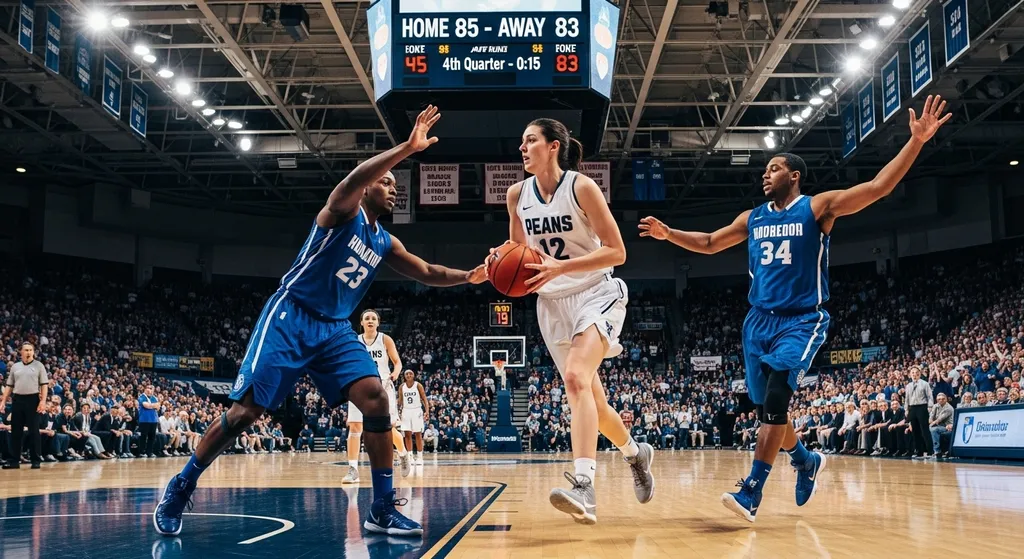
The
basketball
player
dribbled
down
the
court
and
scored
a
lay-up
.
The
basketball
player
dribbled
down
the
court
and
scored
a
lay-up
.
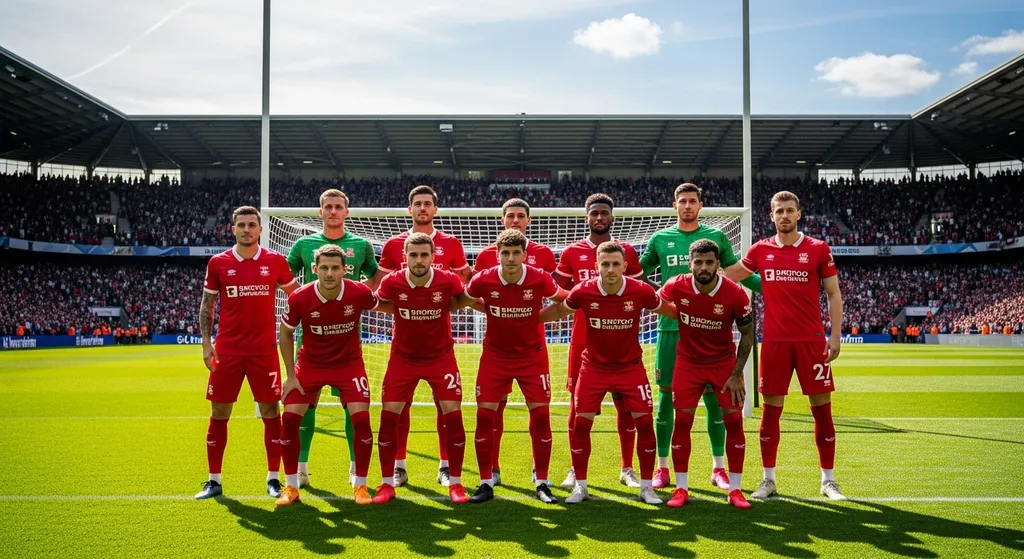
•
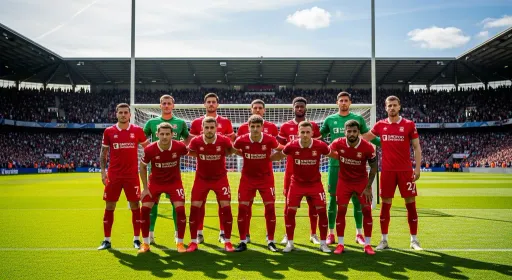
Each
soccer
player
on
the
team
wore
bright
red
jerseys
during
the
final
.
Each
soccer
player
on
the
team
wore
bright
red
jerseys
during
the
final
.
from
Middle
English
plaier
,
from
play
+
-er
,
meaning
one
who
plays
noun
a
person
who
plays
a
musical
instrument
,
especially
as
part
of
a
group
•
The
jazz
player
performed
a
lively
saxophone
solo
.
The
jazz
player
performed
a
lively
saxophone
solo
.
•
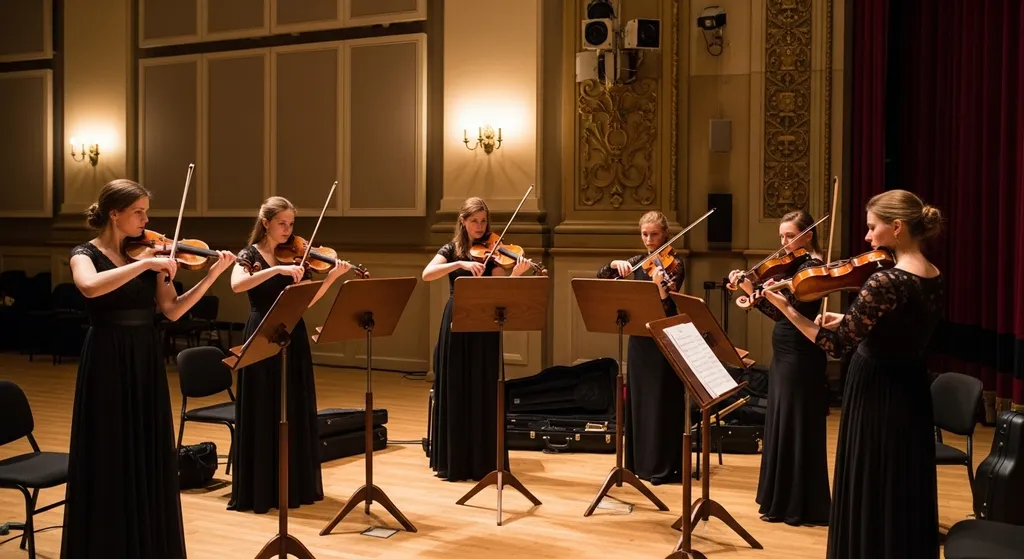
Every
violin
player
in
the
orchestra
tuned
their
instruments
before
the
concert
.
Every
violin
player
in
the
orchestra
tuned
their
instruments
before
the
concert
.
extension
of
basic
sense
‘
one
who
plays
’
to
music
in
the
late
16th
century
noun
a
device
or
computer
program
that
plays
recorded
sound
or
video
•
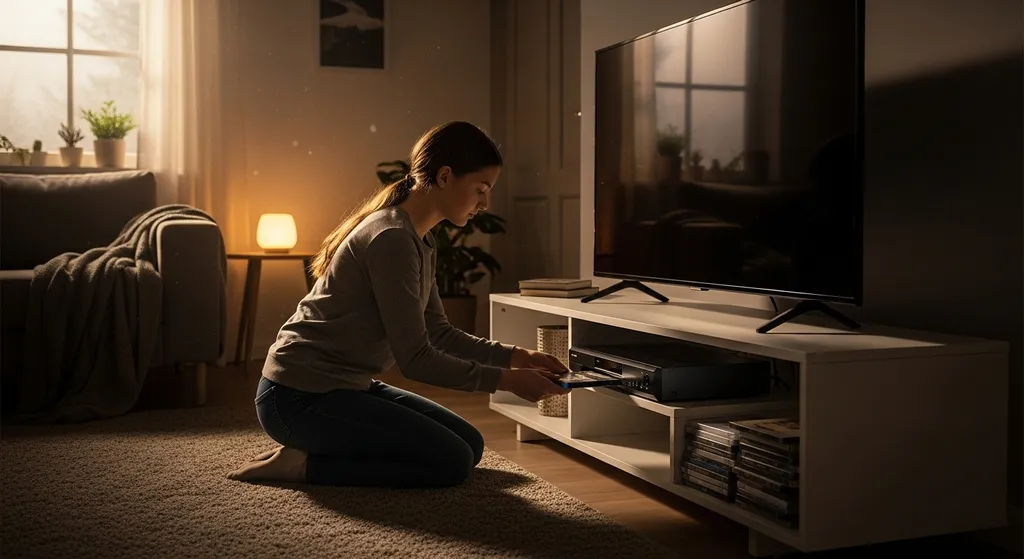
She
inserted
the
DVD
into
the
player
and
pressed
play
.
She
inserted
the
DVD
into
the
player
and
pressed
play
.
•
The
music
player
on
my
phone
lets
me
create
playlists
.
The
music
player
on
my
phone
lets
me
create
playlists
.
shortened
from
‘
record
player
’,
first
used
for
mechanical
devices
in
the
early
20th
century
;
later
applied
to
digital
software
noun
an
actor
,
especially
one
performing
in
a
theater
or
film
•
The
Shakespearean
player
delivered
his
lines
with
passion
.
The
Shakespearean
player
delivered
his
lines
with
passion
.
•
Each
player
took
a
bow
when
the
curtain
closed
.
Each
player
took
a
bow
when
the
curtain
closed
.
earlier
theatrical
term
from
15th-century
English
meaning
‘
one
who
plays
a
part
on
stage
’
noun
informal
:
a
person
who
dates
or
flirts
with
many
people
without
serious
commitment
•
Everyone
knows
Jake
is
a
player
who
never
sticks
to
one
girlfriend
.
Everyone
knows
Jake
is
a
player
who
never
sticks
to
one
girlfriend
.
•
She
warned
her
friend
to
avoid
that
charming
player
.
She
warned
her
friend
to
avoid
that
charming
player
.
emerged
in
U
.
S
.
slang
during
the
late
20th
century
,
comparing
dating
to
‘
playing
a
game
’
noun
a
person
,
company
,
or
country
that
is
important
in
a
particular
field
or
activity
•
China
has
become
a
major
player
in
renewable
energy
technology
.
China
has
become
a
major
player
in
renewable
energy
technology
.
•
The
startup
wants
to
be
a
key
player
in
the
smartphone
market
.
The
startup
wants
to
be
a
key
player
in
the
smartphone
market
.
figurative
extension
from
sports
sense
,
first
recorded
in
business
writing
in
the
mid-20th
century
employee
noun
a
person
who
works
for
another
person
or
for
an
organization
and
receives
wages
or
a
salary
•
The
new
employee
learned
everyone
’
s
names
by
the
end
of
her
first
day
.
The
new
employee
learned
everyone
’
s
names
by
the
end
of
her
first
day
.
•
Every
employee
must
wear
a
name
badge
while
working
in
the
store
.
Every
employee
must
wear
a
name
badge
while
working
in
the
store
.
Borrowed
in
the
19th
century
from
French
“
employé
,”
the
past
participle
of
“
employer
,”
meaning
“
to
employ
.”
enjoy
verb
to
get
pleasure
or
satisfaction
from
doing
or
experiencing
something
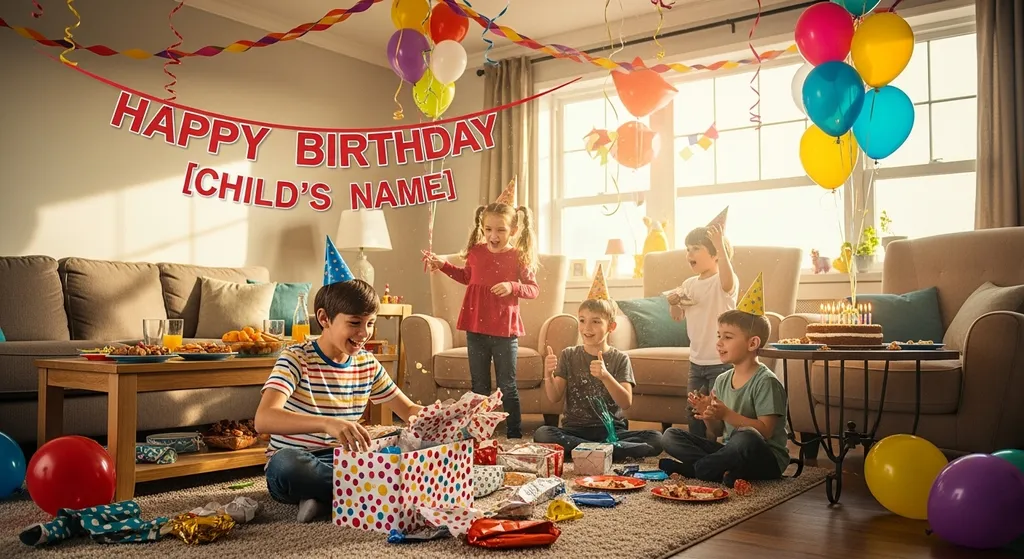
•
Children
always
enjoy
opening
presents
on
their
birthdays
.
Children
always
enjoy
opening
presents
on
their
birthdays
.
•
Do
you
enjoy
listening
to
classical
music
while
you
study
?
Do
you
enjoy
listening
to
classical
music
while
you
study
?
Late
Middle
English
,
from
Old
French
enjoier
“
give
joy
to
”,
from
en-
‘
make
’
+
joye
‘
joy
’.
verb
to
have
or
benefit
from
something
good
such
as
a
right
,
quality
,
or
advantage
•
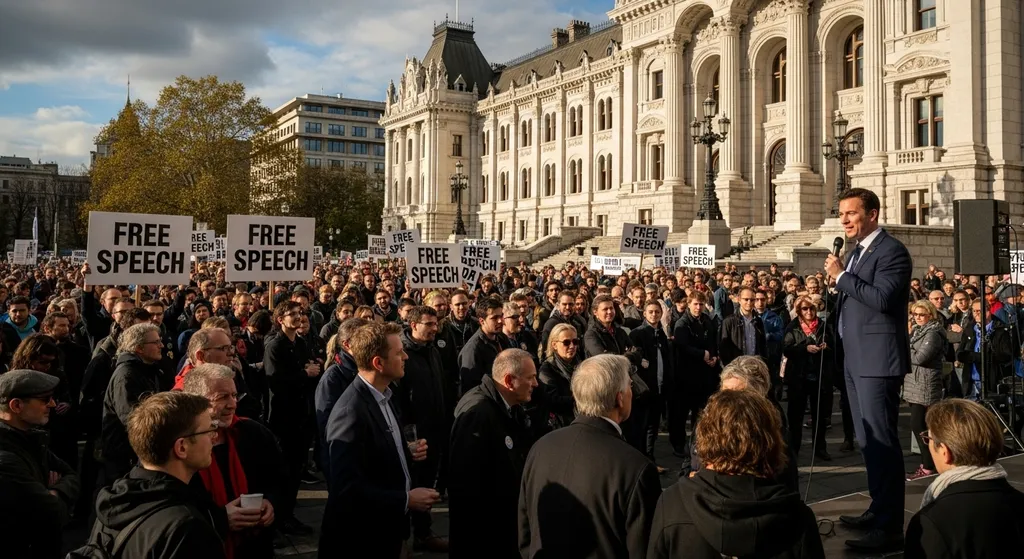
Citizens
in
that
country
enjoy
the
right
to
free
speech
.
Citizens
in
that
country
enjoy
the
right
to
free
speech
.
•
The
region
enjoys
a
mild
climate
all
year
round
.
The
region
enjoys
a
mild
climate
all
year
round
.
Same
origin
as
primary
sense
,
with
semantic
extension
to
‘
possess
’.
fly
adjective
-
fly
,
flyer
,
flyest
slang
:
looking
very
stylish
,
cool
,
or
impressive
•
Those
new
sneakers
look
fly
with
that
jacket
.
Those
new
sneakers
look
fly
with
that
jacket
.
•
He
thought
his
haircut
was
pretty
fly
.
He
thought
his
haircut
was
pretty
fly
.
Originated
in
African
American
Vernacular
English
in
the
1970s
,
possibly
evolving
from
earlier
slang
meaning
“
sharp-witted
.”
key
verb
-
key
,
keying
,
keys
,
keyed
to
put
information
into
a
computer
or
other
electronic
machine
by
pressing
keys
•
Please
key
your
password
,
then
press
Enter
.
Please
key
your
password
,
then
press
Enter
.
•
The
cashier
keyed
the
price
into
the
register
.
The
cashier
keyed
the
price
into
the
register
.
verb
-
key
,
keying
,
keys
,
keyed
to
deliberately
scratch
the
paint
on
a
car
with
a
key
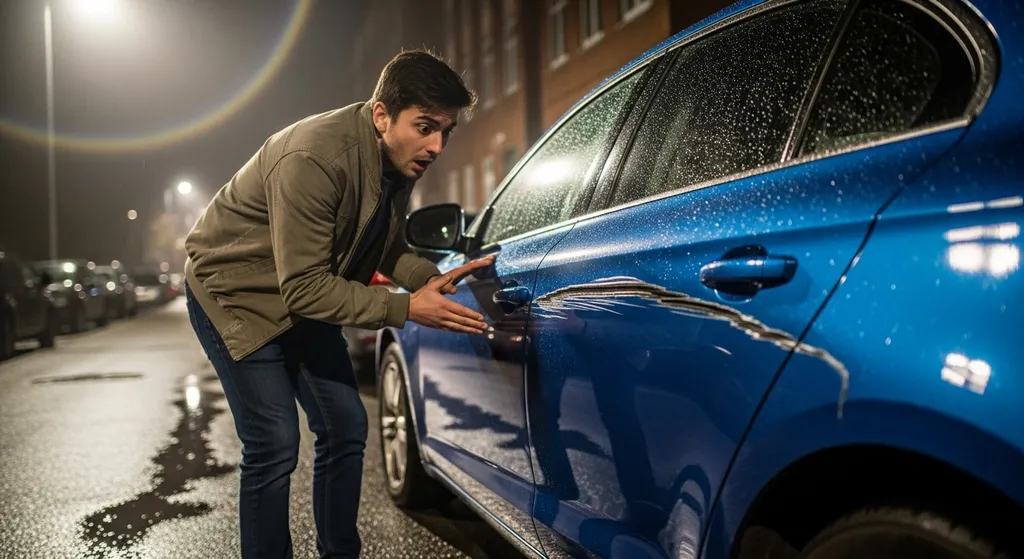
•
Someone
keyed
his
brand-new
car
last
night
.
Someone
keyed
his
brand-new
car
last
night
.
•
The
angry
teenager
threatened
to
key
the
teacher's
car
.
The
angry
teenager
threatened
to
key
the
teacher's
car
.
lawyer
noun
a
person
who
has
studied
law
and
whose
job
is
to
give
legal
advice
and
speak
for
people
in
court
•
The
lawyer
explained
the
contract
in
simple
words
so
everyone
could
understand
.
The
lawyer
explained
the
contract
in
simple
words
so
everyone
could
understand
.
•
After
the
accident
,
Maria
hired
a
lawyer
to
help
her
get
compensation
.
After
the
accident
,
Maria
hired
a
lawyer
to
help
her
get
compensation
.
Middle
English
‘
lawier
’,
from
‘
law
’
+
‘
-yer
’,
parallel
to
earlier
‘
lawman
’.
verb
to
use
legal
arguments
or
tactics
,
or
to
act
as
a
lawyer
,
often
to
avoid
blame
or
gain
an
advantage
•
The
company
tried
to
lawyer
its
way
out
of
paying
the
fine
.
The
company
tried
to
lawyer
its
way
out
of
paying
the
fine
.
•
Stop
lawyering
about
the
rules
and
just
play
the
game
!
Stop
lawyering
about
the
rules
and
just
play
the
game
!
Verbal
use
of
the
noun
,
first
recorded
in
U
.
S
.
English
in
the
mid-19th
century
.
destroy
verb
to
damage
something
so
badly
that
it
no
longer
exists
or
cannot
be
used
•
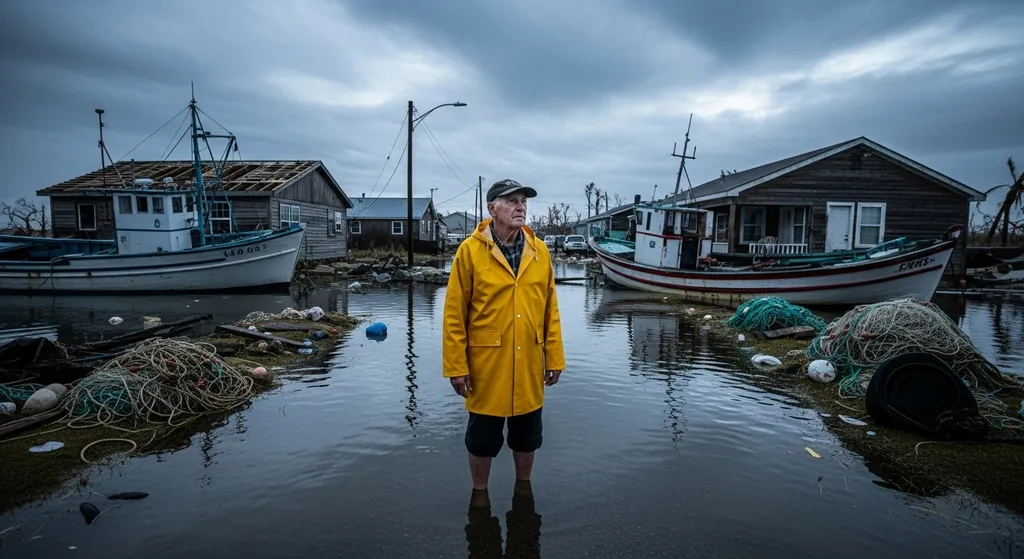
The
storm
destroyed
the
small
fishing
village
by
the
coast
.
The
storm
destroyed
the
small
fishing
village
by
the
coast
.
•
Workers
used
a
huge
bulldozer
to
destroy
the
old
brick
warehouse
.
Workers
used
a
huge
bulldozer
to
destroy
the
old
brick
warehouse
.
From
Old
French
destruire
,
from
Latin
dēstruere
“
to
unbuild
,
pull
down
.”
verb
to
ruin
completely
something
abstract
,
such
as
a
plan
,
relationship
,
or
someone
’
s
happiness
or
reputation
•
The
scandal
destroyed
the
politician
’
s
career
overnight
.
The
scandal
destroyed
the
politician
’
s
career
overnight
.
•
Harsh
words
can
destroy
a
child
’
s
confidence
.
Harsh
words
can
destroy
a
child
’
s
confidence
.
verb
to
defeat
an
opponent
completely
,
especially
in
a
game
,
sport
,
or
competition
•
Our
soccer
team
destroyed
theirs
five-nil
in
the
final
.
Our
soccer
team
destroyed
theirs
five-nil
in
the
final
.
•
The
chess
champion
destroyed
his
challenger
in
just
twenty
moves
.
The
chess
champion
destroyed
his
challenger
in
just
twenty
moves
.
survey
verb
-
survey
,
surveying
,
surveys
,
surveyed
to
ask
many
people
a
set
of
questions
in
order
to
collect
information
about
their
opinions
or
behaviour
•
Researchers
will
survey
two
hundred
households
about
their
internet
use
.
Researchers
will
survey
two
hundred
households
about
their
internet
use
.
•
We
were
surveying
students
to
improve
the
cafeteria
menu
.
We
were
surveying
students
to
improve
the
cafeteria
menu
.
verb
-
survey
,
surveying
,
surveys
,
surveyed
to
look
carefully
at
the
whole
of
something
to
judge
its
size
,
quality
,
or
situation
•
From
the
hilltop
,
she
paused
to
survey
the
valley
below
.
From
the
hilltop
,
she
paused
to
survey
the
valley
below
.
•
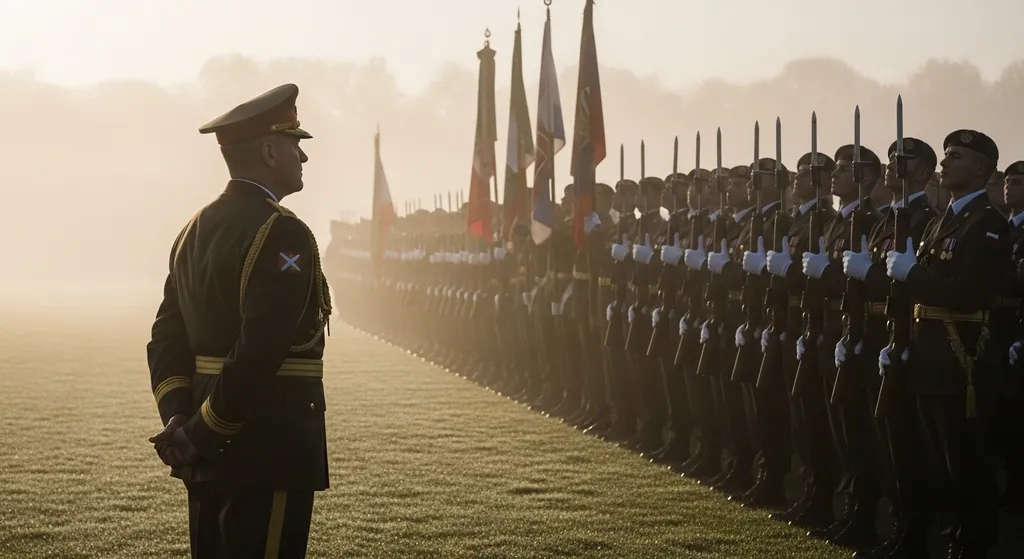
The
general
surveyed
his
troops
before
the
parade
began
.
The
general
surveyed
his
troops
before
the
parade
began
.
gay
adjective
-
gay
,
gayer
,
gayest
attracted
to
people
of
the
same
sex
•
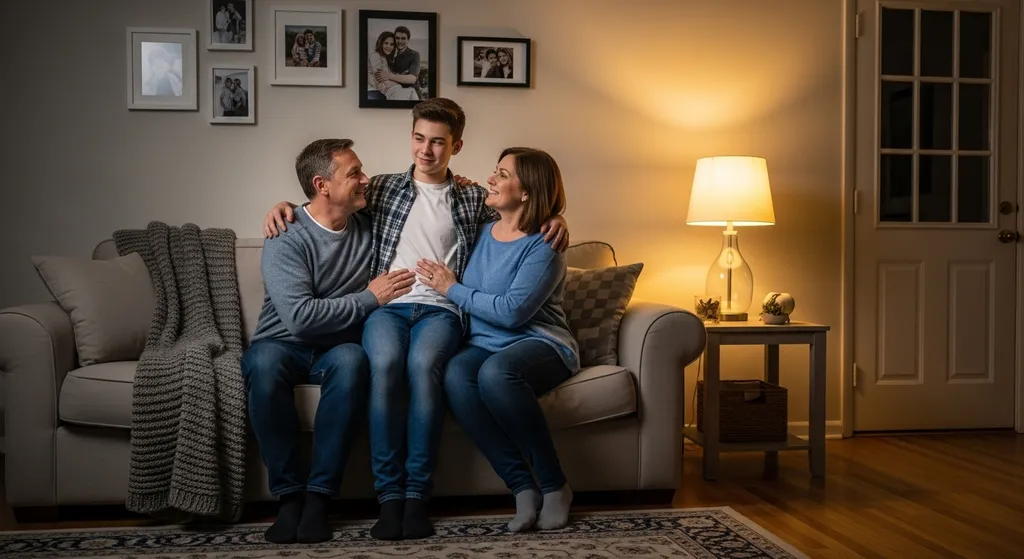
Mark
proudly
told
his
parents
he
was
gay
,
and
they
hugged
him
warmly
.
Mark
proudly
told
his
parents
he
was
gay
,
and
they
hugged
him
warmly
.
•
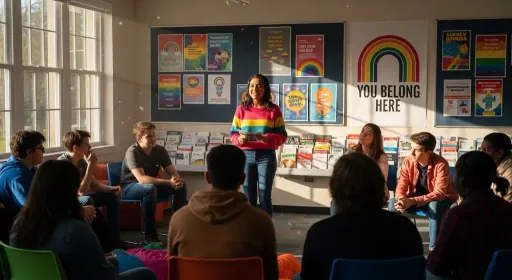
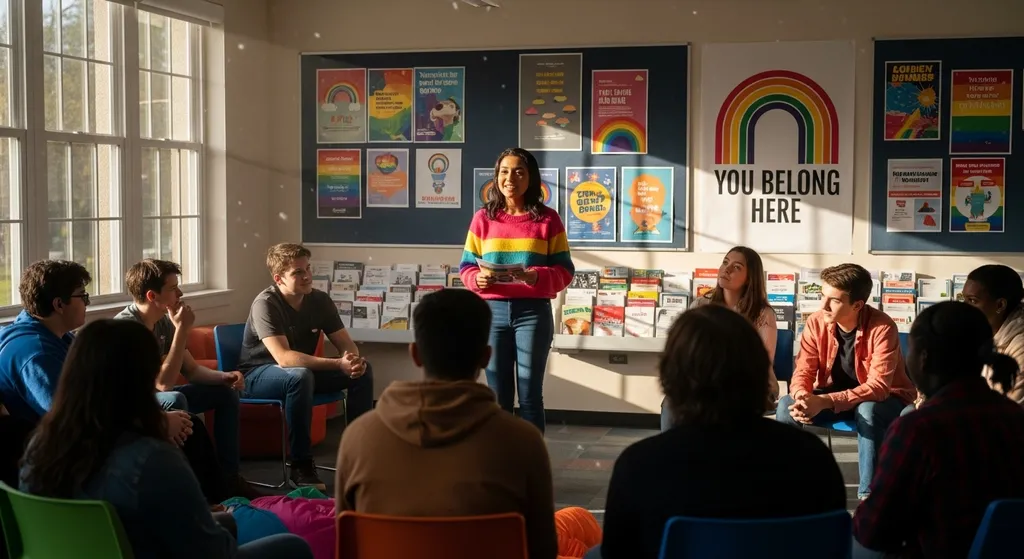
Sofia
volunteers
at
a
support
group
for
gay
teenagers
every
Saturday
.
Sofia
volunteers
at
a
support
group
for
gay
teenagers
every
Saturday
.
Originally
meant
“
joyful
,
carefree
”
in
Middle
English
;
by
the
20th
century
,
developed
the
sense
of
“
homosexual
.”
adjective
-
gay
,
gayer
,
gayest
brightly
colored
and
cheerful
;
lively
•
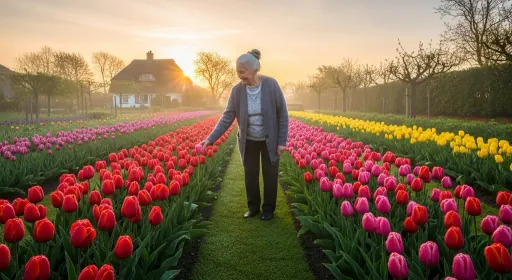
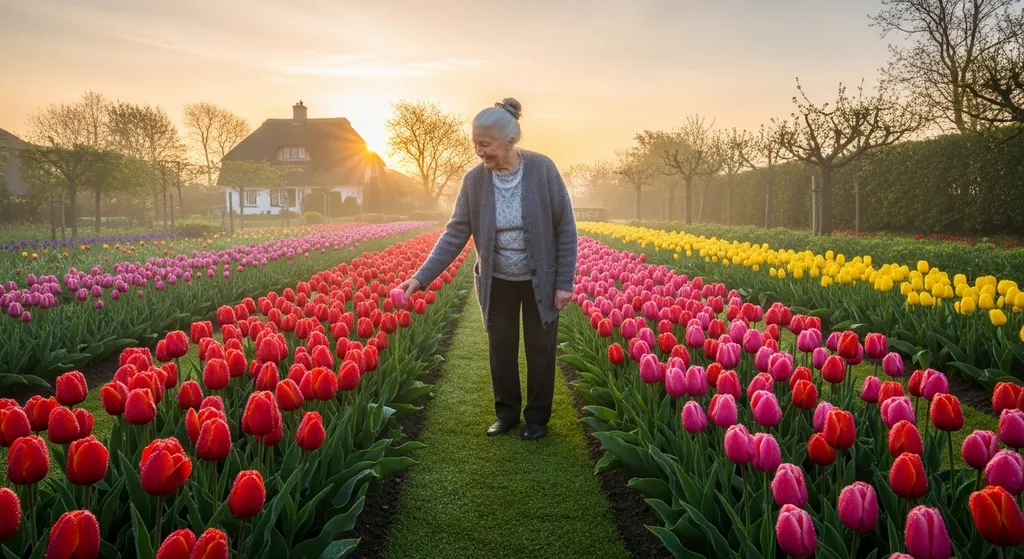
The
garden
looked
gay
with
rows
of
tulips
in
every
shade
.
The
garden
looked
gay
with
rows
of
tulips
in
every
shade
.
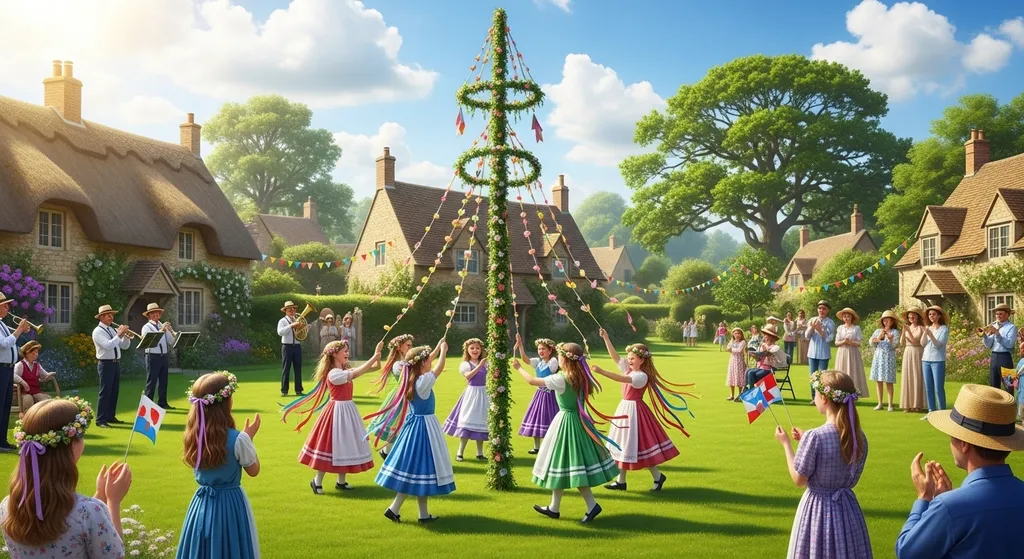
•
Children
in
gay
costumes
danced
around
the
maypole
.
Children
in
gay
costumes
danced
around
the
maypole
.
From
Old
French
“
gai
”
meaning
“
joyful
,
happy
,”
entering
English
in
the
12th
century
.
bay
verb
to
bark
or
howl
loudly
,
especially
of
dogs
when
hunting
or
excited
•
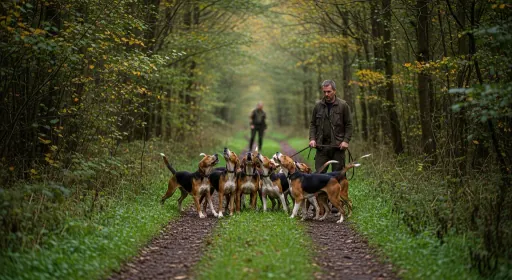
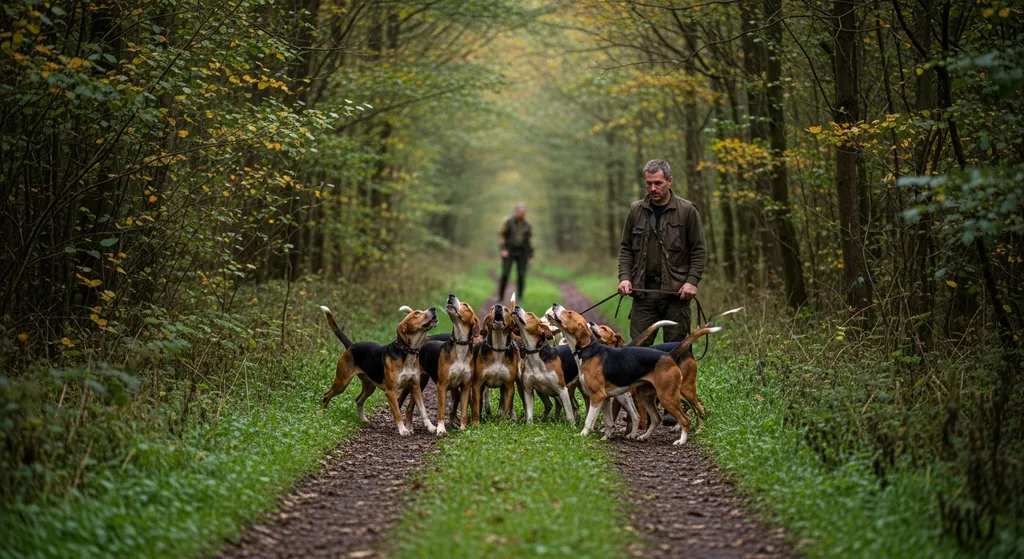
The
hounds
began
to
bay
as
soon
as
they
caught
the
scent
.
The
hounds
began
to
bay
as
soon
as
they
caught
the
scent
.
•
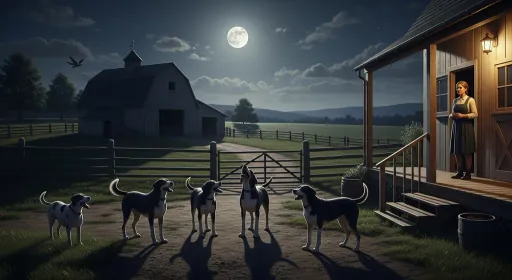
Dogs
bay
at
the
full
moon
all
night
.
Dogs
bay
at
the
full
moon
all
night
.
holiday
verb
to
spend
a
period
away
from
home
for
rest
or
pleasure
•
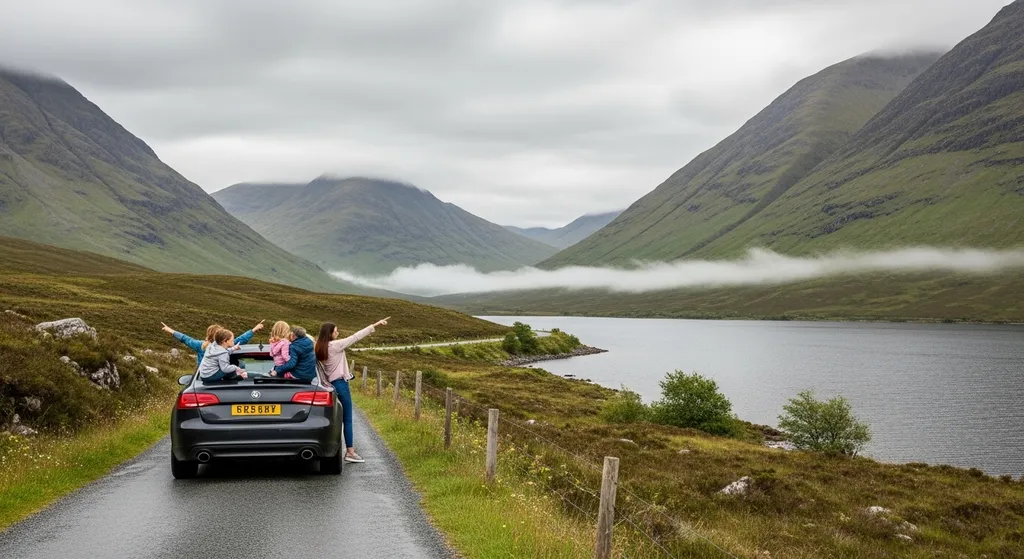
This
year
we
holiday
in
the
Scottish
Highlands
.
This
year
we
holiday
in
the
Scottish
Highlands
.
•
They
usually
holiday
abroad
every
spring
.
They
usually
holiday
abroad
every
spring
.
pray
verb
to
speak
to
God
or
another
spiritual
being
,
especially
to
give
thanks
or
ask
for
help
•
Every
night
before
bed
,
the
family
knelt
together
to
pray
.
Every
night
before
bed
,
the
family
knelt
together
to
pray
.
•
Pilgrims
gathered
at
the
ancient
temple
to
pray
for
good
fortune
.
Pilgrims
gathered
at
the
ancient
temple
to
pray
for
good
fortune
.
verb
to
hope
very
much
that
something
will
happen
,
often
saying
it
even
if
you
are
not
religious
•
I
pray
the
rain
stops
before
the
outdoor
wedding
starts
.
I
pray
the
rain
stops
before
the
outdoor
wedding
starts
.
•
Let's
pray
the
exam
questions
are
easy
tomorrow
.
Let's
pray
the
exam
questions
are
easy
tomorrow
.
verb
(
formal
,
old-fashioned
)
to
ask
someone
politely
or
earnestly
to
do
something
•
The
letter
read
,
'I
pray
you
reconsider
your
decision
.
'
The
letter
read
,
'I
pray
you
reconsider
your
decision
.
'
•
He
bowed
and
said
,
'I
pray
your
forgiveness
,
my
lord
.
'
He
bowed
and
said
,
'I
pray
your
forgiveness
,
my
lord
.
'
employ
verb
to
give
someone
a
paid
job
•
The
company
plans
to
employ
fifty
new
engineers
this
year
.
The
company
plans
to
employ
fifty
new
engineers
this
year
.
•
“
I
need
to
employ
another
barista
before
the
weekend
rush
,”
the
café
owner
said
.
“
I
need
to
employ
another
barista
before
the
weekend
rush
,”
the
café
owner
said
.
Late
Middle
English
from
Old
French
‘
employer
’
meaning
‘
to
apply
or
use
’,
from
Latin
‘
implicare
’ ‘
to
enfold
,
engage
’.
verb
to
use
a
tool
,
method
,
or
skill
for
a
purpose
•
The
scientist
employed
a
new
technique
to
test
the
theory
.
The
scientist
employed
a
new
technique
to
test
the
theory
.
•
Good
writers
employ
vivid
imagery
to
engage
their
readers
.
Good
writers
employ
vivid
imagery
to
engage
their
readers
.
Same
origin
as
Sense
1
:
from
Old
French
‘
employer
’,
influenced
over
time
to
include
the
meaning
‘
put
to
use
’.
prayer
noun
a
set
of
words
you
say
or
think
when
talking
to
God
or
another
divine
being
,
usually
to
ask
for
help
,
praise
,
or
give
thanks
•
Before
dinner
,
Sara
said
a
short
prayer
of
thanks
.
Before
dinner
,
Sara
said
a
short
prayer
of
thanks
.
•
The
old
woman
lit
a
candle
and
whispered
a
prayer
for
her
grandchildren
’
s
safety
.
The
old
woman
lit
a
candle
and
whispered
a
prayer
for
her
grandchildren
’
s
safety
.
From
Old
French
prière
,
from
Late
Latin
precaria
,
from
Latin
precari
“
to
ask
,
entreat
”.
noun
-
prayer
the
act
or
practice
of
praying
to
a
deity
,
especially
as
a
regular
part
of
life
or
worship
•
Daily
prayer
gives
her
strength
to
face
challenges
.
Daily
prayer
gives
her
strength
to
face
challenges
.
•
The
church
is
open
for
prayer
throughout
the
day
.
The
church
is
open
for
prayer
throughout
the
day
.
Same
origin
as
the
countable
sense
,
reflecting
the
shift
from
an
individual
request
to
the
ongoing
practice
.
noun
a
very
small
chance
of
succeeding
,
winning
,
or
being
true
,
usually
used
in
negative
phrases
like
“
not
have
a
prayer
”
•
With
no
training
,
they
don
’
t
have
a
prayer
of
winning
the
race
.
With
no
training
,
they
don
’
t
have
a
prayer
of
winning
the
race
.
•
We
thought
the
exam
was
so
difficult
that
we
didn
’
t
stand
a
prayer
.
We
thought
the
exam
was
so
difficult
that
we
didn
’
t
stand
a
prayer
.
Figurative
extension
from
the
religious
sense
,
suggesting
that
only
divine
help
could
make
success
possible
.
employer
noun
a
person
,
company
,
or
organization
that
pays
people
to
work
for
them
•
My
employer
offers
flexible
working
hours
.
My
employer
offers
flexible
working
hours
.
•
During
the
interview
,
he
asked
the
employer
about
career
growth
opportunities
.
During
the
interview
,
he
asked
the
employer
about
career
growth
opportunities
.
From
employ
+
‑er
;
first
recorded
in
English
in
the
late
15th
century
referring
to
a
person
who
employs
others
.
display
verb
-
display
,
displaying
,
displays
,
displayed
to
arrange
or
put
something
where
people
can
easily
see
it
•
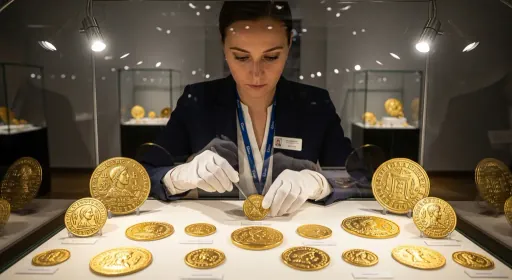
At
the
museum
,
they
display
ancient
coins
in
glass
cases
.
At
the
museum
,
they
display
ancient
coins
in
glass
cases
.
•
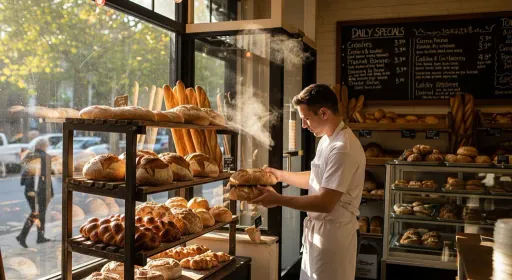
The
bakery
displays
its
fresh
bread
near
the
door
to
attract
customers
.
The
bakery
displays
its
fresh
bread
near
the
door
to
attract
customers
.
From
Middle
French
"
despleier
"
meaning
"
to
unfold
,
spread
out
",
later
developing
the
sense
of
"
show
openly
"
in
English
.
verb
-
display
,
displaying
,
displays
,
displayed
to
show
a
feeling
,
quality
,
or
attitude
clearly
through
actions
or
appearance
•
The
team
displayed
great
courage
during
the
final
match
.
The
team
displayed
great
courage
during
the
final
match
.
•
He
displays
no
interest
in
politics
.
He
displays
no
interest
in
politics
.
verb
-
display
,
displaying
,
displays
,
displayed
(
computing
)
to
show
words
,
pictures
,
or
other
information
on
a
screen
•
The
website
displays
the
results
in
seconds
.
The
website
displays
the
results
in
seconds
.
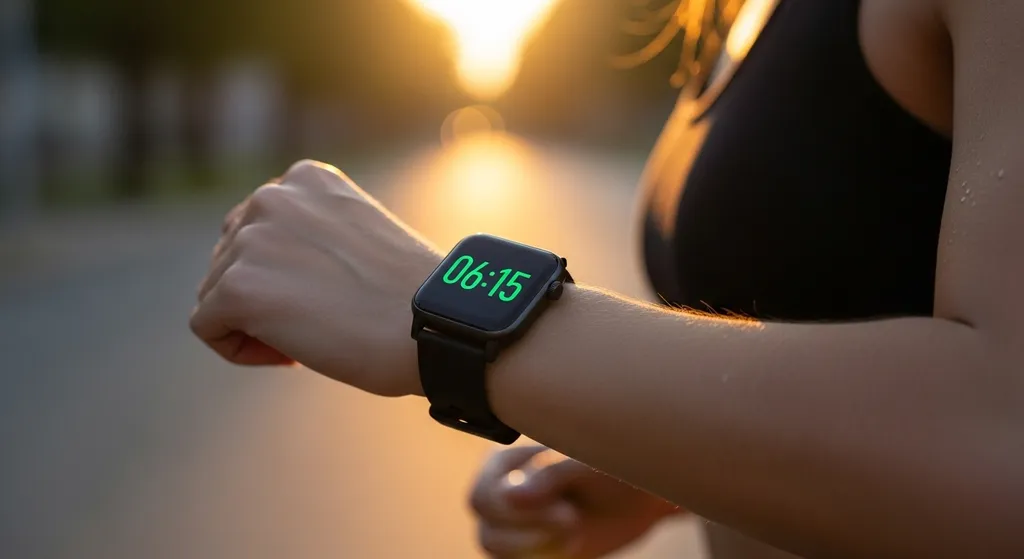
•
My
watch
displayed
the
time
in
bright
numbers
.
My
watch
displayed
the
time
in
bright
numbers
.
journey
verb
-
journey
,
journeying
,
journeys
,
journeyed
to
travel
from
one
place
to
another
•
They
plan
to
journey
across
Asia
by
train
next
summer
.
They
plan
to
journey
across
Asia
by
train
next
summer
.
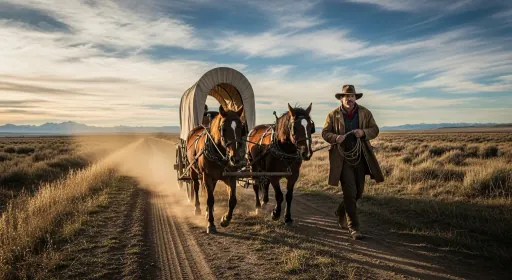
•
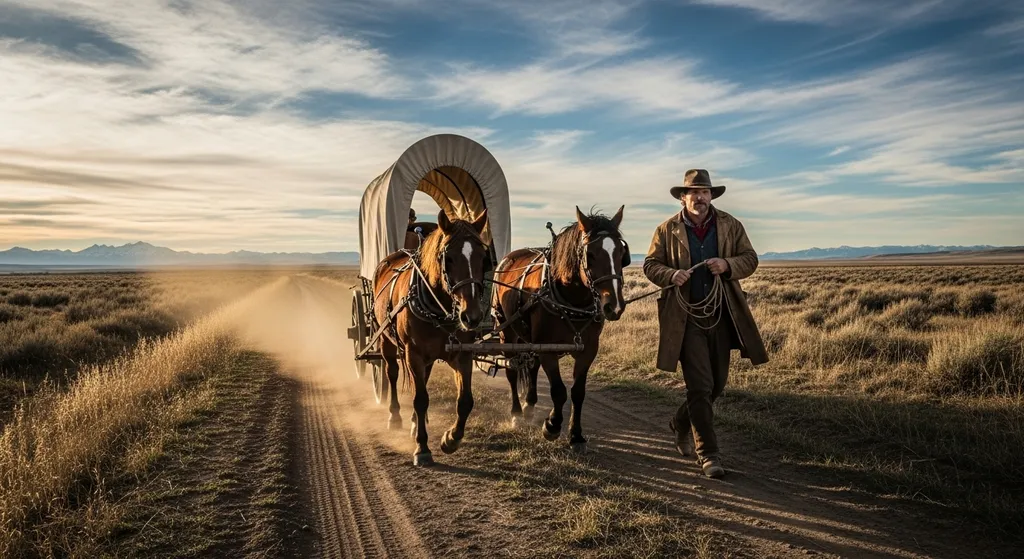
In
the
1800s
,
pioneers
journeyed
west
in
covered
wagons
.
In
the
1800s
,
pioneers
journeyed
west
in
covered
wagons
.
Back-formation
from
the
noun
‘
journey
’;
verb
use
recorded
since
the
late
15th
century
.
layer
noun
a
single
sheet
,
thickness
,
or
level
of
material
,
substance
,
or
objects
that
lies
over
or
under
another
•
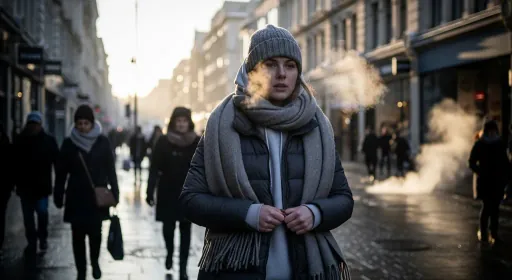
On
a
cold
morning
,
Maya
wore
three
layers
of
clothing
to
stay
warm
.
On
a
cold
morning
,
Maya
wore
three
layers
of
clothing
to
stay
warm
.
•
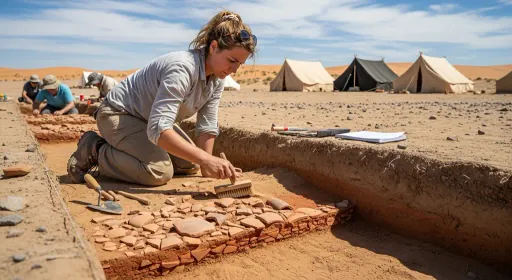
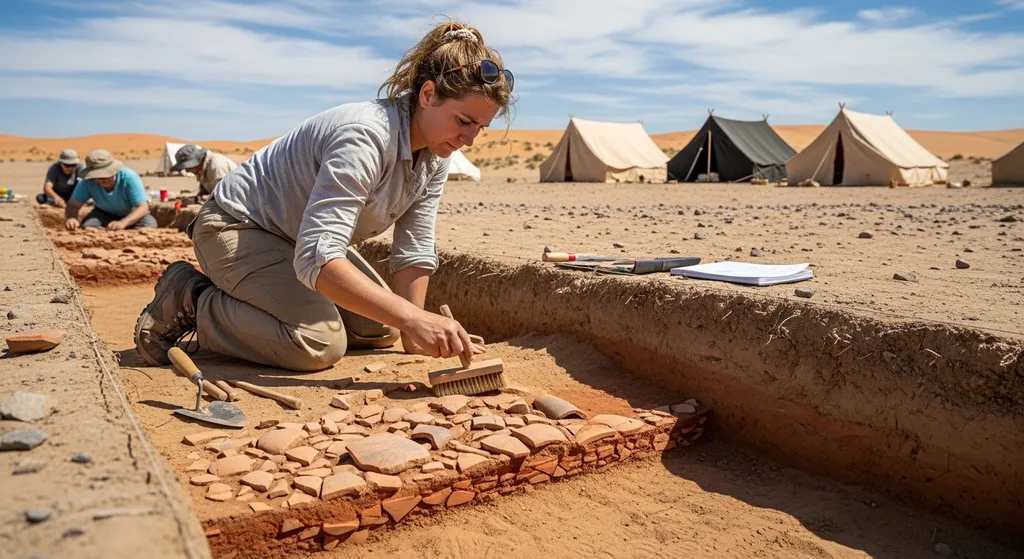
The
archaeologist
carefully
brushed
away
soil
to
reveal
a
layer
of
ancient
pottery
shards
.
The
archaeologist
carefully
brushed
away
soil
to
reveal
a
layer
of
ancient
pottery
shards
.
From
Middle
English
‘
leyer
’,
from
Old
French
‘
leier
’,
from
Latin
‘
lectus
’
meaning
‘
bed
,
couch
’,
later
generalised
to
something
laid
or
spread
.
noun
a
chicken
or
other
bird
that
is
kept
chiefly
for
producing
eggs
•
Each
layer
on
the
farm
produces
nearly
an
egg
a
day
.
Each
layer
on
the
farm
produces
nearly
an
egg
a
day
.
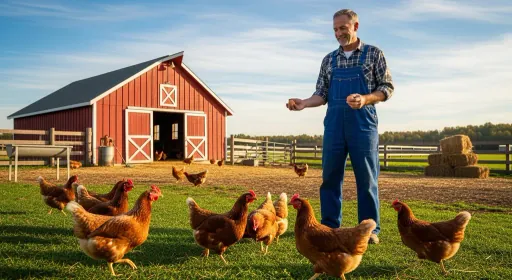
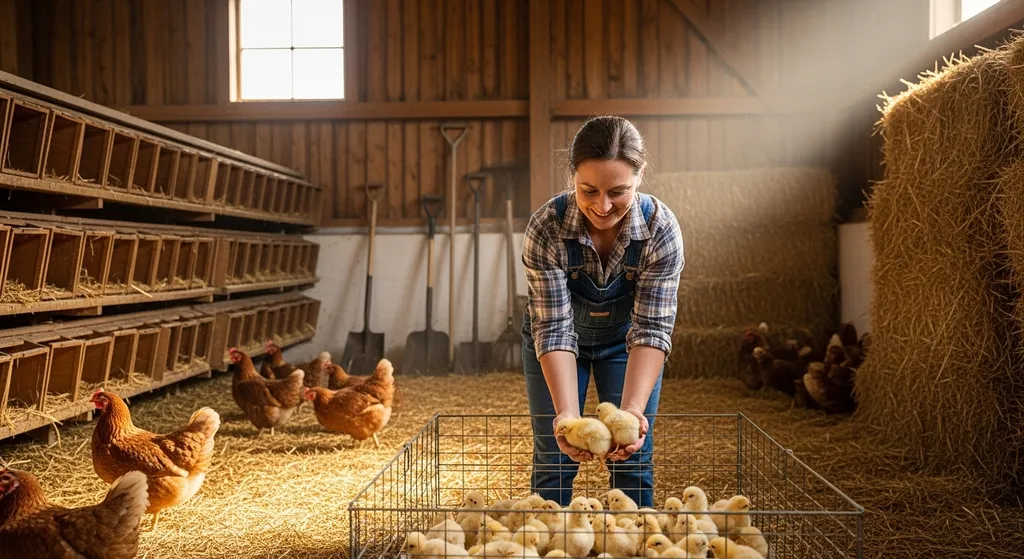
•
The
farmer
separates
the
young
chicks
from
the
adult
layers
.
The
farmer
separates
the
young
chicks
from
the
adult
layers
.
From
‘
lay
’
+
‘
-er
’,
meaning
‘
one
that
lays
’,
used
for
egg-producing
hens
since
the
late
19th
century
.
verb
to
arrange
or
place
something
in
levels
,
sheets
,
or
coatings
on
top
of
each
other
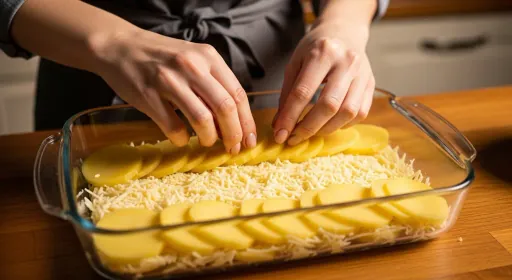
•
Layer
the
sliced
potatoes
and
cheese
in
the
dish
before
baking
.
Layer
the
sliced
potatoes
and
cheese
in
the
dish
before
baking
.
•
She
layered
different
fonts
and
images
to
create
a
striking
poster
.
She
layered
different
fonts
and
images
to
create
a
striking
poster
.
From
the
noun
‘
layer
’,
first
used
as
a
verb
in
the
late
19th
century
meaning
‘
to
place
in
layers
’.
noun
an
abstract
level
in
a
system
,
especially
in
computing
or
networking
,
that
has
its
own
function
and
interacts
with
other
levels
•
The
security
layer
encrypts
all
data
before
it
leaves
the
device
.
The
security
layer
encrypts
all
data
before
it
leaves
the
device
.
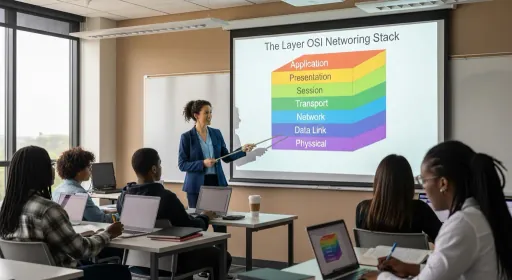
•
In
the
OSI
model
,
each
layer
handles
a
different
part
of
the
communication
process
.
In
the
OSI
model
,
each
layer
handles
a
different
part
of
the
communication
process
.
Extension
of
the
physical
idea
of
layers
to
abstract
structures
in
computing
from
the
1970s
onward
.
verb
(
of
a
hen
)
to
produce
eggs
•
The
older
hens
no
longer
layer
regularly
during
the
colder
months
.
The
older
hens
no
longer
layer
regularly
during
the
colder
months
.
•
If
a
hen
stops
layering
,
farmers
often
adjust
her
diet
to
stimulate
egg
production
.
If
a
hen
stops
layering
,
farmers
often
adjust
her
diet
to
stimulate
egg
production
.
Derived
from
sense
‘
layer
’ (
noun
,
egg-laying
hen
);
verb
use
recorded
from
early
20th
century
farm
manuals
.
gray
adjective
-
gray
,
grayer
,
grayest
having
a
color
between
black
and
white
,
like
cloudy
sky
or
ash
•
The
sky
turned
gray
as
rain
clouds
gathered
.
The
sky
turned
gray
as
rain
clouds
gathered
.
•
She
wore
a
soft
gray
sweater
to
keep
warm
on
the
chilly
evening
.
She
wore
a
soft
gray
sweater
to
keep
warm
on
the
chilly
evening
.
verb
to
become
gray
in
colour
,
or
to
make
something
gray
•
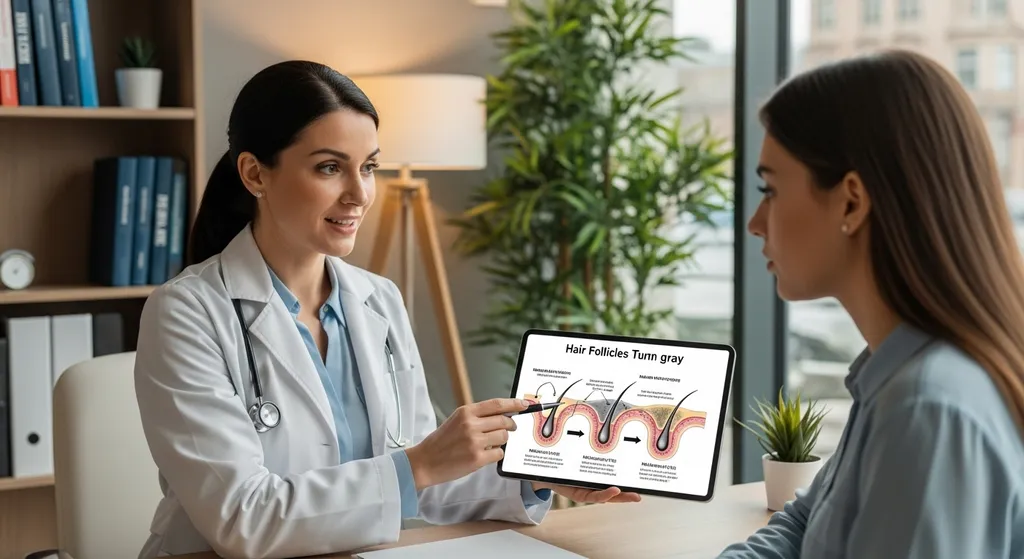
Stress
can
gray
a
person's
hair
at
an
early
age
.
Stress
can
gray
a
person's
hair
at
an
early
age
.
•
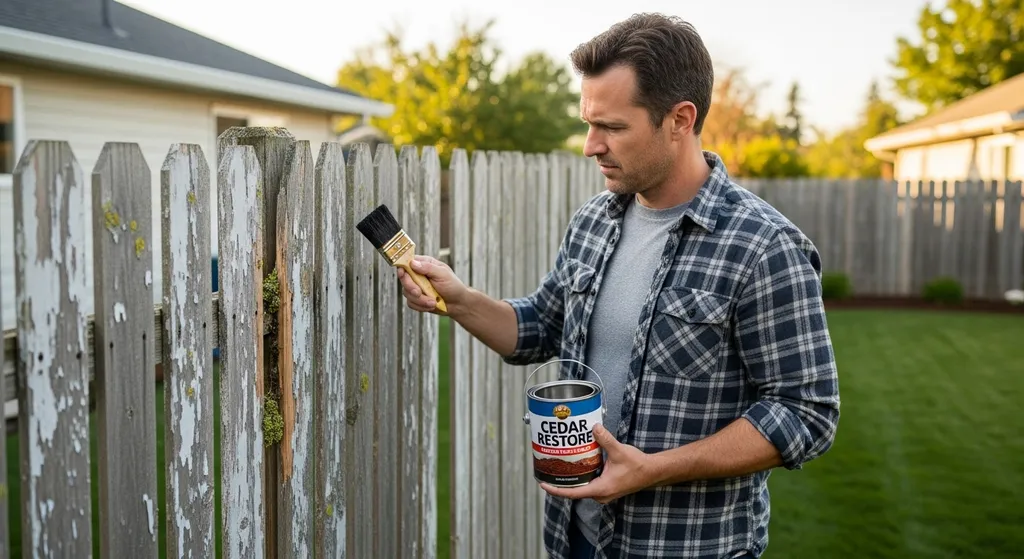
The
old
wooden
fence
has
grayed
after
years
of
sun
and
rain
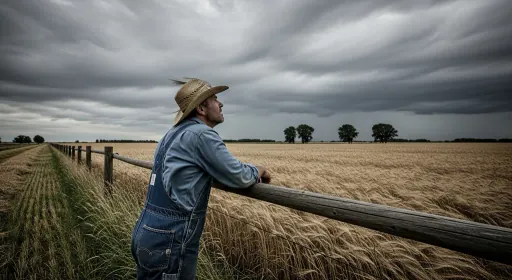
.
The
old
wooden
fence
has
grayed
after
years
of
sun
and
rain
.
grey
adjective
-
grey
,
greyer
,
greyest
having
a
colour
between
black
and
white
,
like
a
cloudy
sky
or
old
stone
•
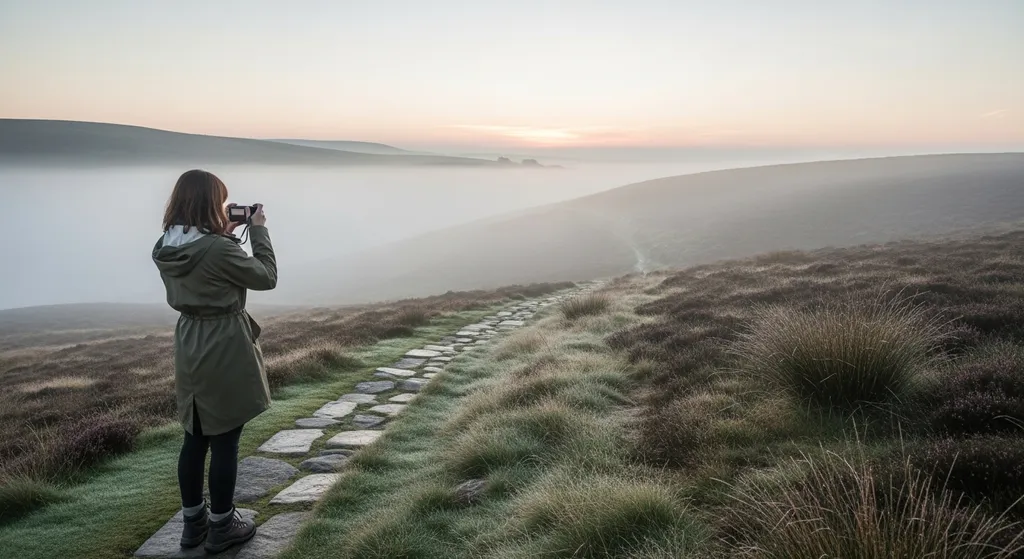
Mist
hung
over
the
moor
,
turning
everything
a
soft
grey
.
Mist
hung
over
the
moor
,
turning
everything
a
soft
grey
.
•
A
sleepy
grey
cat
stretched
out
on
the
sofa
.
A
sleepy
grey
cat
stretched
out
on
the
sofa
.
toy
verb
-
toy
,
toying
,
toys
,
toyed
to
handle
or
play
with
something
lightly
and
without
real
purpose
•
Nervously
,
he
toyed
with
the
keys
in
his
pocket
while
waiting
.
Nervously
,
he
toyed
with
the
keys
in
his
pocket
while
waiting
.
•
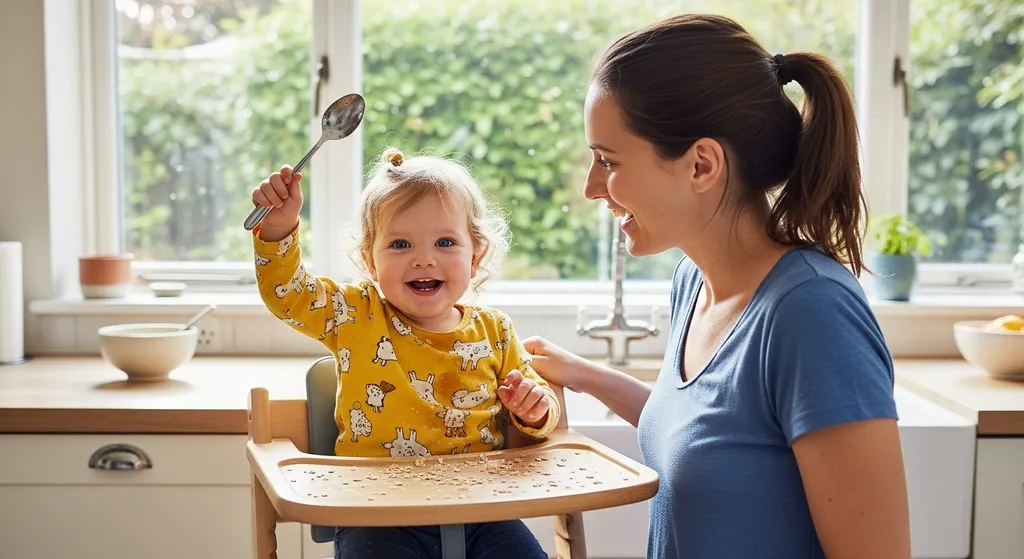
The
baby
kept
toying
with
the
spoon
instead
of
eating
.
The
baby
kept
toying
with
the
spoon
instead
of
eating
.
The
verb
sense
arose
in
the
16th
century
from
the
idea
of
engaging
in
trifling
amusement
.
verb
-
toy
,
toying
,
toys
,
toyed
to
think
about
or
consider
something
without
being
serious
or
committed
•
They
have
been
toying
with
the
idea
of
opening
a
café
.
They
have
been
toying
with
the
idea
of
opening
a
café
.
•
Don't
toy
with
my
feelings
;
I
need
an
honest
answer
.
Don't
toy
with
my
feelings
;
I
need
an
honest
answer
.
Metaphoric
extension
of
handling
something
lightly
to
treating
ideas
or
feelings
lightly
,
recorded
from
the
1700s
.
essay
verb
to
try
or
attempt
something
,
especially
something
difficult
or
unfamiliar
(
formal
)
•
She
decided
to
essay
a
new
recipe
she
had
just
seen
online
.
She
decided
to
essay
a
new
recipe
she
had
just
seen
online
.
•
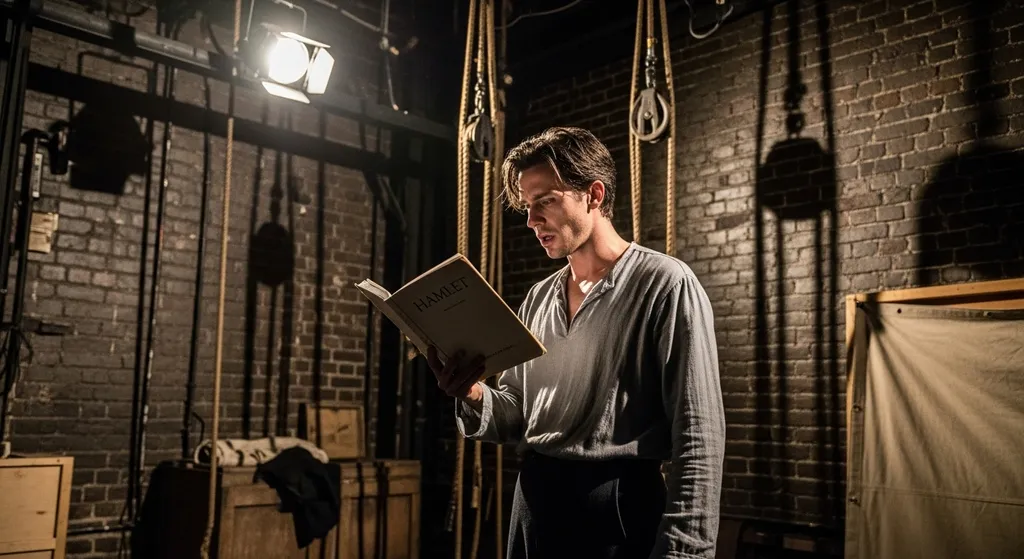
The
actor
will
essay
the
role
of
Hamlet
for
the
first
time
next
month
.
The
actor
will
essay
the
role
of
Hamlet
for
the
first
time
next
month
.
joy
verb
-
joy
,
joying
,
joys
,
joyed
to
feel
or
express
great
happiness
;
rejoice
•
The
villagers
joyed
in
the
arrival
of
spring
.
The
villagers
joyed
in
the
arrival
of
spring
.
•
She
joys
in
helping
others
succeed
.
She
joys
in
helping
others
succeed
.
bye
interjection
used
to
say
goodbye
when
you
are
leaving
someone
or
ending
a
conversation
•
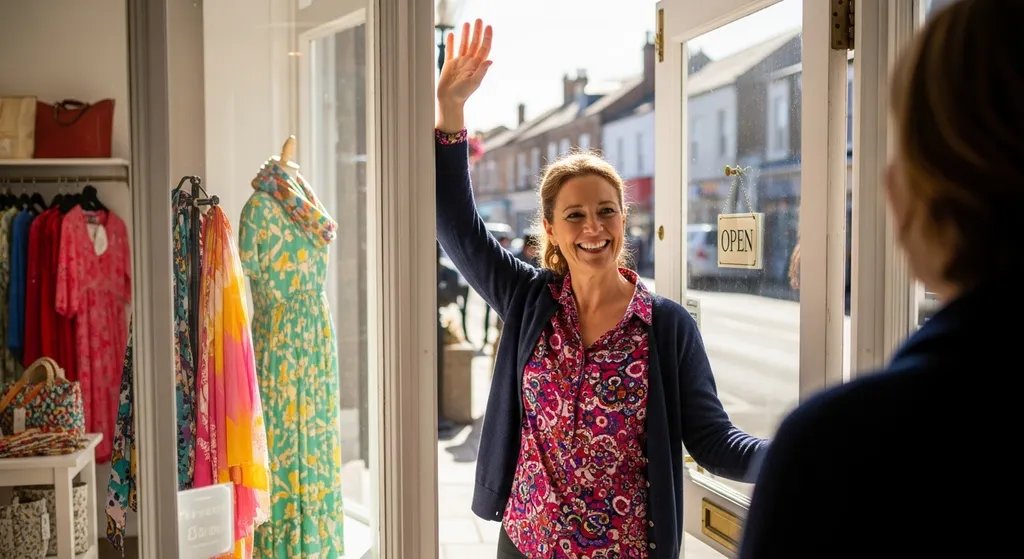
“
Thanks
for
coming
!
Bye
!”
“
Thanks
for
coming
!
Bye
!”
•
He
hung
up
the
phone
after
saying
bye
to
his
mother
.
He
hung
up
the
phone
after
saying
bye
to
his
mother
.
Shortened
from
goodbye
,
first
recorded
in
the
late
16th
century
.
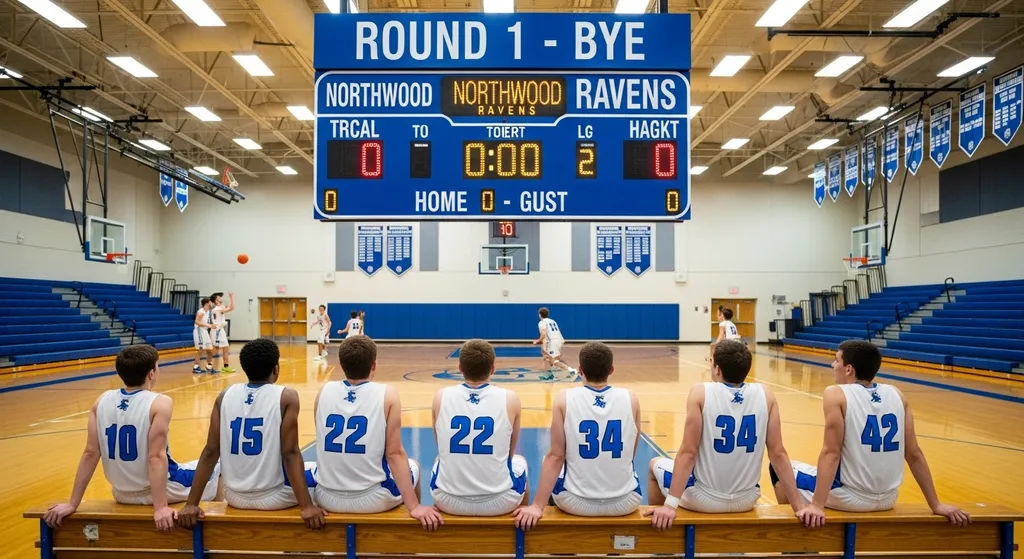
noun
an
automatic
advance
to
the
next
round
of
a
competition
without
playing
a
scheduled
opponent
•
Because
there
were
an
odd
number
of
teams
,
ours
received
a
bye
in
the
first
round
.
Because
there
were
an
odd
number
of
teams
,
ours
received
a
bye
in
the
first
round
.
•
The
tournament
bracket
clearly
showed
which
players
had
a
bye
.
The
tournament
bracket
clearly
showed
which
players
had
a
bye
.
19th-century
sporting
slang
,
perhaps
from
the
idea
of
being
“
by
”
or
outside
the
normal
play
.
noun
in
cricket
,
a
run
scored
when
the
ball
passes
the
batter
without
touching
bat
or
body
and
the
fielding
side
fails
to
stop
it
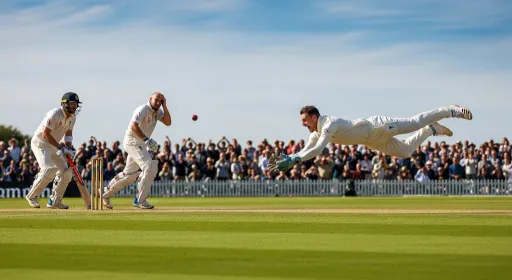
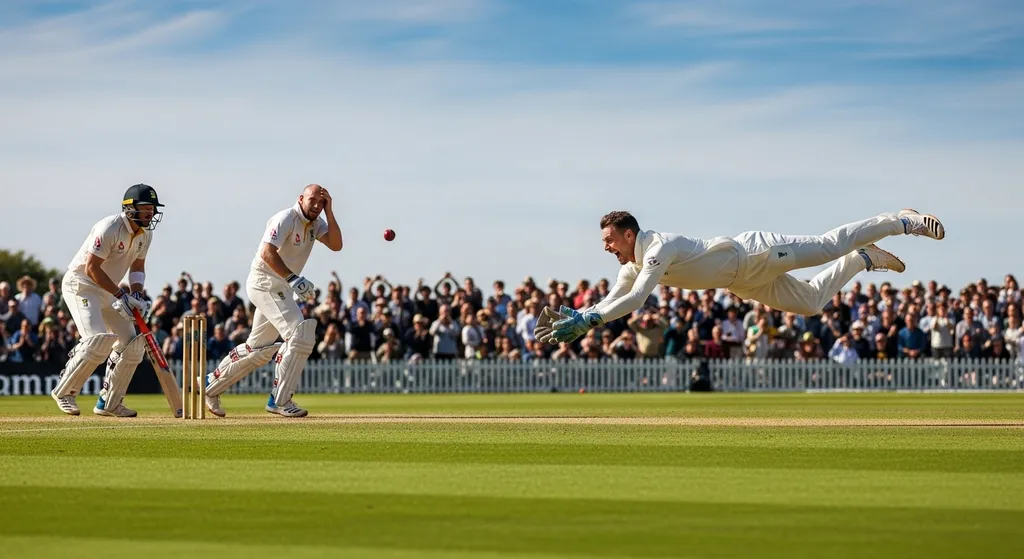
•
The
wicketkeeper
fumbled
,
allowing
the
batsmen
to
take
a
bye
.
The
wicketkeeper
fumbled
,
allowing
the
batsmen
to
take
a
bye
.
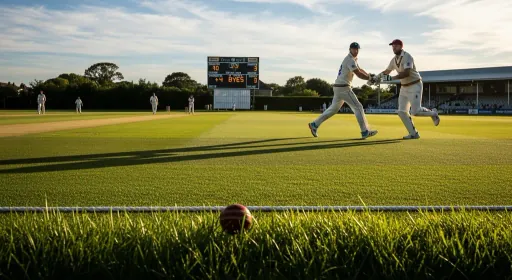
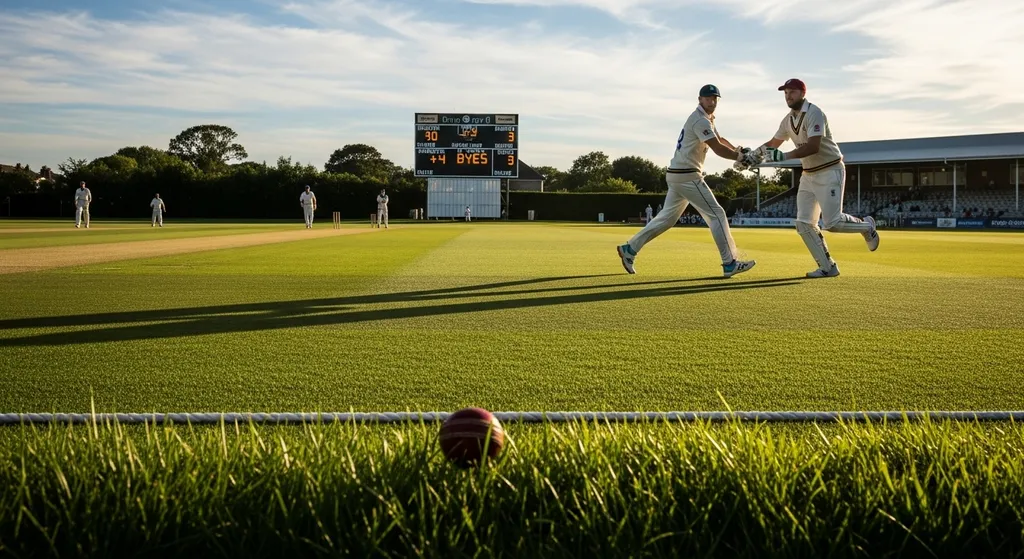
•
They
ran
four
byes
when
the
ball
slipped
past
the
keeper
and
reached
the
rope
.
They
ran
four
byes
when
the
ball
slipped
past
the
keeper
and
reached
the
rope
.
Early
19th-century
cricket
term
,
from
the
sense
of
the
ball
going
"
by
"
the
batter
.
taxpayer
noun
a
person
,
business
,
or
other
entity
that
pays
money
in
taxes
to
a
government
•
Each
taxpayer
must
file
a
return
before
the
deadline
.
Each
taxpayer
must
file
a
return
before
the
deadline
.
•
The
new
park
will
cost
less
than
many
taxpayers
expected
.
The
new
park
will
cost
less
than
many
taxpayers
expected
.
tax
+
payer
,
first
recorded
in
English
in
the
early
19th
century
as
governments
began
to
track
individuals
who
owed
tax
.
buyer
noun
a
person
who
pays
money
to
get
goods
or
services
•
The
buyer
paid
for
a
basket
of
fresh
apples
at
the
farmers
’
market
.
The
buyer
paid
for
a
basket
of
fresh
apples
at
the
farmers
’
market
.
•
Every
buyer
at
the
garage
sale
left
with
a
smile
and
a
bargain
in
hand
.
Every
buyer
at
the
garage
sale
left
with
a
smile
and
a
bargain
in
hand
.
from
the
verb
"
buy
"
+
agentive
suffix
"
-er
",
first
recorded
in
Middle
English
(
14th
century
).
noun
someone
whose
job
is
to
choose
and
purchase
goods
or
services
for
a
company
or
store
•
The
fashion
company
sent
its
senior
buyer
to
Milan
to
select
fabrics
for
next
season
.
The
fashion
company
sent
its
senior
buyer
to
Milan
to
select
fabrics
for
next
season
.
•
A
supermarket
buyer
negotiates
prices
with
farmers
to
keep
shelves
stocked
and
costs
low
.
A
supermarket
buyer
negotiates
prices
with
farmers
to
keep
shelves
stocked
and
costs
low
.
extension
of
the
general
sense
of
"
buyer
"
to
a
specialized
occupational
role
,
first
attested
in
the
early
20th
century
as
retail
organizations
grew
larger
.
delay
verb
-
delay
,
delaying
,
delays
,
delayed
to
make
something
happen
later
than
planned
,
or
to
happen
later
itself
•
Road
works
may
delay
your
journey
by
an
hour
.
Road
works
may
delay
your
journey
by
an
hour
.
•
The
teacher
delayed
the
test
to
give
the
class
more
study
time
.
The
teacher
delayed
the
test
to
give
the
class
more
study
time
.
From
Old
French
deleer
,
based
on
Latin
differre
“
to
put
off
.”
portray
verb
to
make
a
picture
of
someone
or
something
by
drawing
,
painting
,
photographing
,
or
similar
artistic
means
•
The
artist
portrayed
the
old
castle
in
soft
watercolor
tones
.
The
artist
portrayed
the
old
castle
in
soft
watercolor
tones
.
•
The
documentary
portrays
the
rainforest
with
stunning
aerial
shots
.
The
documentary
portrays
the
rainforest
with
stunning
aerial
shots
.
verb
to
describe
or
show
someone
or
something
in
a
particular
way
,
especially
with
words
or
other
non-visual
means
•
The
article
portrayed
the
scientist
as
a
dedicated
pioneer
.
The
article
portrayed
the
scientist
as
a
dedicated
pioneer
.
•
The
novel
portrays
life
in
the
1930s
with
vivid
detail
.
The
novel
portrays
life
in
the
1930s
with
vivid
detail
.
verb
to
act
the
part
of
a
character
in
a
film
,
play
,
or
television
program
•
The
actor
portrayed
a
brave
firefighter
in
the
movie
.
The
actor
portrayed
a
brave
firefighter
in
the
movie
.
•
In
the
series
,
she
portrays
a
brilliant
detective
.
In
the
series
,
she
portrays
a
brilliant
detective
.
monkey with
verb
-
monkey
with
,
monkeying
with
,
monkeys
with
,
monkeyed
with
to
handle
or
interfere
with
something
in
a
careless
or
playful
way
,
often
causing
problems
•
Don
’
t
monkey
with
the
computer
settings
,
or
the
program
will
crash
.
Don
’
t
monkey with
the
computer
settings
,
or
the
program
will
crash
.
•
He
spent
the
afternoon
monkeying
with
the
old
radio
until
it
finally
worked
.
He
spent
the
afternoon
monkeying with
the
old
radio
until
it
finally
worked
.
From
the
noun
“
monkey
,”
likening
careless
human
interference
to
a
playful
monkey
’
s
behavior
;
first
attested
in
American
English
in
the
early
20th
century
.
array
verb
to
arrange
things
or
people
neatly
and
in
order
so
that
they
can
be
seen
•
The
general
arrayed
his
troops
in
a
straight
line
across
the
field
.
The
general
arrayed
his
troops
in
a
straight
line
across
the
field
.
•
She
arrayed
the
dining
table
with
silver
candles
and
fine
china
.
She
arrayed
the
dining
table
with
silver
candles
and
fine
china
.
From
Old
French
arayer
,
meaning
“
to
put
in
order
or
equip
,”
dating
to
Middle
English
.
goodbye
interjection
Used
to
express
farewell
when
you
are
leaving
someone
.
•
Emma
waved
and
said
goodbye
before
boarding
the
train
.
Emma
waved
and
said
goodbye
before
boarding
the
train
.
•
He
shouted
goodbye
as
the
bus
pulled
away
from
the
stop
.
He
shouted
goodbye
as
the
bus
pulled
away
from
the
stop
.
Shortened
from
the
16th-century
phrase
“
God
be
with
ye
,”
which
people
said
when
parting
.
noun
An
act
or
instance
of
bidding
farewell
.
•
After
a
quick
goodbye
,
she
hurried
into
the
taxi
.
After
a
quick
goodbye
,
she
hurried
into
the
taxi
.
•
Their
tearful
goodbyes
took
longer
than
the
entire
visit
.
Their
tearful
goodbyes
took
longer
than
the
entire
visit
.
From
the
earlier
interjection
“
goodbye
,”
itself
a
contraction
of
“
God
be
with
ye
,”
later
used
as
a
noun
meaning
the
act
of
bidding
farewell
.
convey
verb
-
convey
,
conveying
,
conveys
,
conveyed
to
communicate
or
express
an
idea
,
feeling
,
or
information
so
that
other
people
understand
it
•
The
teacher
used
a
simple
story
to
convey
the
idea
of
kindness
to
her
students
.
The
teacher
used
a
simple
story
to
convey
the
idea
of
kindness
to
her
students
.
•
A
warm
smile
can
convey
more
comfort
than
a
thousand
words
.
A
warm
smile
can
convey
more
comfort
than
a
thousand
words
.
From
Middle
English
conveien
,
from
Old
French
conveier
“
to
escort
,
accompany
,”
from
Vulgar
Latin
*conviare
,
from
Latin
cum
“
with
”
+
via
“
way
.”
verb
-
convey
,
conveying
,
conveys
,
conveyed
to
carry
or
move
someone
or
something
from
one
place
to
another
•
Small
boats
were
used
to
convey
supplies
across
the
river
during
the
flood
.
Small
boats
were
used
to
convey
supplies
across
the
river
during
the
flood
.
•
The
conveyor
belt
conveys
the
cookies
from
the
oven
to
the
cooling
area
.
The
conveyor
belt
conveys
the
cookies
from
the
oven
to
the
cooling
area
.
verb
-
convey
,
conveying
,
conveys
,
conveyed
to
legally
transfer
property
or
rights
to
another
person
•
The
deed
conveys
ownership
of
the
house
to
the
buyer
once
it
is
signed
.
The
deed
conveys
ownership
of
the
house
to
the
buyer
once
it
is
signed
.
•
Under
the
will
,
his
grandfather
conveyed
the
farmland
to
three
grandchildren
.
Under
the
will
,
his
grandfather
conveyed
the
farmland
to
three
grandchildren
.
clay
verb
-
clay
,
claying
,
clays
,
clayed
to
cover
or
pack
something
with
clay
•
Workers
will
clay
the
kiln
’
s
outer
wall
to
seal
in
the
heat
.
Workers
will
clay
the
kiln
’
s
outer
wall
to
seal
in
the
heat
.
•
Farmers
used
to
clay
grain
floors
to
keep
out
moisture
.
Farmers
used
to
clay
grain
floors
to
keep
out
moisture
.
Derived
from
the
noun
“
clay
”;
verb
use
recorded
since
the
17th
century
.
shy
adjective
-
shy
,
shyer
,
shyest
nervous
and
uncomfortable
with
people
you
do
not
know
well
.
•
The
little
girl
became
shy
when
the
teacher
asked
her
to
speak
.
The
little
girl
became
shy
when
the
teacher
asked
her
to
speak
.
•
Ben
is
too
shy
to
introduce
himself
at
parties
.
Ben
is
too
shy
to
introduce
himself
at
parties
.
Old
English
“
sceoh
”
→
“
shy
,”
originally
meaning
'afraid'
or
'timid'
.
adjective
-
shy
,
shyer
,
shyest
reluctant
to
do
or
become
involved
in
something
.
•
Some
investors
are
shy
of
risky
start-ups
.
Some
investors
are
shy
of
risky
start-ups
.
•
She
is
shy
about
talking
on
camera
.
She
is
shy
about
talking
on
camera
.
adjective
-
shy
,
shyer
,
shyest
slightly
less
than
a
stated
amount
or
number
.
•
My
flight
arrived
ten
minutes
shy
of
midnight
.
My
flight
arrived
ten
minutes
shy
of
midnight
.
•
The
charity
is
only
five
dollars
shy
of
its
goal
.
The
charity
is
only
five
dollars
shy
of
its
goal
.
betray
verb
to
hurt
someone
who
trusts
you
by
being
disloyal
to
them
,
especially
by
helping
their
enemies
or
sharing
harmful
information
•
Judas
betrayed
Jesus
for
thirty
silver
coins
.
Judas
betrayed
Jesus
for
thirty
silver
coins
.
•
The
spy
betrayed
his
country
by
selling
secrets
to
a
foreign
agent
.
The
spy
betrayed
his
country
by
selling
secrets
to
a
foreign
agent
.
Middle
English
betraien
,
from
be-
+
Old
French
traïr
“
to
betray
,”
from
Latin
tradere
“
to
hand
over
.”
verb
to
reveal
something
hidden
,
such
as
a
feeling
or
secret
,
often
without
intending
to
•
Her
trembling
voice
betrayed
her
fear
during
the
interview
.
Her
trembling
voice
betrayed
her
fear
during
the
interview
.
•
A
sudden
blush
betrayed
her
embarrassment
.
A
sudden
blush
betrayed
her
embarrassment
.
verb
to
deceive
or
mislead
someone
so
they
make
a
mistake
•
Appearances
can
betray
even
the
wisest
traveler
.
Appearances
can
betray
even
the
wisest
traveler
.
•
The
calm
sea
betrayed
the
storm
that
lurked
beneath
.
The
calm
sea
betrayed
the
storm
that
lurked
beneath
.
eyebrow
noun
the
line
of
short
hairs
that
grows
on
the
ridge
of
skin
just
above
each
eye
•
Maria
raised
one
eyebrow
in
surprise
when
she
saw
the
huge
cake
.
Maria
raised
one
eyebrow
in
surprise
when
she
saw
the
huge
cake
.
•
After
swimming
,
Ben
used
a
towel
to
wipe
water
from
his
eyebrows
.
After
swimming
,
Ben
used
a
towel
to
wipe
water
from
his
eyebrows
.
From
Middle
English
‘
brou
’ (
forehead
,
eyebrow
),
later
combined
with
‘
eye
’.
keyboard
verb
-
keyboard
,
keyboarding
,
keyboards
,
keyed
to
type
information
by
pressing
the
keys
on
a
computer
keyboard
•
The
data
entry
clerk
keyboards
thousands
of
numbers
every
day
.
The
data
entry
clerk
keyboards
thousands
of
numbers
every
day
.
•
With
practice
,
you
can
keyboard
faster
without
looking
at
your
hands
.
With
practice
,
you
can
keyboard
faster
without
looking
at
your
hands
.
deploy
verb
to
move
soldiers
,
weapons
,
or
equipment
into
the
correct
position
so
they
are
ready
for
use
•
The
commander
ordered
the
brigade
to
deploy
along
the
river
before
sunrise
.
The
commander
ordered
the
brigade
to
deploy
along
the
river
before
sunrise
.
•
As
tensions
rose
,
NATO
forces
deployed
fighter
jets
to
patrol
the
airspace
.
As
tensions
rose
,
NATO
forces
deployed
fighter
jets
to
patrol
the
airspace
.
From
French
déployer
“
unfold
,
unfurl
” (
originally
of
sails
),
from
Latin
displicāre
“
to
scatter
,
spread
out
”.
verb
to
use
resources
,
skills
,
or
ideas
effectively
to
achieve
a
goal
•
The
company
plans
to
deploy
extra
funds
to
expand
its
research
division
.
The
company
plans
to
deploy
extra
funds
to
expand
its
research
division
.
•
Teachers
can
deploy
technology
to
make
lessons
more
engaging
.
Teachers
can
deploy
technology
to
make
lessons
more
engaging
.
Extended
figurative
sense
from
the
military
meaning
in
the
mid-20th
century
.
verb
in
computing
,
to
install
and
launch
software
or
updates
so
they
are
available
to
users
•
The
team
will
deploy
the
new
version
of
the
app
tonight
.
The
team
will
deploy
the
new
version
of
the
app
tonight
.
•
After
testing
,
we
can
deploy
the
website
to
the
production
server
.
After
testing
,
we
can
deploy
the
website
to
the
production
server
.
Specialized
computing
sense
arose
in
the
1980s
with
the
spread
of
client-server
software
.